
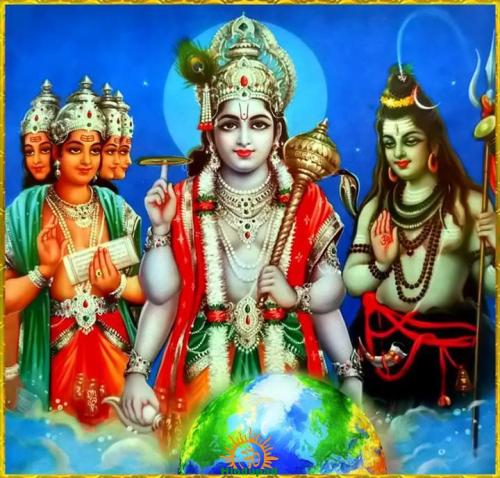
Shravan Month 2026 brings together lunar astronomy, monsoon-season discipline, temple worship, household vratas and some of the most widely observed festivals in the Hindu calendar. Also known as Sawan Mahina, Shravan Maas and Shravana Masam, the month is especially associated with Lord Shiva, yet its devotional landscape also includes traditions centred on Goddess Gauri, Mahalakshmi, Vishnu, Krishna, the Guru and sacred family relationships. For many households, its importance is experienced as a sustained rhythm of prayer and restraint rather than as a single festival.
Shravan Month 2026 start and end dates
In the Purnimanta calendar commonly followed across much of North India, Shravan Month 2026 begins on Thursday, July 30, and ends on Friday, August 28. In the Amanta or Amavasyanta calendars used in Maharashtra, Gujarat, Goa, Karnataka, Andhra Pradesh and Telangana, Shravana Masam begins on Thursday, August 13, and ends on Friday, September 11. These date ranges agree with the 2026 HinduPad start-date record and the location-adjusted Sawan calendar for Lucknow.
North Indian Purnimanta calendar: July 30 to August 28, 2026. Shravan Krishna Paksha extends from the day after Ashadha Purnima through the Amavasya of August 12. Shravan Shukla Paksha then begins on August 13 and culminates in Shravana Purnima on August 28.
Amanta Telugu, Kannada, Marathi and Gujarati calendars: August 13 to September 11, 2026. Shravana Shukla Paksha runs from August 13 through the Purnima period of August 27–28, while Shravana Krishna Paksha follows from August 29 until the Amavasya period of September 10–11. Sunrise rules and local tithi boundaries determine the precise assignment of an observance to a civil date.
The calendar system behind the two date ranges
A Hindu lunar date is based on a tithi, not on a fixed 24-hour weekday. Astronomically, each tithi represents a further 12 degrees of angular separation between the Sun and the Moon. Because their apparent motions are not uniform, a tithi can begin or end at any time of day. A festival may therefore be assigned according to the tithi present at sunrise, during a specified portion of the day or at a required ritual time such as midday, sunset or midnight.
The panchang coordinates five principal elements: tithi, vara or weekday, nakshatra, yoga and karana. Festival rules can use more than one of these elements, which is why a Gregorian date alone cannot supply every puja muhurta. Two cities may share the same festival date but have different beginning, ending and worship times; locations on opposite sides of the world can occasionally observe a festival on different civil dates.
Under the Purnimanta system, a lunar month ends with the full moon. Shravan therefore begins with Krishna Pratipada immediately after Ashadha Purnima. Its waning fortnight comes first, followed by its waxing fortnight, and the month closes at Shravana Purnima. This system explains the July 30 start used in calendars across Uttar Pradesh, Delhi, Rajasthan, Haryana, Punjab, Bihar, Jharkhand, Madhya Pradesh, Chhattisgarh, Uttarakhand and several neighbouring regions.
Under the Amanta system, a lunar month ends with the new moon. Shravana begins with Shukla Pratipada after the Amavasya of August 12, proceeds through the full moon and then continues through Krishna Paksha until the next Amavasya. This structure produces the August 13 to September 11 range familiar in Shravana Masam 2026 Telugu calendars and in many Kannada, Marathi and Gujarati panchangs.
The two systems are not describing different moons. They organize the same lunation around different month-ending points. Their shared centre is Shravana Shukla Paksha, August 13–28 in India. What North Indian calendars call Shravan Krishna Paksha before August 13 is generally Ashadha Krishna Paksha in Amanta reckoning; what Amanta calendars call Shravana Krishna Paksha after August 28 is generally Bhadrapada Krishna Paksha in Purnimanta reckoning.
This distinction also explains why Krishna Janmashtami may be described as Bhadrapada Krishna Ashtami in a North Indian calendar but as Shravana Krishna Ashtami in an Amanta calendar. The festival and lunar configuration are the same even though the printed month name differs. The terminology reflects calendrical organization rather than a disagreement about the sacred occasion.
Some communities use solar calendars as their primary civil or ritual reference. Nepal and parts of the Himalayan region may observe a solar Shravan beginning around mid-July, while Tamil and Malayalam calendars use their own solar month structures. The 2026 solar sequence can therefore produce another set of Shravan Mondays. A household should follow the calendar transmitted by its region, temple or sampradaya instead of combining dates from unrelated systems.
There is no Adhik Shravan in 2026. The intercalary month required to keep the lunisolar year aligned with the seasons occurs earlier in the year as an Adhika Jyeshtha period. Shravan consequently appears as one regular lunar month, unlike years in which an intercalary Shravan creates an unusually long observance.
Why the month is called Shravana
Hindu lunar month names preserve an astronomical relationship with nakshatras, the traditional divisions of the ecliptic. Shravana takes its name from the full Moon’s association with the Shravana nakshatra or its vicinity. Scholarship on Indian calendrical history similarly explains that both Purnimanta and Amanta schemes retain a shared month name because both contain the same named full moon, even though they place the surrounding dark fortnight differently. This principle is described in research published by the Indian Journal of History of Science.
In a Chaitra-based lunar sequence, Shravana is generally counted as the fifth month. It falls during Varsha, the monsoon season, when rain renews agricultural landscapes and historically made long-distance travel difficult. The sacred calendar turns this environmental pause into disciplined time: movement slows, temples become recurring community centres, and households give greater attention to study, fasting, listening, charity and worship.
Shravan falls within Chaturmasya, the broader rainy-season period of religious restraint that begins around Devshayani Ekadashi. In 2026, Devshayani Ekadashi falls on July 25 in India, shortly before North Indian Shravan begins. Chaturmasya customs vary widely, but their recurring themes include moderated consumption, reduced travel, scriptural learning and steadier devotional practice.
The rainy-season setting also provides a meaningful point of connection among Dharmic traditions without erasing their differences. Hindu Chaturmasya, Jain caturmasa and the Buddhist monsoon retreat developed through distinct teachings and institutions, yet all give special value to settled practice, ethical restraint and sustained interaction between religious communities and householders. Academic accounts of the Jain rainy-season retreat and Buddhist monsoon practices illustrate this wider Indic pattern.
Lord Shiva and the theology of Shravan
Shravan is especially sacred in Shaiva traditions. A widely transmitted Puranic interpretation connects the month with Samudra Manthana, the churning of the cosmic ocean. When the destructive Halahala poison emerged, Shiva contained it and protected the worlds, becoming revered as Nilakantha. Devotional offerings of water and the cooling symbolism of abhisheka are often understood through this narrative of protection, self-command and compassionate responsibility.
The month is not exclusively Shaiva. Shravana Putrada Ekadashi, Krishna Janmashtami in Amanta reckoning, Varalakshmi Vratam, Mangala Gauri Vrat, Upakarma and Shravana Purnima place Vaishnava, Shakta, Vedic and regional practices within the same lunar cycle. This coexistence is characteristic of Hindu tradition: devotional paths remain distinct while participating in a shared sacred calendar.
For many families, the month’s emotional power lies in repetition. A child may remember the sound of water offered over a Shivalinga, the fragrance of lamps and flowers, a grandparent explaining a bilva leaf or relatives gathering for Raksha Bandhan. Such experiences transform an astronomical calendar into lived cultural memory, linking technical time-reckoning with affection, discipline and belonging.
Shravan Somwar Vrat 2026 dates
North Indian Purnimanta Shravan Mondays: August 3, August 10, August 17 and August 24, 2026. The month starts on Thursday, July 30, so August 3 is the first Monday within Shravan. It ends on Friday, August 28, after the fourth Monday has been completed.
Amanta Shravana Somavaram dates: August 17, August 24, August 31 and September 7, 2026. The first two coincide with the third and fourth North Indian Shravan Mondays because both systems call the shared waxing fortnight Shravana. The final two fall during the waning fortnight that remains part of Shravana only in Amanta calendars.
Shravan Somwar observance commonly includes a morning bath, a sankalpa, Shiva worship, abhisheka, bilva offerings, mantra japa, a vrat meal or fast, and evening prayer. These elements are descriptive rather than universally mandatory. Temple traditions, family lineages and individual vows differ, and a simple water offering made with concentration can hold greater devotional coherence than an elaborate ceremony performed without understanding.
Some devotees begin Solah Somwar, a sequence of sixteen Monday vows, from the first Monday of Shravan. Others observe only the Mondays contained within the month, undertake a partial fast or participate through temple worship and charity. Solah Somwar and the four Shravan Somwars are related practices, but they should not be treated as identical commitments.
Mangala Gauri Vrat 2026 dates: Purnimanta calendars place the Tuesday observances on August 4, 11, 18 and 25. Amanta calendars place them on August 18, August 25, September 1 and September 8. The vrat honours Goddess Gauri and is especially prominent among married and newly married women in several regions, although household participation and ritual form vary.
Regional traditions also assign recurring devotional themes to other weekdays. Fridays may emphasize Mahalakshmi or Shravana Shukravara worship; Saturdays may be associated with Venkateswara, Shani or a family deity; Thursdays may centre on Guru worship; and Sundays may include Surya devotion. These patterns show why the traditional statement that every day of Shravana carries significance is best understood as a network of regional observances rather than one compulsory national schedule.
Major Shravan festivals and vrats in 2026
July 29 — Ashadha Purnima and Guru Purnima: The full moon immediately preceding North Indian Shravan is observed as Guru Purnima in many traditions. Purnimanta Shravan begins the next day, July 30, with Krishna Pratipada. This transition gives the month a natural opening theme of gratitude for teachers, lineages and transmitted knowledge.
August 9 — Kamika Ekadashi: This Ekadashi belongs to Shravan Krishna Paksha in Purnimanta reckoning but to Ashadha Krishna Paksha in Amanta reckoning. It is dedicated to Vishnu and demonstrates how a single observance can carry different month labels without any change to its tithi.
August 10 — second North Indian Shravan Somwar and Soma Pradosh: Monday coincides with the Trayodashi-oriented Pradosh observance in many Indian panchangs. Devotees who follow both practices should use a local calendar for the appropriate evening Pradosh window rather than assuming that the entire civil day is the ritual period.
August 11 — Sawan Shivaratri: The Krishna Chaturdashi of North Indian Shravan is observed as Sawan Shivaratri and Masik Shivaratri. Night worship may be divided into four prahar periods, with abhisheka, mantra recitation and meditation. The 2026 Sawan Shivaratri calculation assigns the observance to Tuesday, August 11, while exact night timings depend on location.
August 12 — Hariyali Amavasya: The new-moon day closes the dark fortnight of Purnimanta Shravan. Hariyali Amavasya traditions connect devotion with seasonal greenery, ancestral remembrance, temple darshan and, in some communities, tree planting or environmental care. In Amanta reckoning, the same lunation closes Ashadha rather than Shravana.
August 13 — Amanta Shravana Masam begins: Shukla Pratipada marks the first day of Shravana in Telugu, Kannada, Marathi and many Gujarati calendars. It is also the point at which the North Indian and Amanta systems enter their shared Shravana Shukla Paksha.
August 15 — Hariyali Teej: Shukla Tritiya is associated with Parvati, Shiva and the monsoon’s renewal in several North Indian communities. Women’s songs, swings, green clothing, family gatherings and vrata traditions may form part of the celebration, but customs differ substantially by region.
August 17 — Nag Panchami: Shravana Shukla Panchami honours nagas and the sacred symbolism of serpents. The date is also the third Shravan Somwar in Purnimanta calendars and the first Shravana Somavaram in Amanta calendars. Folk, agricultural and temple practices range from symbolic images and anthill worship to offerings made at established naga shrines. Wildlife should never be captured, handled or harmed in the name of observance.
August 23 — Shravana Putrada Ekadashi: This Shukla Ekadashi is observed through fasting, Vishnu worship and prayer in many Vaishnava and household traditions. The term Putrada has historically been connected with prayers for progeny, while contemporary observance may also emphasize the health, character and well-being of children and families more broadly.
August 24 — fourth North Indian and second Amanta Shravan Monday: This is the final Sawan Somwar before North Indian Shravan ends, but Amanta Shravana continues for more than two weeks. The overlap is an especially useful reminder that regional calendars are aligned during the shared bright fortnight even when their total month ranges differ.
August 26–28 — Upakarma-related observances: Upakarma renews commitments to Vedic study in traditions that perform it. Some 2026 Indian calendars list Rigveda Upakarma on August 26, Yajurveda Upakarma on August 27 and Gayatri Japam on August 28. Dates can differ according to Vedic shakha, regional rule and panchang, so these rites should be confirmed with the relevant lineage or priest.
August 28 — Shravana Purnima, Raksha Bandhan, Narali Purnima and Varalakshmi Vratam: Several important observances converge on this Friday. Raksha Bandhan celebrates bonds of care and responsibility through the tying of rakhi. Coastal communities in Maharashtra, Goa and adjoining regions observe Narali Purnima with reverence for the sea and Varuna. Many South Indian households perform Varalakshmi Vratam for well-being and prosperity. Because the Purnima tithi begins on August 27 and ends during the morning of August 28 in much of India, local ritual windows must be checked carefully.
August 28 closes Shravan in North Indian Purnimanta calendars. Bhadrapada begins there on August 29. Amanta calendars, however, enter Shravana Krishna Paksha and continue the same named month until September 11. This point is the most important key to understanding apparently contradictory Sawan Mahina 2026 dates.
August 31 — third Amanta Shravana Monday: Kajari Teej and Heramba Sankashti-related observances also fall around this date in many Indian calendars. In North Indian month terminology, these occur in Bhadrapada Krishna Paksha; in Amanta terminology, they remain within Shravana Krishna Paksha.
September 4 — Krishna Janmashtami: The birth festival of Krishna falls on Friday, September 4, 2026, in major Indian calculations, with Dahi Handi commonly observed the following day. It is Bhadrapada Krishna Ashtami in the Purnimanta system and Shravana Krishna Ashtami in the Amanta system. This is the clearest practical example of one festival carrying two correct lunar-month descriptions.
September 7 — fourth Amanta Shravana Monday and Aja Ekadashi: This is the final Monday within Shravana Masam for Amanta observers. The simultaneous Ekadashi observance places Vishnu devotion alongside the recurring Monday focus on Shiva, illustrating the month’s interconnected devotional character.
September 10–11 — Pithori Amavasya, Pola and the close of Amanta Shravana: The Amavasya tithi extends across portions of these civil dates in India. Pithori Vrat is commonly assigned to September 10 under its evening observance rule, while Pola or Vrishabhotsava and the calendrical end of Shravana are listed on September 11 in several regional panchangs. Pola honours cattle and their indispensable place in agrarian life.
The festival sequence above is an India-centred planning guide. Tithi boundaries, sunrise, local visibility rules and sampradaya-specific criteria can shift an observance for readers in North America, Europe, Africa, the Gulf or Australasia. A location-aware panchang should always take precedence over a generic date graphic.
A practical Shravana Masam puja procedure
There is no single Shravan puja vidhi binding every Hindu household. The following sequence presents a widely recognizable Shaiva household framework that can be adapted to family custom. Initiated mantras, temple-specific procedures and complex Rudrabhishekam rites should be learned from a qualified teacher or priest rather than reconstructed from a short online checklist.
1. Prepare the space: The worship area is cleaned, and an image or properly installed form of Shiva is placed respectfully. Common materials include clean water, a lamp, incense where suitable, flowers, bilva leaves, fruit and a simple food offering. A permanent temple Shivalinga should be worshipped according to the rules of that temple.
2. Establish intention: After bathing and wearing clean clothing, the devotee sits quietly and formulates a sankalpa. The intention may concern ethical discipline, gratitude, family welfare, spiritual clarity or completion of a specific vrata. A sustainable commitment is preferable to an ambitious promise that cannot be honoured.
3. Begin with remembrance and invocation: Many traditions first remember Ganesha, the Guru, family deities and the sacred rivers before worshipping Shiva and Parvati. The exact invocations depend on lineage. A person without a detailed inherited procedure may begin with respectful silence and a simple prayer.
4. Perform abhisheka with restraint: Water is poured slowly over a suitable Shivalinga while Shiva’s names or Om Namah Shivaya are recited. Some families use panchamrita or other substances before a final water rinse. Such materials should be used in modest quantities, in accordance with temple rules, hygiene and responsible disposal.
5. Make the offerings: Bilva leaves, appropriate flowers, sandal paste, a lamp, incense and naivedya may be offered according to custom. Each offering can be connected with an inner discipline: water with clarity, light with knowledge, fragrance with refined conduct, food with gratitude and bilva with devotion to Shiva.
6. Recite, listen and contemplate: Common choices include Om Namah Shivaya, the Mahamrityunjaya Mantra, Shiva Ashtottara, Shiva Mahimna Stotra, Rudram where properly learned, or passages from Shaiva narratives. Listening attentively to a trustworthy recitation is a legitimate form of participation for someone who has not learned Vedic pronunciation.
7. Conclude with arati, prayer and seva: The worship ends with arati, circumambulation where appropriate, a prayer for collective well-being and the respectful distribution of prasada. Charity, feeding people, supporting animal care, assisting elders or contributing time to a community institution can extend ritual attention into ethical action.
Shravan fasting practices range from complete fasting to fruit, milk, one vegetarian meal or the avoidance of grains, onion, garlic or particular ingredients. These are regional and personal disciplines, not one universal diet. Pregnant people, children, older adults, those taking medication and anyone managing a health condition should use medically appropriate forms of observance. Prayer, study and charity remain meaningful when food restriction is unsuitable.
A practical Monday routine can remain simple: a short morning prayer, water abhisheka, mantra japa, one passage of sacred reading, mindful food choices and evening arati. Consistency gives the vrata its formative value. The objective is not merely to endure hunger but to reduce distraction, cultivate self-command and redirect time toward devotion and service.
Families can make the month accessible by assigning age-appropriate roles. One person may prepare the lamp, another arrange flowers, a child may learn a name of Shiva, and an elder may explain a family custom. This shared structure prevents the observance from becoming the invisible labour of one household member and allows inherited knowledge to pass naturally between generations.
Kanwar Yatra is a major public expression of North Indian Sawan. Pilgrims carry water associated with the Ganga and offer it at Shiva temples, with regional routes culminating around Sawan Shivaratri or other locally established dates. Participants and hosts share responsibility for road safety, sanitation, respectful conduct and cooperation with local communities.
Environmental responsibility is especially appropriate in a month shaped by the monsoon. Plastic decorations, chemical colours, excessive food waste and offerings left in rivers can contradict the reverence expressed in worship. Reusable vessels, biodegradable materials, modest quantities and lawful waste disposal allow devotion to protect rather than burden shared ecosystems.
How to plan Shravan Month 2026 effectively
First, the household should identify its calendar tradition: Purnimanta, Amanta or a regional solar calendar. Second, it should set the panchang to the city where the ritual will occur. Third, it should confirm any lineage-specific festival with the relevant temple, family elder or priest. These three decisions prevent most date confusion.
A useful calendar can mark only the observances the household genuinely intends to keep. North Indian observers may highlight July 30, the four Mondays, Sawan Shivaratri, Hariyali Amavasya, Nag Panchami and August 28. Amanta observers may highlight August 13, the four later Mondays, Mangala Gauri Tuesdays, Varalakshmi Vratam, Janmashtami and September 11.
A modest daily practice is often more sustainable than a crowded ritual schedule. Ten minutes of japa, one page of study, one conscious act of restraint and one helpful action can give each day a clear devotional form. The repetition makes Shravan a month of character formation rather than a sequence of isolated ceremonies.
Study can also be plural and grounded. Shaiva texts may be read alongside Vaishnava, Shakta or broader philosophical teachings, while the rainy-season disciplines of Jain and Buddhist communities can deepen appreciation for the wider Dharmic emphasis on non-harm, restraint and attentive living. Unity is strengthened through accurate understanding, not by pretending that every tradition follows the same ritual system.
Frequently asked questions about Sawan Mahina 2026
Why are two different start dates shown for Shravan Month 2026? July 30 is correct for Purnimanta North Indian calendars, while August 13 is correct for Amanta calendars. The systems share Shravana Shukla Paksha but attach different Krishna Pakshas to the month.
Does Shravan have four or five Mondays in 2026? It has four Mondays in each of the two principal lunar systems. The North Indian dates are August 3, 10, 17 and 24. The Amanta dates are August 17, 24, 31 and September 7.
Is every day of Shravan auspicious? Every day can support devotion, but auspiciousness for a specialized activity is a technical matter. A month considered sacred for worship is not automatically a blanket muhurta for weddings, property transactions or other ceremonies.
Are weddings normally held during Shravan? Practices differ. Because Shravan falls within Chaturmasya, many traditions avoid major samskaras such as weddings, while other communities apply different rules. A family should consult its own panchang and customary authority rather than infer a wedding date from the general sanctity of the month.
Can someone participate without fasting? Yes. Temple darshan, mantra, meditation, scriptural listening, vegetarian discipline, charity, environmental service and respectful family participation are all meaningful. A vrata is intended to cultivate attention and ethical strength, not to create preventable harm or social competition.
Which date should a person living outside India follow? The observance should be calculated for the city where it takes place. An Indian date can be used for general planning, but the local panchang should determine tithi-based festival dates, fasting completion and puja windows.
The essential conclusion is clear: Shravan Month 2026 runs from July 30 to August 28 in the North Indian Purnimanta calendar and from August 13 to September 11 in the Amanta Shravana Masam calendar. Once that distinction is understood, the Mondays, festivals and regional month names form a coherent pattern. The month then reveals its deeper value as a disciplined monsoon journey through worship, learning, family memory, ecological responsibility and respect for the many paths within the Dharmic traditions.
Inspired by this post on Hindu Pad.









Leave a Reply
You must be logged in to post a comment.