
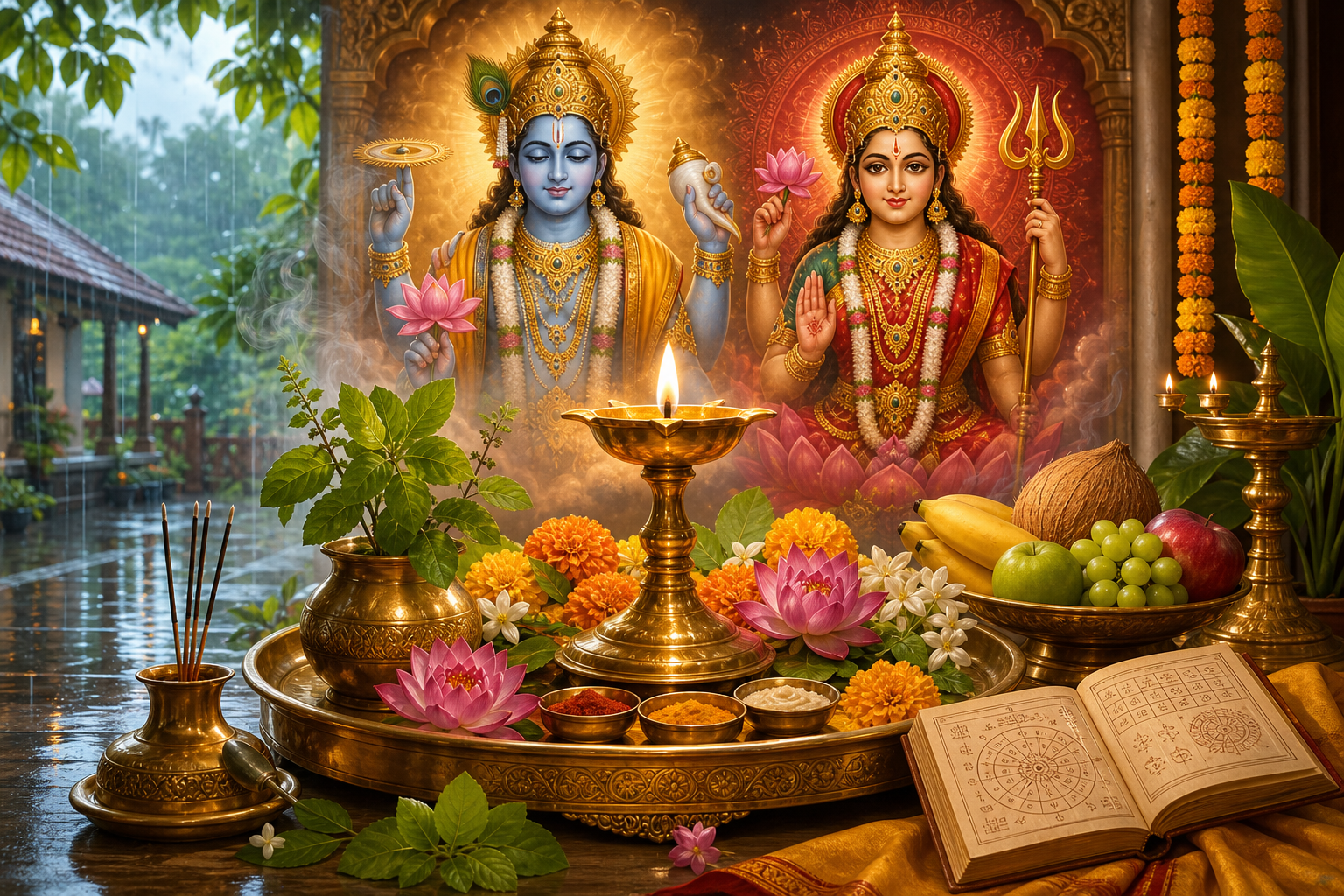
Bhadali Navami 2026, also known as Bhadali Nom, Bhadariya Navami, Ashara Shukla Paksha Navami and Kandarpa Navami, falls on July 23, 2026. In the Hindu calendar, it is observed on the Navami tithi, the ninth lunar day of the Shukla Paksha, or bright fortnight, of Ashadha month in the North Indian purnimanta reckoning. This makes the observance especially meaningful because it arrives during a sacred seasonal transition, when ritual calendars begin turning toward Chaturmasya, restraint, inner discipline, and devotional steadiness.
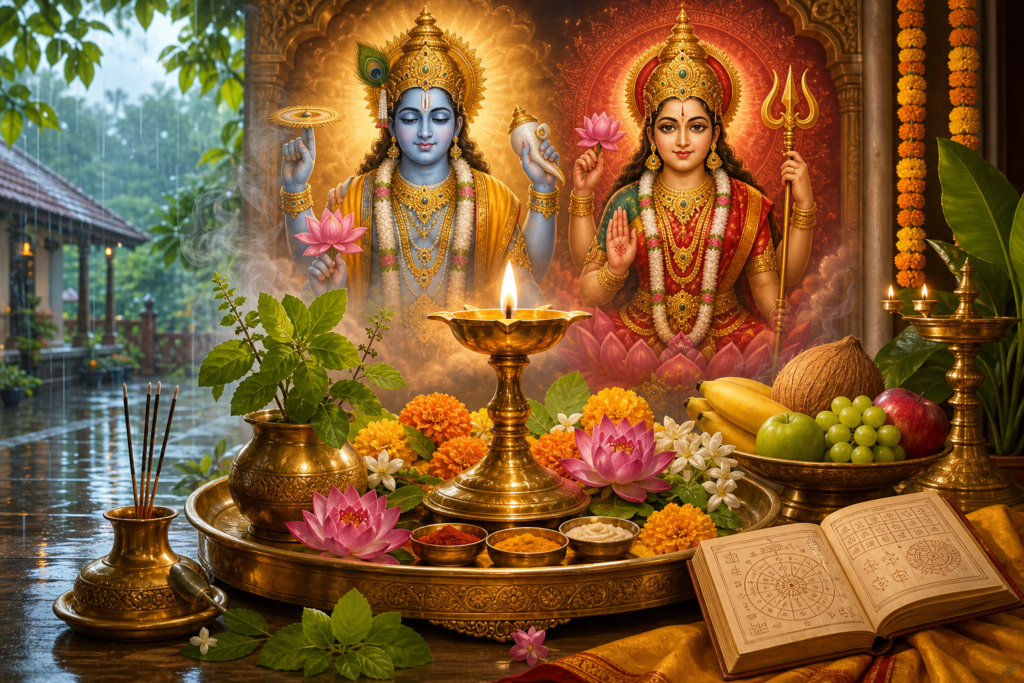
The day is traditionally dedicated to Lord Vishnu and Goddess Bhadrakali. This combined devotional focus is significant. Lord Vishnu represents preservation, order, sustenance, dharma, and cosmic balance, while Goddess Bhadrakali is associated with protective energy, fierce compassion, and the destruction of harmful tendencies. Together, the observance expresses a deeply dharmic insight: spiritual life requires both preservation and purification, both tenderness and courage, both devotion and disciplined transformation.
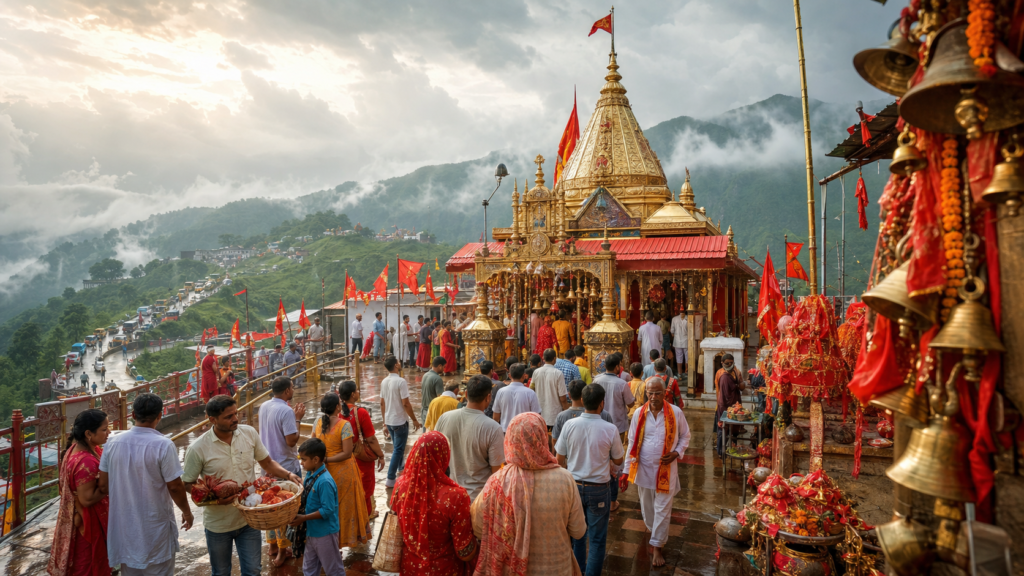
Bhadali Navami is mainly observed in parts of North India and Central India, though its names and ritual emphasis may vary by region, family lineage, and local panchang tradition. In some communities, the day is remembered as a highly auspicious point in the Hindu calendar before the more restrictive period associated with Devshayani Ekadashi and Chaturmasya. In everyday religious life, such dates matter because they help families organize samskaras, vows, worship, charity, and community rituals around a shared sacred rhythm.
From a technical calendrical perspective, Bhadali Navami depends on tithi rather than the fixed Gregorian date. A tithi is calculated according to the angular distance between the Sun and the Moon, and therefore it does not always align neatly with a civil day. For 2026, the widely noted date for Bhadali Navami in the North Indian Ashadha Shukla Paksha context is July 23. However, because tithi timings can vary by location, sunrise rule, and regional calendar method, observant families generally consult their local panchang before finalizing puja timing, vrata observance, or major ceremonies.
The name Bhadali Navami carries a cultural memory that is broader than a single ritual formula. “Navami” refers to the ninth lunar day, a tithi that appears repeatedly in Hindu sacred time, including major observances connected with Devi worship and Vishnu bhakti. “Bhadali” and “Bhadariya” are regional forms used in devotional and calendrical speech. “Bhadali Nom” reflects western and northwestern Indian usage, where “Nom” is commonly used for Navami. These names preserve the diversity of Hindu traditions while pointing toward the same sacred date.
The association with Lord Vishnu gives the day a Vaishnava devotional dimension. Worshippers may offer prayers for stability, righteous conduct, household harmony, protection of family duties, and the capacity to uphold dharma in ordinary life. Vishnu worship on such a day is not merely symbolic. It reflects the practical human need for order: the order of family, the order of ethical conduct, the order of seasonal discipline, and the order of a mind that can remain steady amid change.
The dedication to Goddess Bhadrakali adds another layer of spiritual meaning. Bhadrakali is revered as an auspicious and protective form of Devi. Her presence in the observance reminds devotees that auspiciousness is not passive. In dharmic thought, protection often requires the removal of inner disorder: anger, arrogance, fear, jealousy, negligence, and confusion. A prayer to Bhadrakali can therefore be understood as a prayer for courage, clarity, and the strength to cut away tendencies that disturb spiritual and social harmony.
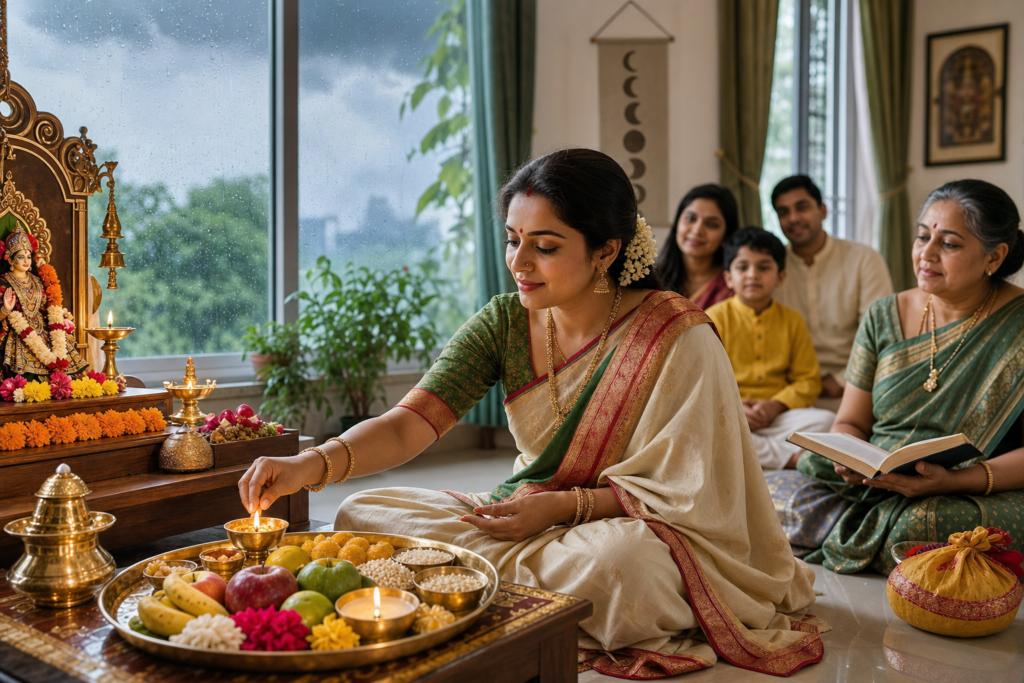
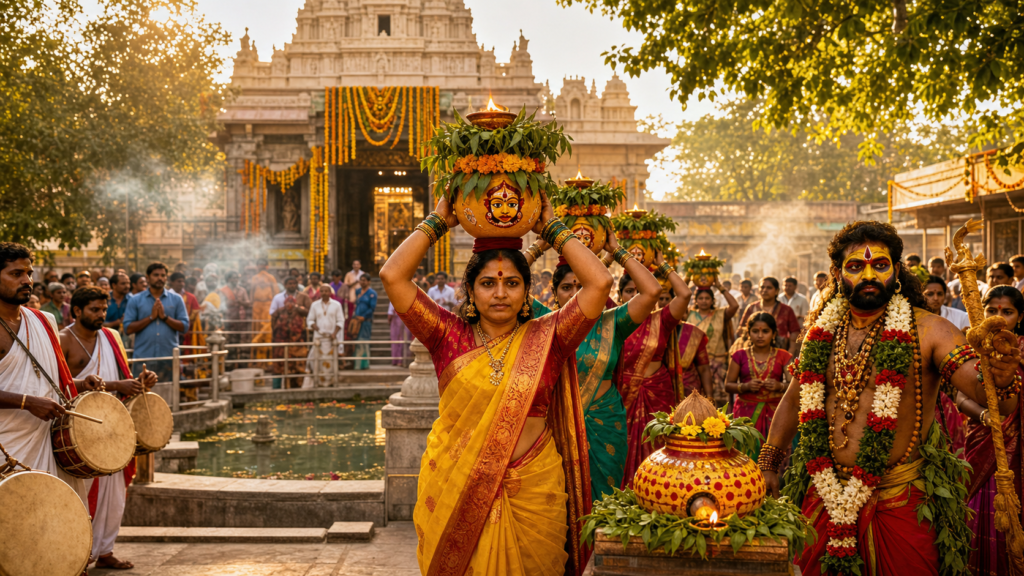
In many households, the emotional power of Bhadali Navami lies in its quietness. It may not always have the public scale of Diwali, Navratri, Ratha Yatra, or Ram Navami, yet it carries the intimate force of a day marked at home. A lamp is lit, flowers are placed before the deity, food is prepared with care, elders recall the date, and younger family members learn that the Hindu calendar is not an abstract table of festivals but a living map of memory, gratitude, and disciplined living.
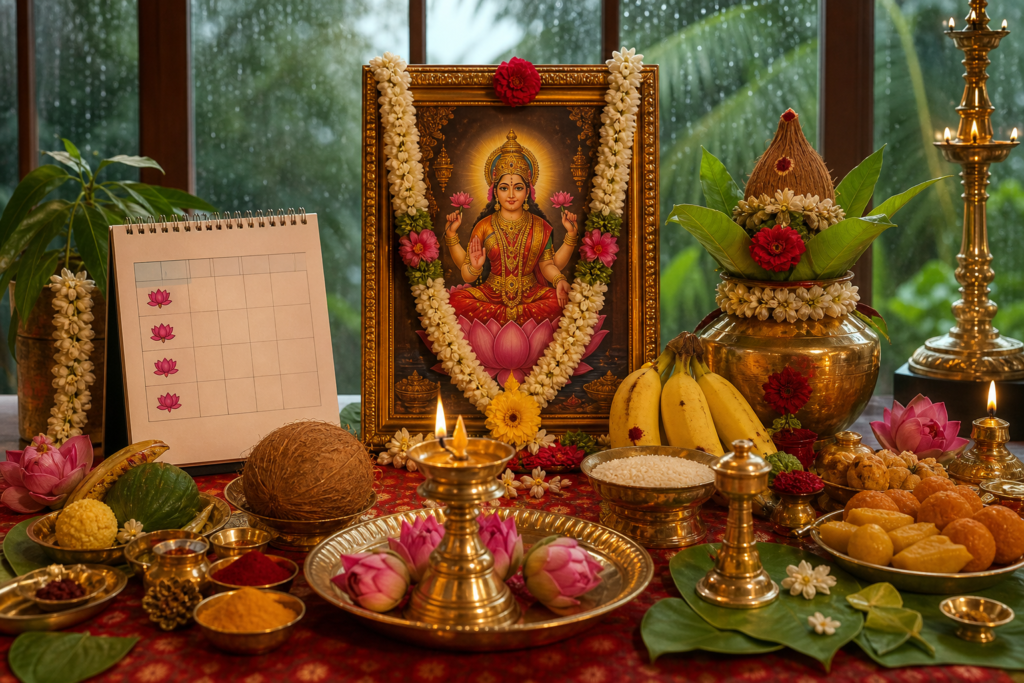
Traditional observances may include puja to Lord Vishnu, worship of Goddess Bhadrakali, recitation of Vishnu mantras, Devi prayers, offering of flowers, lighting of a diya, preparation of sattvic food, and acts of charity. Some devotees may observe a vrata according to family custom, while others may keep the day through simple worship and mindful conduct. The emphasis is less on uniformity and more on sincerity, cleanliness, devotion, and alignment with dharma.
A simple Bhadali Navami puja at home may begin with cleaning the worship space, bathing, wearing clean clothes, and arranging images or murtis of Lord Vishnu and Goddess Bhadrakali. Devotees may offer water, sandalwood paste, turmeric, kumkum, flowers, tulasi leaves for Vishnu where appropriate, incense, lamp, fruits, and naivedya. The puja may conclude with aarti, silent prayer, and a sankalpa to live with greater truthfulness, restraint, compassion, and responsibility.
Theologically, Bhadali Navami can be read through the harmony of Vishnu and Shakti. Vishnu sustains the cosmos through order, while Shakti energizes and protects that order. This is not a contradiction between sectarian traditions but an example of Hinduism’s integrative sacred imagination. Vaishnava and Shakta strands often meet in lived practice, especially in household worship, where devotion is guided by family tradition, regional culture, and the felt need for divine grace in many forms.
This inclusive quality is important for a broader dharmic understanding. Hinduism, Buddhism, Jainism, and Sikhism all preserve, in different ways, the value of discipline, compassion, self-restraint, and the transformation of the inner life. A festival such as Bhadali Navami belongs specifically to Hindu practice, yet its ethical resonance is widely relatable: human life becomes more meaningful when it is anchored in gratitude, non-harm, truthfulness, service, and reverence for something higher than the ego.
Bhadali Navami is also connected in popular understanding with auspicious timing before Chaturmasya. Chaturmasya, traditionally associated with the four sacred months beginning around Devshayani Ekadashi, is a period of greater restraint, vrata, study, and spiritual discipline. In many communities, major auspicious ceremonies are avoided or reduced during this period. For that reason, Bhadali Navami has often been regarded as a significant date for completing important religious and family duties before the Chaturmasya rhythm begins.
In some regional traditions, Bhadali Navami is treated as a favorable day for marriage-related considerations and auspicious undertakings, particularly when supported by a qualified panchang reading. Yet this should be understood carefully. No single festival date automatically replaces the need for proper muhurat calculation. Marriage, griha pravesh, business openings, and other major rites are traditionally evaluated through tithi, nakshatra, weekday, yoga, karana, planetary conditions, family custom, and local practice.
The agricultural and seasonal background of Ashadha also enriches the meaning of the observance. Ashadha arrives with the monsoon in much of India, bringing rain, fertility, mud, travel difficulties, and renewed dependence on nature. The spiritual culture of this period encourages humility. Human plans must adjust to the sky, the soil, the river, and the season. In that context, worship of Vishnu and Bhadrakali becomes a prayer for protection, nourishment, and moral steadiness during a time of environmental transition.
For modern readers, Bhadali Navami offers a practical lesson in sacred scheduling. Contemporary life often treats time as a neutral resource to be consumed, optimized, and monetized. The Hindu calendar treats time as qualitative. Some days are for celebration, some for restraint, some for remembrance, some for study, some for ancestral duties, and some for beginning again. Bhadali Navami invites a household to pause and ask whether its actions are aligned with dharma, family harmony, and spiritual clarity.
The observance also encourages intergenerational continuity. When elders explain why Bhadali Navami matters, children learn more than a date. They learn the meaning of tithi, the difference between Shukla Paksha and Krishna Paksha, the role of Ashadha, the reverence given to Lord Vishnu, and the protective symbolism of Goddess Bhadrakali. These conversations keep cultural heritage alive without making it rigid. Tradition survives best when it is explained with affection, intelligence, and lived relevance.
There is also an ethical dimension to the day. Worship becomes meaningful when it refines conduct. A devotee who prays to Lord Vishnu may reflect on responsibility, fairness, patience, and protection of social order. A devotee who invokes Bhadrakali may reflect on moral courage, the rejection of cruelty, and the need to confront inner weakness. In this way, Bhadali Navami becomes not only a festival of ritual observance but also a day of self-examination.
For those unable to perform elaborate rituals, the day can still be observed meaningfully. A clean lamp, a short prayer, a few minutes of mantra japa, reading from the Bhagavad Gita or a Vishnu-related text, offering food with gratitude, and helping someone in need can all become forms of worship. Hindu tradition repeatedly affirms that bhava, the sincerity of inner feeling, gives life to ritual action. Precision matters, but devotion gives precision its soul.
Bhadali Navami 2026 therefore stands as a powerful reminder of sacred timing, devotional balance, and cultural continuity. Falling on July 23, 2026, it links the bright fortnight of Ashadha with worship of Lord Vishnu and Goddess Bhadrakali. Its importance lies not only in the date but in the discipline it inspires: to preserve what is righteous, purify what is harmful, honor inherited wisdom, and enter the coming sacred season with a steadier heart.
Inspired by this post on Hindu Pad.




Leave a Reply
You must be logged in to post a comment.