
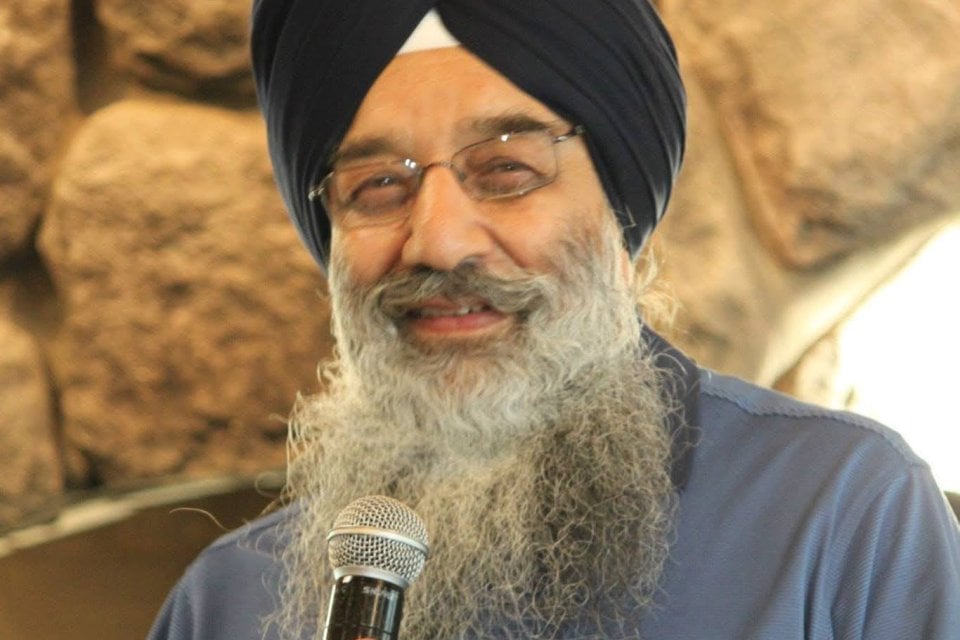
Remembering S. Kuldeep Singh Ji is not merely an act of personal tribute; it is a way of studying how Sikh learning, community discipline, and dharmic continuity took root in North America through patient seva. The brief description of him as A Pioneer of Gurmat Camps in North America points to a larger civilizational story: the transmission of Gurmat, Sikh values, language, kirtan, history, and lived ethics to generations growing up far from Punjab yet still deeply connected to the Guru’s path.
S. Kuldeep Singh Ji’s legacy belongs to the history of the Sikh diaspora, but it also speaks to the broader experience of dharmic communities in migration. In every generation, traditions survive not only through institutions, books, and rituals, but through individuals who understand that children need structured exposure, loving guidance, and meaningful examples. Gurmat camps became one of the most effective ways to provide that environment in North America, especially for young Sikhs negotiating the pressures of assimilation, identity, school life, language loss, and cultural distance.
Gurmat, in its broadest sense, means the wisdom and orientation given by the Guru. It is not limited to doctrinal instruction or religious information. It includes the formation of character, humility, discipline, courage, compassion, remembrance of the Divine, and responsibility toward the sangat. When Gurmat is taught well, it does not remain a classroom subject. It becomes a way of seeing the world, a way of serving others, a way of speaking with dignity, and a way of standing with truth without arrogance.
The importance of Gurmat camps in North America becomes clearer when placed in the context of immigration. Sikh families who settled across Canada and the United States carried with them reverence for Guru Nanak, Guru Gobind Singh, gurbani, gurdwara life, seva, and the ethical strength of the Khalsa tradition. Yet their children often grew up in social settings where Sikh identity could be misunderstood, reduced to outward appearance, or treated as unfamiliar. Camps offered a space where the turban, kesh, Punjabi, kirtan, ardas, and Sikh history were normalized rather than explained defensively.
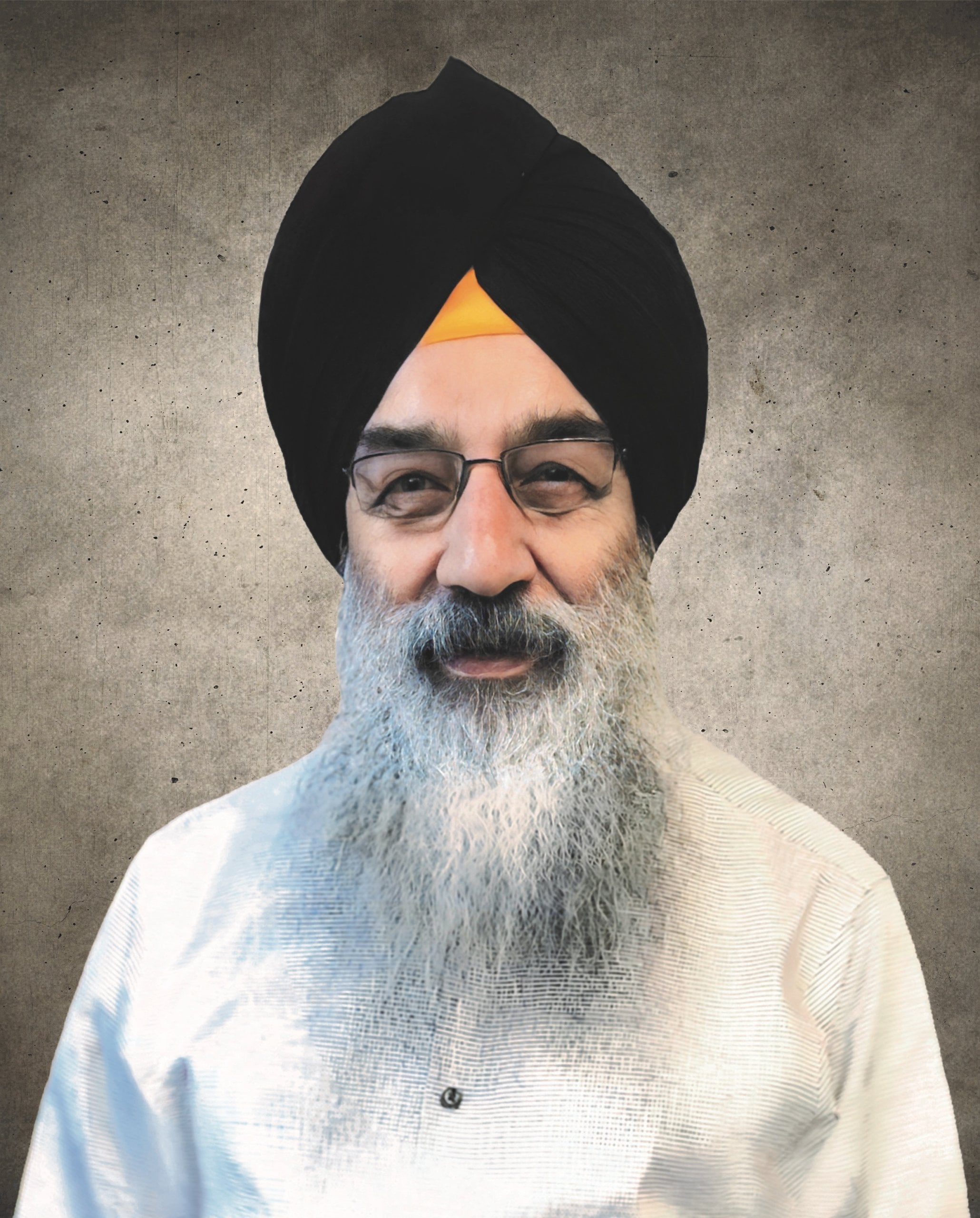
In this setting, the work associated with S. Kuldeep Singh Ji deserves careful recognition. Pioneering a camp tradition requires more than enthusiasm. It requires organizational vision, curriculum planning, volunteer development, community trust, parent engagement, and spiritual steadiness. It also requires the ability to make young people feel that Sikh learning is not a burden imposed by elders, but an inheritance capable of giving clarity, belonging, and moral courage.
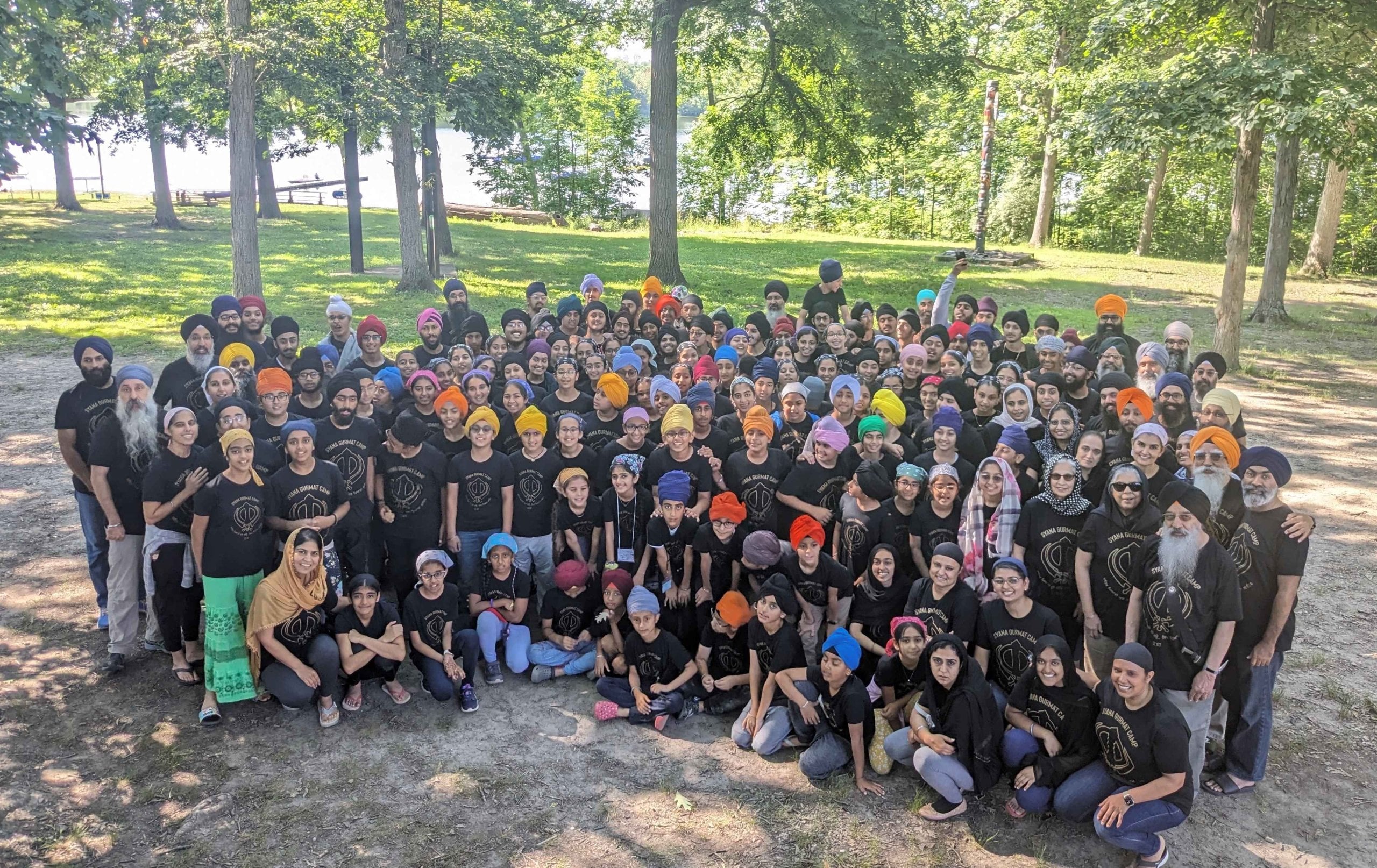
Gurmat camps functioned as living classrooms. A child could learn Sikh history in one session, practice kirtan in another, participate in langar seva, listen to stories of the Gurus, discuss ethical dilemmas, and form friendships with peers who shared similar questions. This integration made the camp model powerful. It joined knowledge with practice, memory with community, and devotion with daily conduct. The result was not simply religious literacy, but identity formation rooted in dignity.
The North American context made such work especially urgent. Diaspora children often face a silent tension between home and public life. At home, they may hear stories of Guru Nanak’s compassion, Guru Arjan’s martyrdom, Guru Tegh Bahadur’s defense of religious freedom, and Guru Gobind Singh’s call to fearless living. Outside the home, they may encounter a culture that prizes individual expression but does not always understand inherited spiritual discipline. Gurmat camps helped bridge that gap by showing that Sikh identity is not opposed to modern life; it can deepen ethical participation within it.
The phrase pioneer is significant because it suggests early labor in a field that later generations may take for granted. Once camps become established, their annual schedules, registration systems, teaching materials, and volunteer teams can appear natural. Yet every durable institution begins with people who first imagined it, gathered support, solved practical problems, and persisted through uncertainty. Remembering S. Kuldeep Singh Ji therefore means honoring not only a person, but also the often invisible architecture of community-building.
There is a deep educational principle embedded in this legacy. Children rarely inherit a tradition through lectures alone. They inherit it through repetition, affection, embodied practice, and the presence of elders who are consistent. A camp environment can make gurbani recitation, collective discipline, and seva feel natural. It can transform abstract reverence into lived habit. This is why Gurmat camps have had lasting value for Sikh education in North America.
Such camps also helped strengthen the role of the gurdwara as more than a place of worship. In the Sikh tradition, the gurdwara is a center of sangat, langar, instruction, remembrance, and social responsibility. When camp programs are connected to gurdwara life, young people learn that the institution is not only visited on special occasions. It becomes a community home, a training ground in humility, and a place where spiritual learning is tied to service.
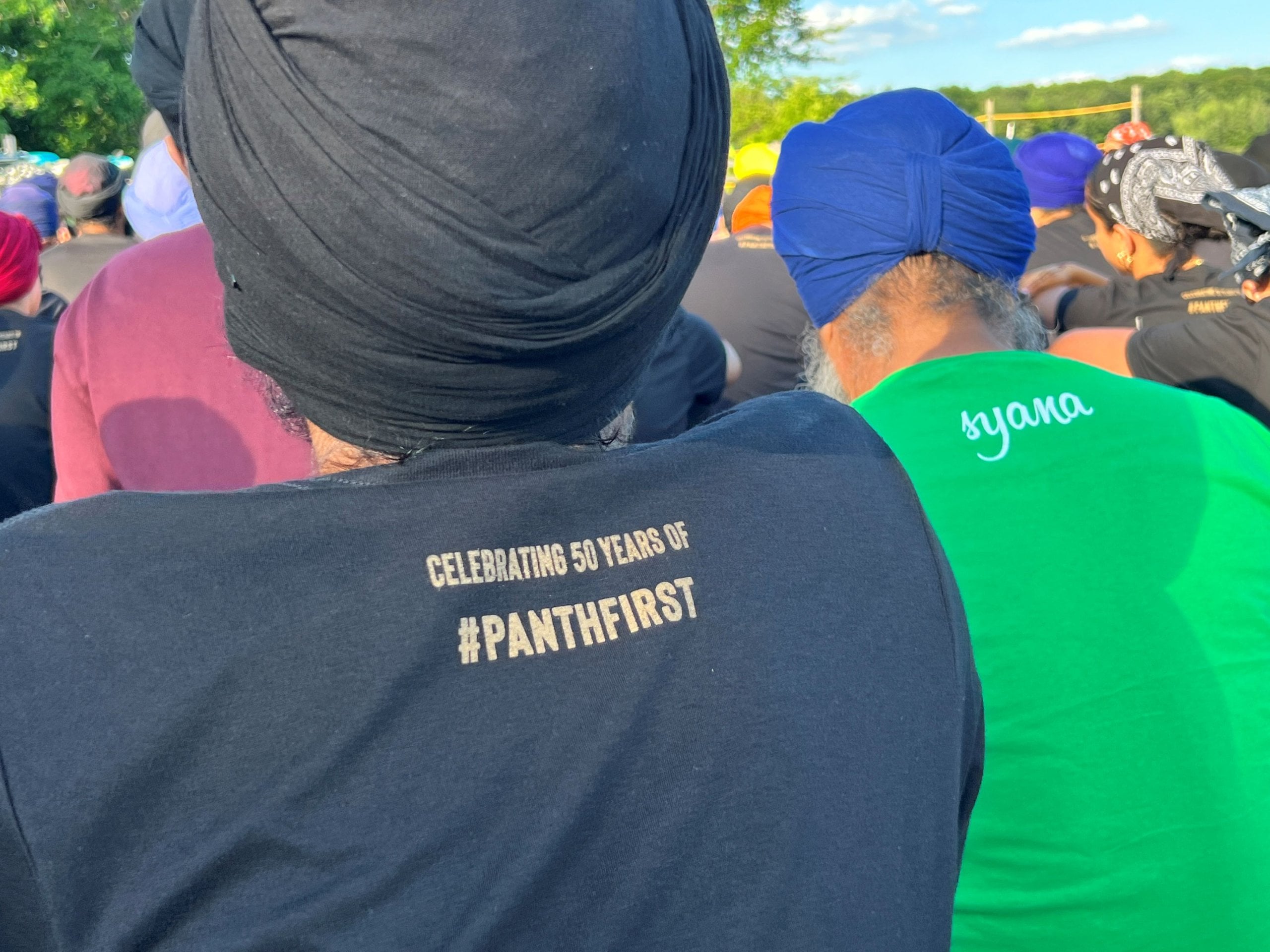
The educational value of Gurmat camps can also be understood through the Sikh concept of seva. Service in this tradition is not charity performed from superiority; it is a discipline that dissolves ego and affirms equality. Camp participants who serve langar, clean shared spaces, assist younger children, or help organize programs encounter this principle in direct form. They learn that leadership in Sikh life begins with service, not status.
S. Kuldeep Singh Ji’s contribution should therefore be viewed within the broader dharmic understanding of parampara, the living transmission of wisdom across generations. Hinduism, Buddhism, Jainism, and Sikhism each preserve distinctive teachings, histories, and practices, yet they also share a concern for disciplined living, ethical refinement, compassion, self-mastery, and reverence for truth. A Gurmat camp rooted in Sikh principles participates in this wider dharmic effort to keep spiritual knowledge alive through practice rather than mere sentiment.
In a plural society, this kind of education has public value. A young Sikh grounded in Gurmat is better equipped to engage others with confidence and respect. Strong roots do not require hostility toward other traditions. On the contrary, Guru Nanak’s message, the Sikh commitment to sarbat da bhala, and the history of defending religious freedom encourage a generous understanding of human dignity. Properly taught, Sikh identity strengthens interfaith respect without weakening its own foundations.
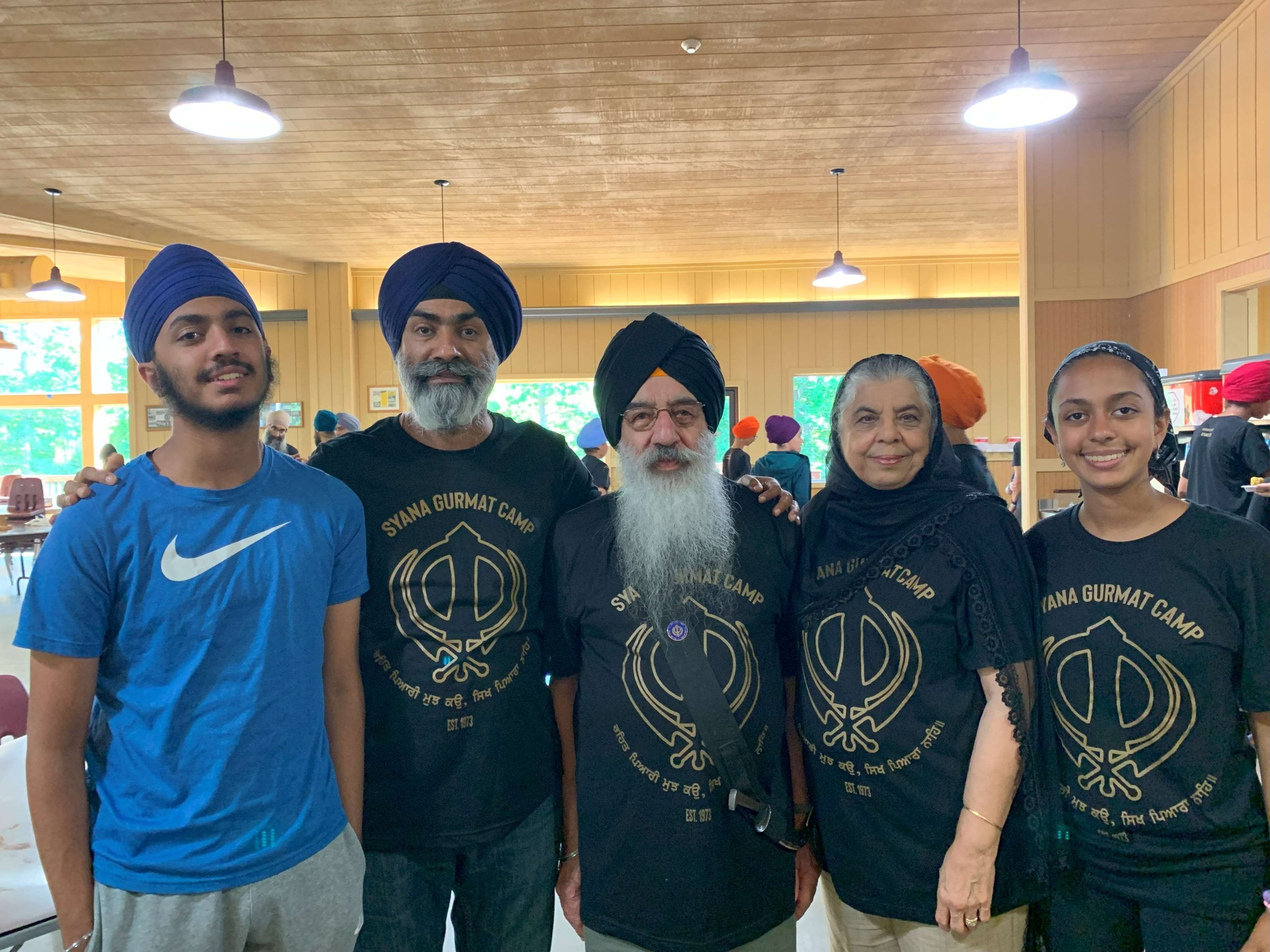
The emotional power of such a legacy lies in its quietness. Many community builders do not leave behind monuments in stone. Their monuments are found in the adults who once attended youth camps, the parents who later volunteered, the children who learned to bow before Guru Granth Sahib with understanding, the young people who found courage to keep their Sikh identity, and the families who discovered that tradition could be renewed in a new land.
North American Sikh life has been shaped by migration, labor, resilience, discrimination, entrepreneurship, public service, and religious dedication. Within that history, youth education has always been a central challenge. A community can build gurdwaras and hold large gatherings, but without thoughtful education the next generation may inherit symbols without meaning. Gurmat camps addressed this danger directly by creating structured spaces where meaning could be taught, questioned, practiced, and internalized.
The success of such camps also depended on the ability to speak to young minds without diluting the tradition. This balance is difficult. If instruction becomes too rigid, youth may feel alienated. If it becomes too shallow, the tradition loses depth. The enduring camp model sought to combine discipline with warmth, history with relevance, and devotion with honest engagement. That balance is one of the marks of serious Sikh education.
Remembering S. Kuldeep Singh Ji invites renewed attention to the intellectual side of Gurmat learning. Sikh history is not simply a sequence of inspiring episodes. It includes theology, language, poetry, music, ethics, political responsibility, martyrdom, resistance to injustice, and community organization. A comprehensive Gurmat education introduces youth to the depth of this inheritance while helping them apply it to contemporary questions of identity, bullying, prejudice, career pressure, family expectations, and civic life.
Language remains an important part of this legacy. For many diaspora families, Punjabi and Gurmukhi literacy are fragile inheritances. Camps cannot solve the full challenge alone, but they can awaken interest and remove fear. Even limited familiarity with Gurmukhi can change a child’s relationship to gurbani. It shifts sacred sound from something distant to something approachable. That shift can become the beginning of lifelong learning.
Kirtan likewise carries immense educational force. Through melody, repetition, and collective participation, young people encounter Sikh spirituality not only as concept but as experience. The discipline of listening and singing creates a different kind of memory from ordinary instruction. It allows devotion to enter the body and the heart. Gurmat camps that included kirtan helped preserve one of the most beautiful and formative dimensions of Sikh tradition.

The legacy of pioneering Gurmat camps also carries lessons for present-day community leadership. Programs for youth cannot be treated as occasional add-ons. They require trained volunteers, age-appropriate materials, careful safeguarding, historical accuracy, and a long-term vision. They also require humility from elders, because each generation asks questions in its own language. The task is not to silence those questions, but to answer them with patience and depth.
In contemporary North America, Sikh youth continue to navigate complex realities: religious visibility, racialization, media stereotypes, online distraction, social fragmentation, and the pressure to reduce identity to either private belief or public performance. Gurmat education offers another path. It teaches that identity is neither costume nor slogan. It is a disciplined relationship with truth, memory, service, and the Divine.
The remembrance of S. Kuldeep Singh Ji therefore becomes a call to strengthen institutions that form character. Camps, classes, retreats, kirtan programs, history seminars, mentorship circles, and seva projects all belong to the same ecosystem. When these efforts are coordinated, the community becomes more resilient. When they are neglected, identity becomes dependent on nostalgia alone.
There is also a family dimension to this tribute. Parents in the diaspora often carry the anxiety that their children may lose connection with Sikh heritage. Gurmat camps gave families a partner in that work. They showed that education is most effective when home, gurdwara, teachers, and peers reinforce one another. In that sense, the camp model was not only a youth program; it was a community strategy for cultural and spiritual continuity.
From a broader cultural perspective, S. Kuldeep Singh Ji’s legacy demonstrates how minority communities preserve themselves without isolation. Sikh camps in North America did not need to reject the surrounding society in order to remain faithful to Gurmat. Instead, they helped youth become more grounded participants in that society. A person who understands seva, humility, courage, and sarbat da bhala can contribute meaningfully to civic life while remaining rooted in Sikh tradition.
This is why the pioneering work of Gurmat camps should be remembered as both spiritual and social. It strengthened Sikh consciousness, but it also cultivated responsible human beings. It encouraged discipline without harshness, pride without chauvinism, devotion without narrowness, and confidence without contempt. These qualities align with the wider objective of dharmic unity: honoring distinct traditions while recognizing shared commitments to truth, compassion, self-restraint, and service.
A tribute to S. Kuldeep Singh Ji must therefore avoid reducing his contribution to sentiment alone. Sentiment has its place, especially when a community remembers someone with affection. Yet the deeper tribute is analytical and practical: to understand what he helped pioneer, why it mattered, and how similar work can be strengthened for future generations. Memory becomes meaningful when it produces responsibility.
For younger readers, his example offers a clear lesson. Community institutions do not appear automatically. They are built by people who give time, accept inconvenience, and serve without constant recognition. The visible event may be a camp, but behind it stand planning, teaching, cooking, cleaning, fundraising, transportation, conflict resolution, and countless small acts of care. Such labor is the backbone of living tradition.
For elders and organizers, the remembrance offers another lesson: the next generation needs seriousness and tenderness together. Young Sikhs need accurate history, meaningful exposure to gurbani, and clear ethical guidance. They also need spaces where questions are welcomed, friendships are formed, and belonging is felt. The strongest Gurmat education does not rely on fear of loss alone; it awakens love for what is being inherited.
S. Kuldeep Singh Ji’s association with Gurmat camps in North America stands as a reminder that diaspora life can be fertile ground for renewal. Distance from ancestral geography does not have to mean distance from spiritual depth. With the right institutions, teachers, and community spirit, young people can grow into Sikh identity with intelligence and confidence. They can learn that tradition is not a relic behind them, but a guiding force within them.
Remembering him also means recognizing the many unnamed volunteers who likely shared in this work. Every successful camp depends on collective seva. The pioneer may light the path, but the sangat keeps it alive. This collective dimension is profoundly Sikh: individual dedication finds its fullest expression in service to the community and submission to the Guru’s wisdom.
The future of Gurmat camps will depend on how seriously communities adapt without forgetting essentials. Digital tools may assist registration, communication, and learning resources, but they cannot replace embodied sangat. Contemporary topics may be added, but they should remain anchored in Guru Granth Sahib, Sikh history, kirtan, seva, and ethical formation. Innovation becomes fruitful only when it serves continuity rather than distraction.
In this light, S. Kuldeep Singh Ji’s legacy is best understood as a seed that continues to bear fruit. Each young person who learns to connect Sikh identity with humility, courage, and service becomes part of that fruit. Each family strengthened by camp-based learning becomes part of that fruit. Each volunteer who carries the work forward becomes part of that fruit. The pioneer is remembered not only in words, but in the continued life of the institution he helped inspire.
Such remembrance is especially important in an age when communities can become distracted by visibility while neglecting formation. Public recognition has value, but the deeper work happens in classrooms, langar halls, camp cabins, discussion circles, and moments of quiet guidance. S. Kuldeep Singh Ji’s contribution points back to that deeper work. It asks the community to measure success not only by attendance, but by transformation.
Ultimately, remembering S. Kuldeep Singh Ji as a pioneer of Gurmat camps in North America is an affirmation of spiritual continuity. It honors the Sikh Community, the power of seva, the role of education, and the enduring relevance of Gurmat for children born into modern diaspora life. His legacy encourages renewed commitment to Sikhism’s living wisdom while also strengthening the broader dharmic ideal of unity through respectful, rooted, and compassionate traditions.
Inspired by this post on SikhNet – News.
