
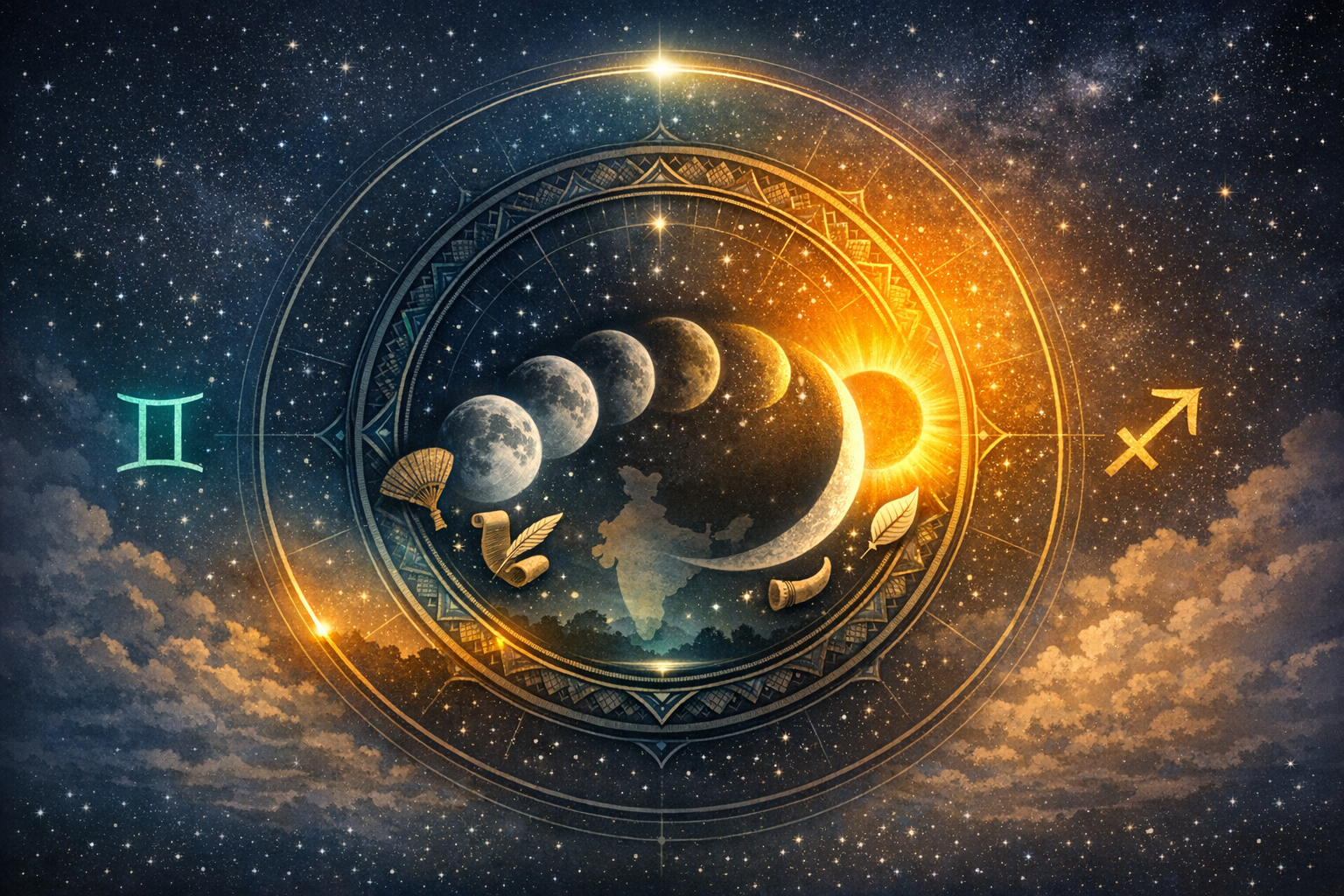
Wednesday, June 30, 2026 in most regional Panchangs marks the close of Purnima tithi at approximately 4:35 AM IST, after which Krishna Paksha Pratipada (the first lunar day of the waning phase) prevails and continues until about 6:25 AM IST on July 1, 2026. As with all Panchang elements, local sunrise, longitude, and latitude can shift observed timings; therefore, city-specific calculations are recommended for ritual precision.
This day sits at an important threshold in the Hindu calendar: the transition from the fullness of Purnima to the introspective arc of Krishna Paksha. In lived practice, households often align tasks and observances with this transition—culminating activities requiring expansion and visibility under Purnima and beginning work that benefits from contemplation, planning, and disciplined effort as Pratipada ushers in the dark fortnight.
Month naming varies by regional tradition. In Purnimanta calendars (North India), the day after Purnima commences the Ashadha Krishna Paksha. In Amanta calendars (Western and Southern India), the fortnight after Purnima remains part of the same lunar month; in practical terms, most regions will still treat this civil date as Ashadha Krishna Paksha Pratipada for sankalpa and vrata wording. When in doubt, local temple almanacs or established family parampara are authoritative.
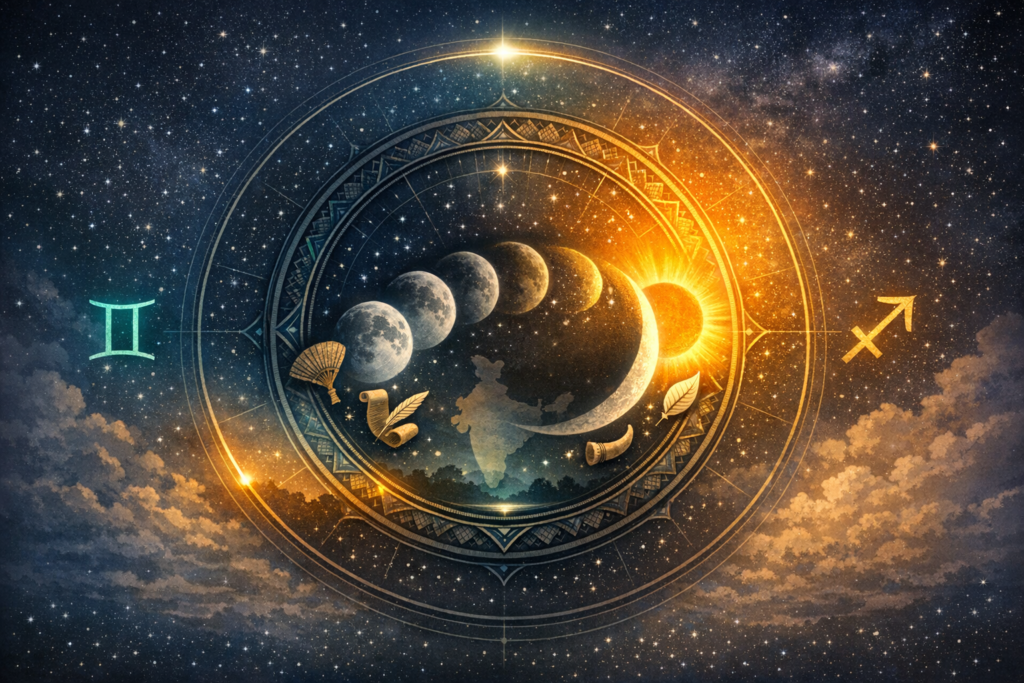
Nakshatra and Rashi context for this full-moon corridor are instructive. With the Sun in sidereal Mithuna (Gemini) around Ardra, the Purnima Moon stands approximately opposite in Dhanu Rashi (Sagittarius). Around the moment of fullness, the Moon is typically in Purvashada nakshatra, transitioning to Uttarashada thereafter (the precise handover is location-dependent). Practitioners often read this axis—Mithuna–Dhanu—as a movement between detailed inquiry and larger philosophical vision, an apt metaphor for the turn from illumination (Purnima) toward application and refinement (Krishna Paksha).
Good Time (Shubh Muhurat) guidance on a Wednesday (Budhavara) emphasizes clarity of communication, study, documentation, teaching, and trade—areas traditionally linked with Budha (Mercury). Abhijit Muhurat centers around local solar noon (roughly 24 minutes before and after the true noon) and is classically favorable for initiatives when no specialized muhurta is available. Rahu Kaal on Wednesdays typically falls near mid-day; using the standard method of dividing the interval from sunrise to sunset into eight equal parts, Rahu Kaal occupies the fifth segment. Because sunrise and sunset vary by place and season, compute these windows for the local horizon rather than relying on fixed clock times.
Panchang components—Vara (weekday), Tithi (lunar day), Nakshatra (lunar mansion), Yoga, and Karana—derive from sidereal astronomy. A tithi ends when the Moon–Sun angular separation changes by 12 degrees; consequently, tithi boundaries rarely match the civil clock day. This astronomical basis explains why a tithi can begin or end at any hour and why rituals prioritize tithi at local sunrise (or at the time stipulated by a given observance) rather than the calendar date alone.
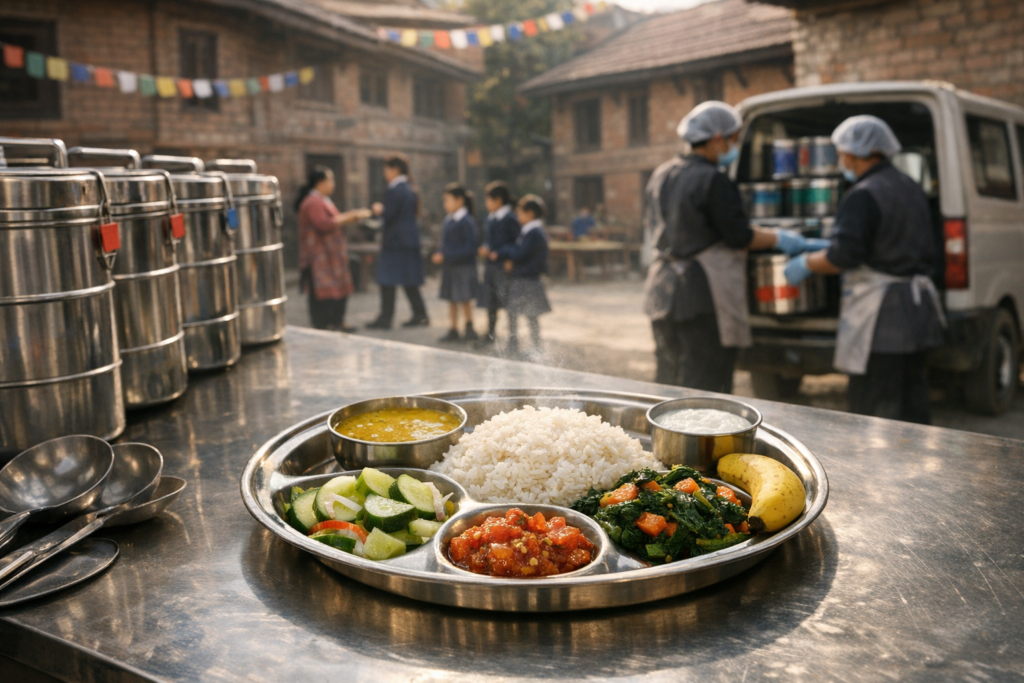
For those looking to harmonize practice across dharmic traditions, this date offers a natural moment of unity. The lunar cycle undergirds observances in Hinduism and also informs significant practices in Buddhism and Jainism; the Purnima–Pratipada cusp is widely approached as a movement from external completion to inner consolidation. Many families mark this shift with sattvic meals, japa, quiet study, dana, or service, recognizing that intention set under a calm mind has lasting effects across spiritual paths.
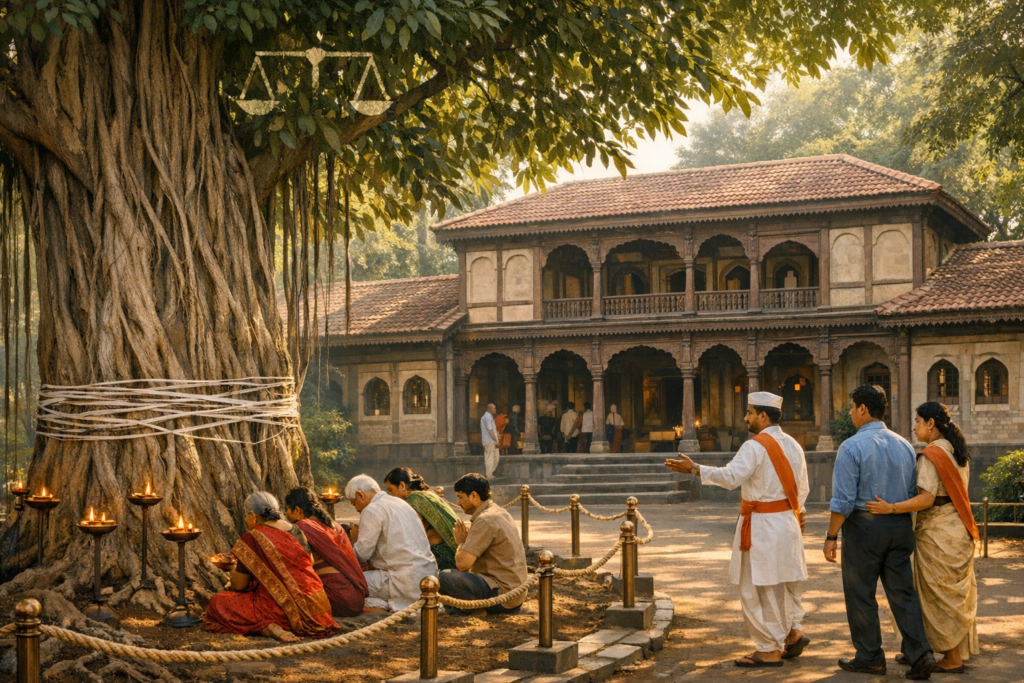
Applied guidance for June 30, 2026: complete visibility-focused tasks before embarking on the more reflective work that suits Krishna Paksha Pratipada. Where a dedicated muhurta is not available, lean on Abhijit Muhurat for general-purpose beginnings and avoid Rahu Kaal for inaugurating new undertakings. If undertaking temple visits or home puja, phrase sankalpa with Ashadha and Krishna Paksha Pratipada as appropriate to regional convention, keeping in mind the location-sensitive nature of tithi and nakshatra endpoints.
Technical note for accuracy: the Purnima tithi ending around 4:35 AM IST and the ensuing Krishna Paksha Pratipada lasting until about 6:25 AM IST on July 1, 2026 reflect standard Indian almanac calculations for most regions. However, exact observations require a city-level Panchang (using sidereal zodiac with an established ayanamsha such as Lahiri) and local sunrise. When precision is essential—for vrata, samskara, or sankalpa—consult a trusted regional Panchang or temple priest to confirm city-specific cutoffs for Tithi, Nakshatra, and Rahu Kaal.
Inspired by this post on Hindu Blog.




Leave a Reply
You must be logged in to post a comment.