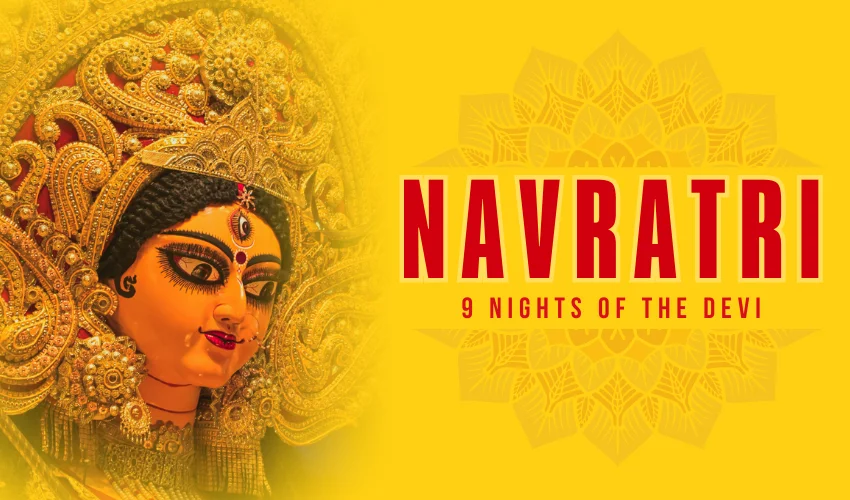
Navratriliterally “nine nights” from the Sanskrit roots nav (nine) and ratri (night)is a pan-Indic celebration that venerates Adi Shakti, the primordial cosmic energy perceived as both nurturing and fiercely protective. Across the Hindu world and the broader dharmic family, these nine sacred nights honor the feminine divine as Devi, whose presence is understood to uphold cosmic order (Dharma) and inspire inner transformation.
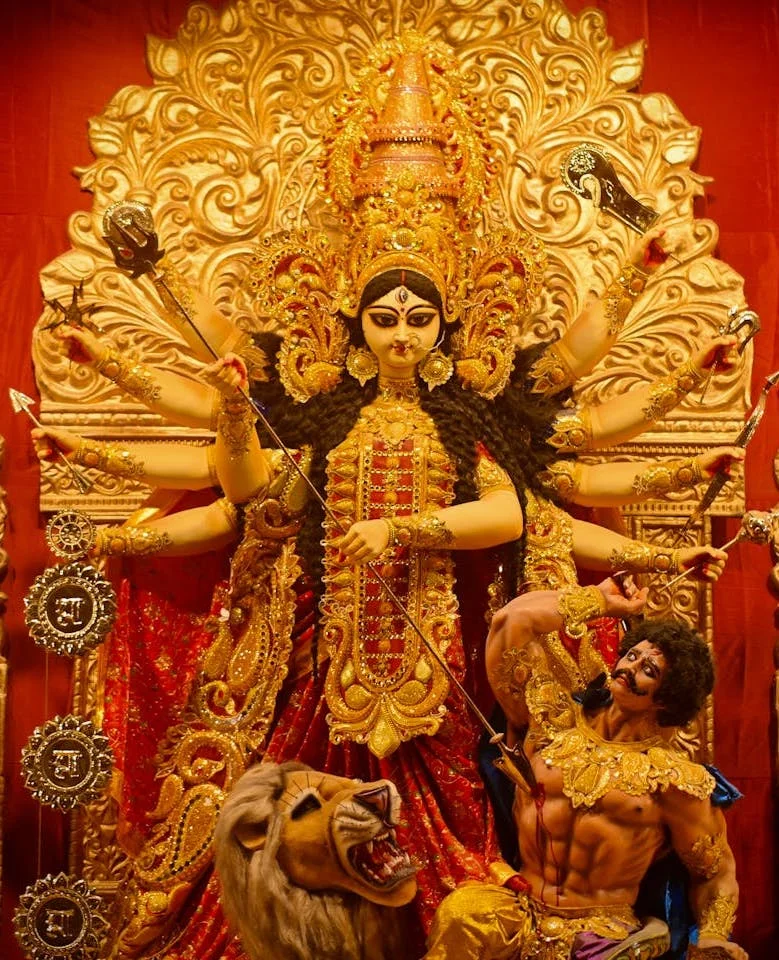
Shakti, meaning power and dynamic potential, is portrayed in diverse forms of the Devitender, compassionate, and maternal on the one hand; courageous, valiant, and justice-affirming on the other. Classical narratives commemorate her triumph over adharma, most famously Durga’s victory over Mahishasura, symbolizing the enduring principle that righteous order prevails when courage aligns with wisdom and compassion.
Navratri in 2026 will be celebrated from Sunday, October 11 to Tuesday, October 20, with the nine nights leading into the auspicious culmination of Vijaya Dashami (Dussehra). In practice, local observance may vary slightly by region and time zone; consulting a regional panchang (almanac) or a community temple’s schedule ensures precise tithi-based timings for Ghatasthapana (Kalash Sthapana), Ashtami, Navami, and Vijayadashami rituals.
Calendrically, Shardiya Navratri (the most widely observed annual cycle) occurs during the bright fortnight (Shukla Paksha) of the lunar month of Ashwin. The festival’s structure follows the lunisolar Hindu calendar, where tithis are pegged to the Moon’s angular elongation from the Sun rather than to fixed solar dates. This lunisolar precision explains small geographic and time-zone differences in start and end dates, and it reflects a sophisticated time-reckoning tradition that ties ritual rhythm to celestial dynamics.
Many traditions interpret Navratri through the lens of the three gunastamas, rajas, and sattvaas a graduated inner discipline. The first triad of days emphasizes strength and removal of inertia (often associated with Durga’s protective aspect), the middle triad cultivates constructive vigor and prosperity (Lakshmi’s aspect), and the final triad elevates knowledge and clarity (Saraswati’s aspect). Together, these nine nights invite a progressive refinement from gross tendencies toward subtler insight and balance.
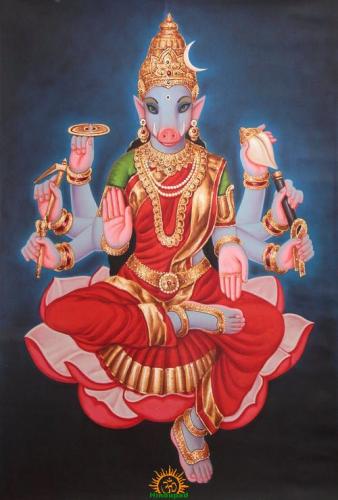
Devotees also honor the Navadurgathe nine forms of the Goddesseach offering a distinct ethical and psychological lesson: Shailaputri (grounded resolve and new beginnings), Brahmacharini (austerity, study, and self-mastery), Chandraghanta (courage tempered by serenity), Kushmanda (creative radiance and vitality), Skandamata (nurture and responsibility), Katyayani (determination and righteous action), Kalaratri (fearlessness and shadow-integration), Mahagauri (purification and renewal), and Siddhidatri (grace and fulfillment). In lived practice, these archetypes guide daily reflections on conduct, resilience, compassion, and wisdom.
Core observances begin with Ghatasthapana (Kalash Sthapana), the invocation of Devi’s presence by establishing a sanctified pot filled with water and adorned with mango leaves and a coconutan emblem of fertility, continuity, and auspiciousness. Devotees perform daily puja, recite stotras and mantras, light lamps, and undertake vrata (fasting) according to capacity and guidance. Many follow color traditions linked to each day, practice satvik dietary observances, and conclude with kanya pujahonoring young girls as embodiments of pure potential and the nurturing power of the divine feminine.

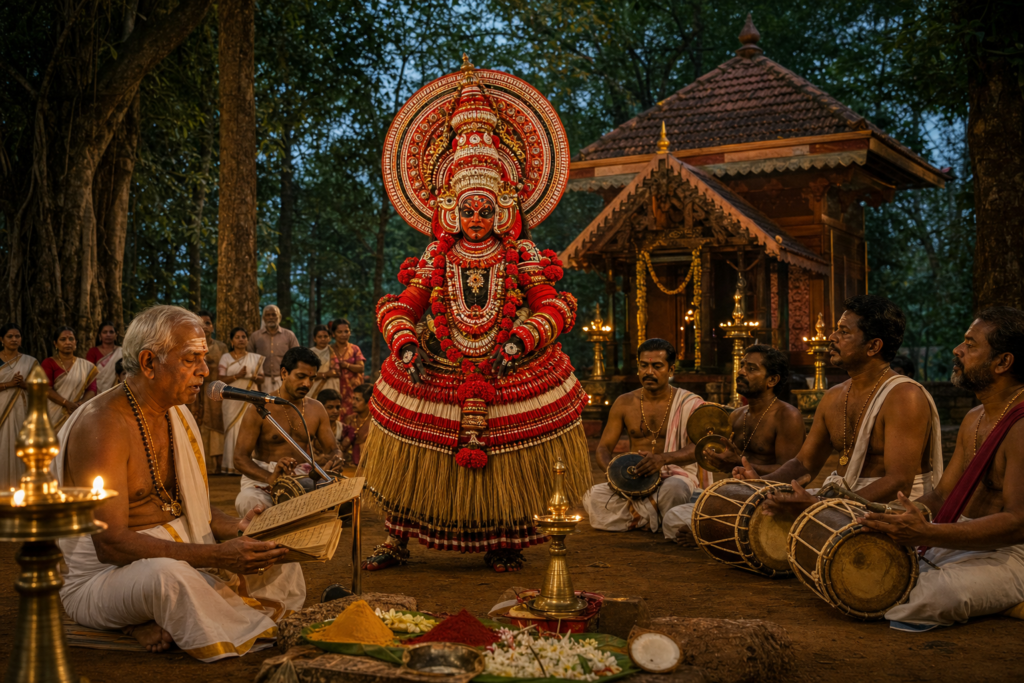
Symbolic and ritual details vary across regions, each expressing a luminous cultural thread in the Navratri tapestry. In West Bengal and among Bengali communities worldwide, Durga Puja merges seamlessly with Navratri during the latter days: intricate pandals (art installations), community worship (sarbojanin puja), and Sandhi Puja at the cusp of Ashtami and Navami dramatize the moment of decisive triumph over negativity. In Bangladesh, the historic Dhakeshwari Temple at Dhaka remains an important focal point for Durga Puja, illustrating the festival’s resilient continuity in the broader Bengal region.
In Gujarat and parts of Rajasthan, Garba, Dandiya, and Raas transform town squares and community halls into concentric circles of dance around the lighted garbha-deepa (the “womb-lamp”). The lamp signifies Shakti as the creative core of existence; dancers orbiting the flame enact a lived cosmologyindividual lives moving in harmony around an unchanging center of truth. The music, cycles, and footwork collectively affirm communal cohesion, joy, and the ethical rhythm of give-and-take in society.
Across Maharashtra and Goa, households observe Ghatasthapana, neighborhood aartis, and community processions that emphasize collective devotion and service. In Karnataka, Mysuru Dasara crowns the season with an iconic procession (Jambu Savari) and palace illuminations that evoke centuries of cultural patronage and governance guided by dharmic ideals. In Himachal Pradesh, Kullu Dussehra extends celebrations beyond Vijaya Dashami, bringing deities from surrounding valleys into a shared conclave that visually reinforces civilizational unity.
In Tamil Nadu and among Telugu families, Golu or Bommala Koluvutiered displays of dolls and sacred scenesturn homes into living libraries of memory and meaning. These curated steps present epics, ethical vignettes, and folk motifs, encouraging intergenerational storytelling, learning, and playful inquiry. In Kerala, Saraswati Puja (often on Mahanavami) and Vidyarambham (on Vijayadashami) invite learnerschildren and adults aliketo commence or recommit to studies by tracing sacred syllables and seeking blessings for knowledge that ennobles.
Beyond India, Nepal’s Dashain overlaps with Navratri and Dussehra as a nationwide affirmation of renewal and kinship. Families receive tika and jamara from elders, signifying blessings and lineage continuity, while the broader social fabric is strengthened through travel, reunions, and communal feasts that bind diverse communities into a shared ethical horizon.
In North America, Navratri has found vibrant public expression. In Canada, particularly during Hindu Heritage Month recognized in Ontario in November, communities organize Garba nights, cultural showcases, and temple-based worship, making the festival accessible to new generations. Similarly, in the USAwhere Hindu Heritage Month is celebrated in several states including Florida, Texas, Ohio, Georgia, New Jersey, California, and MassachusettsNavratri catalyzes dance, devotional music, exhibitions, and dialogues that welcome people of all backgrounds into the aesthetics and ethics of the season.

Within the wider dharmic family, common ground emerges naturally. Many Buddhists recognize Shakti as a profound metaphor for skillful means and compassionate action, with figures like Tārā exemplifying enlightened responsiveness. Among Jains, historic reverence for guardians (yakshi such as Ambika or Padmavati) and emphasis on ahiṃsa align with Navratri’s ethic of restraint, reflection, and right conduct. The Sikh tradition’s Chandi di Vaar reflects a deep engagement with courage and righteousness, resonating with the valorous dimension of Shakti. These affinities underscore a civilizational unity in which diverse paths honor ethical strength, knowledge, and compassion without erasing distinct identities or practices.
Navratri’s artistic and performative spectrum is equally instructive. Garba, Dandiya, and Raas formalize principles of rhythm, reciprocity, and attentiveness; Durga Puja’s visual arts expand the moral imagination through allegory and design; Golu and Bommala Koluvu cultivate pedagogies of memory and dialogue; and Vidyarambham ritualizes the lifelong pursuit of learning. Each medium becomes a pedagogy: educating feeling (rasa), sharpening discernment (viveka), and nurturing civic friendship (sahavāsa).
Ritual fasting during Navratri has both spiritual and practical dimensions. Spiritually, vrata emphasizes restraint, gratitude, and clarity; practically, seasonal diets favor light, satvik foods that many find supportive of mental focus. Individuals adapt observances to health and life stage, guided by local tradition and, when needed, medical advice. The broader principle remains one of mindful balance rather than excess, aligning personal rhythm with the festival’s ethos of steadiness and care.
Ayudha Puja and Saraswati Puja, observed in many regions during the latter part of Navratri, extend the sacred into the sphere of work and study. Tools of craft, implements of livelihood, musical instruments, and books receive ceremonial respect, expressing the insight that vocation and knowledge are not merely transactional; they are offerings that sustain families, communities, and culture when pursued with integrity.
Vijaya Dashamithe “triumphant tenth day”completes the arc. Ethically, it affirms that courage anchored in compassion, discipline tempered by humility, and knowledge guided by responsibility will prevail in the long run. Socially, it marks a recommitment to neighborliness, service, and civic harmony. Psychologically, it invites an honest audit of habits replaced with steadier, kinder, and clearer ways of being.
For those seeking a structured observance in 2026, three practical orientations may be helpful. First, anchor the home space with Ghatasthapana and daily light (deepa), alongside brief recitations or readings that elevate attention and gratitude. Second, embrace the festival’s learning dimensionattend a discourse, explore regional traditions (Durga Puja, Garba, Golu/Bommala Koluvu), and share stories across generations. Third, embody the ethic of seva (service) through small acts of carefood sharing, environmental mindfulness (eco-friendly decor and idols), and cultural hospitality that welcomes neighbors into the season’s joy.
Ultimately, Navratri is a celebration of unity in diversity: multiple regional idioms, artistic forms, and philosophical accents harmonize around a single insightthat the transformative power of Shakti animates ethical living and collective flourishing. In 2026, as the nine nights unfold from October 11 through the victory of October 20, the festival offers a living syllabus for courage, creativity, learning, and communityvirtues that illuminate both personal life and the shared civic horizon.
Inspired by this post on CoHNA.