Navratri 2026 Day 3 in the Vasant (Chaitra) cycle falls on 21 March 2026, corresponding to Chaitra Shukla Tritiya in most Indian panchang traditions. In the autumnal cycle (Sharad/Ashwin Navratri), the third day occurs on 13 October 2026. Across regions, the day is also revered as Sindoor Tritiya and Sowbhagya Tritiya (Saubhagya Teej), emphasizing auspiciousness (saubhagya), well-being, and prosperity. In Nepal, where Navratri is observed as Dashain, the third lunar day similarly features regular Durga puja within household and temple settings.
Calendrical convention is central to accurate observance. The Tritiya tithi is determined by the lunar day active at local sunrise; accordingly, dates may shift by a day across time zones. In India, Chaitra Shukla Tritiya aligns with Vikram Samvat 2083, while the Government of India’s Shaka Samvat calendar marks the same lunation in its own epochal reckoning. Devotees outside South Asia are advised to confirm tithi boundaries through a reliable regional panchang to align puja and fasting with local sunrise and moon-phase timings.
The third day of Navratri is traditionally dedicated to Goddess Chandraghanta, a manifestation of Shakti who embodies serenity and valor in perfect balance. Iconographically, Chandraghanta is depicted with a crescent (chandra) resembling a bell (ghanta) on the forehead, signifying clarity and the cessation of inner turbulence. Riding a lion or tiger, bearing multiple weapons and the boon-bestowing gesture, she symbolizes spiritual courage (kshatra) harmonized with compassionan ideal that families and communities seek to cultivate during Navratri.
Worship on Day 3 is distinguished by its thematic focus on fearlessness, inner composure, and righteous action (dharma). In many homes, the kalasha established on Pratipada (Ghatasthapana) continues as the ritual axis of devotion, while the day’s alankaram and offerings are tailored to Chandraghanta’s attributes. Milk-based naivedya and sattvic dishes are commonly offered in keeping with her peaceful aspect, and the resonant sound of the ritual bell (ghanta-naad) is emphasized to evoke clarity and auspicious vibrations in the sacred space.
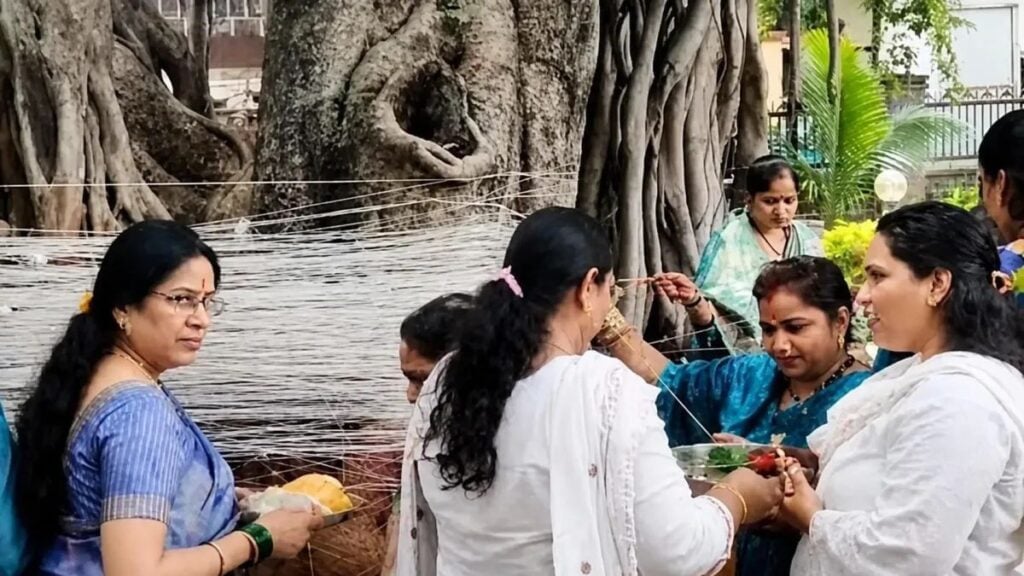
As Sindoor Tritiya or Saubhagya Tritiya, Chaitra Shukla Tritiya carries an added layer of meaning. In numerous regions, married devotees respectfully offer sindoor (vermilion) to the Goddess and exchange haldi-kumkum, praying for family well-being, shared prosperity, and mutual respect within households. Unmarried participants often seek blessings for wisdom, character, and life-partner compatibility. Although the motif of saubhagya is culturally rooted, contemporary observance also highlights shared ethical commitmentskindness, responsibility, and gratitudethat strengthen families and communities of all backgrounds.
In Nepal’s Dashain observance, Day 3 similarly integrates steady, daily worship of Goddess Durga. Households continue the nitya-puja cycle initiated on Pratipada, recite selected portions of sacred texts, and maintain a calm environment of devotion and seva. The ritual continuity from Pratipada through the succeeding days supports the Dashain emphasis on family unity and cultural heritage, marking the day as a bridge between personal discipline and communal celebration.
Scriptural recitations on Day 3 frequently draw from the Devi Mahatmya (Durga Saptashati), where the narrative of the Divine Mother’s victorious compassion unfolds across three charitas. Many traditions assign chapters sequentially across the nine days, while others concentrate on thematic sections extolling the Mother’s protection and grace. Common mantras on Chandraghanta’s day include the simple salutations “Om Devi Chandraghantayai Namah” and the beej-oriented worship of the Divine Mother. Devotees also employ the meditative nyasa and dhyana shlokas to center the mind before arati.
For those seeking a structured puja at home on 21 March 2026, a time-tested sequence is as follows in prose format. After purifying the space and oneself, invoke Ganesha for obstacle removal. Offer water, flowers, incense, and lamp to the kalasha and the image or yantra of Chandraghanta. Perform sindoor arpan to the Goddess, followed by naivedyaideally milk-based sweets, fruits, or kheerconcluding with aarti, bell-ringing, and distribution of prasada. Chanting a fixed number of recitations of “ॐ देवी चन्द्रघण्टायै नमः” cultivates one-pointedness and serenity.
Fasting (vrata) on Day 3 is traditionally sattvic and sustainable. Many adherents observe a fruit-and-dairy fast or consume a single light meal prepared without onion and garlic, maintaining hydration and moderation. Those with health conditions may adopt a symbolic fastreducing quantity or eliminating stimulantswhile preserving the devotional intent. The ethical dimension of the vrata is equally emphasized: practicing truthfulness, restraint, and compassion throughout the day.
From an astrological perspective, Tritiya is associated with Gauri and auspicious beginnings. The tithi’s guna emphasizes balance and good fortune, aligning well with Chandraghanta’s equilibrium of courage and calm. Beneficial practices on this day include initiating learning, reaffirming vows of self-discipline, and undertaking charitable service (seva) that tangibly supports community well-being.
Regional practices display extensive diversity across the subcontinent. In North India, Saubhagya Teej idioms shape household rituals and community gatherings. In Eastern India and the Himalayan belt, the Durga-centric liturgy and family-focused recitations frame the day. In Western India, the agrarian symbolism of new growth and purity often informs offerings, while in Southern India, temple alankarams and classical recitations situate the day within an unbroken rhythm of nitya-archana.
Day 3 also offers a meaningful bridge for unity across the broader Dharmic family. In Buddhism, the veneration of compassionate feminine wisdom resonates with the Shakti ideal, particularly in traditions honoring Tara. Jain communities observe Navpad Oli in Chaitra and Ashwinnine days of spiritual discipline that often overlap with Navratriforegrounding self-restraint and devotion. Sikh history preserves compositions like Chandi di Var, which extol divine courage against adharma; many families draw ethical inspiration from these shared ideals of valor and justice. Together, these currents affirm a plural yet harmonious ethos, honoring diverse paths that converge on compassion, self-mastery, and service.
Environmental respect further elevates the observance. Eco-friendly diyas, natural flowers, minimal plastic, and biodegradable offerings align ritual beauty with responsibility to Mother Earth. Local sourcing of puja materials supports artisans and reduces environmental impact, translating spiritual reverence into everyday stewardship.
Two clarifications aid planning. First, 21 March 2026 is the third day of Vasant/Chaitra Navratri (Chaitra Shukla Tritiya) and is widely known as Sindoor Tritiya/Saubhagya Tritiya. Second, 13 October 2026 is the third day of Sharad/Ashwin Navratri; practices on that autumnal Tritiya mirror the same theological focus on Chandraghanta while reflecting seasonal and regional variations. For precise muhurta, local panchang consultation is recommended due to time-zone and sunrise-based tithi differences.
In summary, Navratri 2026 Day 3 invites a disciplined yet compassionate engagement with Shakti. Whether observed as Sindoor Tritiya, Saubhagya Teej, or within Dashain in Nepal, the day’s spiritual center remains Chandraghanta’s fearless serenity. Through thoughtful puja, ethical fasting, scriptural recitation, and inclusive community practice that honors Hindu, Buddhist, Jain, and Sikh sensibilities, the observance nurtures inner steadiness, family harmony, and a shared commitment to dharma.
Inspired by this post on Hindu Pad.