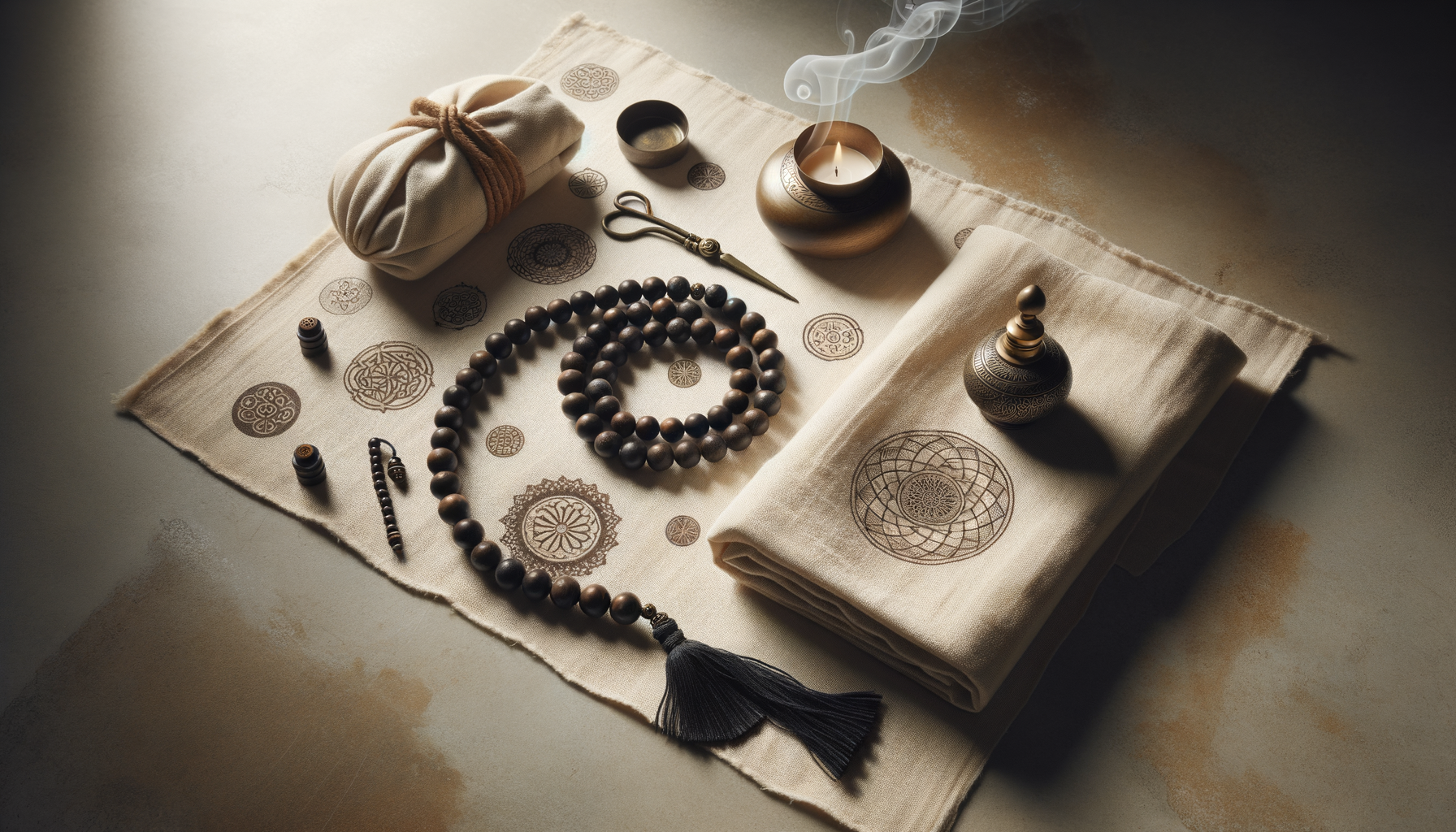
Karungali Malaialso known as Karungali Mala or Ebony Wood Malahas gained notable attention for its perceived holistic and spiritual benefits. Public discourse often contrasts this growing interest with skepticism about its spiritual value. A balanced reading recognizes both perspectives: traditional communities esteem Karungali for its grounding symbolism and ritual utility, while others reserve judgment, preferring experiential validation. This overview examines the mala’s cultural context, mindful uses, and care, while affirming a respectful, inclusive approach across dharmic paths.
In South Indian traditions, Karungali refers to deep-black hardwoods commonly identified with ebony. The Ebony Wood Mala is valued for its density, durability, and austere beauty. Symbolically, dark wood is associated with steadiness, protection, and inward focus. Within the broader Indic ritual vocabulary, such attributes support practices requiring attention and restraint, making the Ebony Wood Mala an enduring companion for meditation, mantra recitation, and daily contemplation.
Across dharmic traditionsHinduism, Buddhism, Jainism, and Sikhismthe mala serves as a shared contemplative tool. Whether used for japa, simran, or quiet breath-led awareness, the string of beads structures practice, deepens concentration, and anchors intention. This commonality underscores unity in spiritual diversity: distinct lineages retain their unique mantras and methods, yet the mala’s purposeto cultivate clarity, compassion, and self-disciplineremains a unifying thread.
Traditional lore attributes holistic qualities to Karungali Malai, describing a sense of “grounded calm” that many householders and seekers report during daily wear or practice. From a practical standpoint, its tactile weight and texture provide a reliable focal point for attention, which can enhance meditation quality and reduce mind-wandering. Such benefits align with well-known outcomes of structured mindfulness routines, independent of metaphysical claims.
Skeptical views emphasize that spiritual efficacy cannot be assumed. A prudent approach is experiential: adopt a short, consistent routine (for example, 21 or 40 days), note changes in focus, mood, and adherence to practice, and then decide whether the mala is personally meaningful. This method respects tradition while remaining accountable to observation and reason, promoting harmony between faith and inquiry.
For japa, practitioners commonly use 108 beads (or 54 as a half-mala). The mala is usually advanced with the thumb and middle finger, avoiding the index finger in many lineages. A steady paceone mantra per beadpaired with gentle, diaphragmatic breathing builds one-pointedness. Whether reciting “Om Namah Shivaya,” “Om Namo Narayanaya,” or other sacred formulas, the Ebony Wood Mala functions as a metronome for attention, quietly synchronizing breath, mantra, and awareness.
Consecration and daily handling are simple and dignified. Many place the Karungali Mala on a clean cloth near a lamp, incense, or a favorite text, then begin practice with a brief moment of gratitude. After use, the mala can be stored in a gomukhi bag or cloth pouch reserved for spiritual items. Such care signals intention and helps maintain a contemplative atmosphere.
Selection merits discernment. Authentic ebony and closely related dark hardwoods are dense, smooth, and moderately heavy in hand. Beads should move freely on a durable, comfortable cord. Seek ethical sourcing to honor both nature and craft, and verify bead count and finishing quality. These practical checks ensure the mala supports long-term meditation and japa without distraction.
Maintenance is minimal. Keep the Ebony Wood Mala dry, away from harsh chemical cleaners, and out of prolonged direct sunlight. If needed, a light touch of natural oil can revive luster, applied sparingly and allowed to absorb fully. With regular practice, the mala’s surface may develop a natural sheen, reflecting steady use rather than wear.
Ultimately, the value of Karungali Malai lies in disciplined use, thoughtful care, and a spirit of inclusivity. While traditions ascribe protective and grounding symbolism to ebony, the most tangible benefit is the mala’s capacity to foster regular practice. In honoring diverse dharmic approachesHindu, Buddhist, Jain, and Sikhthis perspective embraces unity in spiritual diversity, encouraging each seeker to engage sincerely, observe carefully, and proceed with humility and respect.
Inspired by this post on Hindu Pad.