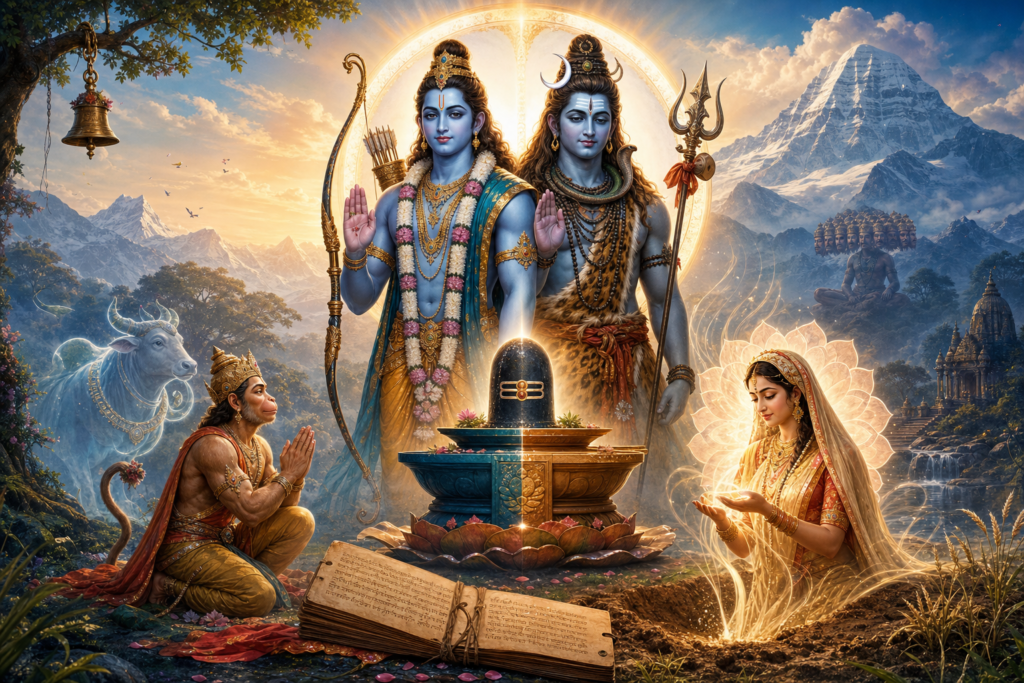
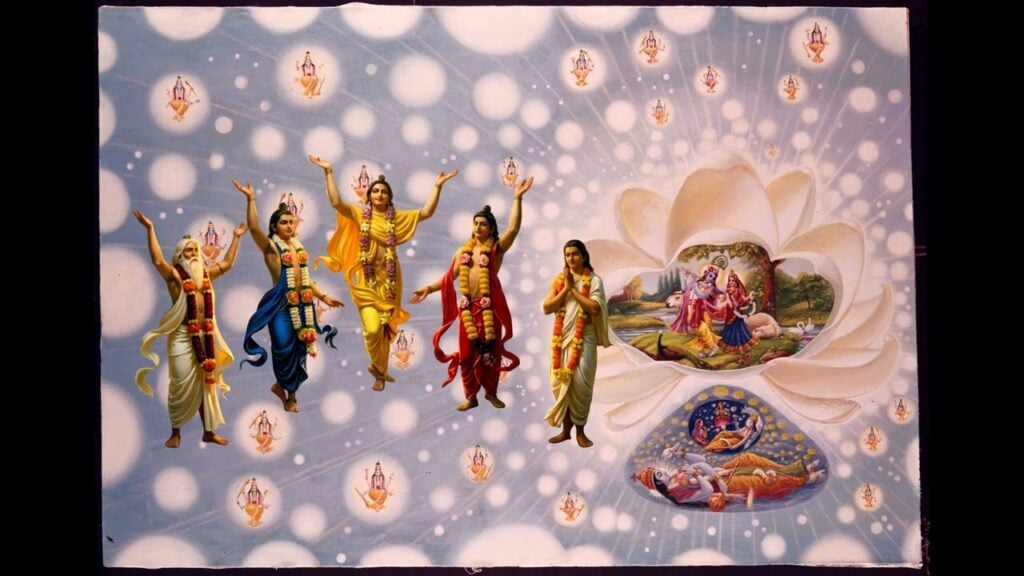
Vishnu Vidiya Vratam is a 15-day observance in the Falgun month, practiced widely in Andhra Pradesh and Telangana from Phalguna Maasa Shukla Vidiya to Phalguna Maasa Krishna Vidiya. In 2026, it begins on February 19 and concludes on March 5. Dedicated to Lord Vishnu, the vratam emphasizes sustained bhakti across both lunar phases, aligning personal discipline with the Hindu festival calendar and the regional Panchang.
Within the ritual life of the region, this observance highlights continuity of devotion rather than a single festival day. Devotees honor Vishnu’s qualitiesprotection, preservation, and compassionwhile integrating prayer routines into daily life. The timing across Shukla Paksha and Krishna Paksha invites reflection on inner steadiness amid waxing and waning lunar cycles during Phalguna Masam.
Observed practices commonly include light fasting according to capacity, satvik meals, daily recitation such as Vishnu Sahasranama, and simple puja at home or in local temples. Families often choose a consistent time for sankalpa and sandhya prayers, guided by the regional Panchang. Specific customs vary by community, household tradition, and temple guidance, making the vratam adaptable and inclusive.
Devotees frequently report enhanced clarity, emotional balance, and a calm devotional rhythm over these fifteen days. The vratam strengthens family cohesion through shared routines and encourages dana and seva where feasible. These valuesself-discipline, compassion, and inner equanimityresonate across dharmic traditions, supporting harmony among Hinduism, Buddhism, Jainism, and Sikhism.
For 2026, the start on February 19 and the end on March 5 should be followed as per the local almanac, noting sunrise-based tithi transitions. Consulting trusted regional Panchang sources ensures accurate observance of Phalguna Maasa Shukla Vidiya and Phalguna Maasa Krishna Vidiya, especially when planning temple visits, collective bhajans, or community satsangs.
In Andhra Pradesh and Telangana, many households complement home worship with visits to Vishnu temples and participation in devotional gatherings. The emphasis remains on steady, sustainable practicemoderation in fasting, mindful chanting, and reflectionso that spiritual intent is maintained without strain throughout the Falgun month.
As a devotional arc rather than a single-day event, Vishnu Vidiya Vratam offers a measured pathway to deepen bhakti to Lord Vishnu through the Phalguna cycle. Approached with sincerity and awareness, it becomes a gentle discipline that nurtures personal well-being, strengthens family bonds, and builds communal concord.
Inspired by this post on Hindu Pad.