
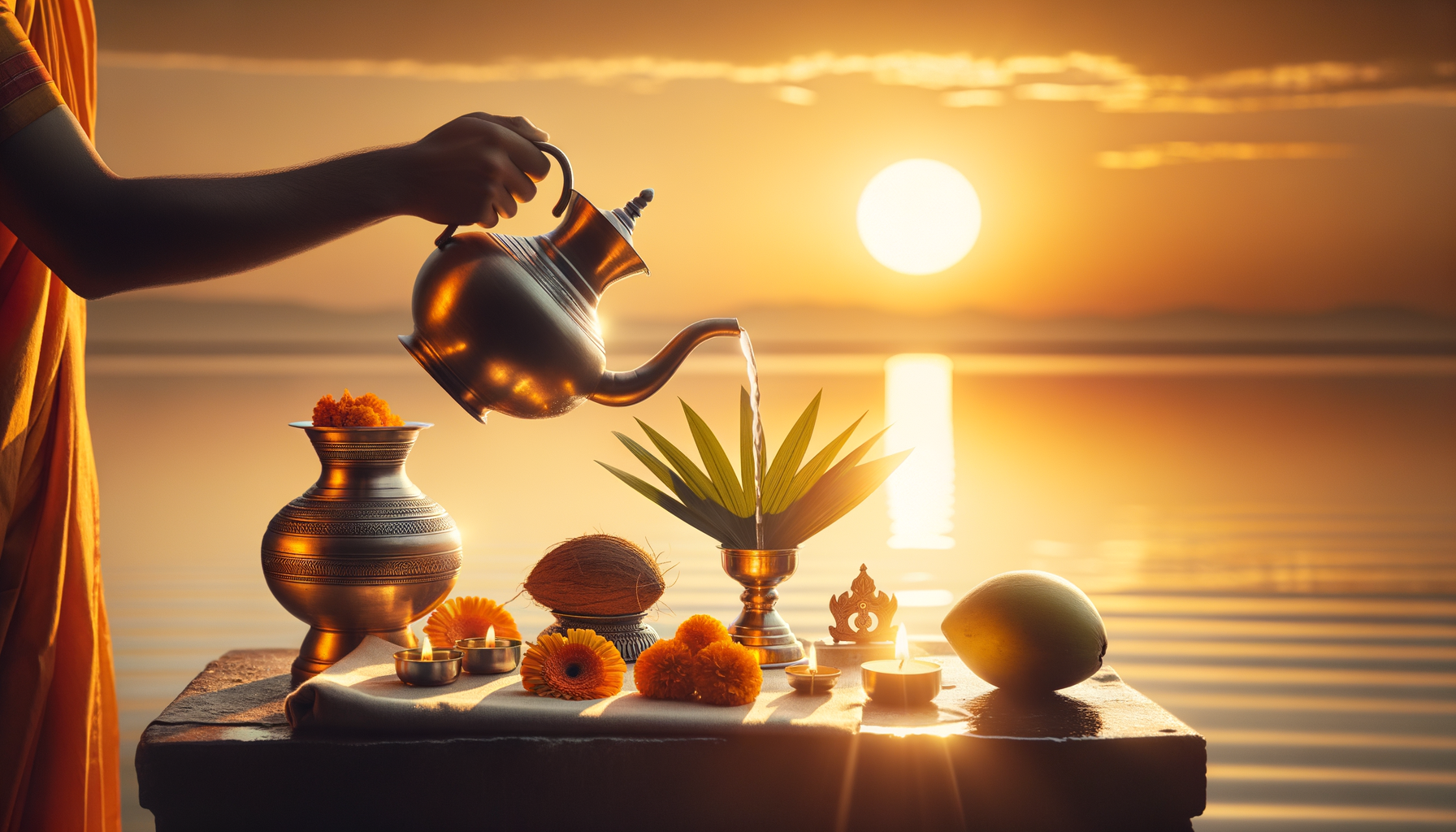
Mandar Shashti Vrata is an auspicious Hindu fasting observance dedicated to Surya Deva (Sun God). It is traditionally associated with the devotional ethos of Margashirsha Month, while the calendrical performance is observed on Shukla Paksha Sashti in Magh Month. In 2026, Mandar Shashti Vrata falls on January 24 as per the Hindu calendar 2026.
Within Vedic Traditions, Surya is revered as the visible source of prāṇa and cosmic order (ṛta). Observing this vrata cultivates discipline, gratitude for light and time cycles, and mindful living. Popular belief associates the vrata with blessings such as clarity of mind, vitality, well-being, and prosperity, aligning with the Hindu way of life that emphasizes ethical conduct, self-restraint, and inner steadiness.
Mandar Shashti Vrata resonates with the shared dharmic spirit found across Hinduism, Buddhism, Jainism, and Sikhism. Reverence for the sun as a symbol of illumination, rhythm, and life-affirming energy reflects a common commitment to harmony with nature and respectful spiritual plurality. Approached in this spirit, the observance fosters unity in diversity within the broader dharmic family.
Observance typically begins before sunrise with a purificatory bath and a commitment to upavasa (fasting) or a sattvic partial fast. At sunrise, devotees offer arghya (water oblation) to Surya while reciting Surya mantras or the Aditya Hridayam. Acts of dāna (charity), seva (service), and quiet contemplation are encouraged, concluding after sunset with simple offerings and prayers. Practices may vary by family lineage and region; consulting elders and the local Panchang ensures alignment with tradition.
For 2026, Shukla Paksha Sashti in Magh Month corresponds to January 24. Exact tithi timings vary by region and time zone; therefore, practitioners confirm local sunrise and tithi boundaries using a regional Panchang. Aligning the morning arghya with the local Shukla Paksha Sashti enhances devotional focus and observance accuracy.
Participants frequently describe a felt sense of warmth, clarity, and renewed resolve through sun-facing practices, with family observance transmitting cultural memory and values to younger generations. Community recitations and collective arghya nurture social cohesion and goodwill, strengthening bonds within and across dharmic traditions.
In essence, Mandar Shashti Vrata is a culturally rooted and spiritually accessible observance: it clarifies what to do (fast, arghya, mantra, charity), when to do it (Magh Shukla Sashti, January 24, 2026), and why it matters (inner refinement, healthful habits, and harmonious living). Keeping the spirit of simplicity, non-harm, and inclusivity ensures the vrata remains a meaningful path to personal and collective well-being.
Inspired by this post on Hindu Pad.










