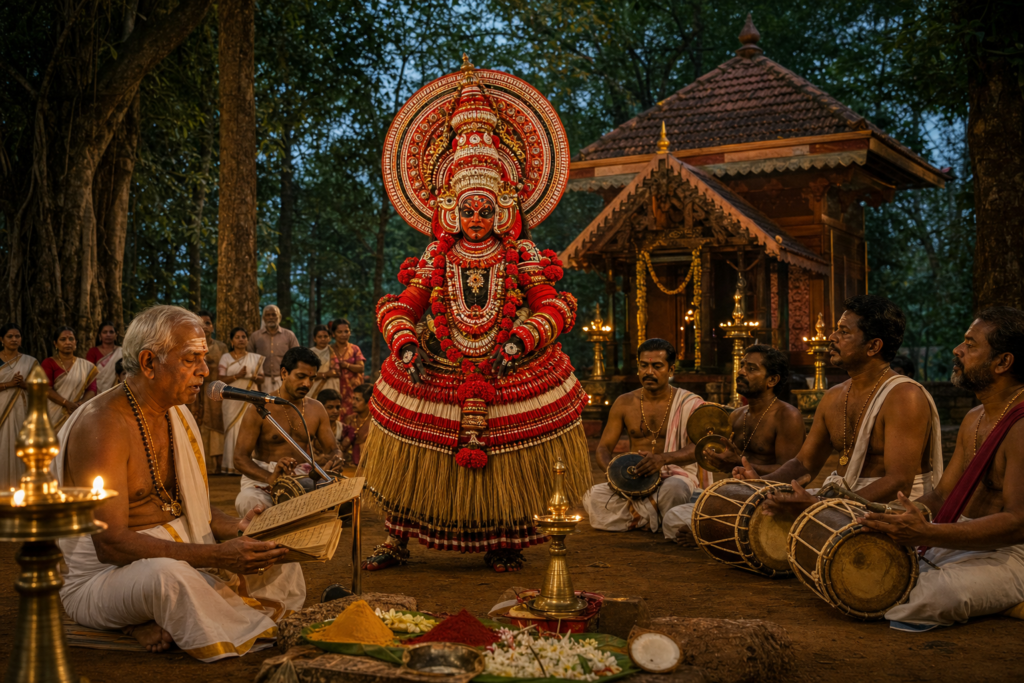
Samba Dashami, also known as Surya Puja, is observed in Odisha on the Dashami tithi of Shukla Paksha in the Pausha month. In 2025, Samba Dashami falls on December 29. The observance venerates Surya Bhagwan and is cherished across Odia households for its emphasis on wellbeing, gratitude, and renewal through the grace of the Sun.
Falling during Pausha Shukla Dashami, the vrat combines disciplined worship with luminous symbolism. Devotees offer arghya to Surya at sunrise, recite mantras, and maintain a mindful routine throughout the day. Many choose to fast or follow a simple sattvic diet, aligning body and mind with the seasonal rhythm and sunlight that sustain life.
The festival’s narrative significance is rooted in the Samba Dasami Vrat Katha. Samba, the son of Sri Krishna and Jambavati, is said to have been afflicted with a grave illness and ultimately restored to health by the compassion of Surya. The storywidely known in Odia householdshas come to symbolize healing, resilience, and the transformative power of devotion. In this spirit, families in Odisha dedicate the day to prayers for children’s health and the collective prosperity of the household.
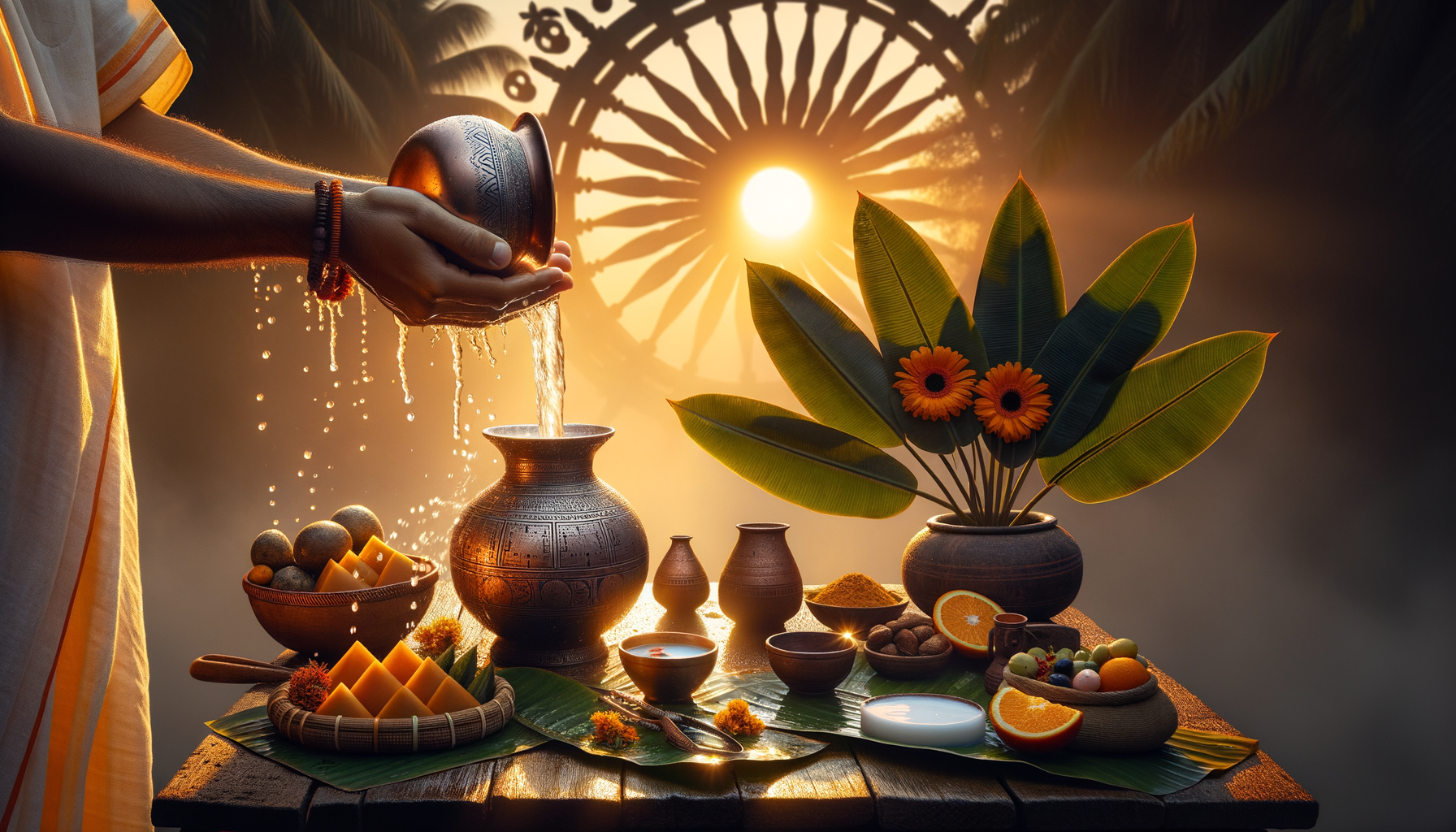
Ritual practices in Odisha are both tender and precise. Offerings to Surya Bhagwan commonly include homemade pithas such as arisa, manda, and kakara, along with kheeri, seasonal fruits, jaggery, and betel leaves. Many devotees pour arghya from a copper lota, standing near a Tulasi plant or in an open courtyard where the morning light is unobstructed. The careful preparation of prasada, the rhythmic recitation of stotras, and the quiet interval of reflection after sunrise together create an atmosphere of reverence and inner clarity.
For many families, Samba Dashami carries an intimate emotional resonance. It recalls scenes of mothers and grandmothers rising before dawn, the aroma of freshly prepared pithas, and the first golden rays of the sun touching the puja space. These memories are not only personal but also communal, strengthening intergenerational bonds while nurturing gratitude for health, learning, and light.
The reverence for the Sun on Samba Dashami harmonizes naturally with the broader dharmic ethos of unity and respect. Surya is praised in Vedic hymns, appears in Buddhist and Jain cosmological frameworks, and is acknowledged in Sikh teachings as part of the Divine order that sustains creation. This shared recognition of the Sun’s life-giving role underscores a plural, inclusive heritage in which diverse practices converge on common valueswellbeing, truth, and compassion.
From an observance perspective, devotees often consult the local panchang for Dashami tithi timings and sunrise muhurta to plan Surya arghya precisely. Many also adopt eco-conscious choices such as using natural flowers, biodegradable offerings, and copper or clay vessels. These mindful details preserve the sanctity of the rite while honoring the environment that the Sun continually nourishes.
As a cultural milestone in the Odia calendar, Samba Dashami 2025 offers a timely opportunity to renew gratitude for health, strengthen family bonds, and realign daily life with the clarity and warmth of Surya. Anchored in Pausha Shukla Dashami and enriched by enduring household traditions, the vrat remains a luminous expression of Odisha’s heritage and a gentle reminder that resilience grows where devotion and discipline meet.
Inspired by this post on Hindu Pad.