Tarapith Temple in Birbhum, West Bengal, is revered as a Shakti Peetha where the presence of Goddess Tara is experienced as both fierce and compassionate, a source of wisdom, protection, and liberation. Recognized across generations as a centre of profound spiritual energy, Tarapith draws seekers who value disciplined sadhana, inner transformation, and the pursuit of moksha.
Situated near Rampurhat on the banks of the Dwarka River, the temple stands adjacent to the Mahasmashan, the sacred cremation ground that forms an integral part of Tarapith’s ritual landscape. This geographic and ritual duality—temple and cremation ground—symbolizes the journey from impermanence to awakening, a theme that is central to the site’s devotional and contemplative ethos.
Tradition honours Tarapith as a Shakti Peetha associated with the cosmic narrative of Sati and the eternal power of Shakti. Theologically, Tara belongs to the Mahavidya current, embodying saving grace and fearless compassion. The veneration of Tara at Tarapith resonates with shared dharmic insights: while the icon and rituals are rooted in Hindu tantra, Tara is also deeply honoured in Vajrayana Buddhism. This shared reverence underscores a unifying vision—Hindu, Buddhist, Jain, and Sikh traditions all uphold compassion, self-discipline, and ethical living as pathways to wisdom.
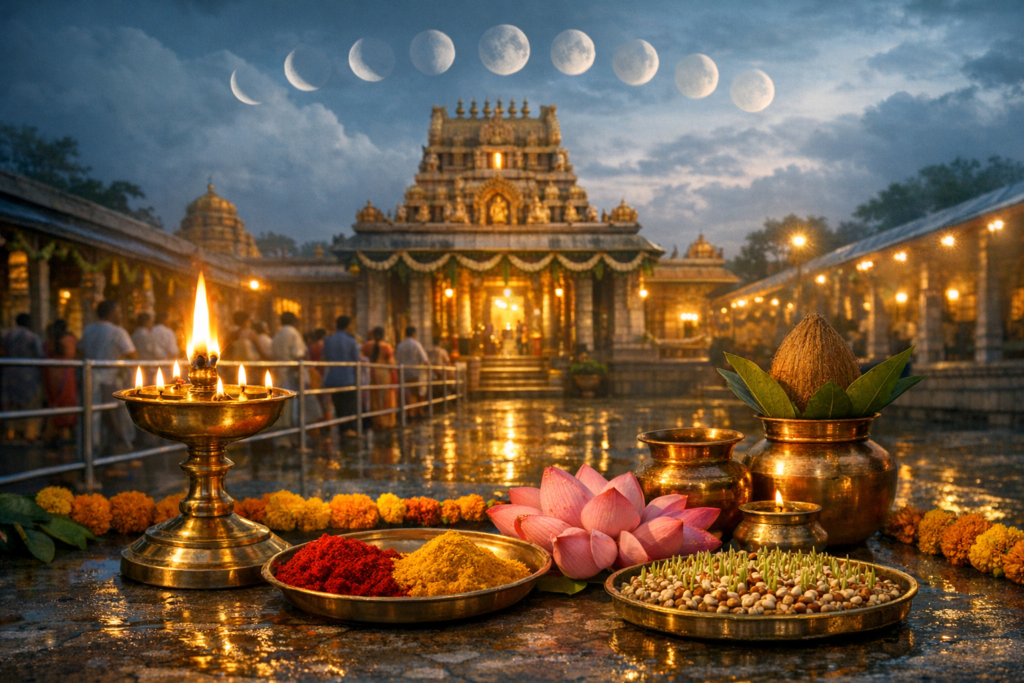
Ritual life at Tarapith is marked by daily puja, evening arati, and the offering of red hibiscus—symbolic of Shakti’s vital force. Amavasya nights often witness intensified tantric observances in the cremation ground, where aspirants engage in sadhana aimed at inner clarity (jnana) and spiritual attainments (siddhis). These practices are approached with sobriety and respect, emphasizing that diverse methods of worship, when guided by compassion and responsibility, converge on the same goal: liberation from sorrow and ignorance.
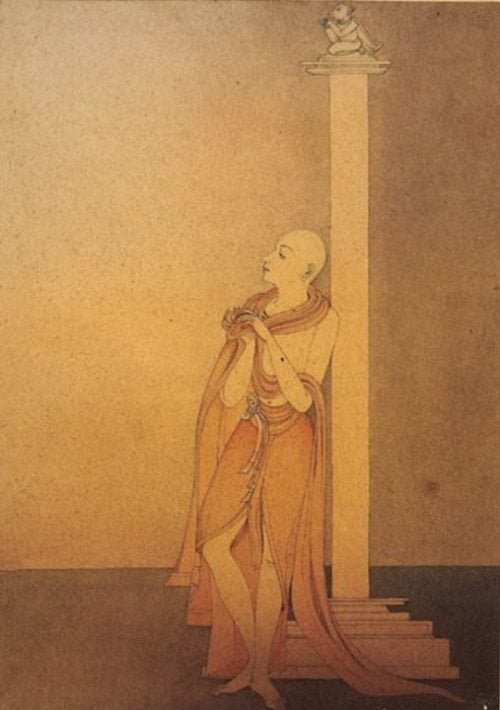
Among Tarapith’s most cherished saintly figures is Bamakhepa (late 19th–early 20th century), whose life of ecstatic devotion to Goddess Tara exemplified humility, fearlessness, and the immediacy of the divine presence. His songs, meditations, and service to the deity continue to inspire pilgrims who perceive in his legacy a living testimony to Tara’s grace—accessible, transformative, and non-sectarian.
Visitors frequently describe a palpable stillness within the sanctum and an equally compelling austerity at the Mahasmashan. The atmosphere invites contemplation: the chants at dusk, the scent of incense, and the rhythm of bells evoke both awe and reassurance. Pilgrims from varied dharmic backgrounds—Hindu, Buddhist, Jain, and Sikh—often find shared meaning in the site’s call to compassion, truthfulness, and inner restraint, engaging the sacred with mutual respect and unity of purpose.
Key observances include Navaratri, Kali Puja, and auspicious Tuesdays and Saturdays dedicated to the Goddess. Many choose dawn darshan for its serenity, while others seek the depth of nocturnal worship during new moon rituals. Across all times, practitioners emphasize reverence for tradition, care for the sacred environment, and kindness toward fellow seekers.
Academically and spiritually, Tarapith may be understood as a living confluence of text, practice, and place: a temple where Shakti theology, tantric disciplines, and ethical action reinforce one another. As a Hindu pilgrimage destination and a distinguished Shakti Peetha, Tarapith continues to offer a rigorous yet compassionate path to self-knowledge, making it a vital sanctuary for those pursuing enlightenment and liberation.
Inspired by this post on Hindu Blog.