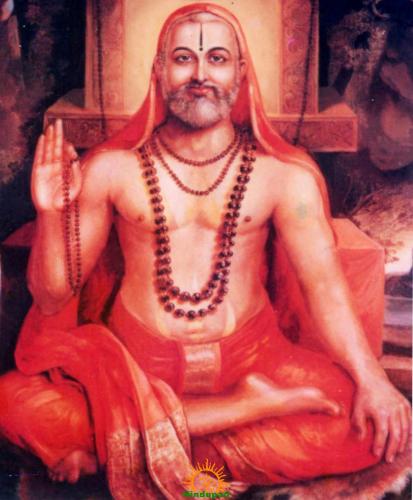
Goddess Vajreshwari, revered as the Divine Thunderbolt Wielder, embodies the sustaining power of the Divine Mother and the fulfillment of righteous desires. In Hindu spiritual traditions, she is celebrated as a luminous force of cosmic preservation and is often described as representing the sun aspect of the divine feminine trinity. This solar dimension highlights her radiance, clarity, and protective energyqualities that inspire devotees to align aspiration with dharma and cultivate inner strength rooted in compassion.
The name Vajreshwari derives from “vajra,” the emblematic thunderbolt or diamond, signifying unbreakable resolve and indestructible wisdom. Within the broader Dharmic heritage, the vajra motif carries a shared resonance. In Vajrayana Buddhism, it signifies immutable reality and skilful means; in Jain thought, steadfast vows (vrata) echo its unyielding ethical core; and Sikh teachings emphasize fearless righteousness (shaurya) and selfless service (seva) that harmonize with its moral clarity. This convergence affirms a unifying visiontruth safeguarded by compassion and courage across Hinduism, Buddhism, Jainism, and Sikhism.
As the sun aspect of Shakti, Vajreshwari symbolizes tejasradiant energy that illumines understanding and sustains life. Her grace is associated with preserving order and bestowing desires aligned with virtue. Devotees traditionally approach her as the bestower of rightful aims (artha and kama) when integrated with dharma, recognizing that lasting fulfillment arises where aspiration meets ethical purpose. This academic perspective helps clarify why her worship is linked with clarity of judgment, inner discipline, and the will to act for collective well-being.
Iconographically, the idol form (murti) of Vajreshwari is often portrayed with a serene yet sovereign presence. In many traditions, she appears with four to eight arms, bearing the vajra (thunderbolt), trishula (trident), sword, lotus, noose, bell, conch, or shieldeach symbol marking protection, discernment, purity, and the rhythm of sacred order. A solar halo frequently encircles her head, her three eyes suggest omniscient awareness, and red or golden vestments convey vitality and auspiciousness. She may be depicted seated in padmasana or lalitasana, sometimes with a lion or tiger vahana, reflecting fearless guardianship and royal dignity.
Living practice anchors these symbols in the daily rhythm of devotion. In shrines dedicated to Vajreshwarisuch as those venerated in North Indiarituals emphasize preservation, protection, and righteous prosperity. For many, standing before the murti evokes a palpable calm and a sense of resolute clarity, as if the thunderbolt of insight and the warmth of the sun converge to illumine the path ahead. Festivals like Navaratri further foreground her protective grace, inviting contemplation on the alignment of desire with duty and the safeguarding of community welfare.
Symbolically, Vajreshwari’s vajra is more than a weapon; it is a principle of unassailable truth. This principle maps onto contemplative practice: devotees reflect on the sun-like radiance of awareness that dispels confusion, much as solar light dissolves darkness. The focus on ethical aspirationseeking what is worthy, timely, and beneficialunderscores why her blessings are traditionally described as the fulfillment of desires that uplift both self and society. Such framing ensures spiritual progress remains inseparable from social responsibility.
Dharmic unity becomes evident in the shared vocabulary of symbolism and ethics. The vajra’s indestructible wisdom resonates with Buddhist compassion, Jain commitment to ahimsa and vow-based discipline, and Sikh emphasis on truthful living and seva. While each tradition maintains its distinct theology and practice, all affirm an inner strength that protects the vulnerable and preserves harmony. In this light, Vajreshwari’s radiance is not sectarian; it signifies a common commitment to truth, courage, and care that strengthens the fabric of pluralistic society.
Contemplation on Vajreshwari often engages the imagery of the inner sun, a metaphor for luminous awareness and disciplined vitality. Practitioners describe reflecting on the clarity needed to transform intention into ethical action, allowing the “thunderbolt” of insight to cut through indecision while the “sun” of compassion sustains resolve. This synthesisdecisive wisdom joined to benevolent purposecaptures her core symbolism and offers a relatable model for navigating contemporary challenges with steadiness and grace.
Viewed through the lens of Hindu Goddess studies and the broader Hindu spiritual traditions, Vajreshwari stands as a guardian of balance: fierce yet nurturing, radiant yet composed. Her idol form communicates layered meanings to the attentive observerprotection, ethical fulfillment, and the preservation of cosmic order. Engaging with these meanings invites a practical, unifying insight: desires attain their highest expression when illumined by truth and guided by compassion for all beings.
Inspired by this post on Hindu Blog.