
-
Adhika Masa (Purushottama) 2026: A Deep Guide to Calendar Science, Bhakti Sadhana, and Unity
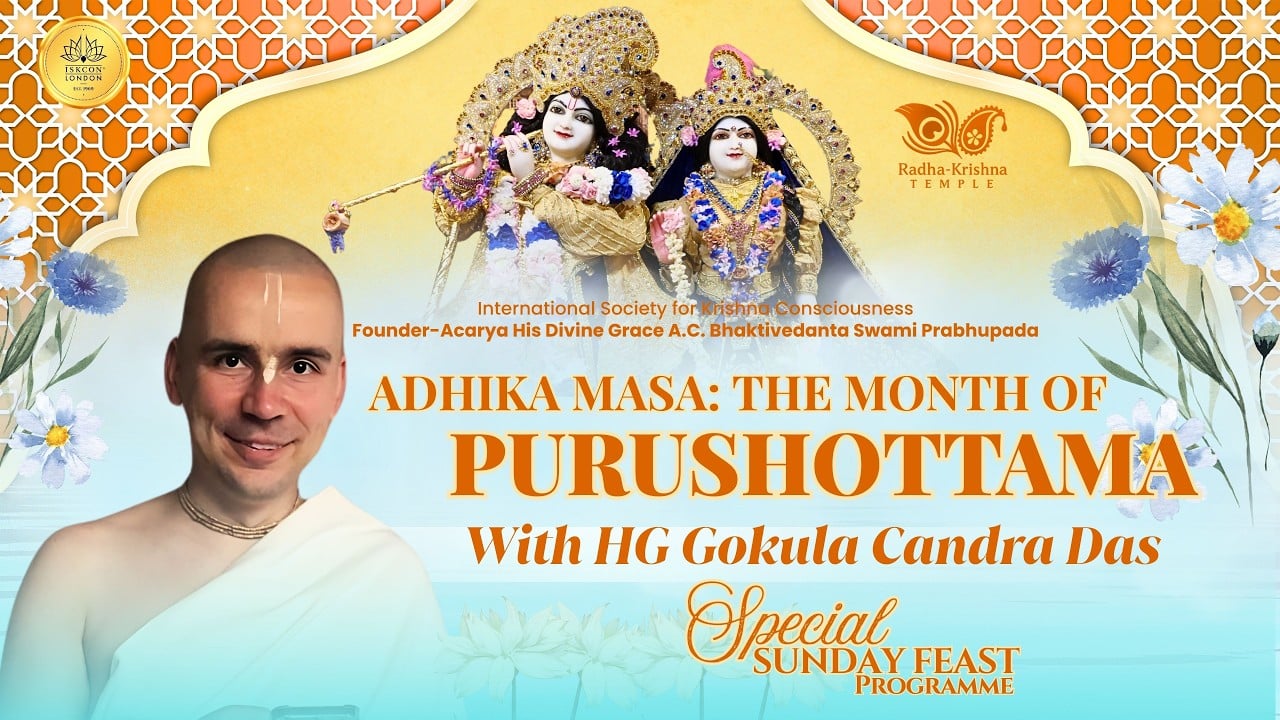
This long-form guide situates Adhika Masa (Purushottama Masa) within precise Hindu calendar science while presenting a practical, compassionate framework for intensified bhakti in 2026. It explains how the intercalary month is determined by the absence of a solar saṅkrānti within a lunar month and why many panchangs identify the 2026 occurrence as Adhik Jyeṣṭha. Drawing…
-
Hanumath Kalyanam Explained: Why Hanuman Weds SuvarchalaTexts, Symbolism, Ritual Life
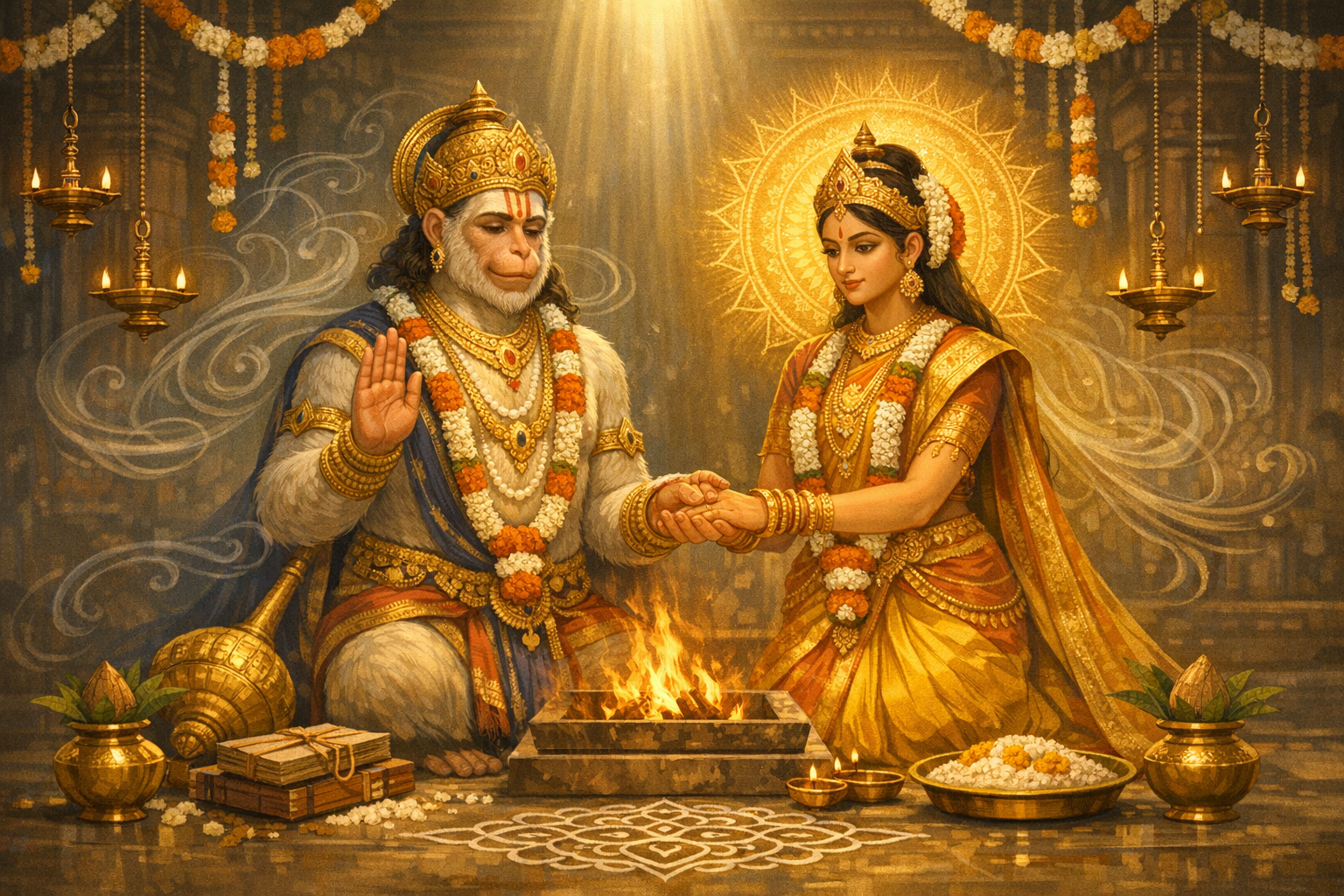
Hanumath Kalyanam asks a striking question: why would a nitya-brahmachari like Hanuman marry? This exploration traces the South Indian legend in which Suvarchalaborn of Surya Bhagavan’s Varchasweds Hanuman, while his vow of brahmacharya remains intact. It clarifies that the Valmiki Ramayana is silent on this motif, which emerges richly in regional sthala-puranas and temple kathas.…
-
Oppiliappan Temple’s Sacred Vow: Vishnu’s Marriage to Bhumi Devi and the Saltless Offering
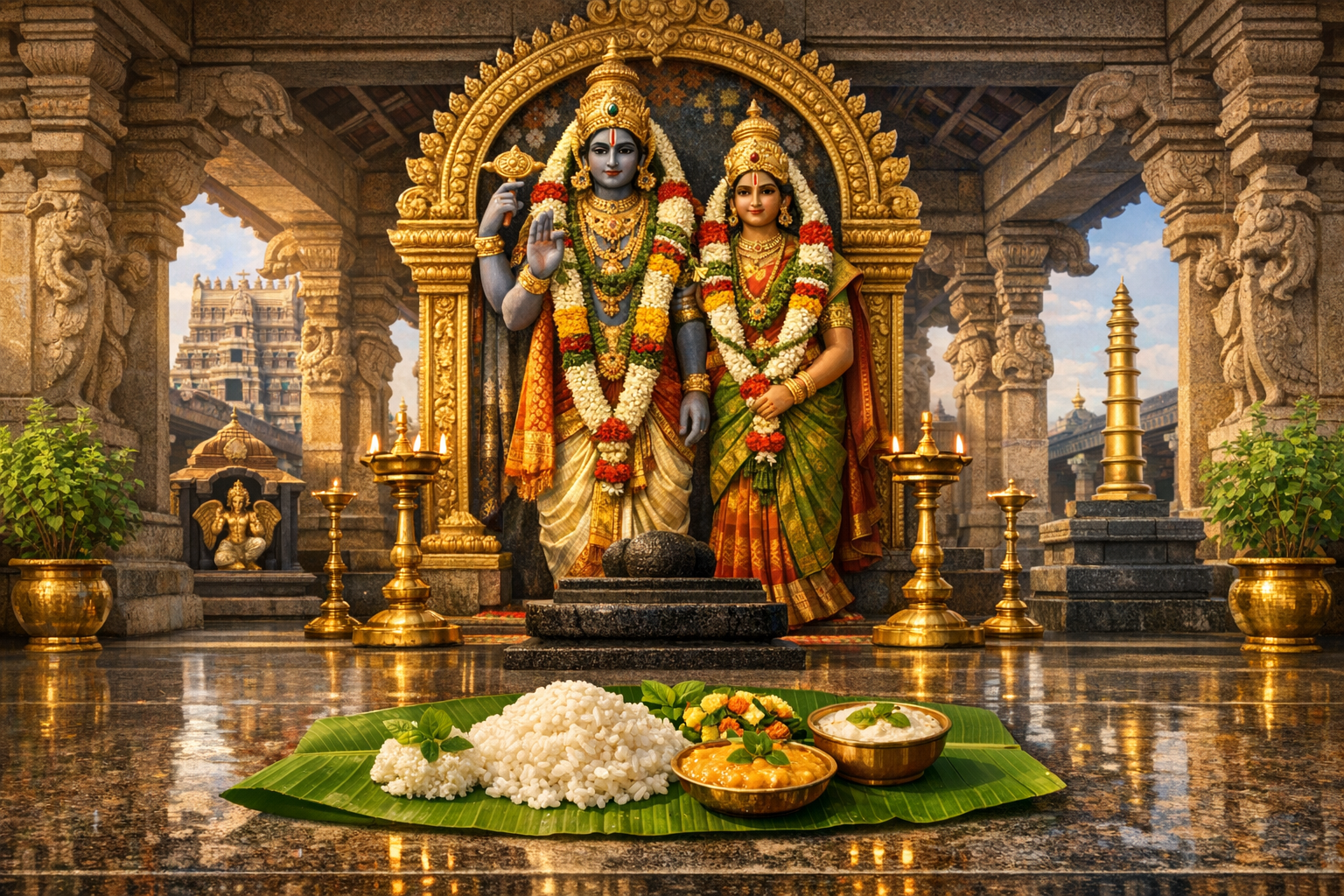
Oppiliappan Temple at Thiruvinnagar near Kumbakonam enshrines Vishnu’s sacred marriage to Bhumi Devi and preserves a distinctive liturgical vow: all offerings are prepared without salt. This long-form study situates the temple among the 108 Divya Desams, explains the Markandeya-based sthala-purāṇa, and interprets the saltless naivedyam as a pedagogy of grace, humility, and ecological restraint. It…
-
Rakshasa Linga Explained: How Fierce Tapas Wins Shiva’s Non‑Discriminating Grace

This in-depth exploration clarifies what a Rakshasa Linga is and why it matters: a Shivalinga worshipped or installed by a Rakshasa in Purana and sthala-mahatmya traditions. It explains how Skanda Purana and Shiva Purana preserve narrativessuch as Gokarna’s Atma Linga and Baidyanath Jyotirlingathat highlight Ravana’s fierce tapas and Shiva’s impartial grace. It situates these accounts…
-
Beyond Rivalry: Why a True Vaidika Honors Tantra and a True Tantrika Reveres the Vedas

Vedas and Tantra are not adversaries but complementary avenues to the same truth, a reality long recognized across authentic lineages. This article traces their historical interdependence through the Agamas, Pancharatra, temple praxis, and Vedantic metaphysics to clarify why both are indispensable. It explains how mantra, yantra, mudra, nyasa, and Kundalini sadhana can integrate seamlessly with…
-
Shiva Purana Timeless Tales: Daksha Yajna, Markandeya’s Grace, Neelakantha’s Compassion

This in-depth exploration of the Shiva Purana presents three profound narrativesDaksha Yajna and Sati, Markandeya’s deliverance through Mrityunjaya grace, and Shiva as Neelakantha during the Samudra Manthanaset within their textual, historical, and philosophical contexts. It clarifies how Puranic storytelling operates as both scripture and contemplative guide, uniting ritual, devotion, and ethics. Readers gain a nuanced…
-
Unraveling Mayasura, the Demon Architect: Epic Engineering, Sacred Geometry, and Maya Sabha’s Legacy

MayasuraMaya Dānava in the epicsemerges as a master engineer whose works combine optics, hydrology, geometry, and ethics. The Mahabharata’s Khandava-daha and Maya Sabha episodes showcase advanced architectural thinking framed by Dharma: perception can be trained or misled, and design must answer to conscience. Purāṇic narratives such as Tripura reaffirm this ethic by sparing the architect…
-
Krishna and the Six Sons of Devaki: A Compassionate Jain Harivamsa vs Hindu Puranas
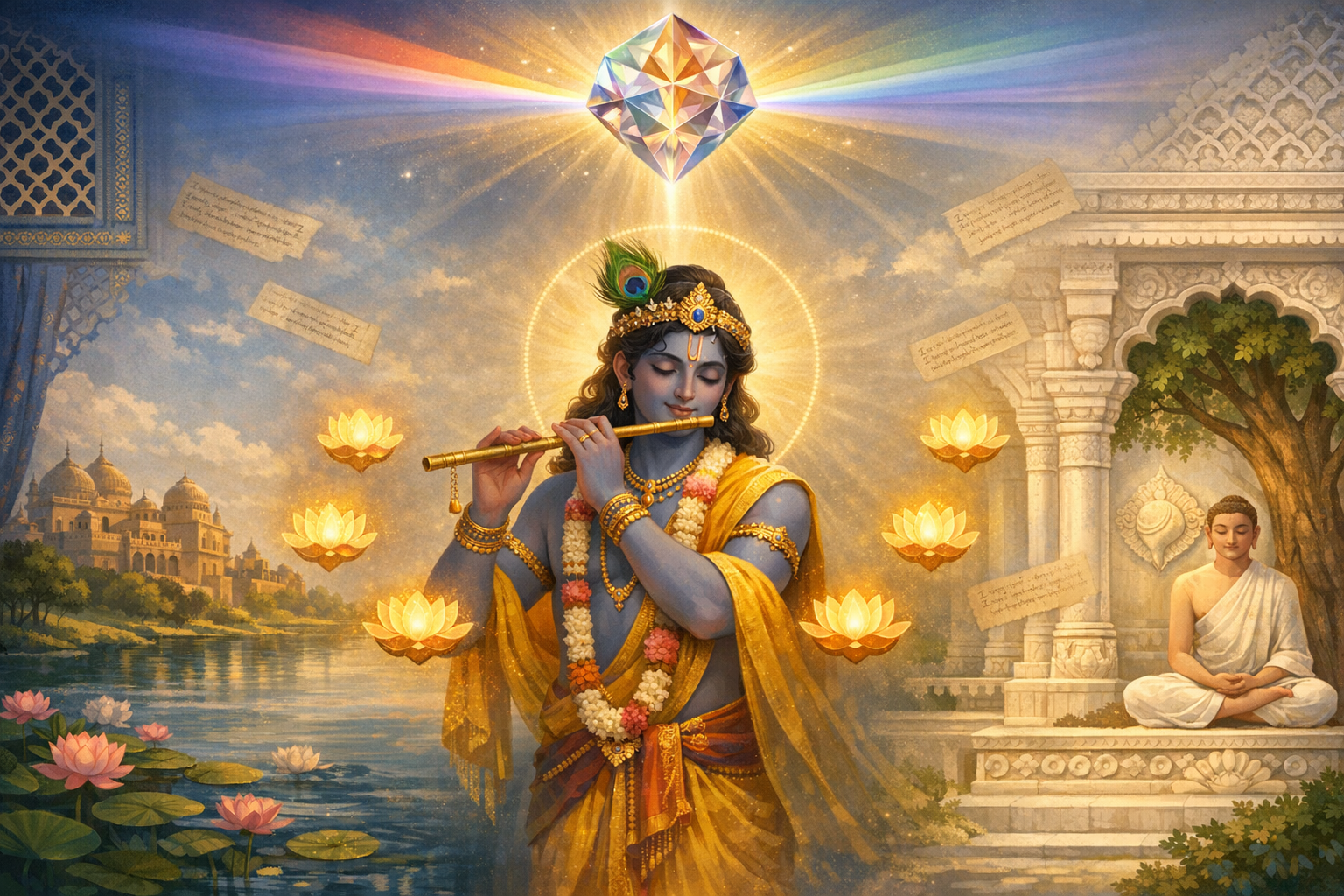
This long-form, comparative study examines how Hindu scriptures (Bhagavata Purana, Vishnu Purana) and the Jain Harivamsa Purana narrate the episode of Devaki’s six sons and Kamsa’s violence. It clarifies the difference between the Hindu Harivamsha and the Jain Harivamsa Purana, then maps their contrasting theological aims: divine descent and restoration of dharma versus karmic causality…
-
Virabhadra vs Bhairava: Decoding Shiva’s Fierce TwinsOrigins, Iconography, Tantra, Temple Worship
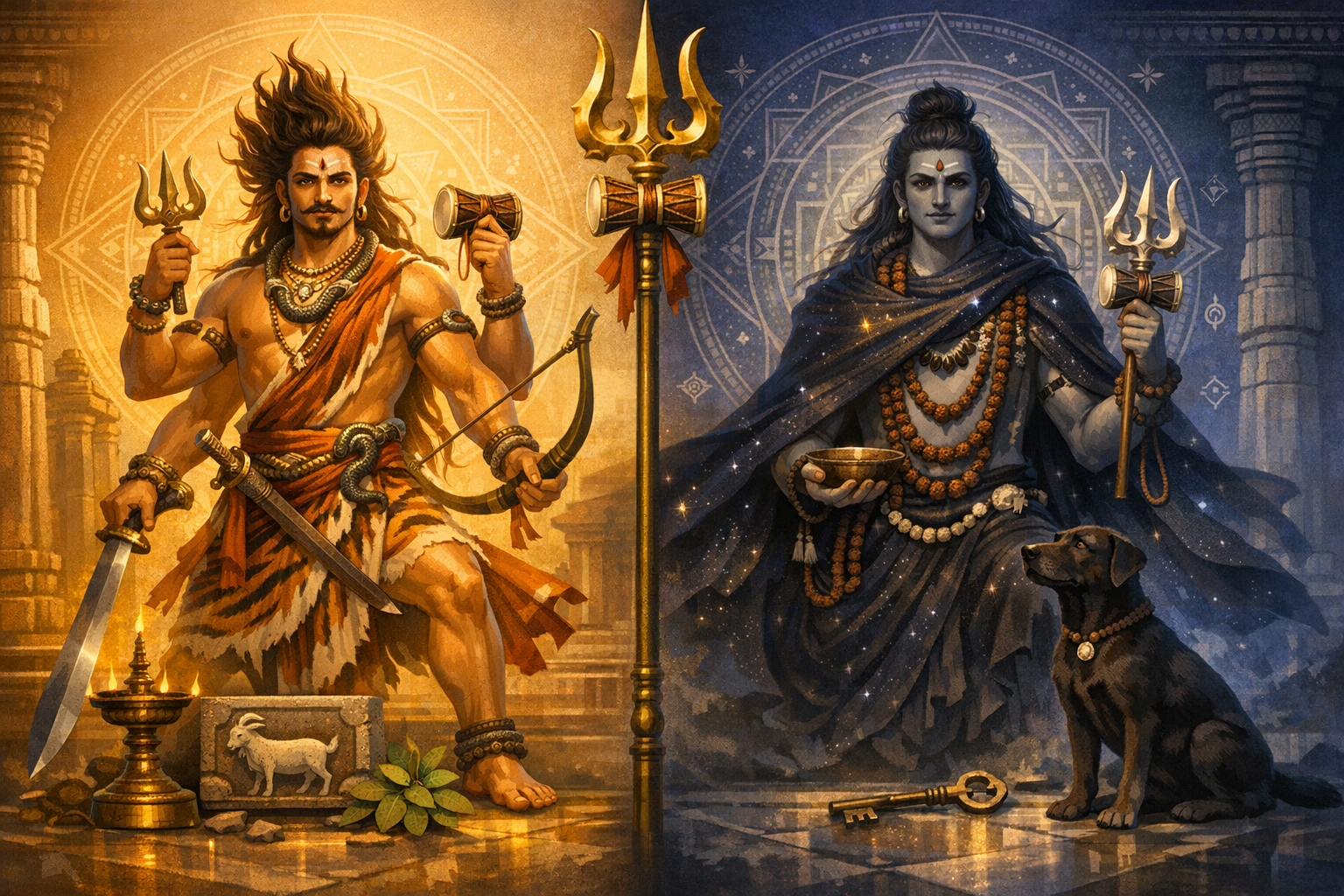
Virabhadra and Bhairava are Shiva’s fiercest yet compassionate forms, distinguished by purpose, scope, and soteriology. Virabhadra embodies event-specific dharmic correction in the Daksha Yajna narrative, while Bhairava serves as perennial guardian of thresholds and time. Their iconographies differVirabhadra as heroic warrior and Bhairava as digambara sentinel with skull-bowl and dog vahanayet both enact restorative justice.…
-
Jwarahareshwara Shiva: Rare Three-Headed Healer Guarding Humanity from Disease and Fear

Jwarahareshwara Shiva is a rare and powerful healing manifestation of Lord Shiva, envisioned with three heads, three legs, and six arms to symbolize balance, fearlessness, and compassionate protection. The form integrates Vedic portrayals of Rudra as the supreme healer with Puranic narratives that dramatize the pacification of disease and dread. Its triadic symbolism aligns closely…
-
Reclaiming India’s Dharmic Sense of History: Evidence, Empathy, and Method
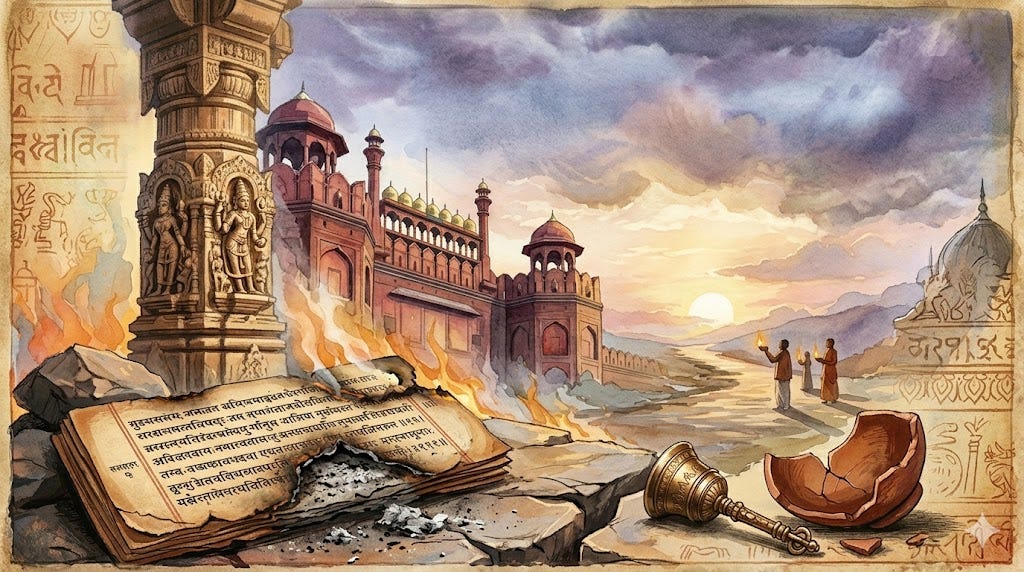
This essay offers a rigorous, empathetic roadmap to reclaim India’s Dharmic sense of history. It dismantles the colonial trope that Hindus lacked historical consciousness by surveying Itihasa, Puranas, caritras, inscriptions, and temple records across Ancient India and Medieval India. It explains why certain indigenous archives thinned during the medieval era and shows how to read…
-
Unmasking Putana and Jara: Demoness-Mother Archetypes, Tyranny’s Birth, and Dharma
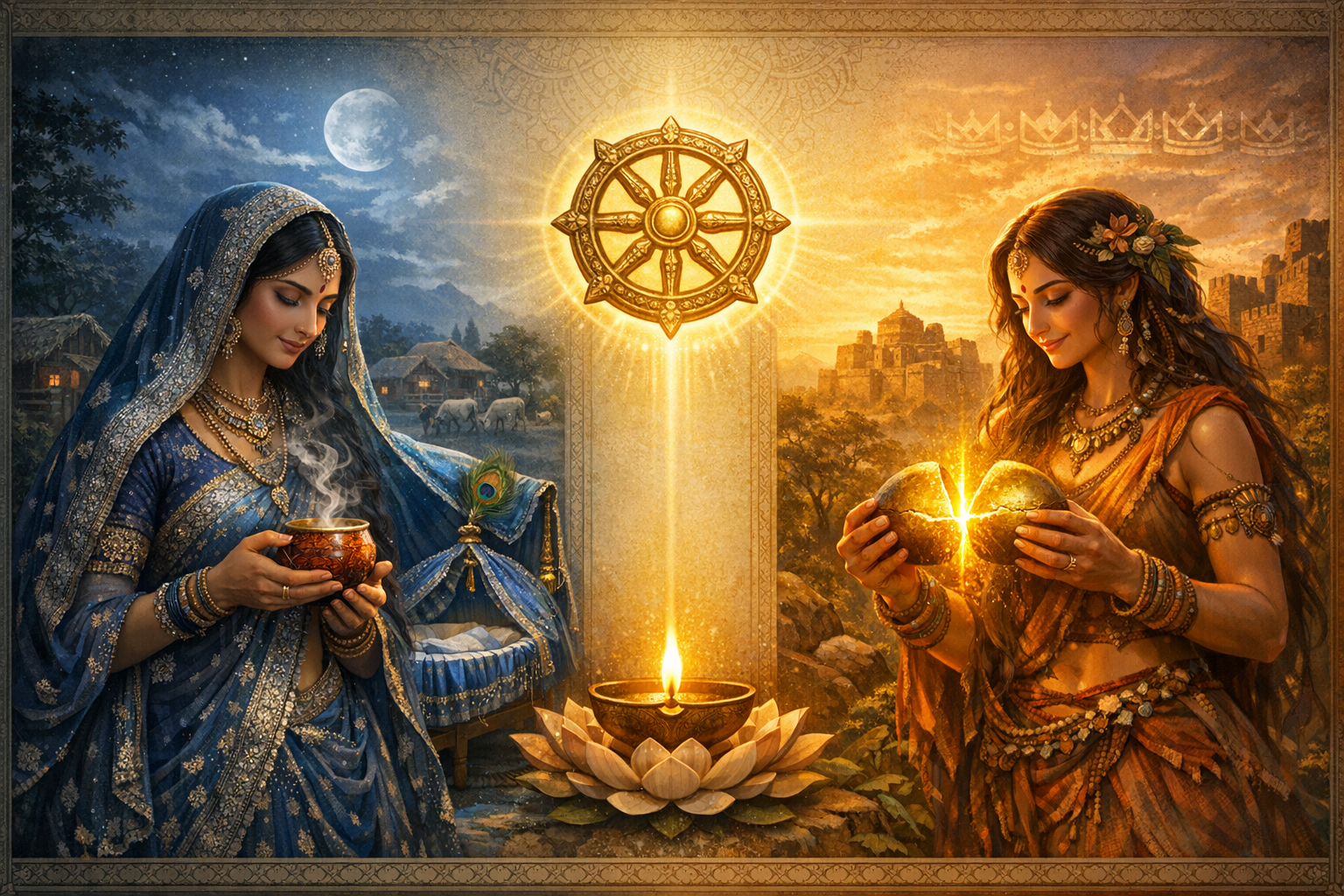
Tyranny in Puranic and Itihasic literature emerges through distorted or restorative caregiving. This study compares two maternal archetypes: Putana, who weaponizes nurture under Kamsa’s regime in the Bhagavata Purana, and Jara, who joins the halves of the future Magadhan king Jarasandha in traditions linked to the Mahabharata. The contrast illuminates how intention and method shape…
-
Bhairava as Bhudhara Atma: The Unshakable Ground of Kalika, Earth, and All Worlds

This long-form exploration clarifies Bhudharatmajaya Bhairava as the atma of Bhudharathe conscious support of Earth and mountainsand the Adhara, the unmoving ground of charachar prakriti. It decodes the Sanskrit terms, situates Bhairava and Kalika within Tantric and Purana frameworks, and maps their complementarity across the panchabhuta and Shaiva tattvas. Temple architecture, kshetrapala guardianship, and contemplative…
-
Phalashruti in Hindu Scriptures: Timeless Promise, Mimamsa Logic, and Transformative Practice
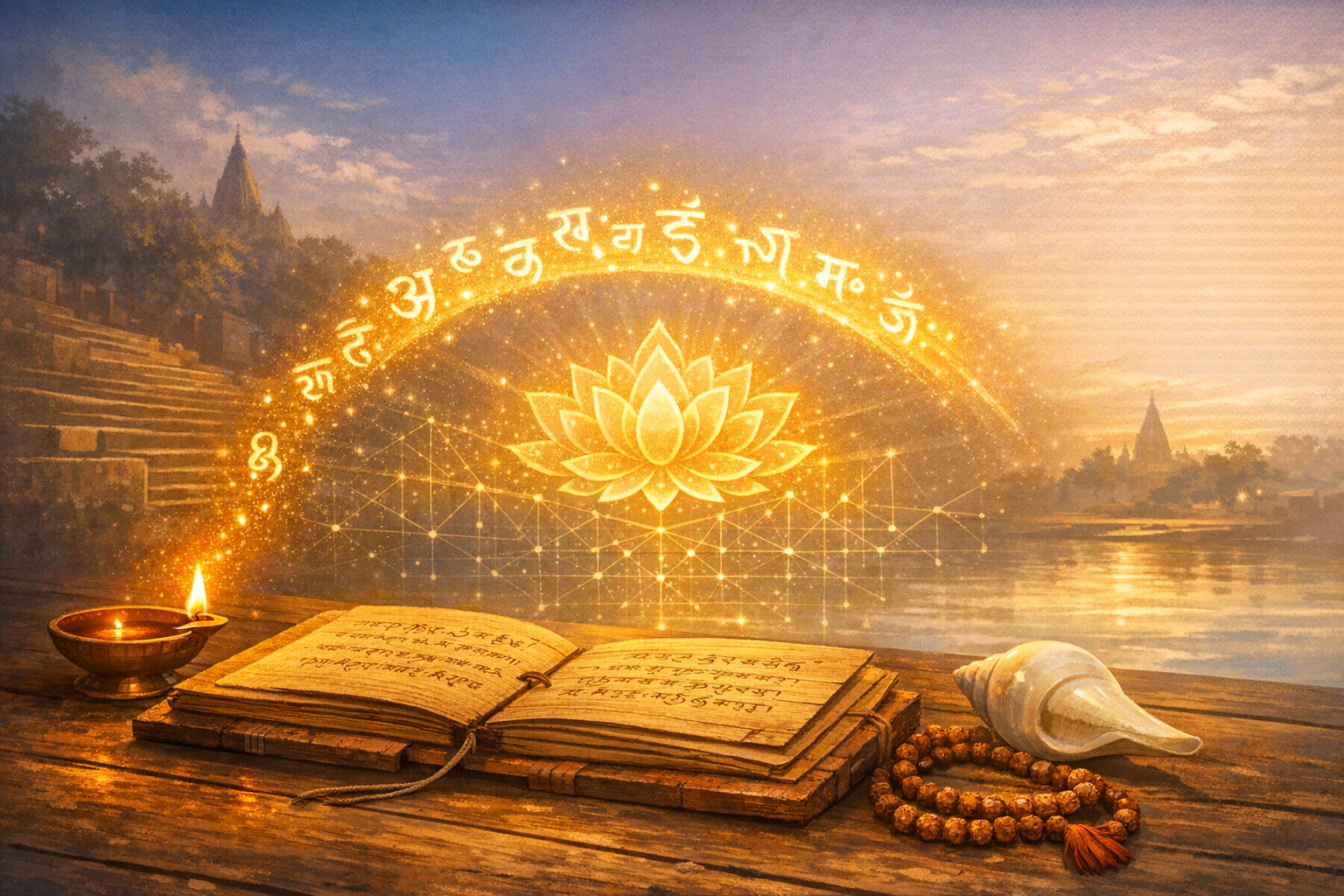
Phalashruti, the fruit of hearing or recitation, is a core feature of Hindu scriptures that links practice to purpose. It functions within Mimamsa hermeneutics as arthavada, motivating ethical discipline and clarifying the benefits of mantra, vrata, pilgrimage, and study. Found across Puranas, sahasranamas, and tirtha-mahatmyas, it maps outcomes from mental clarity and peace to devotion,…
-
Self‑Born, Mind‑Born, Womb‑Born: Decoding the Profound Hindu Cosmology and Sanat Kumaras

Hindu cosmology describes creation in three interlinked stages: self-born (svayambhū), mind-born (mānasa), and womb-born (jarāyujā). Drawing on the Viṣṇu Purāṇa, Śrīmad-Bhāgavatam, and allied texts, this analysis shows how sarga (primary emanation) and visarga (secondary diversification) structure a descent from subtle principle to mental formation and biological life. The Sanat Kumaras and Nārada exemplify the mind-born…
-
Sahasramukharavana’s Fierce Tapas: Decoding the Thousand-Headed Ravana’s Cosmic Power

Sahasramukharavana, the thousand-headed Ravana, expands the Ramayana’s ethical and metaphysical concerns through the language of tapas, number symbolism, and cosmic sovereignty. The figure is situated in later and regional narrative ecologies, where a thousand heads and two thousand hands encode cognition and agency magnified to the edge of hubris. Anchored in the wider Indic use…
-
Dhumavati and Shiva Unveiled: Origin Myths, Smoke-Clad Symbolism, and Transformative Wisdom

Dhumavati, the smoke-clad Mahavidya, teaches how endings and absence become gateways to discernment across the Dharmic family. This in-depth essay clarifies her origin myths, including the Sati–Shiva narratives and the Daksha yajna smoke motif, and interprets their philosophical stakes. It decodes her iconographycrow, broom, winnowing basket, cremation groundas a curriculum in viveka and vairagya. Readers…
-
Vaikuntha Chaturmukha Vishnu Revealed: The Majestic Four-Faced Theophany of Kashmir
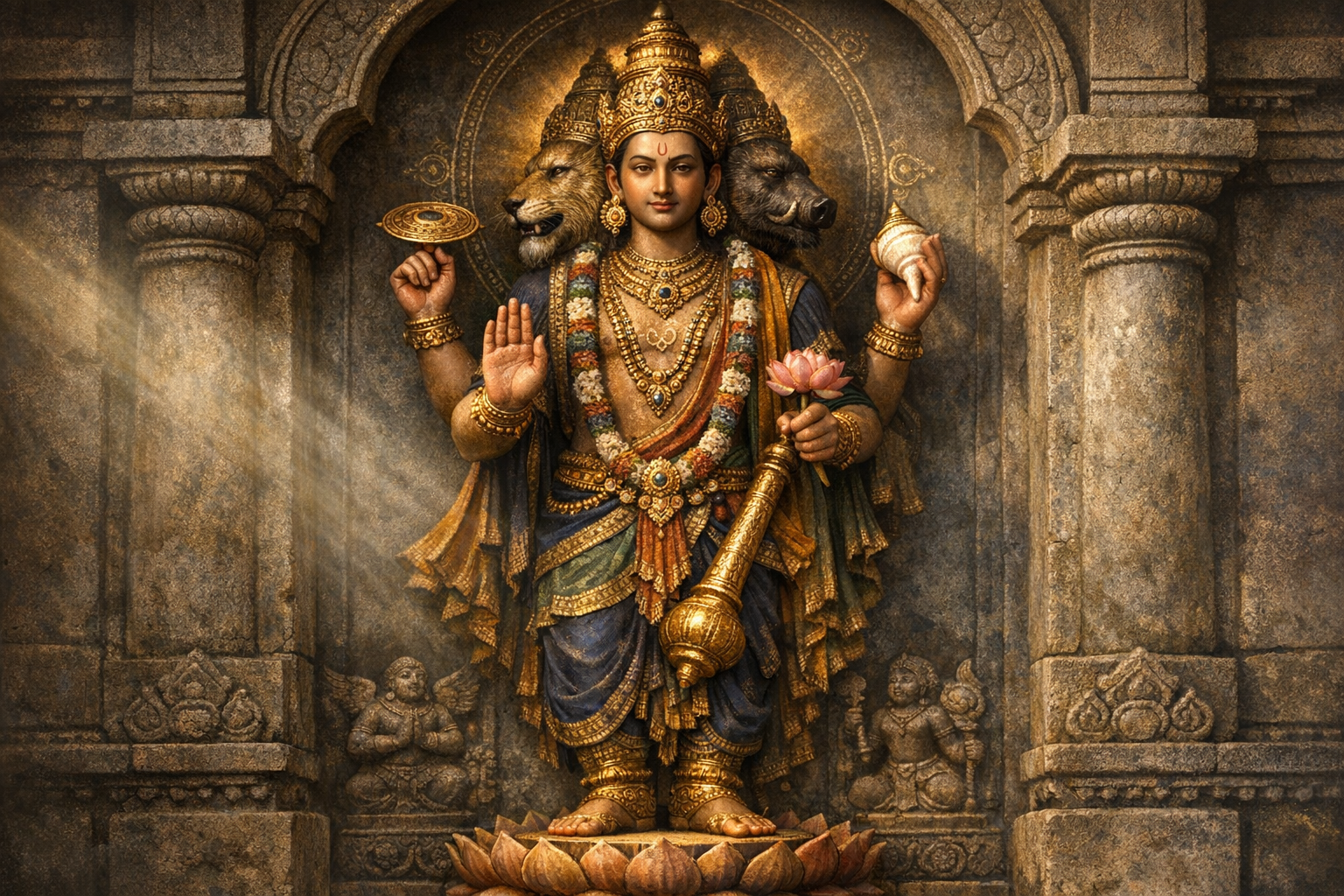
Vaikuntha Chaturmukha VishnuKashmir’s four-faced theophanyunites avatara potency and Vaishnava theology in a single, compelling icon. Anchored in the Vishnudharmottara Purana and refined by early medieval Kashmiri ateliers, the image integrates the human, Narasimha, Varaha, and a hidden fierce face to express omnidirectional vision and cosmic guardianship. Readers gain a technical grasp of attributes, styles, and…
-
Sri Varahaswami Temple, Tirumala: Timeless Legends, Sacred Routes, and Ritual Significance
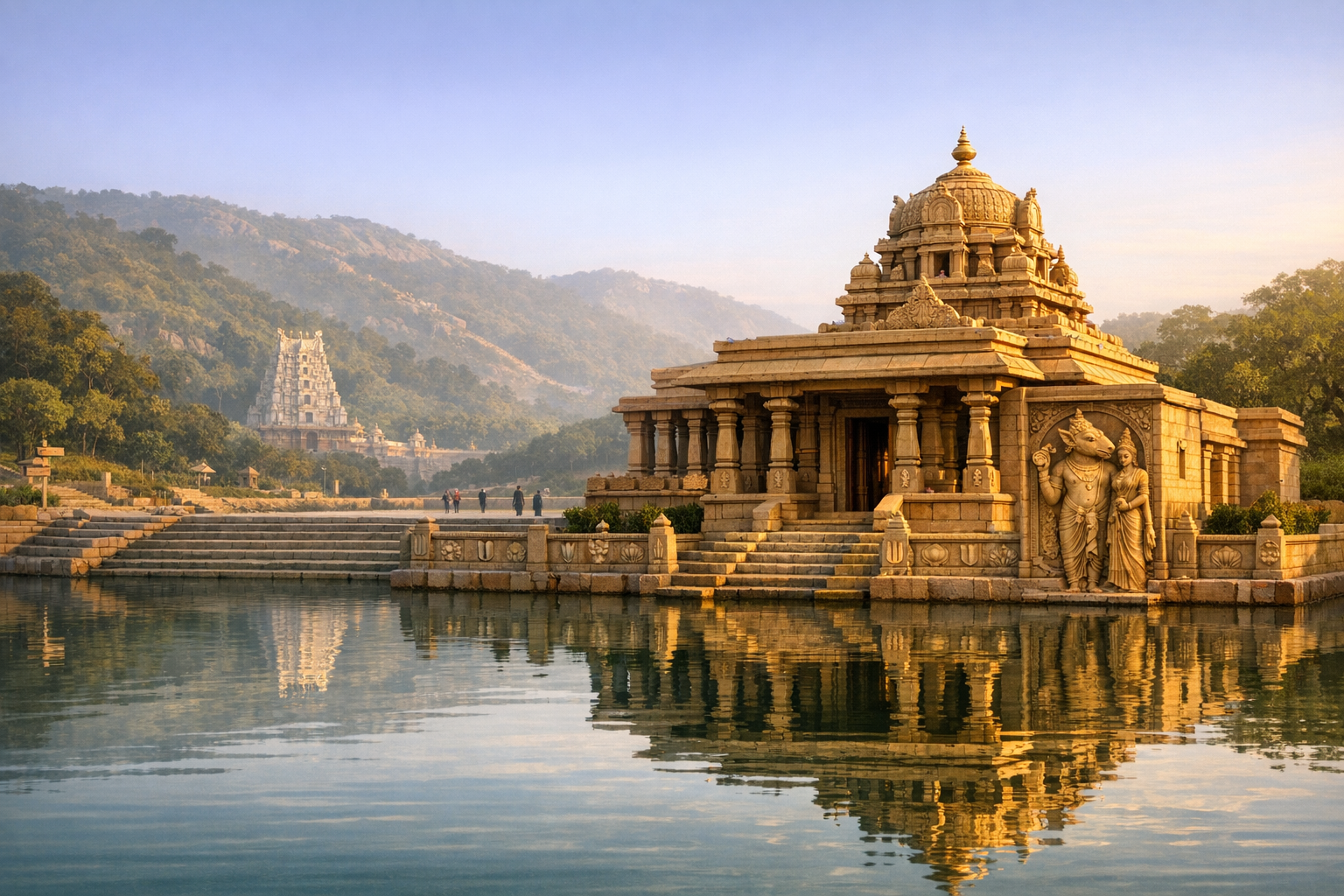
Sri Varahaswami Temple in Tirumala stands on the northern bank of Swami Pushkarini and preserves the hill’s identity as Adi Varaha Kshetra. Drawing on the Venkatachala Mahatmya traditions of the Varaha Purana and Padma Purana, it explains why many pilgrims first worship Varaha before proceeding to Sri Venkateswara Temple. The guide clarifies iconography, ritual order,…
-
15 Timeless Tales from Srimad Bhagavatham: Devotion, Dharma, and Transformative Wisdom
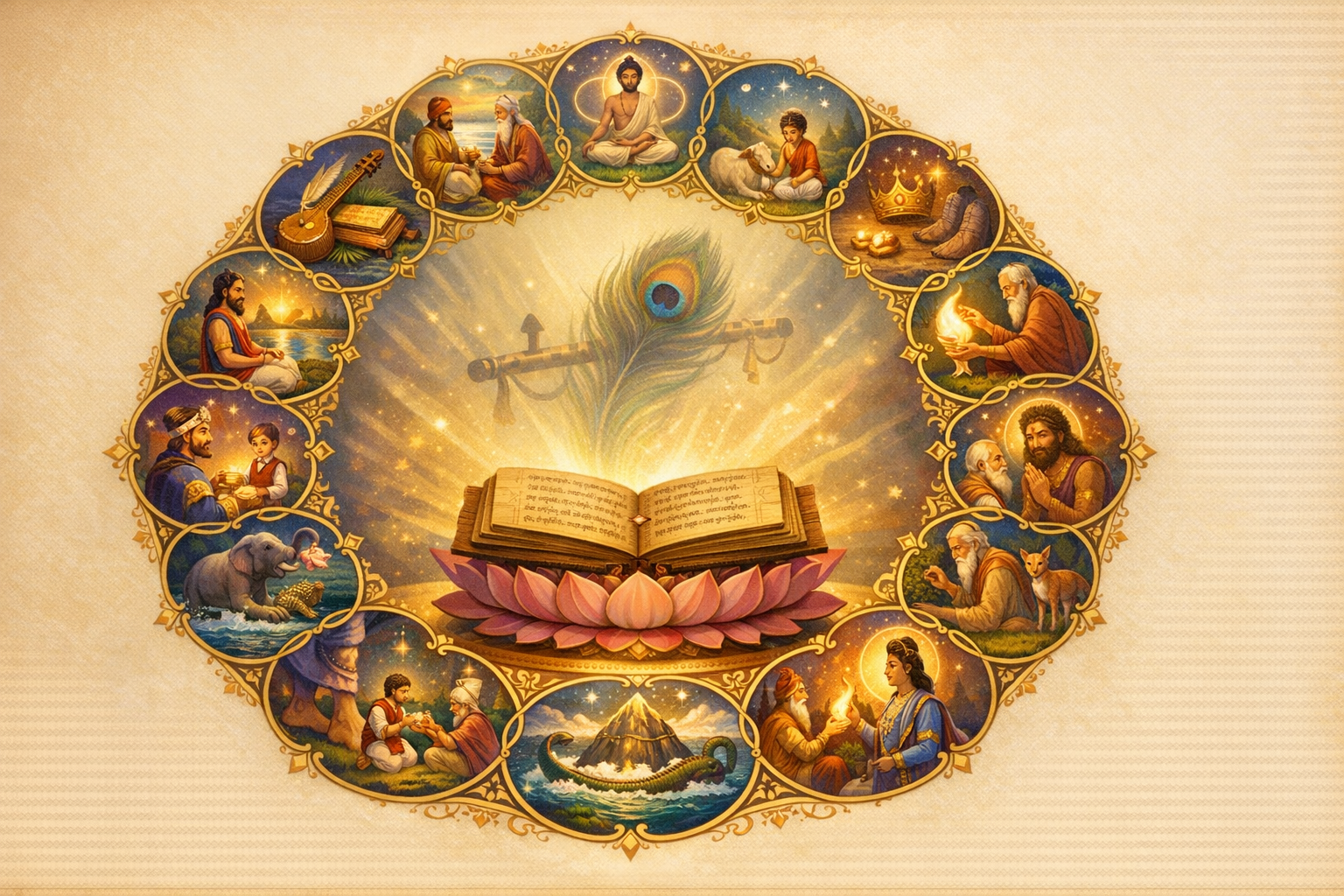
Srimad Bhagavatham (Bhagavata Purana) unites devotion, wisdom, and ethical action through narratives that are as practical as they are profound. This long-form guide curates 15 celebrated talesfrom Dhruva’s tapas and Prahlada’s fearlessness to Ambarisha’s forbearance and Krishna’s Govardhan-lilaeach situated in its Skandha context. Readers gain both narrative clarity and theological depth, including the power of…