
-
Why Devas Drink Amrita While Asuras Wield Sanjeevani Vidya: The Timeless Balance of Dharma

This article decodes why Hindu narratives pair Amrita with Sanjeevani Vidya as complementary boons that create a dynamic equilibrium between Devas and Asuras. It explains Samudra Manthan’s mechanicsMandara, Vasuki, and Kurmaand the ethical meaning of Shiva as Neelakantha. Readers learn how Dhanvantari’s Amrita and Shukracharya’s Sanjeevani Vidya prevent any single force from achieving unchecked dominance.…
-
Parvati Marries Shiva: Transforming the Primordial Yogi into the Ideal Householder (Grihastha)
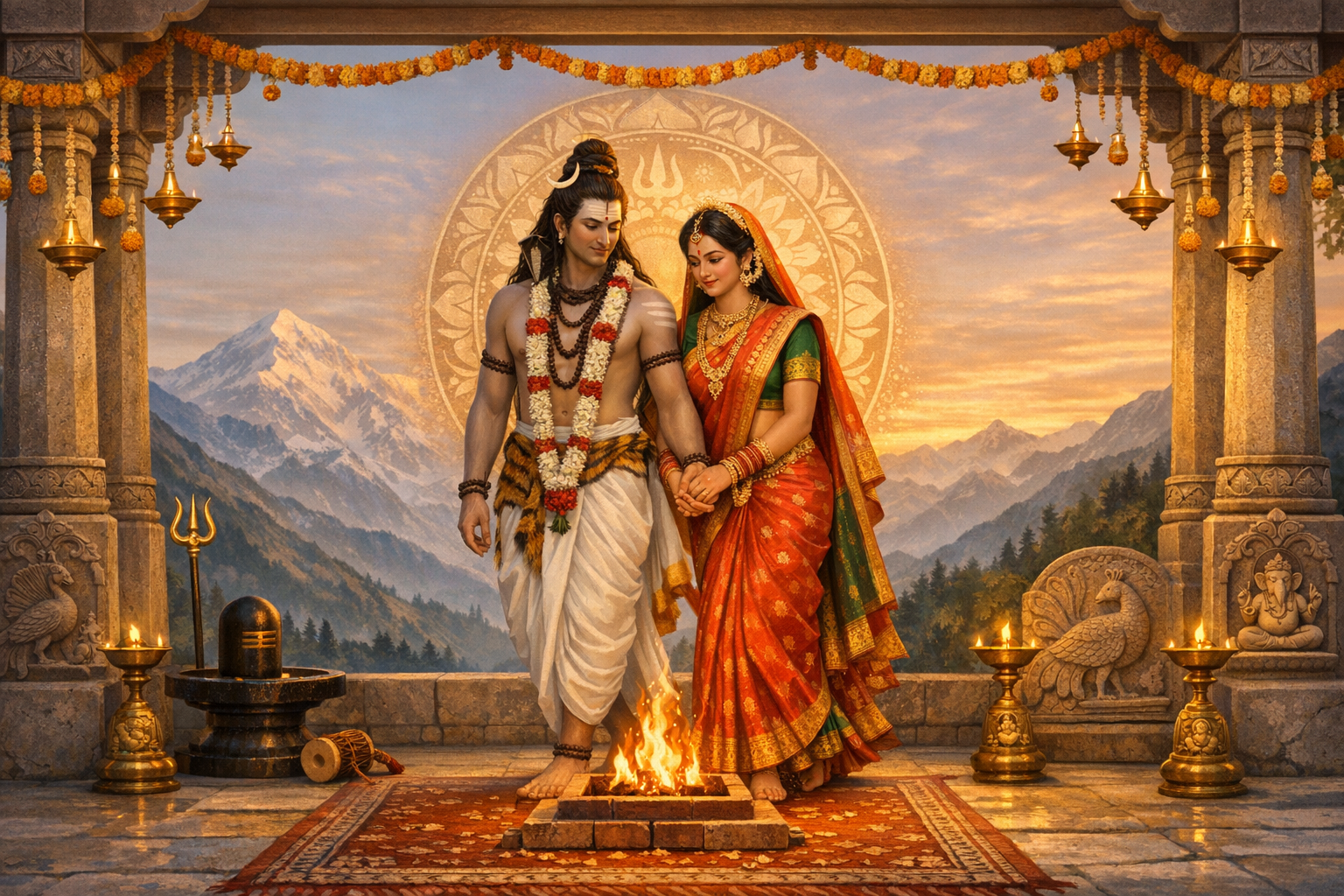
Shiva’s marriage to Parvati is not a departure from yogic austerity but its civilizational fulfillment. Drawing from the Shiva Purana, Skanda Purana, and Kalidasa’s Kumarasambhava, the narrative shows how Parvati’s tapas leads the primordial yogi into grihastha ashrama without diluting spiritual intensity. Shaiva–Shakta symbolismArdhanarishvara and the linga within the yonirenders the complementarity of awareness and…
-
Pisacha Mochini Chaturdashi: Sacred Rites for Ancestral Peace on Margashirsha Shukla Chaturdashi

Pisacha Mochini Chaturdashi (Pishach Mochan Chaturdashi) is observed on Margashirsha Shukla Chaturdashi to pacify and liberate restless ancestral spirits and to establish Pitru-śānti. Rooted in sources such as the Garuda Purana and the Skanda Purana’s Kashi Khanda, the observance emphasizes tilodaka, tarpana, pinda-dāna, deepa-dāna, mantra recitation, and charitable giving. Families consult the local panchang for…
-
Beyond the Flood: Decoding Matsya–Manu vs Noah’s Ark with Dharmic Depth and Clarity

Scholars and readers often conflate the Hindu Matsya–Manu narrative with the Biblical story of Noah’s Ark, but the two emerge from distinct cosmologies and theological aims. The Puranic account unfolds within cyclical timekalpas, manvantaras, and yugaswhere avataric guidance preserves seeds, sages, and Vedic knowledge through pralaya. Genesis, by contrast, frames a one-time moral judgment and…
-
Unveiling the Cosmic Blueprint: Srimad Bhagavatam SB 2.5.11 with HG Mukunda Datta Prabhu
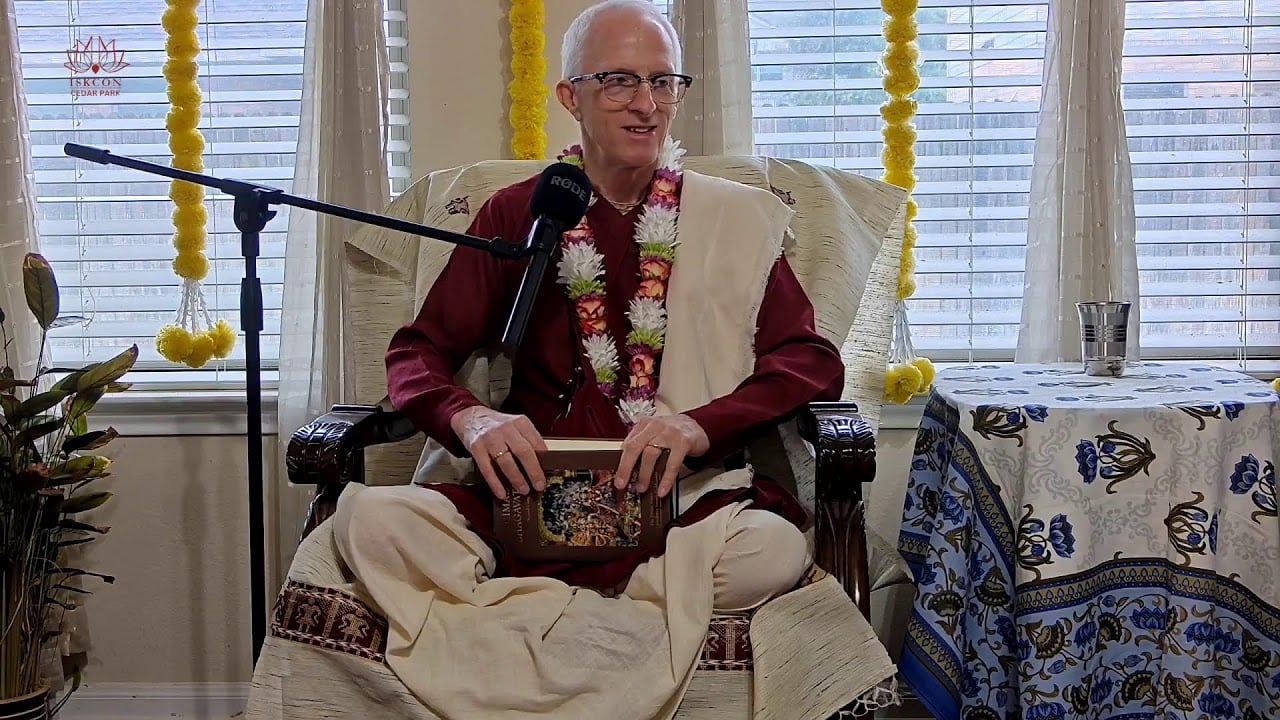
This in-depth analysis of Srimad Bhagavatam SB 2.5.11, based on a June 5, 2026 class by HG Mukunda Datta Prabhu at the Hare Krishna Temple of Austin (ISKCON Cedar Park), situates the verse within the Bhagavata Purana’s rigorous cosmology. It explains how the Supreme functions as the cause of all causes, activating pradhana through kala,…
-
Unmatta Bhairava Iconography: Fierce Guardian of Shiva and Ecstatic Freedom
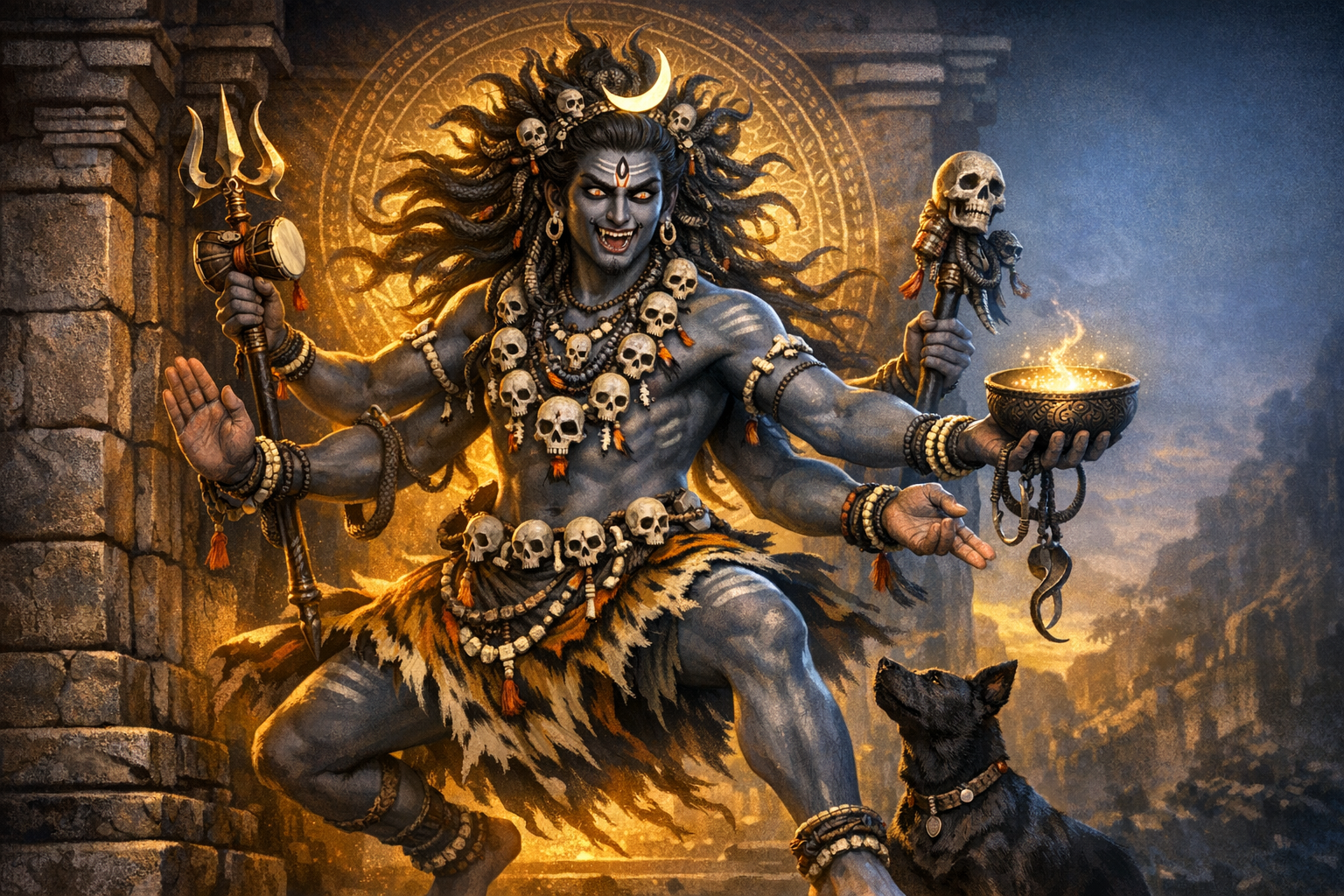
Unmatta Bhairava stands out among the Sixty-Four Bhairavas as an ecstatic guardian whose iconography transforms fear into freedom. This article explains how to identify his murti by face, hair, ornaments, attributes, posture, and dog-vahana, and shows how temple placement and ritual reinforce that identity. Drawing from Purāṇic and Tantric frameworks alongside regional art histories, it…
-
Vimanas in Hindu Scriptures: Technical Evidence, Meanings, and Types of Ancient Flying Craft

Vimanas in Hindu scriptures form a multi-layered tradition spanning divine aerial craft, tactical flying cities, cosmological mansions in Buddhist and Jain texts, and the soaring temple-towers of South Indian architecture. This long-form guide maps the philology of vimāna, compares epic and Puranic narratives, and contextualizes medieval and modern technical treatises such as the Samarangana Sutradhara…
-
Lakshmi on Narasimha’s Lap: Fierce Grace, Fearless Protection, and the Devotee’s Ascent
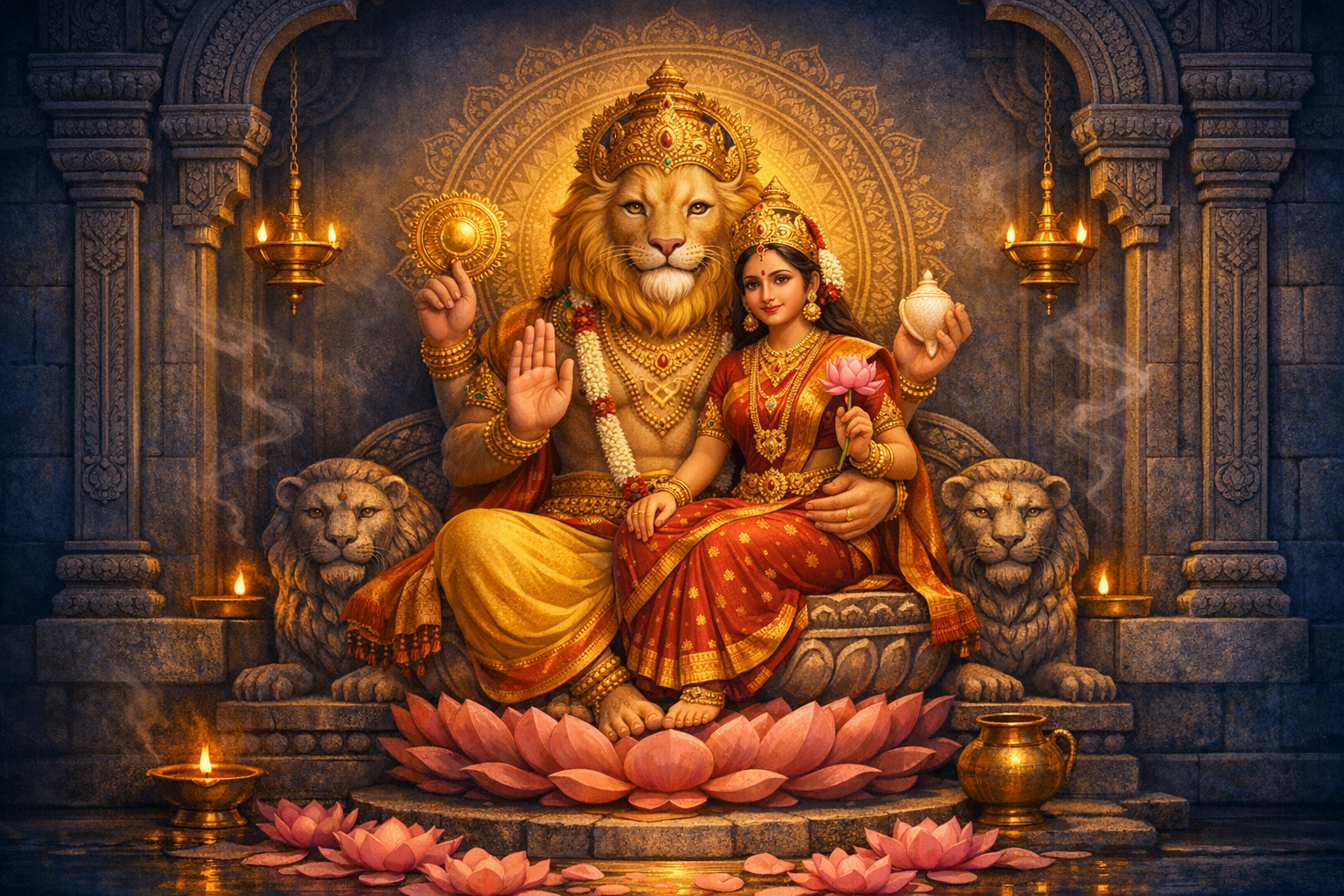
The classical icon of Lakshmi-Narasimha answers a timeless question: how does righteous fury become lasting refuge? Scriptural narratives from the Bhagavata Purana and Vishnu Purana reveal Narasimha’s justice; Lakshmi’s presence on His lap makes that power tender and accessible. Abhaya and Varada mudras, alongside shankha and chakra, convey fearless protection and generous prosperity for the…
-
Brahmasirakandeeshvara: How Shiva’s Cosmic Justice Refines Ego and Upholds Dharma

This long-form, evidence-grounded exploration of Brahmasirakandeeshvara (Brahmasiras-cheda) situates the severing of Brahma’s fifth head within Shaiva sources such as the Shiva Purana, Linga Purana, and the Skanda Purana’s Kashi Khanda. It explains how the episode expresses cosmic justice: even divine agency abides by dharma, as seen in Bhairava’s Kapala-vrata and absolution at Kapalamochana Tirtha in…
-
Liberating Symbols: Why Vishnu Shuns the Pāśaand What His Ayudhas Reveal About Dharma
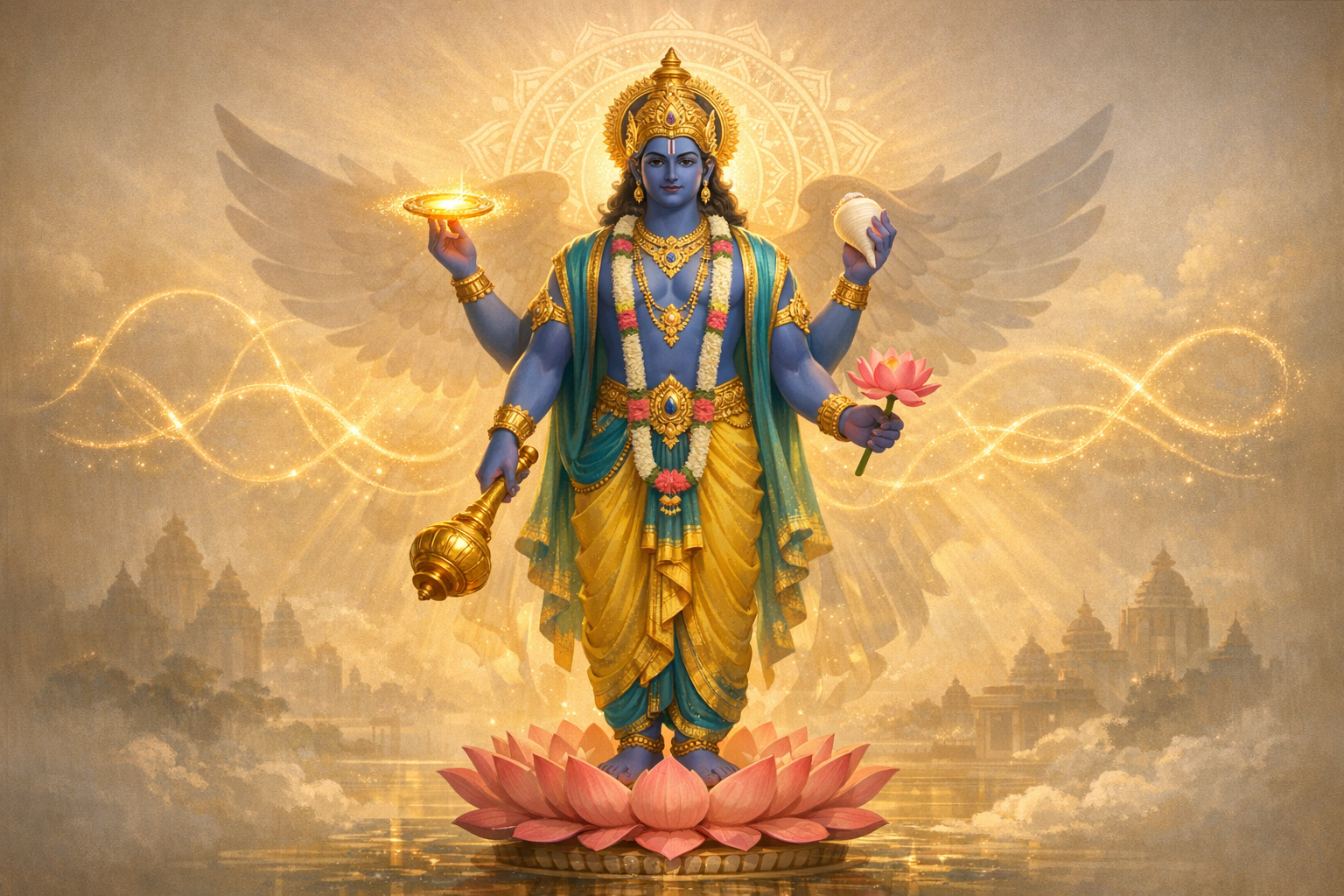
The pāśa (noose) signifies binding power in Hindu iconography, commonly linked to Varuṇa, Yama, and in Śaiva–Śākta and Gaṇeśa imagery, but it is deliberately absent from Vishnu’s standard repertoire. Agamic and Purāṇic canons specify Vishnu’s emblematic ayudhasśaṅkha, cakra, gadā, and padmawhose semantics emphasize refuge, clarity, just strength, and purity rather than restraint. Epic narratives reinforce…
-
Narmada in the Vishnu Purana: Sacred River of Purity, Protection, and Dharmic Unity

This article examines the Narmada River’s prominence in the Vishnu Purana and related Purāṇic traditions, clarifying how sacred geography, ritual practice, and protective motifs converge around Narmada’s identity as a river of purity and protection. It distinguishes between the Vishnu Purana’s geographic-sacred framing and the Skanda Purana’s Reva-khanda, where the Narmada-mahātmya is elaborated. It explains…
-
Jalandhara Samhara: The Rare Shiva with Chatra FormIconography, Symbolism, and Temple Lore
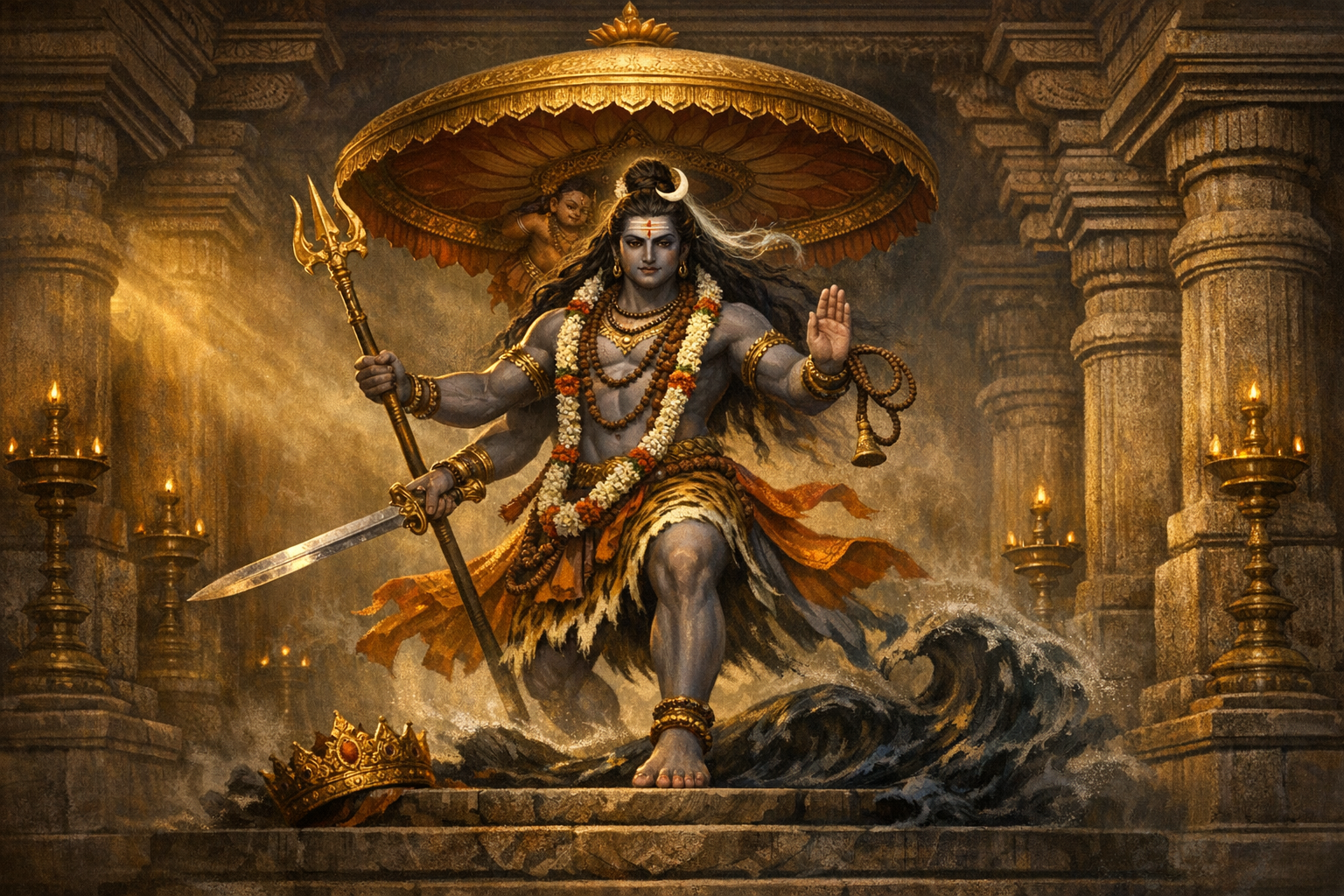
This long-form study examines Jalandhara Samhara, the rare Shiva form sometimes depicted with a chatra (parasol), situating it within Puranic narrative, Agamic prescriptions, and South Indian temple practice. It clarifies how the icon differs from Nataraja, Lingodbhava, and Dakshinamurti by foregrounding righteous protection and ethical sovereignty. The chatra’s symbolism is analyzed as both royal regalia…
-
When Wolves Rose from Krishna’s Pores: Decoding Harivamsa’s Eco-Dharma and Land Ethics

The Harivamsa preserves a vivid account in which Krishna manifests wolves from His pores to impel Gokul’s relocation, a scene that rewards careful textual and symbolic analysis. Read as eco-dharma, the episode models responsible settlement, carrying-capacity awareness, and compassionate, minimum-force leadership. Cross-text comparison with the Bhagavata Purana shows how different sources converge on the same…
-
Burning for Power or Truth? Asuric vs Human Tapas in Hindu Dharma, with Scriptural Insights

Tapas in Hindu Dharma is a double-edged heat: it can fuel domination or refine awareness. Drawing on the Bhagavad Gita, Yoga Sutra, Upanishads, and Purāṇic narratives, this analysis distinguishes asuric austerity (ambition, harm, display) from sattvic human tapas (truth, non-harm, integration). It maps these paths onto the guṇa framework, shows how intention and method determine…
-
Sumali’s Grand Design: How a Cunning Patriarch Forged Ravana and Reshaped the Ramayana
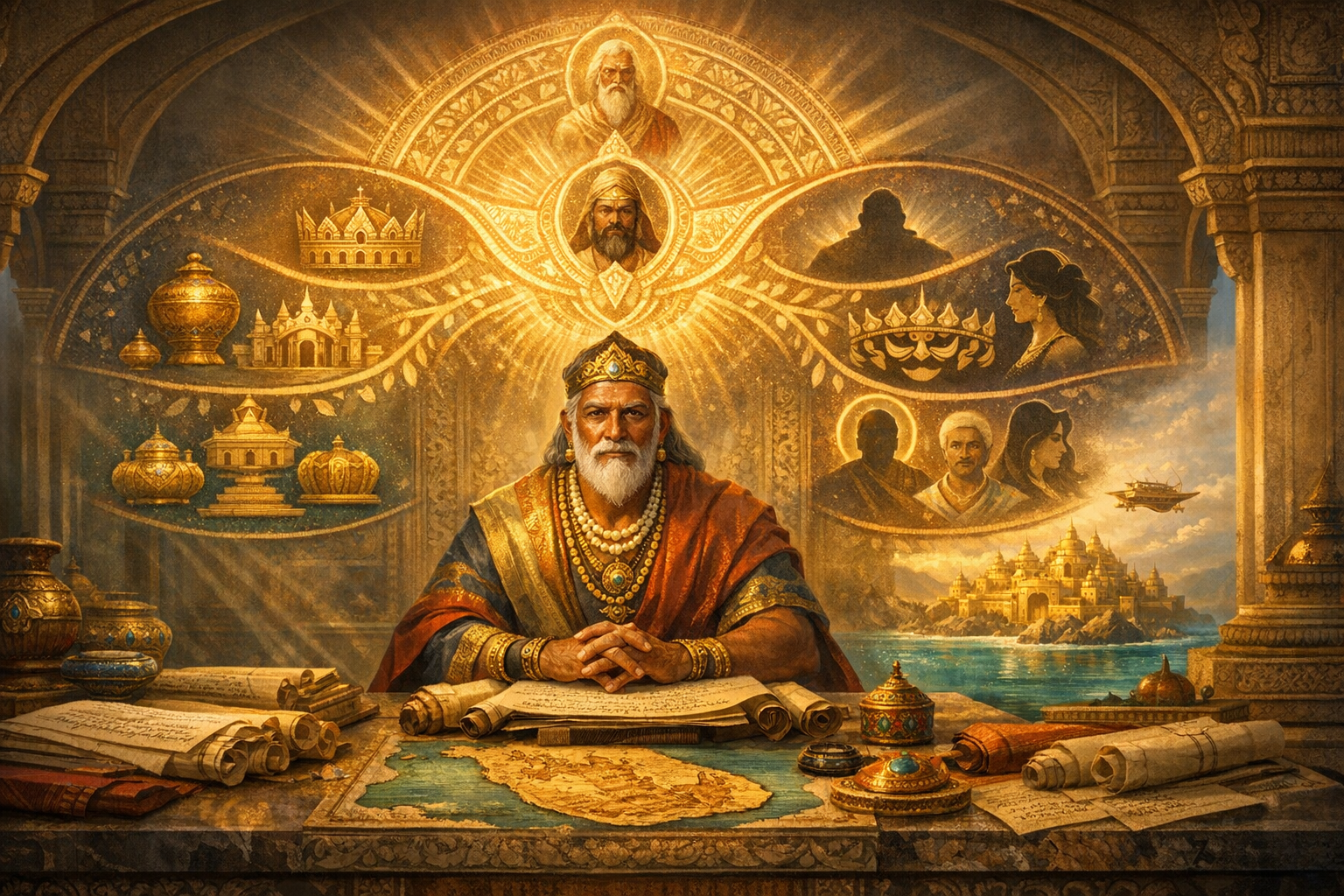
This article re-centers Sumali, the rakshasa patriarch and grandfather of Ravana, as a decisive strategist whose marriage diplomacy and counsel shaped the Ramayana’s political and ethical arc. Drawing on the Valmiki Ramayana (Uttara Kanda) and later traditions, it maps the genealogical fusion of Kaikesi and Vishrava that enabled Lanka’s transfer from Kubera to Ravana. The…
-
Canda Bhairava Iconography Decoded: A Definitive Guide to the Fiercest Form of Shiva
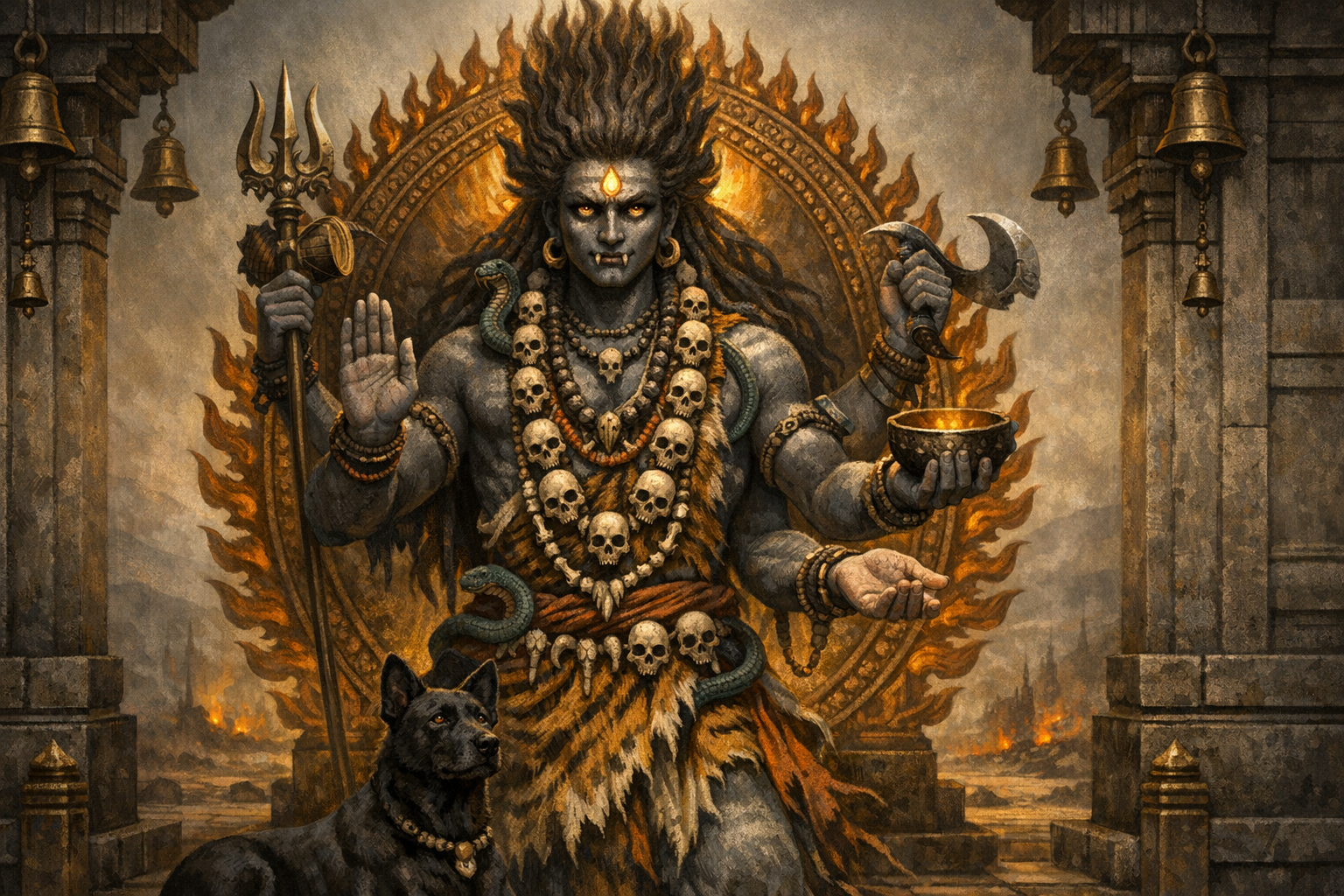
This in-depth guide decodes the iconography of Canda Bhairava, the fierce third leader within the Sixty-Four Bhairavas, as understood in Shaiva Tantra and Agamic Hinduism. Readers learn how to recognize core featuressuch as trident, drum, skull-bowl, serpent ornaments, and cremation-ground motifsand how these elements teach fearlessness and ethical clarity. The article explains why Canda’s fierce…
-
Reva Khanda in Skanda and Vayu Puranas: Narmada’s Timeless Power, Sacred Myths, and Pilgrimage

The Reva Khanda, preserved in the Skanda Purana and Narmada-focused sections aligned with the Vayu Purana, is a comprehensive tirtha-mahatmya of the River Narmada (Reva). It integrates mythic origins, sacred geography, and rigorous codes of pilgrimage, mapping an ethical and devotional journey from Amarkantak to the sea. Readers gain a clear view of how the…
-
Shiva as the Tiger‑Slayer: Sardula Samhara Murti, Darukavana Myth and the Fall of Ritual Ego
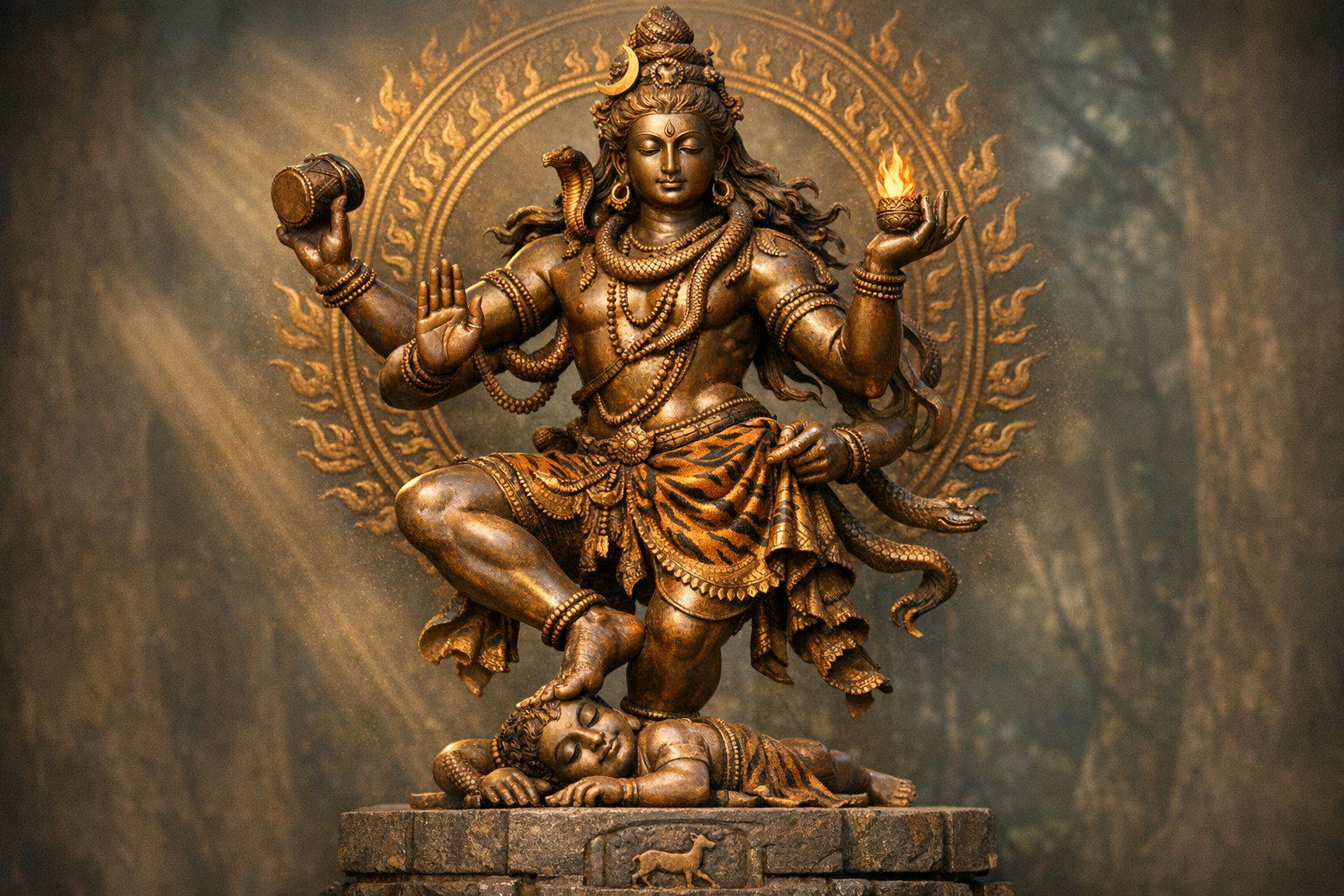
Sardula Samhara Murti portrays Shiva as the Tiger‑Slayer of Darukavana, an image that dissolves ego and ritual pride rather than celebrating brute force. The narrative anchors a subtle theology: saṁhāra is the removal of inner obstructions, not annihilation of life. By reading the icon’s visual grammartiger skin, serpents, ḍamaru, and agnireaders gain a practical key…
-
Unveiling Goddess Kaveri in Hindu Sculpture: Iconography, Ritual Power, and Sacred Geography
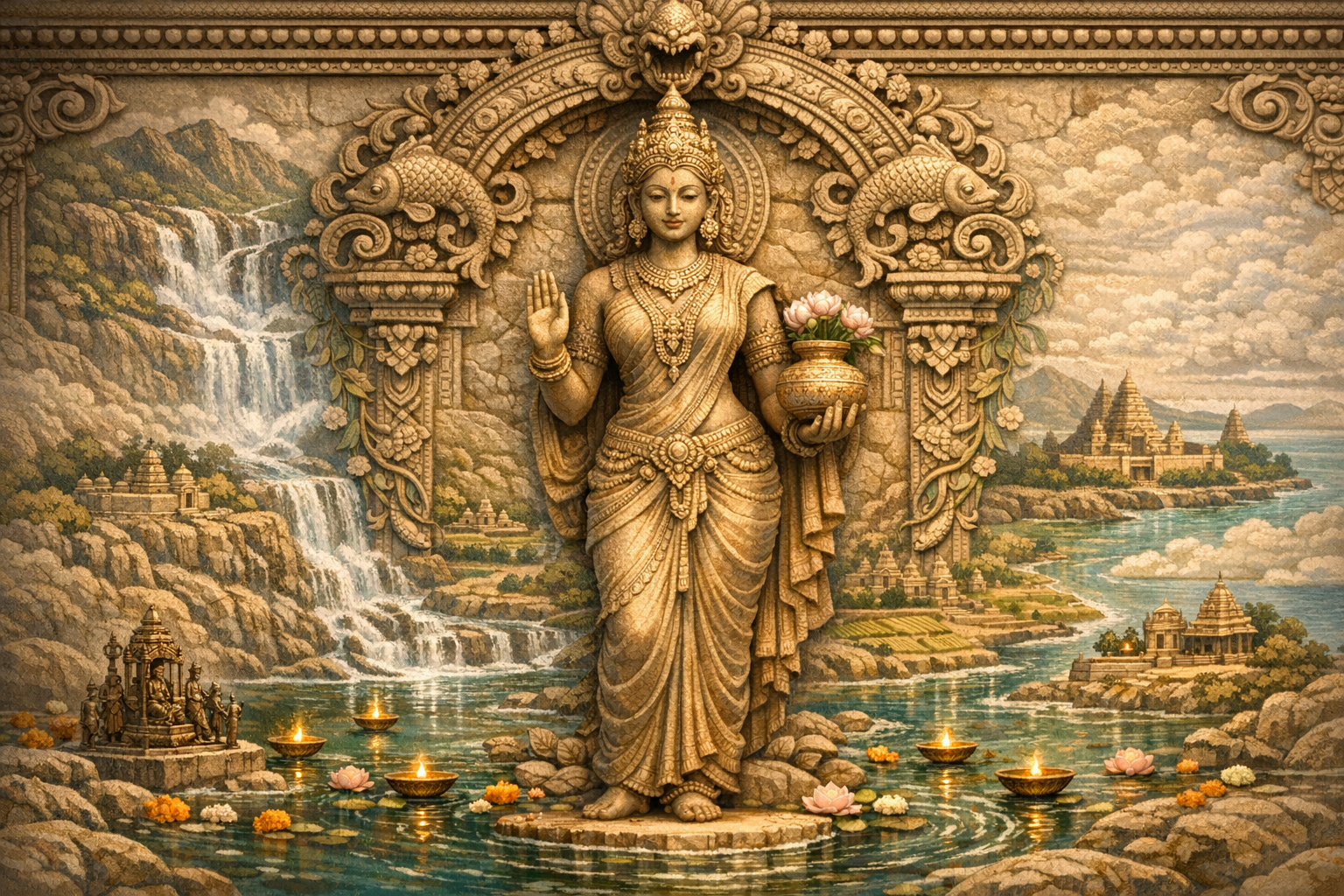
Goddess Kaveri, revered as a living river and divine mother, is rendered in Hindu sculpture through a precise visual grammar that blends Shilpa Shastra canons with the lived rhythms of sacred geography. This essay explains how to recognize her iconography, from kumbha and lotus attributes to makara-toranas and gentle mudras, and shows where she commonly…
-
Is Any Indian Scripture Equal to the Quran or Bible? A Definitive Guide to Dharmic Canons

Is any Indian scripture equal to the Quran or Bible? In the dharmic world, authority is polycentric rather than centralized in one book. Hinduism distinguishes Sruti (the Vedas, as apex authority) from Smriti (Itihāsa, Purāṇa, Dharmashastras, and Agamas), with the Bhagavad Gita serving as the most accessible synthesis for general readers. Sikhism centers on a…