-
Ganesha Damana Puja 2026: Damanak Chaturthi Date, Dhavanam Significance, Complete Vidhi

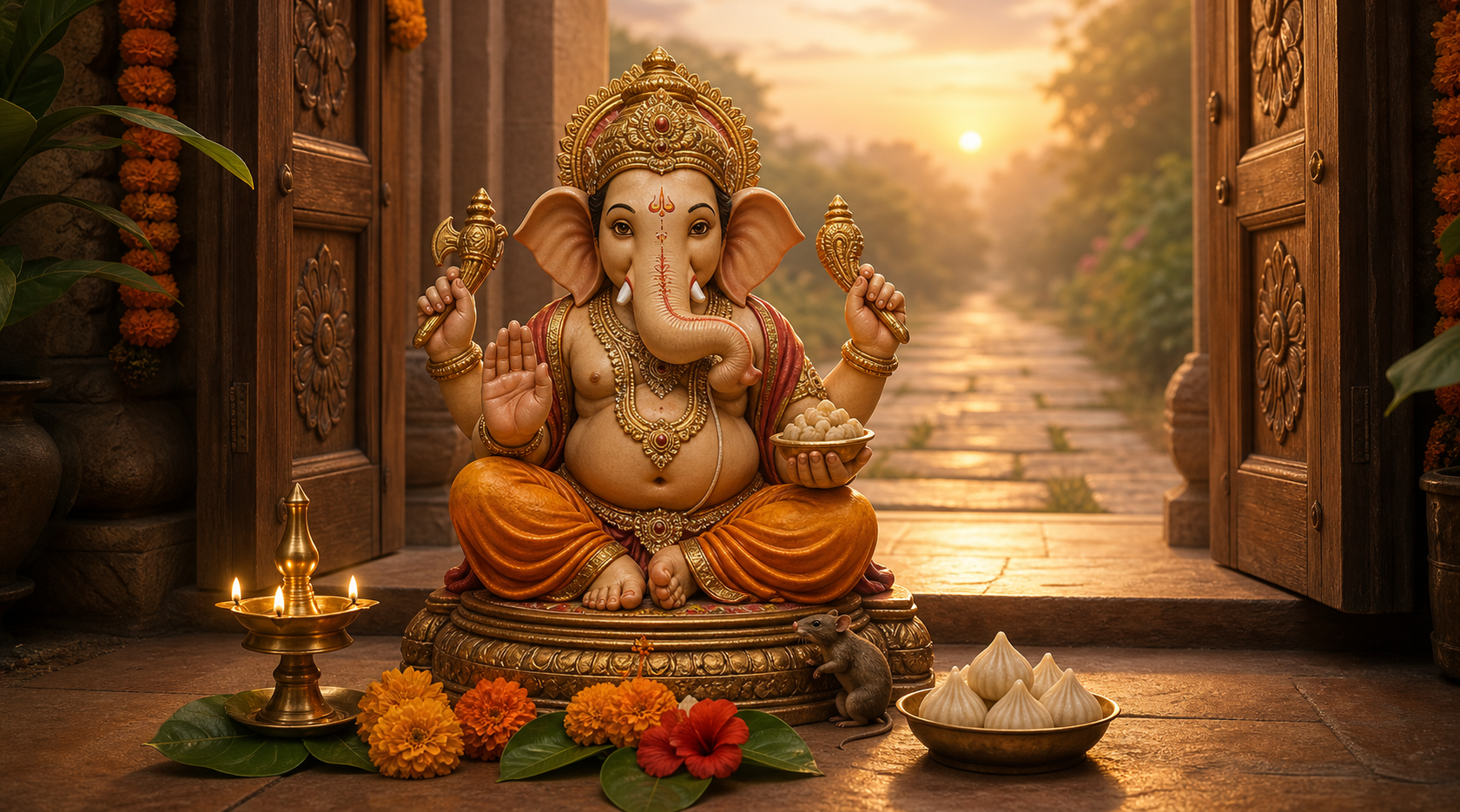
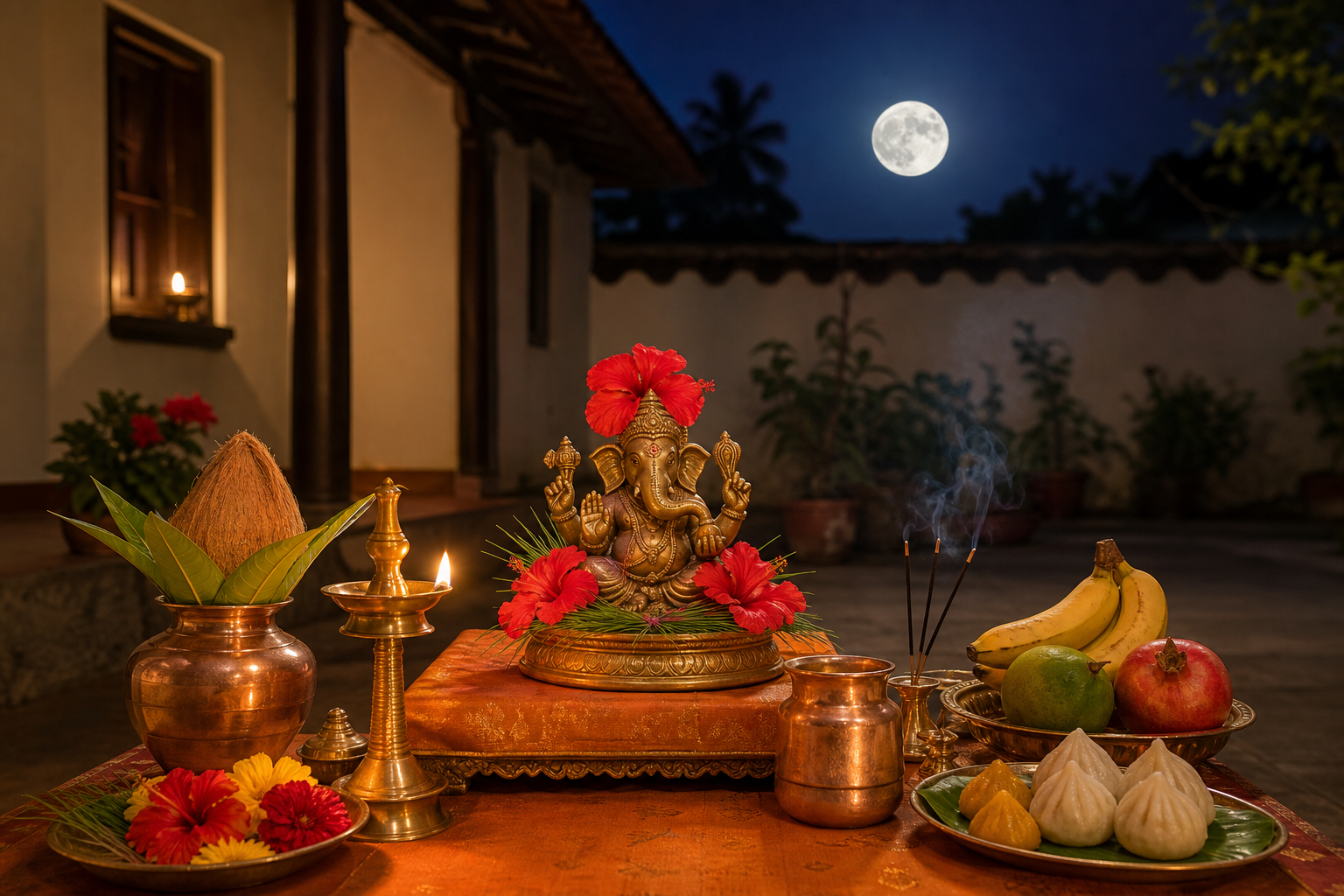
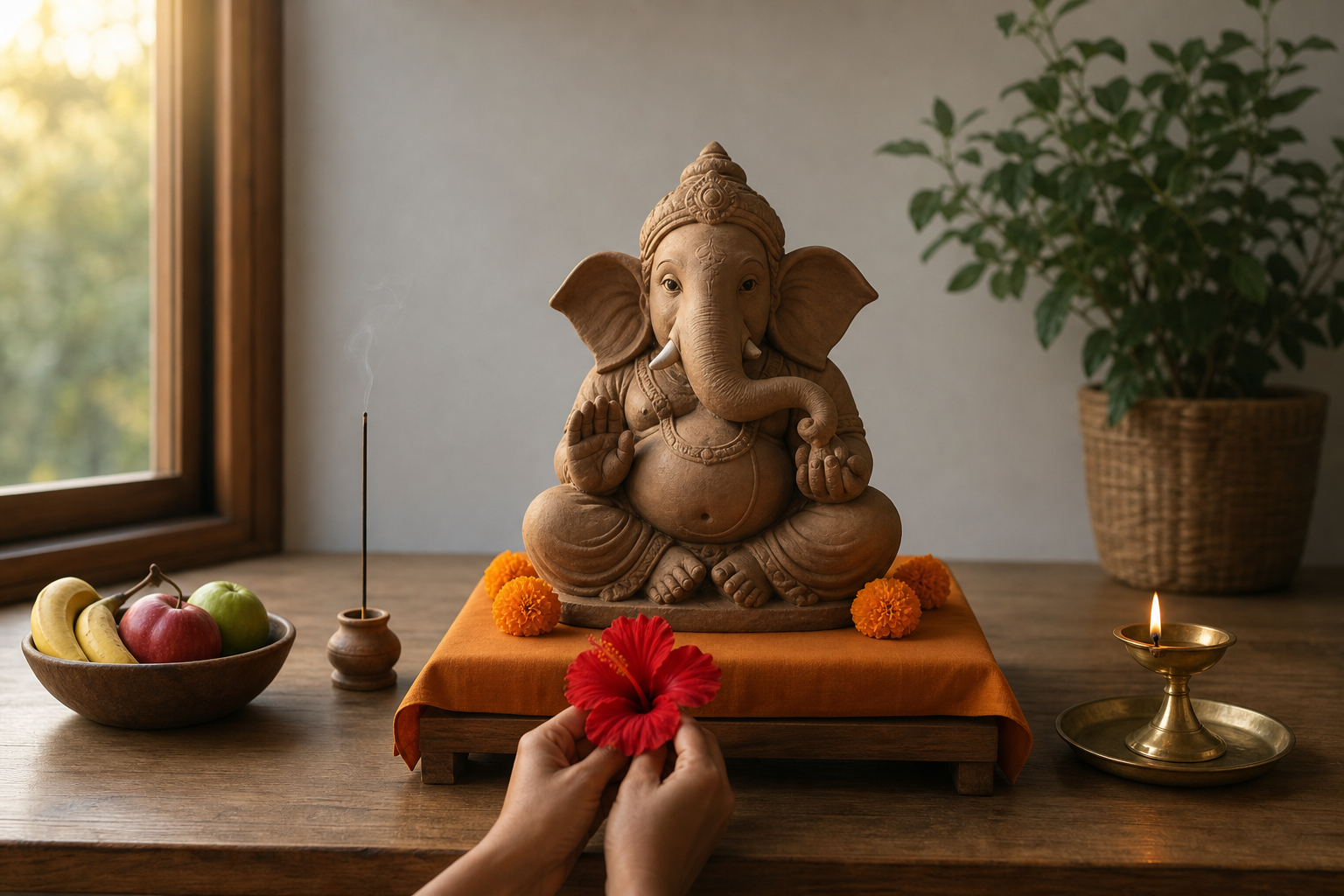
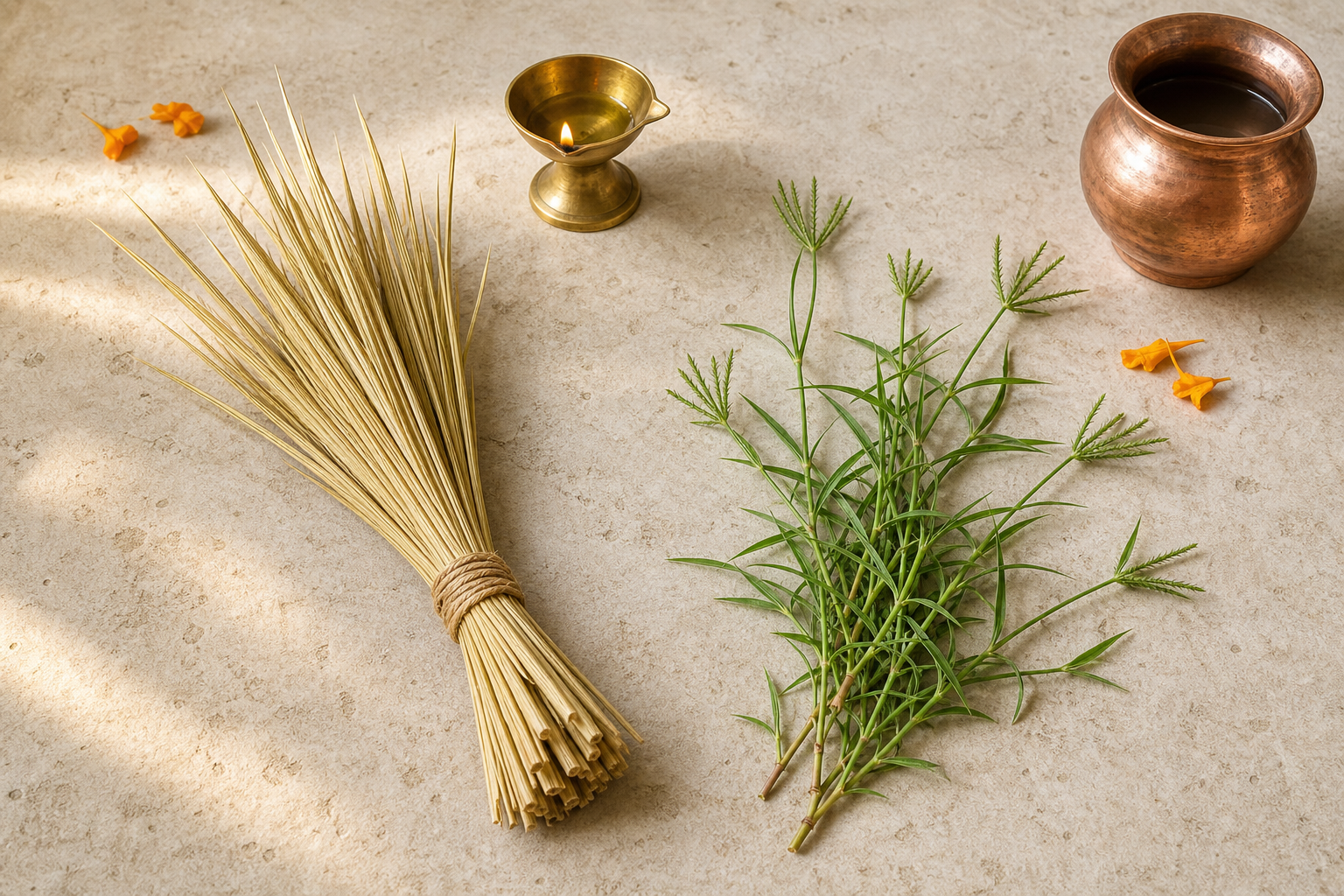
Ganesha Damana Puja (Damanak Chaturthi) in 2026 falls on 22 March, observed on Chaitra Shukla Chaturthi with the central offering of Dhavanam (Artemisia pallens). The rite follows the Vinayaka Chaturthi rule of performing the puja during the Madhyahna period on the day when Chaturthi prevails locally. This long-form guide explains the botanical identity and aromatic…
-
Why Lakshmi Is Worshipped with Ganesha: Timeless Wisdom for Ethical Wealth and Success

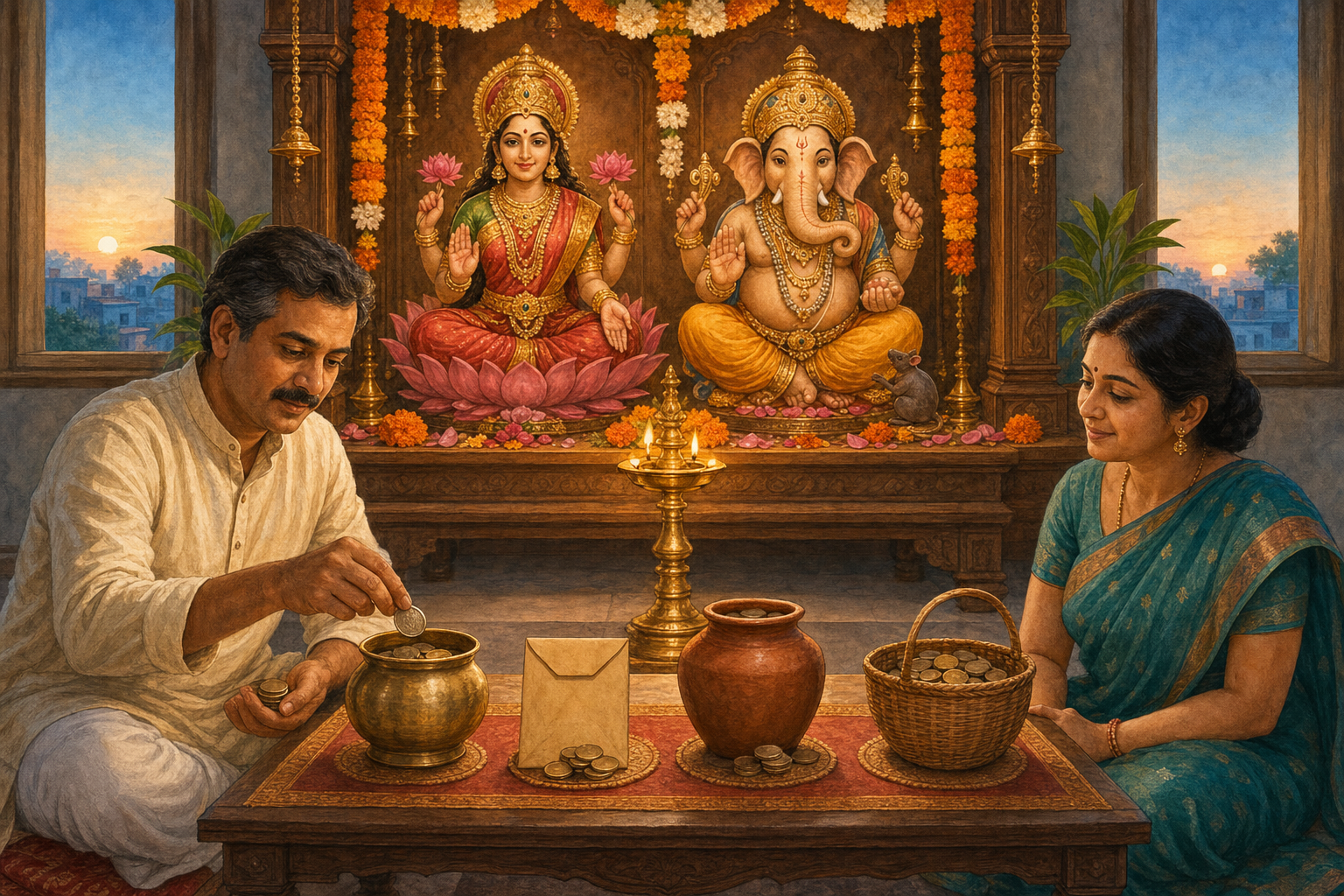
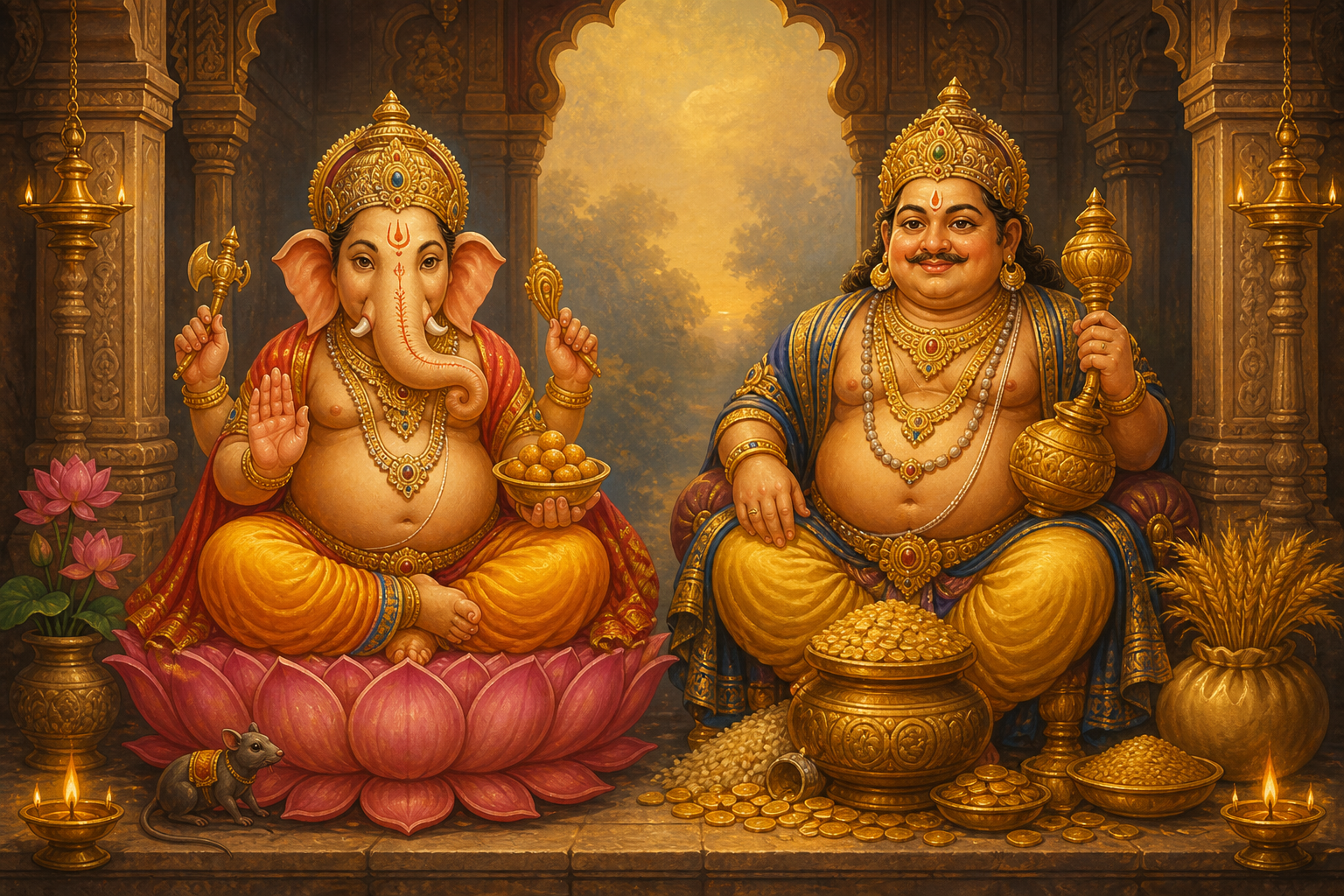
Why are Lakshmi and Ganesha worshipped together? This comprehensive exploration shows how the pairing harmonizes prosperity with wisdom, grounding artha in dharma. Drawing on the Sri Sukta, the Ganapati Atharvashirsha, and Puranic-smarta liturgy, it explains why Vinayaka Puja precedes Lakshmi Puja and how Panchopachara and Shodashopachara offerings encode this ethic. Iconography—from Gaja-Lakshmi to Ganesha’s mouse…
-
Why Devotees Offer 21 Durva Blades to Ganesha: Analasura Legend, Ayurveda, and Ritual Science

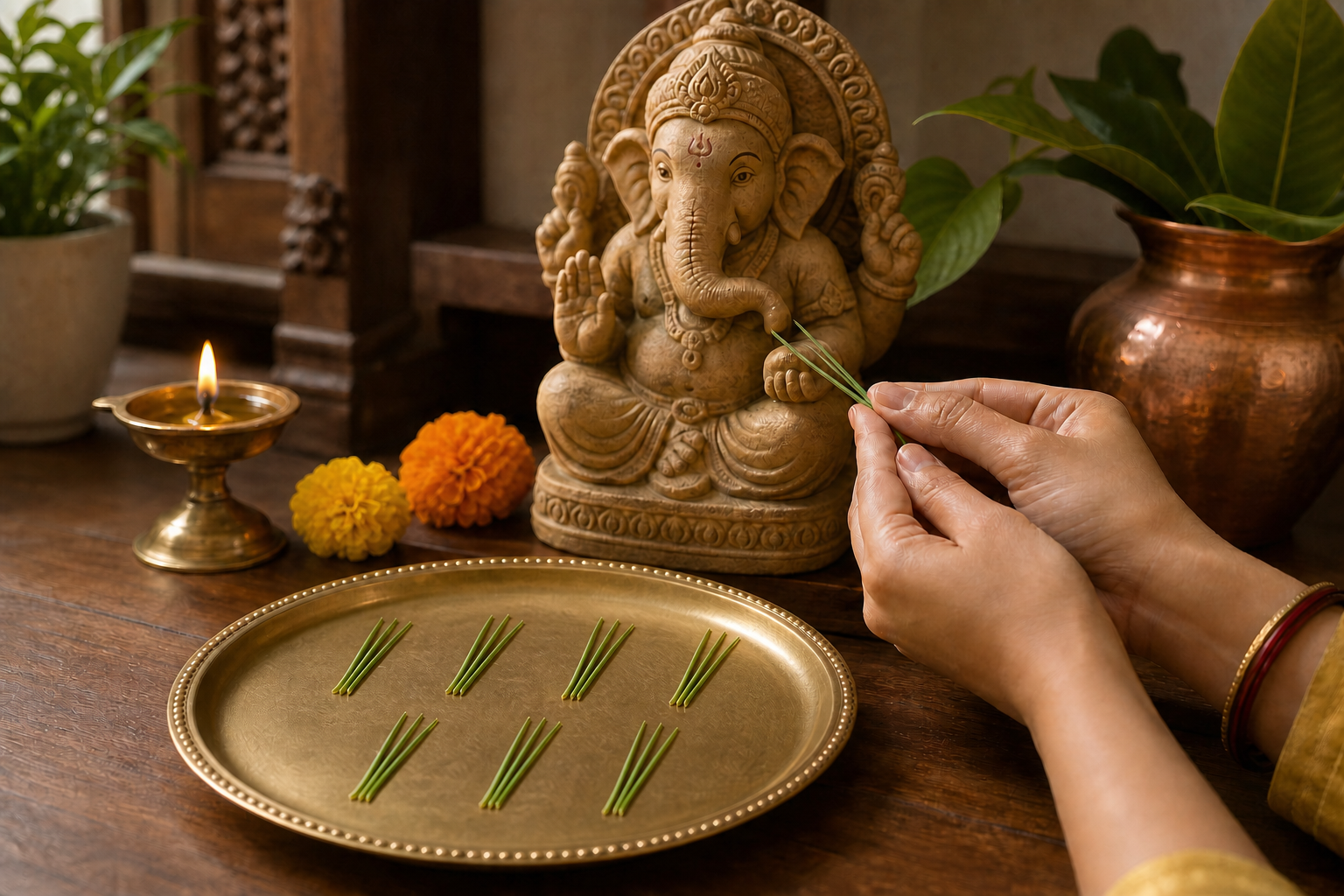
Offering 21 durva blades to Ganesha unites Puranic legend, Vedic symbolism, and Ayurvedic wisdom into a single, elegant practice. Rooted in the Analasura episode, the ritual uses the cooling properties of durva to signify pacifying inner heat and restoring balance. The number 21 encodes a yogic vow to harmonize the 10 senses, the 10 pranas,…
-
Why Ganesha Rides a Mouse: Mastering the Restless Mind Through Ancient Sacred Symbolism

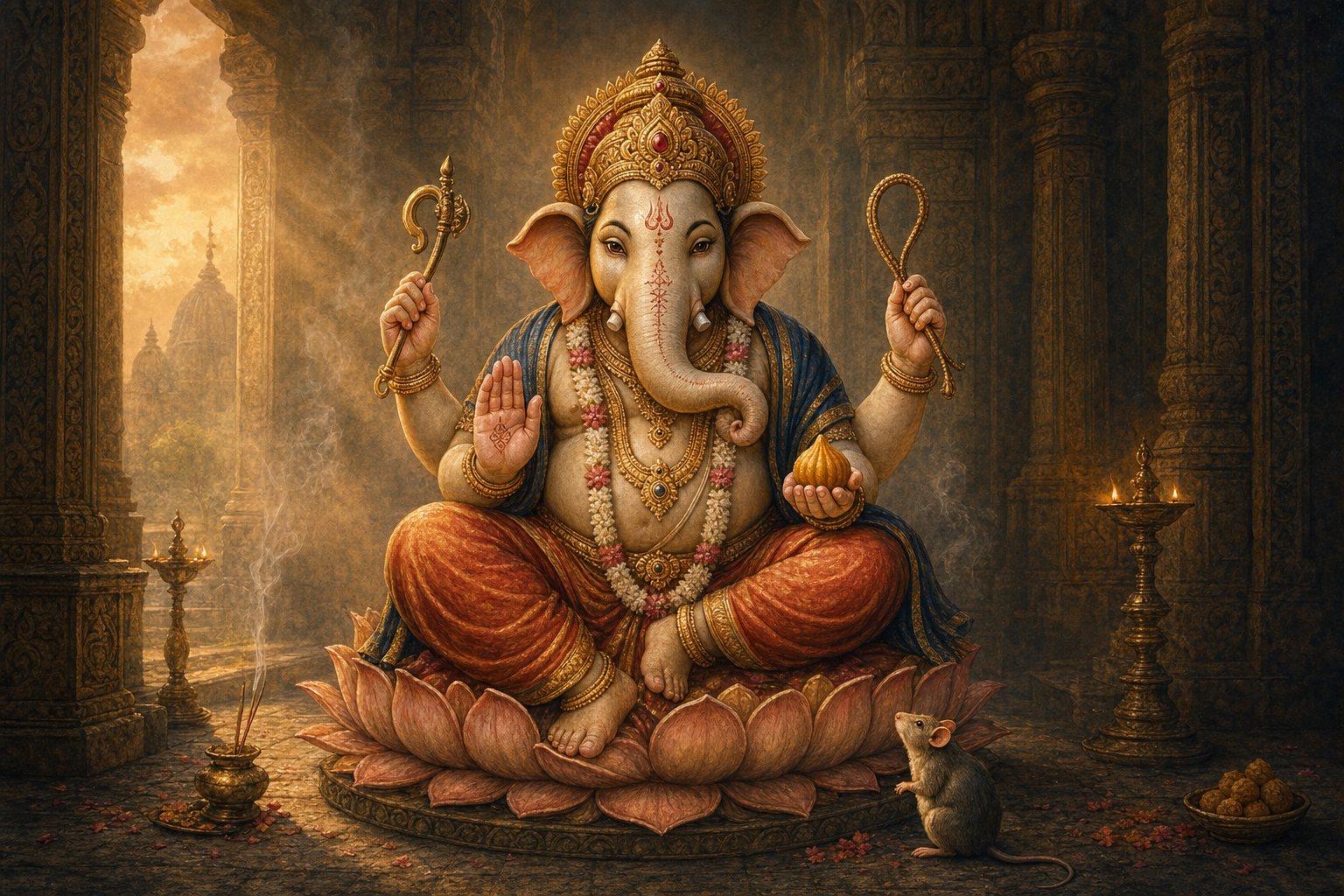
The celebrated image of Śrī Gaṇeśa seated on a mouse encodes a complete psychology of spiritual practice: wisdom seated above impulse, directing and calming the restless mind. Philological analysis of mūṣika (“the thief”) aligns with traditional models of manas, buddhi, and ahaṃkāra, while Purāṇic sources frame the vāhana as a pedagogical tool. Read alongside Yoga,…
-
Safeguarding Sacred Symbols: HJS Spurs Withdrawal of Offensive Shiva–Ganesh Ad, Full Apology

An offensive Mahashivratri advertisement involving Lord Shiva and Shri Ganesh was swiftly withdrawn from leading Chhattisgarh newspapers after Hindu Janajagruti Samiti (HJS) intervened, prompting an unconditional written apology from Shri Ganesha Global Gulal Pvt Ltd. This outcome illustrates how timely civil society engagement and clear corporate accountability can protect sacred symbols and restore public trust.…
-
Supari’s Sacred Power in Ganesha Puja: Betel Nut as Living Symbol of Riddhi–Siddhi and Vows

The betel nut (supari), referenced as Poogiphal in Sanskrit, serves as a durable, auspicious symbol in Ganesha Puja. Placed in pairs beside Ganapati, it represents Riddhi and Siddhi—ethical prosperity and perfected capability—giving form to a complete spiritual aspiration. The nut’s wholeness supports sankalpa (vow) and steadiness, while its longevity makes it ideal for ongoing domestic…
-
Ganesha’s Small Eyes, Vast Vision: Iconography, Mindfulness, and Dharmic Unity Lessons

Ganesha’s small, intent eyes encode a powerful contemplative teaching: expansive wisdom arises from focused, compassionate attention. Drawing on Hindu iconography and Yoga philosophy, the symbol aligns with pratyahara, dharana, and dhyana, and is reinforced by the Bhagavad Gita’s guidance on nasikagra-drishti. Contemporary attention science complements this reading, linking steady gaze with reduced cognitive load and…
-
Why Ganesha Wears Red: Auspicious Energy, Shakti, and Victory Over Darkness

The sacred red of Ganesha is not decoration but a precise visual theology that communicates Shakti, auspiciousness, and the courage to begin well. Rooted in Agamic and iconographic traditions, vermilion (sindoor), kumkum, and red flowers activate Ganesha’s obstacle-clearing grace at personal and communal thresholds. The color aligns with the Muladhara chakra, reinforcing stability and decisive…
-
Why a Left-Coiled Ganesha Belongs at Home: Auspicious Energy and Easeful Worship

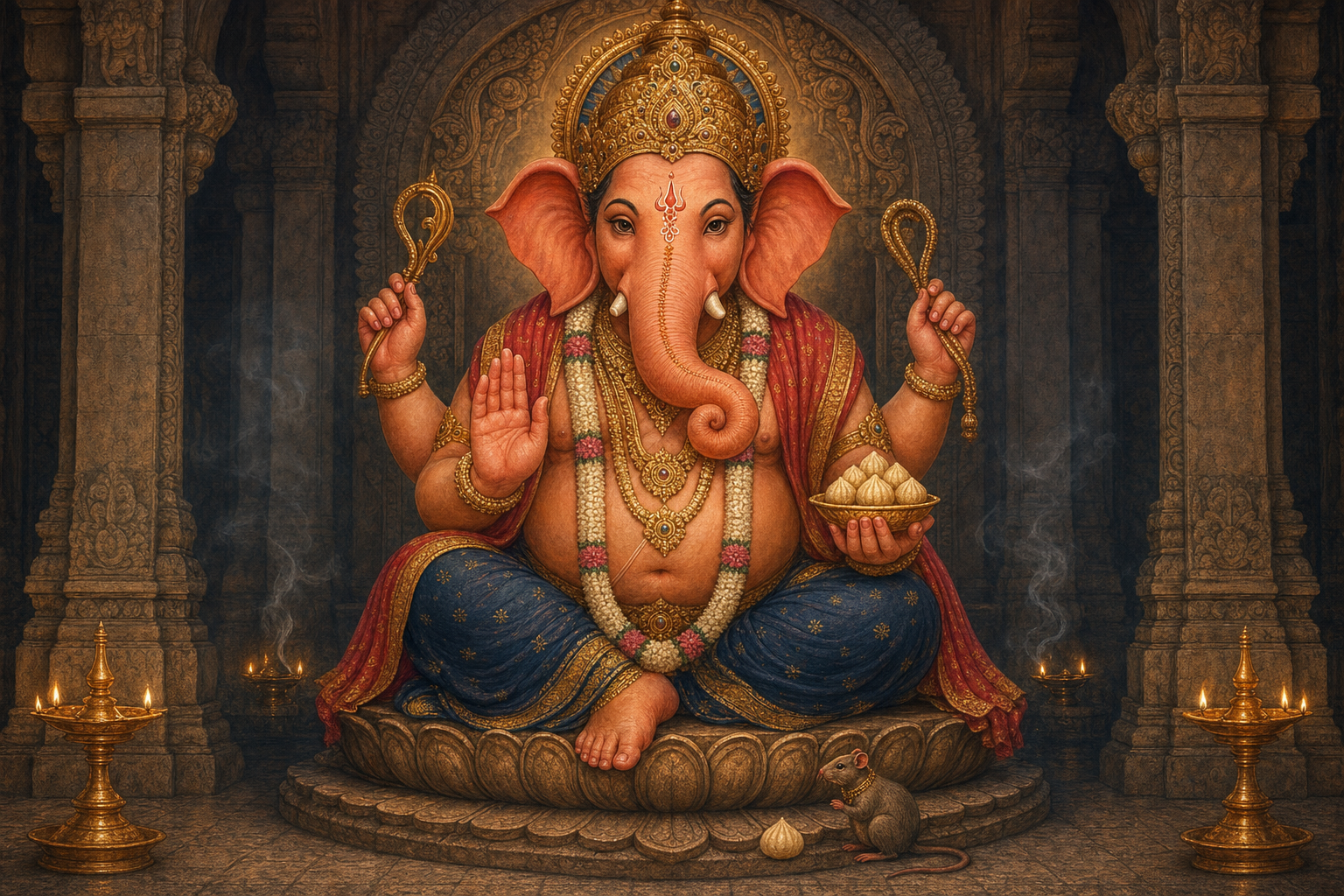
Traditional iconography explains why many households prefer a left-coiled (Vamavarta) Ganesha: it conveys calm, lunar-aligned auspiciousness that suits daily worship. The form is associated with gentle obstacle-removal and easeful upasana, making it practical for families with changing routines. By contrast, right-coiled images often require stricter ritual observance better supported in temple settings or under guidance.…
-
Ganesha’s Sacred Sacrifice: How Parvati’s Creation and Shiva’s Gift Illuminate Transformation

This essay explores the sacred symbolism of Ganesha’s birth, showing how sacrifice, dissolution, and rebirth illuminate a practical path of transformation. Readers learn how the beheading symbolizes the release of ego and the elephant head signifies the arrival of discerning wisdom. The analysis decodes Ganesha’s features—ears, eyes, trunk, belly, and single tusk—as teachings in focus,…
-
12 Incarnations of Ganesha: Sacred Avatars of Ganapati in the Mudgala and Ganesha Puranas

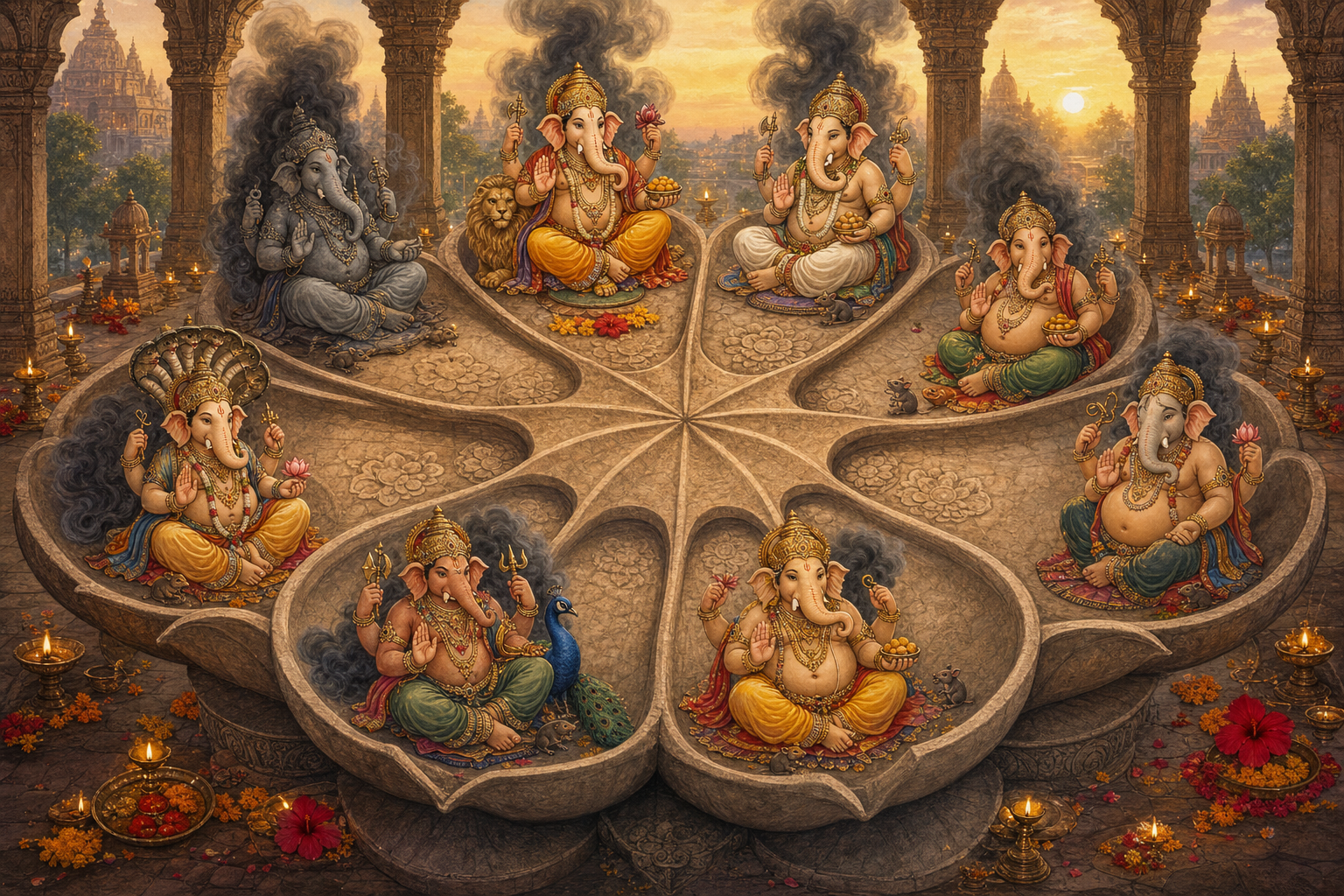
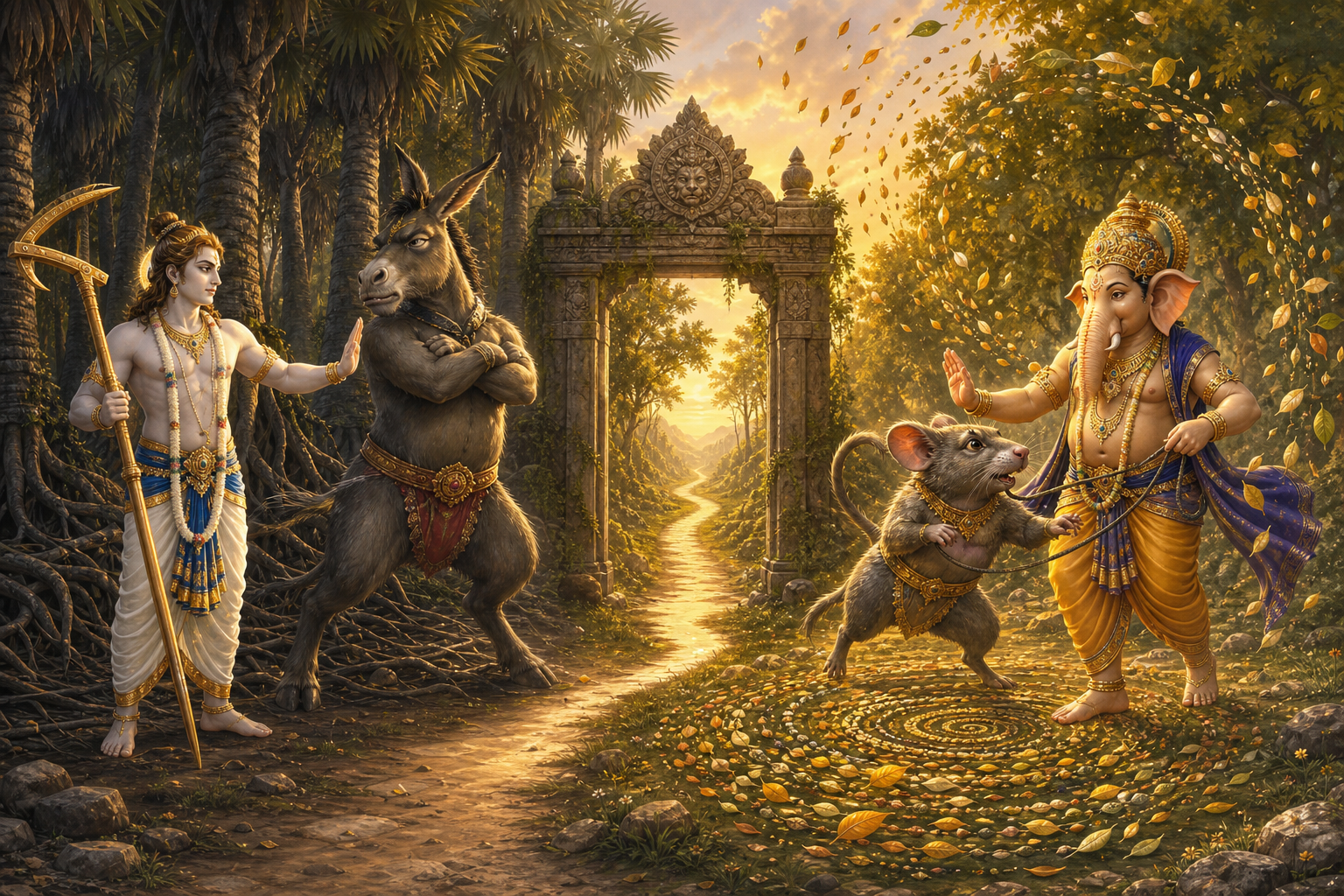
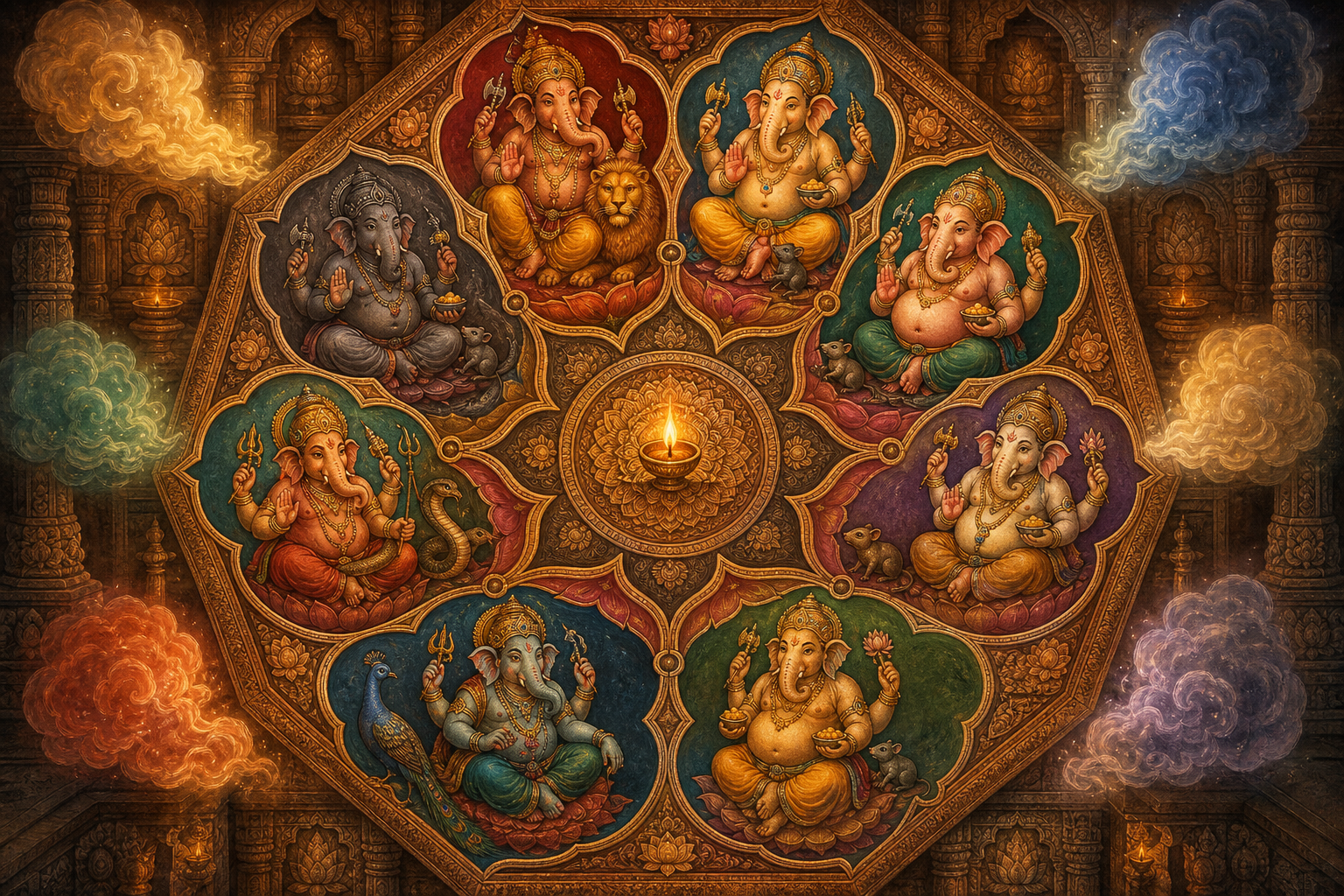
This overview situates the twelve incarnations of Ganesha within the Mudgala Purana and Ganesha Purana, emphasizing accurate, text-grounded understanding. It presents the Mahotkata Vinayaka narrative in the Satya Yuga, where Ganesha vanquishes Devantaka and Narantaka by scattering grains, and explains its ethical symbolism. It notes the fragmentary listing of Mayureshwara in the excerpt without speculating…
-
Putra Ganapati Vratam 2026: Auspicious vow for blessings of children in Andhra–Telangana

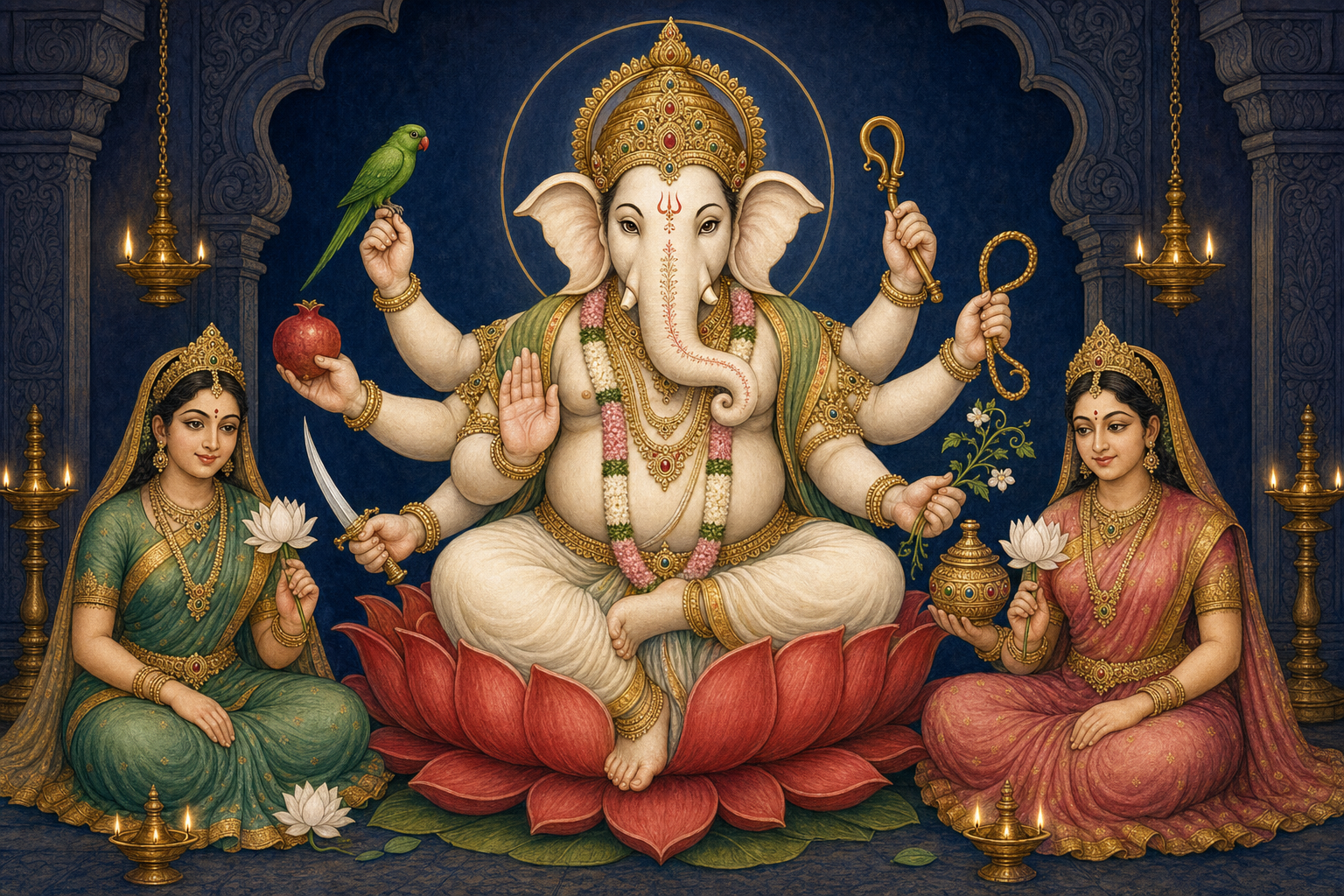
Putra Ganapati Vratam in 2026 is an auspicious Hindu observance centered on Lord Ganapathi (Lord Ganesh), widely practiced in Andhra Pradesh and Telangana. Married couples—especially those seeking the blessings of children—undertake this disciplined vow with devotion, ethical living, and acts of charity. The vrata’s core practices typically include purity, simple fasting, offerings to Ganesh, and…
-
Putra Ganapati Vratam 2026: Auspicious Ritual for Child Blessings in Andhra & Telangana

Putra Ganapati Vratam is a deeply cherished observance in Andhra Pradesh and Telangana, undertaken by married and childless couples seeking the blessings of children and household harmony. In 2026, families are encouraged to follow a reliable regional Panchang to select the appropriate Chaturthi tithi and local muhurta. The vrata centers on devotion to Putra Ganapati…
-
Vinayaka Purana Mahatmyam: Timeless Ganesha Stories that Inspire Devotion and Unity

Vinayaka Purana Mahatmyam presents Lord Ganesha’s inspiring glory through accessible, ethically rich stories attributed in tradition to Veda Vyasa. These narratives illuminate Ganesha’s qualities as the remover of obstacles and patron of wisdom, linking miracle accounts to practical virtues such as patience, clarity, and compassion. Related texts like the Ganesha Purana and Mudgala Purana complement…
-
Vatapi Ganapati, Tiruchenkâtankudi (Nannilam): Sacred Legend, Tevaram Glory, Living Heritage

Vatapi Ganapati at Tiruchenkâtankudi near Nannilam is a renowned Tevara Shivastalam, celebrated in early Tamil Saivite hymns. Tradition associates the shrine with Sirutondar, linking the Ganesha icon to Vatapi and illuminating how sacred narratives shape cultural memory. The temple’s integrated worship of Shiva as Ganapatishvaram and Ganesha as Vatapi Ganapati exemplifies Tamil Nadu’s living heritage.…
-
Sankashti Chaturthi February 2026: Complete Guide to Date, Regional Months, Vrat and Puja

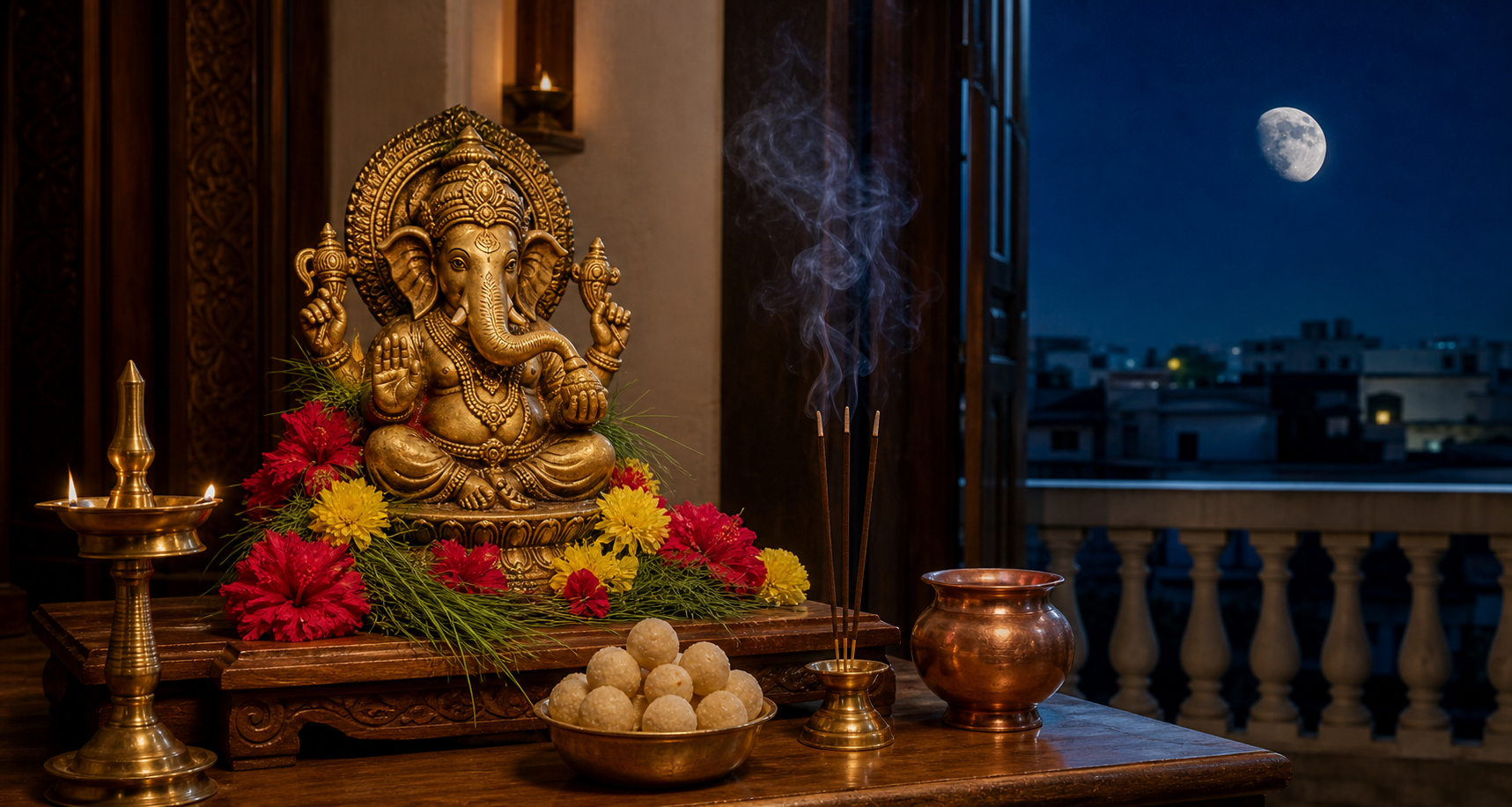
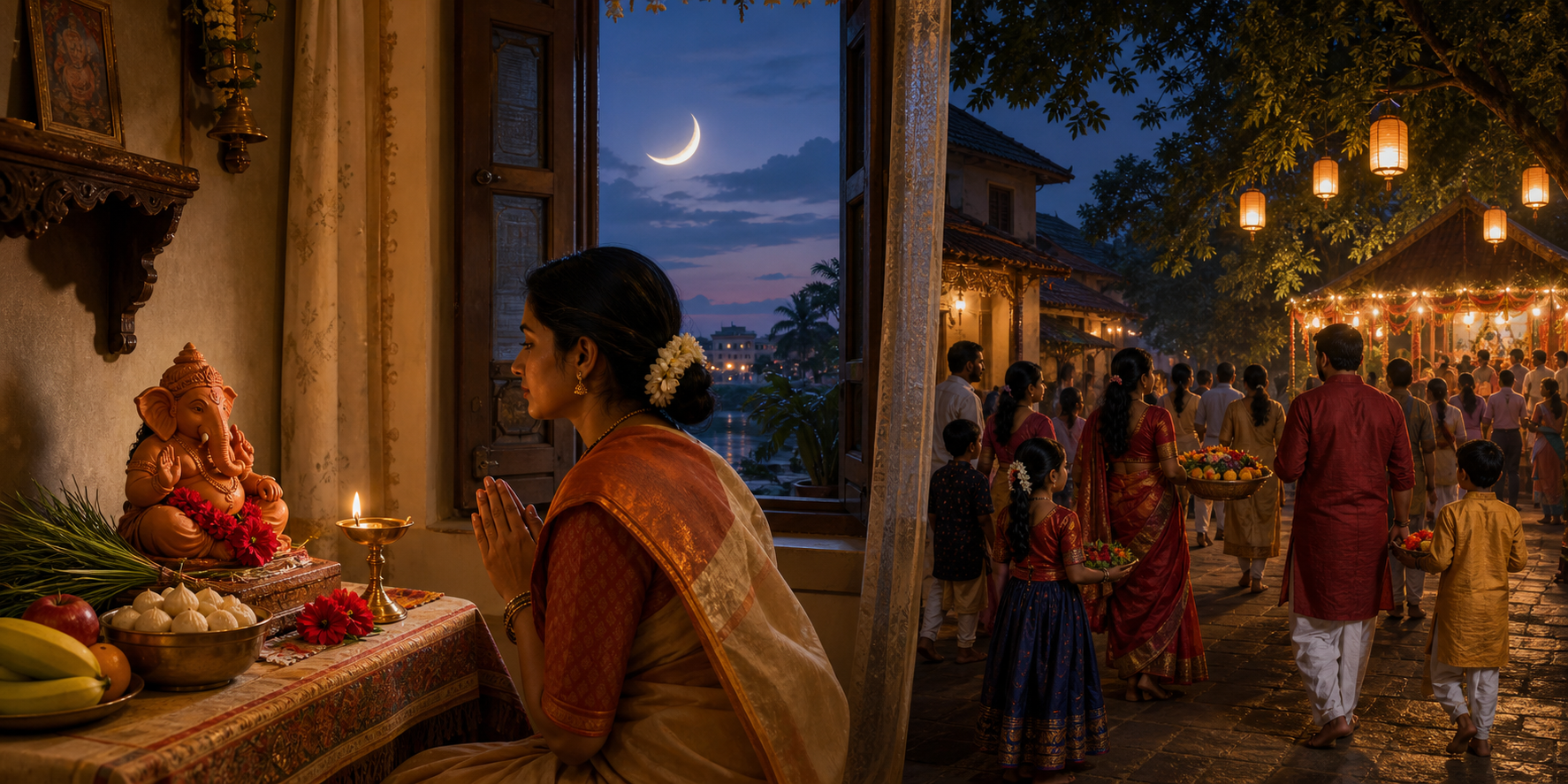
Sankashti Chaturthi in February 2026 falls on 5 February, observed on Krishna Paksha Chaturthi across traditions. It aligns with Falgun in North Indian Hindi calendars and Magha Month in Marathi, Gujarati, Telugu, and Kannada reckoning, reflecting regional diversity on a shared tithi. The vrat is kept from sunrise to moonrise, concluding after Chandrodaya with Ganesha…
-
Ganapatya Linga: Silent Guardians of Shiva at Forest Edges and Sacred Thresholds

The Ganapatya Linga, revered among Achala Shivlings, is traditionally understood as established by Shiva’s ganas to guard thresholds and sanctify forest edges. Aniconic and understated, these shrines anchor sacred geography at river ghats, groves, hill trails, and village boundaries. They embody guardianship, humility, and ecological care, inviting minimal yet heartfelt offerings such as bilva leaves.…
-
Gopal Ganapati Temple, Farmagudi: Tracing a Timeless Maratha-Era Legacy in Goa

Gopal Ganapati Temple in Bandivade (Bandiwade), Ponda, Goa, preserves a serene devotional atmosphere while carrying a distinctive seventeenth-century Maratha-era legacy. Historical references link the site to Chhatrapati Sambhaji, whose forces camped nearby and erected a Gudi on a hill, shaping the area’s sacred identity. The temple’s setting illustrates how political history and sacred geography intersect…