
Tag: 19th Century India
-
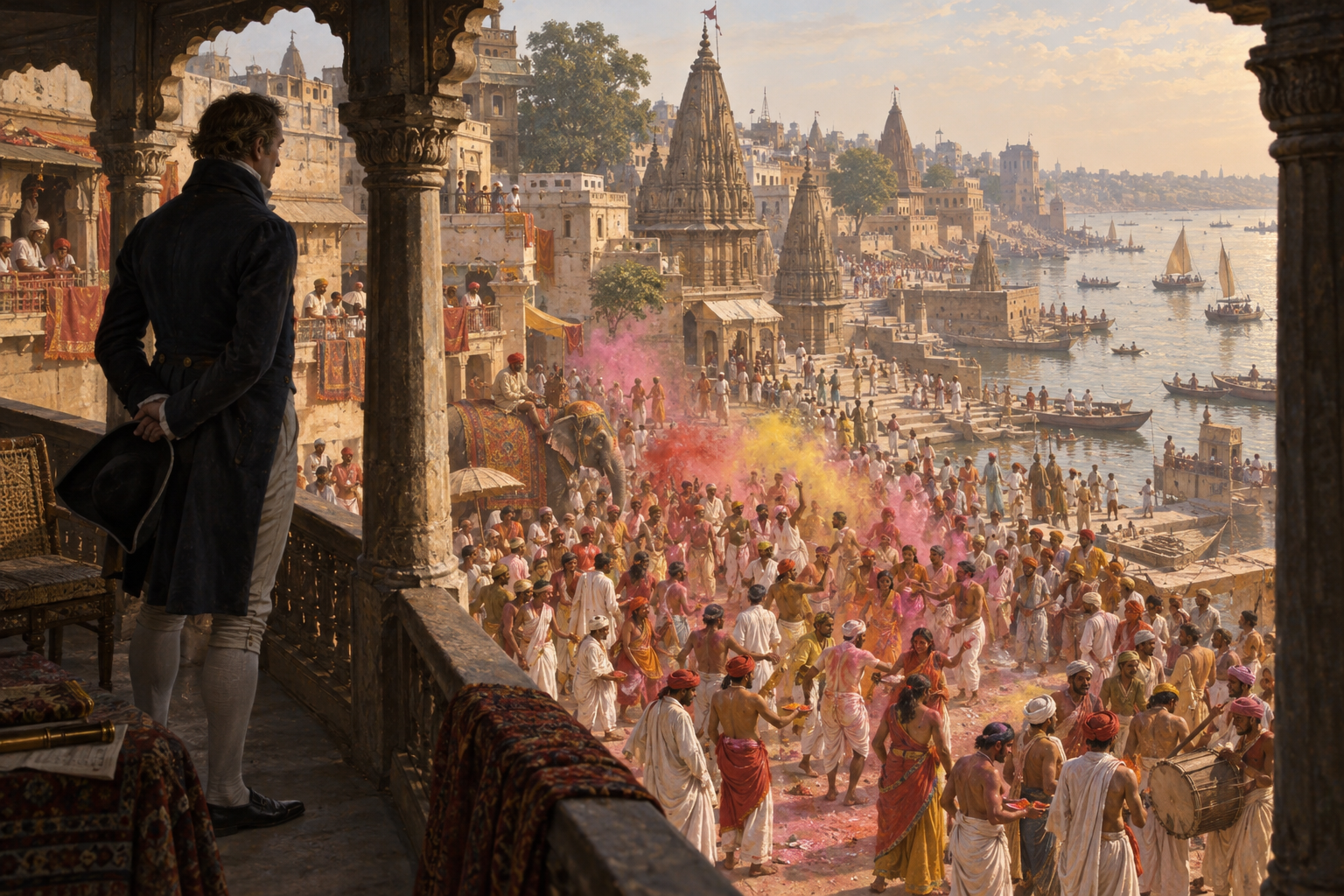
What Viscount Valentia’s 1803 Visit Reveals About Holi
-
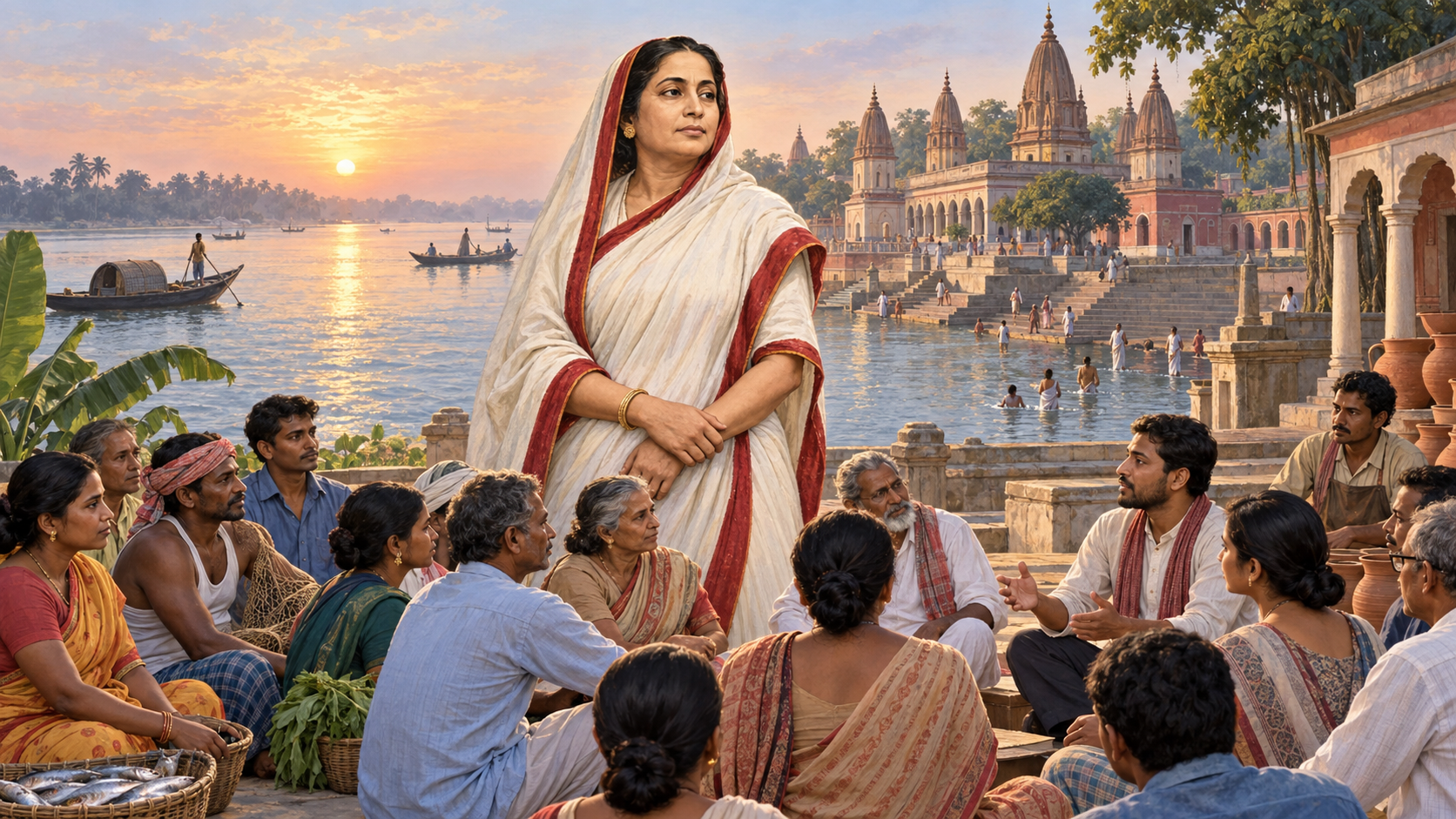
Rani Rashmoni Commemoration and Hindu OBC Politics in Bengal
-
How to Read British Indology on Sanskrit’s Own Terms
-
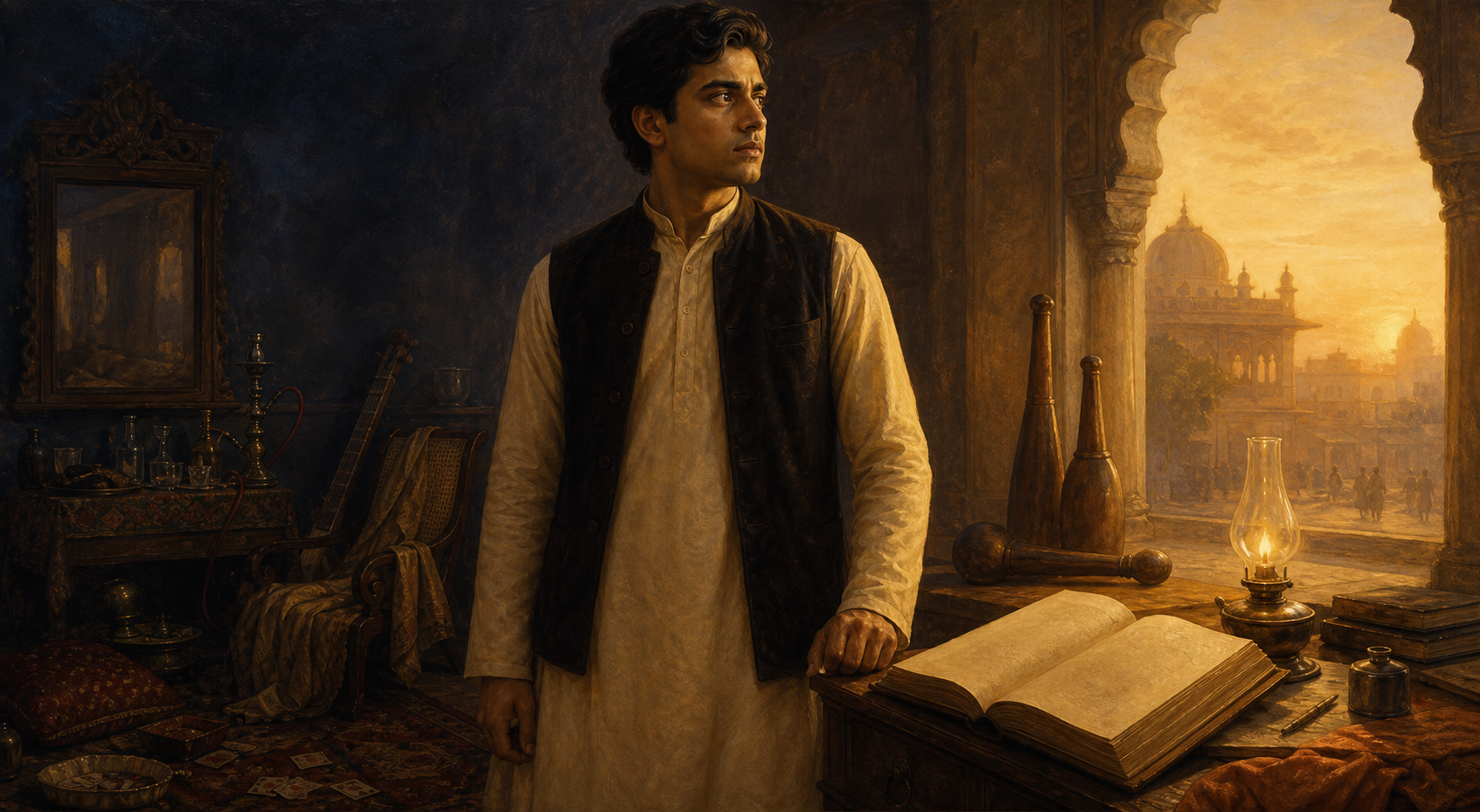
Munshi Ram’s Transformation and the Work of Arya Revival
-
Vande Mataram, Brahma-Tej, and the BJP-Congress Test
-
How Colonial Rule Created the Scheduled Caste Category
-
Munshi Ram Meets Swami Dayananda: A Vedic Turning Point
-
How Church Complicity Enabled Colonial Extraction from Bharat
-
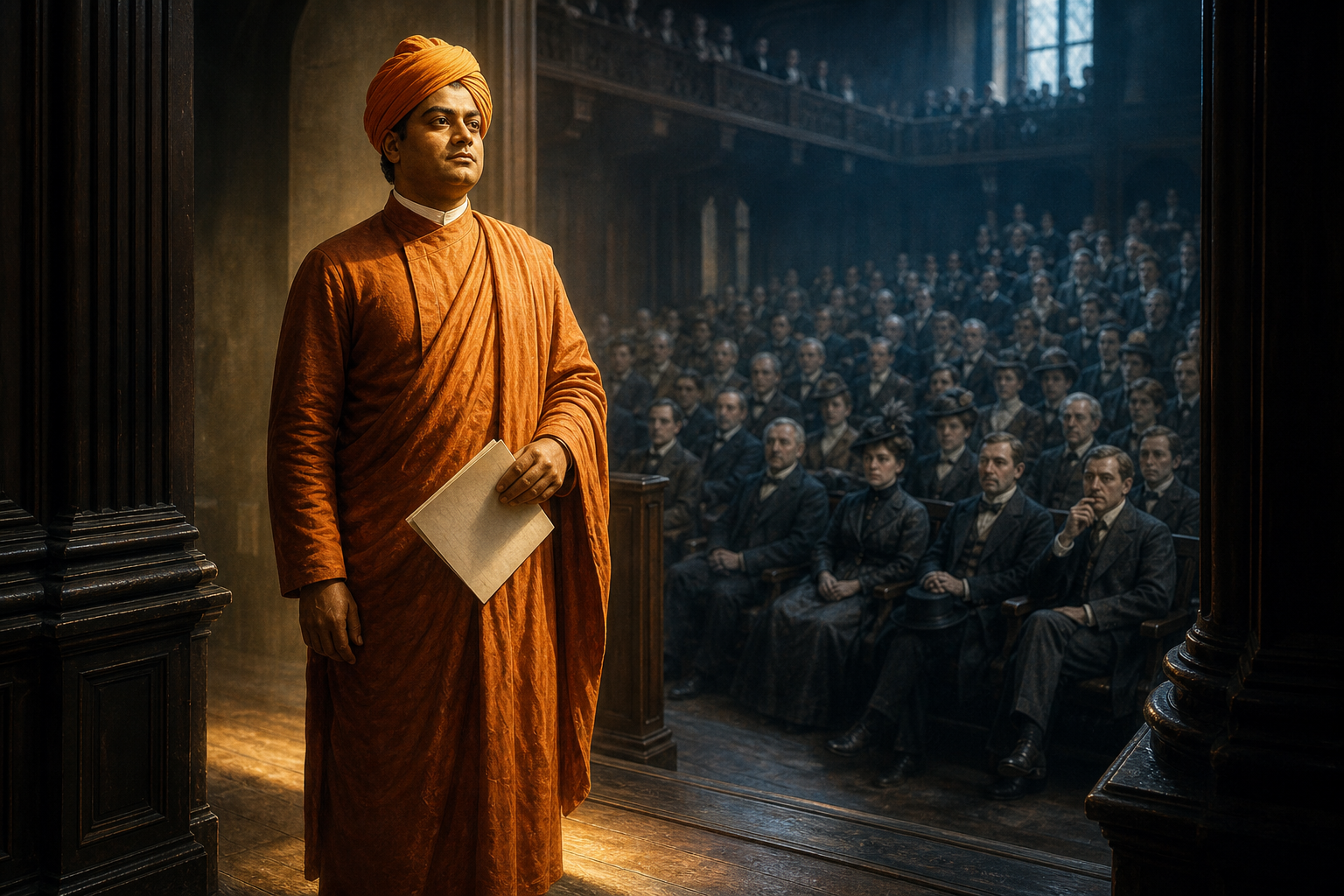
Swami Vivekananda and the Discipline of the Warrior Monk
-
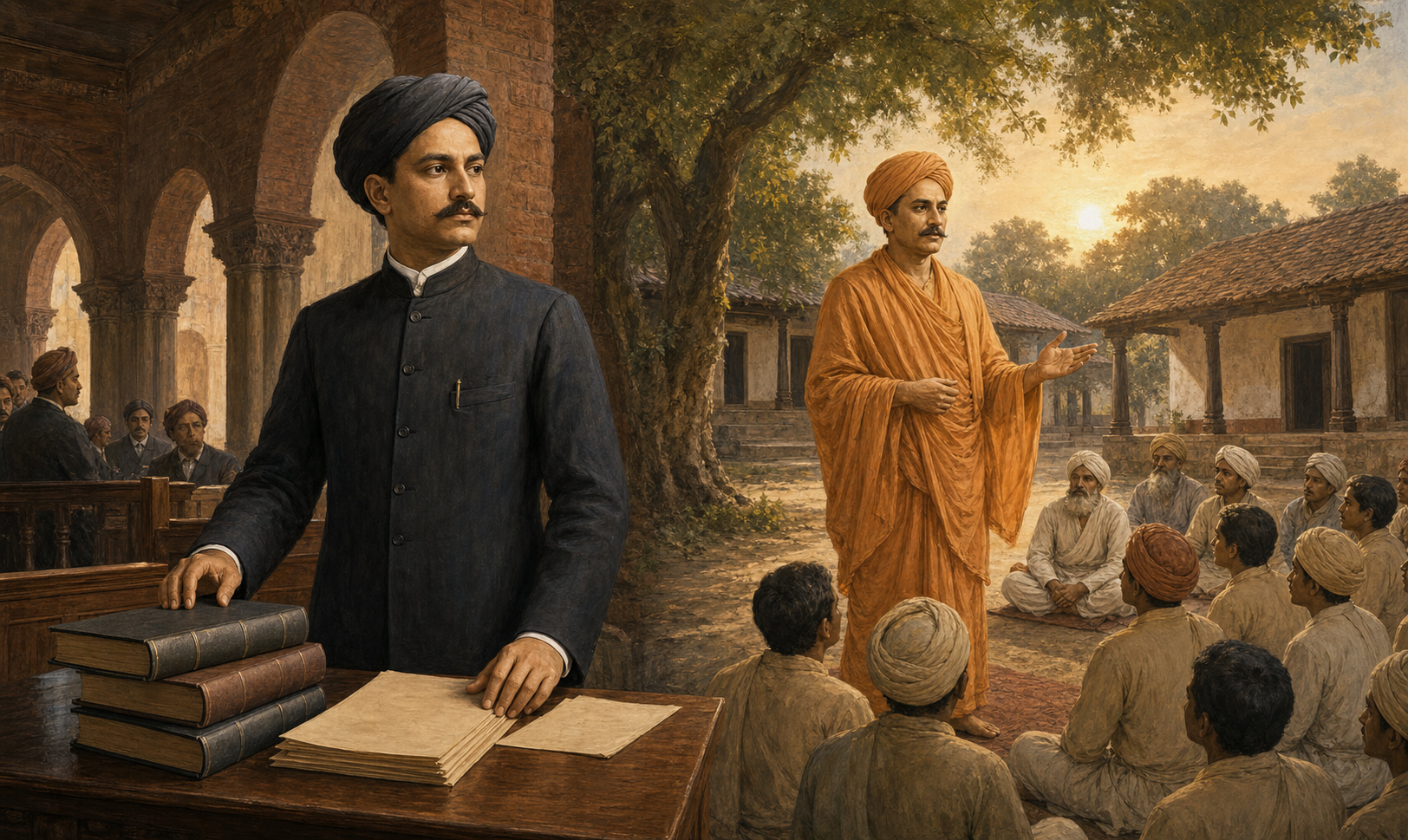
Swami Shraddhananda’s Legal and Hindu Revivalist Legacy
-
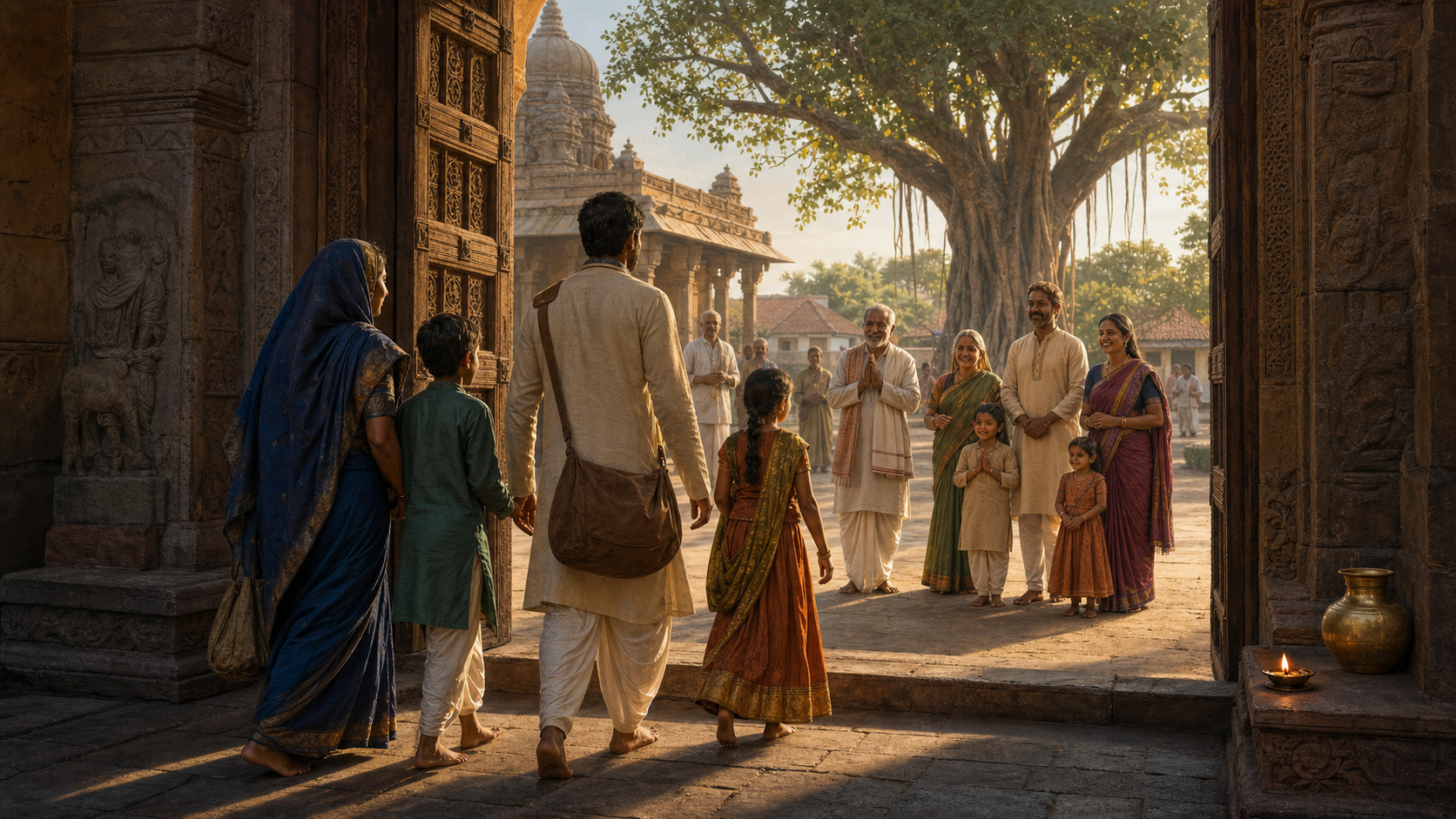
Ghar-Wapsi in Indian History, Literature, and Hindu Society
-
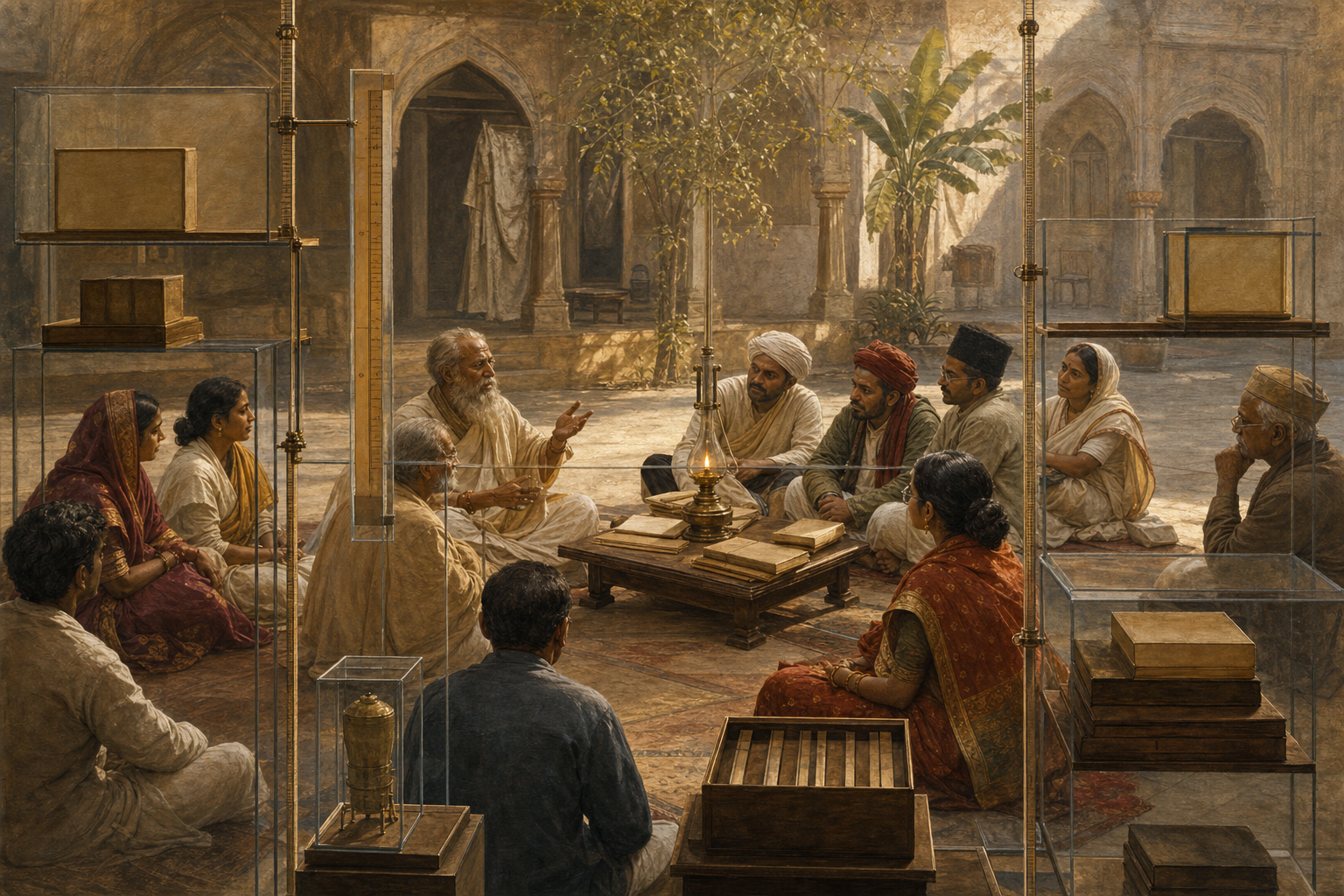
How European Categories Reshaped Neo-Hindu Social Reform
-
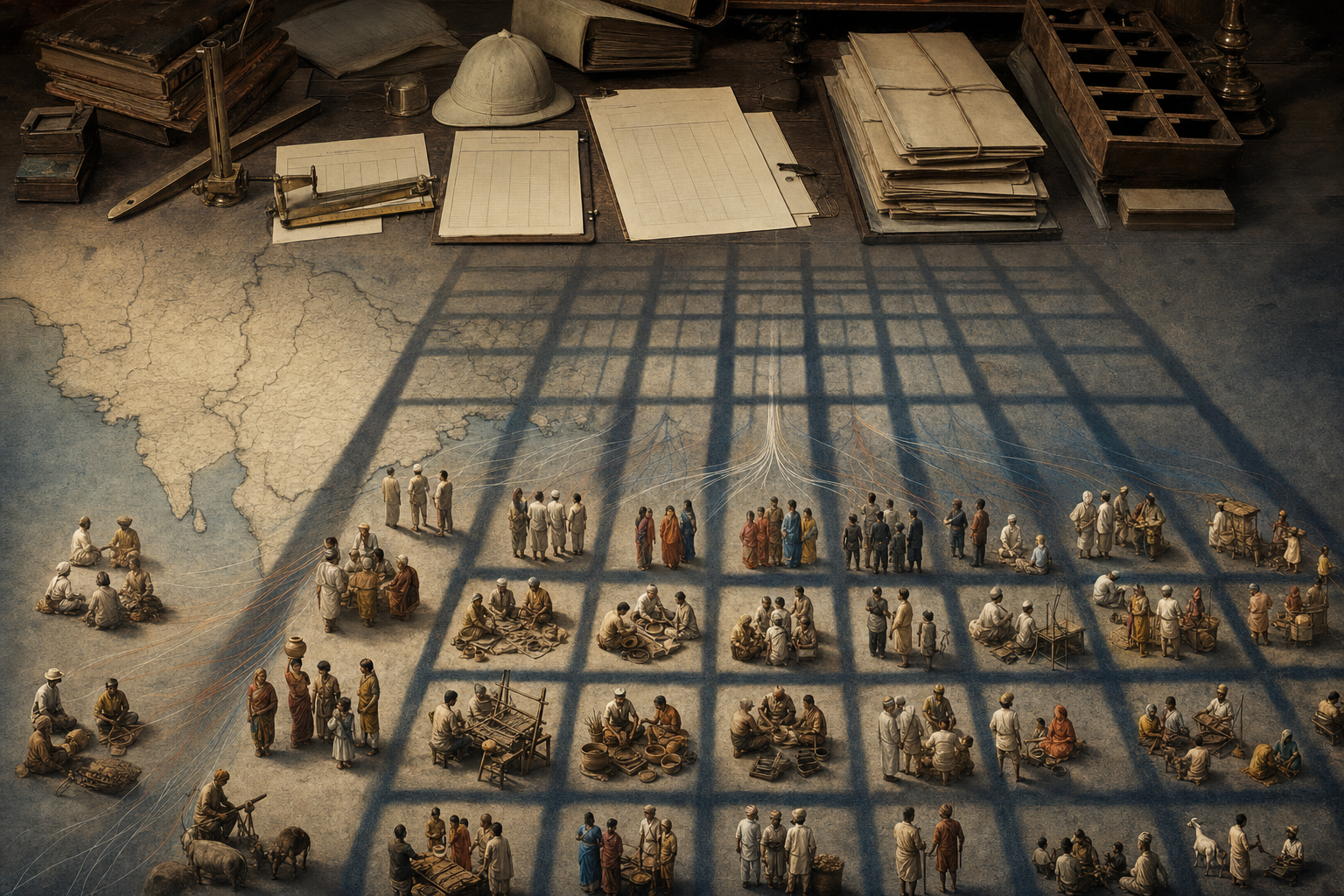
How Colonial Race Theory Reframed Caste as a Single System
-
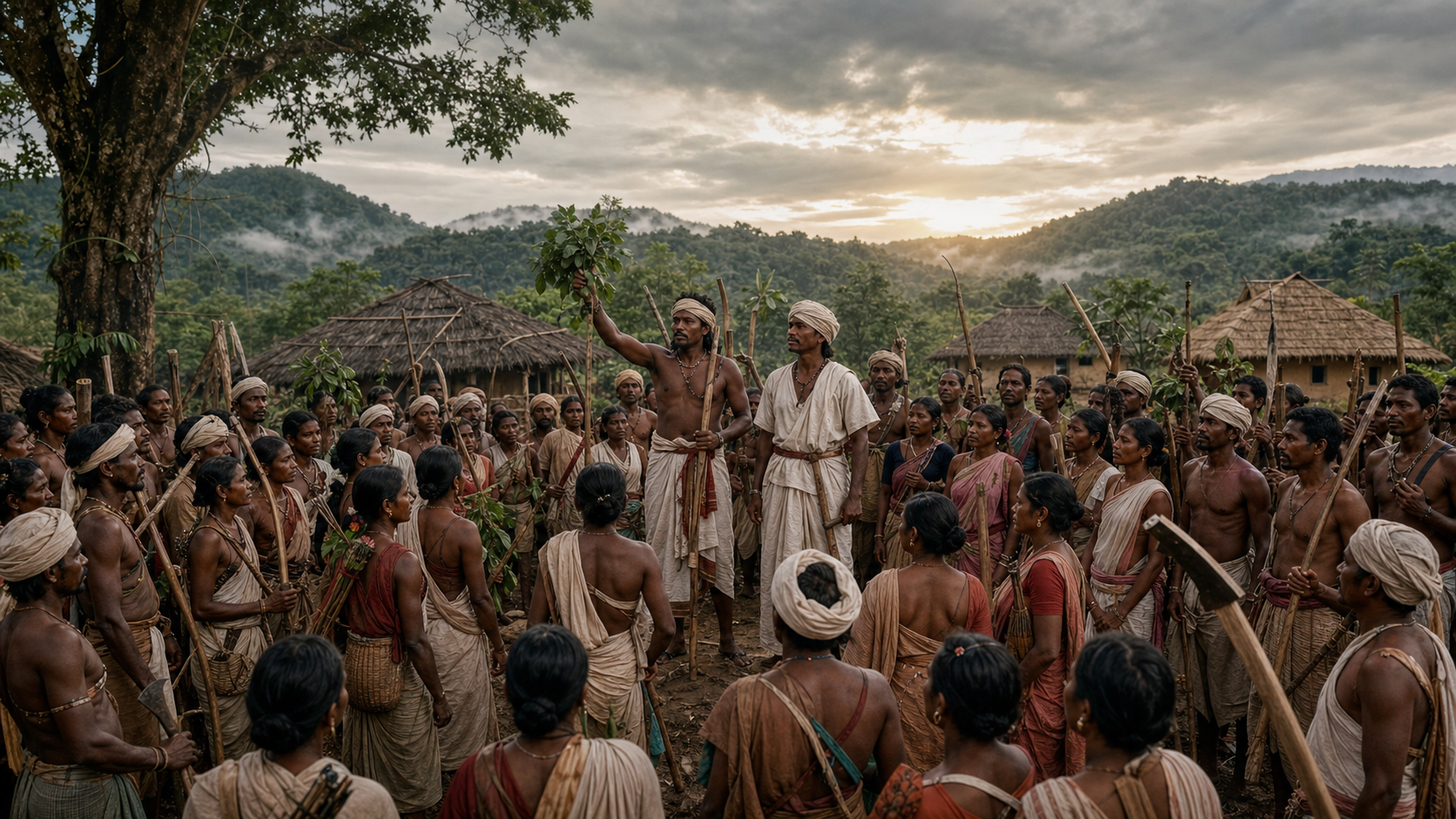
The Santal Hul of 1855: Land, Revolt and Living Memory
-
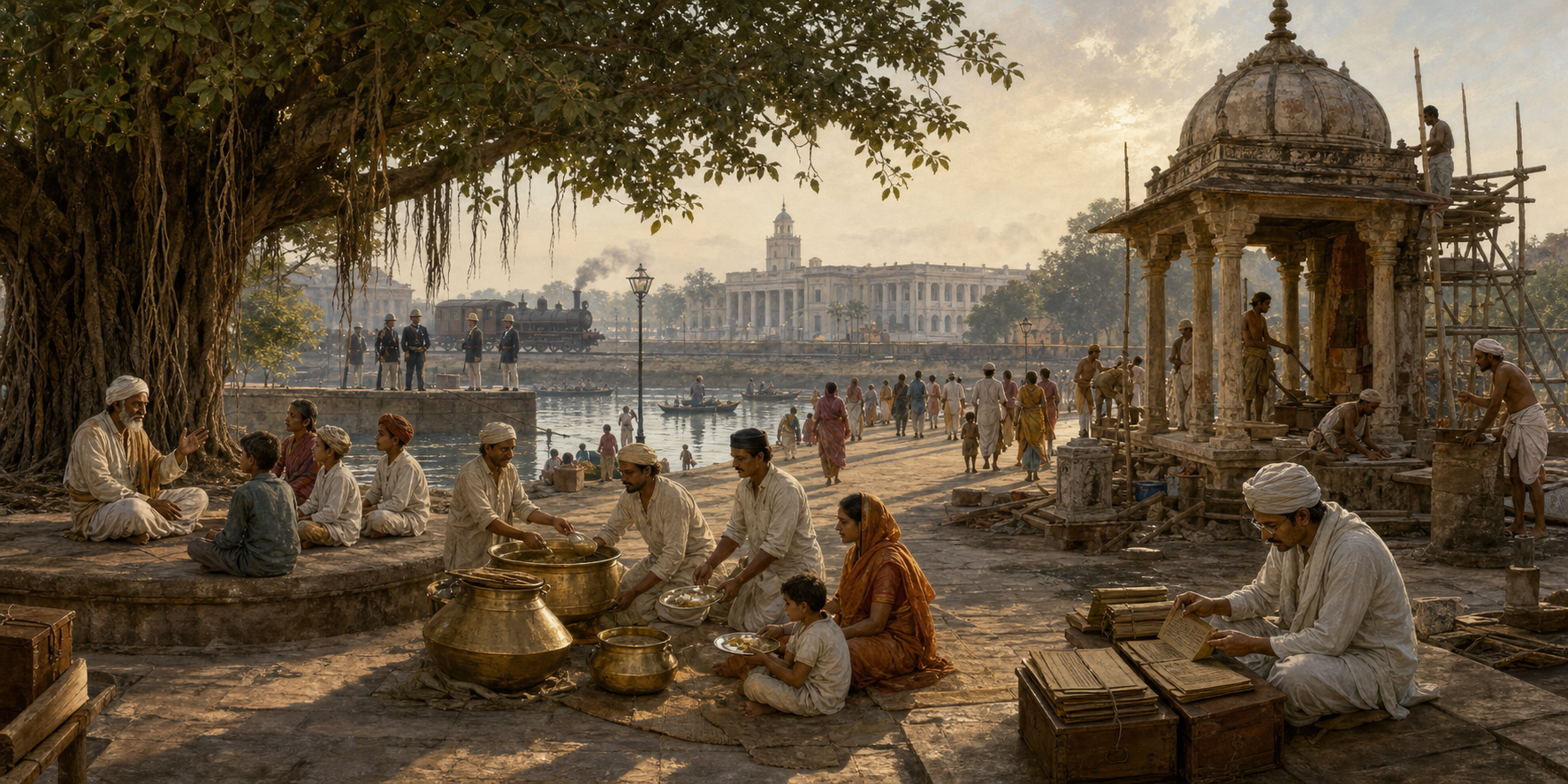
How Dharmic Resilience Outlasted British Colonial Rule
-
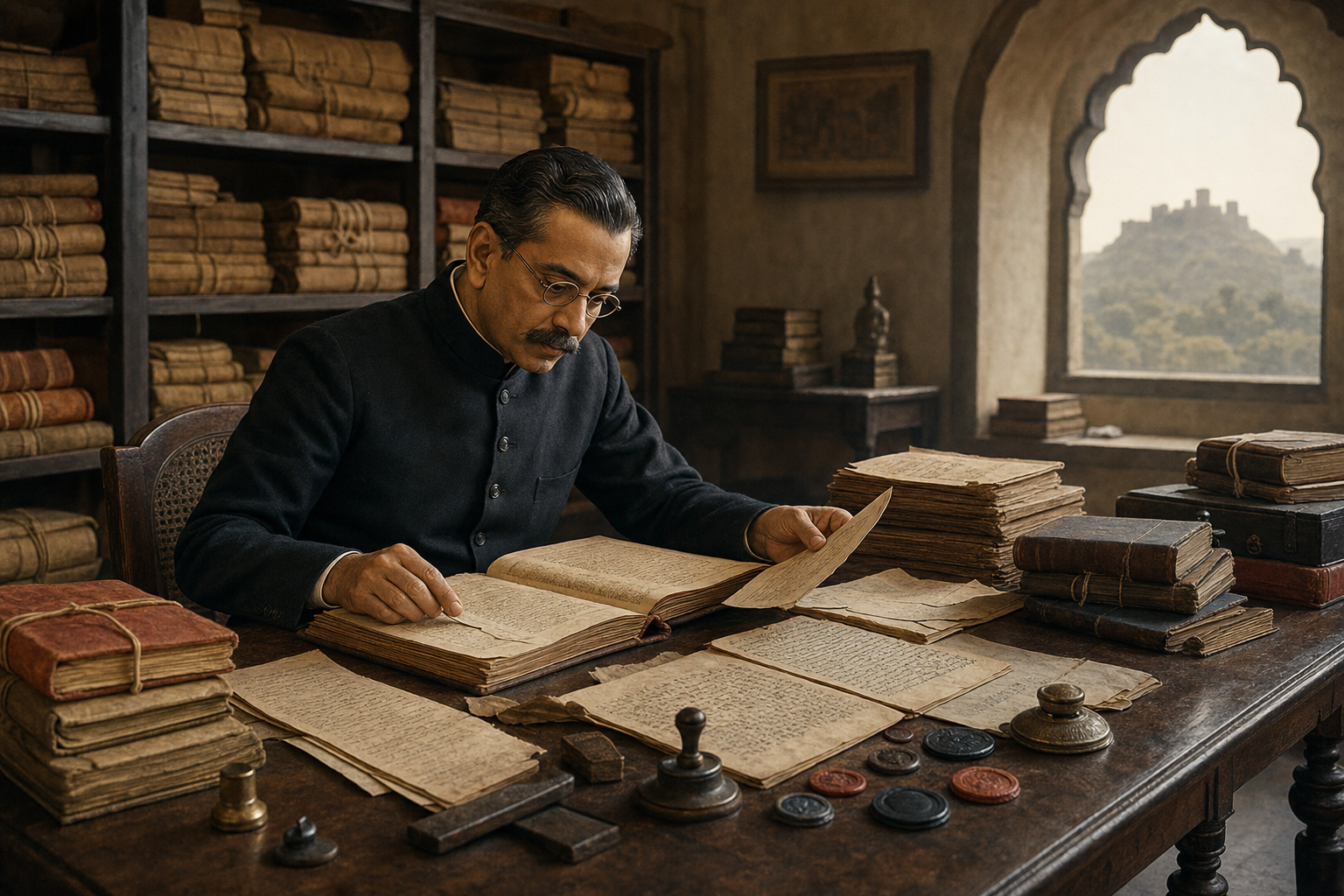
D. B. Parasnis and the Making of Maratha Historiography
-
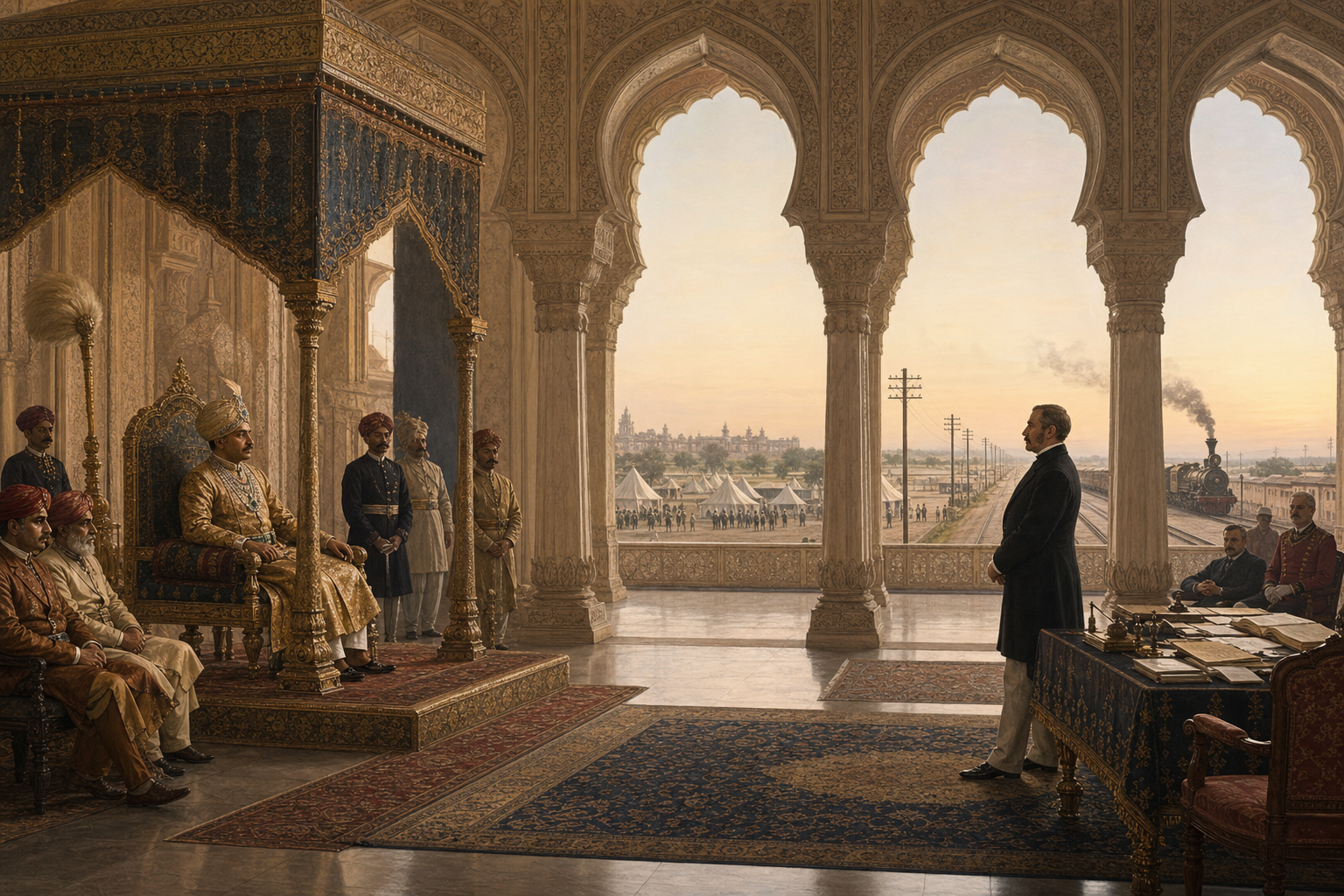
Hyderabad’s Sovereignty Under British Paramountcy
-
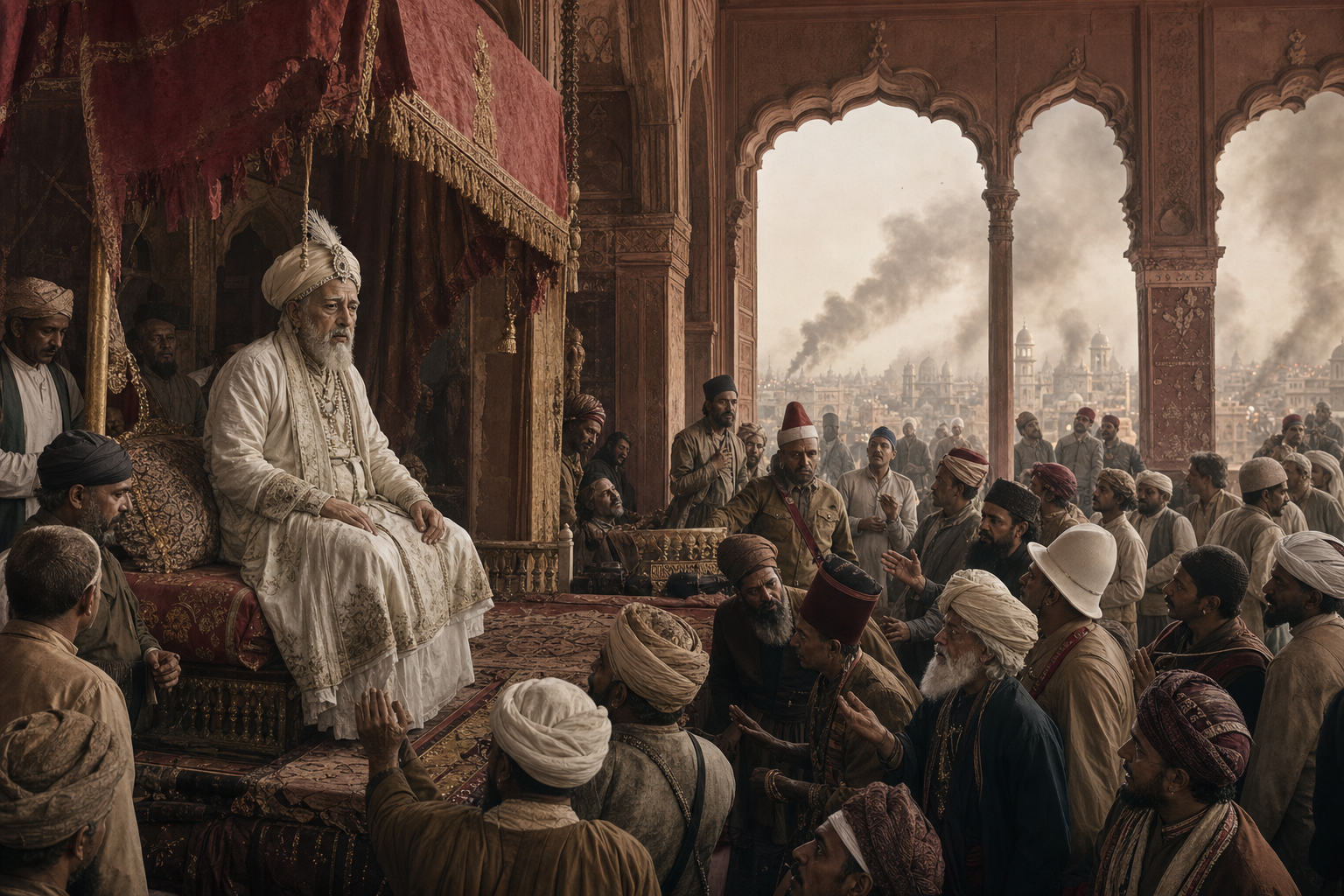
Bahadur Shah Zafar in 1857: Power, Symbolism, and Blame
-
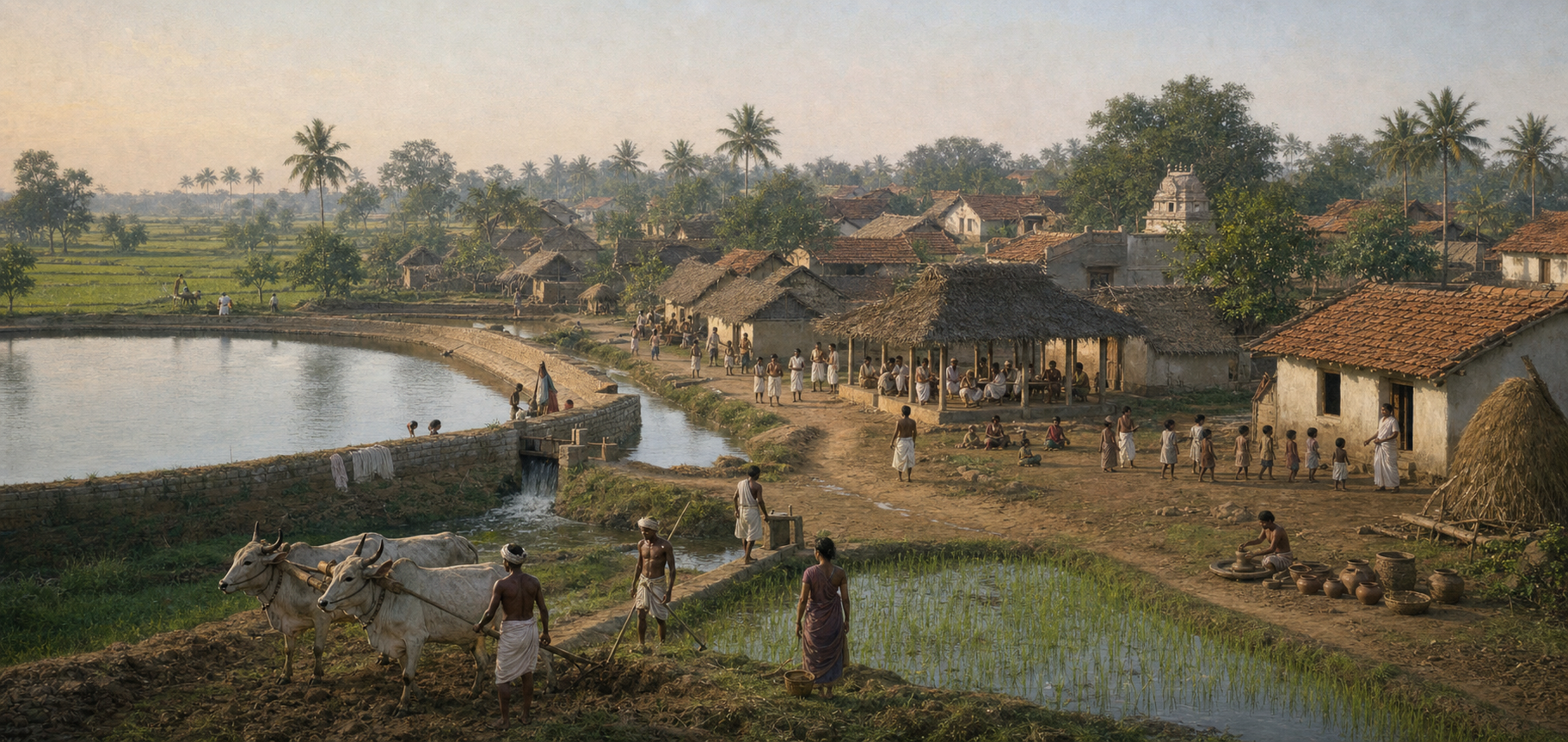
Kelambakkam in 1891: How a South Indian Village Governed Itself
-

Dattatreya Tradition Observances in 2026: Practical Guide
-
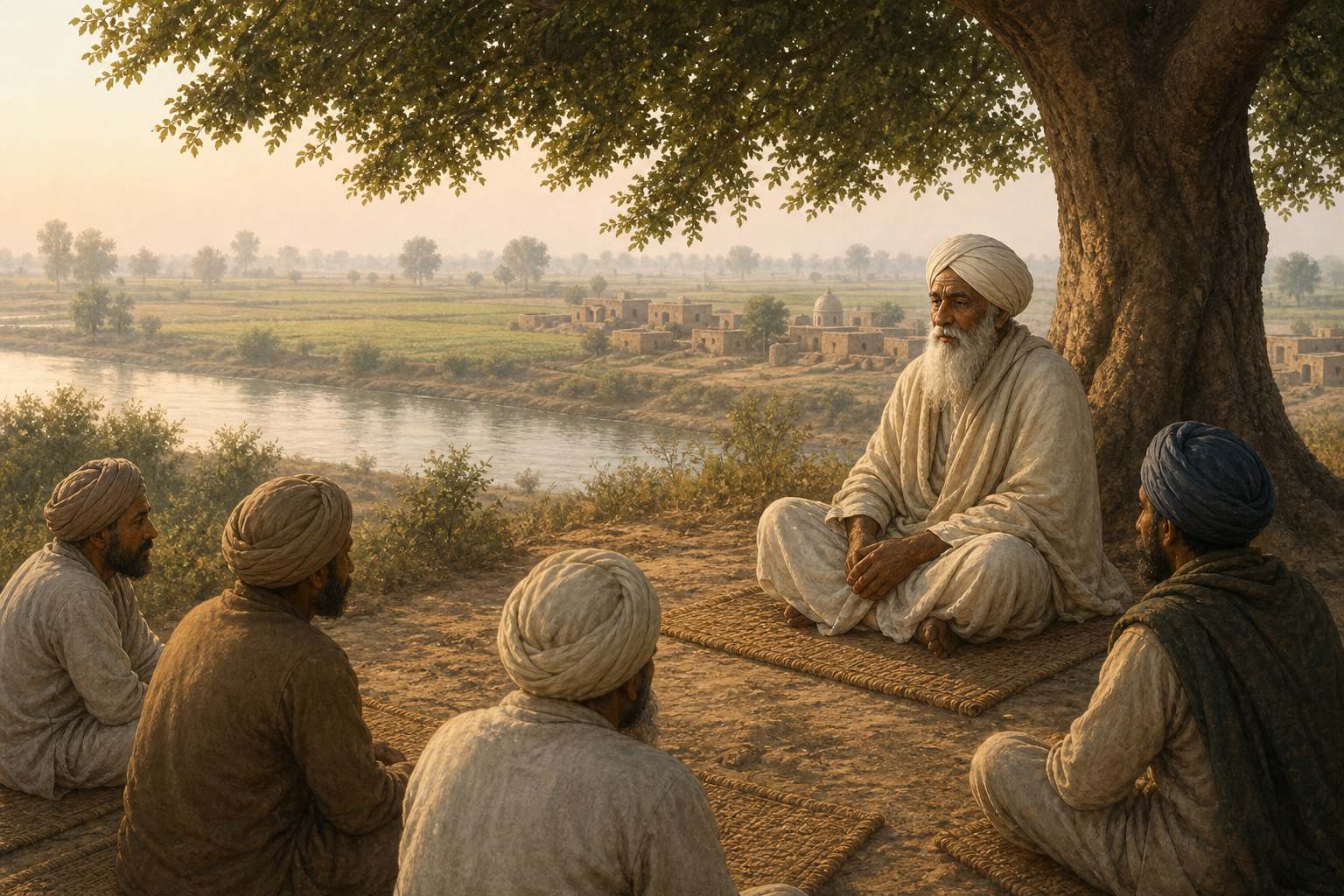
Baba Jaimal Singh and the Foundations of the Beas Tradition
-
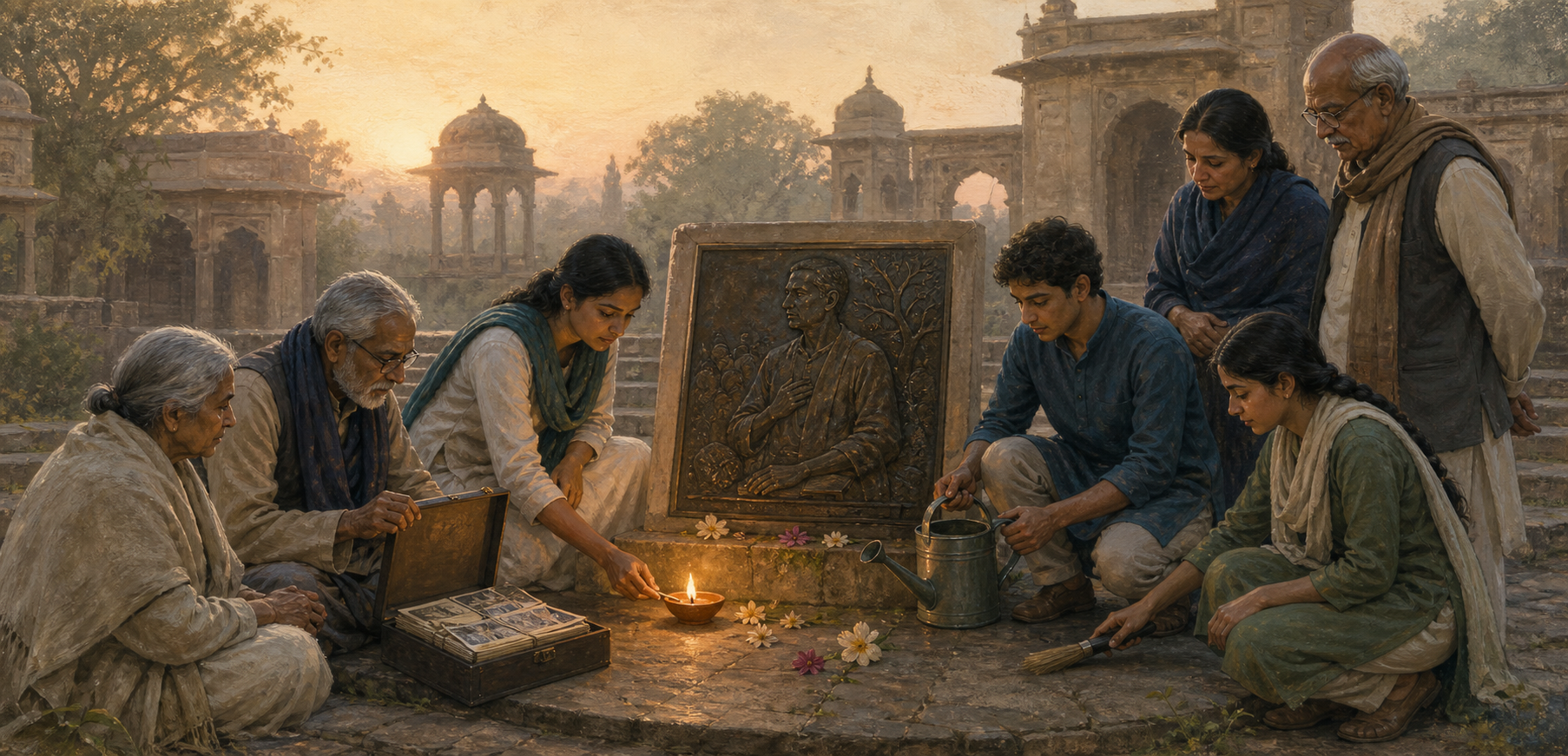
How to Remember Anti-Colonial Leaders as a Dharmic Duty
-
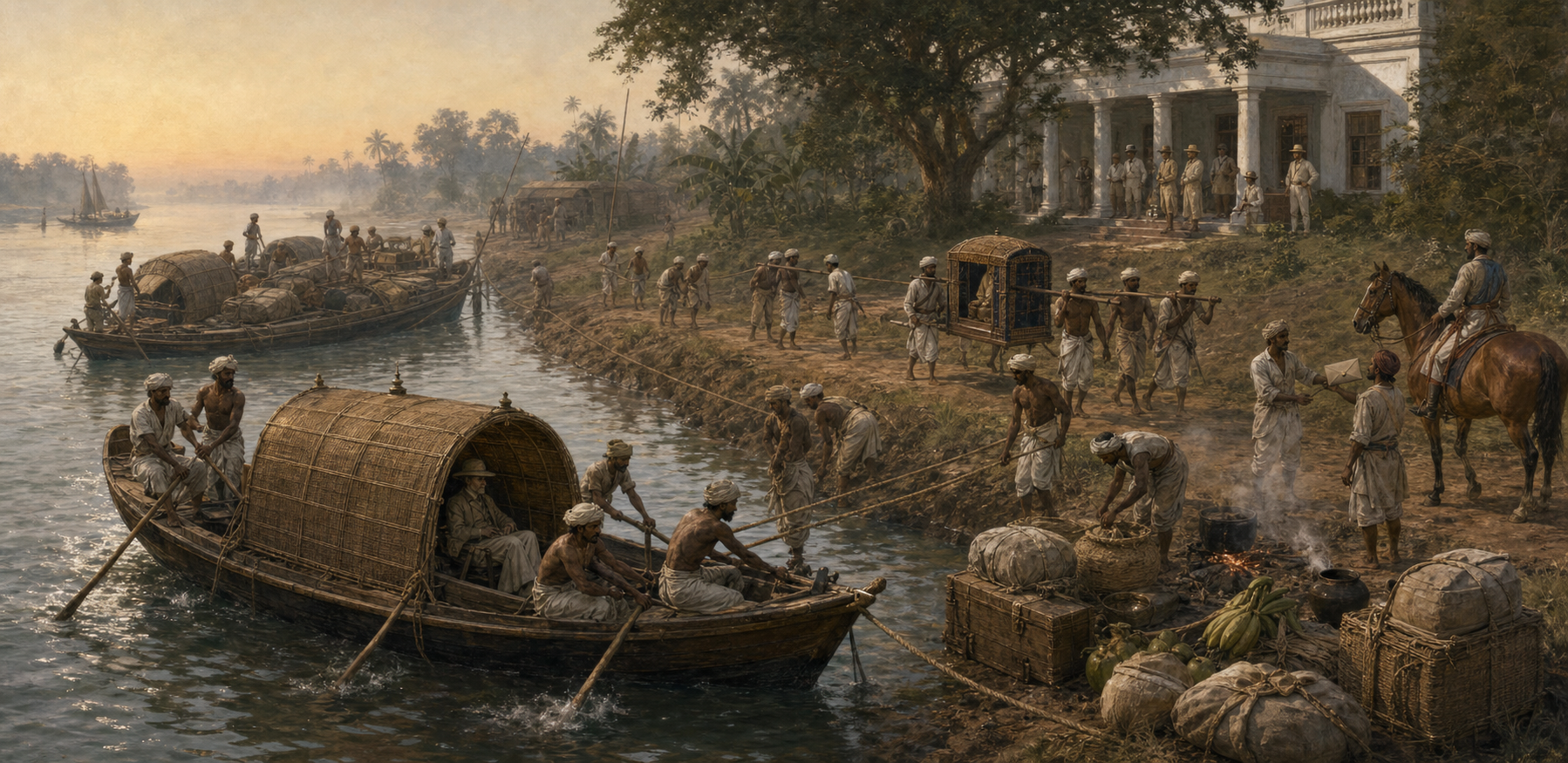
Elite Travel and the Machinery of Colonial Power in Bengal
-
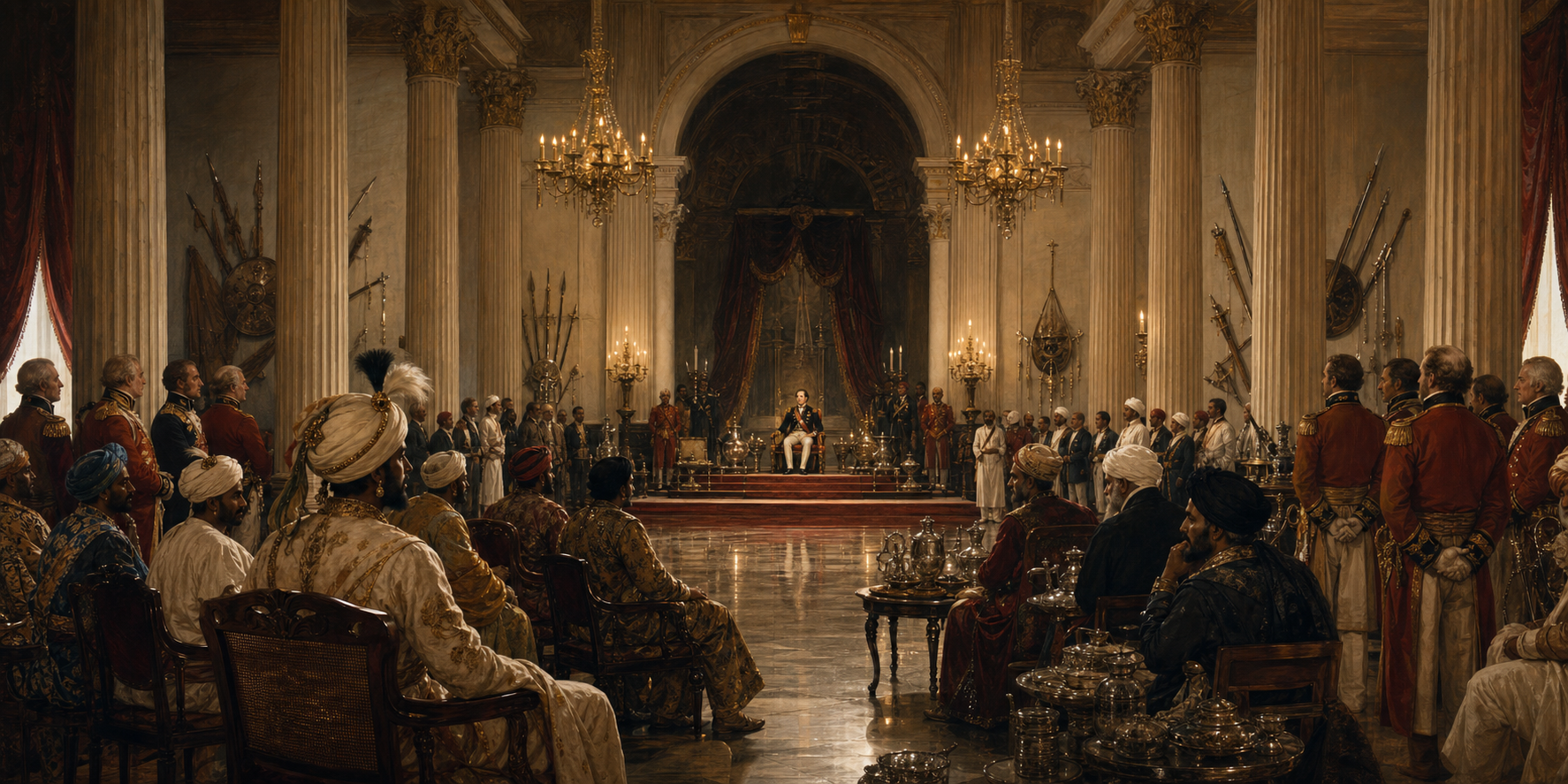
How Marquis Wellesley Staged Colonial Power in Calcutta