
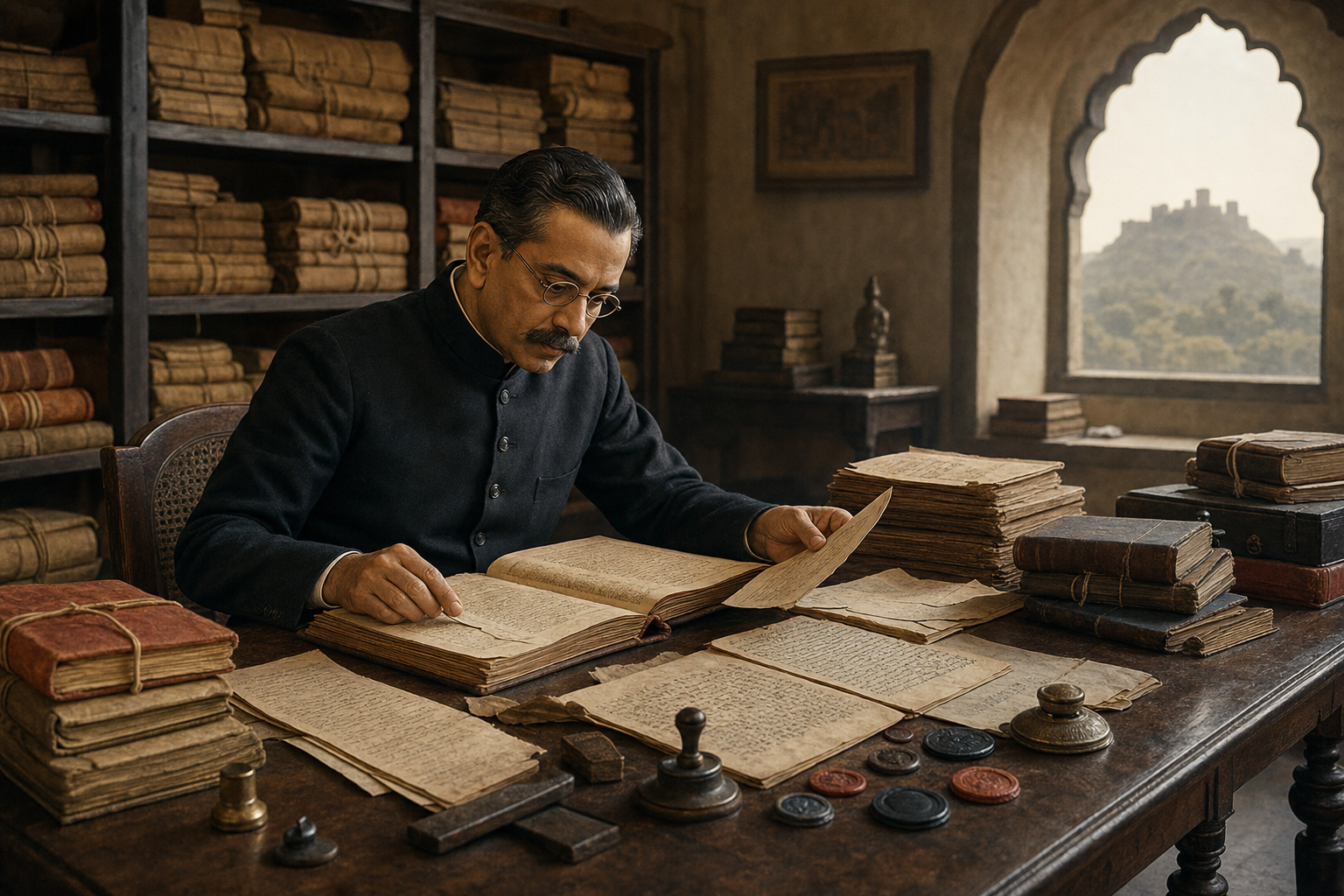
You may meet the Maratha past first as inherited pride, political controversy, or a confident claim circulated without a usable citation. The practical question is not whether you care about this history. It is how you decide what deserves your trust.
D. B. Parasnis offers a method that still works: begin with the surviving evidence, establish its origin and condition, compare different kinds of records, and only then construct the narrative. His lasting importance lies less in one verdict about the Marathas than in making more reliable verdicts possible.
The archive must come before the argument
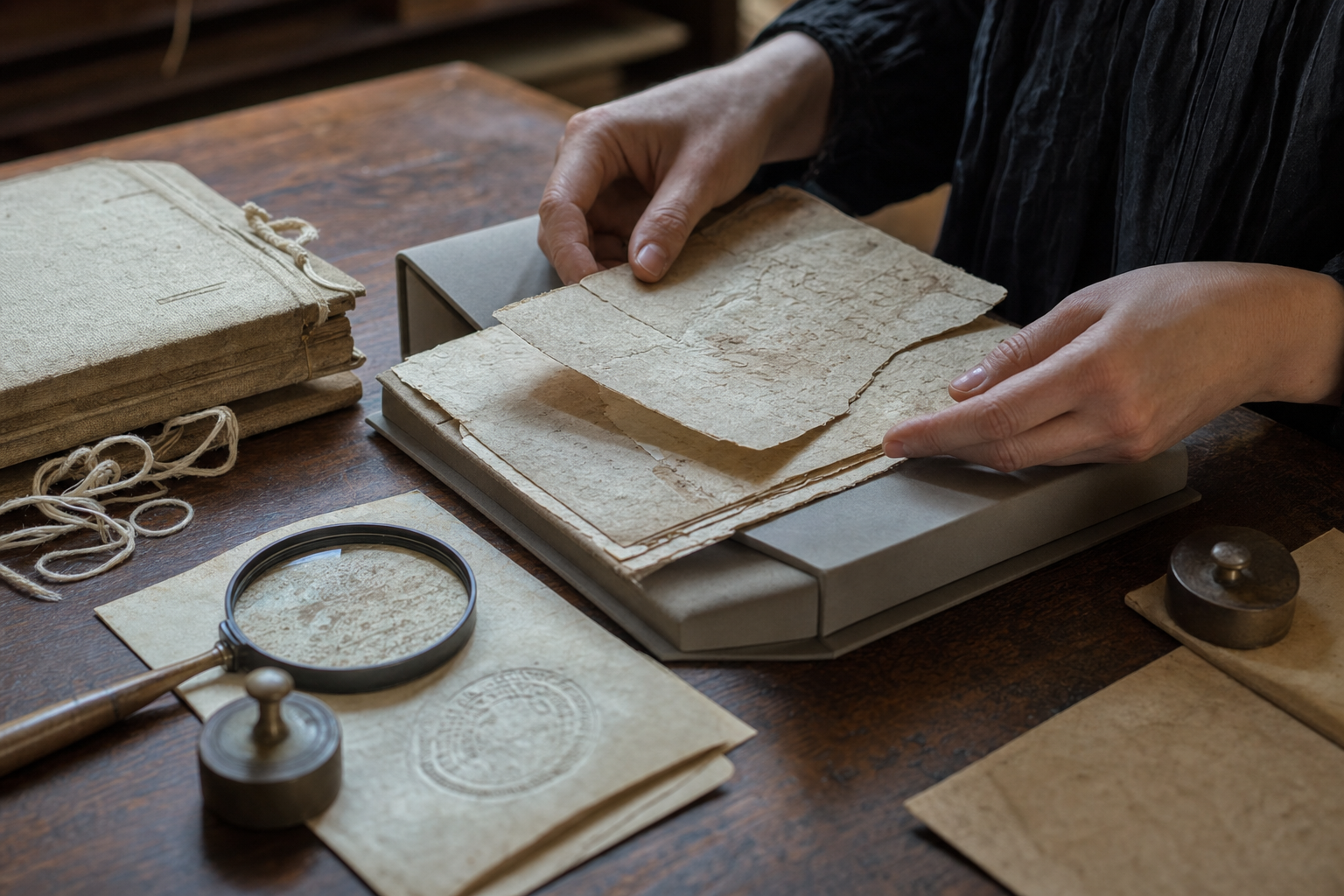
Historiography is not simply a catalogue of what happened. It includes the methods by which evidence is selected, edited, interpreted, and turned into history. Parasnis changed Maratha historiography at this foundational level. He searched for autograph letters, state papers, manuscript compilations, and pictorial records that could support or correct historical narratives.
This distinction matters whenever you encounter a dramatic historical claim. A story can be coherent, memorable, and politically satisfying without being securely established. The better questions are: What is the earliest surviving witness? Who created it? How did it reach the present? Does another independent record confirm, complicate, or contradict it?
Parasnis worked when robust institutional archives were absent in many regions and historically valuable material often remained in private hands. Collecting was therefore not a decorative pursuit. Every rescued manuscript or packet of correspondence expanded the range of questions future historians could answer. Acquisition, preservation, cataloguing, editing, and publication formed one continuous historiographical task.
The point becomes especially important with a bakhar, a Marathi historical narrative that is frequently associated with a courtly setting. A bakhar may preserve names, memories, political viewpoints, and narrative traditions that cannot be recovered elsewhere. It is not, however, a transparent window onto events. You need to know which recension you are reading, whether later material entered the text, how the scribe handled the exemplar, and whether the printed editor recorded meaningful variants.
When someone cites only “the bakhar” without identifying the manuscript family or critical edition, treat the claim as a lead rather than a conclusion. The missing editorial information is part of the evidence, not an academic technicality.
Maratha history cannot be confined to Maratha records
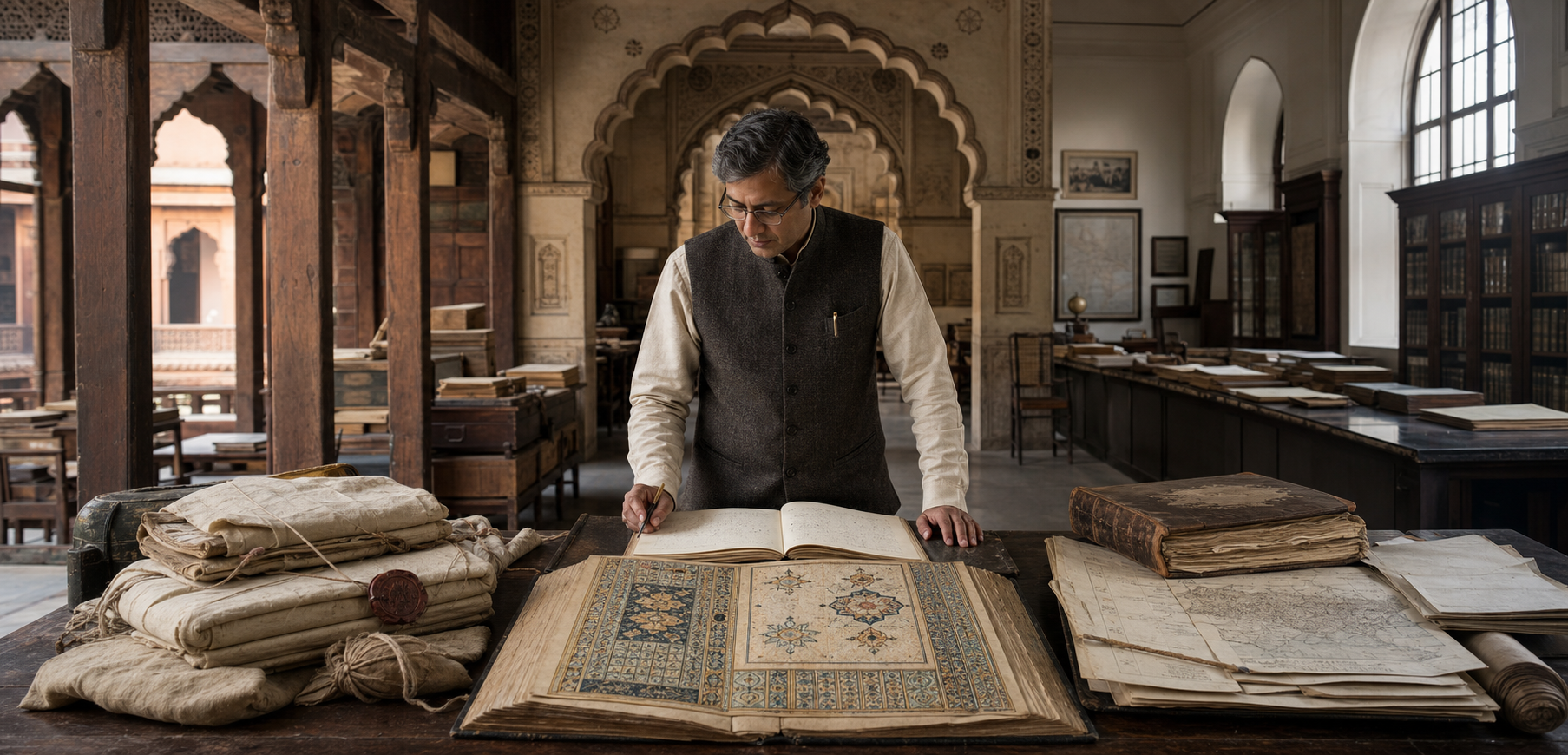
A polity is never documented solely by the people who governed it. Its history also survives in the papers of rivals, allies, residents, administrators, merchants, artists, and later collectors. Parasnis followed this wider evidentiary geography instead of restricting his attention to material carrying an obvious Maratha label.
One of his notable acquisitions was a body of private correspondence addressed to Sir Frederick Currie, the British Resident at Lahore, during the Second Sikh War of 1848–49. Lord Dalhousie, Henry Lawrence, John Nicholson, and others appear in this correspondence. The exchange preserves high-level reasoning after the Multan outbreak, including Dalhousie’s explanation for not suppressing the initial revolt immediately and his assessment of the wider political danger.
Such correspondence provides access to the calculations of colonial officials, but it does not provide a neutral view from nowhere. Its value increases when it is read beside Sikh testimony, regional chronicles, and records produced outside the colonial chain of command. An insider letter can clarify who knew what and when; it cannot, by itself, settle every question of motive, legitimacy, or lived consequence.
Parasnis also obtained three manuscript volumes containing letters associated with figures including Lords Ellenborough and Hardinge. These materials widened the documentary arc from late Company administration toward the consolidation of British rule. For you as a reader, the lesson is methodological: political decisions that affected one region may be documented in an office, private collection, or correspondence network located somewhere else.
His visual acquisitions widened the field again. He preserved Mughal paintings connected with the Satara Raj collection, some originally sent from Delhi in the eighteenth century. In January 1925, he acquired a portfolio of seventeenth-century portraits assembled by a Dutch collector during Aurangzeb’s reign. It largely depicted figures from the Deccani Muslim states and the Mughal court and included a profile of Sawai Jai Singh.
A later dealer had retouched those portraits and applied modern varnish, damaging the surfaces and complicating their interpretation. That detail changes how the images should be used. A painting is not only an image; it is also a physical object with a chain of custody, restoration history, and altered surface. If you ignore that history, you may treat a dealer’s intervention as an original feature.
| Kind of evidence | What it can help establish | What you must still test |
|---|---|---|
| Autograph correspondence | Authorship, sequence, decisions, and the writer’s stated reasoning | Self-justification, omissions, institutional viewpoint, and corroboration |
| State papers and manuscript compilations | Administrative processes, official priorities, and communication networks | Completeness, copying history, selection bias, and later arrangement |
| Bakhar manuscripts | Courtly memory, narrative tradition, political vocabulary, and regional detail | Recension, scribal change, interpolation, chronology, and editorial quality |
| Paintings and portraits | Iconography, representation, courtly connections, and collecting networks | Provenance, attribution, retouching, varnish, and conservation history |
Use five questions to test a Maratha historical claim
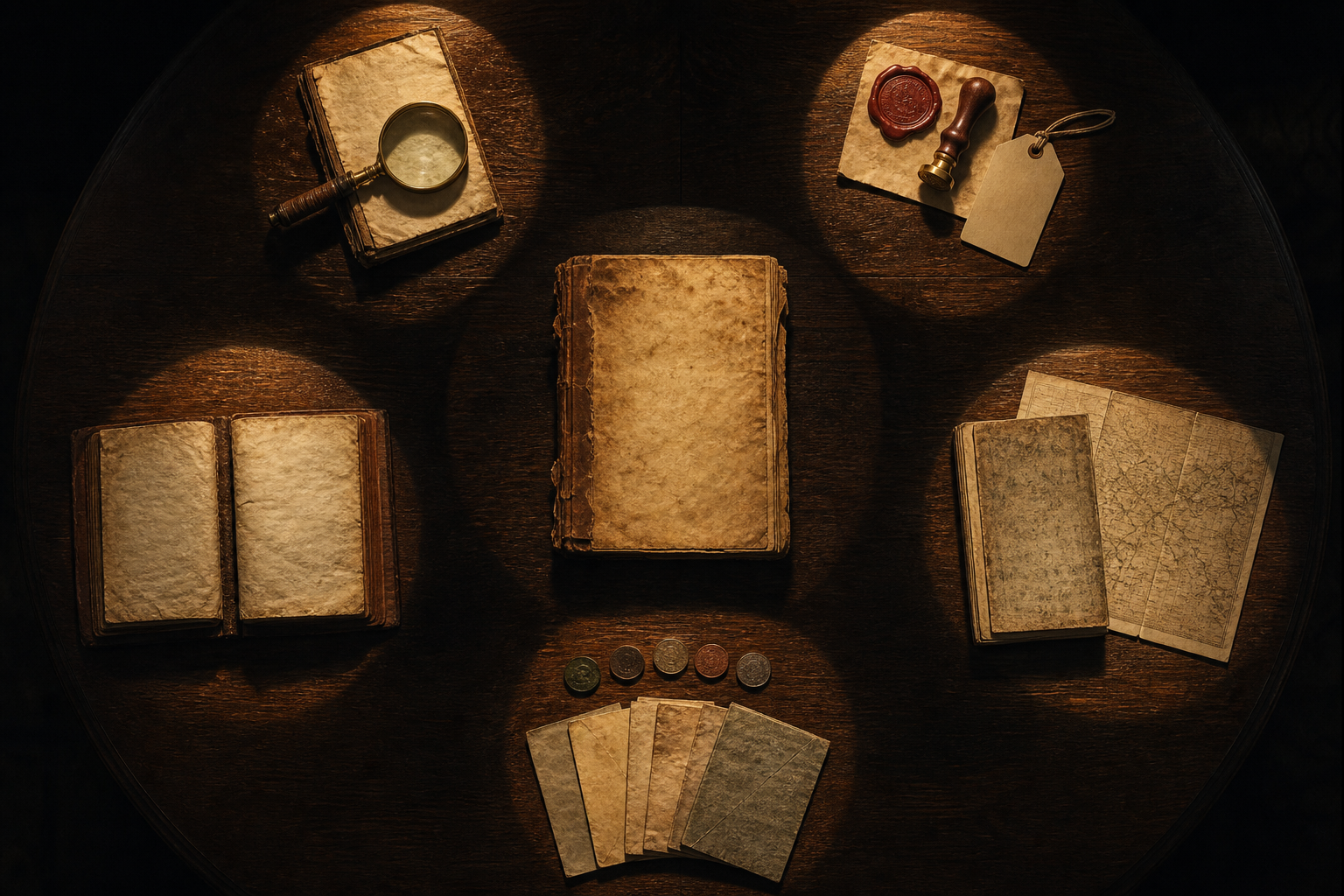
You do not need to become a professional archivist before assessing historical writing. You do need a repeatable test. Apply these five questions whenever a book, lecture, video, or social-media thread asks you to accept a specific claim about the Maratha past.
- What is the earliest identifiable witness? Distinguish an autograph letter from a contemporary copy, a later transcript, a printed edition, and a modern paraphrase. Each step introduces another person who may have omitted, regularised, or misunderstood something.
- What is the chain of custody? Ask where the material was held, who acquired it, whether the collection remained intact, and whether its present arrangement preserves the original context. Provenance is what connects an object to a historically meaningful setting.
- What kind of record is it? A private letter, administrative order, courtly narrative, portrait, and later memoir answer different questions. Do not reject a courtly text because it is not an office file, but do not use it as though genre and patronage had no effect on its account.
- What changes when another archive is consulted? Compare records created by different institutions and communities. Agreement can strengthen a chronology. Contradiction can reveal different vantage points, disputed responsibility, or strategic silence. Either result is more useful than pretending every record must tell the same story.
- Has the material been critically edited? A responsible edition identifies the manuscript used, records significant variants, discusses missing or damaged passages, and separates the editor’s reconstruction from the transmitted wording. If those elements are absent, lower your confidence accordingly.
This method also prevents a common error in civilizational history: choosing a record because it supports the desired conclusion and questioning authenticity only when it does not. The same test has to operate in both directions. Evidence favourable to your position deserves verification just as much as evidence that challenges it.
The Chitnis Bakhar dispute reveals the cost of preservation
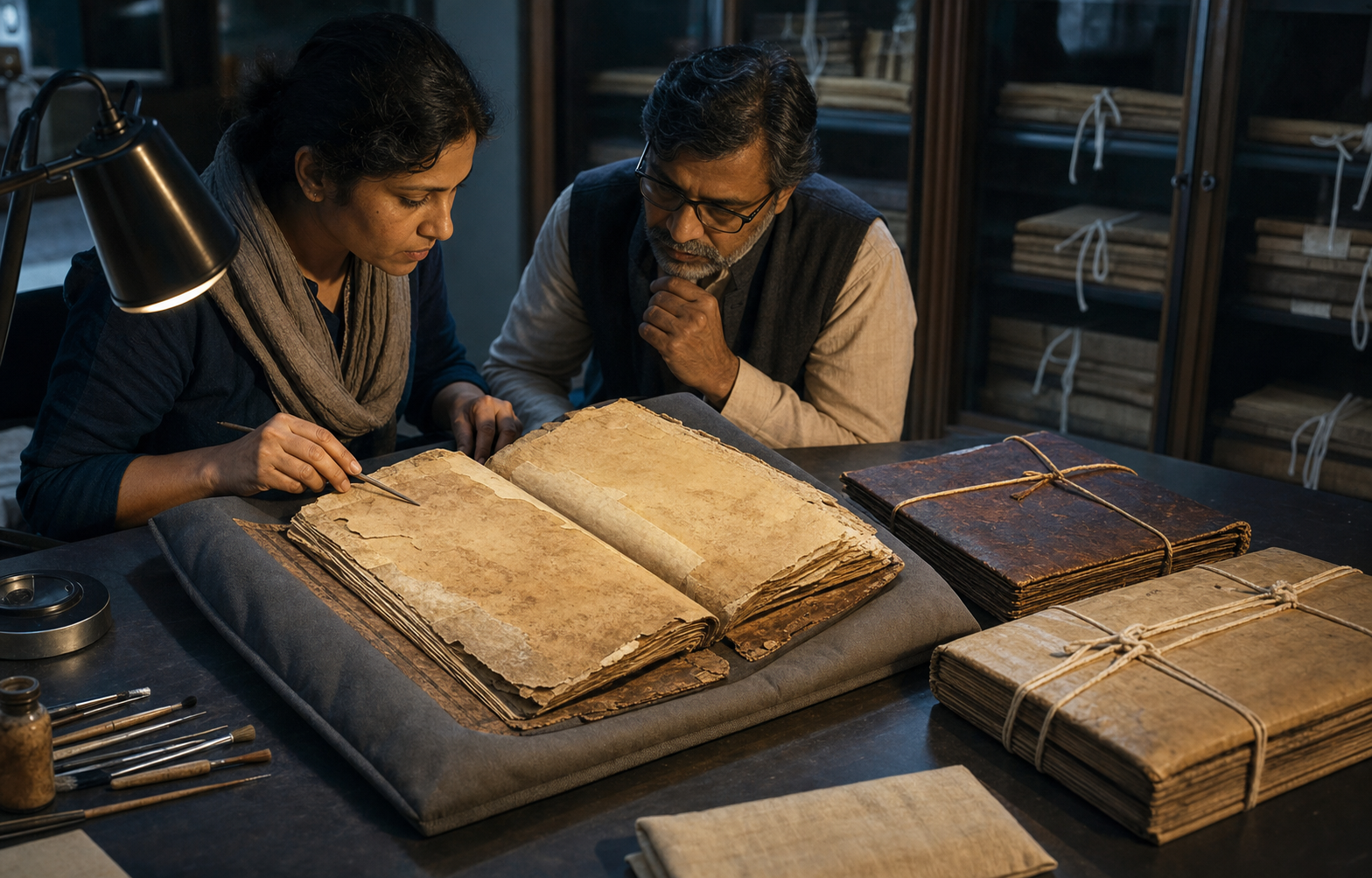
Archival stewardship creates a tension that cannot be solved by slogans. Researchers need access so that claims can be checked independently. A private custodian holding a rare manuscript must also prevent loss, physical damage, careless reproduction, and premature publication from an inadequate text.
That tension became visible when Parasnis was criticised for not lending a manuscript of the Chitnis Bakhar. In his reply from Satara dated 20 March 1926, he explained that the manuscript had initially been with his associate P. V. Mawjee, that he intended to prepare a complete critical edition, and that he would not lend it before making full scholarly use of it.
secured by us after great efforts and expenditure
D. B. Parasnis, letter dated 20 March 1926
His defence should not be converted into a universal right for collectors to withhold material indefinitely. Critics have a legitimate concern: restricted access makes independent verification harder and can leave a unique record dependent on one editor’s judgement. Parasnis nevertheless faced a genuine custodial problem. Years of personal effort and expenditure had placed responsibility for a fragile, unpublished manuscript in private hands, without the dependable institutional systems that later scholars might expect.
The useful distinction is between refusing access and managing access. Physical lending is not the only route to scholarly scrutiny. A careful custodian can preserve the original while creating faithful images, recording dimensions and condition, documenting provenance, identifying restrictions, and setting a credible publication timetable. If even those forms of access are refused without explanation, stewardship begins to look like possession. If an original is casually circulated without safeguards, openness can become negligence.
This dilemma should change how you evaluate historical editions. Do not judge only the finished narrative. Look for the usually invisible labour behind it: acquisition, collation, decipherment, variant checking, conservation, and attribution. A clean printed page may represent years of such work, or it may conceal the absence of it.
Rigorous history is itself a form of civilizational service
Parasnis maintained intellectual distance from the political agitations and polemics around him. That choice was not indifference to Bharat’s past. It protected the historical record from being reduced to the needs of a passing argument. His priority remained the recovery, responsible editing, and publication of evidence.
His periodicals Bharatvarsha and Itihas-Sangraha extended that work beyond private collecting. They provided channels through which records and discoveries could enter informed circulation. The honour of Rao Bahadur, conferred on him in 1913, did not define this contribution; the archive he assembled and the habits of evidence he promoted did.
For a dharmic reader, there is a larger principle here. Civilizational confidence does not require weak claims, convenient omissions, or immunity from textual criticism. It requires the opposite. Hindu, Sikh, Buddhist, and Jain histories are better protected when records are preserved accurately, rival testimony is examined fairly, and later alteration is acknowledged rather than hidden.
Parasnis’s collecting across Maratha, Sikh, Mughal, and British-Indian contexts also resists a fragmented view of Bharat’s history. These traditions and political formations did not occupy sealed compartments. Decisions made at courts and colonial offices crossed regional boundaries; artworks travelled between collections; manuscripts passed through private hands; and one archive could illuminate events centred far from where it was eventually preserved.
Key takeaways
- Parasnis strengthened Maratha historiography by enlarging its primary evidentiary base, not by offering one final narrative that later readers must accept.
- A historical claim is only as strong as its identifiable witness, provenance, genre analysis, corroboration, and editorial handling.
- A bakhar should be read as a transmitted text with possible recensions and interpolations, not cited as an undifferentiated authority.
- British correspondence can clarify colonial decision-making, but it must be checked against Sikh, regional, and other evidence rather than treated as neutral testimony.
- Paintings require provenance and conservation analysis because retouching and varnish can alter the very features historians interpret.
- Responsible stewardship must balance preservation with verifiable access; neither private priority nor unrestricted physical circulation is sufficient by itself.
Choose one Maratha historical claim that matters to you and trace its citation backward until you reach an identifiable manuscript, letter, object, or critical edition. If the chain breaks at a modern retelling, you have found the next question to ask. That disciplined pause before belief is the most practical way to continue Parasnis’s work.