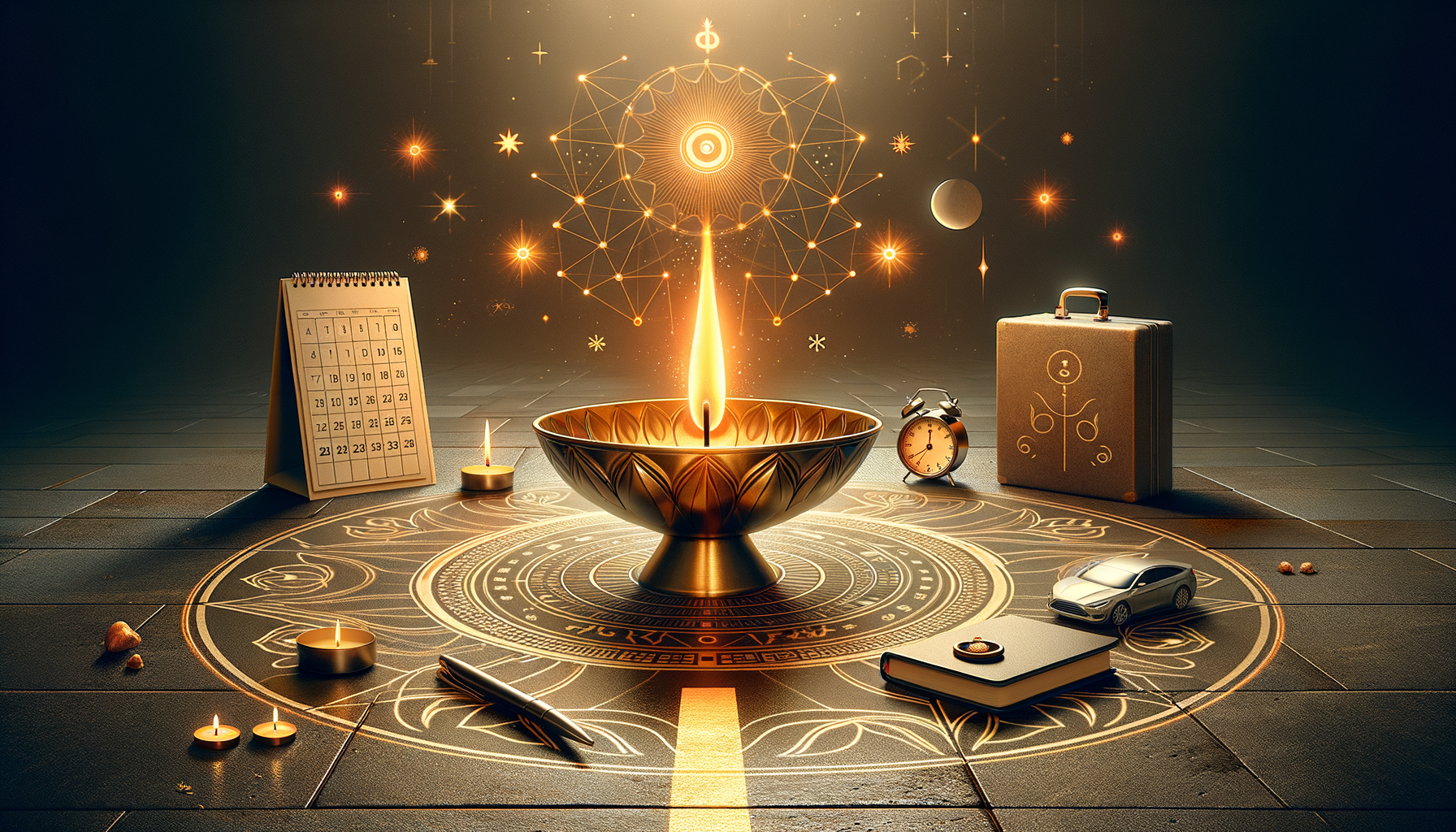
This guide presents a clear, practical framework for identifying auspicious days for Krittika (Karthigai) Nakshatra natives in 2026. As the third of the 27 Nakshatras in the Hindu calendar, Krittika is traditionally aligned with initiative, clarity, and disciplined action. Within this framework, auspicious windows can be selected for starting new ventures, meeting clients, initiating educational courses, undertaking profitable journeys, or purchasing vehicles and other assets with greater confidence.
Krittika’s symbolic association with Agni (purifying fire) emphasizes decisive beginnings, refinement, and sustained effort. In an academic sense, this translates into choosing timings that support intention, remove friction, and align with favorable lunar and planetary conditions. Many Krittika natives describe feeling energized and well-supported when plans are launched in such windows, especially when practical preparation accompanies the chosen muhurat.
Several classical Panchang indicators can help pinpoint auspicious days in 2026 without requiring a full technical reading. Moon transit through Krittika, Uttara Phalguni, or Uttara Ashadha often strengthens initiative-oriented tasks connected with Krittika’s solar rulership. Tithis such as Dwitiya, Tritiya, Panchami, Saptami, Dashami, Ekadashi, and Trayodashi are generally considered conducive to beginnings, while Rikta tithis (Chaturthi, Navami, Chaturdashi) are typically avoided for initiating ventures. Weekday alignment may further refine choices: Sunday (Sun) supports leadership and visibility; Wednesday (Mercury) benefits commerce and negotiations; Thursday (Jupiter) strengthens education and finance; and Friday (Venus) is traditionally favorable for vehicle purchases and aesthetics-related decisions.
Personalization remains crucial. Tarabalam (star-strength) relative to the native’s Janma Nakshatra and Chandrabalam (Moon’s strength) on a given day can materially shift a choice from average to auspicious. In 2026, Krittika natives are encouraged to check Tarabalam and Chandrabalam via a reliable local Panchang and to consider current dasha and transit influences before locking a date. This approach supports both accuracy and adaptability while preserving the traditional spirit of muhurta selection.
For practical application in 2026, a concise checklist can help. For new ventures and client meetings, combining Shukla Paksha (waxing Moon), a supportive tithi, and Wednesday or Thursday often strengthens outcomes; ensure the chosen time avoids Rahu Kalam, Yamagandam, and Gulika Kalam. For initiating educational courses, Thursday is a classic choice, with Krittika or supportive nakshatras conferring steadiness and focus. For journeys, Saptami and Dashami are frequently preferred; ensuring good Chandrabalam for the day supports a smooth experience. For buying cars or other vehicles, many choose Friday in Shukla Paksha, ideally within a Venus hora, while avoiding periods of malefic strength and local inauspicious intervals.
Regional calendars should guide final decisions. In the Tamil tradition, Karthigai holds special devotional significance; however, not all Karthigai days are uniformly auspicious for every task. A locally computed 2026 Panchang, set for the native’s city and time zone, remains the most precise source due to daily variations in tithi, nakshatra, and planetary dynamics. This localization ensures the selected muhurta truly reflects lived time rather than generalized tables.
The broader dharmic ethos that supports Panchang-based timing underscores shared values across Hinduism, Buddhism, Jainism, and Sikhism: reverence for time, intention, discipline, and compassionate action. Choosing auspicious moments is not about exclusion but about aligning human effort with rhythmic, ethical livinga principle that resonates across these traditions and strengthens mutual respect and unity.
Muhurta selection complements, rather than replaces, practical considerations. Sound planning, legal compliance, budget discipline, and stakeholder alignment remain essential. When practical readiness meets an auspicious window, Krittika’s qualitiesclarity, initiative, and perseverancetend to express more fully in 2026 endeavors.
A simple process can anchor decisions throughout 2026: define the objective; shortlist candidate dates using tithi, nakshatra, weekday, and Tarabalam/Chandrabalam; filter out local inauspicious periods; prioritize convenience for stakeholders; and finalize a precise window using the local Panchang. Applied consistently, this method helps Krittika (Karthigai) Nakshatra natives act with confidencewhether starting new ventures, meeting clients, beginning courses, embarking on journeys, or buying vehiclesrooted in a timeless, dharmic understanding of auspicious time.
Inspired by this post on Hindu Pad.