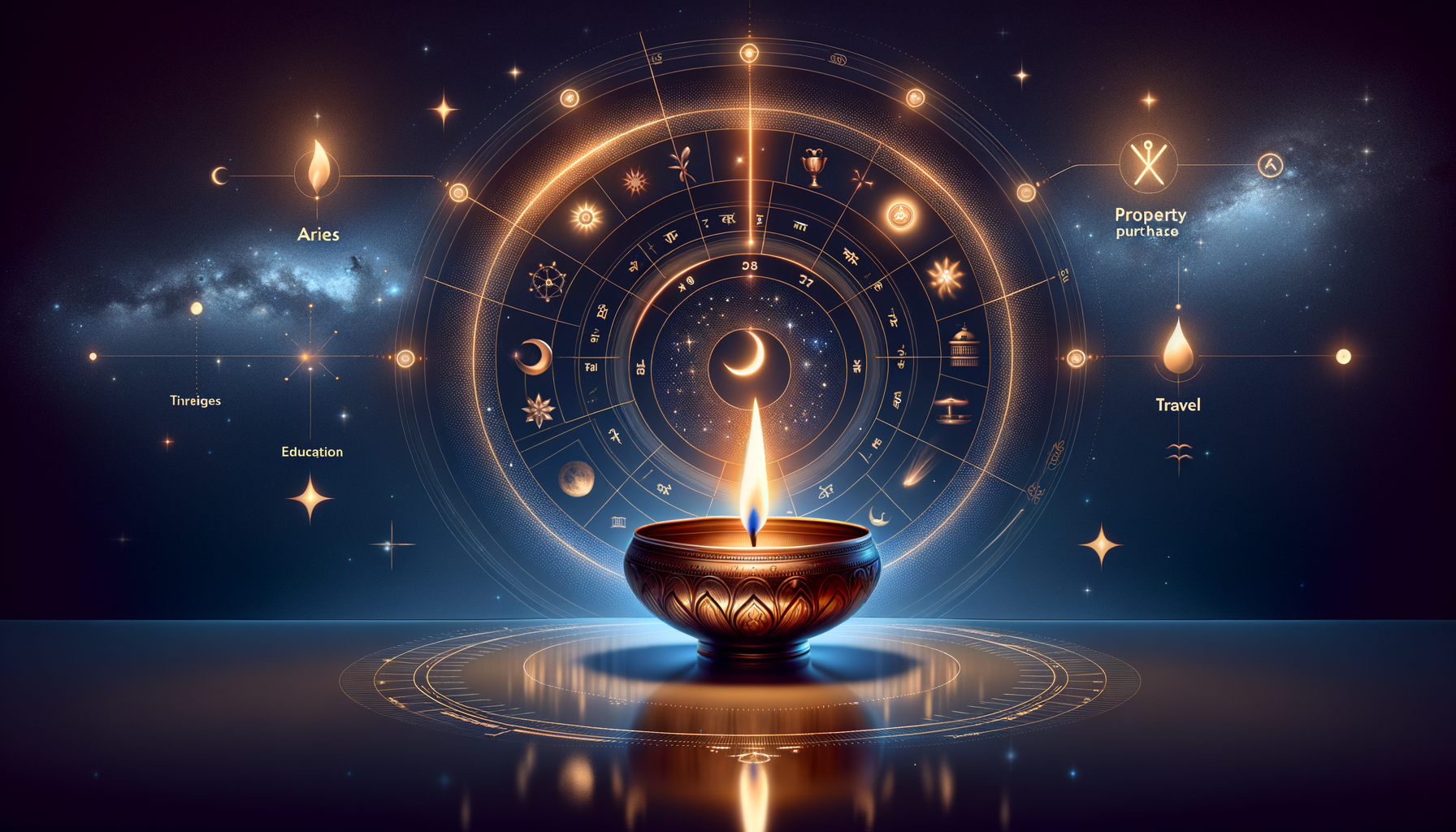
This guide presents a clear and practical framework for identifying auspicious days, dates, and time windows in 2026 for Krittika (Karthigai) Nakshatra natives. It explains how these favorable periods can be aligned with new ventures, client meetings, educational enrolments, purposeful journeys, and significant purchases such as vehicles or property, while staying rooted in the shared dharmic ethos of care, clarity, and responsibility.
Krittika is the third among the 27 Nakshatras in Hindu astrology, presided over by Agni and governed by the Sun (Aditya). Spanning late Aries to early Taurus, it is associated with discernment, refinement, and transformative energy. In practice, many Krittika natives report a heightened sense of purpose when the Moon supports their natal star through Tarabalam and Chandrabala, making these windows especially suitable for decisions that benefit from focus and precision.
Auspicious days for Krittika Nakshatra in 2026 are best identified through the Panchang, integrating five key elementsTithi, Vara (weekday), Nakshatra, Yoga, and Karanaalongside Tarabalam and Chandrabala. Complementary checks include avoiding Rahu Kalam and Yamagandam and preferring horas linked to benefics where applicable. This multi-parameter approach strengthens timing choices for initiatives such as business launches, formal client negotiations, admissions to new courses, travel with clear objectives, and purchasing cars or other assets.
Regional observances enrich this timing practice. In Tamil traditions, Krittika aligns with Karthigai and the broader Karthikai Month; in many parts of India, Karthika masam holds deep cultural resonance. Fire (Agni) worship, lamp lighting, and mindful offerings during these periods echo a shared symbolism across Hindu, Buddhist, Jain, and Sikh traditionswhere inner purification, ethical intention, and community well-being are valued. Approaching auspicious days with inclusivity and gratitude supports unity among dharmic paths.
To find specific auspicious dates in 2026 for Krittika Nakshatra, it is advisable to consult a reliable regional Panchang or an accurate, timezone-aware digital Panchang. Steps include: setting the correct location and time zone; checking monthly calendars for favorable Tarabalam relative to the natal Krittika; confirming supportive Tithi, Vara, and Yoga; and cross-verifying that the selected window avoids Rahu Kalam and Yamagandam. For high-stakes events, personalized guidance from a qualified jyotisha can refine the muhurat further.
Application guidance is straightforward. For starting a venture, select a window with strong Tarabalam and supportive Tithi/Yoga; for client meetings, add a benefic hora if feasible. For initiating new educational courses, favor days with clear Chandrabala and a sattvic Yoga. For journeys intended to secure outcomessuch as site visits or signing ceremonieschoose a time free of malefic intervals. For vehicle or asset purchases, align the selection with supportive Vara and Nakshatra, and complete documentation during the strongest sub-window within the day.
Simple observances can deepen alignment on these days: a concise sankalpa (clear intention), a lamp offering honoring Agni, quiet breath awareness to steady the mind, and acts of dana (charity) that promote shared welfare. These practices resonate across dharmic traditions and underscore an ethic of responsibility and compassion alongside the technical precision of muhurat selection.
It is important to note that no single date suits every individual circumstance. A general auspicious list is a helpful starting point, but personal charts, professional constraints, and local calendars can shift priorities. When in doubt, prioritize clarity of purpose, ethical intent, and careful verification of the Panchang parameters to ensure that timing supports both practical success and inner steadiness.
By combining the luminous insight of Krittika with disciplined muhurat planning, 2026 can be approached with confidence, discernment, and a spirit of unityaligning personal goals with the broader dharmic commitment to wellbeing and harmony.
Inspired by this post on Hindu Pad.