Friday, December 19, 2025, is marked in the Hindu calendar (Panchang) as Amavasya, the no-moon day, across most regions. According to the tithi sequence, Krishna Paksha Chaturdashi (the fourteenth day of the waning phase) prevails until 4:35 AM IST on December 19, after which Amavasya begins and continues until 6:37 AM IST on December 20. These timings are presented in Indian Standard Time (IST) and are generally applicable across India, with minor local variations.
For the civil date of Friday, December 19, the day is predominantly Amavasya. This is a period traditionally associated with introspection, quietude, and spiritual renewal. In Panchang usage, such clarity on tithi transitions helps plan observances with accuracy and respect for tradition.
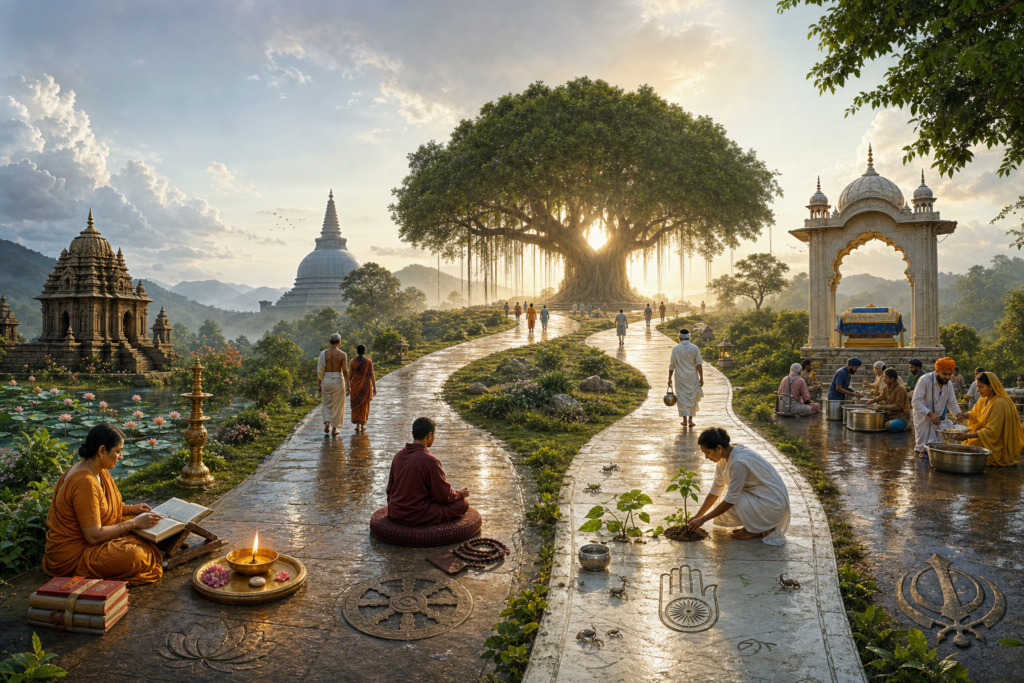
Amavasya carries shared contemplative value across dharmic traditions. In Hindu practice, it is commonly reserved for meditative practices and remembrance of ancestors (pitṛ-kārya) according to family customs. Many in Buddhist and Jain communities also emphasize silence, self-discipline, and ethical mindfulness aligned with the lunar rhythm. Sikh families, while following the Nanakshahi calendar, often participate in culturally rooted, community-oriented reflection on no-moon days. These convergences underscore a unifying ethos of inner clarity and compassionate action across traditions.
Shubh Muhurat on any date is determined by the dynamic interplay of Tithi, Nakshatra, Yoga, Karana, and the relevant Lagna. As Nakshatra and Rashi details vary by locality and calculation method, consulting a reliable local Panchang or Vedic calendar app is recommended for precise auspicious windows, especially for rites, charitable giving, or sankalpa-based activities. This approach sustains both accuracy and adherence to regional paramparā.
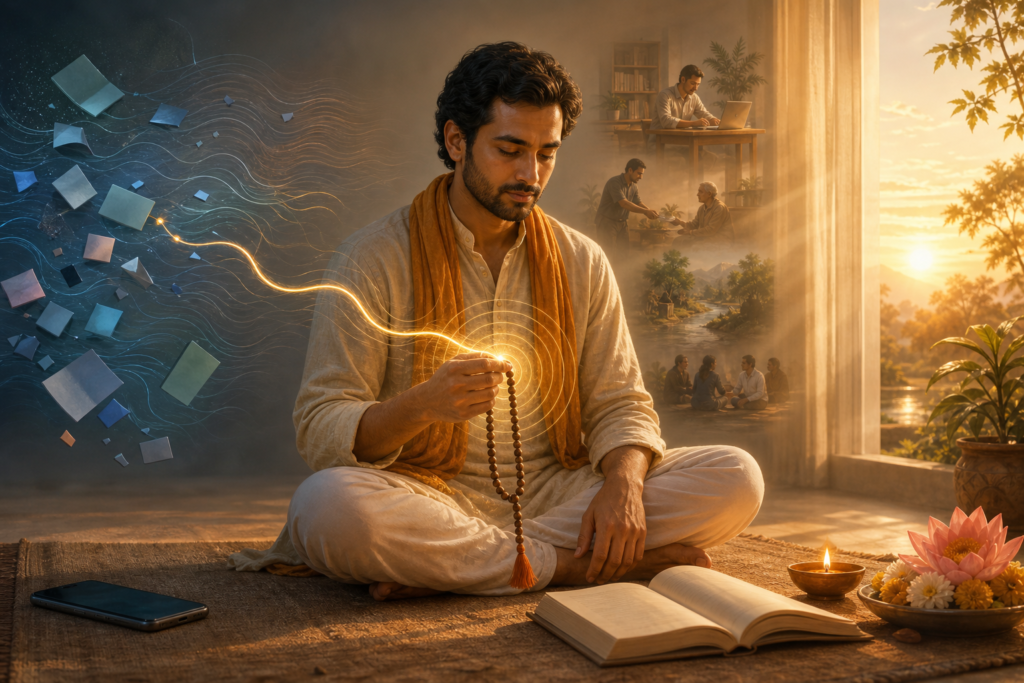
Practical observances on Amavasya often include simple sattvic meals, lighting a dīya at dusk, quiet japa or pranayama, and acts of dāna (charity) according to capacity. Many households maintain a serene atmosphere conducive to meditation and scriptural study, aligning personal discipline with the lunar cycle’s restorative symbolism.
Because Panchang elements can differ slightly by region and tradition, the guidance above is offered as a harmonizing framework. Aligning decisions with local sunrise and moon-cycle calculations preserves the integrity of Tithi timing, while honoring the shared dharmic emphasis on unity, compassion, and inner steadiness during Amavasya.
Inspired by this post on Hindu Blog.