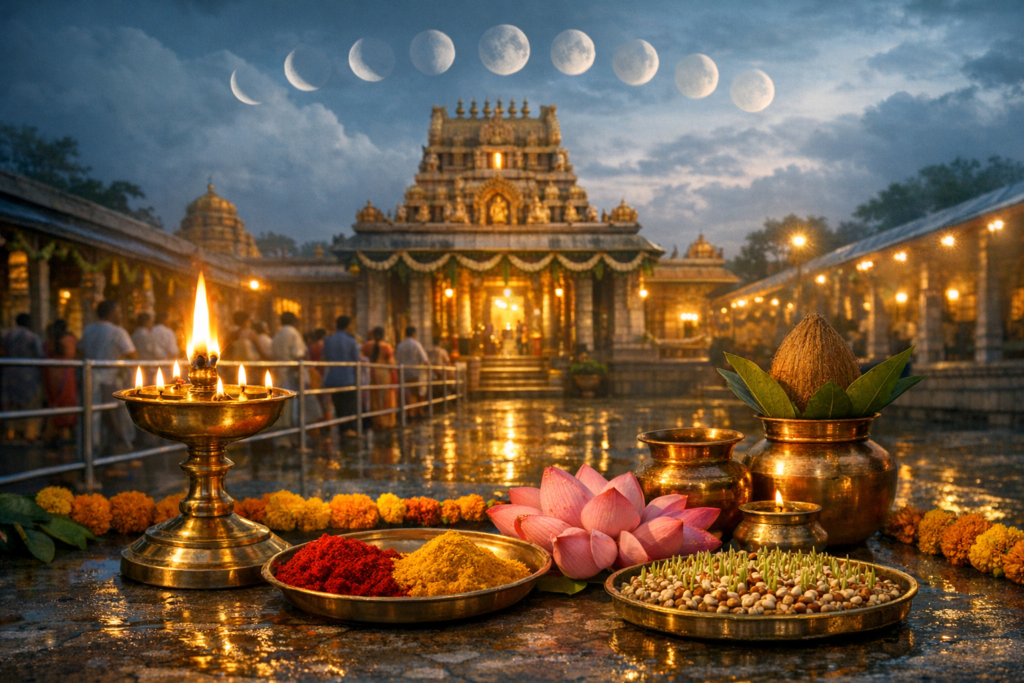
This overview presents the important Hindu festivals and auspicious days in January 2026, as referenced in the standard Hindu Panchangam of India. The month prominently features Makar Sankranti (Pongal), Shakambari Navratri, Magh Mela, and observances throughout Magha Maas. For readers planning rituals and temple visits, the alignment of dates with local calendars remains essential, since regional panchangs and temple schedules may vary by location.
January 2026 spans Paush Month and Magha Month in the North Indian lunar reckoning, a period marked by transition and renewal. The shift to Magha Maas emphasizes sacred bathing (snan), charity (daan), and japa, reflecting a broader ethic of inner purification and social responsibility that resonates across dharmic traditions. Communities often experience this season as a bridge between personal discipline and collective well-being.
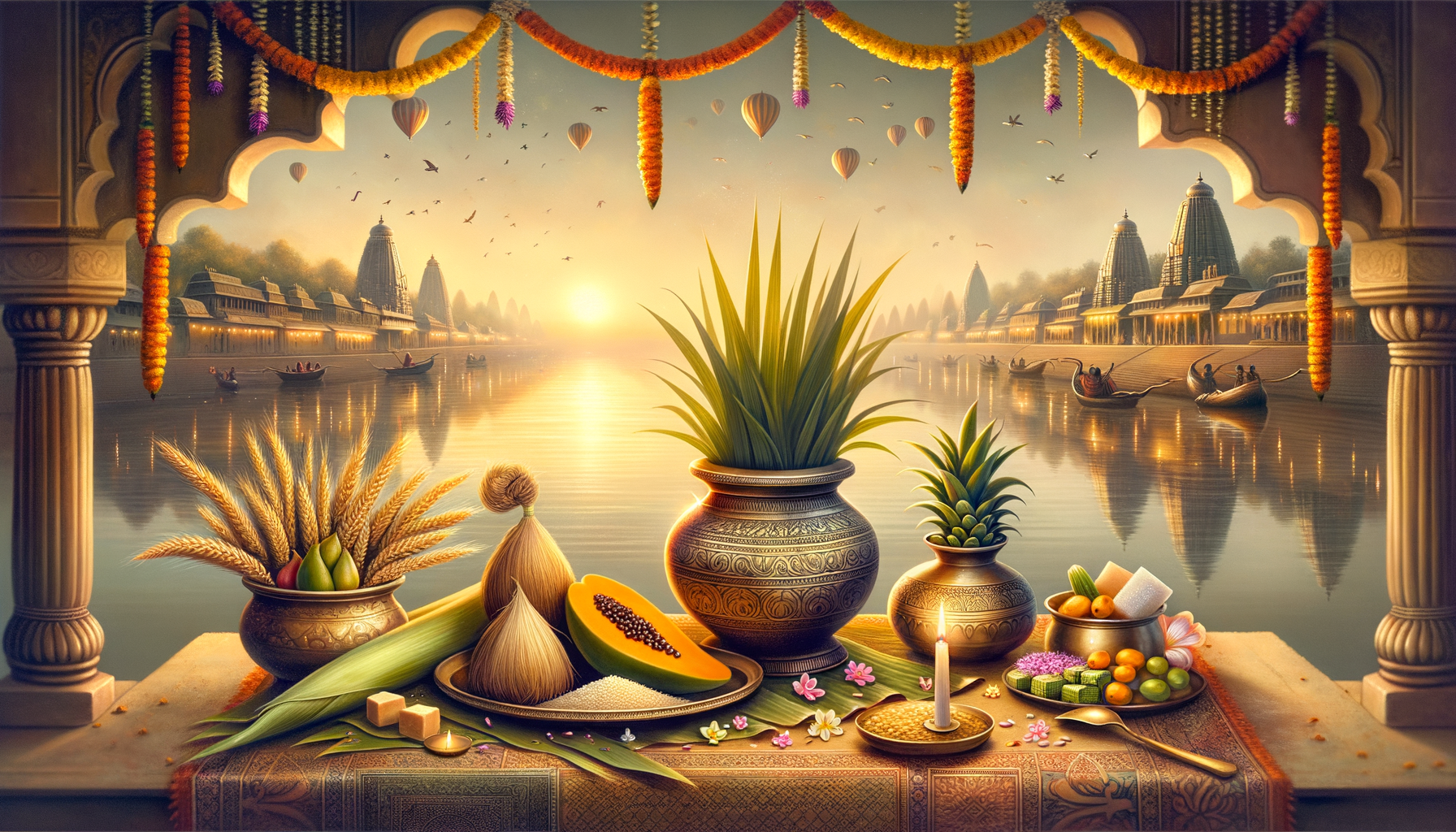
Makar Sankranti, observed when the Sun enters Makara Rashi (Capricorn), is a pan-Indian harvest celebration with distinct regional expressions, including Pongal in Tamil Nadu and related seasonal festivities in many parts of India. Rituals commonly include offering arghya to Surya, preparing til and jaggery sweets, and symbolic acts such as kite-flying that evoke aspirations for uplift and clarity. Families and neighborhoods frequently come together in seva and shared meals, reinforcing bonds of kinship and cultural continuity.
Shakambari Navratri, observed around the Paush–Magha period in many regions, honors Devi in her nourishing aspect. Devotees meditate on the sustaining power of nature and gratitude for abundance, integrating daily worship with offerings of vegetables and grains. The devotional atmosphere invites reflection on ecological responsibility and the interdependence of community, food, and spiritual life.
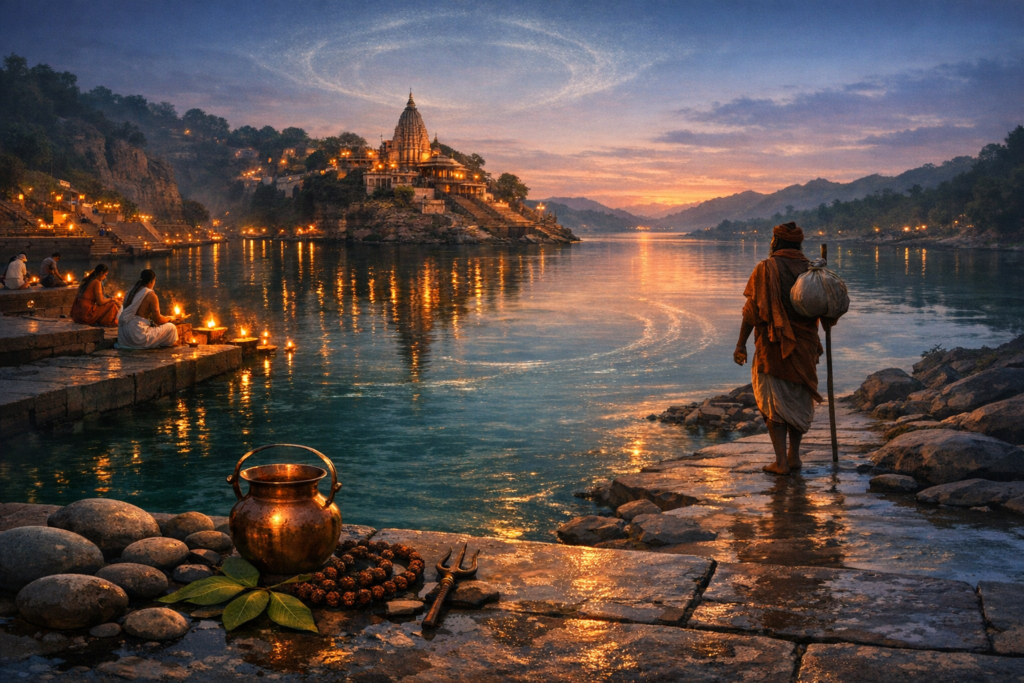
Magh Mela, traditionally centered at Prayagraj during Magha Maas, draws pilgrims for sacred bathing at confluences and for focused sadhana. The practice of early-morning snan, combined with dana and vrata, is viewed as spiritually meritorious. Many households mirror these disciplines at home through simple, consistent routines—lighting a lamp, reciting mantras, and engaging in mindful charity—thereby linking personal practice with the larger rhythm of the festival season.
This period also highlights shared values across Hinduism, Buddhism, Jainism, and Sikhism, including ahimsa, dana, seva, and inner reflection. While specific festivals follow Hindu calendrical traditions, the season’s emphasis on service, meditation, and communal harmony is widely embraced. Acts such as annadana, langar, and community clean-ups become lived expressions of unity in diversity, strengthening social cohesion through compassionate action.
Given that tithis and muhurats are determined astronomically, readers are advised to confirm exact timings using a trusted local Panchang, temple notice, or regional almanac. This ensures accuracy for sankalp, vrata, homa, and temple darshan, especially on high-traffic days like Makar Sankranti and during key phases of Shakambari Navratri and Magh Mela. Planning ahead supports a calm, reflective observance aligned with traditional guidance.
In sum, January 2026 invites reflective celebration: gratitude for harvests, reverence for nature’s sustenance, and commitment to ethical living. Whether through simple household puja, participation in community seva, or pilgrimage during Magha Maas, the month offers practical pathways to deepen spiritual intent while honoring the plural ethos of the subcontinent’s dharmic heritage.
Inspired by this post on Hindu Pad.