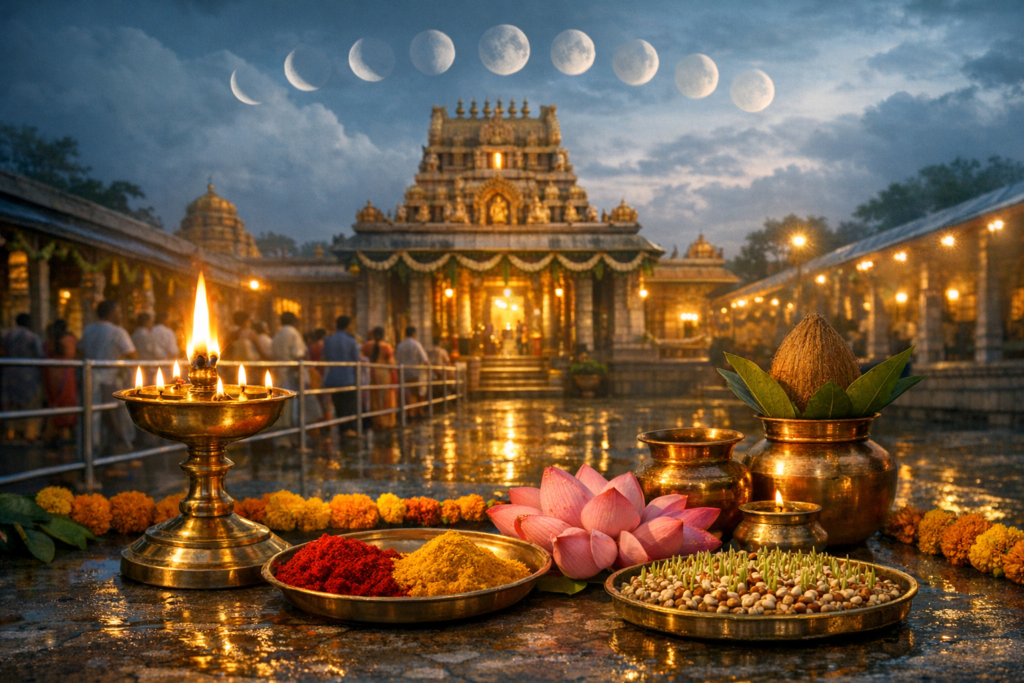
Govatsa Dwadashi, also known as Nandini Vrata and popularly called Vasu Baras in Maharashtra, is observed on the 12th day of Krishna Paksha in the Ashwin month across North India, Gujarat, Maharashtra, Karnataka, Telangana, and Andhra Pradesh. Govatsa Dwadashi 2025 falls on October 17, marking an auspicious prelude to Diwali and setting a contemplative tone of gratitude, service, and restraint. The observance centers on the reverential worship of the cow and calf, honoring Nandini, the divine cow associated with abundance, nourishment, and dharma.
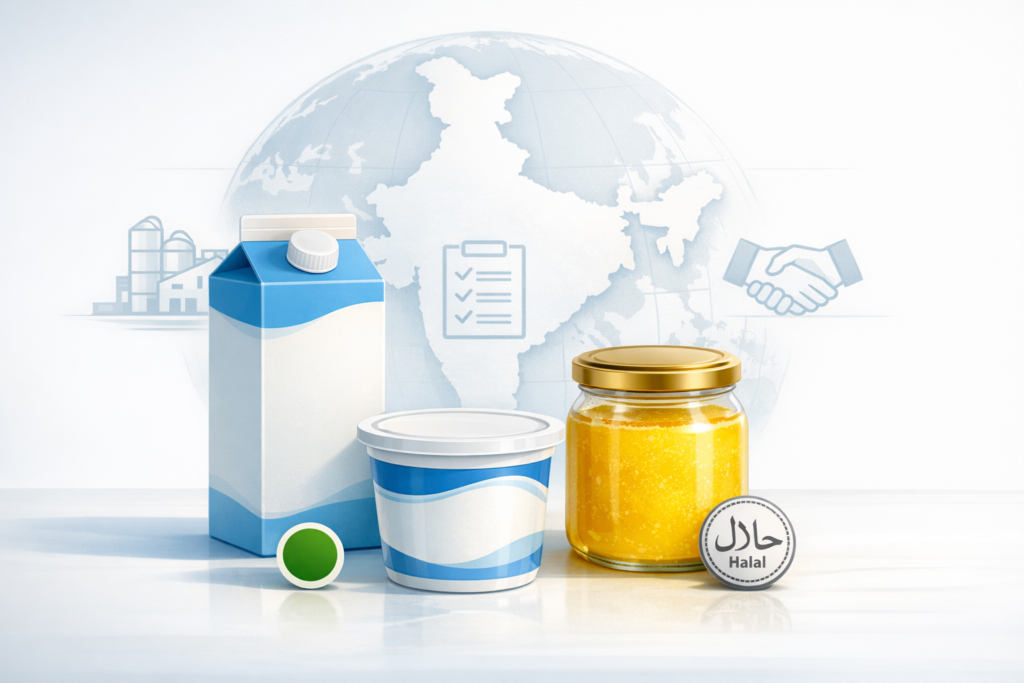
In many regions, this day is regarded as the opening movement of the Diwali cycle, with families beginning preparations and prayers that emphasize auspiciousness, purity, and social harmony. Rituals include cleaning and decorating cows with haldi-kumkum, adorning them with garlands, and offering seasonal grains, green fodder, and sweets as naivedya. Households often draw rangoli motifs of a cow and calf at the threshold, perform aarti, and recite prayers that acknowledge the cow’s role in sustaining agrarian life. A widely observed practice is refraining from dairy consumption on this day as a mindful gesture of gratitude.
According to Bhavishya Purana, the Nandini Vrata extols the sanctity of gau-puja and its capacity to confer well-being, prosperity, and progeny. Nandini—venerated in the narrative tradition as the wish-fulfilling divine cow connected with the sage Vasiṣṭha—symbolizes the cosmic principle of nourishment and ethical responsibility. In this scriptural frame, Govatsa Dwadashi becomes more than a ritual; it is a disciplined vow that aligns personal conduct with dharma, compassion toward sentient beings, and stewardship of the natural world.
Across communities, the festival’s emotional resonance lies in simple, tangible acts: feeding a cow, offering water, gently touching the calf’s forehead in blessing, and sharing prasada with neighbors. These customs strengthen family bonds, cultivate intergenerational learning, and reinforce an ethic of care that supports village life, goshalas, and sustainable livelihoods. For many, the day offers a reflective moment to assess consumption, practice restraint, and adopt eco-conscious choices as Diwali approaches.
Regional names and nuances enrich the observance. In Maharashtra, Vasu Baras inaugurates Diwali preparations with special household vows for the health and happiness of children. In Gujarat and North India, the vrat integrates seamlessly with local Diwali customs, while in Karnataka, Telangana, and Andhra Pradesh, the day’s core ethos—cow reverence, gratitude, and community service—remains consistent. These variations demonstrate how diverse local traditions uphold a shared cultural fabric.
Govatsa Dwadashi also highlights a unifying dharmic ethic. Reverence for life (ahimsa), generosity (dāna), service (seva), and mindful consumption are principles cherished across Hinduism, Buddhism, Jainism, and Sikhism. By emphasizing compassion for animals, respect for food systems, and responsible care for all living beings, the observance exemplifies values that strengthen interfaith harmony within the broader dharmic family.
Those wishing to observe the vrat meaningfully may focus on a few essentials: perform sunrise prayers; offer a simple naivedya of grains and fodder to a cow and calf; avoid dairy for the day as an expression of gratitude; support local goshalas or community animal-care initiatives; and adopt eco-friendly decorations and oil lamps for the coming festival days. Approached in this spirit, Govatsa Dwadashi deepens the Diwali experience, transforming celebration into a pathway of inner refinement, social cohesion, and sustainable living.
Inspired by this post on Hindu Blog.