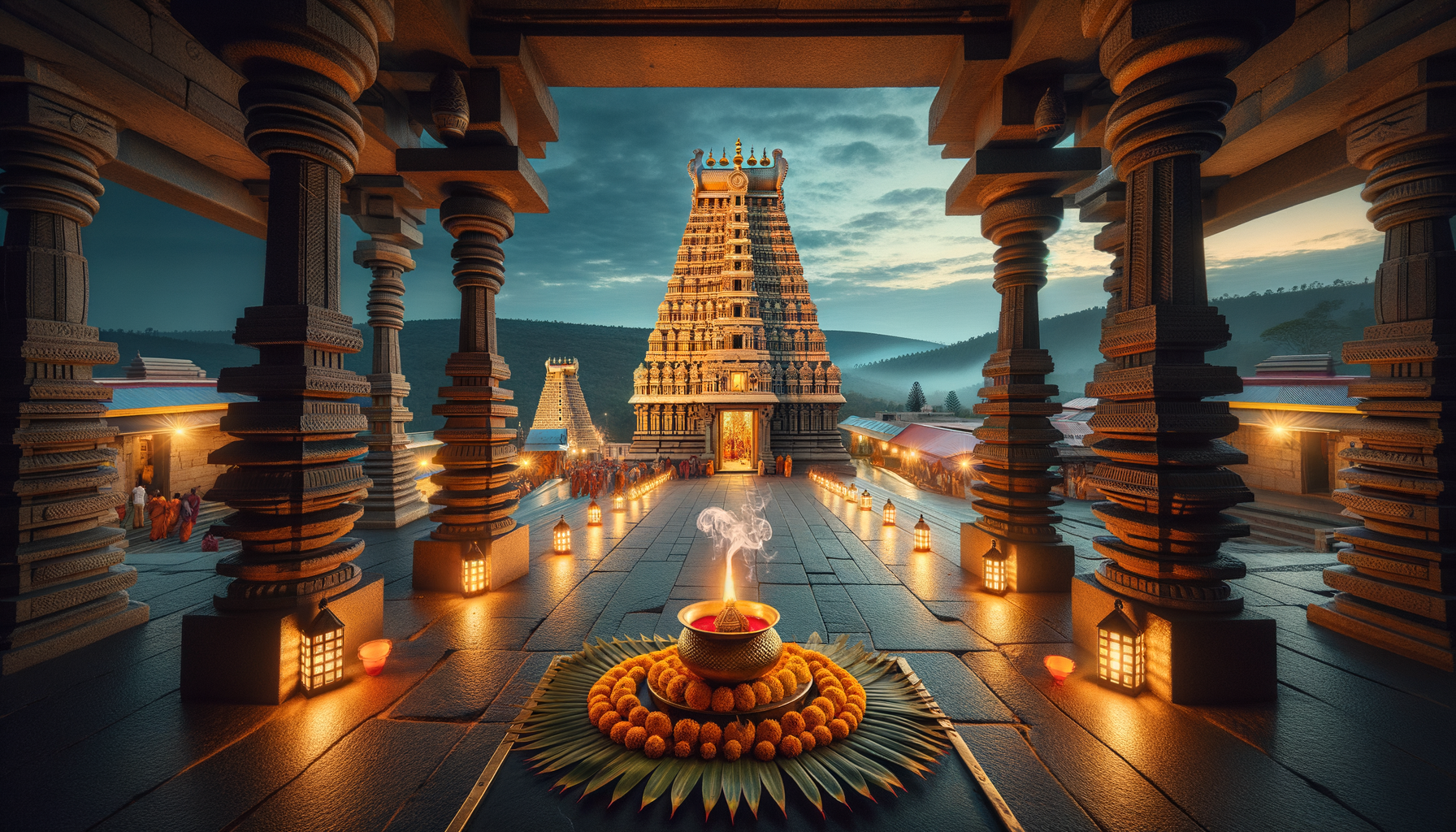
Karthika Masam, regarded as the eighth and among the most auspicious months in the Indian lunar calendar, holds special significance for devotees of Shiva. The Srisailam Mallikarjuna Swamy Templeset amidst the Nallamala Hills of Andhra Pradeshis a major pilgrimage destination for Karthika Masam pujas and vratams, with Mondays (Somavara) and Karthika Purnima observed as particularly sacred days.
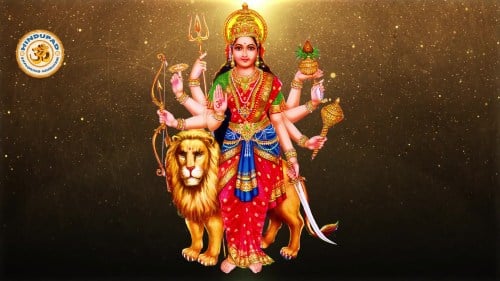
As one of the revered Jyotirlingas, paired uniquely with the shrine of Bhramaramba Devirecognized as a Shakti PeethaSrisailam embodies the confluence of Shaiva and Shakta traditions. During Karthikam, this sanctity intensifies: pilgrims undertake tirtha-yatra to seek darshan, perform observances with disciplined devotion, and participate in collective worship that emphasizes spiritual renewal and ethical living.
Ritual practice during Karthika Masam at Srisailam commonly includes Rudrabhishekam, Bilva archana with bilva leaves, lighting deepams, and undertaking somavara vratams. Many also perform snana at the Krishna River (Pathala Ganga) before entering the temple, followed by pradakshina within the temple complex. The month culminates in the luminous Karthika Deepotsavam on Karthika Purnima, when rows of lamps illuminate the precincts, symbolizing inner clarity and the triumph of light.
Visitors often describe the temple atmosphere during this period as contemplative and unifying: the glow of lamps, the resonance of Vedic chanting, and the collective recitation of bhajans create a shared field of reverence. The virtues emphasizeddiscipline, compassion, non-harm, and community serviceecho values cherished across the dharmic traditions of Hinduism, Buddhism, Jainism, and Sikhism. The spirit of Kartika Purnima, which also coincides with Guru Nanak Jayanti in many years, underscores a broader civilizational ethos of light, learning, and harmony.
For pilgrims planning a visit, the most sought-after days are the Mondays of Karthikam and Karthika Purnima. Early-morning darshan helps manage crowds, and adherence to temple guidelines and modest dress is expected. Many families engage in annadanam and other forms of seva, upholding the ethic of shared welfare. Eco-conscious practicessuch as using eco-friendly lamps and minimizing plasticare particularly important given the temple’s forested surroundings and the sanctity of the Krishna River.
Ultimately, Karthika Masam at Srisailam Mallikarjuna Swamy Temple offers a comprehensive pathway for spiritual practice: from vratams and pujas to community participation and reflective silence. It is a time when sacred geography, ritual discipline, and inclusive values converge, inviting devotees and visitors alike to deepen their understanding of the dharmic heritage while nurturing unity across traditions.