-
Purandhara Dasa Aradhana 2026, Tirumala–Tirupati: Three Sacred Days of Music, Bhakti, Unity

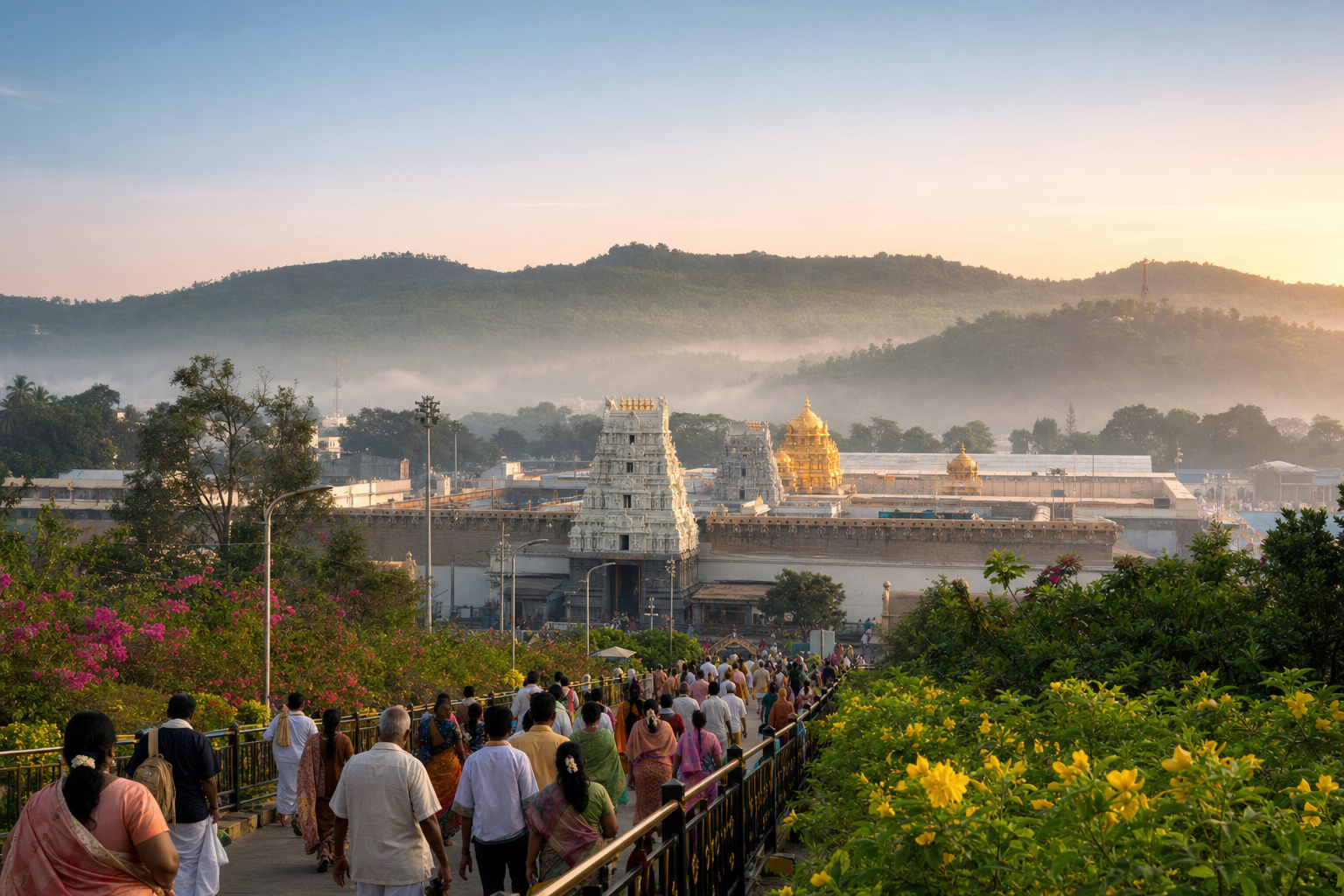
Purandhara Dasa Aradhana returns to Tirumala–Tirupati from 17–19 January 2026, honoring Sri Purandara Dasa’s living legacy as the father of Carnatic music. Hosted at Asthana Mandapam under TTD’s Dasa Sahitya Project, the celebration blends Suprabhatam, meditation, group bhajans, and Nagar Sankirtana into a contemplative three-day rhythm. Attendees benefit from an immersive devotional atmosphere where music,…
-
Kosuvaripalle Temple Brahmotsavam 2026: Dates, Key Rituals, and Visitor Essentials
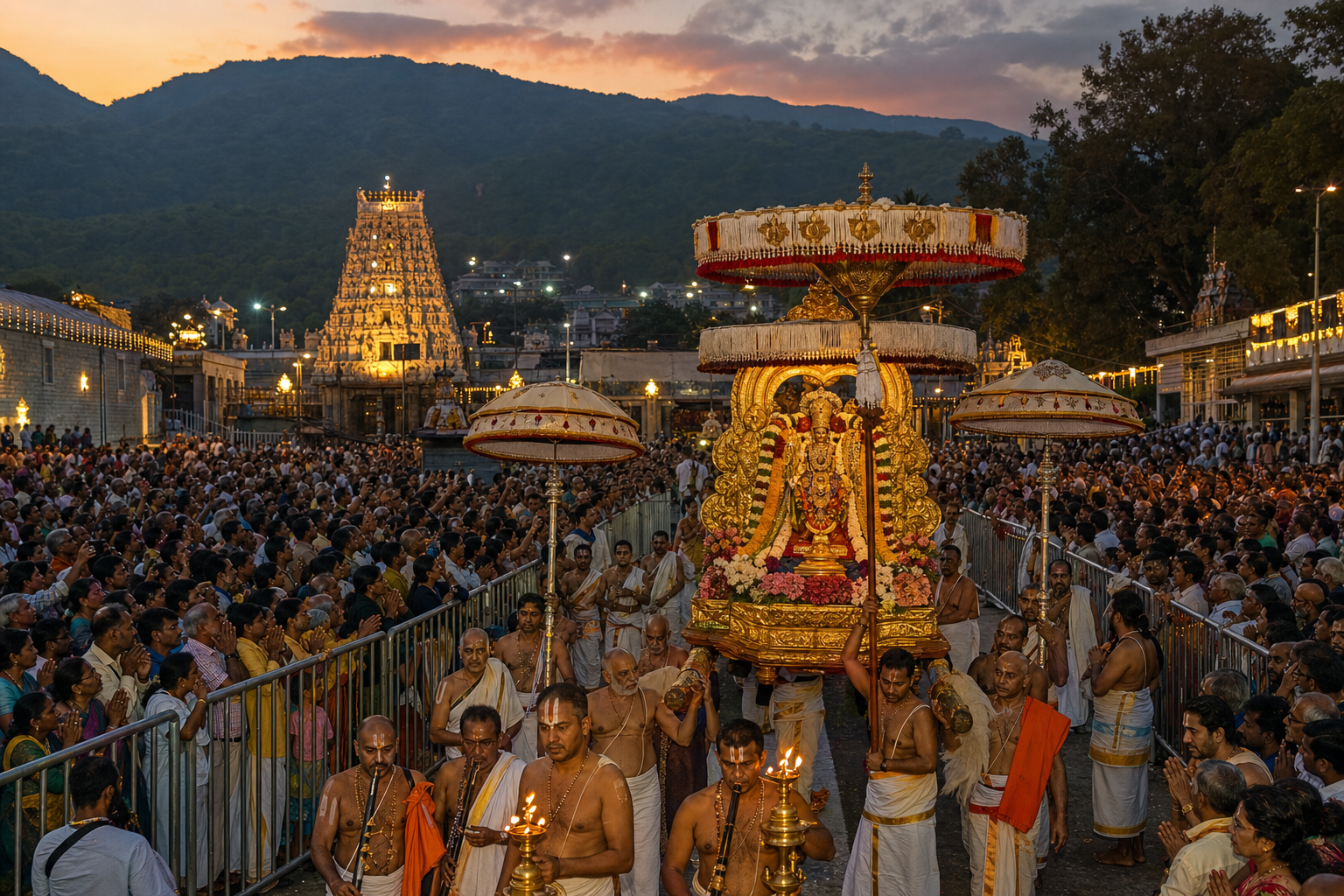
The Sri Prasanna Venkateswara Swamy temple at Kosuvaripalle will observe its 2026 Brahmotsavam from 19–27 January, with Ankurarpanam on 18 January. Dhwajarohanam on 19 January inaugurates the festival with solemn dignity, followed by the mid-festival highlights of Garuda Seva and Kalyanotsavam on 24 January. Radhotsavam on 25 January draws vibrant community participation through the chariot…
-
Basara Aksharabhyasam Timings: Plan a Sacred Start to Learning at Sri Gnana Saraswati Temple

Basara Sri Gnana Saraswati Temple is renowned for Aksharabhyasam, the initiation into learning known as Vidyarambham, Akshara Sweekaram, and Ezhuthiniruthu. This guide explains how the ritual unfolds, what to bring, and how to approach Basara Temple Aksharabhyasam timings for a smooth experience. Families can expect multiple daily slots aligned with puja schedules, with peak demand…
-
Beyond VIP Lines: Restoring True Bhakti and Sacred Calm in Popular Hindu Temples

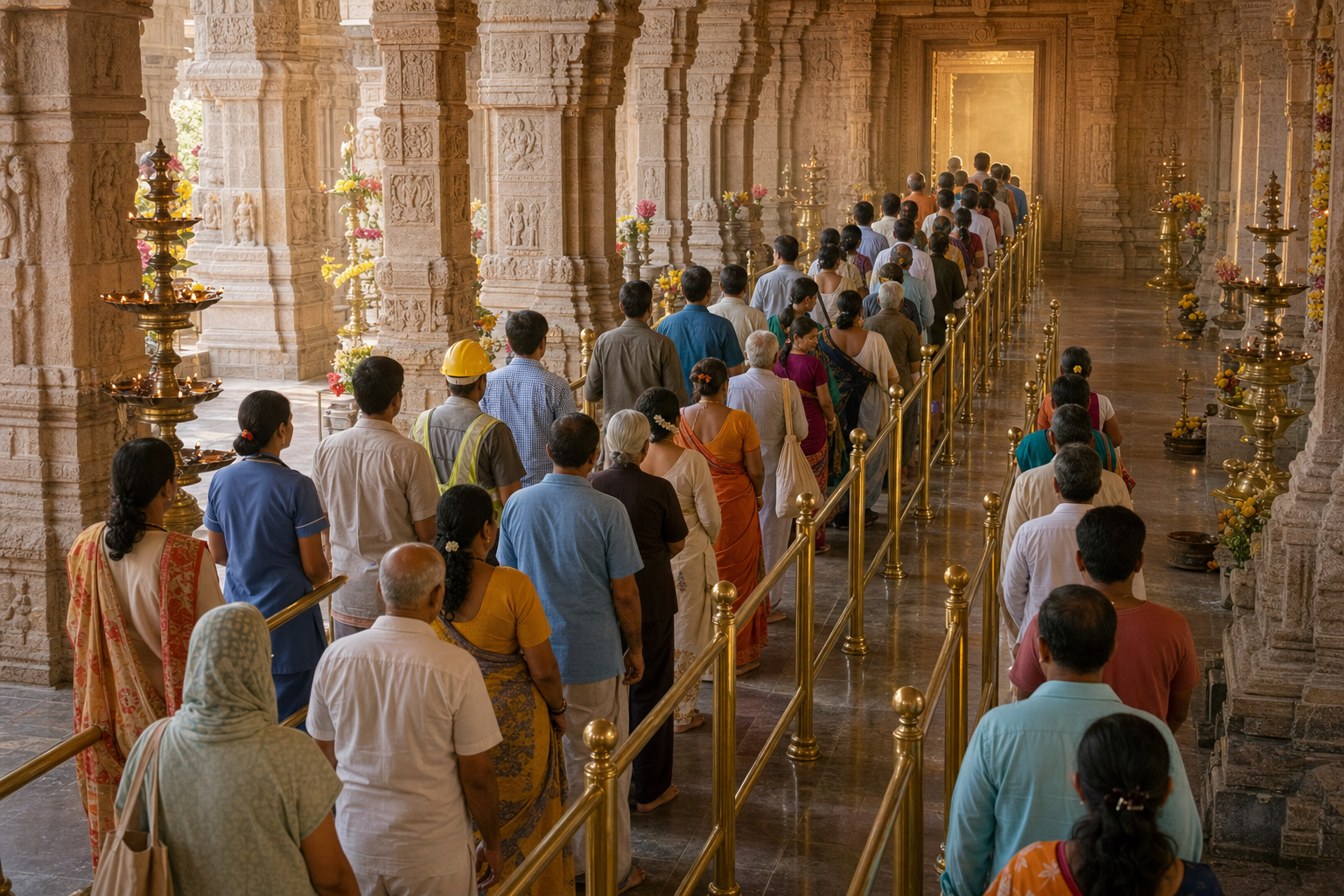
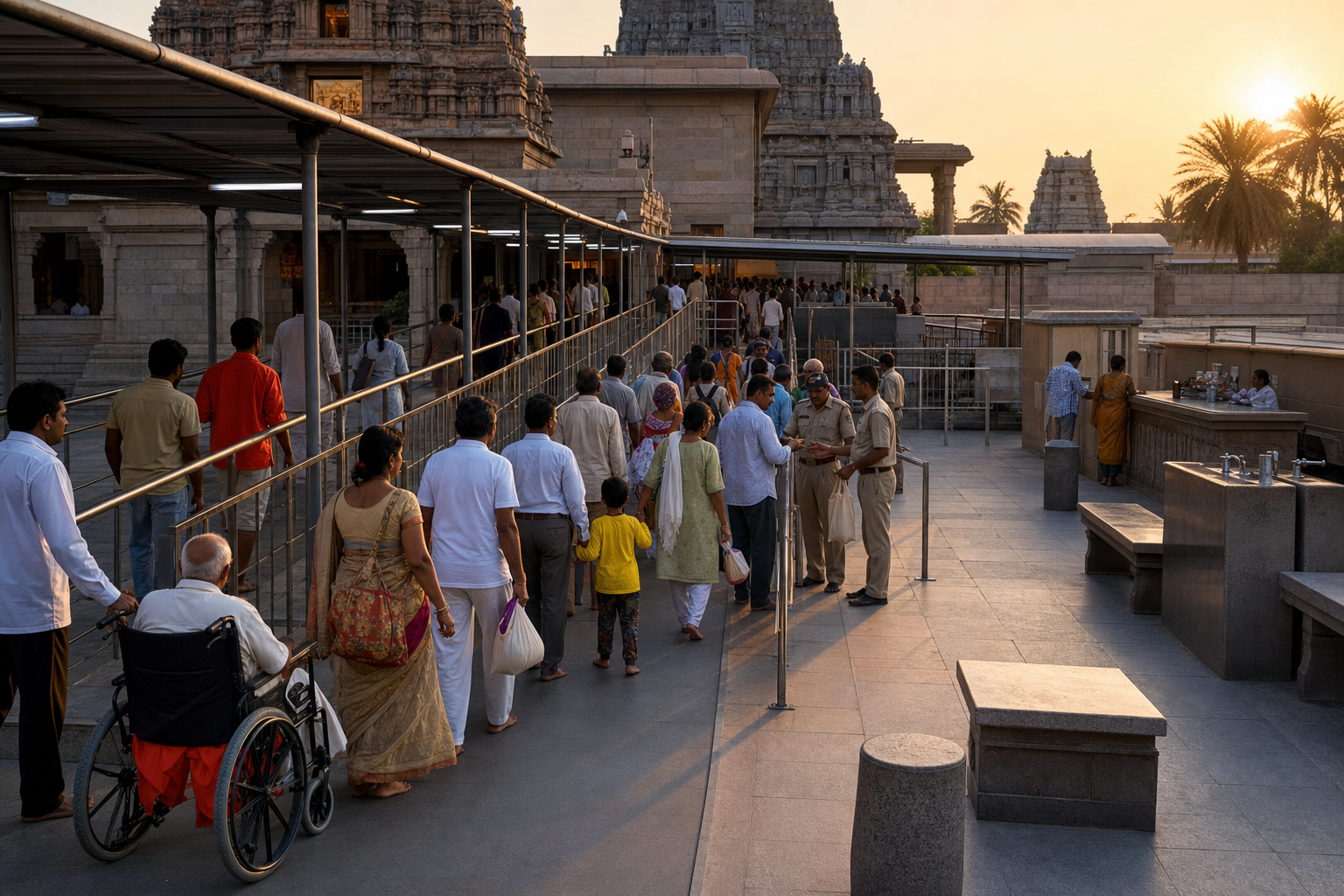
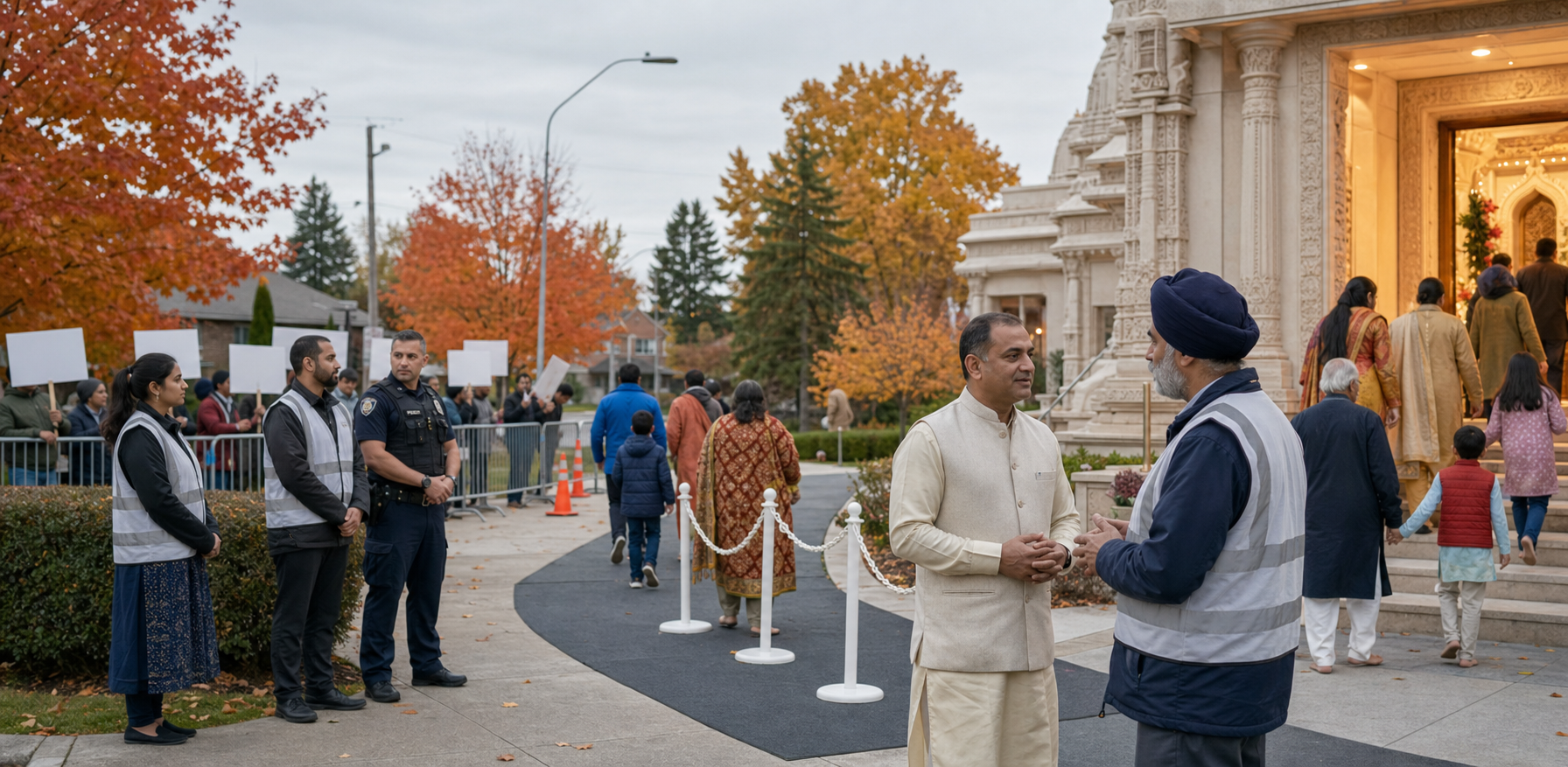
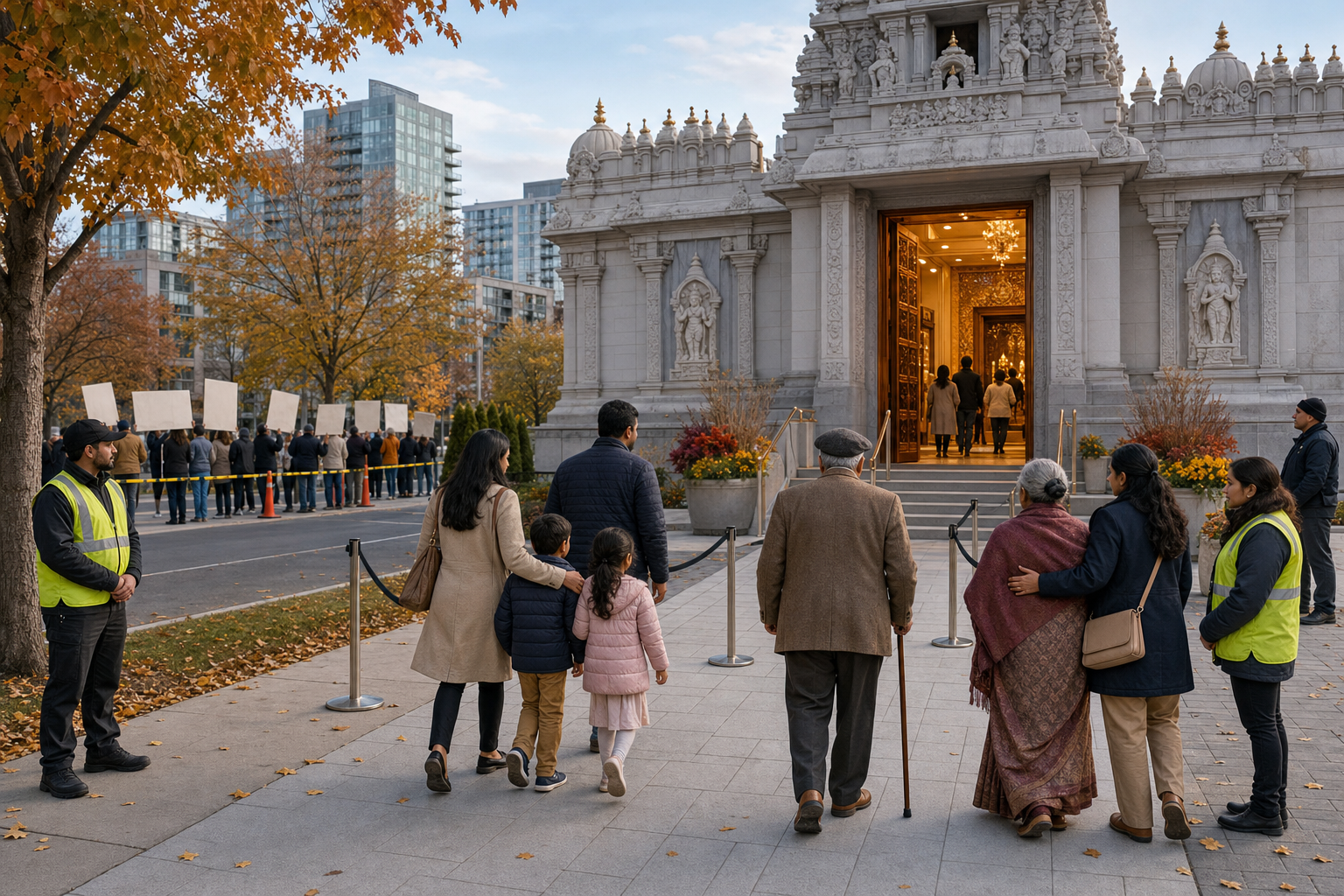
Many popular Hindu temples now resemble busy theaters, with VIP lines and special passes risking a shift from devotion to display. This analysis explores how to restore simplicity and sacred calm without compromising safety or heritage conservation. It presents equity-centered steps for devotees and administrators—single-queue time slots, transparent policies, and priority access only for vulnerable…
-
Tarapith’s Maha Smasan: Where Goddess Tara Dwells and Tantric Sadhana Transforms Fear

Tarapith’s Maha Smasan in Bengal is revered in Shakta Tantra as a transformative sacred space where impermanence is faced and fear yields to wisdom. The cremation ground complements the temple’s compassionate iconography of Goddess Tara, offering a complete pedagogy of tenderness and fearlessness. Historically associated with Bamakhepa’s sadhana, the site illustrates the synthesis of devotion…
-
Agra Kalibari Temple: Living History, Miracle Pot Lore, and the Rhythm of Worship

Agra Kalibari Temple in Uttar Pradesh offers a compelling blend of living history, devotional practice, and community memory. Oral narratives describe over two centuries of worship, with the cherished lore of a “miracle pot” symbolizing abundance and grace. The temple’s rituals—especially during Amavasya, Navaratri, and Kali Puja—foster focus, resilience, and gratitude. Sensory elements like incense…
-
From Sacrifice to Serenity: Ash Gourd Symbolism in Kali Temples and the Power of Ahimsa

This post explores how ash gourd offerings in Goddess Kali temples serve as a non-violent alternative to animal sacrifice while preserving the intensity of Shakta ritual. It explains the ash gourd’s layered symbolism—purity, surrender, and inner transformation—and situates the practice within the broader dharmic ethos of ahimsa, karuna, and seva. Readers learn why communities increasingly…
-
Ashtabhuja Ganesh Mandir, Ramtek: A Soul-Stirring Sanctuary of Faith in Maharashtra

Ashtabhuja Ganesh Mandir in Ramtek, Maharashtra, is a renowned Lord Ganesha temple known for its devotional ambiance and cultural importance. The eight-armed (Ashtabhuja) form of Ganesha in the sanctum symbolizes wisdom, protection, prosperity, and compassion. Pilgrims often describe the darshan as a calming experience that strengthens intention and gratitude. Festival observances such as Ganesh Chaturthi…
-
Ekapada Shiva Unveiled: The One‑Footed Cosmic Axis in Ancient Hindu Temple Iconography

Ekapada Shiva (Ekapada Murthy) embodies Lord Shiva as the one-footed axis that sustains cosmic order. The single leg symbolizes the skambha, conveying steadiness, one-pointed concentration, and the yogic ideal of inner stillness. Found in select temples—especially in Odisha—and a few ancient Shiva sites across India, this rare icon deepens understanding of Hindu temples and sacred…
-
Kotavde, Ratnagiri: Protests, Panchayat Action Close Halal Outlet Near Shri Mahalakshmi Temple

A Halal Chicken Centre near the Shri Mahalakshmi Temple in Kotavde, Ratnagiri closed after peaceful community protests and prompt Gram Panchayat intervention. The action, taken to maintain temple sanctity, showcases how local governance can defuse tension through due process. The episode highlights the value of clear planning norms around places of worship and transparent licensing.…
-
New Mayapur’s Living Legacy: Srila Prabhupada’s Vision of Bhakti, Community, and Self‑Sufficiency

This concise documentary offers a focused window into New Mayapur in France, where Srila Prabhupada’s vision of rural community life and self‑sufficiency is actively practiced. It highlights how bhakti, kirtan, and seva shape daily rhythms, linking sacred spaces to practical responsibilities. The narrative shows how Hare Krishna traditions can adapt to European settings without diluting…
-
Alopi Devi Temple, Prayagraj: Sacred Shakti Peeth Where a Cradle Becomes the Deity

Alopi Devi Temple in Prayagraj, a revered Shakti Peeth, is renowned for an aniconic sanctum where a red-draped cradle is worshipped instead of an idol. The shrine’s symbolism emphasizes the formless presence of the Divine Mother while honoring maternal tenderness, protection, and renewal. Local lore links the name “Alopi” to disappearance, suggesting a sacred presence…
-
Goddess Tara at Tarapith: Decoding the Divine Symbolism of the Twin Murti Forms

Tarapith Temple in West Bengal venerates Goddess Tara through two complementary images—an aniconic essence and an anthropomorphic Murti—offering a layered experience of darshan. The maternal icon of Tara nursing the infant Shiva symbolizes compassionate wisdom sustaining consciousness. Cremation ground motifs and skull garlands invite reflection on impermanence and fearlessness, common themes in Shakta Tantra. Rituals…
-
Goda Kalyanam 2026: Divine Wedding of Sri Godadevi and Sri Ranganatha in Dhanurmasam

Goda Kalyanam (Sri Godadevi Kalyanotsavam) is observed worldwide on January 13, 2026, the concluding day of Dhanurmasam. The divine wedding of Sri Goda Devi (Andal) and Sri Ranganatha Swamy symbolizes grace, devotion, and the union of jiva with Ishvara. Temples mark the day with pre-dawn worship, Tiruppavai recitation, special alankarams, and mangalashtaka, culminating in the…
-
Chiplun’s Vindhyavasini Temple: A Timeless Pilgrimage of Shakti, History, and Harmony

Set in the Ravatle area of Chiplun, the Vindhyavasini Temple stands as a living sanctuary of Shakti and a vital thread in Maharashtra’s cultural heritage. Its history is best understood through unbroken devotional practice—daily aarti, seasonal festivals, and family pilgrimages that sustain community memory. Pilgrims frequently describe a serene, transformative atmosphere within the sanctum, underscoring…
-
Inside Nueva Vraja Mandala: A Living Temple Farm with Gardens, Goshala, and Grace

Nueva Vraja Mandala embodies a temple-centered rural life where gardens, greenhouses, and daily service cultivate serenity and purpose. Sustainable agriculture and careful design make Vedic culture visible in everyday practice. A goshala across from the temple, complemented by a larger goshalla down the road, demonstrates ahimsa and compassionate cow care. The landscape integrates devotion (bhakti),…
-
Tarapith, Kalighat, Nabadwip: Bengal’s Sacred Tirthas Uniting Shakti, Shiva, Vishnu

This overview of Tarapith, Kalighat, and Nabadwip presents Bengal’s pilgrimage triad as a unified tirtha experience where Shakti, Shiva, and Vishnu are encountered as complementary facets of the sacred. Readers gain concise historical context for each site, with attention to sacred geography along the Dwarka, Adi Ganga, and Bhagirathi rivers. The narration highlights living traditions—Tantric…