
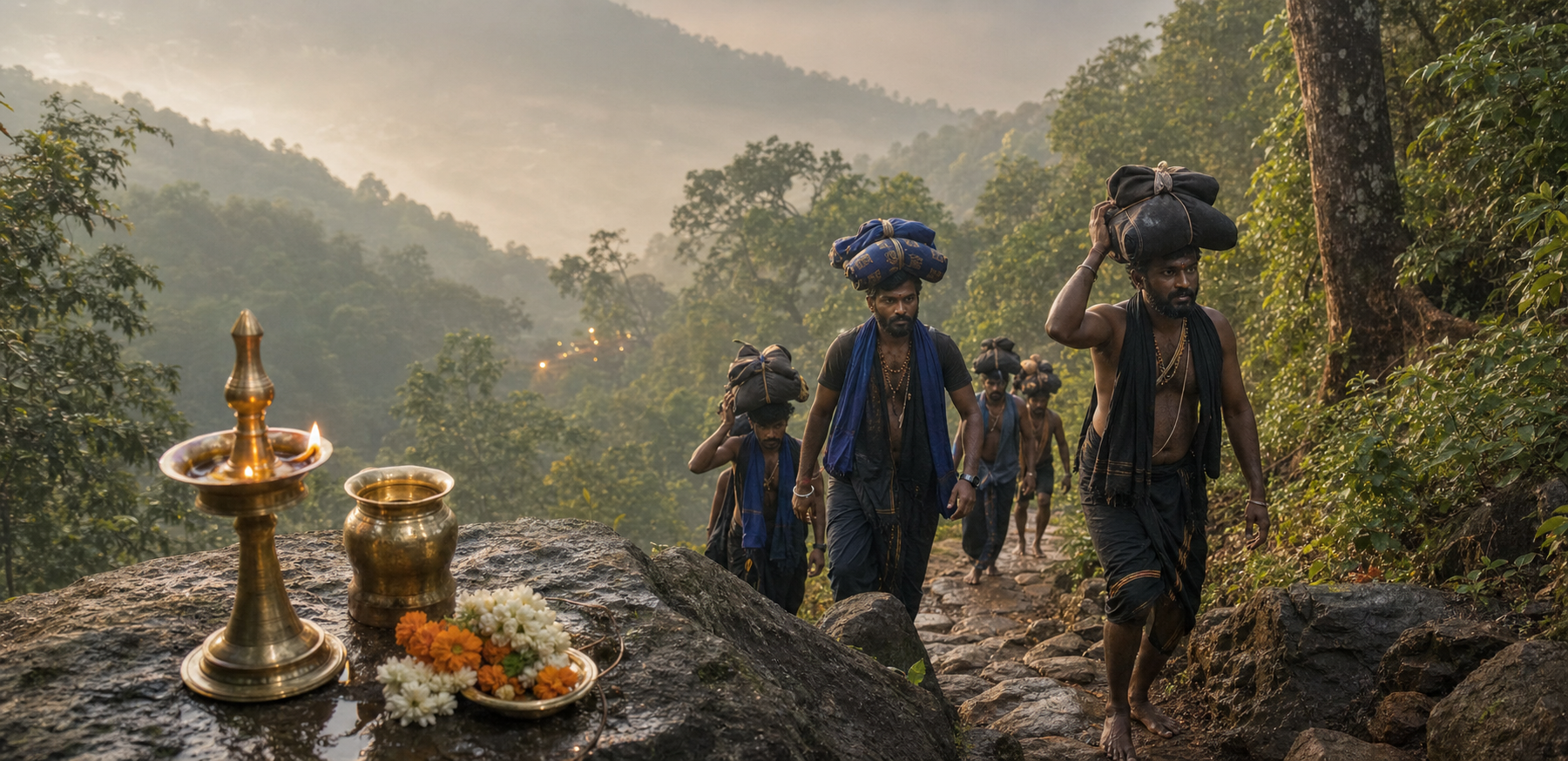
If you are deciding which February date belongs in your devotional calendar, the answer depends on what you intend to do. Kumbha Sankranti falls on February 13, 2026, while Sabarimala’s Kumbha Masam puja extends from February 12 through February 17. The first date marks a solar transition; the longer span is the temple’s monthly worship cycle.
Keep February 13 central if you want to observe Sankranti itself. Use the six-day window if you are arranging Sabarimala darshan. Before choosing an exact hour for snana, arghya, daan, or sankalpa, consult a trusted local Panchang: the auspicious period follows the precise solar ingress in your location, not the date label alone.
Two dates answer two different devotional questions
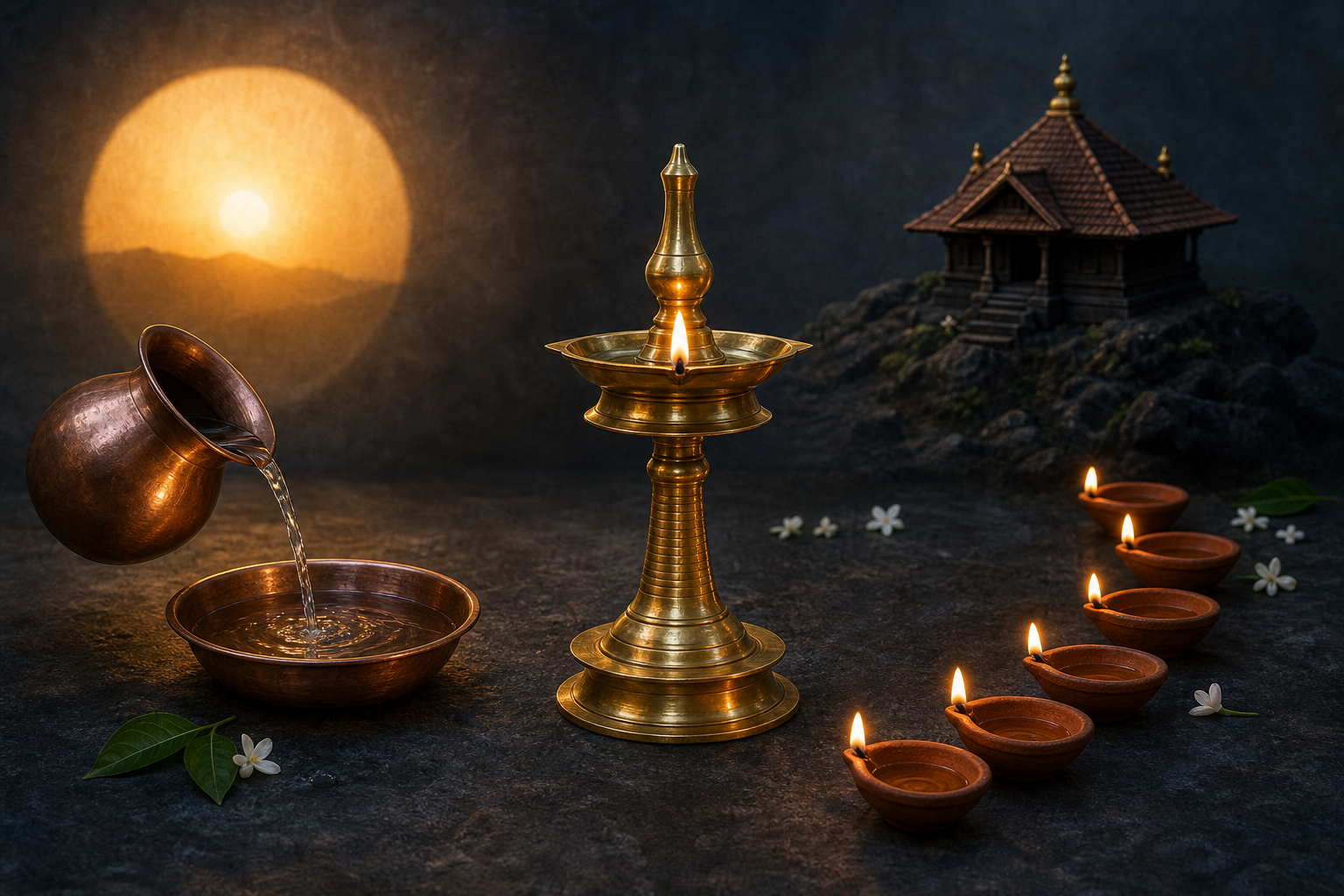
Kumbha Sankranti, also called Kumbha Sankramanam or Kumbha Sankramana, is the Sun’s transition from Makara rashi to Kumbha rashi. In the Malayalam solar calendar, this transition begins Kumbha masam. It is therefore a specific calendrical juncture, not a name for every day on which the temple conducts its monthly observances.
Sabarimala’s six-day schedule surrounds that juncture. There is no conflict between the February 13 Sankranti date and the February 12–17 puja dates. They measure different things: one identifies the solar ingress, while the other gives devotees a practical period for monthly worship and darshan at Lord Ayyappa’s shrine.
- If you are observing at home: place your Sankranti worship on February 13 and use your local Panchang to determine the suitable time.
- If you want Sankranti and Sabarimala to coincide: prioritize February 13 within the temple’s six-day cycle, subject to current access and ritual timings.
- If your main purpose is monthly Ayyappa darshan: plan within February 12–17 rather than treating February 13 as the only meaningful temple day.
- If travel is not possible: keep the solar observance at home through prayer, restraint, and charity. A sincere vrata does not become empty because it is performed away from the hill shrine.
This distinction also prevents a common planning error: confirming the festival date but leaving travel arrangements tied to an assumed one-day temple event. Mark both the Sankranti and the puja window before making commitments.
A focused Kumbha Sankranti observance you can keep at home
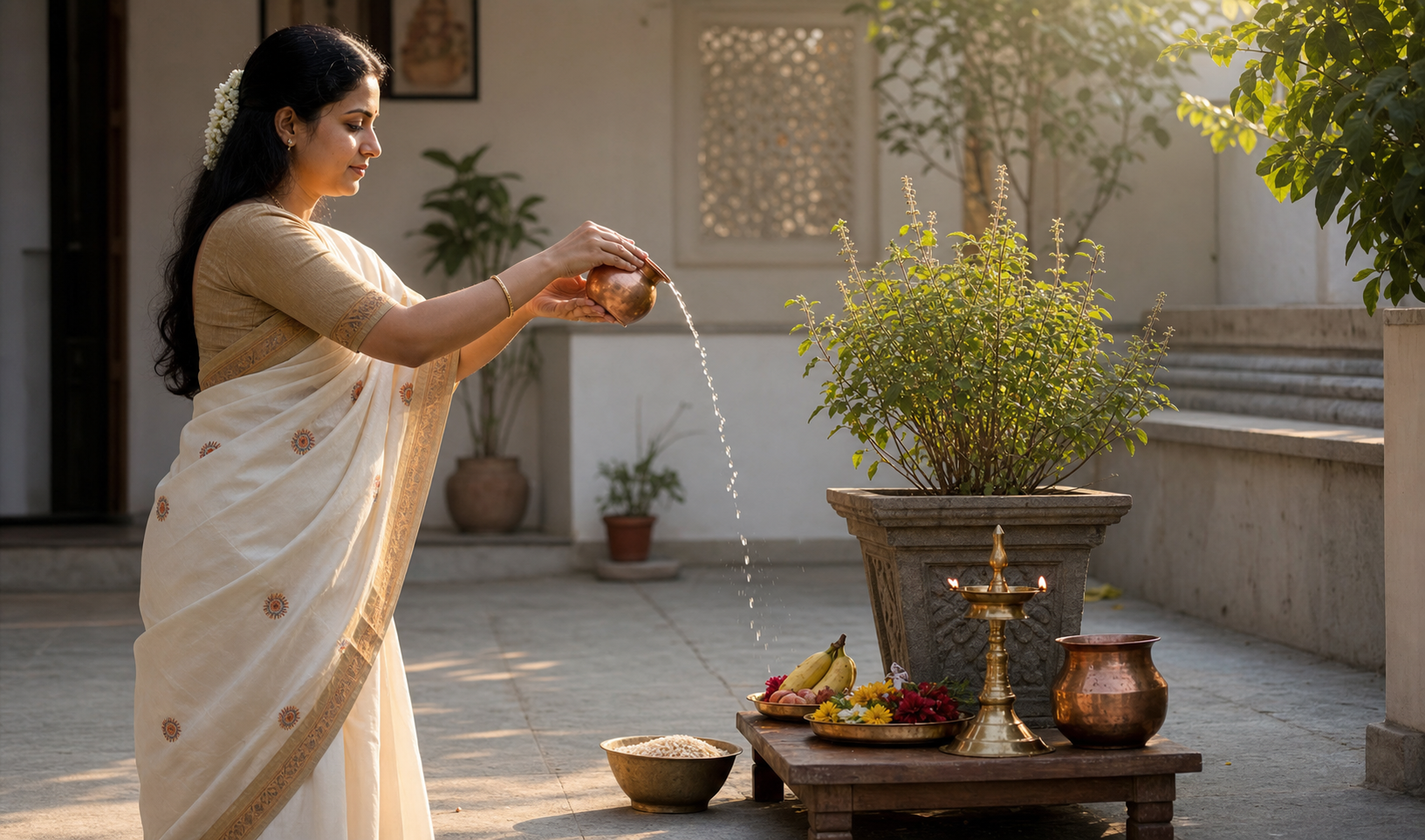
You do not need to turn a working day into an elaborate production. A manageable observance is more likely to preserve the discipline of Sankranti than an ambitious plan abandoned halfway through. Use the following sequence as a framework, adapting mantras and details to your family tradition or guru-parampara.
- Check the local Sankramana window. A reliable Panchang should give the ingress time and, where applicable, Punya Kala and Maha Punya Kala for your location. The recommended period can change with the time zone and the ingress’s relation to sunrise, so a date copied from another region is not enough for minute-level observance.
- Begin with snana and a clear sankalpa. State what you are undertaking for the day. Keep it concrete: one form of restraint, one devotional practice, and one act of giving are easier to honour than a vague promise to become more spiritual.
- Offer arghya and prayer to Surya. Let this be an act of gratitude for light, order, time, and the conditions that sustain life. Use the prayers received in your own tradition rather than collecting unfamiliar formulas merely to make the observance look more elaborate.
- Set aside time for japa or sacred recitation. Even a modest, uninterrupted period is valuable. Put the phone away, finish the chosen practice, and resist converting the quiet interval into another item performed while multitasking.
- Keep food and consumption simple. A sattvic meal supports the vrata when it is joined to moderation and mindful conduct. Simplicity is the point; excess disguised as festival preparation defeats it.
- Make daan useful to its recipient. Traditional choices include grains, sesame, and essential goods. Give according to a real need, with dignity, rather than treating the recipient as a prop in your ritual.
- Close with a brief review. Ask whether the day’s restraint changed your speech, attention, appetite, or treatment of others. Carry one workable correction into Kumbha masam instead of allowing the sankalpa to expire at sunset.
If your local Panchang places the most suitable period at an inconvenient hour, separate what must follow the muhurta from what can continue through the day. Perform the time-sensitive worship within the appropriate window where practicable, then complete charity, sacred reading, and household service without haste. Do not invent a universal clock time from the Gregorian date.
Plan Sabarimala around purpose, not just availability
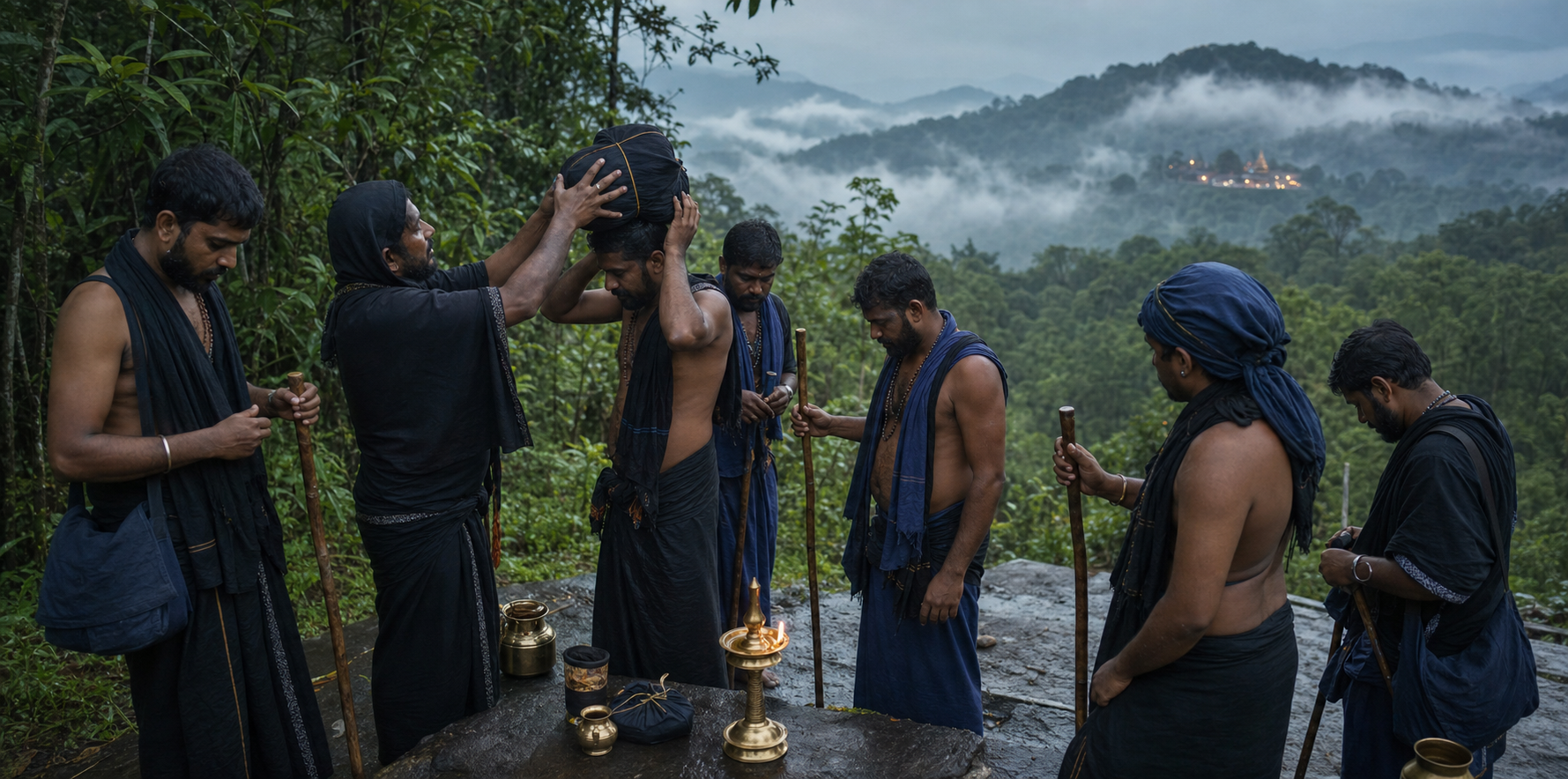
During the February 12–17 cycle, Sabarimala conducts its regular monthly observances for Lord Ayyappa, accompanied by devotional rites including archanas and abhishegam. The six-day span gives you choices, but it does not establish that every ritual, access period, or crowd condition will be identical on every day.
Choose your date by ranking what matters most:
- For the direct Sankranti connection, choose February 13. This places your Sabarimala visit within both the monthly cycle and the solar transition.
- For a monthly-puja pilgrimage with greater calendar flexibility, consider the full February 12–17 window. Do not relabel another date as Sankranti; simply recognise it as part of the Kumbha Masam temple observance.
- For a more contemplative experience, examine early-morning options. Devotees often favour the morning for a quieter atmosphere, but this is a preference rather than a guarantee of low attendance.
- For a family or group pilgrimage, choose a plan everyone can keep reverently. A workable itinerary that leaves room for worship is better than a compressed visit dominated by logistical strain.
Do not infer darshan hours, access procedures, transport arrangements, or a day-by-day ritual timetable from the six dates alone. Check current temple notices before departure, especially if your travel depends on attending a particular puja. Check the local Panchang separately for the Sankramana muhurta; a temple schedule and a solar-ingress calculation serve different purposes.
Carry the vrata into your conduct on the hill. Travel with restraint, follow the shrine’s discipline, avoid waste, and treat the forest environment as part of the sacred setting rather than as empty space around the destination. The pilgrimage begins losing its meaning when impatience, consumption, or disregard for others takes command of the journey.
Make the vrata last longer than the ritual window
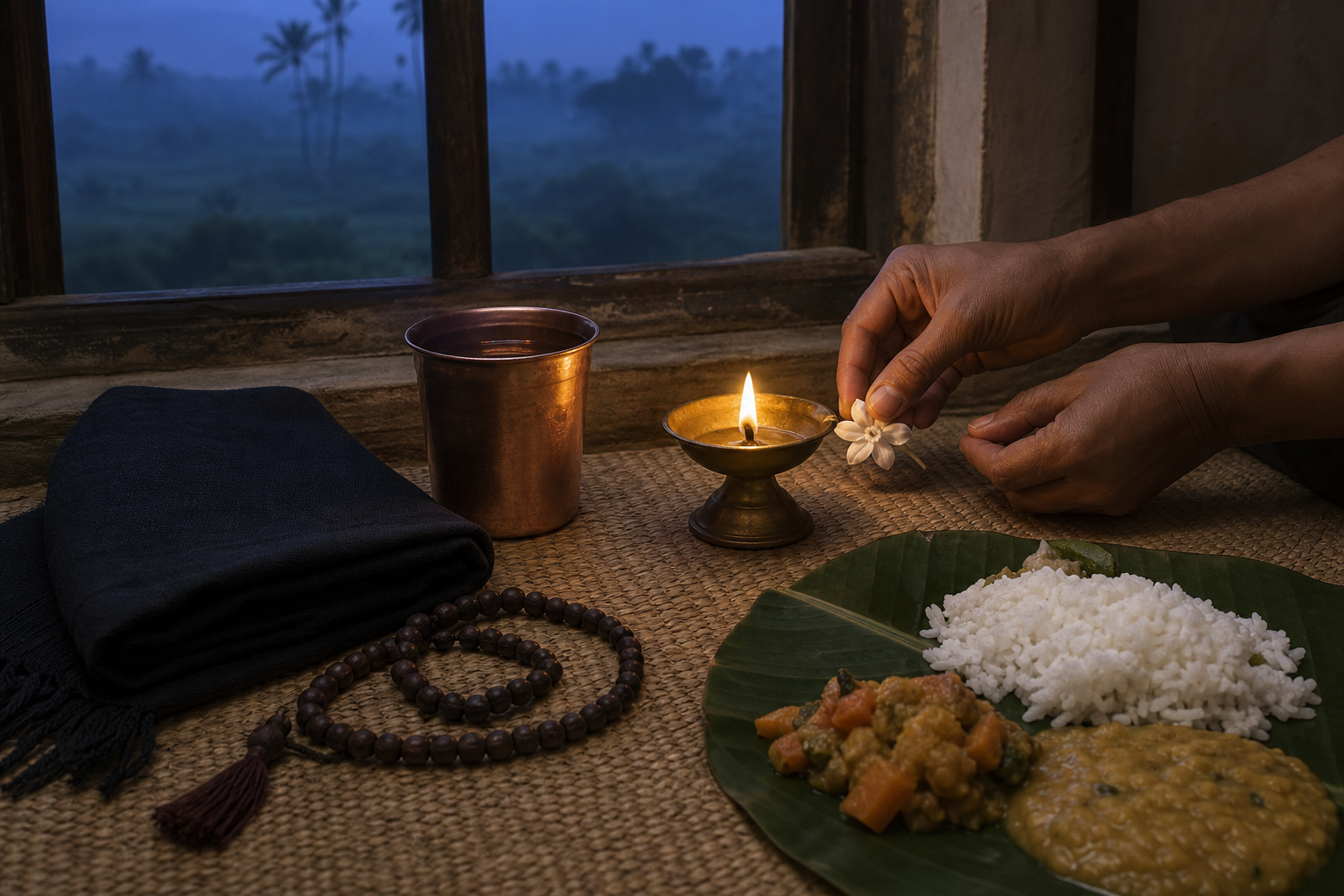
Kumbha Sankranti can become a monthly reset, but only if the sankalpa reaches ordinary life. Ritual bathing, Surya arghya, japa, temple darshan, and daan give the day its form. The test comes afterward: whether you become more measured in consumption, more reliable in duty, and more willing to serve.
A useful sankalpa has three parts:
- Restraint: identify one excess you will reduce during Kumbha masam. Keep the commitment narrow enough to measure honestly.
- Steadiness: choose a devotional act you can repeat consistently, such as japa, prayer, sacred reading, or a regular period of silence.
- Service: decide who will benefit from your daan or seva and what would actually help them. Complete the act instead of leaving charity as a good intention.
The ethical vocabulary of the observance also reaches across the wider dharmic family. Daan and daya, ahimsa and seva, disciplined attention and care for living beings are cherished in Hindu, Buddhist, Jain, and Sikh traditions. That kinship does not make their rituals interchangeable. Kumbha Sankranti remains a Hindu solar observance, while its call to generosity, non-harm, and self-mastery provides a genuine ground for mutual respect.
When children or friends ask what the day means, give them something they can practise: acknowledge the turning of sacred time, honour the source of light, reduce one form of excess, and make another person’s day more secure. That explanation carries more dharmic substance than a long list of rites performed without attention.
Frequently asked questions
What is the exact date of Kumbha Sankranti in 2026?
Kumbha Sankranti falls on February 13, 2026. The precise Sankramana moment and auspicious observance periods depend on location, so consult a trusted local Panchang before fixing the ritual hour.
Why does the Sabarimala observance begin on February 12?
The temple’s Kumbha Masam observance is a six-day monthly puja cycle running from February 12 through February 17. It surrounds the February 13 solar ingress rather than functioning as an alternative date for it.
Can I observe Sankranti at home and visit Sabarimala later?
Yes. Keep the Sankranti-specific practices on February 13, then arrange darshan on another suitable day within the February 12–17 temple window. If being at the shrine during the transition is your priority, choose February 13 and verify operational details before travelling.
Are exact Sabarimala puja and darshan times available from these dates?
No day-by-day timetable follows from the date range itself. Treat February 12–17 as the planning window, then confirm current temple announcements for access and ritual timings. Use a Panchang, not a presumed temple timetable, to determine your local Sankramana muhurta.
Put two reminders in your calendar now: February 13 for Kumbha Sankranti and February 12–17 for the Sabarimala puja window. Then choose one restraint, one worship practice, and one useful act of daan. Closer to the date, verify the local Panchang and the temple’s current notices before committing to an hour or journey.
References
- DharmaRenaissance Blog — Kumbha Masam Puja at Sabarimala 2026 (Feb 12–17): Dates, Meaning, and Sacred Insights
- DharmaRenaissance Blog — Masik Sankranti 2026: Monthly Surya Sankramana Guide, Vratham Significance & Date-Tracking Tips
- DharmaRenaissance Blog — Sacred Sun Transition: Kumbha Sankranti 2026 Date, Meaning, Rituals, and Unity
