-
Gopal Ganapati Temple, Farmagudi: Tracing a Timeless Maratha-Era Legacy in Goa

Gopal Ganapati Temple in Bandivade (Bandiwade), Ponda, Goa, preserves a serene devotional atmosphere while carrying a distinctive seventeenth-century Maratha-era legacy. Historical references link the site to Chhatrapati Sambhaji, whose forces camped nearby and erected a Gudi on a hill, shaping the area’s sacred identity. The temple’s setting illustrates how political history and sacred geography intersect…
-
Decoding Lakshmi’s Sacred Iconography: Why the Owl Vanishes in South Indian Temples
Goddess Lakshmi’s iconography differs across regions, and South Indian temples rarely depict an owl as her vahana because Agamic traditions prioritize lotus and elephant symbolism. Drawing on the Pancharatra and Vaikhanasa frameworks, South Indian sanctums present Lakshmi as Shri on the lotus or as Gaja Lakshmi, emphasizing auspiciousness, rainfall, fertility, and ethical prosperity. In contrast,…
-
Adhi Gajanathar in Tamil Nadu: Discover the Primordial Power and Timeless Grace of Ganesha

Adhi Gajanathar, revered as the primordial form of Lord Ganesha in Tamil Nadu temples, embodies the principle of auspicious beginnings woven through South Indian worship. This form’s placement near thresholds and prakaras reflects a theology of commencement that aligns space, ritual, and meaning. Iconography—noose, goad, modaka, and the protective gesture—communicates wisdom, protection, and inner sweetness.…
-
Vaikunta Ekadasi at Triplicane Parthasarathy Temple, Chennai: 2025 Dates, Rituals, Sacred Darshan

Vaikunta Ekadasi at Arulmigu Parthasarathy Temple, Tiruvallikeni (Triplicane), Chennai is observed on January 10 and December 30 in 2025, as per Triplicane Temple traditions. The festival highlights the opening of the Paramapada Vasal (Vaikuntha Dwaram), symbolizing a passage toward moksha within the Srivaishnava tradition. Visitors encounter one of Chennai’s most revered darshans, shaped by disciplined…
-
Garudasana in Temple Iconography: Awe-Inspiring Symbolism of Garuda Bearing Bhagavan Vishnu

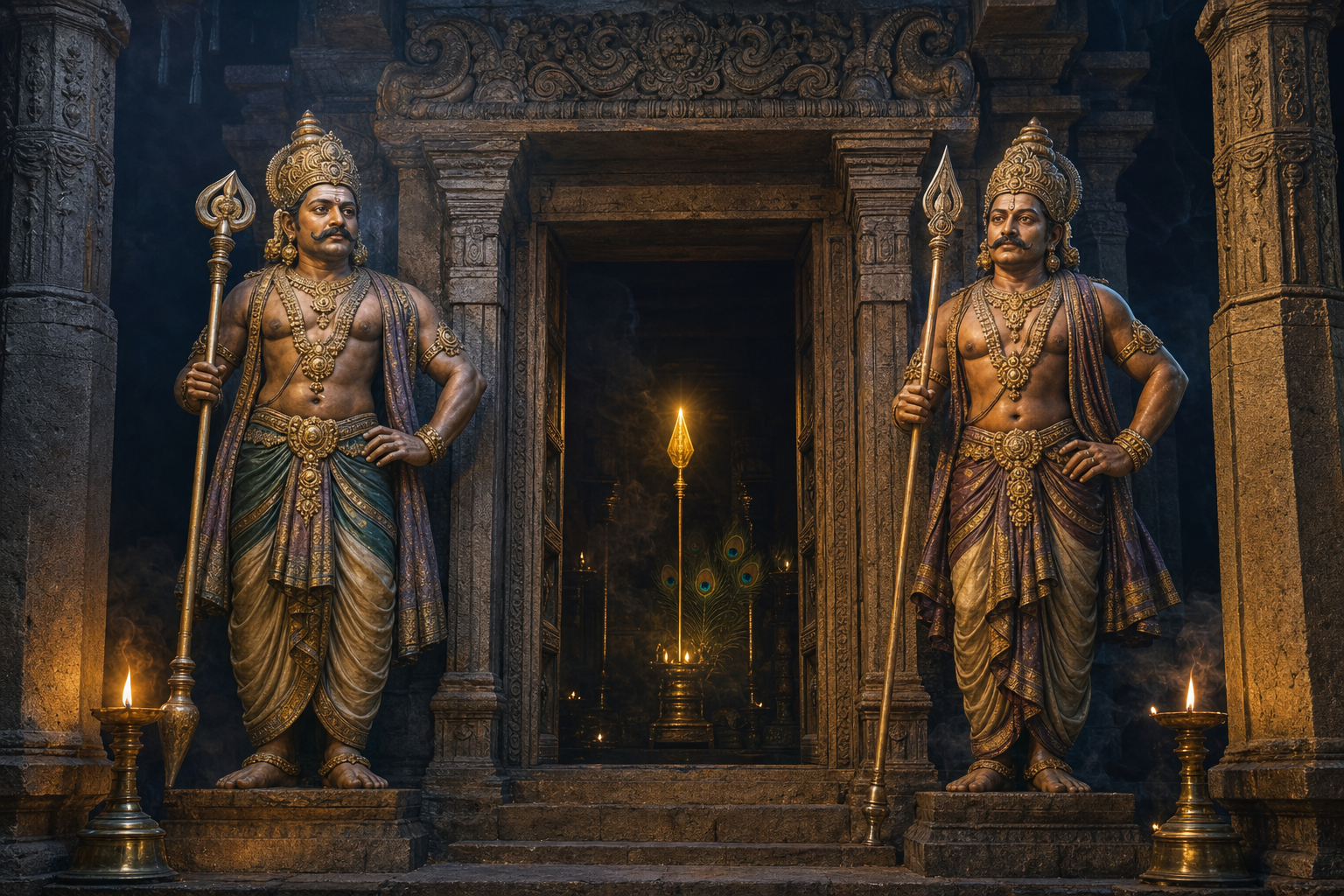
Garudasana, the temple iconographic posture of Garuda bearing Bhagavan Vishnu, is a visual theology of devotion and service. Rooted in Puranic narratives and guided by Agama shastras, it communicates humility, vigilance, and courage through codified mudras and stances. The wings, anjali mudra, and poised form collectively symbolize strength offered in service to dharma. Temple features…
-
Chanting as Life’s True Medicine: BG 2.7 Reflections at ISKCON Kuala Lumpur

At ISKCON Sri Jagannatha Mandir, Kuala Lumpur, HH Jayananda Goswami reflected on Bhagavad Gita 2.7 to show how surrender and guidance translate into a focused, meaningful life. Recalling Srila Prabhupada’s final days, the talk emphasized that chanting the holy names is the real essence of living, beyond merely prolonging the body. Chanting and preaching Krishna…
-
Eclipses and Deity Worship: ISKCON’s Guidance, Dharmic Harmony, and Temple Practice

Eclipses prompt thoughtful practice across dharmic traditions and raise practical questions for temples. ISKCON’s Deity Worship Ministry advises that daily deity worship continue without interruption during eclipses, with the option to close public access while maintaining private puja. This preserves ritual continuity, respects local sentiment, and aligns with broader dharmic principles emphasizing mindfulness, seva, and…
-
From Stone to Spirit: Temple Worship that Deepens Realization of the All-Pervading Divine

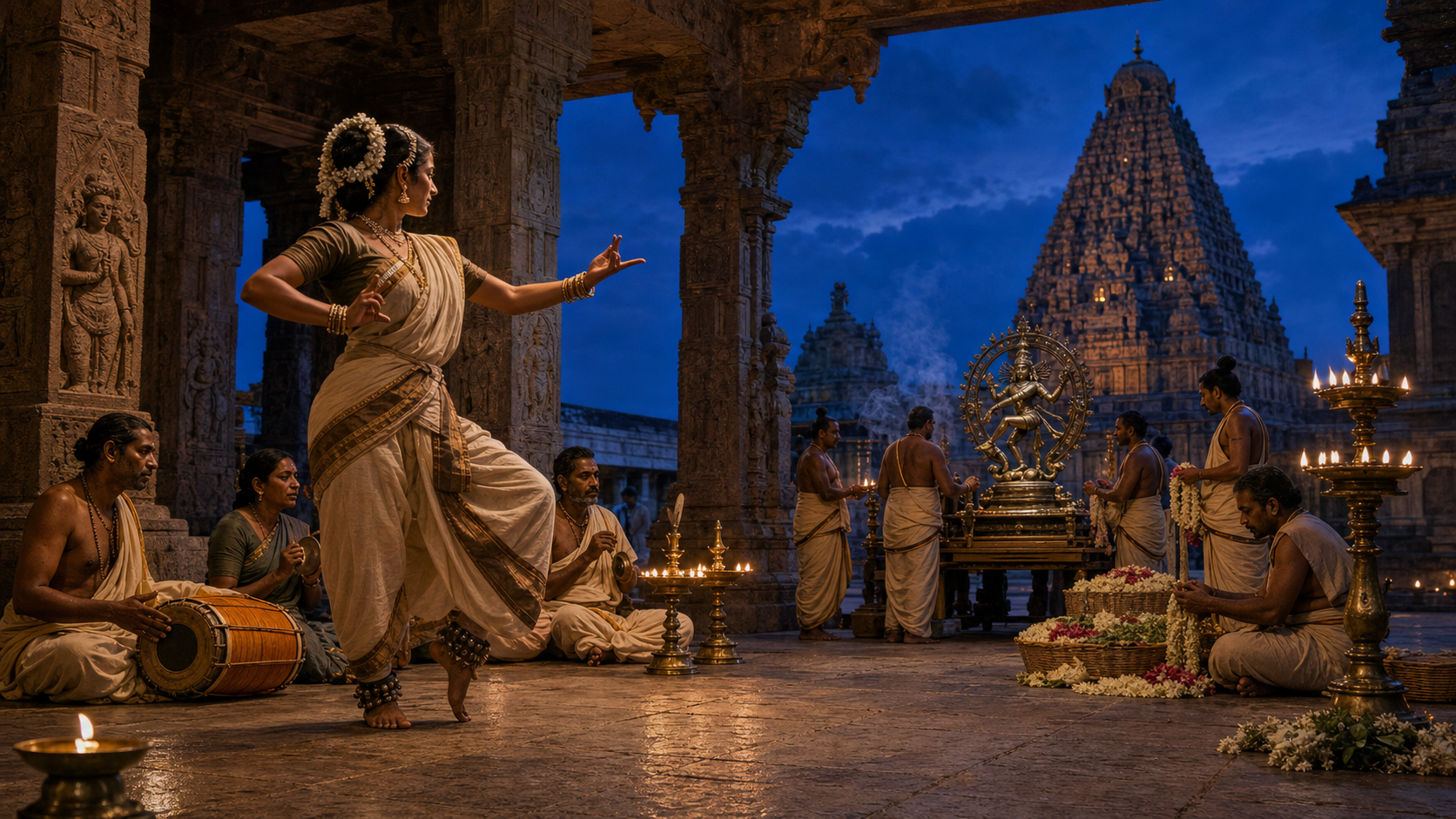
Temple worship and divine omnipresence are not rivals in Hinduism; they are complementary stages on one path of God-realization. By training attention through darshan, aarti, and japa, the temple prepares the mind for stable, formless meditation. The Ishta concept personalizes devotion without limiting the Divine, guiding the heart from the particular to the universal. This…
-
Nari Semari Temple, Mathura: Timeless Devi Peeth Where Krishna Revealed His Narayan Form to Radha

Nari Semari Temple near Chhata in Mathura, Uttar Pradesh, is a revered Devi Peeth dedicated to Brij Rakshika Mata and regarded as the Kuldevi shrine for many families across Mathura and Agra. Temple lore holds that Sri Krishna revealed His Narayan form to Radha here, deepening the site’s devotional resonance within Braj. The sanctum features…
-
Why Hindus Shave Heads in Temples: Surrender, Samskara, Vows, and the Meaning of Mourning

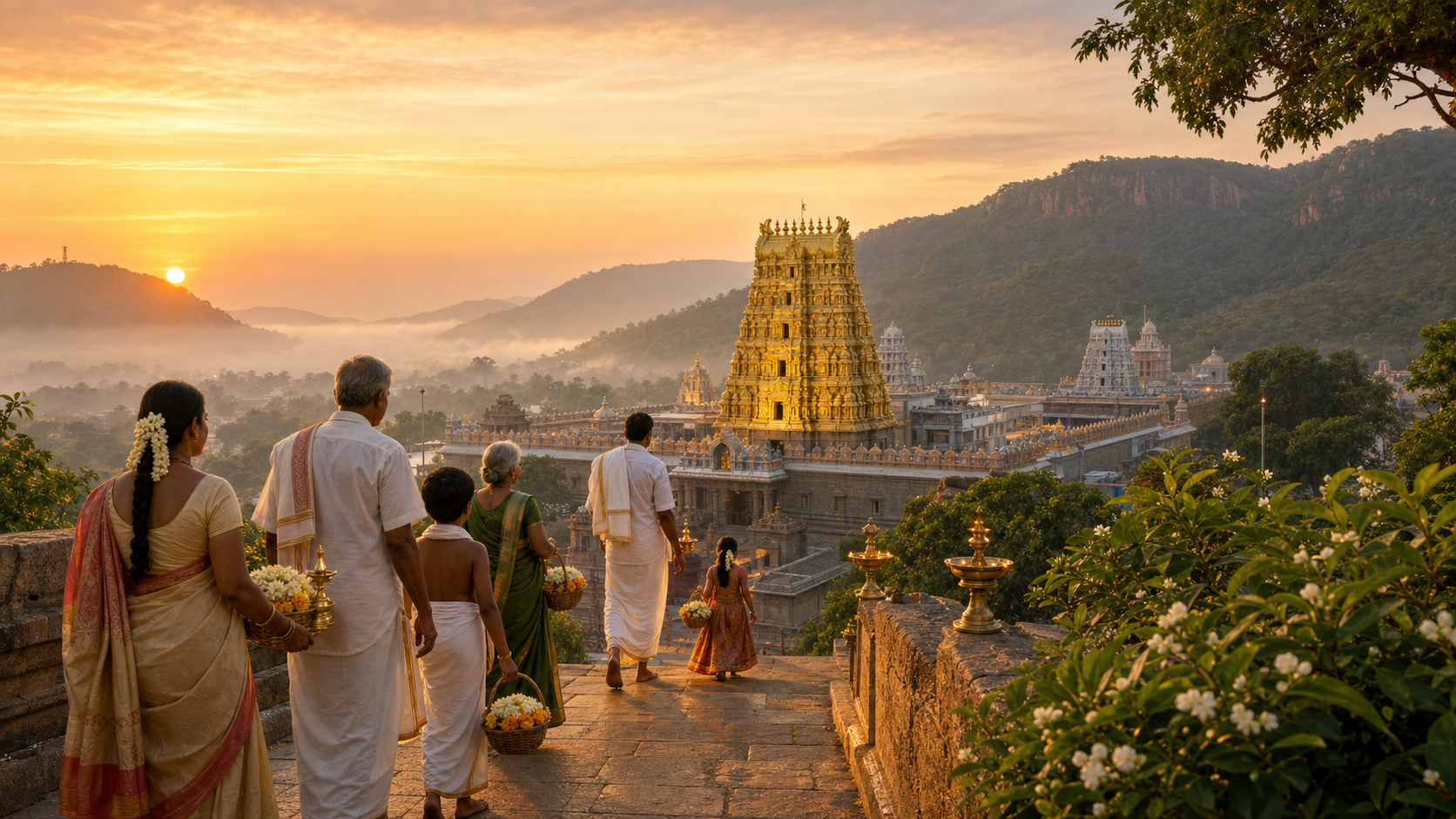
Head shaving at temples such as Tirumala (Tirupati) is a devotional act rooted in samskara, personal vows, and humility. The practice symbolizes letting go of ego and past impressions to begin anew in alignment with dharma. In mourning, tonsure expresses impermanence and solidarity with the departed, varying by region and custom. Practical benefits—ease of ritual…
-
Somnath 1026: Mahmud of Ghazni’s ruthless raid and a lasting wound to India’s heritage

Somnath’s fall in 1026 CE under Mahmud of Ghazni is retold here with academic clarity, historical sources, and a focus on cultural heritage. The narrative traces the desert march, the sieges across Kathiawar, the breach at Somanatha, and the temple’s destruction as recorded by Al-Biruni and Firishta. It contextualizes Bhima I’s withdrawal, the resistance at…
-
Panchamundi Asana Symbolism: The Goddess’s Awe-Inspiring Throne and the Triumph Over Human Limits

The Panchamundi Asana—Goddess Kali or Durga seated upon five skulls—functions as a precise Tantric statement about transcendence in Hindu temples. The five can represent senses, elements, sheaths, or afflictions, each pointing to mastery of inner limitations. Rather than glorifying death, the icon uses mortality as a mirror that cultivates fearlessness, clarity, and compassion. The symbolism…
-
Transforming Temple Visits with Sacred Hospitality: Welcoming Every Guest with Love and Dignity

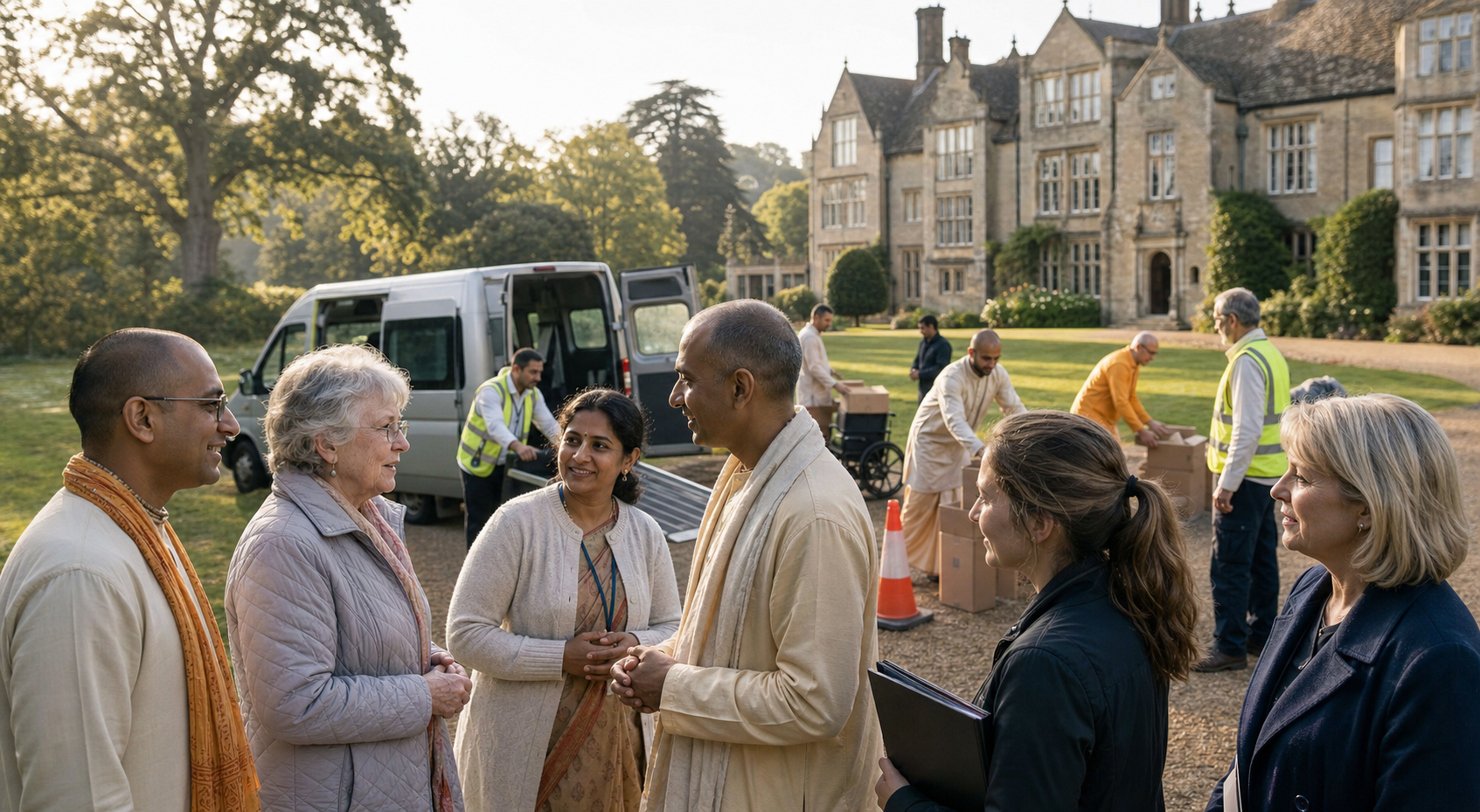
Sacred hospitality turns every temple visit into a dignified, inclusive, and uplifting experience. Drawing on Srila Prabhupada’s guidance, the practice emphasizes affectionate words, simple care, and thoughtful explanations of the Deities. Offering Krishna Prasadam with gratitude deepens devotion while keeping the atmosphere welcoming and serene, akin to Vaikuntha. Extending the same warmth to residents and…
-
25 January 2026 Ratha Saptami at Sri Govindarajaswamy Temple, Tirupati: Seven Vahanams and Divine Grace

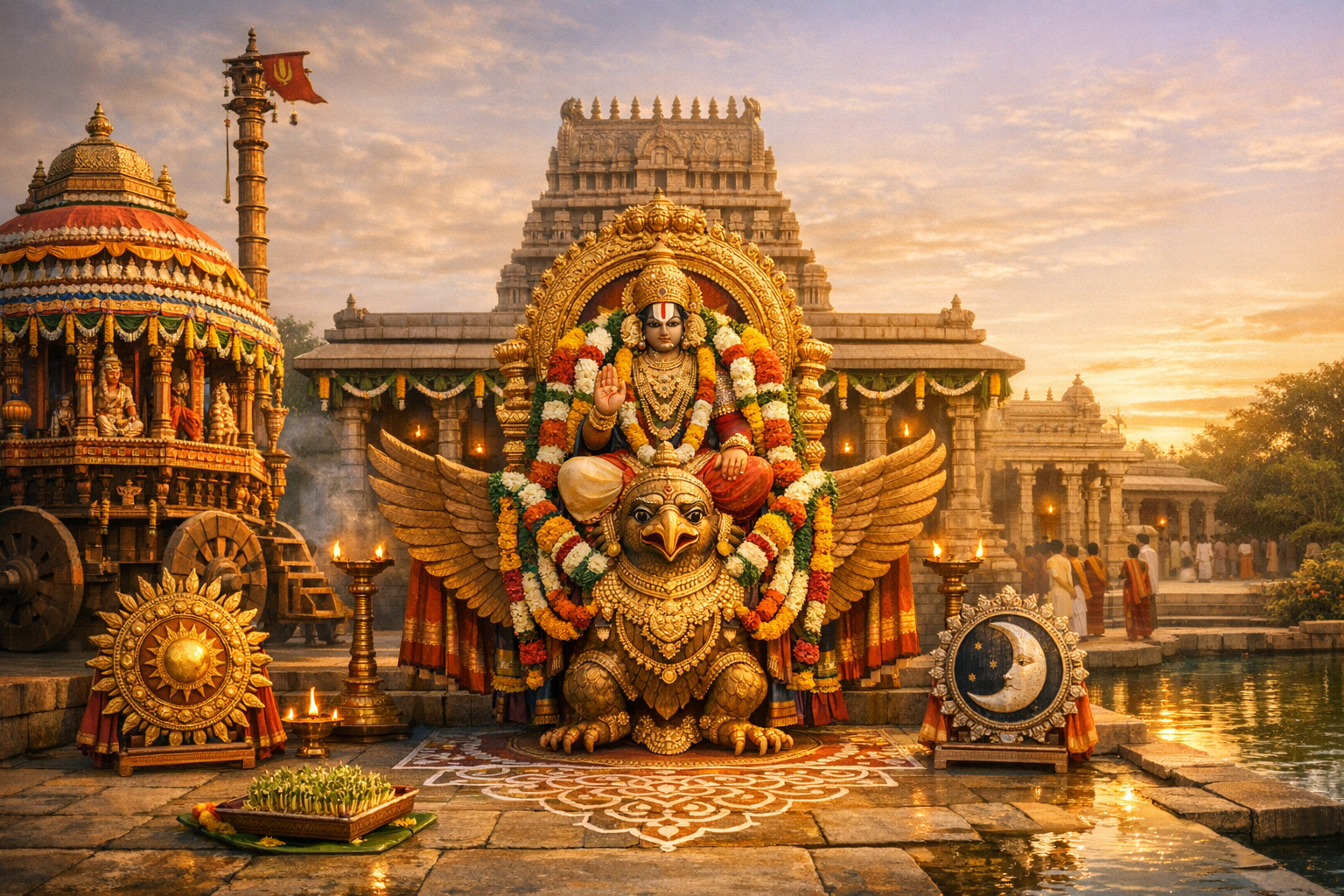
The Salakatla Ratha Saptami at Sri Govindarajaswamy Temple, Tirupati, will be celebrated on 25 January 2026 with the deity and His consorts parading on seven sacred vahanams. This festival, observed in the Shukla Paksha of Magha, honors Surya’s radiance and emphasizes renewal, discipline, and seva. Visitors can anticipate carefully managed darshan, devotional music, and a…
-
Gopuja on Kanuma 2026: Timings and temple highlights across AP, Telangana, Karnataka, TN, Kerala

Kanuma 2026 brings Gopuja to the heart of South India’s temple traditions, with a notable observance at the Tirupati Sri Venkateswara Gosamrakshanasala on 16 January 2026. Devotees can expect Abhishekam, puja, and harati to Sri Venugopala Swamy from 5:00–10:30 a.m., followed by Gopuja from 10:30–11:15 a.m. The festival emphasizes gratitude for cattle, gosamrakshana, and the…
-
TTD Tirumala Closure for Chandra Grahanam on 3 March 2026: Darshan Resumes After Suddhi: Key Timings

The Sri Venkateswara Swamy Temple (TTD) at Tirumala will be closed from 9:00 am to 7:30 pm on 3 March 2026 due to the Chandra Grahanam. Darshan will resume only after Suddhi and related purificatory rituals, with entry expected from 8:30 pm onward. These timings help devotees plan travel, meals, and rest, ensuring a smoother…
-
Tiruchanur Ratha Saptami 2026: Sacred Vahana Sevas, Surya Prabha Darshan Timings, and Blessings
Ratha Saptami (Surya Jayanti) at Tiruchanur on 25 January 2026 will feature Sri Padmavati Devi’s procession on seven vahanams, beginning with Surya Prabha Vahanam darshan between 7:00 and 8:00 am IST. The day’s sacred rhythm traditionally includes Hamsa Vahanam and other vahana sevas that highlight purity, radiance, and dharmic virtues. The observance emphasizes health, vitality,…
-
Govindarajaswamy Temple Adhyayanotsavams 2026: 24 Days of Divya Prabandham in Tirupati

The Adhyayanotsavams at Sri Govindaraja Swamy Temple, Tirupati, will take place from January 18 to February 10, 2026, aligning with Magha Masam in the Telugu calendar. Central to this 24-day observance is the daily 5:30–6:30 PM recitation of the Divya Prabandham, a hallmark of Sri Vaishnava tradition. The festival preserves sacred hymnody, encourages disciplined study,…