-
Transforming Temple Visits with Sacred Hospitality: Welcoming Every Guest with Love and Dignity

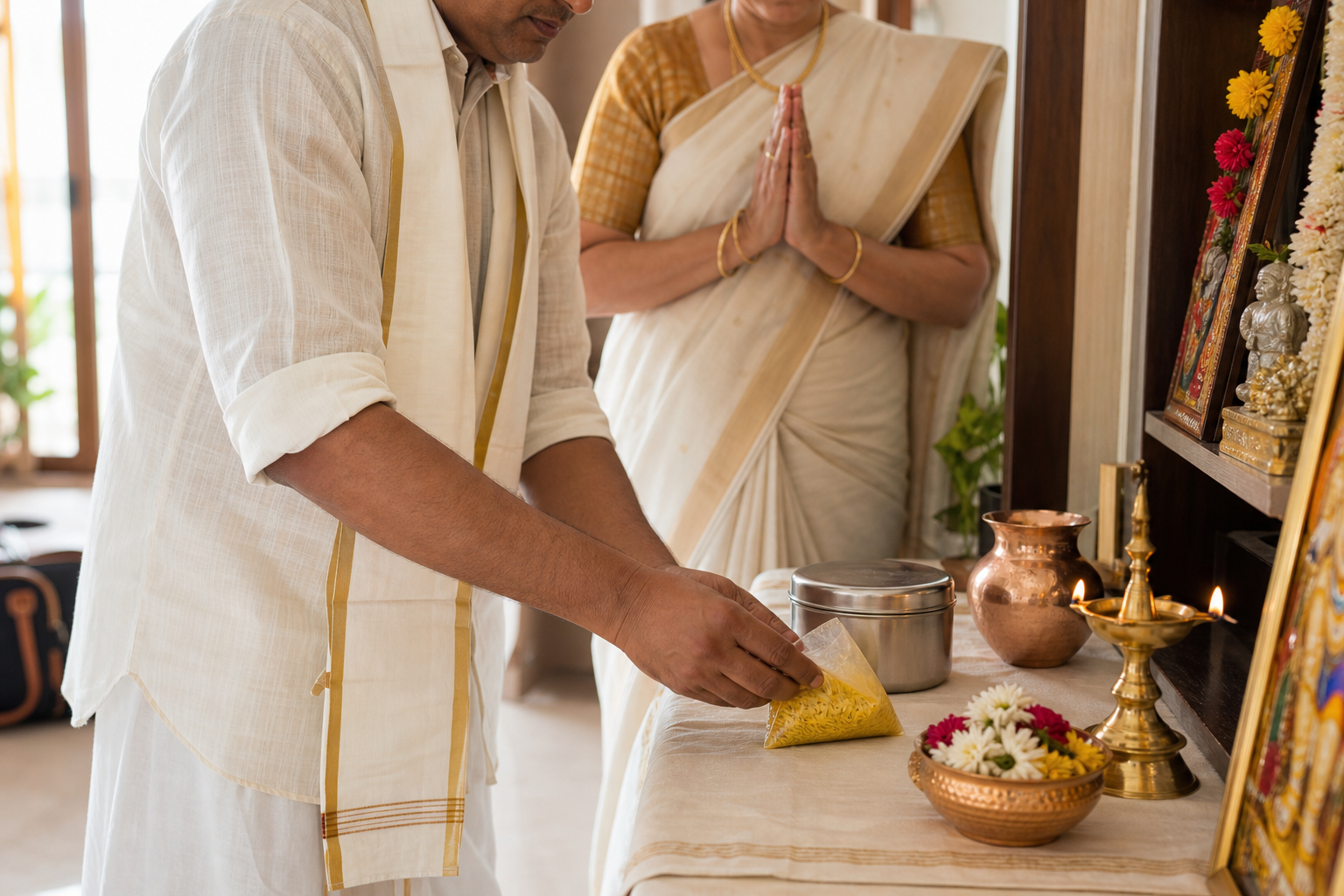
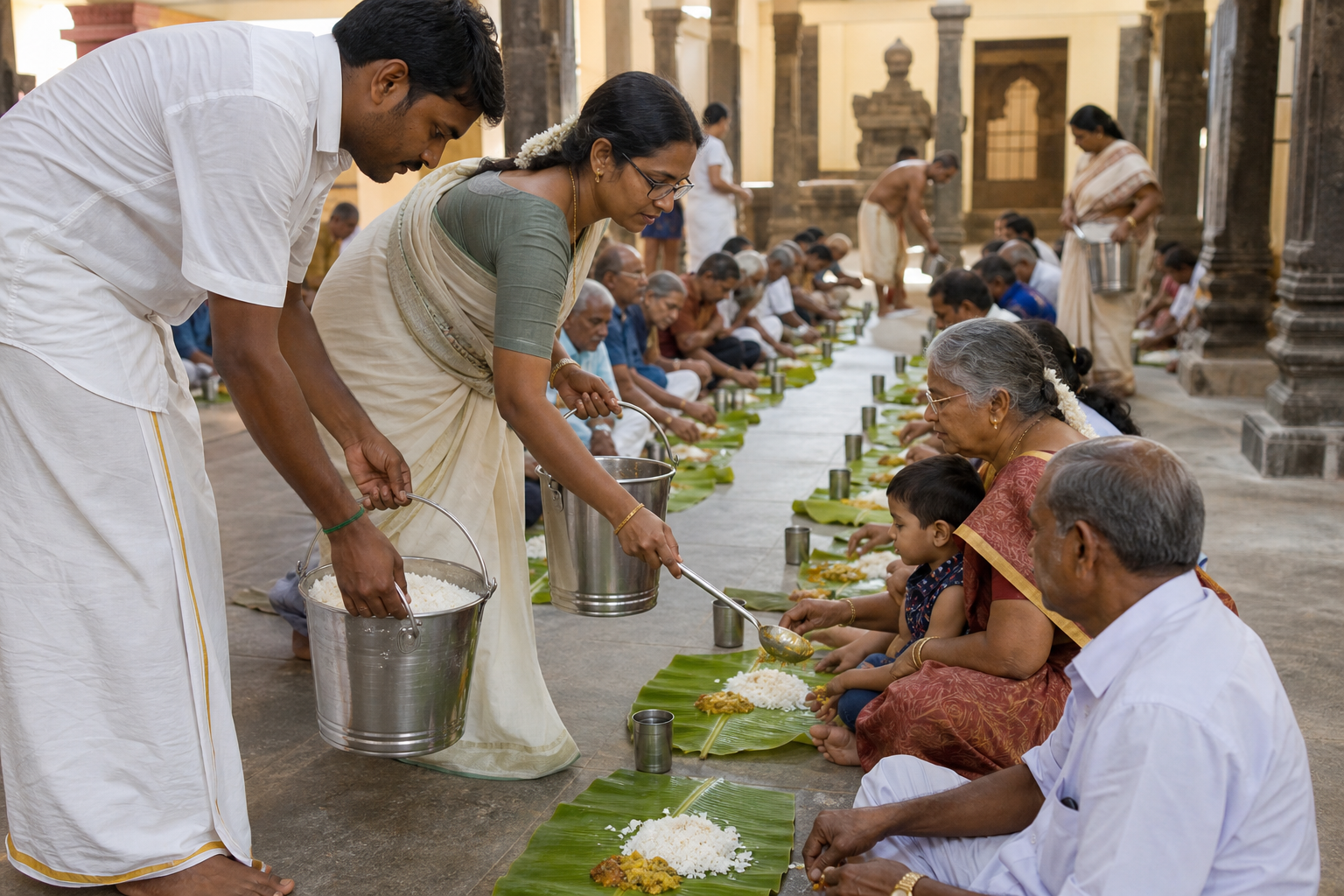
Sacred hospitality turns every temple visit into a dignified, inclusive, and uplifting experience. Drawing on Srila Prabhupada’s guidance, the practice emphasizes affectionate words, simple care, and thoughtful explanations of the Deities. Offering Krishna Prasadam with gratitude deepens devotion while keeping the atmosphere welcoming and serene, akin to Vaikuntha. Extending the same warmth to residents and…
-
25 January 2026 Ratha Saptami at Sri Govindarajaswamy Temple, Tirupati: Seven Vahanams and Divine Grace

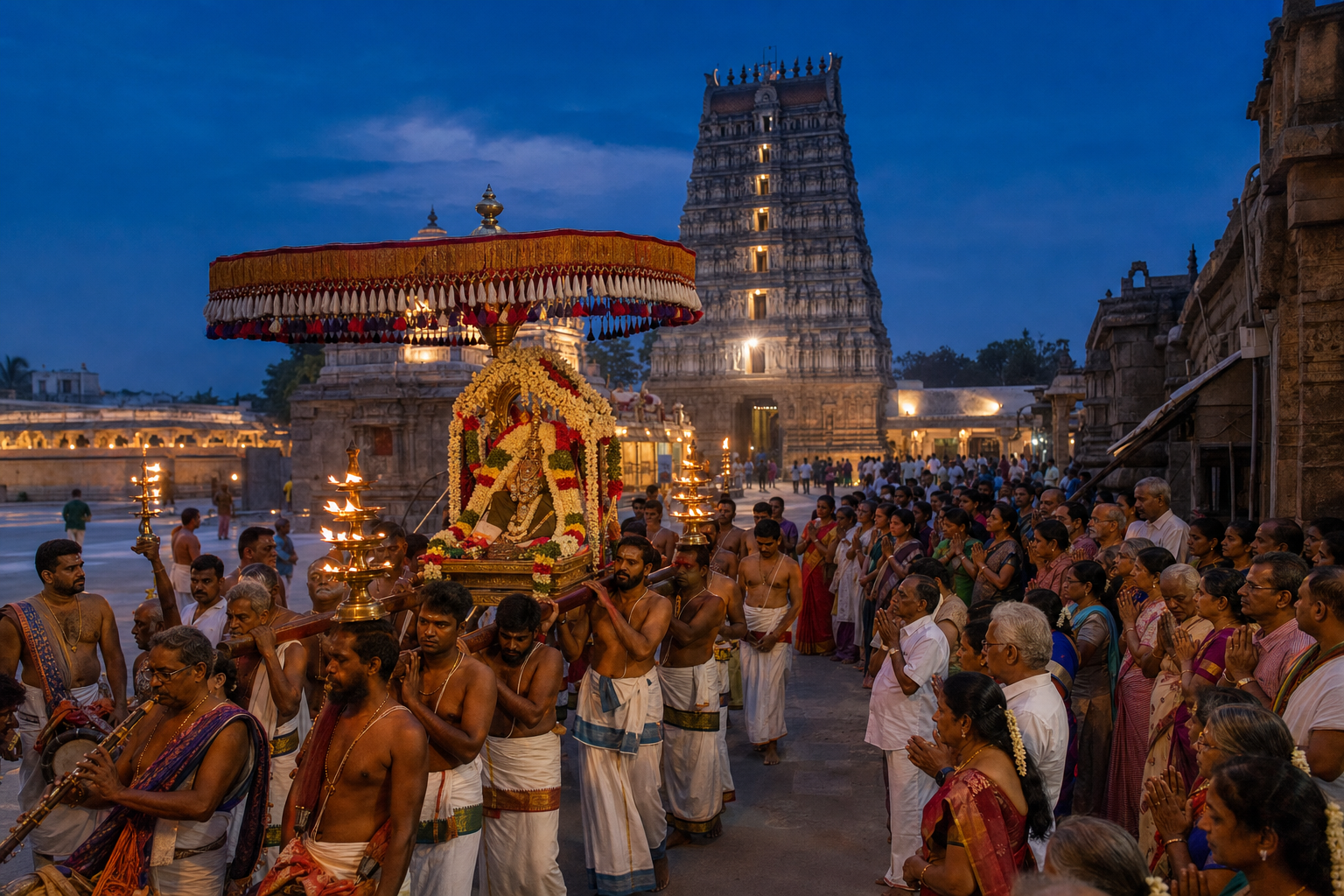
The Salakatla Ratha Saptami at Sri Govindarajaswamy Temple, Tirupati, will be celebrated on 25 January 2026 with the deity and His consorts parading on seven sacred vahanams. This festival, observed in the Shukla Paksha of Magha, honors Surya’s radiance and emphasizes renewal, discipline, and seva. Visitors can anticipate carefully managed darshan, devotional music, and a…
-
Gopuja on Kanuma 2026: Timings and temple highlights across AP, Telangana, Karnataka, TN, Kerala

Kanuma 2026 brings Gopuja to the heart of South India’s temple traditions, with a notable observance at the Tirupati Sri Venkateswara Gosamrakshanasala on 16 January 2026. Devotees can expect Abhishekam, puja, and harati to Sri Venugopala Swamy from 5:00–10:30 a.m., followed by Gopuja from 10:30–11:15 a.m. The festival emphasizes gratitude for cattle, gosamrakshana, and the…
-
TTD Tirumala Closure for Chandra Grahanam on 3 March 2026: Darshan Resumes After Suddhi: Key Timings

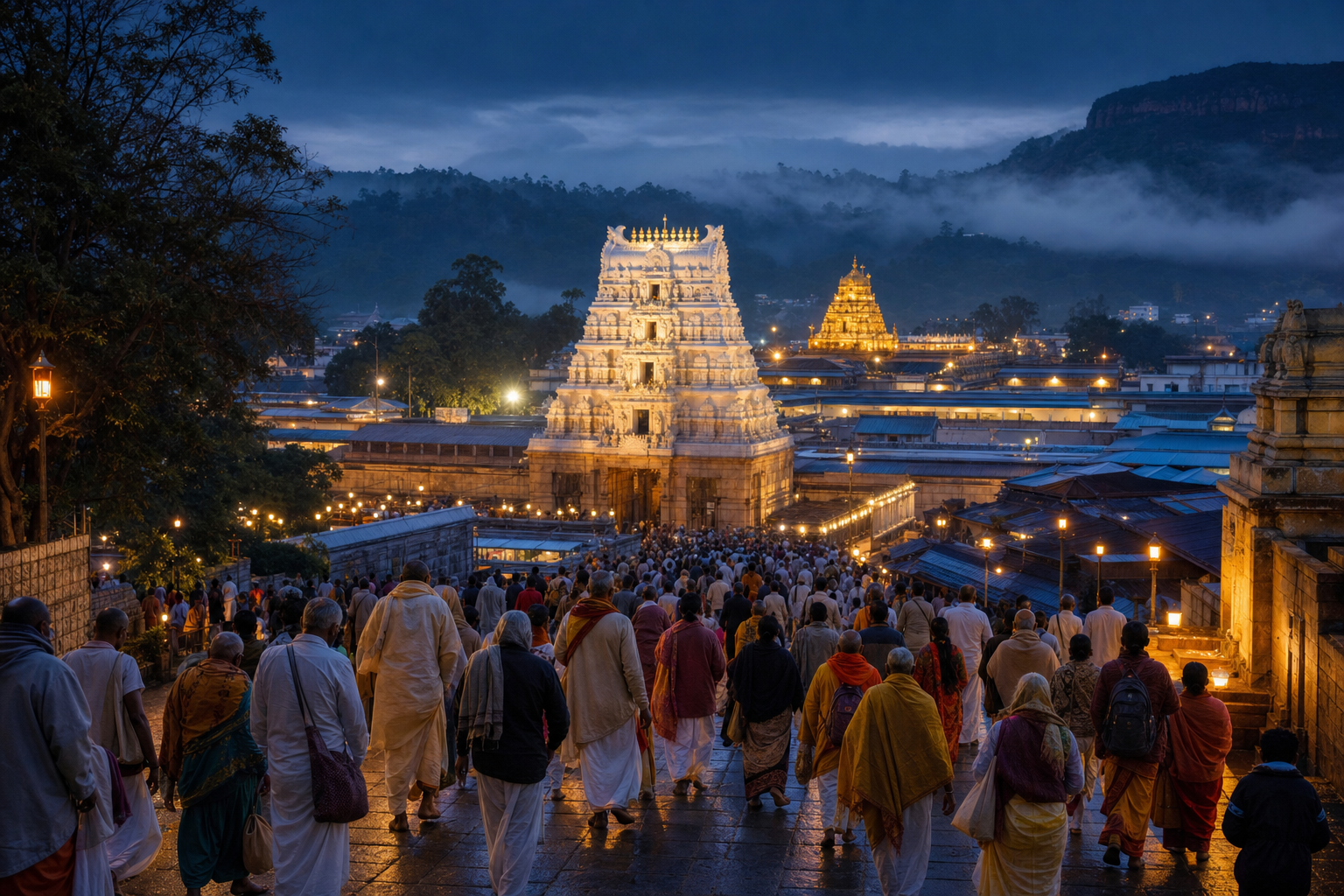
The Sri Venkateswara Swamy Temple (TTD) at Tirumala will be closed from 9:00 am to 7:30 pm on 3 March 2026 due to the Chandra Grahanam. Darshan will resume only after Suddhi and related purificatory rituals, with entry expected from 8:30 pm onward. These timings help devotees plan travel, meals, and rest, ensuring a smoother…
-
Tiruchanur Ratha Saptami 2026: Sacred Vahana Sevas, Surya Prabha Darshan Timings, and Blessings
Ratha Saptami (Surya Jayanti) at Tiruchanur on 25 January 2026 will feature Sri Padmavati Devi’s procession on seven vahanams, beginning with Surya Prabha Vahanam darshan between 7:00 and 8:00 am IST. The day’s sacred rhythm traditionally includes Hamsa Vahanam and other vahana sevas that highlight purity, radiance, and dharmic virtues. The observance emphasizes health, vitality,…
-
Govindarajaswamy Temple Adhyayanotsavams 2026: 24 Days of Divya Prabandham in Tirupati

The Adhyayanotsavams at Sri Govindaraja Swamy Temple, Tirupati, will take place from January 18 to February 10, 2026, aligning with Magha Masam in the Telugu calendar. Central to this 24-day observance is the daily 5:30–6:30 PM recitation of the Divya Prabandham, a hallmark of Sri Vaishnava tradition. The festival preserves sacred hymnody, encourages disciplined study,…
-
Purandhara Dasa Aradhana 2026, Tirumala–Tirupati: Three Sacred Days of Music, Bhakti, Unity

Purandhara Dasa Aradhana returns to Tirumala–Tirupati from 17–19 January 2026, honoring Sri Purandara Dasa’s living legacy as the father of Carnatic music. Hosted at Asthana Mandapam under TTD’s Dasa Sahitya Project, the celebration blends Suprabhatam, meditation, group bhajans, and Nagar Sankirtana into a contemplative three-day rhythm. Attendees benefit from an immersive devotional atmosphere where music,…
-
Kosuvaripalle Temple Brahmotsavam 2026: Dates, Key Rituals, and Visitor Essentials
The Sri Prasanna Venkateswara Swamy temple at Kosuvaripalle will observe its 2026 Brahmotsavam from 19–27 January, with Ankurarpanam on 18 January. Dhwajarohanam on 19 January inaugurates the festival with solemn dignity, followed by the mid-festival highlights of Garuda Seva and Kalyanotsavam on 24 January. Radhotsavam on 25 January draws vibrant community participation through the chariot…
-
Basara Aksharabhyasam Timings: Plan a Sacred Start to Learning at Sri Gnana Saraswati Temple

Basara Sri Gnana Saraswati Temple is renowned for Aksharabhyasam, the initiation into learning known as Vidyarambham, Akshara Sweekaram, and Ezhuthiniruthu. This guide explains how the ritual unfolds, what to bring, and how to approach Basara Temple Aksharabhyasam timings for a smooth experience. Families can expect multiple daily slots aligned with puja schedules, with peak demand…
-
Beyond VIP Lines: Restoring True Bhakti and Sacred Calm in Popular Hindu Temples

Many popular Hindu temples now resemble busy theaters, with VIP lines and special passes risking a shift from devotion to display. This analysis explores how to restore simplicity and sacred calm without compromising safety or heritage conservation. It presents equity-centered steps for devotees and administratorssingle-queue time slots, transparent policies, and priority access only for vulnerable…
-
Tarapith’s Maha Smasan: Where Goddess Tara Dwells and Tantric Sadhana Transforms Fear

Tarapith’s Maha Smasan in Bengal is revered in Shakta Tantra as a transformative sacred space where impermanence is faced and fear yields to wisdom. The cremation ground complements the temple’s compassionate iconography of Goddess Tara, offering a complete pedagogy of tenderness and fearlessness. Historically associated with Bamakhepa’s sadhana, the site illustrates the synthesis of devotion…
-
Agra Kalibari Temple: Living History, Miracle Pot Lore, and the Rhythm of Worship

Agra Kalibari Temple in Uttar Pradesh offers a compelling blend of living history, devotional practice, and community memory. Oral narratives describe over two centuries of worship, with the cherished lore of a “miracle pot” symbolizing abundance and grace. The temple’s ritualsespecially during Amavasya, Navaratri, and Kali Pujafoster focus, resilience, and gratitude. Sensory elements like incense…
-
From Sacrifice to Serenity: Ash Gourd Symbolism in Kali Temples and the Power of Ahimsa

This post explores how ash gourd offerings in Goddess Kali temples serve as a non-violent alternative to animal sacrifice while preserving the intensity of Shakta ritual. It explains the ash gourd’s layered symbolismpurity, surrender, and inner transformationand situates the practice within the broader dharmic ethos of ahimsa, karuna, and seva. Readers learn why communities increasingly…
-
Ashtabhuja Ganesh Mandir, Ramtek: A Soul-Stirring Sanctuary of Faith in Maharashtra

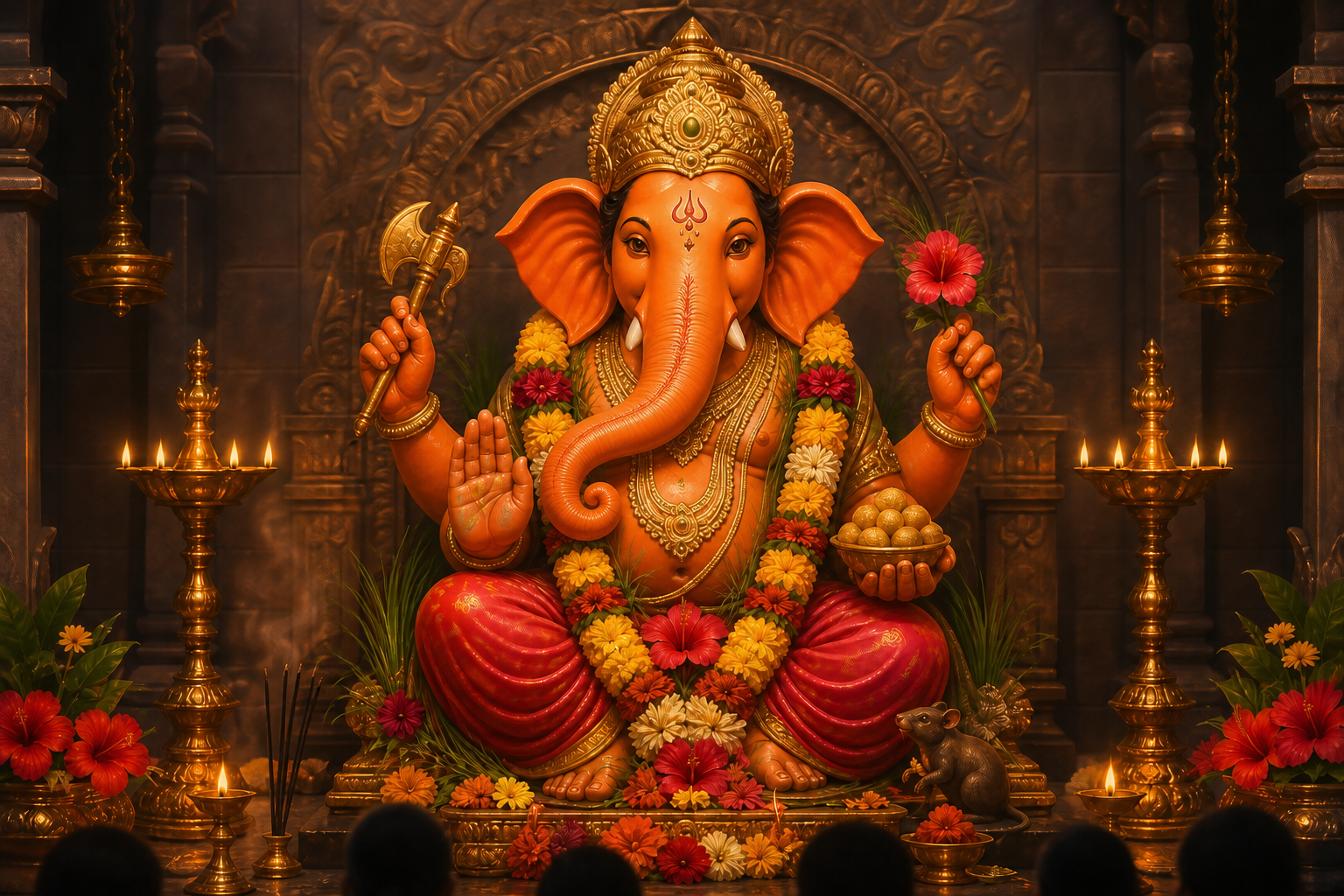
Ashtabhuja Ganesh Mandir in Ramtek, Maharashtra, is a renowned Lord Ganesha temple known for its devotional ambiance and cultural importance. The eight-armed (Ashtabhuja) form of Ganesha in the sanctum symbolizes wisdom, protection, prosperity, and compassion. Pilgrims often describe the darshan as a calming experience that strengthens intention and gratitude. Festival observances such as Ganesh Chaturthi…
-
Ekapada Shiva Unveiled: The One‑Footed Cosmic Axis in Ancient Hindu Temple Iconography

Ekapada Shiva (Ekapada Murthy) embodies Lord Shiva as the one-footed axis that sustains cosmic order. The single leg symbolizes the skambha, conveying steadiness, one-pointed concentration, and the yogic ideal of inner stillness. Found in select templesespecially in Odishaand a few ancient Shiva sites across India, this rare icon deepens understanding of Hindu temples and sacred…
-
Kotavde, Ratnagiri: Protests, Panchayat Action Close Halal Outlet Near Shri Mahalakshmi Temple

A Halal Chicken Centre near the Shri Mahalakshmi Temple in Kotavde, Ratnagiri closed after peaceful community protests and prompt Gram Panchayat intervention. The action, taken to maintain temple sanctity, showcases how local governance can defuse tension through due process. The episode highlights the value of clear planning norms around places of worship and transparent licensing.…
-
New Mayapur’s Living Legacy: Srila Prabhupada’s Vision of Bhakti, Community, and Self‑Sufficiency

This concise documentary offers a focused window into New Mayapur in France, where Srila Prabhupada’s vision of rural community life and self‑sufficiency is actively practiced. It highlights how bhakti, kirtan, and seva shape daily rhythms, linking sacred spaces to practical responsibilities. The narrative shows how Hare Krishna traditions can adapt to European settings without diluting…
-
Alopi Devi Temple, Prayagraj: Sacred Shakti Peeth Where a Cradle Becomes the Deity

Alopi Devi Temple in Prayagraj, a revered Shakti Peeth, is renowned for an aniconic sanctum where a red-draped cradle is worshipped instead of an idol. The shrine’s symbolism emphasizes the formless presence of the Divine Mother while honoring maternal tenderness, protection, and renewal. Local lore links the name “Alopi” to disappearance, suggesting a sacred presence…
-
Goddess Tara at Tarapith: Decoding the Divine Symbolism of the Twin Murti Forms

Tarapith Temple in West Bengal venerates Goddess Tara through two complementary imagesan aniconic essence and an anthropomorphic Murtioffering a layered experience of darshan. The maternal icon of Tara nursing the infant Shiva symbolizes compassionate wisdom sustaining consciousness. Cremation ground motifs and skull garlands invite reflection on impermanence and fearlessness, common themes in Shakta Tantra. Rituals…