-
From Ritual to Revelation: End ‘Courtesy Japa’ with Focused, Science-Backed Mantra Practice

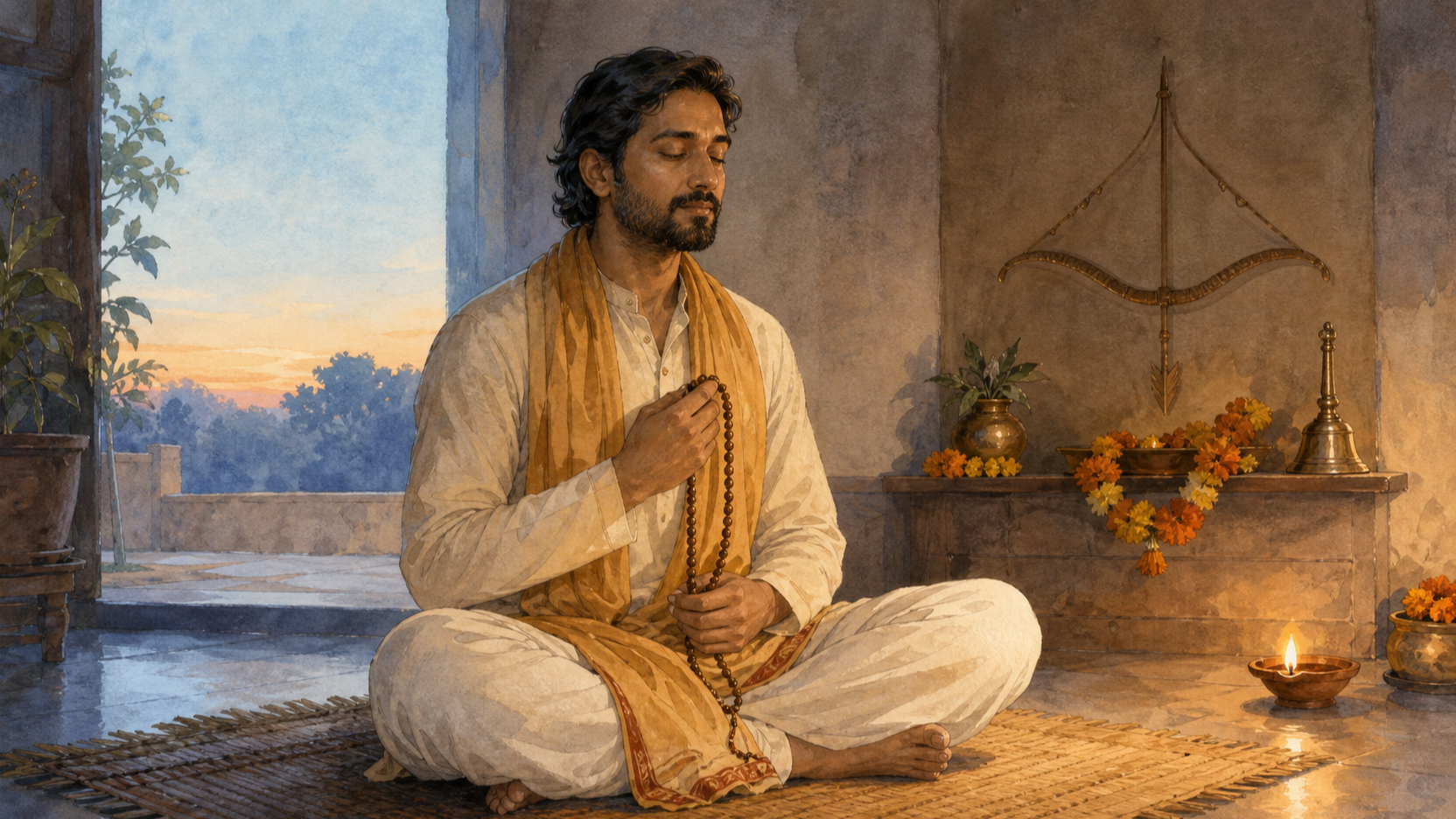
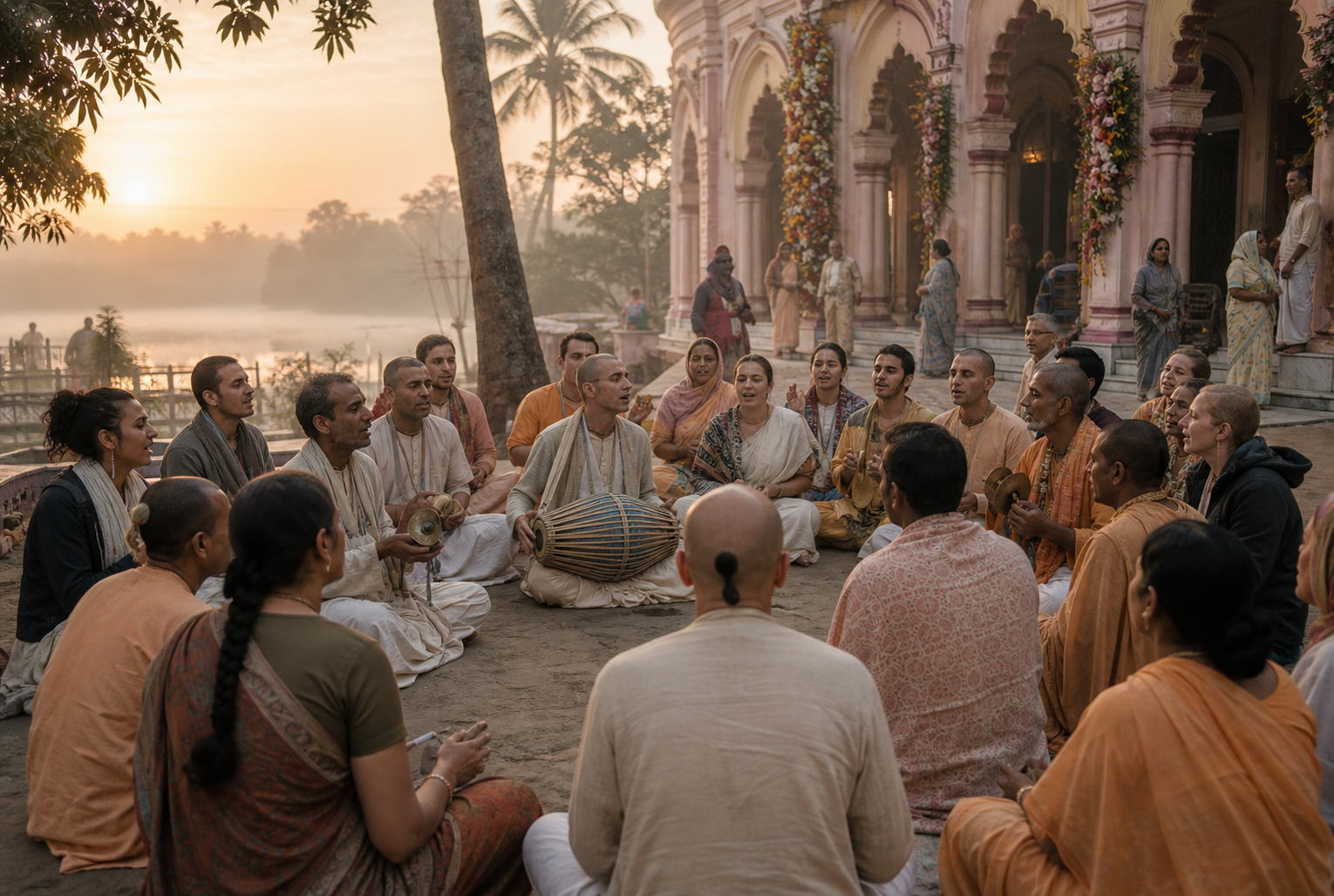
Courtesy japa—mechanical, minimally attentive mantra repetition—yields little transformative benefit because it lacks clear sound, focused attention, and heartfelt intent. Drawing on Srila Prabhupada’s memorable illustration, this analysis explains why ritual without presence does not mature into love of Krsna, while still acknowledging the protective value of vow-keeping. Integrating insights from Hinduism, Buddhism, Jainism, and Sikhism,…
-
Sri Navadvipa-dhama Virtual Parikrama: Immersive, Scriptural, QR‑Guided Pilgrimage Anywhere

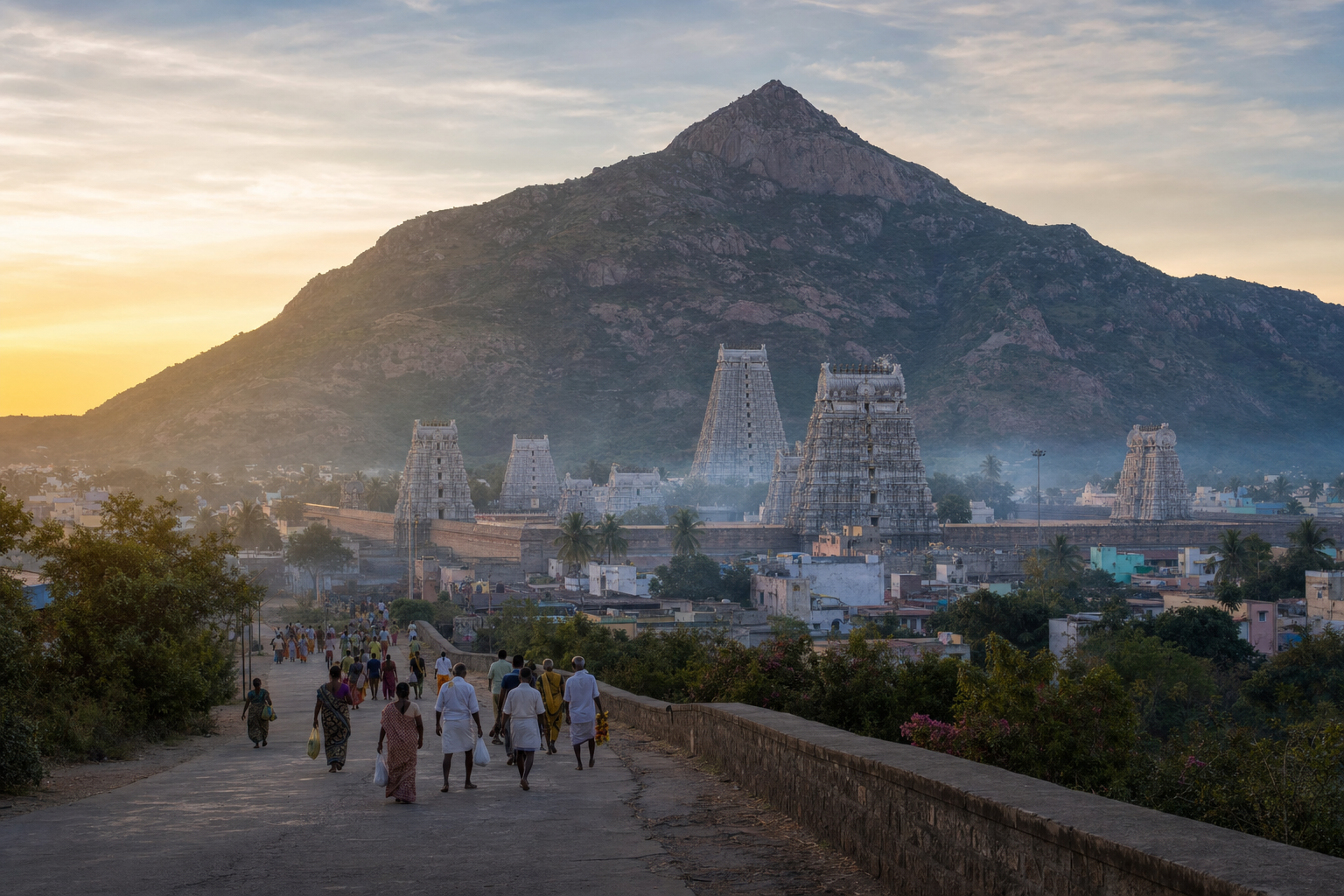
Sri Navadvipa-dhama Virtual Parikrama makes the sacred geography of Gaura-mandala-bhumi accessible worldwide through a multilingual, mobile-first platform. Rooted in Srila Bhaktivinoda Thakura’s vision and continued by ISKCON Mayapur, it integrates scriptural citations, curated media, and Google-guided routing. On-site QR codes unlock place-specific teachings, balancing convenience with devotional focus. The route aligns each of the nine…
-
Vishnupathi Punyakalam 2026–2027: Sacred Dates, Auspicious Timings, and Complete Puja Guide

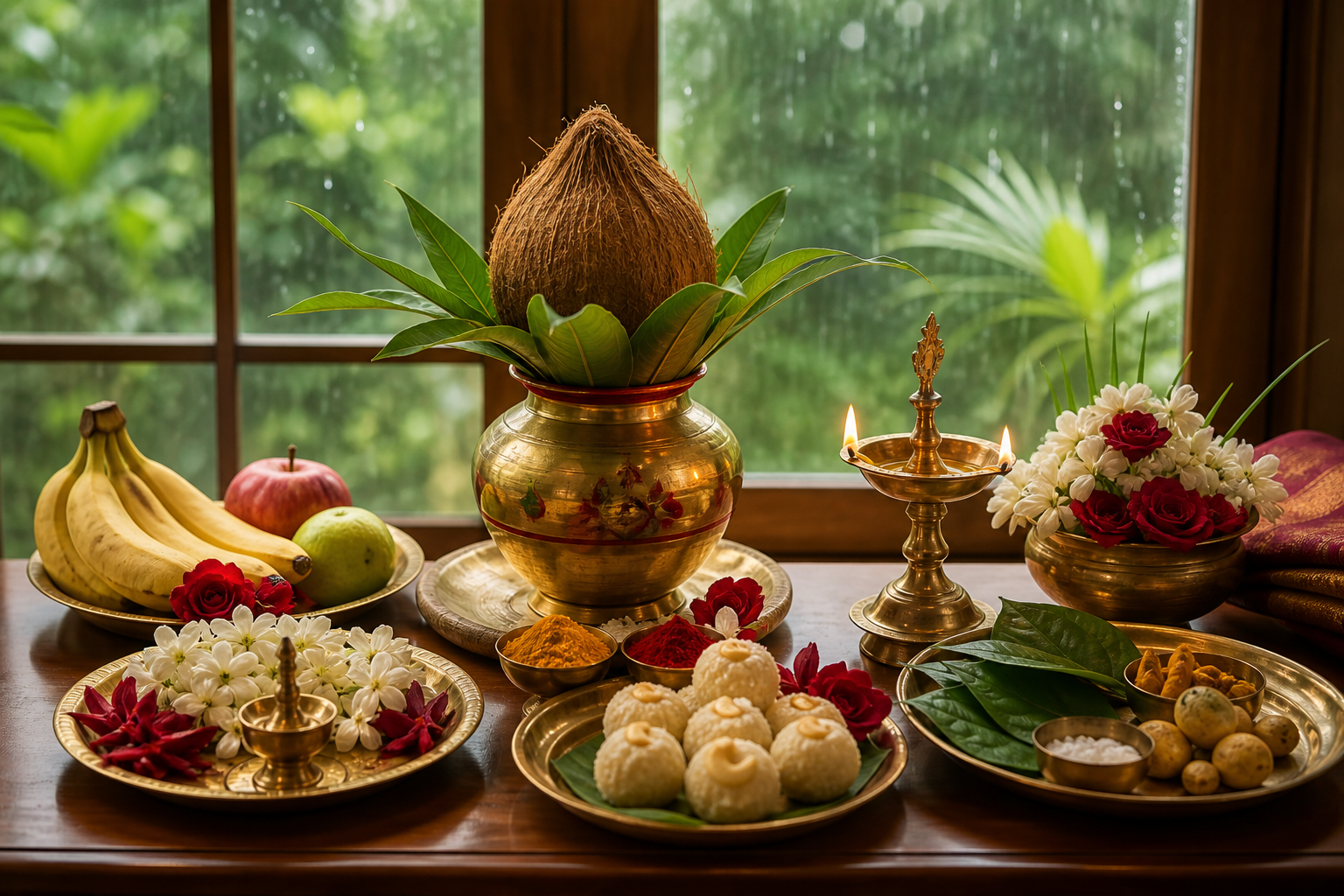
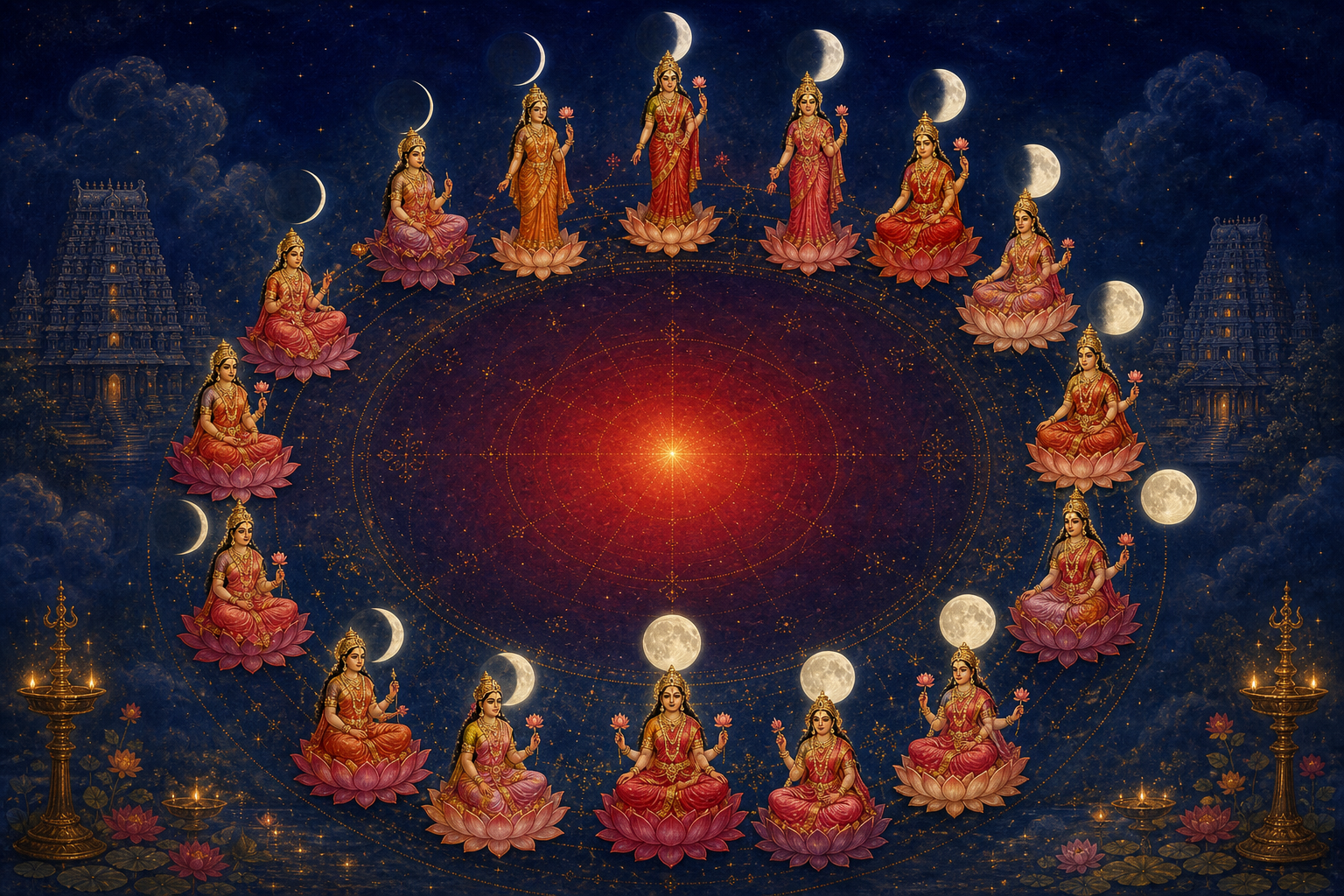
Vishnupathi Punyakalam occurs four times a year when the Sun enters the fixed signs of the sidereal zodiac, creating an especially auspicious window for worship of Lord Vishnu. The 2026 cycle begins on 13 February 2026 with Kumbha Sankranti, followed by observances in May, August, and November; the pattern repeats in 2027 with similar mid-month…
-
Maha Shivaratri Puja Vidhi with Mantras: A Precise, Soul-Calming, Step-by-Step Home Guide

This comprehensive Maha Shivaratri Puja guide presents a precise, step-by-step home ritual with authentic mantras and clear sequencing suited to both beginners and experienced devotees. It explains Tithi-based timing, including Nishita Kaal, and offers a simple abhishekam-centered procedure with Panchopachara offerings. The guide outlines fasting options, night vigil practices, and safe, environmentally mindful use of…
-
Maha Shivaratri 2026 Puja Muhurat Guide: Exact Date, Nishita Kala & Lingodbhava Insights

This in-depth guide clarifies that Maha Shivaratri 2026 is observed across India on the night of 15 February, with both South and North Indian calendars aligned. It explains the rule of Ratri Vyapini Chaturdashi and details why Nishita Kala—the midnight-centered muhurta—is prioritized for Shiva puja. Readers learn a precise, location-specific method to compute Madhyaratri and…
-
ISKCON GBC approves Vaisnavi Diksa Guru framework: historic, unifying step for inclusive bhakti

At the GBC AGM 2026, ISKCON’s Governing Body Commission approved a GBC – ISKCON Bureau (IB) Committee proposal on Vaisnavi Diksa Guru (VDG), marking a significant step in clarifying how qualified Vaisnavis can serve as initiating spiritual masters. The decision emphasizes guru-tattva principles—realized knowledge, strict sadhana, and spotless conduct—over incidental characteristics such as gender. It…
-
February 21, 2026 Panchang: Shukla Chaturthi to Panchami—Auspicious Guidance and Clarity

February 21, 2026 begins with Shukla Paksha Chaturthi and transitions to Shukla Paksha Panchami at 1:30 PM (regional variations apply). The morning favors orderly beginnings and focused effort, while the afternoon supports steady study and routine tasks. Readers can refine good time (shubh muhurat) using a local Panchang tailored to sunrise and city coordinates. Checking…
-
Sacred Solitude in Kali Yuga: Hindu Wisdom to Turn Loneliness into Inner Strength

Kali Yuga’s turbulence often magnifies loneliness, yet Hindu wisdom reframes solitude as a disciplined practice for clarity and compassion. Drawing on the Bhagavad Gita, Yoga Sūtras, and Upanishadic thought, sacred solitude is shown to renew attention, emotional resilience, and ethical steadiness. Complementary insights from Buddhism, Jainism, and Sikhism highlight shared practices—mindfulness, kāyotsarga, and simran—that deepen…
-
Sri Radha’s Luminous Eyes: Heart-Purifying Insights on Kohl, Japa, and Vrindavan Bhakti

This installment in the ecstatic love series explores the devotional symbolism of Srimati Radharani’s eyes in Vrindavan bhakti. Opening with Vyasadas’s prayers to guru and Gauranga, it emphasizes purification of the heart through chanting (japa) and meditation (dhyana). The application of dark kohl (kajal) is interpreted as both an aesthetic intensifier and a metaphor for…
-
Devotee Care at ISKCON Vrindavan: Compassionate Support for Spiritual and Emotional Well‑Being

The Devotee Care Project at ISKCON Vrindavan supports devotees’ physical, emotional, and spiritual well-being through guidance, counseling, and community support. Its compassionate, dignity-centered approach nurtures resilience and deepens sadhana and seva. Devotees often report feeling seen and spiritually grounded, with shared practices like kirtan strengthening belonging. The project’s methods align with dharmic values—compassion, ahimsa, mindfulness,…
-
Mahakala Murti Iconography: Unveiling Shiva’s Fierce Time and Cosmic Dissolution

Mahakala’s murti reveals Shiva as the Great Time—fierce yet ultimately protective—through a precise language of symbols: trident, damaru, skull cup, cremation ground, and the halo of flames. Readers gain a clear, accessible guide to Mahakala’s iconography, a philosophical lens on impermanence and transcendence, and practical insight into ritual observances such as Maha Shivaratri. The article…
-
Sun–Saturn (Ravi Shani) Conjunction Across 12 Houses: Transformative Vedic Insights

This guide presents a clear, house-by-house exploration of the Sun–Saturn (Ravi Shani) conjunction in Vedic astrology. It preserves the classical note that, when together, these planets are read as aligned in purpose, and that Mercury’s addition can sharpen conflicts wherein the Sun’s effect predominates. Readers gain practical, academically grounded insights for all 12 bhavana (houses),…
-
February 20, 2026 Panchang: Sacred Timings from Tritiya to Chaturthi, Auspicious Guidance

On Friday, February 20, 2026, Shukla Paksha Tritiya prevails until 3:05 PM in most regions, then the day transitions to Shukla Paksha Chaturthi. Tritiya supports auspicious initiatives, study, charity, and refined intentions, while Chaturthi invites Ganesha-centered worship and steady, obstacle-clearing effort. Practical guidance emphasizes choosing shubh muhurat locally, avoiding inauspicious intervals like Rahu Kalam, and…
-
Indrani Mata Mahatmyam: Vedic Origins, Saptamatrika Power, and Sacred Significance

Indrani Mata—revered as Aindri, Shachi, and Paulomi—stands at the confluence of Vedic authority and Shakta devotion. Rig Veda 10.86 attests to her sovereign presence, while Saptamatrika traditions depict her as the protective Shakti of Indra, wielding the vajra and embodying righteous leadership. Her symbolism aligns courage with dharma, inspiring devotees toward clarity and steadfastness in…
-
Sammohana Shasta Unveiled: Symbolism, Sacred Aesthetics, and the Pull of Divine Grace

Sammohana Shasta, within the Ashta Sastha tradition of Lord Shasta (Ayyappa), is presented as the sacred force that attracts the mind toward truth and compassion. Rather than worldly allure, this form symbolizes the ethical and contemplative pull that unifies devotion, knowledge, and practice. The post clarifies how Sammohana—“the enchanter”—is best understood as the irresistibility of…
-
Vrindavan’s Enchanted Forest: A Contemplative Journey into Radha-Krsna’s Divine Love

This contemplative essay presents Vrindavan as a sacred forest where devotion, beauty, and wisdom converge in the Bhakti Tradition. It clarifies classic images of Radha and Krsna with an academic, inclusive reading that honors multiple devotional rasas. The discussion reframes a traditional exclusivist claim as a metaphor for diverse spiritual moods, supporting unity across Hindu,…
-
Beyond Glamour and Noise: How Bhakti Love of God Satisfies the Heart’s Deep Thirst

Modern life offers endless stimulation—gadgets, parties, and social media fame—yet the heart’s thirst for love often remains unsatisfied. A classical insight from the Bhakti Tradition explains why: when love is offered to the Divine Source, fulfillment naturally overflows into all relationships. This root-and-branches model clarifies how devotion to Krishna (Supreme God) integrates one’s inner life…
-
Nick Jonas Embraces Hindu Values with Priyanka Chopra: Multifaith Parenting and Dharma

Nick Jonas highlights how embracing Hindu values since marrying Priyanka Chopra has shaped a thoughtful, multifaith approach to parenting. He underscores the importance of karma, dharma, and Indian traditions in their home, blending cultural integration with spiritual depth. The family’s practice reflects unity in diversity and illustrates how interfaith households can nurture respect while preserving…
-
Flower Festival Discourse at ISKCON Chowpatty: HH Radhanath Swami on Ramayana, Gita, and Inner Joy

Delivered during the Flower Festival at ISKCON Chowpatty, HH Radhanath Swami’s discourse presented an academically clear and emotionally resonant reading of the Ramayana and Bhagavad-gita. It underscored that the Supreme Truth—known as Krishna and by other sacred names—guides humanity through timeless teachings across ages. Listeners were reminded that authentic happiness begins with self-understanding beyond the…
-
Overcoming Early Spiritual Despondency: Dharmic Wisdom to Steady the Heart and Mind

Early spiritual practice often brings periods of despondency, yet dharmic wisdom frames these valleys as integral to growth, not signs of failure. Drawing on Hinduism, Buddhism, Jainism, and Sikhism, this reflection normalizes low spirits and offers practical responses. It outlines sattvic routines, pranayama, and mindfulness to steady the mind, along with Bhakti, Naam Simran, and…