-
February 13, 2026 Panchang: Krishna Paksha Ekadashi to Dwadashi—Timings, Fasting, Auspicious Guide

Friday, February 13, 2026 aligns with Krishna Paksha Ekadashi until 1:30 PM, after which Krishna Paksha Dwadashi begins. The day supports mindful fasting, puja, and study, with Parana traditionally observed on Dwadashi. Shubh Muhurat, Nakshatra, and Rashi details vary by location; a local Panchang or temple schedule ensures accurate timings. Early Brahma Muhurta is especially…
-
Jvarabhagnamurti: Lord Shiva’s Healing Power to End Illness and Restore Well‑Being

Jvarabhagnamurti, the healing form of Lord Shiva, is venerated as the destroyer of unhealthy states that disturb body, mind, and spirit. This tradition promotes a holistic view of health that harmonizes spiritual practice with responsible self-care and medical guidance. Devotee experiences point to greater calm, resilience, and adherence to healthy routines through steady remembrance and…
-
ISKCON Constitution FAQ: Clear, Trust-Building Answers for Unity and Dharmic Harmony

The ISKCON Constitution Drafting Committee presents a concise FAQ that clarifies key principles of the ISKCON Constitution. This accessible resource centralizes authoritative answers, reducing ambiguity and promoting informed participation. Its structured, reliable format supports devotees, community organizers, and researchers alike. By modeling transparent and ethical governance, it also strengthens interfaith dialogue and unity in spiritual…
-
Masik Sankranti 2026: Powerful Sun Transits, Monthly Dates Overview, and Vratham Guide

Masik Sankranti 2026 marks twelve precise Surya Sankramana events that begin with Makar Sankranti (Sun’s ingress from Dhanu to Makara) and culminate with Dhanu Sankranti (from Vrischika to Dhanu). Each transit inaugurates a new solar month, making Monthly Sankranti dates a reliable guide to vratas and regional observances. Because timings vary by location, consulting a…
-
Sambrani Dhoop: Ancient Origins, Sacred Uses, and Everyday Benefits for Mindful Homes

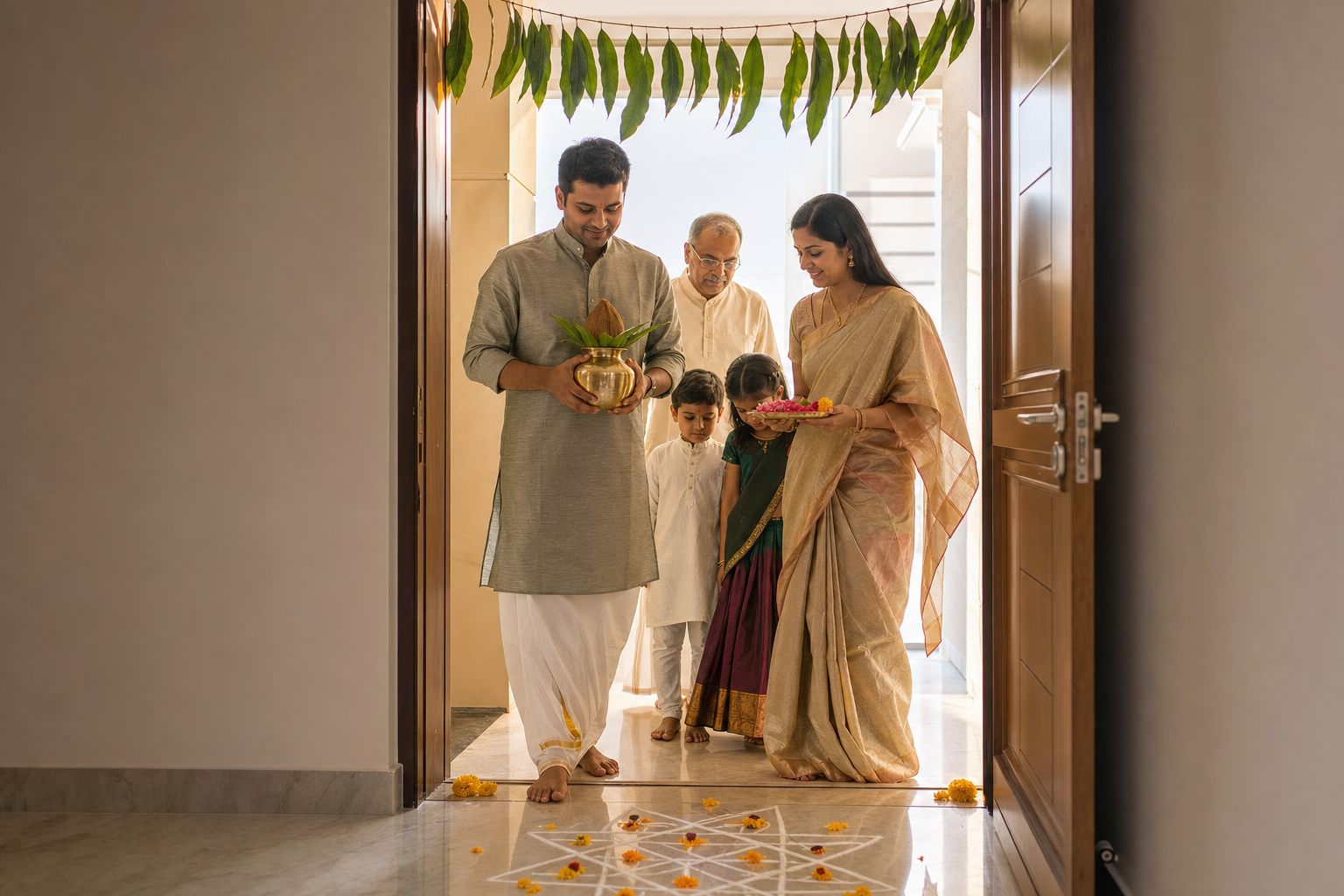
Sambrani dhoop has been used since ancient India to sanctify spaces, enhance focus, and mark the beginning of sacred time. Its warm, resinous fragrance—traditionally associated with the Sal Tree and related benzoin-type resins—supports calm breathing and meditative attention. Families often light Sambrani after cleaning to refresh rooms and create a welcoming, prayerful atmosphere. Ayurvedic perspectives…
-
Kuja in Lagna (Mars in 1st House): Powerful Ascendant Insights, Strengths & Cautions

Mars (Mangal/Angaraka/Kuja) in the 1st house (Lagna) intensifies vitality, identity, and initiative in Vedic Astrology. Ruling Mesha (Aries) and Vrischika (Scorpio), exalted in Makara (Capricorn), and debilitated in Karka/Karkatakam (Cancer), Mars shapes both strengths and cautions through dignity and aspects. This placement supports decisive leadership, athleticism, and tactical thinking, while urging care with impatience, abrasiveness,…
-
Decode the Sun–Mercury (Ravi–Budha) Conjunction: Timing, Strength, and Life Impact

This analysis examines the Sun–Mercury (Ravi–Budha) conjunction as a cohesive pattern linking identity to intellect. It explains why the combined influence is considered most noticeable until about age 39 and clarifies the traditional 2:1 strength weighting in favor of the Sun. Readers gain a clear framework for understanding how house placement, Lagna, and Rashi refine…
-
Sun–Rahu Conjunction Explained: Ravi Rahu in Each House, Karmic Lessons and Remedies

This analysis clarifies the Sun–Rahu conjunction (Ravi Rahu in the same house) using the classical eclipse metaphor while avoiding fatalism. It explains how outcomes depend on house placement, sign dignity, aspects, and timing, and offers a concise overview of effects across all twelve houses. The discussion reframes traditional notes about midlife delays as tendencies moderated…
-
Transformative Lal Kitab Remedies for Shukra in the 1st House (Lagna)

This guide explains the Lal Kitab view of Venus (Shukra) in the 1st house (Lagna), including why the Saturn–Venus “Crow Line” is considered challenging and how to respond with balanced, ethical remedies. Readers learn practical Friday observances, charitable donations of white items, and the symbolic use of silver to ease Venus afflictions. Cleanliness, gentle fragrance,…
-
February 12, 2026 Panchang: Dashami to Ekadashi (11:32 AM), Timings, Significance, and Harmony

On Thursday, February 12, 2026, the Panchang notes Krishna Paksha Dashami until 11:32 AM, after which Krishna Paksha Ekadashi begins in most regions. This transition encourages a mindful shift from preparation to practice through fasting (as appropriate), prayer, and study. Readers are advised to consult local Panchang data for Nakshatra, Rashi, and precise Shubh Muhurat.…
-
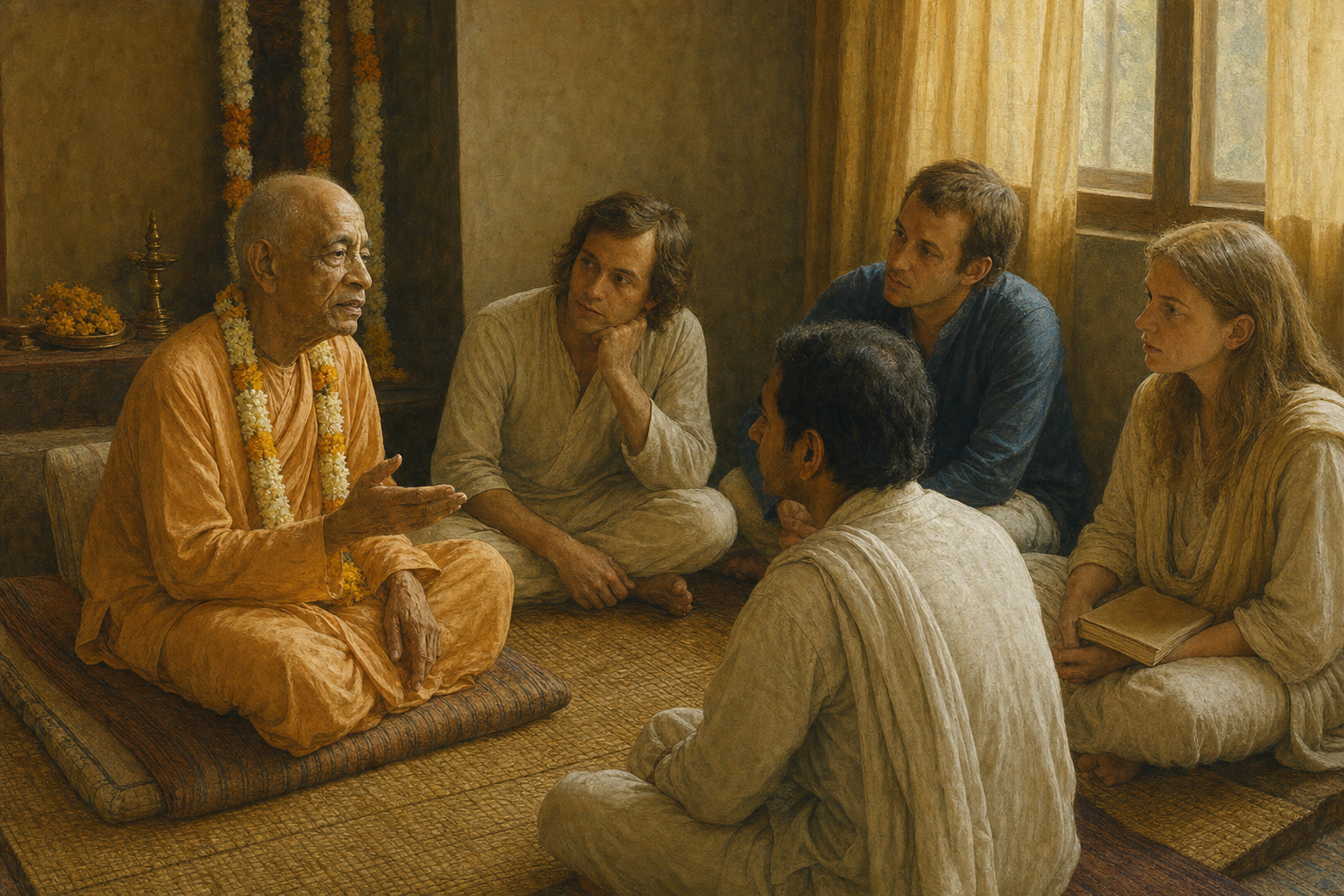
When Dhotis Met Saris: Inclusive Devotion in 1970s ISKCON and the Power of Unity

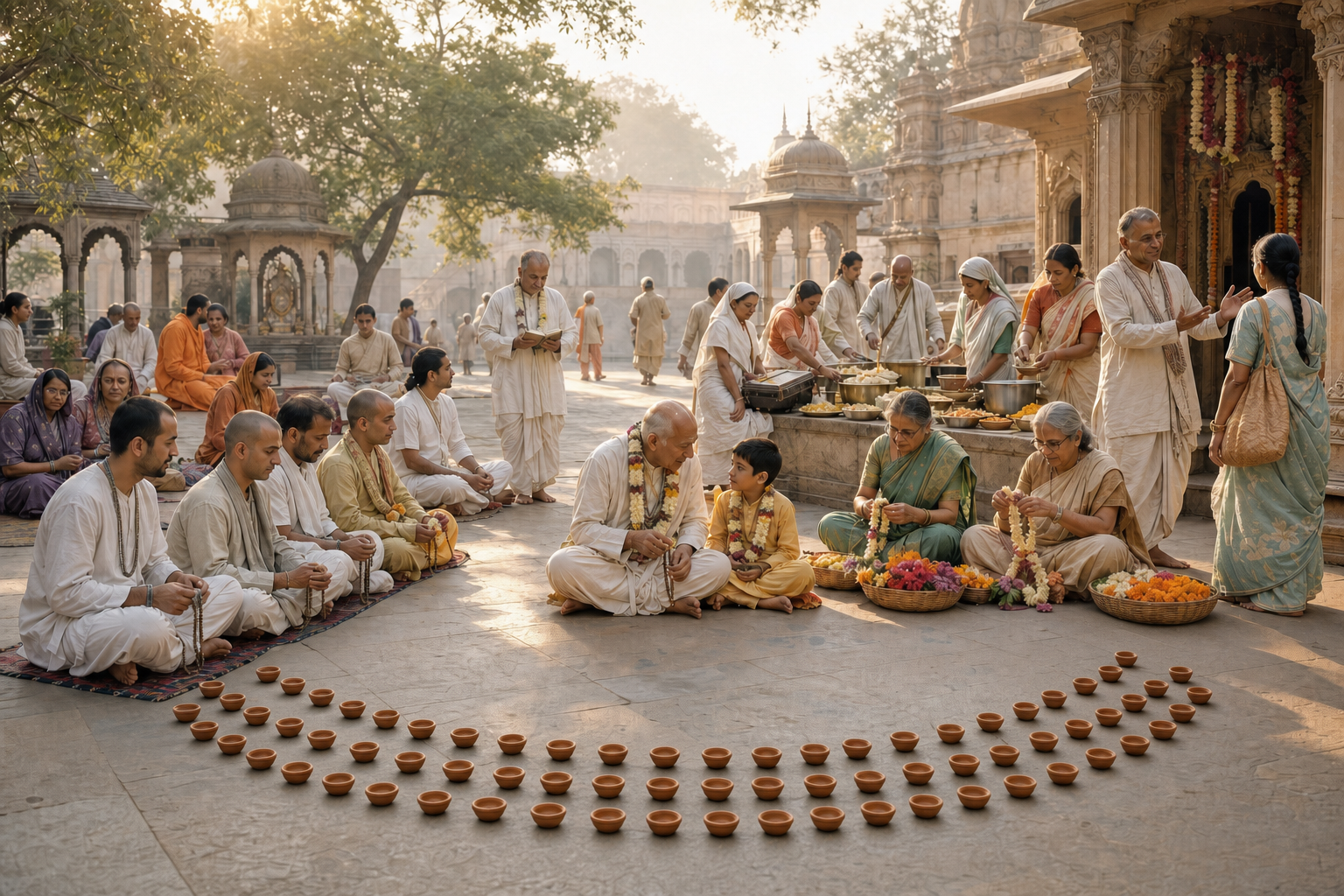
This reflection on the early 1970s Hare Krishna Movement (ISKCON) in North America documents how inclusive devotional design fostered unity and growth. The temple room’s divided yet equal arrangement gave both genders dignified space without compromising parity. Traditional attire—dhotis and saris—symbolized Cultural Heritage while reinforcing mutual respect and focus in worship. By centering service (seva)…
-
Madana Mohana: Sri Krishna’s Enchanting Form That Transforms Desire into Sacred Love

Madana Mohana, the form of Sri Krishna that enchants even Kamdev, illuminates how Hinduism treats beauty and romance as pathways to transcendence rather than obstacles. By transforming attraction into devotion, this vision refines kama into prema and aligns aesthetics with contemplation. Grounded in the Bhakti Tradition and enriched by Vrindavan’s cultural history, the theology of…
-
Inspiring 25 Years of Seva: Interfaith Community Services Nourishes Tompkins Square Park

For 25 years, Interfaith Community Services has offered free hot vegetarian meals in Tompkins Square Park, extending a service tradition initiated in 1965 by Bhaktivedanta Swami (Śrīla Prabhupāda). The initiative translates spiritual conviction into dependable community care that is open, dignified, and inclusive. Framed within dharmic values, the program embodies ahimsa, dana, and seva in…
-
Spirituality Means Intensity: Uncover Timeless Jewels of Wisdom in London with Keshava Swami

Set in London and associated with Svayam Bhagavan Keshava Swami, this reflection explores why genuine spirituality is best understood as disciplined, compassionate presence. The “Find Your Jewels” approach distills ancient dharmic teachings into practical guidance that seekers can apply immediately. It emphasizes that the greatest offering to the world is refined inner life—consciousness, character, and…
-
Disarming Faultfinding with Humility: A Dharmic Guide to Self-Awareness and Growth

Humility counteracts the tendency to fixate on others’ faults by redirecting attention to honest self-examination. Drawing on psychology’s projection insight—“if you spot it, you got it”—this piece reframes irritation as a prompt for introspection rather than judgment. It integrates practices from Hinduism, Buddhism, Jainism, and Sikhism—such as mindfulness, pratikraman, and speech ethics—to build a unified…
-
Why Sankirtana Works: Transformative Chanting for Inner Clarity and Collective Unity

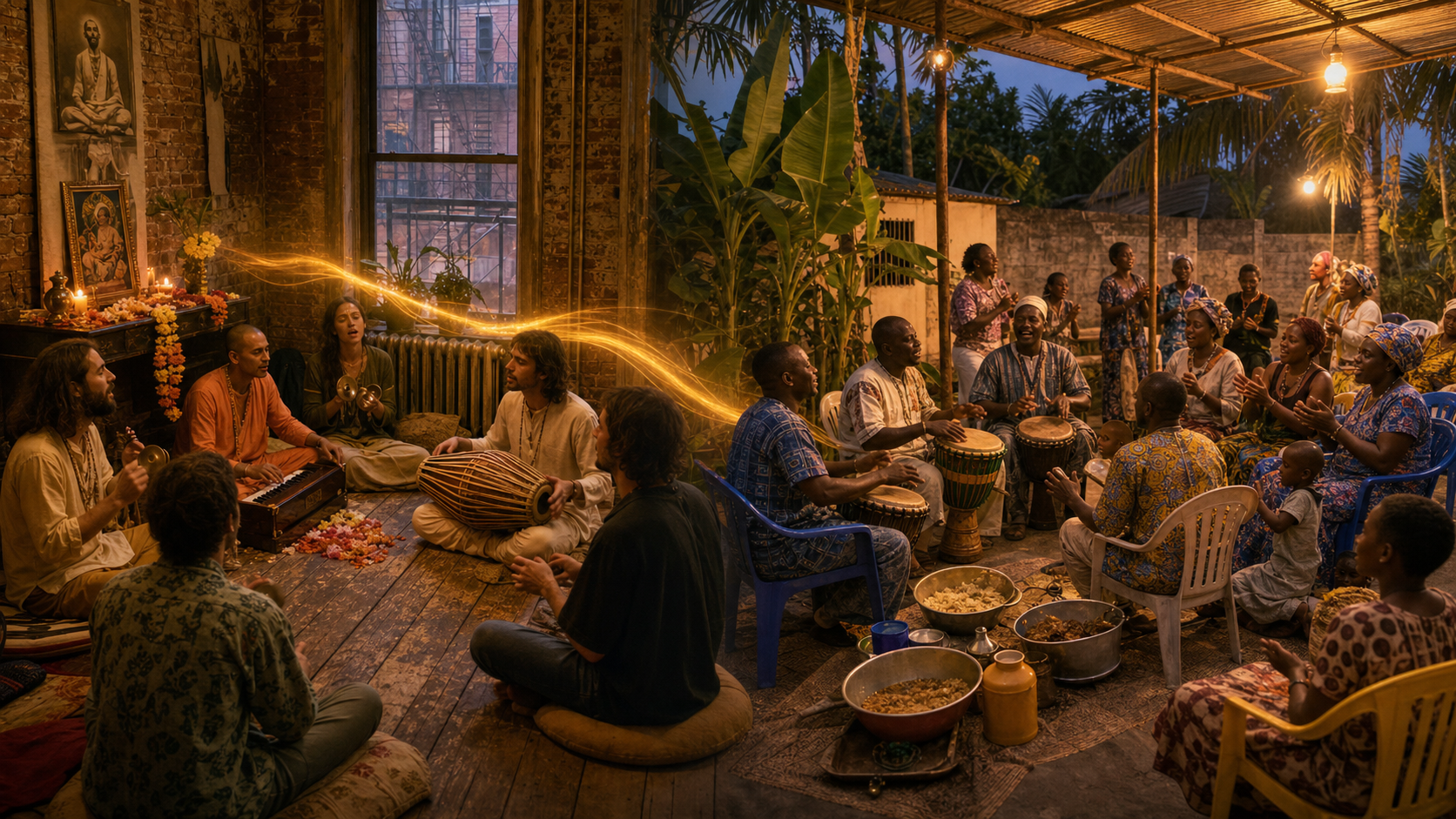
Sankirtana—congregational chanting of the Hare Krishna maha-mantra—works because it unites sacred sound, steady rhythm, and communal participation into a single, accessible practice. The repetition of mantras supports focused attention, while shared singing fosters belonging and emotional balance. Rooted in the Bhakti Tradition and exemplified by Lord Chaitanya’s movement, it introduces the heart of Hinduism in…
-
Mercury in the 1st House (Budha in Lagna): Unlocking Intellect, Vitality, and Social Influence

Mercury in the 1st house (Budha in Lagna) heightens intellect, communication, and social influence while supporting vitality and financial steadiness. Often worldly rather than overtly ritualistic, this placement still aligns with dharma through ethical speech and purposeful service. When balanced, it fosters teamwork, mediation, and community uplift—qualities that nurture unity across Hindu, Buddhist, Jain, and…
-
Sambrani Dhoop: Ancient Origins, Sacred Uses, and Benefits Across Dharmic Traditions

Sambrani dhoop—traditionally associated with aromatic resins like benzoin and, in some regions, the Sal Tree—has enriched Indian life from antiquity to the present. Its fragrance purifies spaces, anchors daily rituals, and invites calm focus for meditation and prayer. Families use it during griha-pravesh and seasonal observances, preserving cultural memory and spiritual poise. Gentle, well-ventilated use…
-
Unlock Kuja in Lagna (Mangal in 1st House): Mars Ascendant Effects, Strengths, and Remedies

Kuja in Lagna (Mangal in 1st House) places Mars at the front of identity, amplifying confidence, initiative, and leadership. When dignified—especially in Aries (Mesha), Scorpio (Vrischika), or exalted in Capricorn (Makara)—this placement supports disciplined, dharma-aligned action. If debilitated in Cancer (Karka / Karkatakam) or afflicted, it may manifest as impulsivity or reactive decision-making, calling for…
-
Sun–Mercury Conjunction in the 12 Houses: Clear, Practical Insights on Ravi Budha Effects
This academic overview explores Ravi Budha—the Sun–Mercury conjunction—across the 12 bhavana in Vedic astrology. It highlights the traditional timing guideline that combined effects are especially notable until about age 39, with the Sun weighted more strongly than Mercury. Readers learn a clear framework for understanding outcomes in angular, trinal, upachaya, and dusthana houses. The analysis…