-
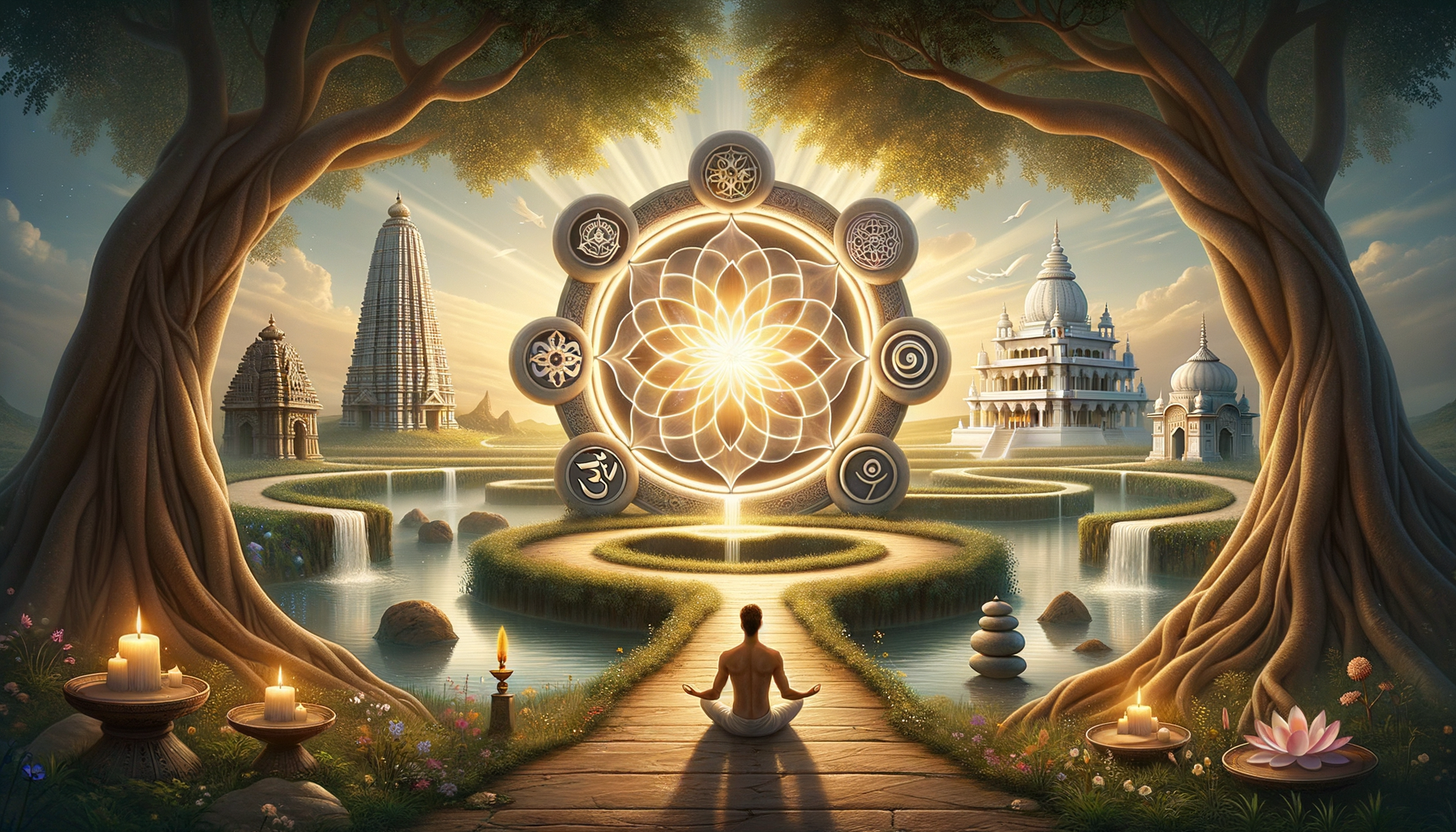
Nirguna Nirakar and Sagun Sakar: Unlocking Hinduism’s Divine Paradox for Inner Unity

Hindu philosophy frames ultimate reality through two complementary modes: Nirguna Nirakar (formless and attributeless) and Sagun Sakar (manifest and form-bearing). Rather than competing doctrines, they function as integrative lenses that enrich meditation, devotion, and ethical living. Upanishadic insights and the Bhagavad-Gita affirm both paths, enabling seekers to approach realization through silence or loving worship. Vedantic…
-
Auspicious Days for Ashwini Nakshatra in 2026: Power Timings to Launch, Learn, and Prosper

This guide explains how Ashwini Nakshatra natives can use auspicious days, dates, and time windows in 2026 to plan launches, client meetings, education, and purposeful travel. It highlights the energetic qualities of Ashwini within Mesha Rashi (Aries), emphasizing quick starts and pioneering action. Readers are encouraged to refine choices with Panchang factors (Tithi, Yoga, Karana)…
-
Auspicious Days for Bharani Nakshatra 2026: Unlock Shubh Muhurats for Success

This guide compiles auspicious days, dates, and time windows for Bharani Nakshatra natives in 2026, focusing on practical planning for ventures, education, travel, purchases, and investments. It explains how to combine Panchang elements with Tarabalam for stronger selection. Readers learn how to avoid Rahu Kalam, Yamagandam, and Gulika, localize time windows by sunrise, and prefer…
-
Krittika (Karthigai) Nakshatra 2026: Powerful Auspicious Days and Smart Muhurat Planning

This academically grounded guide explains how Krittika (Karthigai) Nakshatra natives can identify and use auspicious days in 2026 with precision and confidence. It outlines a step-by-step approach to muhurat planning through Panchang elements—Tithi, Vara, Nakshatra, Yoga, and Karana—together with Tarabalam and Chandrabala. Practical use-cases include timing new ventures, client meetings, course admissions, purposeful journeys, and…
-
2026 Mrigashira Nakshatra Auspicious Days: Powerful Muhurta Guide for New Beginnings
This academically grounded guide explains how Mrigashira Nakshatra natives can identify auspicious days and timings in 2026 using reliable Panchang methods. It outlines favorable activities—launching ventures, meeting clients, beginning courses, and planning journeys—while emphasizing Tarabalam, Chandrabalam, and the avoidance of Rahu Kalam, Yamaganda, and Gulika. Because timings vary by location, it recommends finalizing muhurta with…
-
Unlock 2026 Auspicious Dates for Pushya (Poosam/Pooyam) Nakshatra: Prosperous Beginnings Guide

This academic guide outlines the auspicious date–time windows in 2026 for Pushya (Poosam/Pooyam/Pushyami), the eighth of the 27 Nakshatrams. It explains what activities are favored on Pushya days—such as starting ventures, meeting clients, and beginning courses—and how timings are established using Panchang factors and Tarabalam. Readers are reminded to verify local nakshatra entry–exit times and…
-
Auspicious Days 2026 for Ashlesha (Ayilyam): Powerful Muhurat Guide for Success

This 2026 guide shows Ashlesha (Ayilyam) Nakshatra natives how to identify auspicious days using a precise, reliable method rather than fixed lists. It centers on Tarabalam, favoring Moon transits in Magha, Uttara Phalguni, Chitra, Vishakha, and Anuradha for progress. It recommends Shukla Paksha and supportive Tithis such as Dwitiya, Tritiya, Panchami, Shashti, Dashami, Ekadashi, and…
-
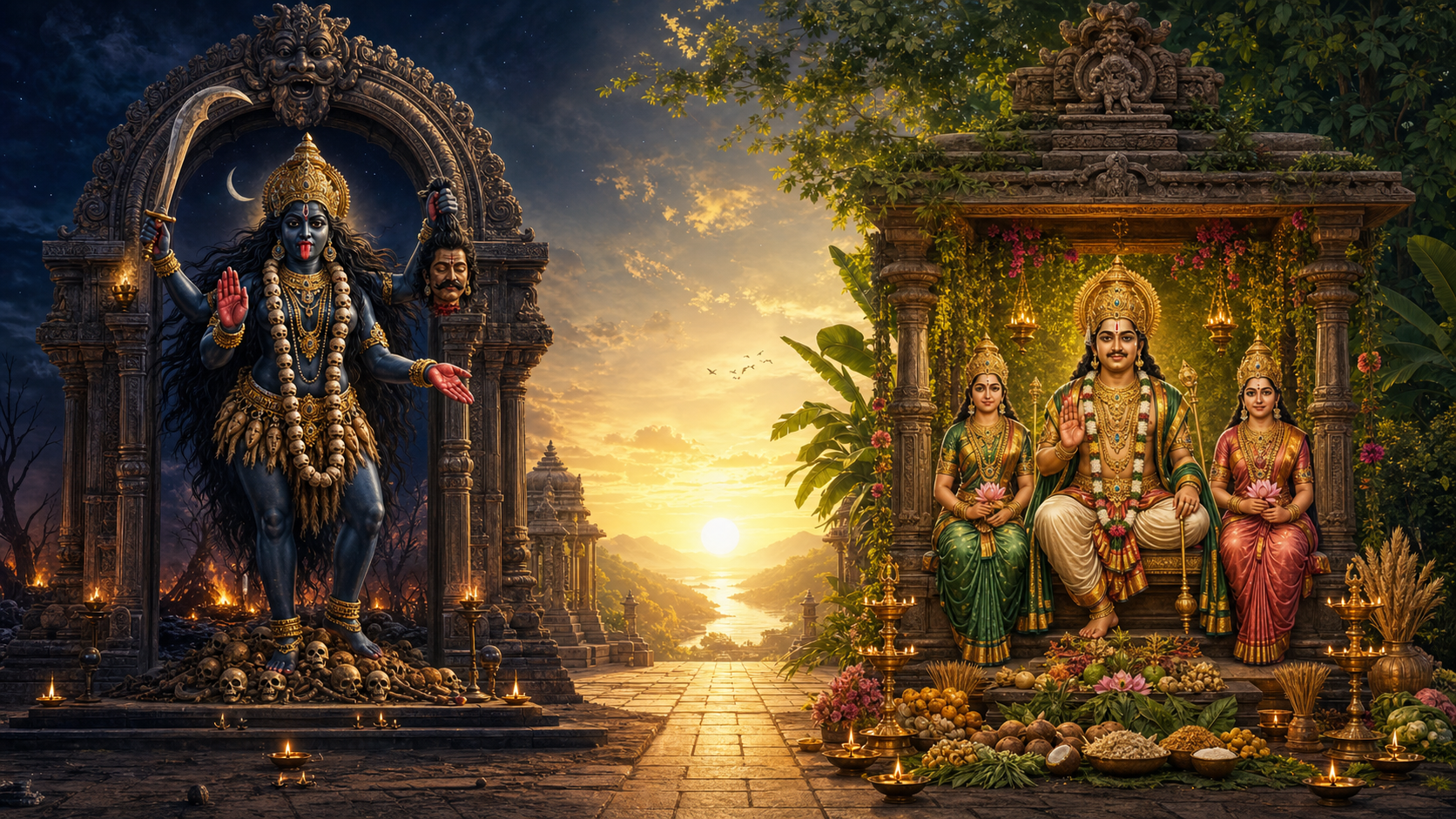
Unveiling Yogini Tantra: Why Kali Stands on Shiva—and the Sacred Union It Reveals

The image of Goddess Kali standing on Lord Shiva is often misunderstood as mere fury subdued. Read through the Yogini Tantra and related Tantric traditions, it teaches the sacred union of Shakti and Shiva—dynamic energy resting on pure consciousness. This interpretation reframes the posture as reciprocity, not hierarchy, and as transformation, not violence. The symbolism…
-
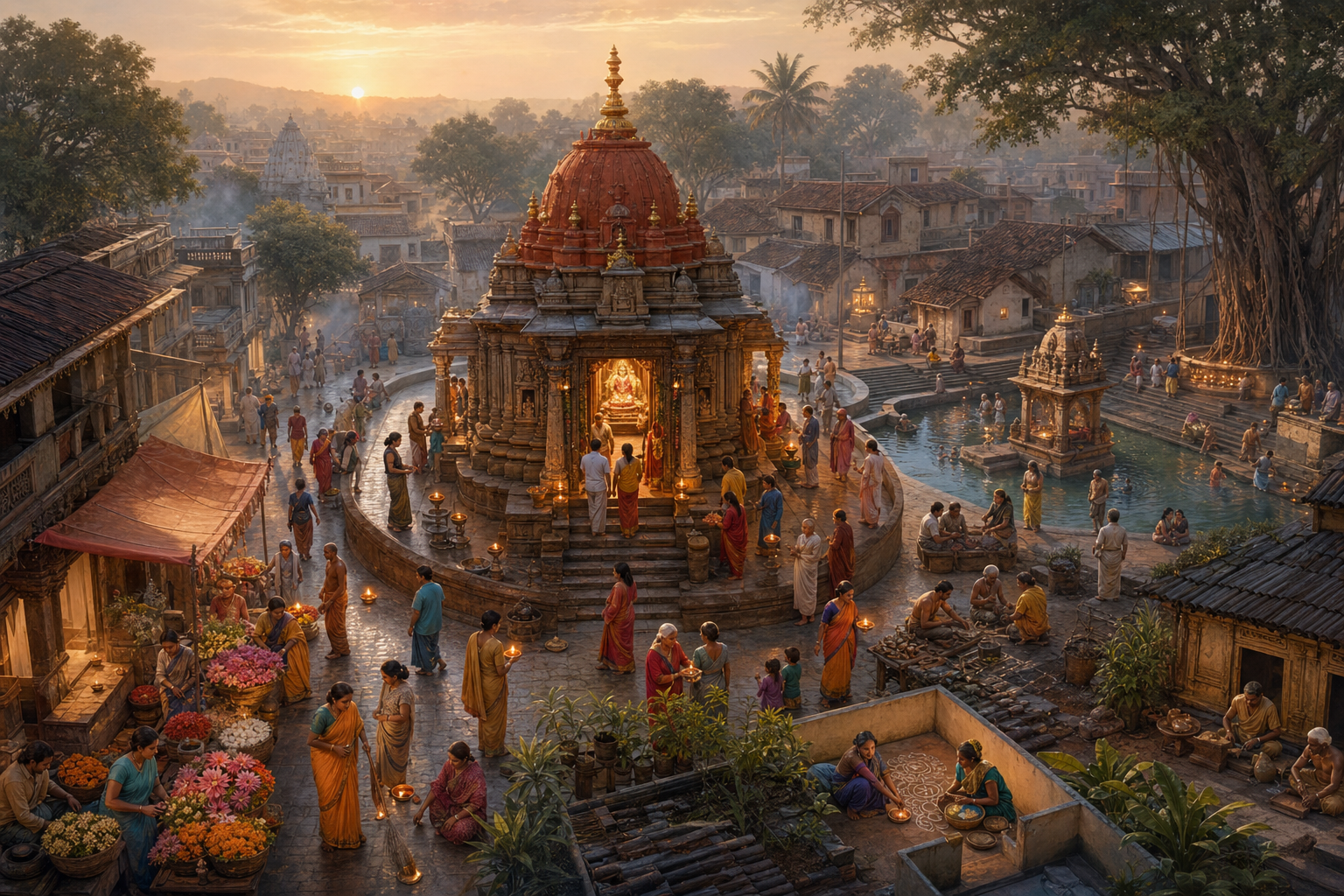
From Stone to Spirit: Temple Worship that Deepens Realization of the All-Pervading Divine

Temple worship and divine omnipresence are not rivals in Hinduism; they are complementary stages on one path of God-realization. By training attention through darshan, aarti, and japa, the temple prepares the mind for stable, formless meditation. The Ishta concept personalizes devotion without limiting the Divine, guiding the heart from the particular to the universal. This…
-
Griha Arambha Muhurtham 2026: Auspicious Neev Pujan Dates, Bhumi Pujan Guide, Timing Tips

This guide to Griha Arambha Muhurtham 2026 explains how to select Shubha Muhurtham for Neev Pujan and Bhumi Pujan using Tithi, Nakshatra, Lagna, and Panchang rules. It outlines widely favored combinations, practical exclusions like Rahu Kalam, and a step-by-step method for refining dates to precise local timings. January 2026 selections can be identified by applying…
-
Sundara Kanda Unveiled: Hanuman’s Epic Journey to Lanka and the Hope it Inspires

Sundara Kanda, the fifth book of the Ramayana by Valmiki, chronicles Hanuman’s mission to find Sita and transform uncertainty into hope. The narrative highlights the ocean leap, encounters with Mainaka, Surasa, and Simhika, the discovery of Sita in Ashoka Vatika, and the powerful audience with Ravana. Hanuman’s burning of Lanka is framed as disciplined, ethical…
-
Madhva Navami 2026: Celebrate Madhvacharya’s Sacred Journey to Badarikashrama
Madhva Navami 2026 falls on January 27, observed on Magha Shukla Navami. The day commemorates the revered tradition of Madhvacharya’s entry into Badarikashrama and his Prayana toward Badrinath. Devotees honor the occasion with MadhvaNavami Puja, Vishnu Sahasranama, and readings from Madhvacharya’s teachings. A simple home puja—lighting a deepa, offering flowers, and meditating on guru-bhakti—aligns with…
-
Kamalakanta Bhattacharya: Bengal’s Mystic of Kali and the Transformative Power of Bhakti

Kamalakanta Bhattacharya (born 1769 CE, Bardhaman) stands among Bengal’s most resonant devotional voices, known for Shyama-centered songs that blend emotional honesty with theological depth. His poetry frames Kali as both cosmic force and compassionate refuge, turning everyday speech into living Bhakti. Hagiographic traditions describe grace-filled interventions—read as spiritual pedagogy that emphasizes surrender, courage, and transformation.…
-
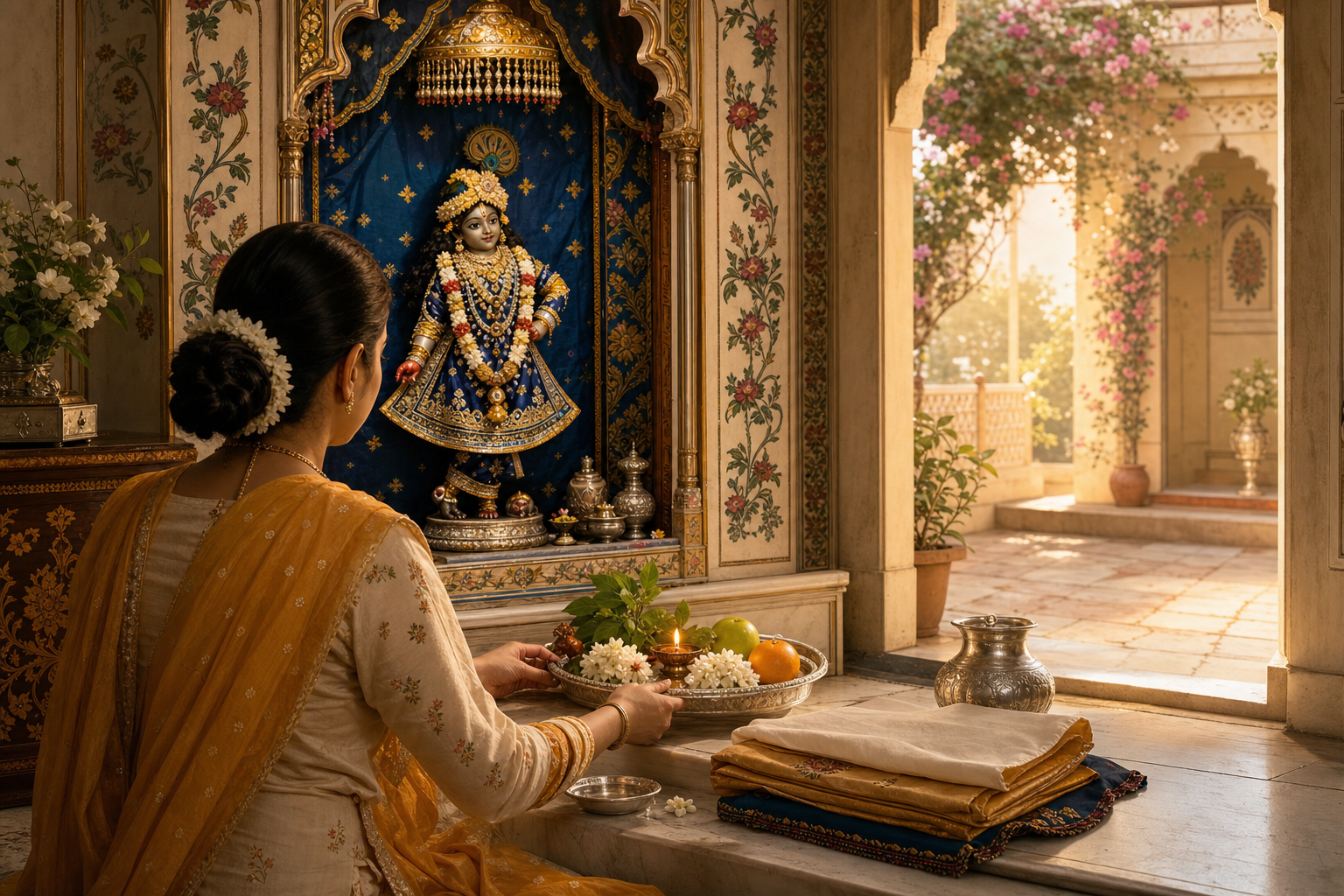
A Masterclass in Sacred Aesthetics: Applying Art Principles to Adorn Radha-Krishna

This session explains how the elements and principles of art can elevate deity worship, focusing on the sacred design of Krishna’s turban. Drawing on Mayapur Academy training compiled by Krishna Kanta, it translates living temple practice into a clear, teachable framework. The presentation shows how balance, emphasis, rhythm, and unity organize visual attention and deepen…
-
Midwest to London Ashrams: HG Gopimata Dasi’s Inspiring ISKCON Journey of Bhakti

Her Grace Gopimata dasi’s journey moves from Midwest roots to London’s ISKCON ashrams after meeting Srila Prabhupada in 1977. A decade of sankirtan, pujari service, cooking, and performing with the Vaikuntha Players illustrates a disciplined, service-centered path. The narrative situates her experience within a historical moment of ISKCON’s growth, framing bhakti as both personal practice…
-
From Sneering Passerby to Initiated Disciple: A Powerful Journey of Humility and Bhakti

A brief, prideful encounter with a freely offered spiritual book turned into a catalyst for introspection and change. The initial urge to debate softened into a disciplined inquiry grounded in Dharma and humility. Through reading and reflection, defensiveness gave way to steadiness, and the value of the Guru–Shishya Relationship came into focus. Practices like seva…
-
From One to Many, Back to One: Profound Hindu Wisdom on Unity, Diversity, and Moksha

This article explores a core Hindu teaching: the one reality (Brahman) appears as the many and is ultimately realized as one again. Drawing on the Upanishads, Vedanta, and the Bhagavad-Gita, it explains how Atman and Brahman are identical and why this insight supports compassion, ahimsa, and respect for diverse paths. It highlights Hinduism’s inclusiveness through…
-
Let Children Blossom: Dharmic Wisdom for Child‑Centered Education, Not Imposed Ideals

Modern education faces a philosophical crisis: learners are often shaped by imposed ideals rather than guided to cultivate their intrinsic potential. Drawing on Hinduism, Buddhism, Jainism, and Sikhism, this piece outlines a child-centered Education Philosophy grounded in svabhava, Ishta, Anekantavada, upaya, and seva. It highlights the historical strengths of the Guru-Shishya Tradition and Gurukul, and…
-
Vikarini, Divine Transformer: Shakti’s Creative Power and Cosmic Architecture in Hindu Thought

This essay explores Vikarini—an epithet of Mother Goddess Shakti—as the Divine Transformer who shapes cosmic manifestation in Hindu philosophy. It clarifies the Sanskrit roots of vikarini and connects Shakti’s creative power to Advaita Vedanta, Sāṃkhya, Shakta Tantra, and Kashmir Shaivism. Readers gain an integrated understanding of how unmanifest potential becomes nāma-rūpa through Shakti’s dynamic intelligence.…
-
Kokamukhi Devi: Unmasking the Jackal-Faced Shakti of Time, Death, and Sacred Renewal

Kokamukhi Devi, the jackal-faced manifestation of Adi Shakti, illuminates how fierce iconography can teach compassion, courage, and clarity. This analysis situates her cremation-ground symbolism within Shakta Tantra while drawing bridges to Buddhist charnel-ground meditations, Jain vairāgya, and Sikh remembrance of hukam. Readers gain a grounded understanding of how time and impermanence catalyze ethical living, not…