-
Achamanam Explained: The Sacred Water Rite that Purifies Mind, Speech, and Intention

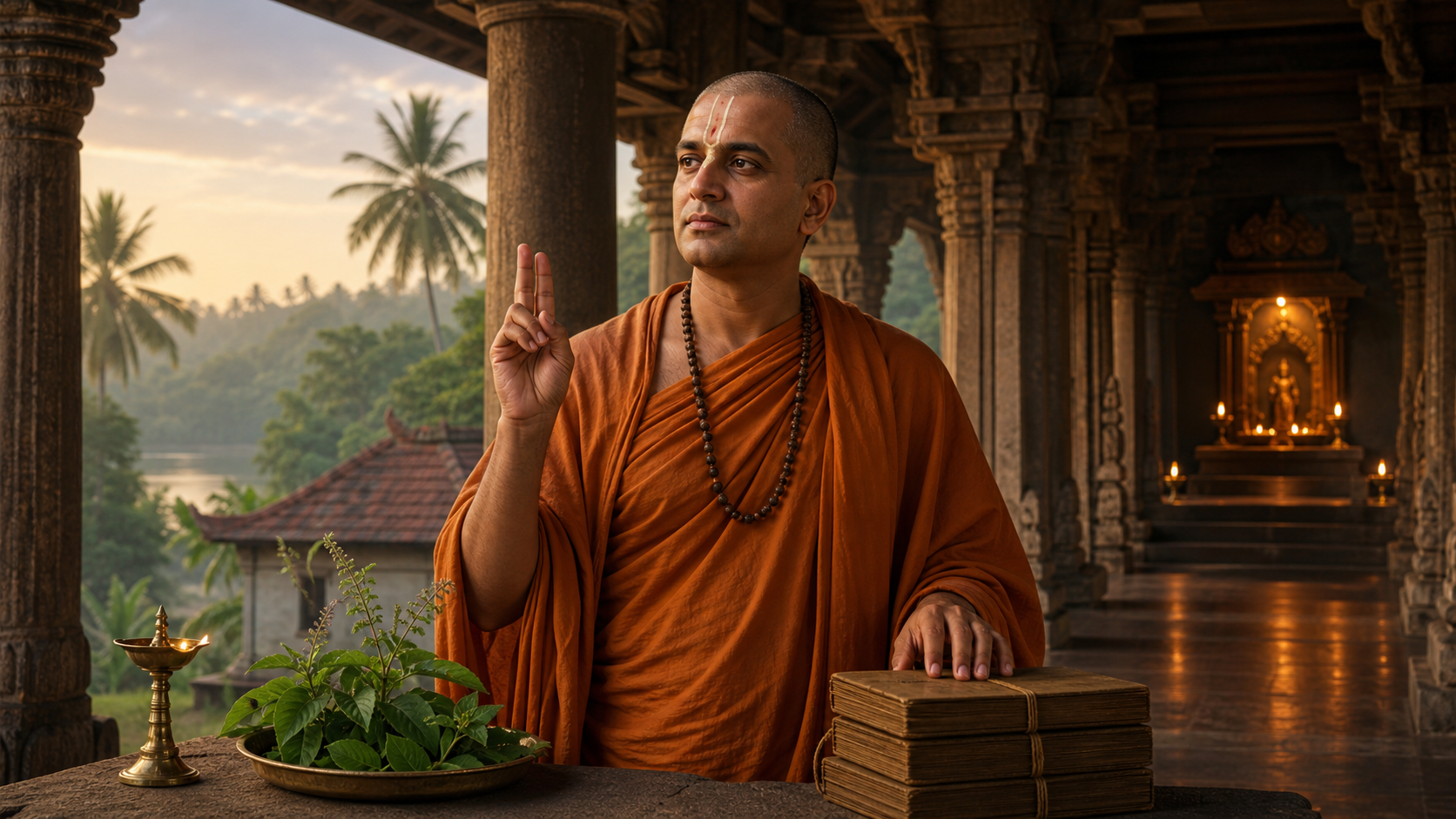
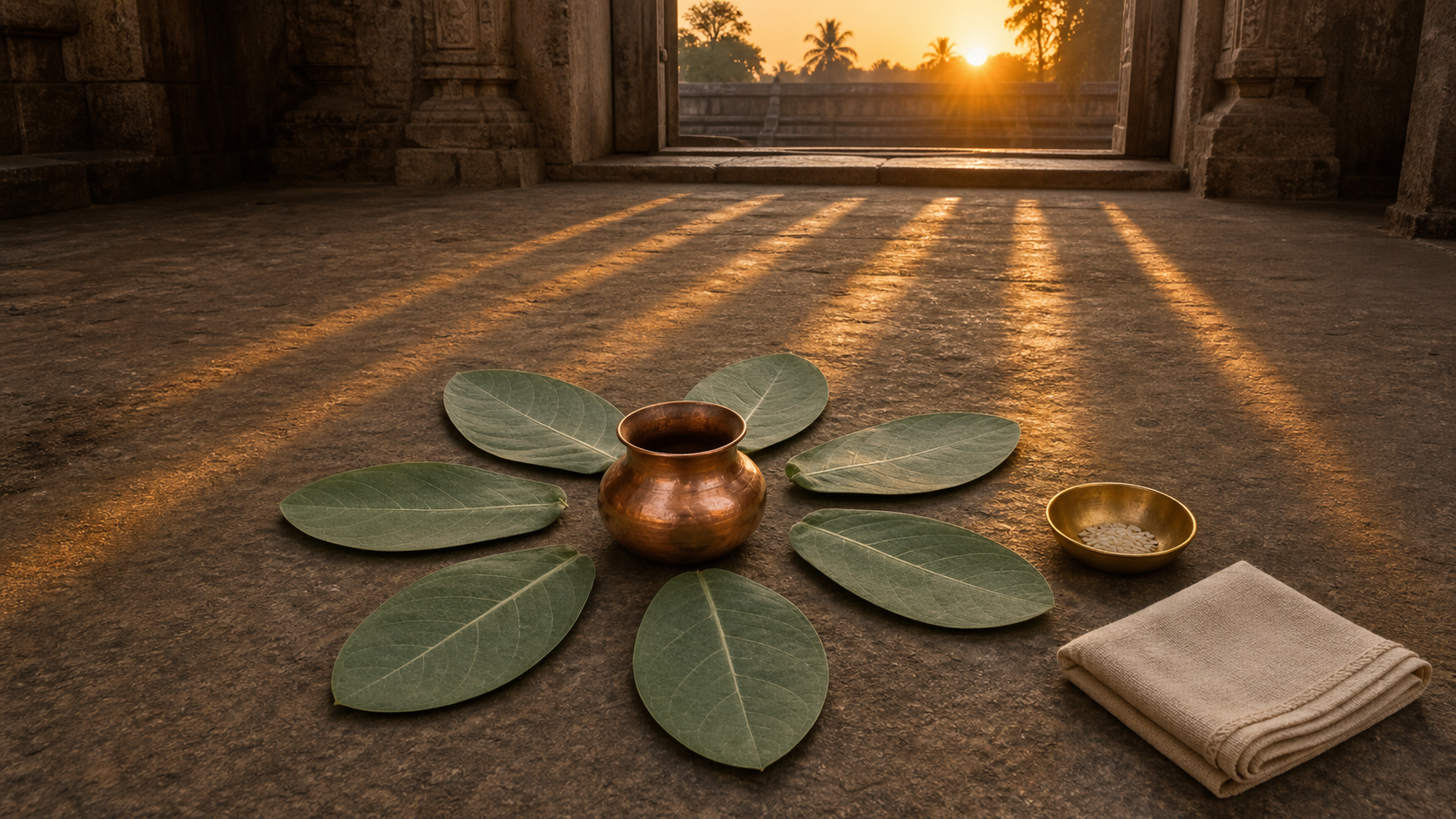
Achamanam (ācamana) is a Vedic purification rite that ritually sanctifies body, speech, and mind through mindful sipping of water. It clarifies the common doubt about terminology by distinguishing Apa (water in general) from Achamanyam (water designated for the ācamana rite). Observed before japa, homa, Sandhyā-vandanam, and study, the practice calms the breath, gathers attention, and…
-
Goddess Karindrasuranisudini: Awe-Inspiring Slayer of the Elephant Demon and its Symbolism
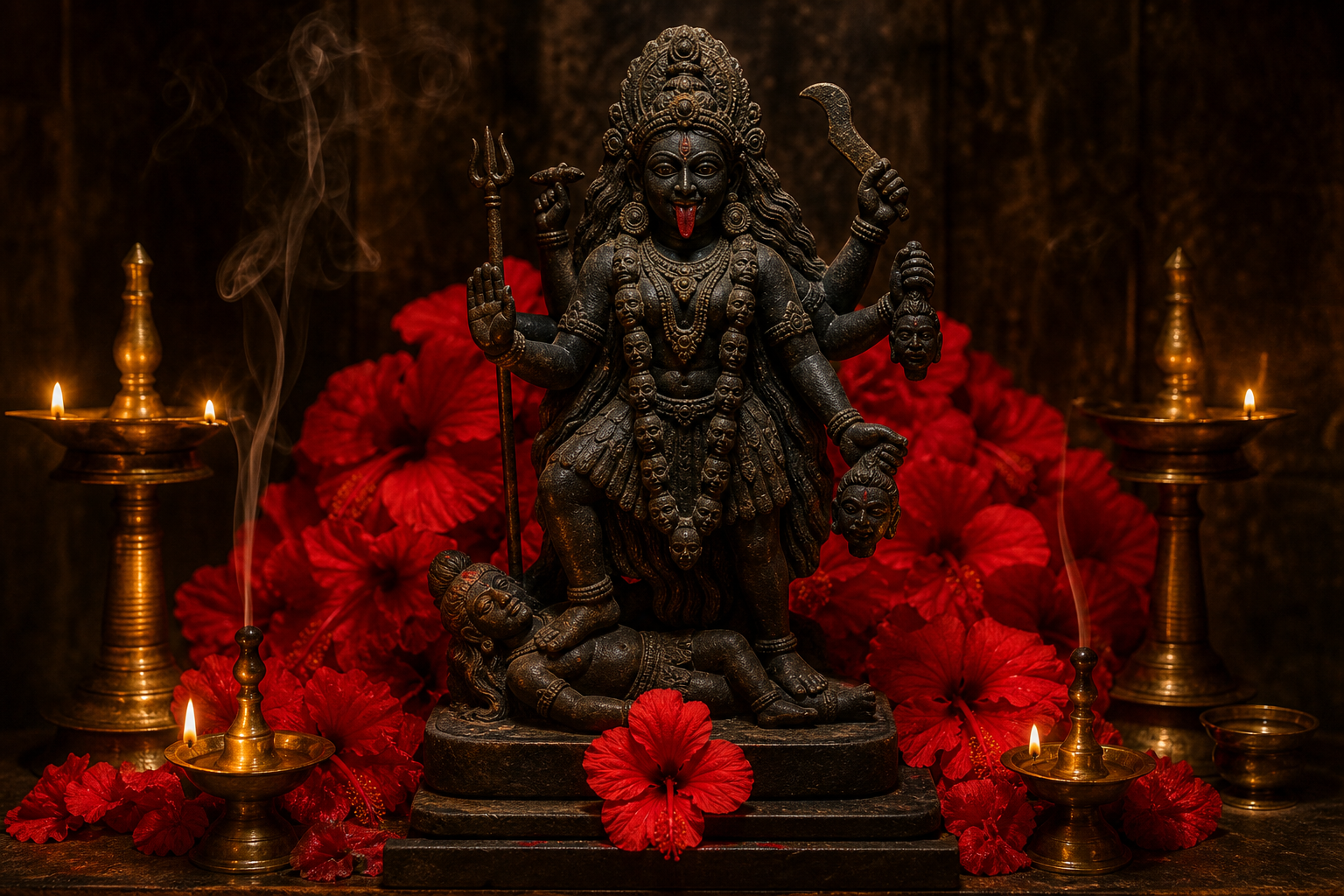
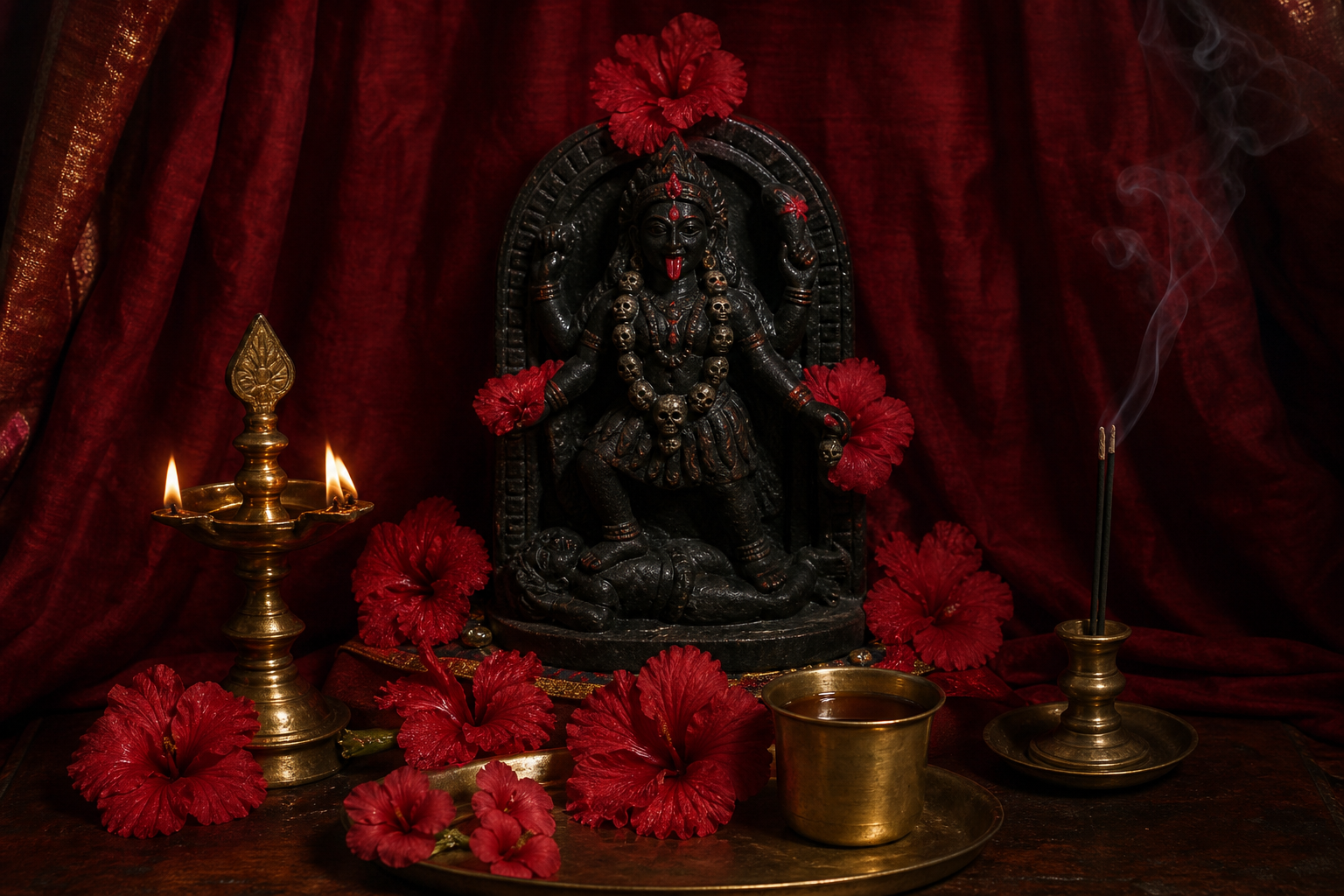
Karindrasuranisudini, an epithet from the Devi Mahatmya, captures Durga’s subjugation of the elephant-form assumed by Mahishasura. The image fuses narrative drama with theological depth, presenting Shakti as the force that transforms power into protection and insight. Readers learn the name’s meaning, the key scene in the Markandeya Purana, and the layered symbolism of the severed…
-
Krishna, Fountainhead of All Avatars: Profound, Unifying Wisdom for Dharmic Paths

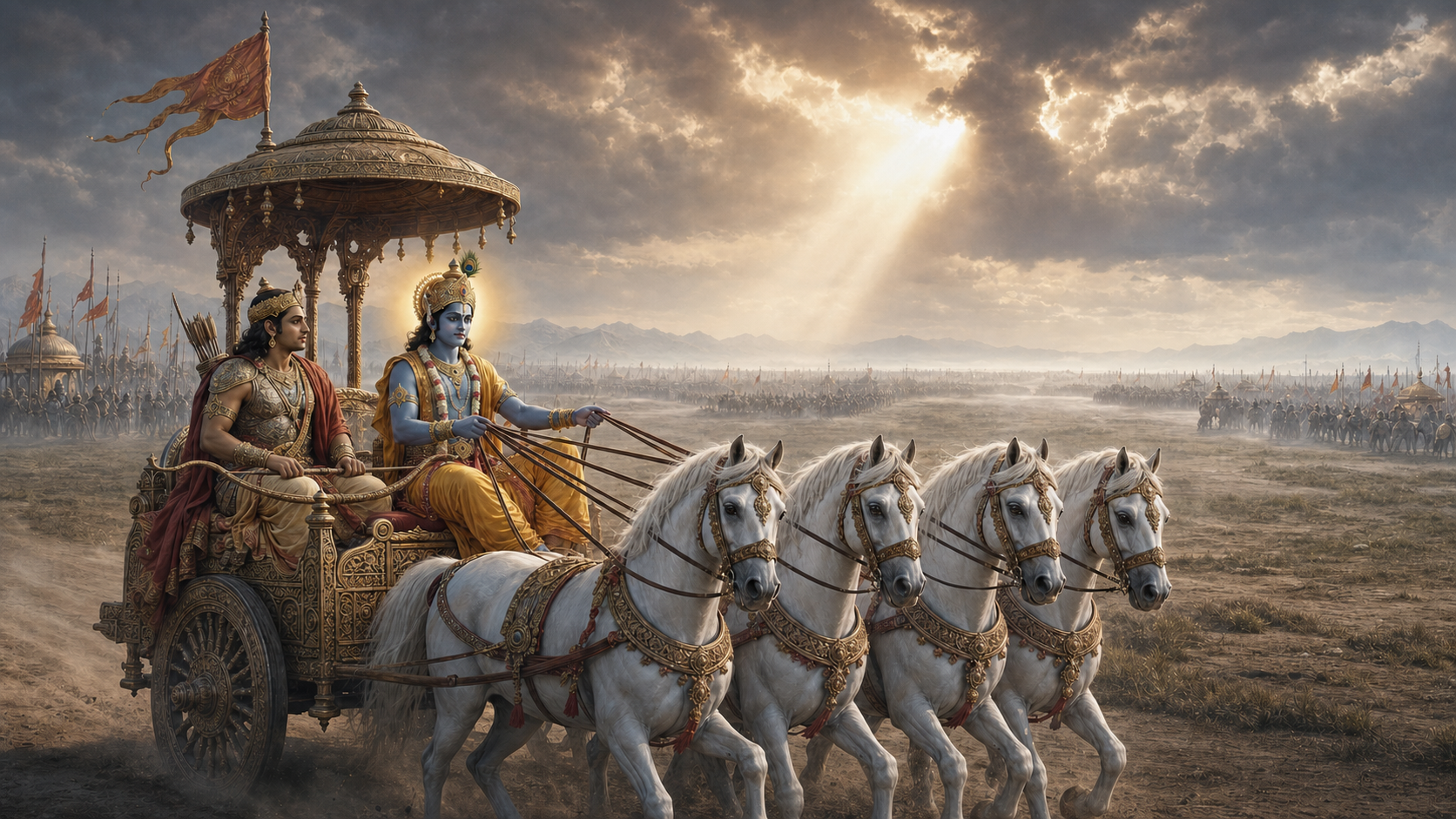
Sanatana Dharma describes Krishna as the primeval Lord from whom all avatars emerge, preserving divine transcendence while engaging the world through plenary expansions. This framework, grounded in the Puranas and Bhagavad-Gita, explains how the Supreme remains untouched by material activity and continues eternal lila with devotees. Recognizing Balarama as the first expansion illustrates the cooperative…
-
Defying Arctic Cold: ISKCON’s 2025 Prabhupada Marathon Unites Dharmic Hearts in Toronto

The 2025 Prabhupada Marathon in Toronto shows how Srila Prabhupada’s vision turned sub-zero conditions into opportunities for service. More than 110 Sankirtan outings demonstrated that kirtan, empathy, and practical care can build bridges in harsh winter weather. Engagement strategies highlighted a shared ethical vocabulary—seva, ahimsa, karuna, and bhakti—uniting Hindu, Sikh, Buddhist, and Jain communities. Conversations…
-
Bharani Nakshatra 2026: Powerful Auspicious Days & Timings to Launch, Learn, and Prosper

This guide presents a clear, Panchang-based method for Bharani nakshatra natives to identify auspicious days and timings in 2026. It explains how to combine Tithi, Vara, Nakshatra, Yoga, and Karana with Tarabalam and Chandra bala for practical decision-making. Readers learn to exclude Rahu Kalam, Yamaganda, and Gulika Kala, and to avoid eclipse periods for major…
-
Krittika (Karthigai) Nakshatra 2026: Powerful Auspicious Days to Start, Travel, and Thrive

This academically grounded guide explains how Krittika (Karthigai) Nakshatra natives can identify auspicious days in 2026 using the Hindu calendar and Panchang. It outlines favorable tithis, supportive nakshatras, and helpful weekdays for starting new ventures, meeting clients, initiating educational courses, undertaking journeys, and buying vehicles. It emphasizes Tarabalam and Chandrabalam for personalized timing, while advising…
-
Mrigashira Nakshatra 2026: Unlock Auspicious Days with a Practical Muhurat Blueprint

This academically grounded guide explains how Mrigashira Nakshatra natives can identify auspicious days and muhurats in 2026 using Panchang-led methods. It outlines a practical framework—Chandra Bala, Tara Bala (favoring Sampat, Kshema, Sadhana, Mitra, Parama Mitra), supportive Tithis, and avoidance of Rahu Kalam, Yamagandam, and Gulika Kalam—so planning becomes clear and repeatable. The approach supports new…
-
Auspicious Days 2026 for Ardra (Thiruvathira) Nakshatra: Confident Beginnings & Shubh Muhurat

Ardra (Thiruvathira/Thiruvathirai) is the sixth nakshatra in Hindu astrology, and 2026 features several auspicious days and time-windows to support confident beginnings. This guide explains how Ardra nakshatra natives can use the Hindu calendar (Panchang) to plan new ventures, client meetings, education starts, and sacred observances. It highlights practical checks—tithi, nakshatra, yoga, karana, weekday lord—along with…
-
Unlock Prosperity: Auspicious Days in 2026 for Punarvasu (Punarpusam/Punartham)

This academically styled guide explains how Punarvasu (Punarpusam/Punartham) natives can identify auspicious days and timings across 2026 without relying on generic lists. It outlines a practical framework: favor the Moon’s transit in Punarvasu during Shukla Paksha, prefer Thursdays (and Wednesdays), and choose clean intervals like Abhijit Muhurta while avoiding Rahu Kalam, Yamaganda, and Gulika. It…
-
Mauni Amavasya 2026: Sacred Silence, Magh Mela, and the Blessings of Prayag Snan

Mauni Amavasya 2026 (January 18) coincides with the Magh Month’s No Moon day, revered for Magh Snan at the Triveni Sangam in Prayag (Prayagraj). The observance of mauna (sacred silence) encourages deep introspection through meditation, japa, and pranayama. Pilgrims recognize the day for the heightened merit of snan, dana, and japa, while communities celebrate its…
-
When Hatred and Jealousy Backfire: Dharmic Wisdom on Karma, Healing, and Freedom

Hatred and jealousy act like venomous darts that ultimately return to the archer, a truth echoed across Hindu, Buddhist, Jain, and Sikh teachings. Drawing on the Bhagavad Gita, Upanishads, Srimad Bhagavata Purana, Ramayana, and Mahabharata, this piece explains how karma and dharma frame these emotions as forces that corrode clarity and freedom. It highlights iconic…
-
End Disappointment Now: Dharmic Wisdom on Letting Go of Expectations with Compassion

Modern life often equates success with high expectations, yet this habit can intensify anxiety and disappointment. Dharmic wisdom—grounded in Hindu philosophy and echoed in Buddhist, Jain, and Sikh teachings—offers a practical alternative: act with integrity while letting go of rigid outcomes. Karma Yoga emphasizes effort over results, Patañjali highlights steady practice and vairāgya, Jain aparigraha…
-
When Silence Heals: Dharmic Wisdom on Compassionate Presence over Quick Fixes

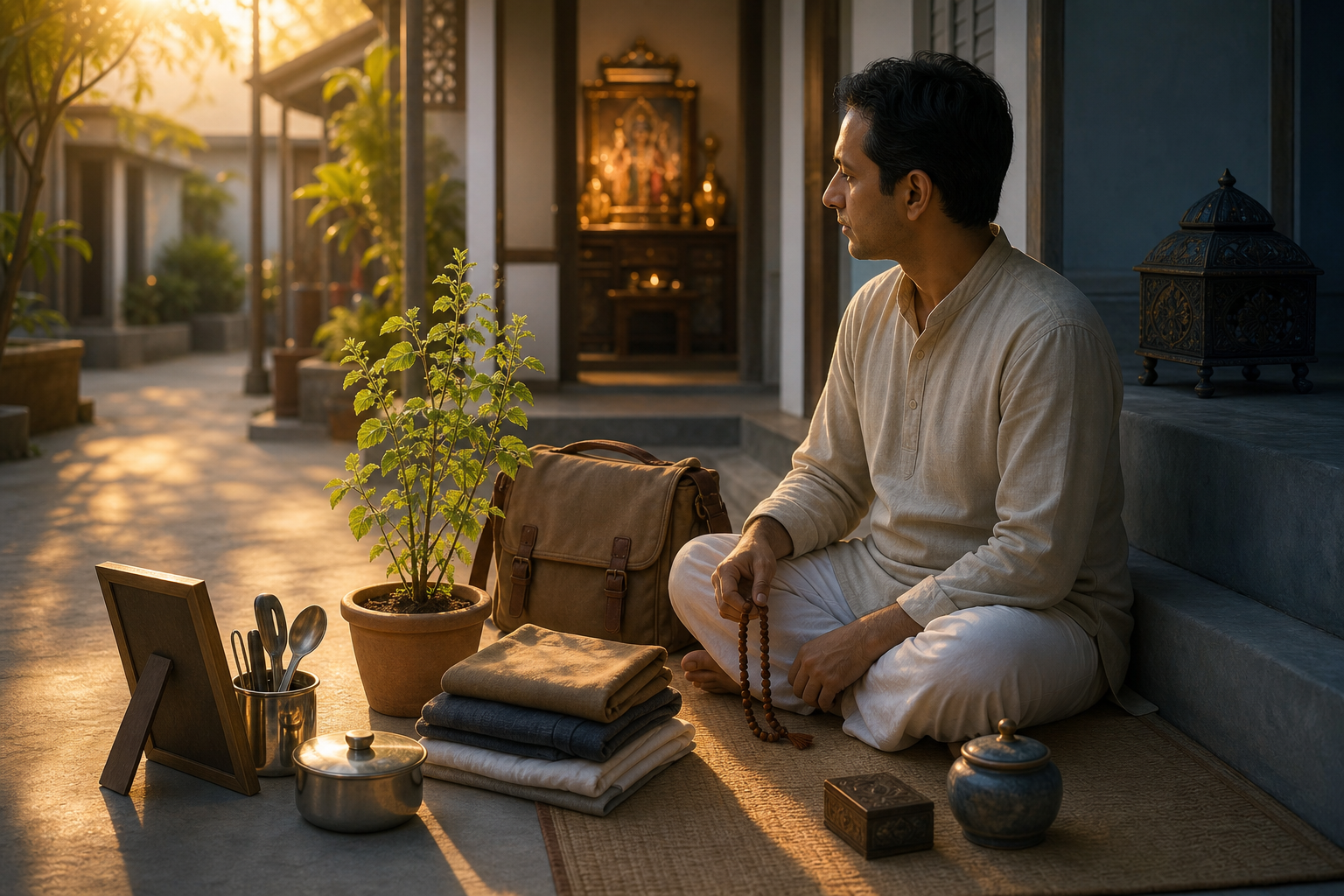
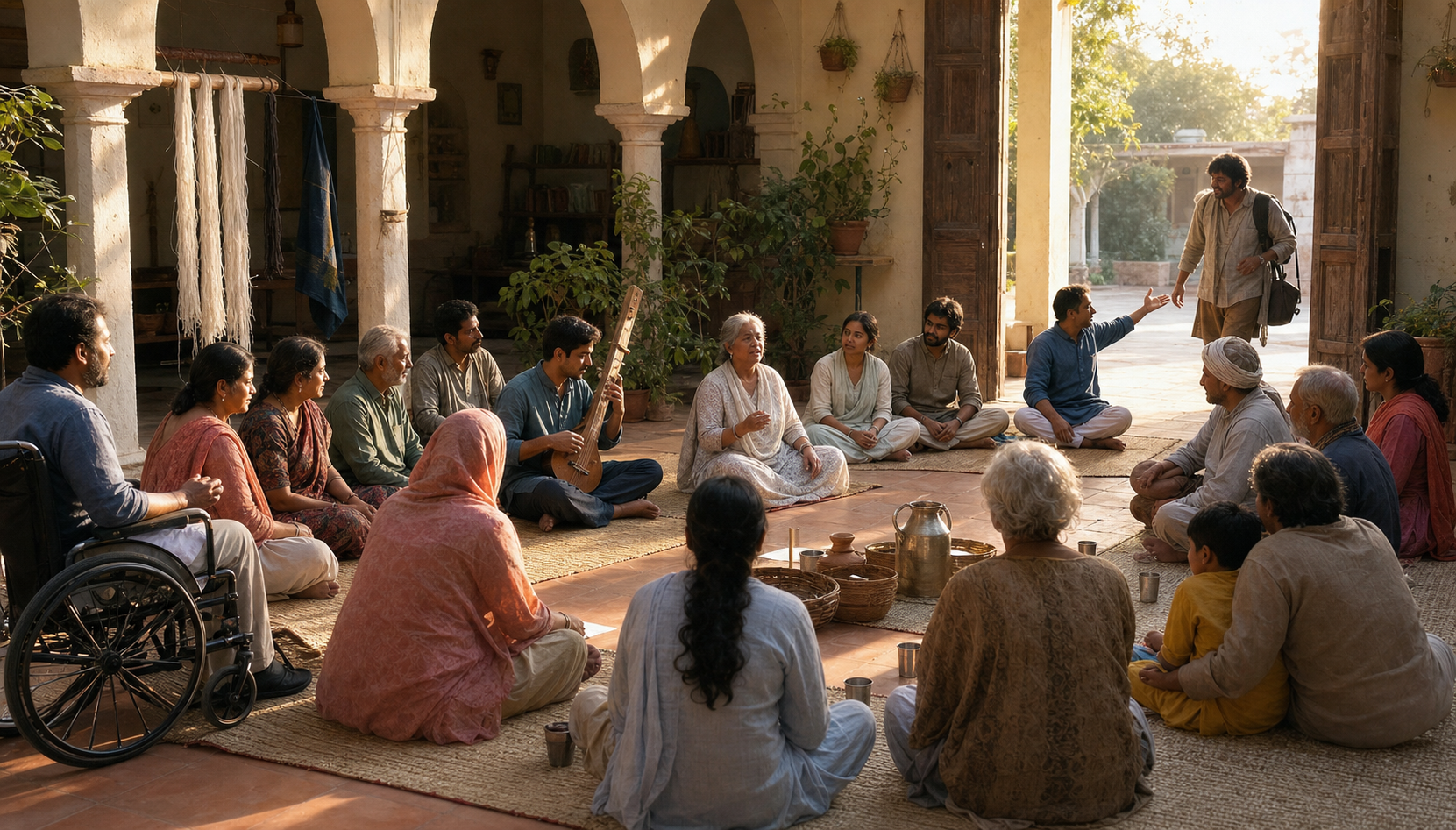
Across Hinduism, Buddhism, Jainism, and Sikhism, compassionate presence often heals more than advice. Silence, framed as mauna, becomes active care rather than absence, enabling emotions to unfold safely. Small gestures—offering water, preparing a meal, keeping vigil—embody ahimsa and seva without imposing solutions. This approach mirrors Buddhist karuṇā and upekkhā, Jain anukampā, and Sikh seva within…
-
Raja Shyamala Devi and the Power of Sacred Speech: Awakening Creative Knowledge

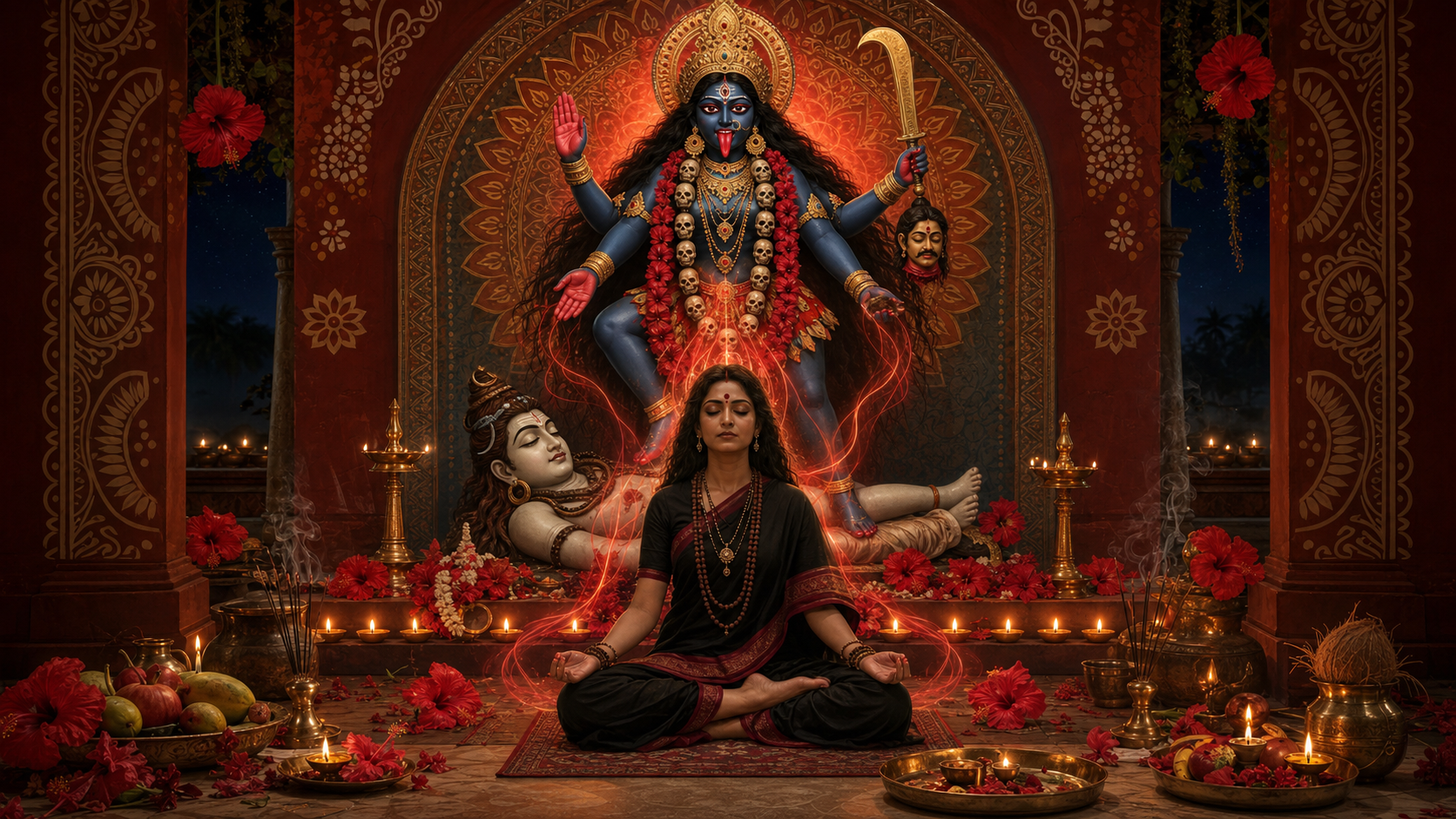
Raja Shyamala Devi—known as Matangi among the Mahavidyas—embodies sacred speech, refined learning, music, and creative knowledge. Presented within the Sri Vidya context as the Divine Counselor of Supreme Wisdom, she guides ethical communication and the transformative power of language. Readers gain practical ways to cultivate eloquence and clarity through mantra, mindful listening, and disciplined study.…
-
Madan Mohan Brahmotsavam at GEV: Profound Insights by H.G. Shrutkirti Prabhu (17 Jan 2026)

Govardhan Eco Village hosted the Madan Mohan Brahmotsavam Festival on 17 January 2026, featuring a special Brahmotsava class by H.G. Shrutkirti Prabhu. The discourse illuminated Gaudiya Vaishnava themes—compassion, seva, and nama-japa—with practical guidance for daily sadhana. Set within GEV’s contemplative environment, the celebration balanced ritual and reflection, encouraging mindful participation and ethical living. Insights were…
-
Srimad Bhagavatam 3.23.42: The Life-Changing Refuge at the Lotus Feet of the Divine

Srimad Bhagavatam 3.23.42 teaches that determined refuge at the Divine lotus feet turns difficult goals into attainable realities. The verse’s image of sacred rivers like the Ganga flowing from those feet signals purification and release from worldly danger. The phrase yair āśritas tīrtha-padaś caraṇaḥ highlights a shared dharmic metaphor: the holy ford that carries seekers…
-
Eclipses and Deity Worship: ISKCON’s Guidance, Dharmic Harmony, and Temple Practice

Eclipses prompt thoughtful practice across dharmic traditions and raise practical questions for temples. ISKCON’s Deity Worship Ministry advises that daily deity worship continue without interruption during eclipses, with the option to close public access while maintaining private puja. This preserves ritual continuity, respects local sentiment, and aligns with broader dharmic principles emphasizing mindfulness, seva, and…
-
From Whispers to Thunder: Kirtan’s Power in Emotional Healing and Dharmic Awakening

Kirtan, the devotional practice of call-and-response singing, transforms raw emotion into contemplative focus and spiritual insight. Rooted in the Bhakti Tradition and informed by Nada Yoga, it harmonizes breath, attention, and voice to calm the nervous system and cultivate resilience. Historically, it flourished across regions and languages, dissolving social boundaries and inviting communal participation. Today,…
-
Harmony with Nature: Hinduism’s Timeless Dharma for Inner Peace, Compassion, and Earth Care

This essay explores how Hinduism frames harmony with nature as a dharmic imperative that elevates both inner life and ecological responsibility. It explains core ideas like ṛta, dharma, and “Isha vasyam idam sarvam,” showing how they sacralize the natural world. Ethical principles such as Ahimsa and Aparigraha become practical guides for sustainable living and compassionate…
-
Family as Freedom, Not Fetters: Hindu Dharma’s Wisdom on Detached Love and Belonging
This article explores why, in Hindu philosophy, family should be a space of freedom rather than a prison of fear or dependency. It clarifies the paradox of attachment and explains how nishkāma karma, aparigraha, and seva shape healthy bonds. Readers gain practical tools—mindful speech, svādhyāya, rituals of gratitude, and service—to transform control into compassionate presence.…