-
January 28, 2026 Panchang: Shukla Dashami to Ekadashi Timing, Tithi Guide & Good Time

Wednesday, January 28, 2026 features Shukla Paksha Dashami until 2:00 PM (most regions), followed by Shukla Paksha Ekadashi. This concise Panchang guide clarifies the January 28 2026 Tithi transition and encourages readers to consult local almanacs for precise Nakshatra, Rashi, and shubh muhurta. It highlights the spiritual significance of Dashami’s disciplined preparation and Ekadashi’s reflective…
-
A Quiet Spark of Hope: Finding Joy and Compassion in Caregiving, Disability, and Daily Life

When daily life feels joyless and the future narrows, a single authentic moment can reframe everything. This reflection traces how progressive vision loss, caregiving, and financial strain made joy seem unreachable—until a shared laugh revealed that hope persists as brief, quiet sparks. By viewing public anger as a symptom of unprocessed pain rather than a…
-
Understanding Karma’s Three Natures in Hinduism: Good, Mixed, and Dark for Ethical Living

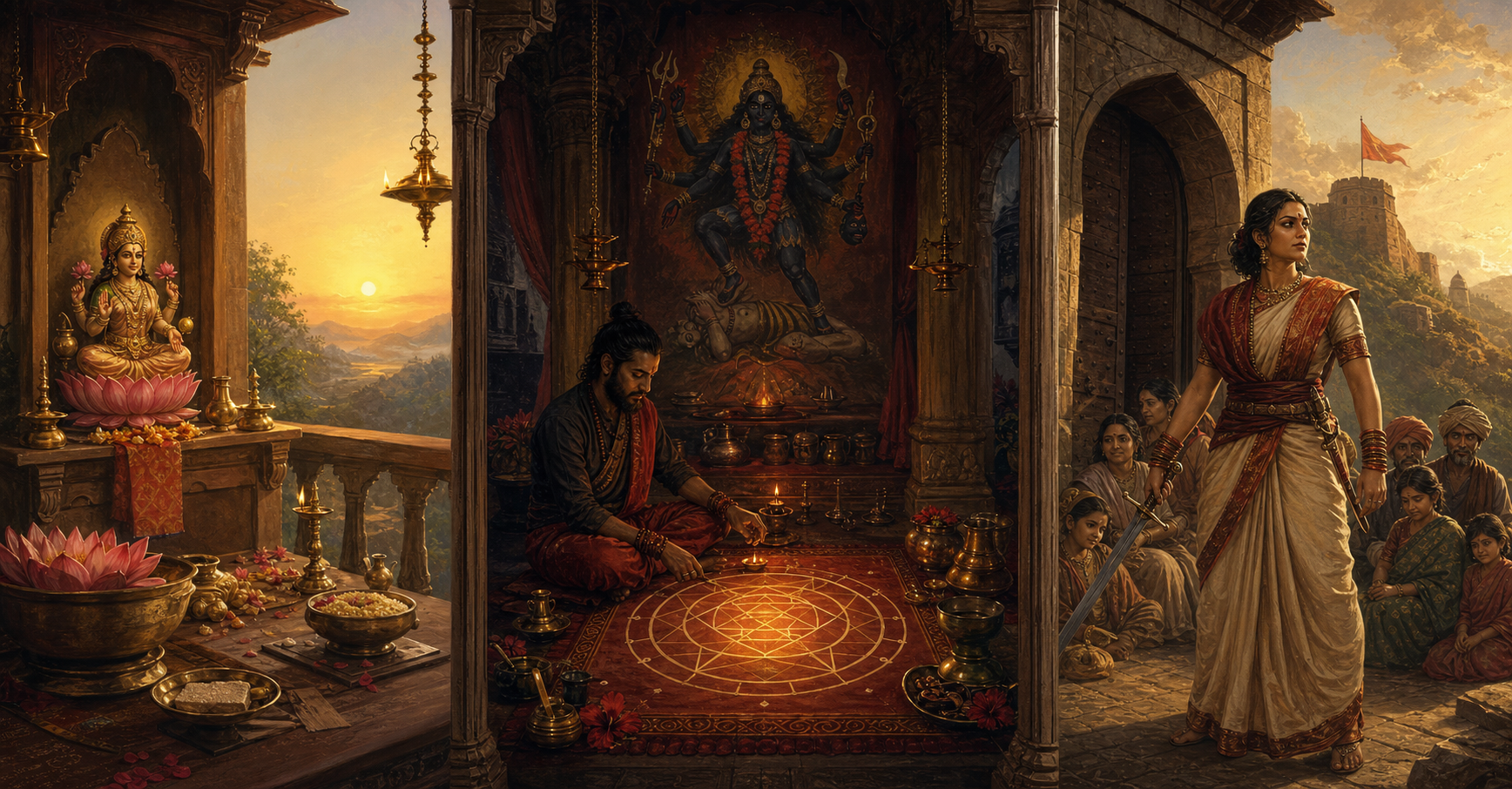
Karma in Hindu philosophy links intention, action, and consequence, shaping ethical character and spiritual progress. A clear triad—śukla (good), śukla–kṛṣṇa (mixed), and kṛṣṇa (dark)—explains why motives matter as much as deeds. Drawing on the Yoga Sūtra (4.7) and the Bhagavad Gita, this guide shows how Karma Yoga and mindful discernment reduce mixed motives and prevent…
-
Sacred Yet Transient: How Hindu Philosophy Illuminates the Soul’s Journey and the Body’s Role

Hindu philosophy presents the body as a sacred yet impermanent vessel for the eternal Atman, a view memorably expressed in Bhagavad Gita 2:22. Understanding this distinction encourages reverence for embodied life while cultivating non-attachment. The model of sthula, sukshma, and Karana Sharira explains experience across physical, mental, and karmic layers, clarifying why ethical action matters.…
-
Karanda Mukuta: The Basket-Shaped Crown of Divine Authority, Grace, and Unity

The Karanda Mukuta (karaṇḍa-mukuṭa) is a basket-shaped, tiered crown central to Hindu iconography and visible across dharmic arts. Its conical tiers and auspicious finial symbolize divine authority blended with nurturing abundance and spiritual ascent. Commonly adorning goddesses like Lakshmi and Parvati, and appearing in select regional depictions of Vishnu and Skanda, it also has parallels…
-
Garudasana in Temple Iconography: Awe-Inspiring Symbolism of Garuda Bearing Bhagavan Vishnu

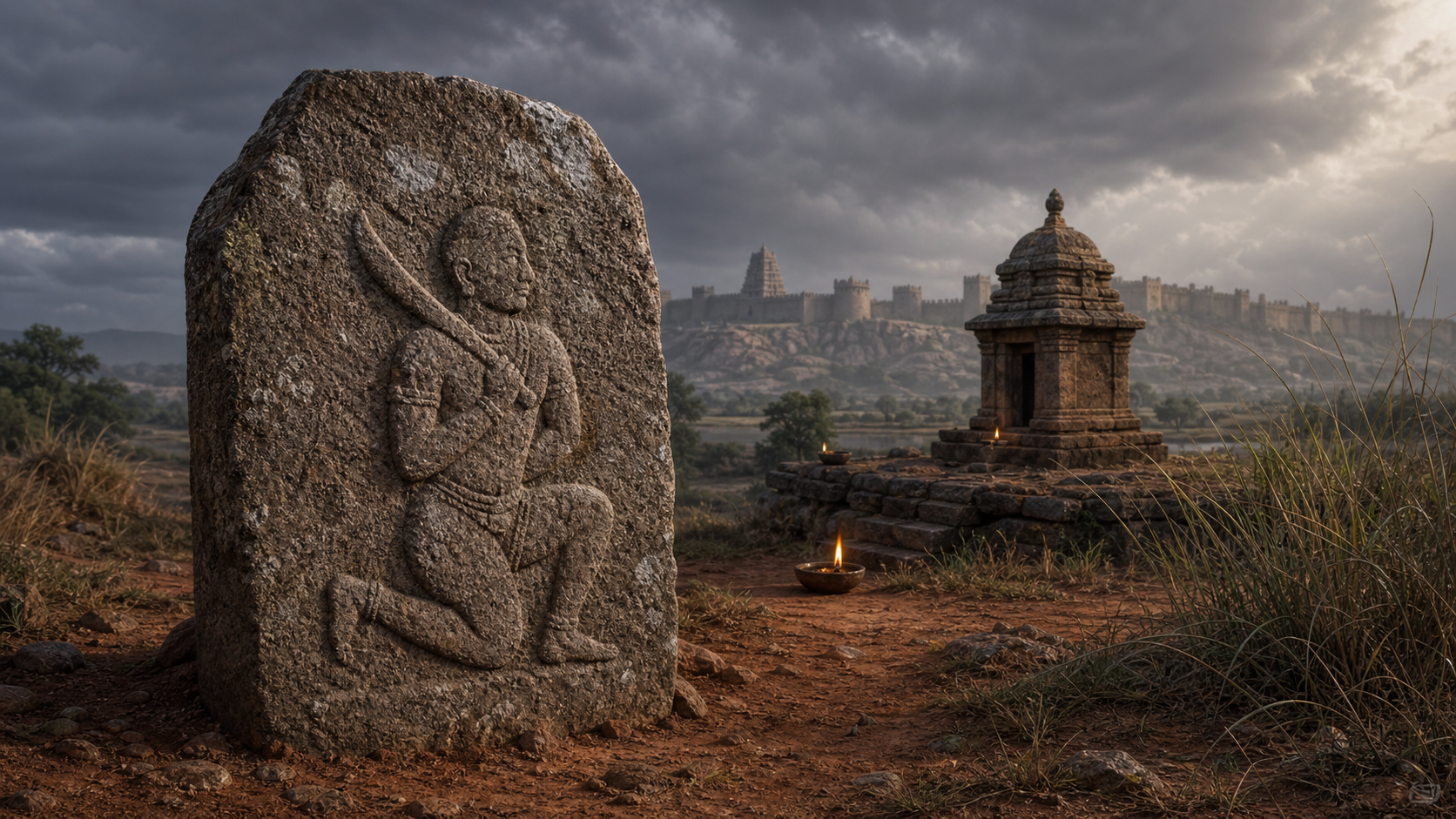
Garudasana, the temple iconographic posture of Garuda bearing Bhagavan Vishnu, is a visual theology of devotion and service. Rooted in Puranic narratives and guided by Agama shastras, it communicates humility, vigilance, and courage through codified mudras and stances. The wings, anjali mudra, and poised form collectively symbolize strength offered in service to dharma. Temple features…
-
SB 3.1.1–16: Vidura’s Roadmap to Resilience—Navigate Spiritual Trials with Clarity & Devotion

This session on SB 3.1.1–16 presents Vidura’s example as a practical roadmap for meeting spiritual difficulties with clarity, devotion, and resilience. Participants begin with a focused intention-setting exercise that strengthens attention and emotional steadiness. The teaching distills Vidura’s virtues—humility, detachment, perseverance, seva, and bhakti—into a seven-step framework that can be applied immediately. Emphasis on satsanga,…
-
Living Dharma in Daily Life: Srimad Bhagavatam 10.90.28 on Grihastha Duty, Prosperity, and Balance

This reflection on Srimad Bhagavatam 10.90.28, presented by HG Jivanath Das at ISKCON Bbsr, explains how Krishna exemplifies a balanced householder life that unites dharma, artha, and regulated kama. It offers practical steps—steady sadhana, ethical earning, and compassionate family stewardship—that transform daily routines into lived devotion. The piece highlights how measurable self-audits and periodic tapas…
-
Chanting as Life’s True Medicine: BG 2.7 Reflections at ISKCON Kuala Lumpur

At ISKCON Sri Jagannatha Mandir, Kuala Lumpur, HH Jayananda Goswami reflected on Bhagavad Gita 2.7 to show how surrender and guidance translate into a focused, meaningful life. Recalling Srila Prabhupada’s final days, the talk emphasized that chanting the holy names is the real essence of living, beyond merely prolonging the body. Chanting and preaching Krishna…
-
Master the Restless Mind: Patience, Constant Practice, and Detachment in Dharmic Traditions

Dharmic traditions converge on a precise method for mastering the restless mind: patience (kṣamā), constant practice (abhyāsa), and detachment (vairāgya). This triad—affirmed in Hinduism and echoed in Buddhism, Jainism, and Sikhism—translates timeless wisdom into practical steps for inner peace and emotional balance. Short, regular sessions of breath awareness, japa, or meditation build attentional strength without…
-
Beyond Ego: Unmasking Supreme Truth in Dharmic Wisdom for Inner Freedom and Clarity

This article explores a core paradox in Hindu philosophy: the Supreme Truth exists prior to the ego, and practices driven by self-importance obscure rather than reveal it. Drawing on the Upanishads, Bhagavad Gita, and Advaita Vedanta, it shows how sadhana matures from acquisition to attunement. It connects Hindu insights with Buddhism’s anatma, Jainism’s Anekantavada, and…
-
January 27, 2026 Panchang: Shukla Navami to Dashami, Key Tithi Timing, Auspicious Guidance

On Tuesday, January 27, 2026, Shukla Paksha Navami lasts until 4:21 PM, after which Shukla Paksha Dashami begins. This precise tithi boundary helps plan puja, vrata, and family observances with clarity. Good Time (Shubh Muhurat) is best aligned within the active tithi, with Navami practices before 4:21 PM and Dashami observances thereafter. Because Nakshatra and…
-
The Healing Power of Not Apologizing: How One ‘Thank You’ Rewired a Family Pattern

A hurried morning exchange became a turning point in breaking a codependent pattern. Instead of absorbing guilt, a caregiver set a clear boundary and responded to an apology with “Thank you,” not “I’m sorry.” That small shift—supported by brief brainspotting work—demonstrated neuroplasticity in real time and replaced shame with mutual presence. The experience highlights how…
-
Karana Sharira, Unlocked: How the Causal Body Shapes Karma—and the Path to Freedom

This article explains Karana Sharira—the causal body in Vedanta—and shows how it seeds the gross and subtle bodies while storing vasanas and karmic tendencies. Readers gain a clear map of the tri-sharira model, its relation to the Panchakosha framework, and its role in deep sleep (sushupti). The piece clarifies why Karana Sharira is an upadhi…
-
From Flow to Stagnation: Hindu Wisdom on Renewal, Dharma, and Spiritual Pluralism

Hindu and broader dharmic teachings warn that movements stagnate when they harden into inflexible forms; vitality depends on flow. This piece explains how Dharma functions as a living, adaptive guide rather than a fixed code. It highlights pluralism in Hindu philosophy—through multiple mārgas and the Ishta concept—as a safeguard against decay. Parallels from Buddhism, Jainism,…
-
Vikarna, the Lone Kaurava of Conscience: A Stirring Lesson in Dharma and Courage

Vikarna stands out in the Mahabharata as a Kaurava who chose conscience over convenience, challenging the humiliation of Draupadi with clear, dharmic reasoning. His solitary dissent in the dice hall reveals how ethical courage can persist amid overwhelming pressure. Yet his later decision to fight for the Kauravas highlights the epic’s deeper paradox of duty…
-
Bhishma Dwadashi 2026: Date, Parana Rituals, and Mahabharata-Inspired Reflections

Bhishma Dwadashi (Bheeshma Dvadasi) in 2026 falls on January 30, the day after Bhishma Ekadashi. Observed on Magha Shukla Dwadashi, it is an auspicious time to perform parana (fast breaking) with devotion and mindfulness. Rooted in the Mahabharata’s ethical teachings, the day honors Bhishma Pitamaha’s steadfast commitment to dharma. Devotees often recite Vishnu Sahasranama, offer…