-
Viral Satire Unpacks India’s Middle East War Stance: Humor, Nuance, and Realpolitik

A viral satirical reel by Berojgar Bachelors has struck a chord because it compresses India’s complex Middle East posture into humor that feels both relatable and accurate. Behind the laughs is a coherent policy: condemn terrorism unequivocally, protect civilians through humanitarian corridors and ceasefires, and sustain economic stability via energy security, diaspora welfare, and maritime…
-
Beyond Outrage: Fact-checking ‘Sunrisers Leeds’ and the Realities of India–Pakistan Cricket

A viral claim alleged that Kavya Maran purchased Pakistani leg-spinner Abrar Ahmed for a team called ‘Sunrisers Leeds’ in a The Hundred 2026 “auction” for ₹2.34 crore ($255,000). A careful review of The Hundred’s structure shows that Leeds is represented by Northern Superchargers, not a ‘Sunrisers’ entity, and that teams are centrally governed by the…
-
Rising Jamaat influence on the India–B’desh border: security roadmap for West Bengal, Northeast

Border districts of West Bengal and the Northeast face renewed security risks as Jamaat-aligned networks and adjacent hardline actors in Bangladesh probe for influence along porous, riverine stretches. This analysis separates peaceful religious activism from violent facilitation, explaining how small, adaptive micro-networks exploit illicit finance, digital propaganda, and smuggling corridors. It identifies strategic vulnerabilitiesespecially in…
-
In Yamanashi, a Namaste and Sanskrit shlokas move Yogi Adityanath, spotlighting India–Japan ties

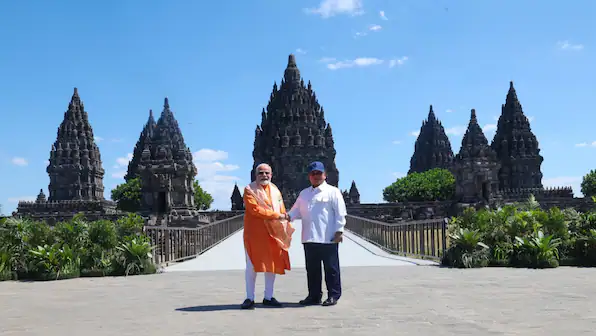
A classroom exchange in Yamanashi, where a student greeted Uttar Pradesh Chief Minister Yogi Adityanath with a namaste and Sanskrit shlokas, became the most resonant image of an India–Japan outreach focused on trade, strategy, and investment. The moment showcased education diplomacy and soft power in action, translating policy intent into relational trust. It highlighted how…
-
Delhi Temple Attack Foiled: ISI-Linked Lashkar Cell Dismantled; Bangladesh Handler Traced

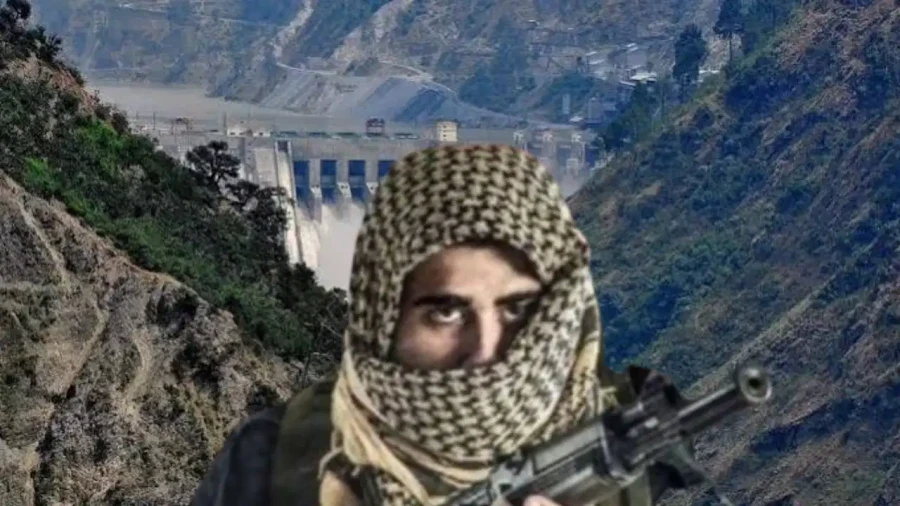
Indian security agencies reportedly foiled an ISI-linked Lashkar-e-Taiba plot targeting a Delhi temple on 23 February 2026, with a handler traced to Bangladesh. The case underscores the need for intelligence-led policing, cross-border cooperation, and rights-respecting counterterrorism. It highlights how layered protection of sacred sitesconcentric perimeters, intelligent CCTV, and trained volunteer stewardscan materially reduce risk. Analysts…
-
The Unseen Battle for Indian PoWs: Law, Memory, and a Nation’s Unfinished Duty

This long-form analysis examines Indian Prisoners of War through the lenses of history, international humanitarian law, and diplomacy. It explains how the Third Geneva Convention governs PoW treatment, registration, and repatriation, and summarizes the impact of the 1972 Shimla and 1973 Delhi Agreements after the 1971 Liberation War. It explores the enduring issue of missing…
-
Data-Driven Look at Pew’s Projections: Rapid Muslim Growth and India’s Demographic Turning Point

Pew Research Center’s projections consistently identify Muslims as the fastest-growing major religious group globally, driven primarily by higher fertility and a younger age structure. This technical, data-driven overview explains why that pattern does not imply alarmist interpretations and why phrases like “aggregate growth of Christians, Hindus, and Jews” are not part of Pew’s methodology. For…
-
From ‘Leaks’ to the Well of the House: Rahul Gandhi, Gen Naravane, and Democratic Red Lines

This analysis examines how recent parliamentary flashpoints involving Rahul Gandhi and references to General M. M. Naravane intersect with India’s core democratic guardrails. It contextualizes the risks of politicizing the armed forces, the perils of relying on pre-publication materials for allegations, and the security implications of proximity breaches near the Prime Minister’s bench. The discussion…
-
Congressional Briefing Flags State-Backed Attacks on Bangladesh Hindus, Urges Targeted U.S. Action

A Washington, DC congressional briefing organized by CoHNA and HinduAction presented detailed testimony alleging state-enabled violence against Hindus and other religious minorities in Bangladesh ahead of the February 12 election. Speakers urged U.S. policymakers to condemn abuses, hold hearings, designate Bangladesh as a Country of Particular Concern, consider a Foreign Terrorist Organization designation for Jamaat-e-Islami,…
-
“Once Iran Is Free”: Reza Pahlavi’s Vision for a Bold, Respectful New Chapter with India

Reza Pahlavi outlines a values-based pathway for India–Iran relations that places sovereignty, liberty, and mutual partnership at the center. He highlights deep civilisational links and India’s cultural heritage as foundations for renewed cooperation. Policy priorities include energy security, water resilience, and demographic challenges, areas where India’s technology and renewable energy leadership can make a decisive…
-
Economic Shockwaves, Ethical Restraint: India’s Trade Levers to Protect Hindus in Bangladesh

This analysis explores how India can apply calibrated economic pressurevia land routes, sea facilitation, and airspace permissionsto deter violence against Hindus in Bangladesh while preserving regional stability. It outlines practical levers, from targeted suspensions with humanitarian carve-outs to compliance-focused reviews of electricity, fuel, and logistics. It explains risks and second-order effects on Indian exporters, border…
-
Exposing Hinduphobic Tropes: Media Framing of Sai Baba, Maduro, and India’s Colonial Hangover

This analysis examines how Nicolás Maduro’s detention in New York reignited discussion of his spiritual ties to Sri Sathya Sai Baba and how mainstream coverage often frames Hindu and broader dharmic traditions through exoticizing or derisive tropes. It critiques racialized descriptors and the trigger word “Godman,” showing how such language primes readers toward suspicion rather…
-
Communal Tensions in Southern Nepal: What Sparked Birgunj Unrestand Paths to Peace

A derogatory social media post against Hindu Dharma triggered unrest in southern Nepal’s Birgunj–Parsa region, including reports of vandalism at a mosque and a rapid police response. This analysis explains how online incitement, border-town sensitivities, and rumor cascades magnified tensions. It emphasizes impartial law enforcement, protection of all places of worship, and legal accountability for…
-
‘Please save us’: Bangladesh Hindus plead for safe passage as India weighs open borders

Bangladesh Hindus have issued an urgent plea‘Please save us’amid rising violence against religious minorities, asking India to consider safe, lawful passage. This post outlines humane, time-bound options such as humanitarian visas, monitored corridors, and temporary shelters that balance compassion with border security. Community testimonies convey fear and resilience, while dharmic traditions emphasize non-violence, dignity, and…
-
Oxford Union Shockwave: Indian Student Challenges Pakistan’s Kashmir Narrative with History

An Oxford Union exchange featuring Indian student Kautilya Pandit has reignited debate on Kashmir’s demography by foregrounding the exodus of Kashmiri Pandits and the loss of cultural memory. Anchoring his remarks in historical episodesparticularly the 1971 Liberation War and the surrender of 93,000 Pakistani soldiershe pressed for accountability in India–Pakistan relations. His critique of civil–military…
-
Dhurandhar’s Shockwave: A Political Thriller Exposes Terror Networks and Unites Dharmic Resolve

Dhurandhar has moved beyond box-office success to ignite a national conversation on terrorism, statecraft, and media responsibility. Reports of bans in several Gulf countries and legal action abroad highlight how cultural narratives can unsettle geopolitical sensitivities. At home, polarized responses from reviewers reveal shifting media ecosystems and the need for principled criticism rooted in sahṛdaya-samīkṣarigorous,…
-
Rajnath Singh’s Sindh Remark Sparks Diplomatic Firestorm as Pakistan Revives ‘Expansionist’ Charge

Pakistan’s Ministry of Foreign Affairs condemned remarks attributed to India’s Defence Minister Rajnath Singh referencing Sindh, calling them evidence of a ‘Hindutva mindset’ and reviving the ‘expansionist’ charge. The controversy highlights how rhetoric can escalate Indo-Pak Relations and complicate confidence-building measures. Situating the issue within South Asian Geopolitics, the analysis emphasizes the need to distinguish…
-
Rutgers Controversy: Alleged Anti-Hindu Framing, Taliban Reference, and a Call for Dharmic Unity

Reports of a Rutgers University conference allegedly juxtaposing professors’ names with a Taliban reference triggered debate over anti-Hindu bias, academic freedom, and responsible framing. The incident highlights how scholarship on Hindutva can be misconstrued as commentary on Hindu identity, with real consequences for campus climate and student belonging. Critics fear stigmatization of dharmic communities, while…
-
Bangladesh Youth Firearms Training: Essential Analysis, Risks, and Proven Paths to Peace

This analysis examines claims about youth firearms training in Bangladesh with clear, verifiable criteria, separating routine preparedness from allegations of sectarian mobilization. Readers discover how to evaluate sources, identify disinformation, and understand the legal and institutional context that governs training programs. The discussion highlights implications for India–Bangladesh relations and regional security without resorting to alarmism.…
-
Discover India’s Complete Trade Breakthrough Amid Trump-Era Uncertainty and Supply Shifts

Trump-era uncertainty has opened a rare, time-bound window for India to advance into global supply chains. Unlike earlier opportunities, India now brings stronger infrastructure, a stabilized banking sector, and a mature digital ecosystem to the table. A historical lensfrom GATT and the License Raj to the Vajpayee-era highways and post-2019 banking reformsexplains why this moment…