-
Culture as Strategy: India’s Powerful Civilizational Diplomacy Through IKS

India’s civilizational diplomacy must move beyond cultural spectacle and develop culture as strategic infrastructure. The essay explains why soft power, though useful, is insufficient unless Indian Knowledge Systems become embedded in global institutions, universities, research collaborations, technology ethics, public health, and climate discourse. It highlights the relevance of the Purushartha framework, Vasudhaiva Kutumbakam, Ayurveda, Sanskrit,…
-
Dhurandhar as Counterpropaganda: Bollywood, Pakistan and India’s Security Debate

This essay examines Dhurandhar as a major intervention in Bollywood’s treatment of Pakistan, terrorism, national security, and secularism. It argues that the film’s controversy arises because it challenges older cinematic habits that softened Pakistan’s strategic hostility while demanding Indian self-blame. The analysis explains how the film uses geopolitical memory, archetypal characters, and public frustration to…
-
Canada’s Air India 182 Admission: A Powerful Reckoning with Extremism and Memory

Canada’s acknowledgement of Canada-based Khalistani extremist involvement in the Air India Flight 182 bombing has renewed attention on the 1985 Kanishka tragedy. The bombing killed all 329 people aboard and remains Canada’s deadliest terrorist attack. This analysis explains why the CSIS-linked framing matters for public memory, India-Canada relations, and counterterrorism policy. It separates Khalistani extremism…
-
Venezuela’s Humanitarian Crisis: Compassion, Prayer, and Practical Solidarity

This article reframes a brief message of love and prayers for Venezuela into a factual, compassionate, and Dharmic reflection on the country’s humanitarian crisis. It explains the scale of Venezuelan displacement using UNHCR data and highlights the importance of food security, school meals, documentation, shelter, employment, and regional integration. The piece connects humanitarian analysis with…
-
Tulsi Gabbard Resignation Row: Dharma, Compassion, and Public Duty Under Fire

Tulsi Gabbard’s reported resignation as Director of National Intelligence, connected to her husband Abraham Williams’s rare bone cancer diagnosis, became a wider debate about compassion, political speech, and public duty. The controversy intensified after an X post attributed to Congressman Shri Thanedar appeared to dismiss her departure while criticizing intelligence failures linked to the Iran…
-
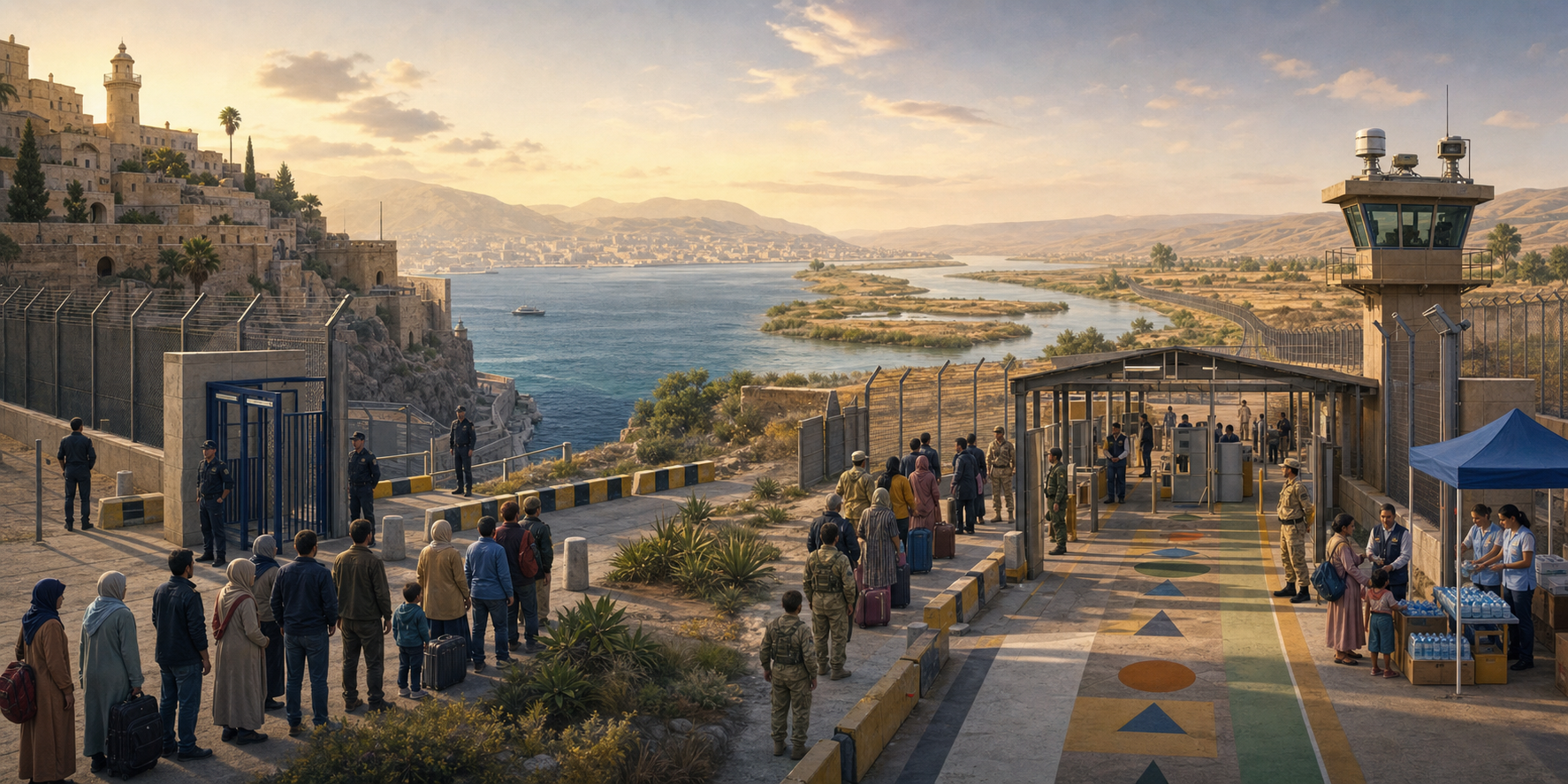
Delhi Airport Watchlist Stop of Bangladesh PM Adviser Sparks Diplomatic Row, Tests Ties

A senior adviser to Bangladesh’s Prime Minister was reportedly held at Indira Gandhi International Airport after an immigration watchlist alert linked to earlier “Anti-India” and “Anti-Hindu” remarks, igniting a diplomatic row. This analysis explains how India’s Bureau of Immigration, under the Foreigners Act, 1946, manages watchlists and secondary inspections. It clarifies the limited immunities of…
-
Why Israel Will Honor Chhatrapati Shivaji with a Statue: A 2000-Year Bond Renewed

Plans in Israel to honor Chhatrapati Shivaji Maharaj with a statue spotlight a 2,000-year relationship between India and the Jewish Bene Israel community from Maharashtra’s Konkan coast. The piece traces Bene Israel origins, integration into Marathi society, and service within the Maratha polity and later the British Indian Army, framing the memorial as heritage diplomacy…
-
Inside MEF 2026: High-Stakes Nonproliferation, Counter-Extremism Strategy, and Dharmic Unity

A three-day immersion at the Middle East Forum’s 2026 conference provided rigorous, real-world lessons in nuclear nonproliferation, counter-extremism, and policy advocacy. Serving in an IAEA role during a crisis simulation, Suraj Pandit stress-tested safeguards, verification, and de-escalation tools relevant to the Middle East’s complex security landscape. Expert panels distinguished faith from political extremism, emphasizing precise,…
-
Inside Nehru’s 1927 USSR Trip: How Soviet Ideas Shaped India’s Democratic Socialism

In November 1927, Jawaharlal Nehru visited the USSR as a state guest during the tenth anniversary of the October Revolution, encountering a society in rapid transition. This historically grounded analysis explains how the tour refined, rather than transformed, his thinking: it deepened a commitment to planning and scientific modernity while reinforcing democratic and pluralist guardrails.…
-
Delcy Rodriguez’s India Visit: When Energy Diplomacy Meets Sathya Sai Baba’s Legacy

Venezuela’s Acting President Delcy Rodriguez’s India visit foregrounds energy diplomacy while revealing a sustained spiritual association with Sathya Sai Baba. The analysis traces her documented visits to Prasanthi Nilayam in Puttaparthi, Andhra Pradesh, including prayers at the Mahasamadhi, and examines how such contemplative stops can complement formal negotiations. By situating these visits within soft power…
-
USCIRF, Diaspora Campaigns and Hindutva: How Overseas Targeting Imperils Dharmic Unity

Uttarakhand BJP leader Mahendra Bhatt’s description of perceived overseas targeting of Hindutva voices via USCIRF highlights a wider challenge: how global advocacy, media narratives, and diaspora life intersect. This analysis explains USCIRF’s mandate, clarifies the distinction between Hinduism and Hindutva, and shows how labels can migrate from policy briefs to classrooms and workplaces. It grounds…
-
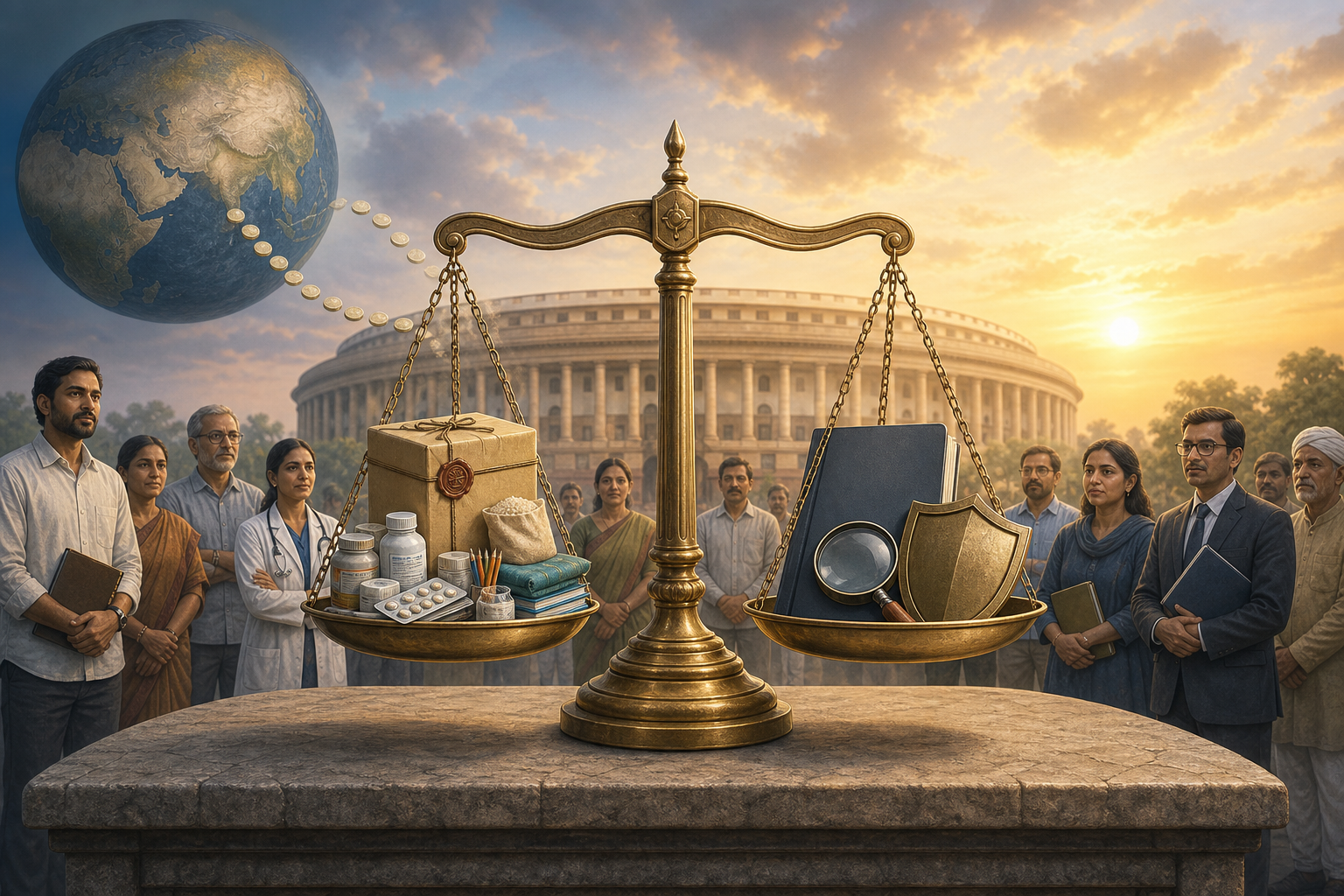
FCRA Flashpoint: Why Rep. Chris Smith Pressed Rubio on Indiaand the Stakes for Civil Society

Representative Chris Smith’s call for Senator Marco Rubio to raise India’s FCRA in high-level talks has revived a sensitive debate: how to balance India’s sovereign right to regulate foreign funding with the need to protect legitimate civil-society and faith-based work. This analysis clarifies what the FCRA is, how it evolved (1976, 2010, 2020), and why…
-
Rethinking Diplomatic Symbolism: Why Rubio’s Kolkata Stop Should Honor India’s Civilizational Depth

This analysis examines why Marco Rubio’s Kolkata stop at the Missionaries of Charity drew criticism in India and what it reveals about diplomatic symbolism. It explains how itinerary choices function as soft-power signals that can strengthen or weaken trust in U.S.–India relations. Readers will find a concise overview of India’s civilizational continuity and dharmic plurality…
-
ISIS-style mock ‘execution’ of PM Modi in UK: legal boundaries, community harm, and a dharmic response

A widely shared video from Birmingham shows a small protest staging an ISIS-style mock execution of Prime Minister Narendra Modi outside the Indian consular premises, triggering public outrage and legal scrutiny. The analysis explains how UK statutesPublic Order Act 1986, Terrorism Acts of 2000 and 2006, and the Crime and Disorder Act 1998define boundaries around…
-
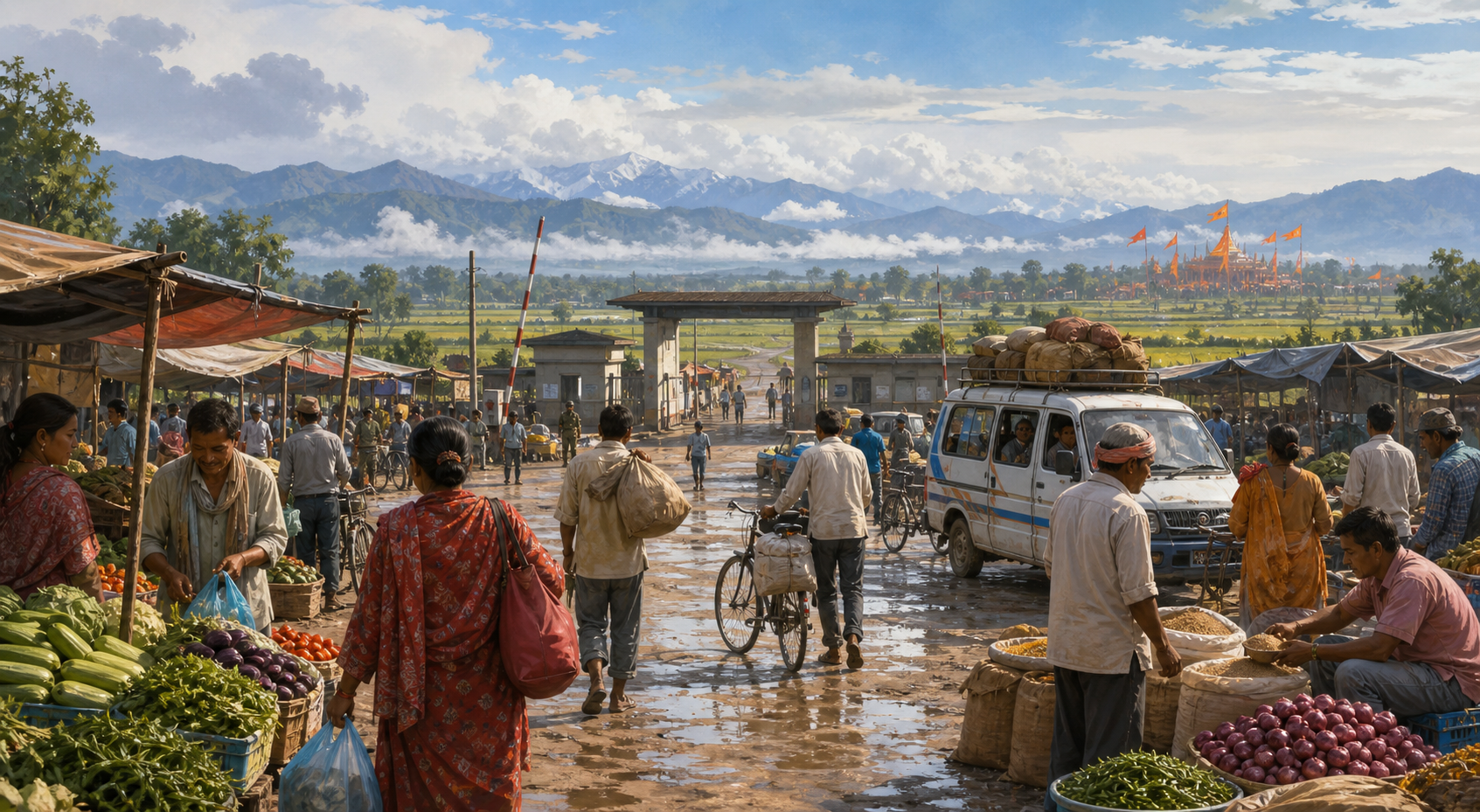
Nepal Airlines’ Map Gaffe Ignites Outrage: Cartographic Accuracy, Sovereignty, and Dharmic Unity

Nepal Airlines triggered public outrage after sharing a map that appeared to place parts of Jammu & Kashmir and North-East India outside India’s borders, prompting a rapid apology and takedown. In South Asia, where maps signal sovereignty and identity, such missteps carry outsized geopolitical and emotional impact. This analysis details why cartographic accuracy matters, outlines…
-
Protecting India’s Dharma and Sea Lanes: A Clear‑Eyed Look at Iran’s IRGC, Kashmir, and Rights

India’s civilisational ethos of pluralism and Dharmic balance calls for clear judgment in the Persian Gulf and Kashmir. A sober assessment distinguishes Iran’s luminous civilisation from the coercive toolkit of the IRGC, whose actions endanger maritime trade, energy security, and Indian crews. Documented crackdowns on protests and discrimination against Baháʼís challenge any uncritical romanticism of…
-
Hindu Population 2050: Pew Projections, South Asian Demographic Shifts, and India’s Roadmap

Pew Research Center’s cohort-component projections to 2050 indicate that Hindus will grow substantially in absolute numbers while maintaining a broadly stable global share. India remains the demographic center of gravity and a Hindu-majority nation, even as fertility converges across communities due to education, urbanization, and health gains. Nepal sustains a Hindu-majority profile, Sri Lanka and…
-
US House Resolution Seeks Justice for 1971 Bangladesh Genocide, Highlighting Hindu Targeting

A new US House resolution, H. Res. 1130, seeks recognition of the 1971 Bangladesh genocide, condemning atrocities by elements of the Pakistan Army and Jamaat-e-Islami-linked militias and highlighting the disproportionate targeting of Bengali Hindus. The measure frames 1971 within the Genocide Convention, emphasizing documented patterns of group-directed violence, large-scale displacement, and sexual violence. It draws…
-
Pakistan-occupied Kashmir: Child Recruitment by Extremists? Chilling Claims and a Call to Unite

Allegations that Jaish-e-Mohammad and Lashkar-e-Taiba are recruiting children in Pakistan-occupied Kashmir demand an evidence-led, child-first response. This analysis situates the claims within international humanitarian and human rights law, including OPAC and the Rome Statute, and outlines concrete safeguards schools and communities can deploy now. It differentiates extremist propagandasuch as the Ghazwa-e-Hind motiffrom mainstream faith, protecting…
-
India rebuts USCIRF’s ‘selective’ claims, urges decisive action on Hindu temple attacks in U.S.

India’s Ministry of External Affairs has rejected the latest USCIRF report as “distorted and selective,” while urging U.S. authorities to prioritize decisive action against vandalism and intimidation targeting Hindu temples. The analysis clarifies what USCIRF is, how it differs from the State Department’s IRF report, and why methodological transparency matters. It outlines the legal tools…