
-
 Akhand Bharat, Cross Posted, History, India, Khalistan, Opinion Pieces, Pakistan, Personalities, POJK
How the Fanatic Syed Ahmad Barelvi Met his Maker at Balakot
Read more: How the Fanatic Syed Ahmad Barelvi Met his Maker at BalakotThe blog post discusses the historical narrative of post-Mughal India, highlighting the glorification of figures like Tipu Sultan as freedom fighters against British rule while sidelining others like Siraj-ud-Daulah. It delves into the controversial figures of Shah Waliullah, Abdul Aziz, and Syed Ahmad Barelvi, who are often depicted as “Muslim revivalists” but had a more…
-
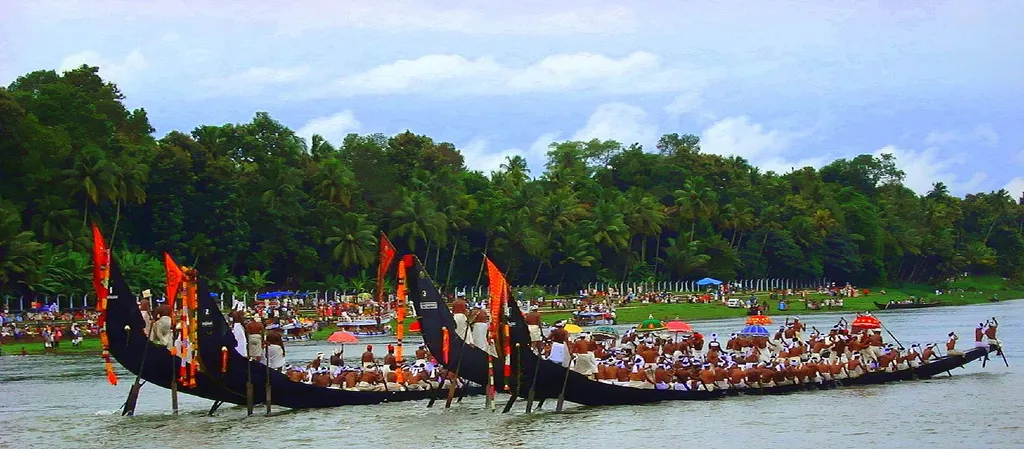
The Origin of Onam
Read more: The Origin of OnamThe popular narrative of Onam revolves around the story of King Mahabali and Lord Vamana, portraying Mahabali as a martyr and Vishnu as a villain. This version doesn’t align with the true essence of the scriptures. In reality, the story is more nuanced. Vishnu’s avatar, Vamana, came to address the balance between the devas and…
-

Adipurush: The Outcome of a Century of Artistic Perversion
Read more: Adipurush: The Outcome of a Century of Artistic PerversionAdipurush” receives a scathing critique in this article as a three-hour-long cinematic travesty that has deeply offended many viewers, especially in regions with a strong cultural connection to the Ramayana. The article points out that the movie’s creators, despite being of Indian origin, have displayed disdain for the epic’s cultural and religious significance, reducing it…
-

Multiculturalism as misdirection
Read more: Multiculturalism as misdirectionPeter Thiel’s article titled “The Diversity Myth,” featured in this month’s The New Criterion, addresses several key points about diversity, equity, and inclusion (DEI) and their impact on various aspects of society. Thiel argues that DEI is not a genuine pursuit of diversity but rather a distraction from deeper issues. These deeper issues include challenges…
-

J&K Battle Of Narratives
Read more: J&K Battle Of NarrativesThis blog post discusses the complex narrative battle in Jammu and Kashmir, highlighting the challenges and strategies employed by both India and the anti-India cabal. It addresses the issue of separatism, terrorism, and propaganda, emphasizing the importance of addressing the battle of narratives as a key element for long-term peace in the region. The post…
-

How Dravidianists Savaged the Tamil Hindu Heritage and Gifted Tamil Nadu to the Global Church
Read more: How Dravidianists Savaged the Tamil Hindu Heritage and Gifted Tamil Nadu to the Global ChurchThis blog post delves into the historical development of the Dravidian ideology in Tamil Nadu, tracing its evolution from linguistic separatism to religious separatism and the pervasive influence of the Church. The narrative revolves around the impact of Bishop Robert Caldwell’s writings and their role in shaping Dravidian identity, alongside the suppression of contrary evidence.…
-
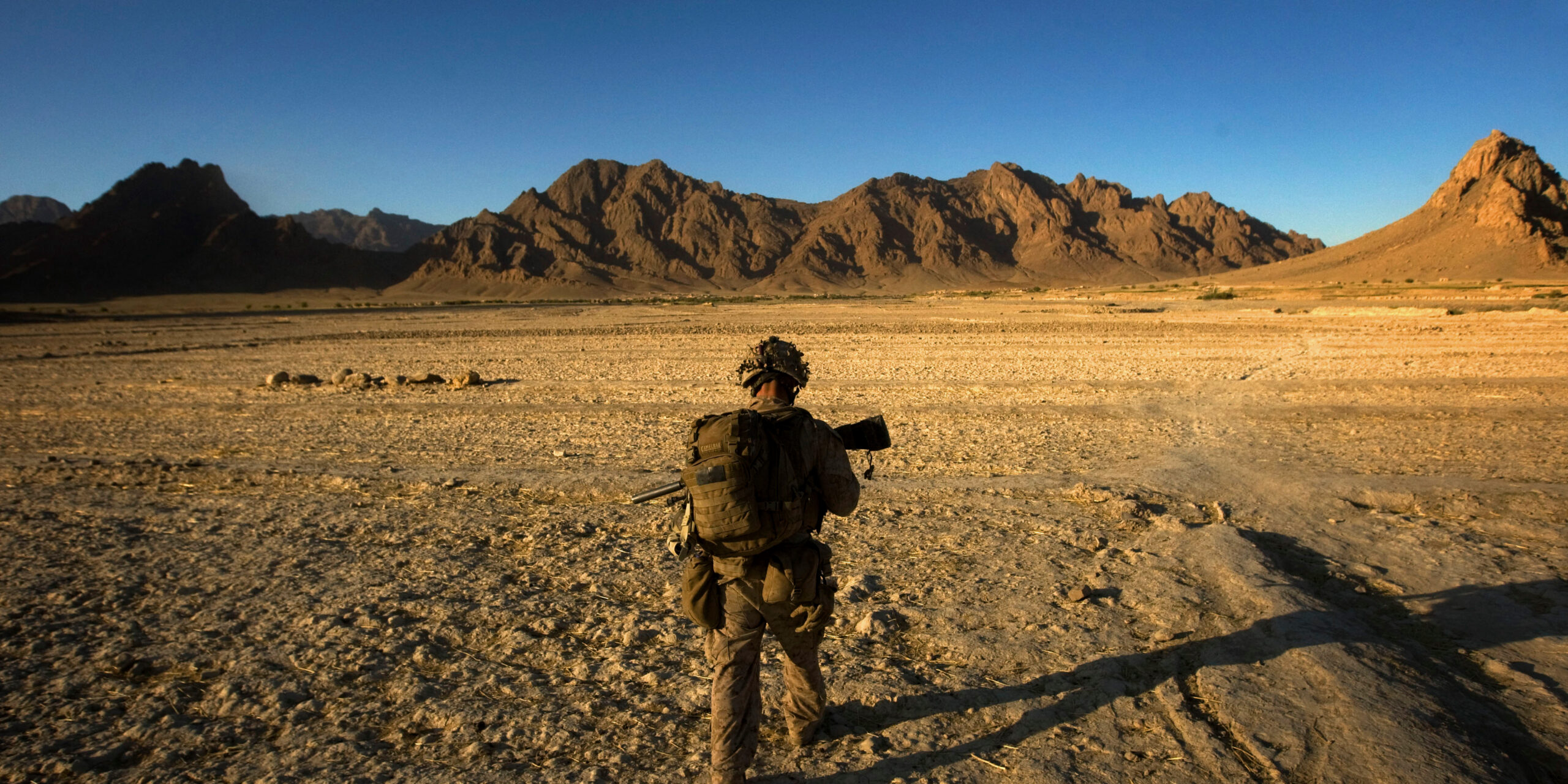
Afghanistan’s Throes Of Instability And Conflict
Read more: Afghanistan’s Throes Of Instability And ConflictThe situation in Afghanistan, often referred to as the ‘graveyard of empires,’ has been marked by ongoing conflicts and instability within its borders and in its relations with neighboring countries like Pakistan and Iran. The Taliban’s strict rule has imposed a heavy burden on ordinary Afghans, leaving them with no escape from their oppressive regime.…
-
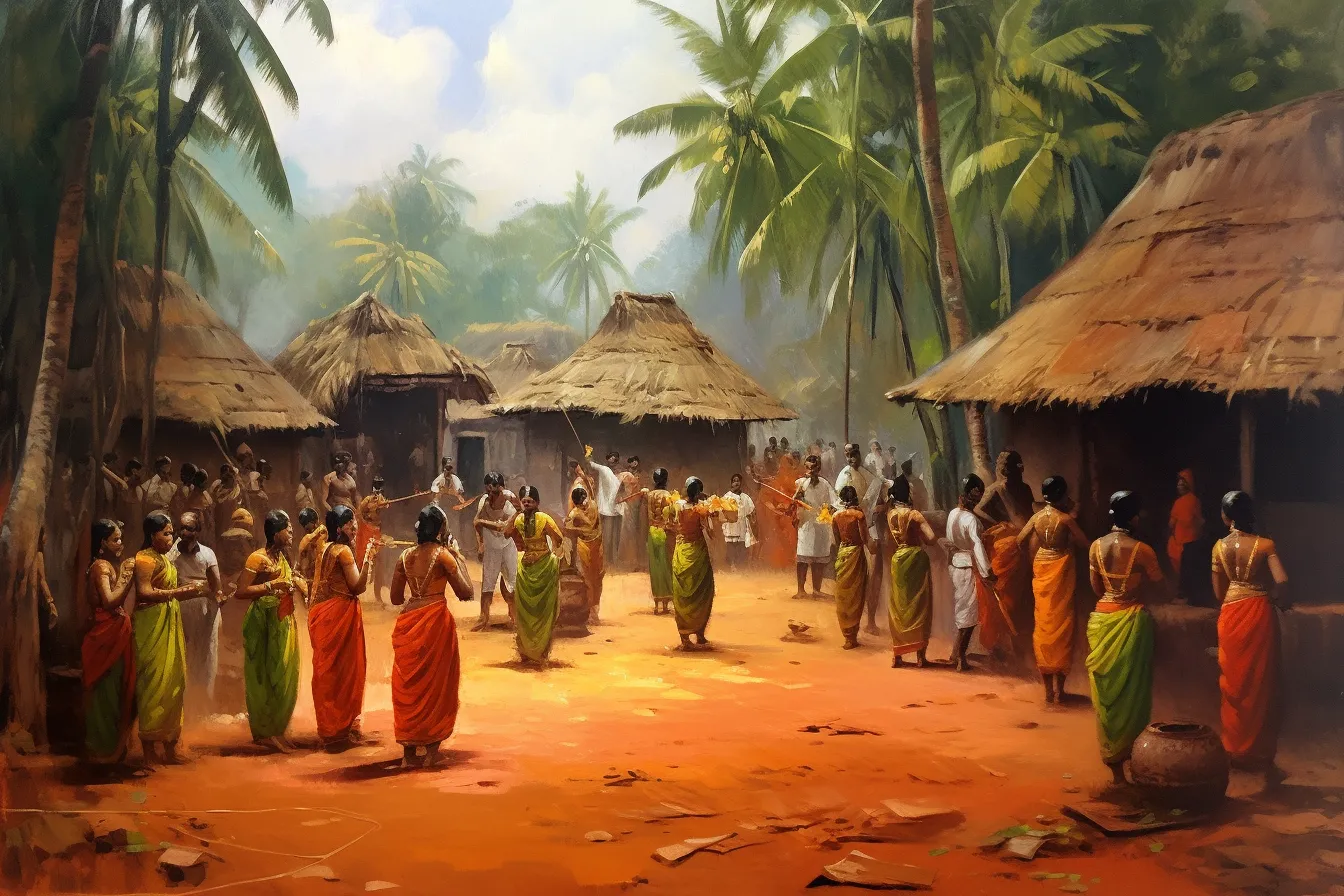
The Story of the Profound Hebbale Inscription
Read more: The Story of the Profound Hebbale InscriptionIn a nondescript village called Hebbale, situated in the heart of Bharatavarsha, an ancient tradition of Tirtha-Yatra (pilgrimage) was upheld. This story unfolds eight centuries ago when Hebbale played a pivotal role in enabling Hindu pilgrims to undertake their sacred journeys, despite the oppressive Jizya tax imposed by the Islamic rulers. The noble act of…
-
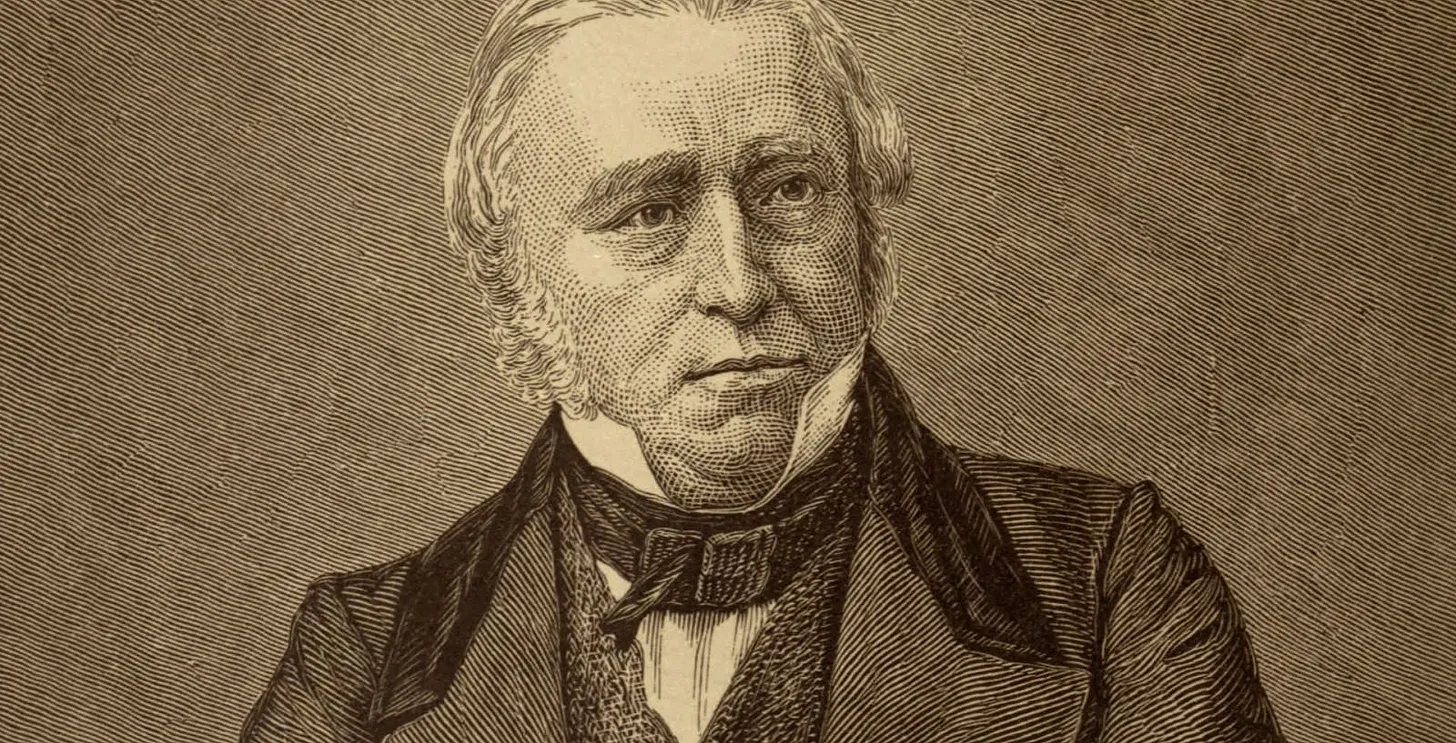
Portraits of the Deracinated Indian Education System
Read more: Portraits of the Deracinated Indian Education SystemIn this thought-provoking blog post, the urgent need for the decolonization of India’s education system is explored. The article delves into the persisting impact of mental colonization, particularly evident in the modern Indian population’s inclination to embrace Western culture, values, and ideals, often prioritizing them over their own heritage. Through historical context and powerful quotes…
-
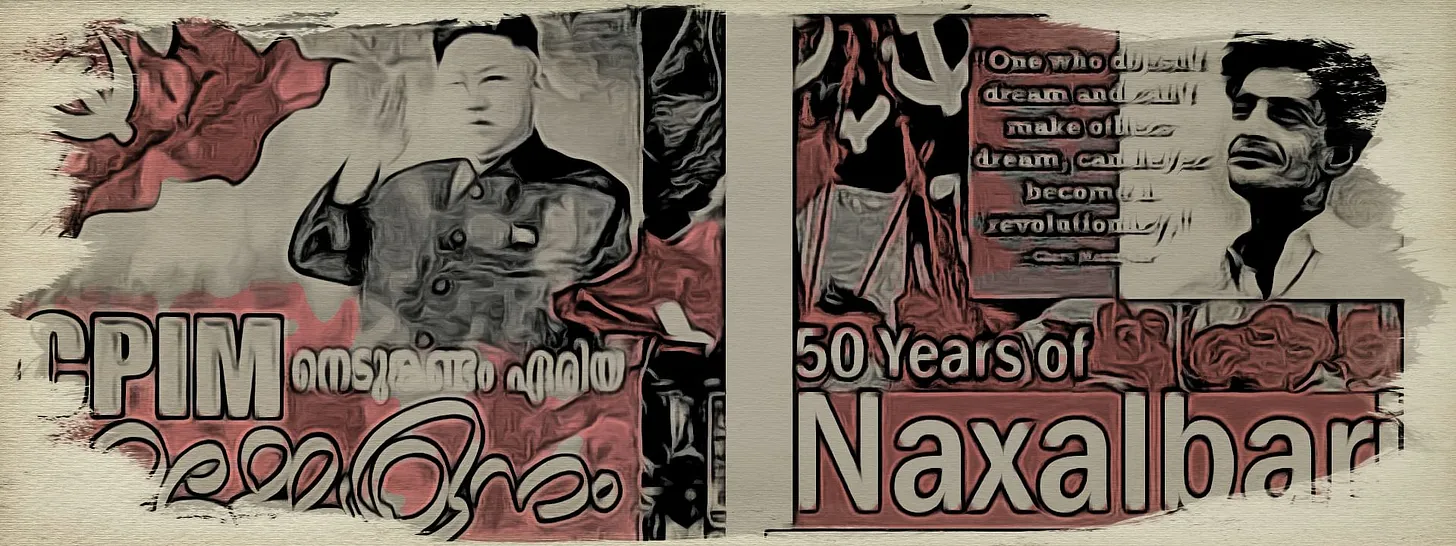
Why is the Complete History of the Communists Still not Part of our School Textbooks?
Read more: Why is the Complete History of the Communists Still not Part of our School Textbooks?The history of Communism in India is a contentious and complex one. The rise and influence of Communist parties in India have had significant consequences on the country’s political and social landscape. From its early days to the present, Communism has played a prominent role in Indian politics, often polarizing opinions and leading to intense…
-

Origins of Khalistani Terrorism in Canada
Read more: Origins of Khalistani Terrorism in CanadaThe rise of Khalistani terrorism in Canada and India is a troubling phenomenon that has had far-reaching consequences for the security and social cohesion of both countries. Advocates of Khalistan, a hypothetical independent Sikh state, have resorted to violence and terror tactics to achieve their political aims, including bombings, assassinations, and targeted killings. The victims…
-
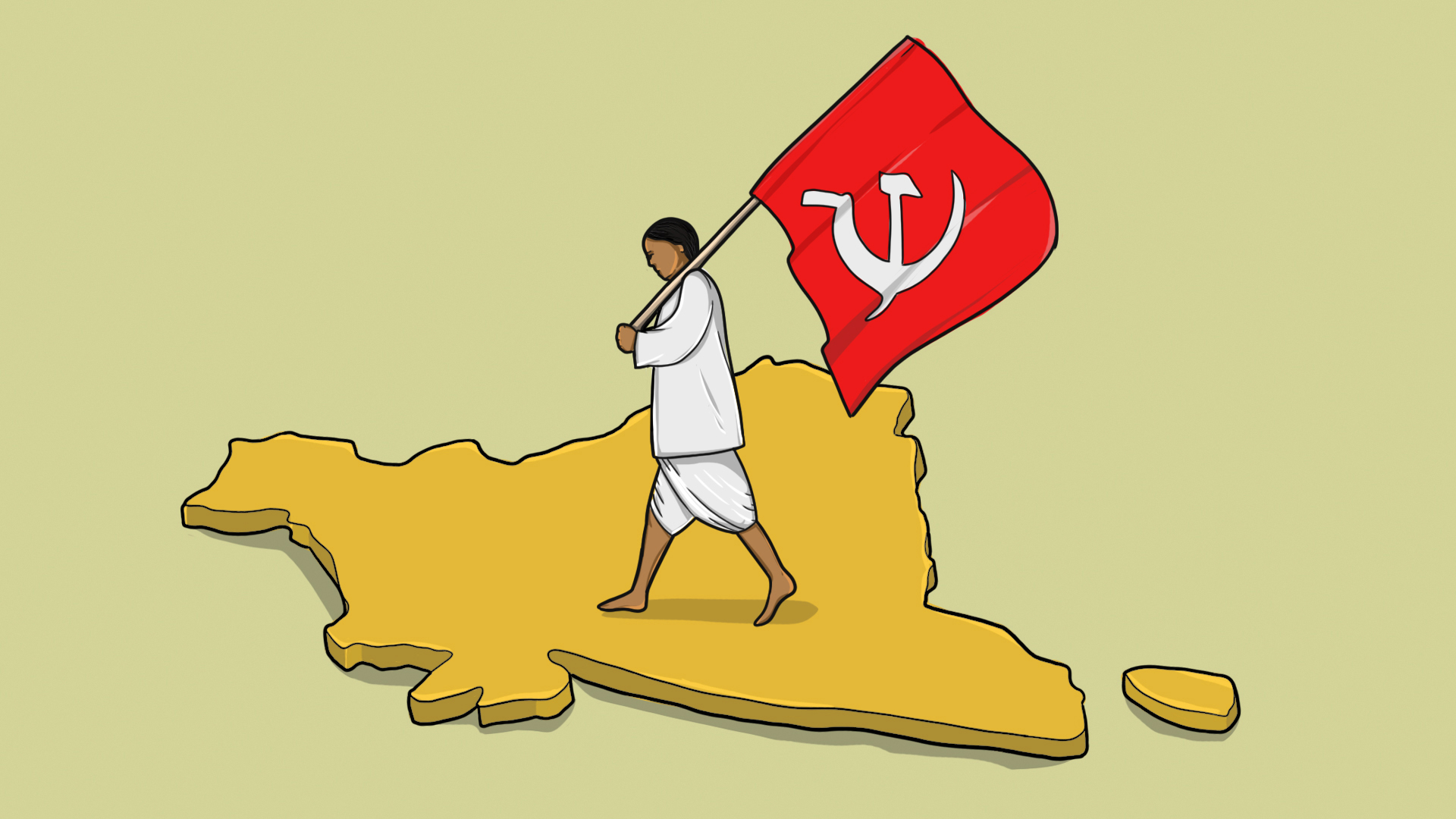
THE 100-Year History of Indian Communism in Half an Hour
Read more: THE 100-Year History of Indian Communism in Half an HourIn this podcast episode, I delve into the complex history of Communism in India, tracing its roots back to its founding in 1920. As a narrator, I take you on a journey through the various stages of its development, discussing its profound impact on the country and its cultural heritage. From destructive forces to a…
-
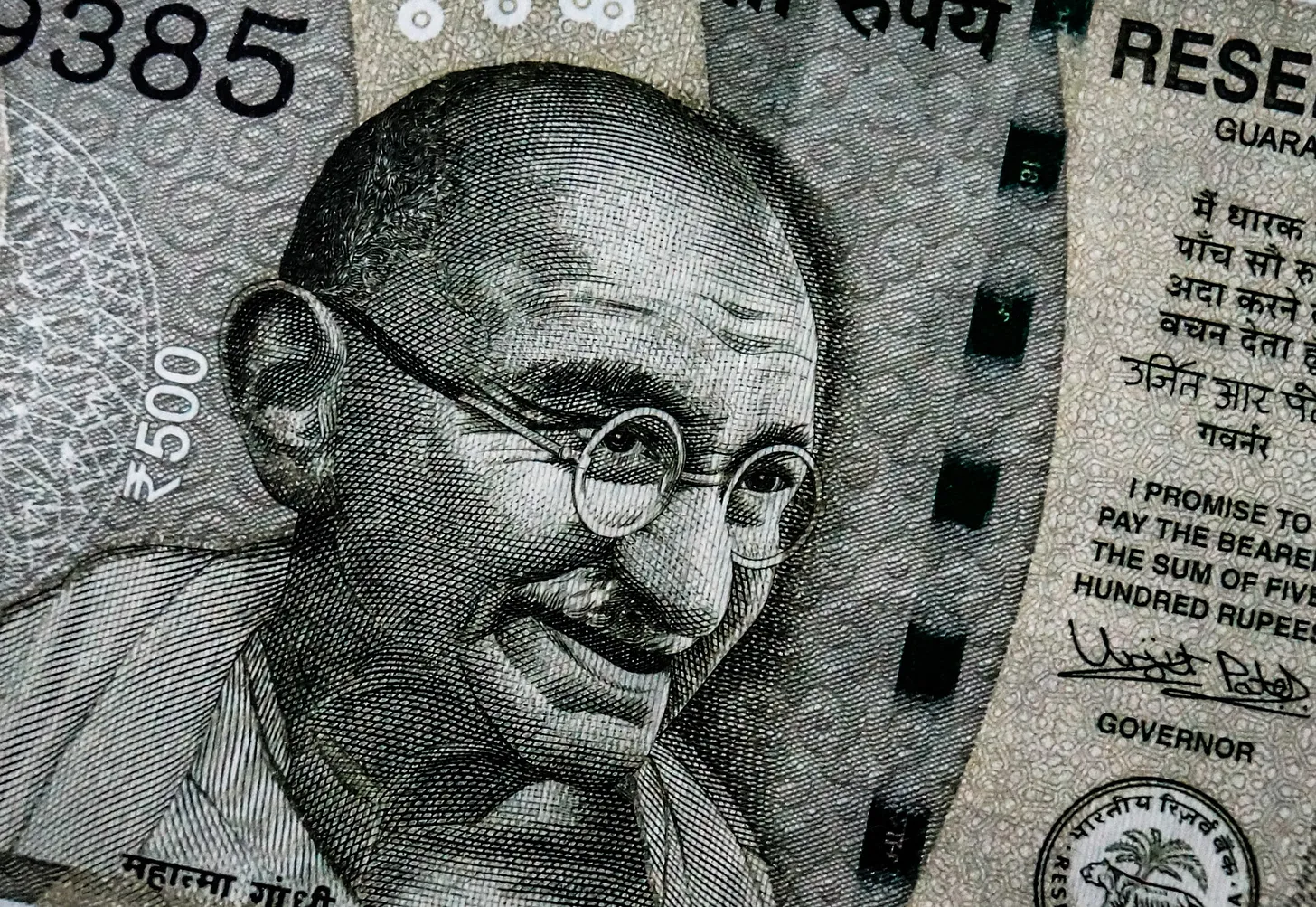
How Gandhi became a Congress Leader in Four Years
Read more: How Gandhi became a Congress Leader in Four YearsIn January 1915, a 46-year-old Mohandas Gandhi returned to India after two decades in South Africa. Despite his unconventional social activism there, he faced skepticism from Indians who saw him as a foreigner. This blog explores how Gandhi, within four years, transformed from an outsider into a national leader of the Congress. It delves into…
-
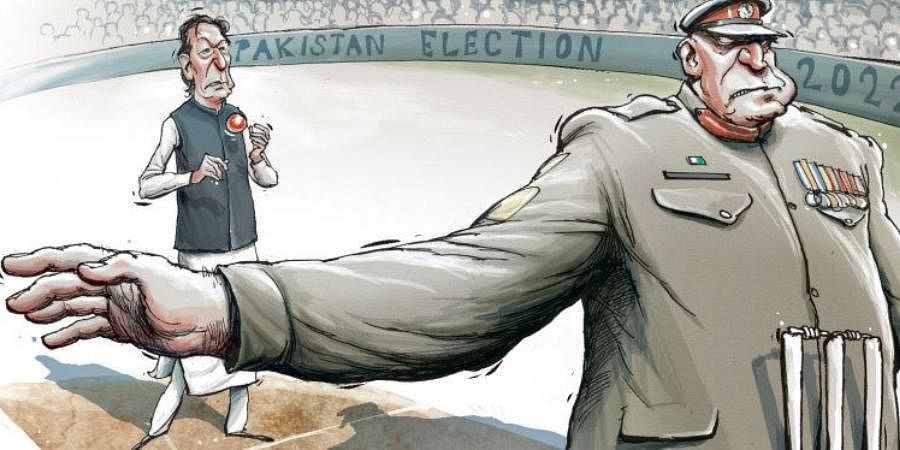
Pakistan, With Head Above The Water : Way The Cookie Crumbles
Read more: Pakistan, With Head Above The Water : Way The Cookie CrumblesIn my recent engagements in the realm of geopolitics, a recurring question has been the focus: Can Pakistan endure its current challenges? My unwavering response is a resounding “yes.” Pakistan, despite its fragile political and economic landscapes, has a history of resilience and survival. Voices from within Pakistan echo this sentiment, and international actors are…
-

The Brihadeeshwara Temple: A Pan-Indian Hindu Cultural Complex
Read more: The Brihadeeshwara Temple: A Pan-Indian Hindu Cultural ComplexIn this essay series, we explore the magnificent legacy of Rajaraja Chola, a revered Indian king who left an indelible mark on the country’s cultural and spiritual heritage. Rajaraja’s remarkable contributions to the Brihadeeshwara Temple, his endowments, and meticulous record-keeping reveal a deep commitment to preserving India’s heritage. Through his selfless acts of devotion, Rajaraja…
-
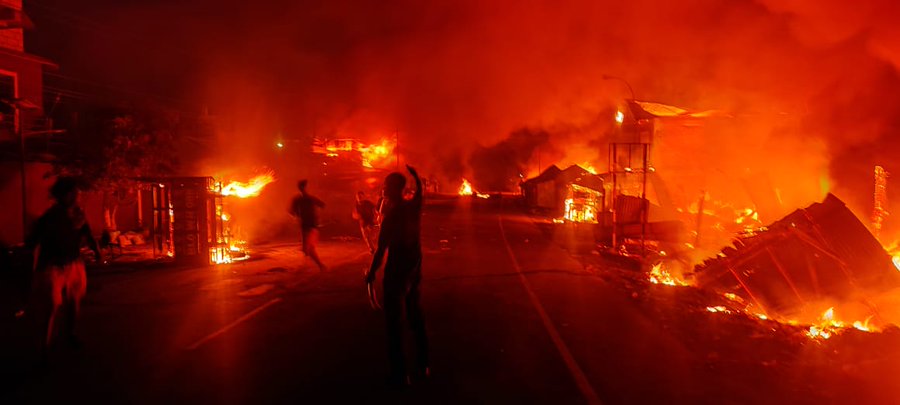
The Crisis In Manipur : An Assessment
Read more: The Crisis In Manipur : An AssessmentIn Manipur, a state in northeastern India, the situation remains unresolved, with ongoing violence and a cloud of uncertainty shrouding the truth. The narrative surrounding this violence is heavily influenced by the ethnicity and perspective of those who share it. Manipur, geographically bordered by Nagaland, Mizoram, and Assam, also shares volatile borders with Myanmar, particularly…
-

How Macaulay and William Bentinck Demolished the Calcutta Golisri Sanskrit School
Read more: How Macaulay and William Bentinck Demolished the Calcutta Golisri Sanskrit SchoolExplore the devastating impact of Thomas Babbington Macaulay’s role in undermining India’s rich educational heritage, supported by Governor General William Bentinck and other British officials in the 19th century. Their actions led to the destruction of centuries-old Sanskrit schools and colleges across Bengal, with the Golishri Sanskrit School in Calcutta among the earliest casualties. The…
-
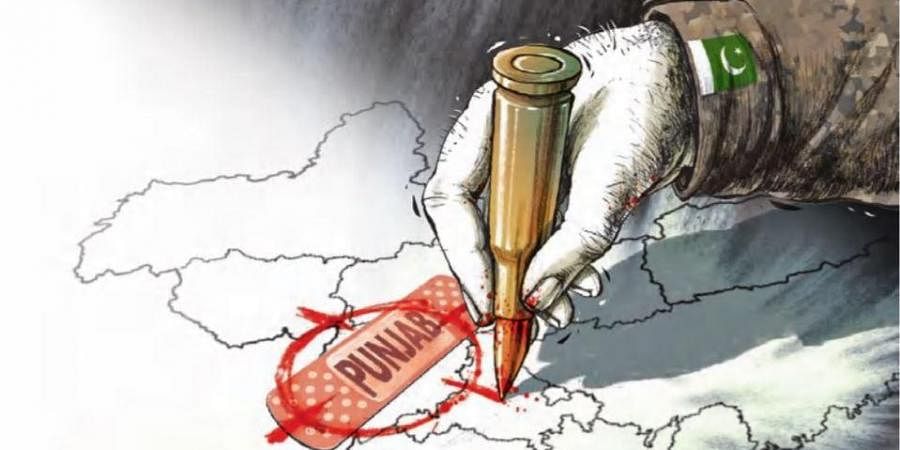
Punjab – Seeking Way Forward In Simmering Crisis
Read more: Punjab – Seeking Way Forward In Simmering CrisisAmidst evolving geopolitical dynamics, the reported Kashmir-Khalistan (K2) project orchestrated by Pakistan’s ISI has raised concerns, aimed at rekindling the Khalistan movement even in the face of improving conditions in Kashmir. Extremist leaders operating from Pakistan and the recent shooting down of the Khalistan Commando Force Chief, Paramjit Singh Panjwar, in Lahore, serve as unsettling…
-
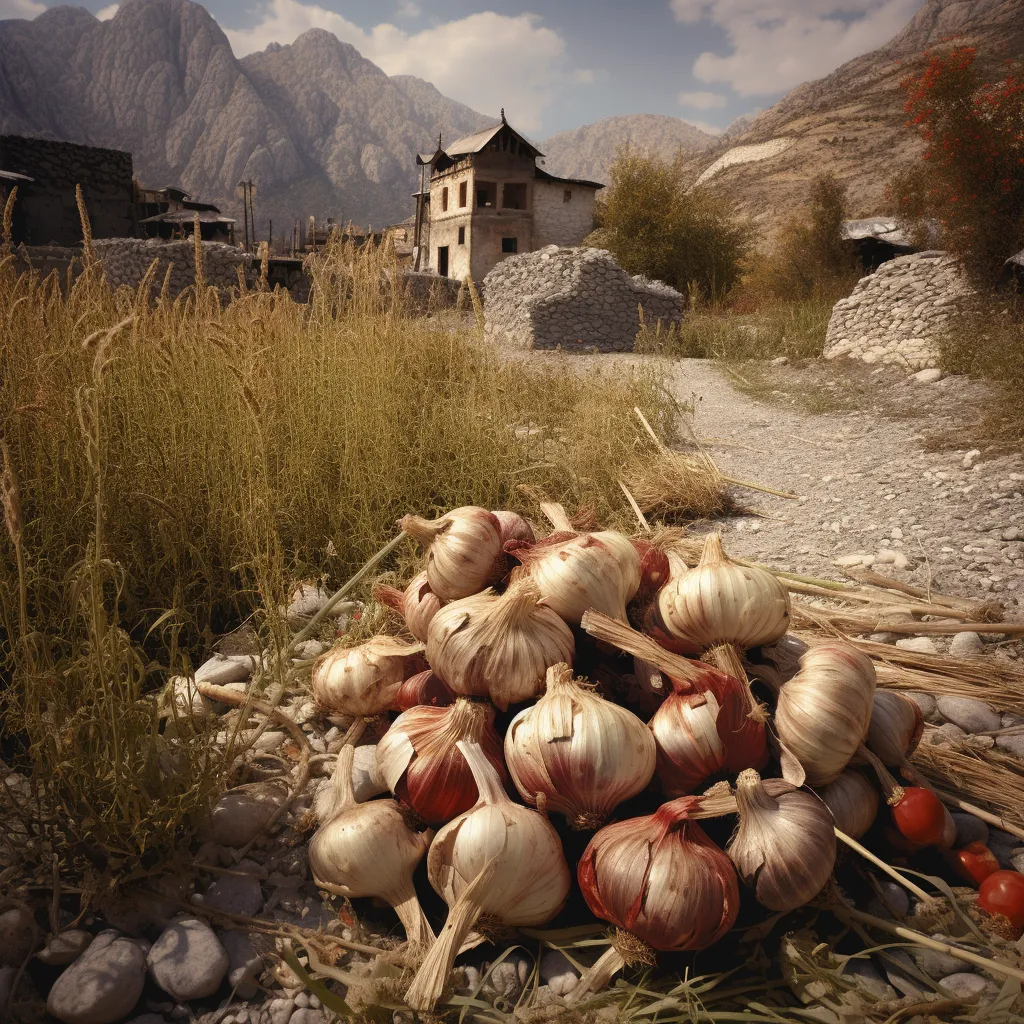
Unveiling the Ancient Ayurvedic Treasure: The Navanītakaṁ Manuscript
Read more: Unveiling the Ancient Ayurvedic Treasure: The Navanītakaṁ ManuscriptStep into the world of ancient Ayurvedic wisdom with ‘Unveiling the Ancient Ayurvedic Treasure: The Navanītakaṁ Manuscript.’ This fascinating journey takes us back in time to explore the rich heritage of Ayurveda, one of the world’s oldest systems of natural healing. The spotlight shines on the remarkable Navanītakaṁ manuscript, a hidden gem that remained obscured…
-

How “Śivapada Śekhara” Rajaraja Chola Built the Brihadeeshwara Temple
Read more: How “Śivapada Śekhara” Rajaraja Chola Built the Brihadeeshwara TempleAn essay series covering various aspects of the building of the majestic Brihadeeshwara Temple, which was first conceived in the imagination of Raja Raja Chola. This essay series narrates what he did. And what happened to what he bequeathed to the Sanatana civilisation, culture, and society.
-
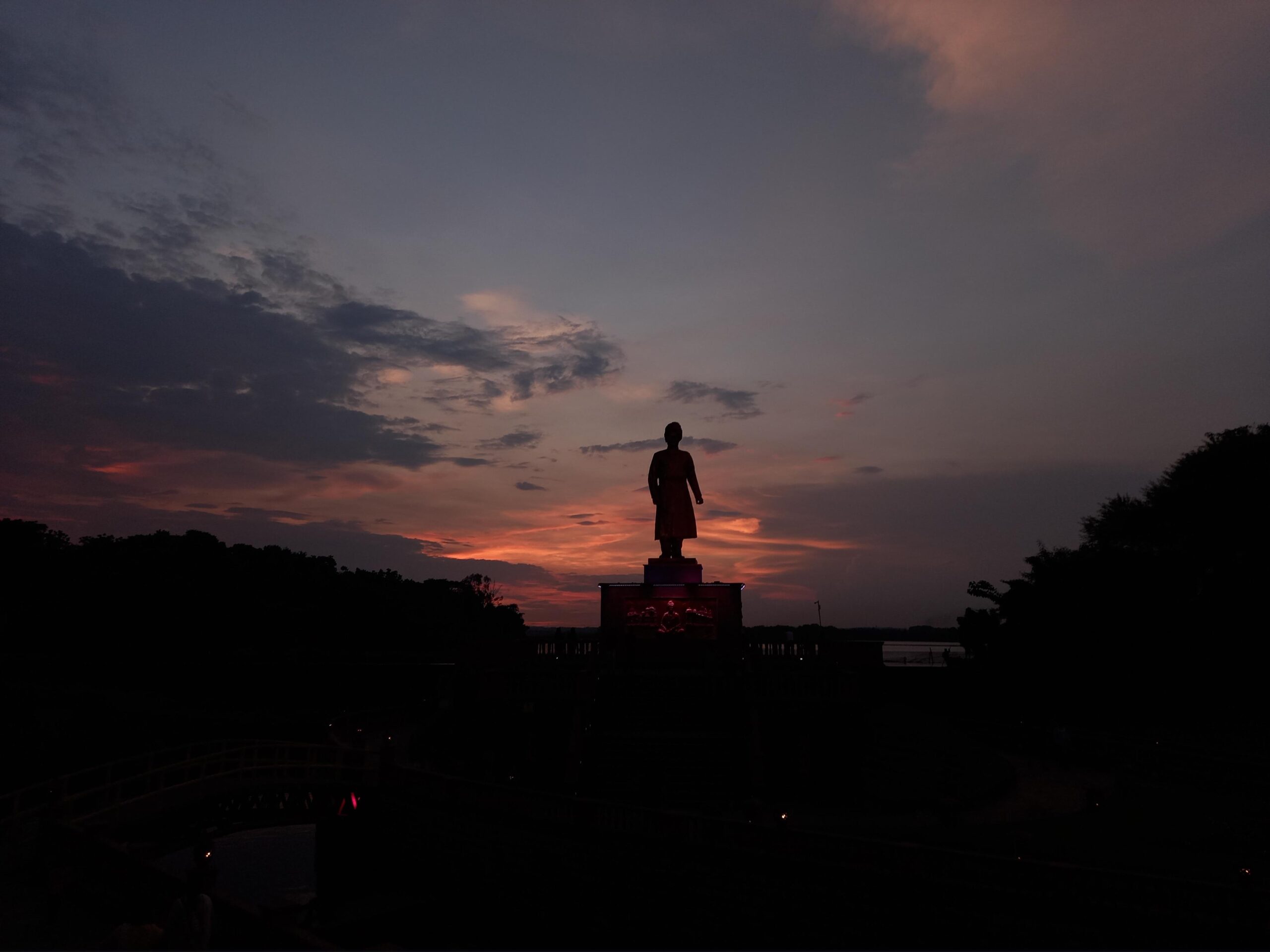
Swami Vivekananda on why Hindus don’t say “My god is true and yours is not”
Read more: Swami Vivekananda on why Hindus don’t say “My god is true and yours is not”“That which exists is One; sages call It by various names.” Swamiji says, this is the lesson that Hindus can teach the world. Swamiji starts by telling the history of the Middle East and the evolution of religion there. In the world of tribes, each tribe had its own god. If the tribes were allied…
-
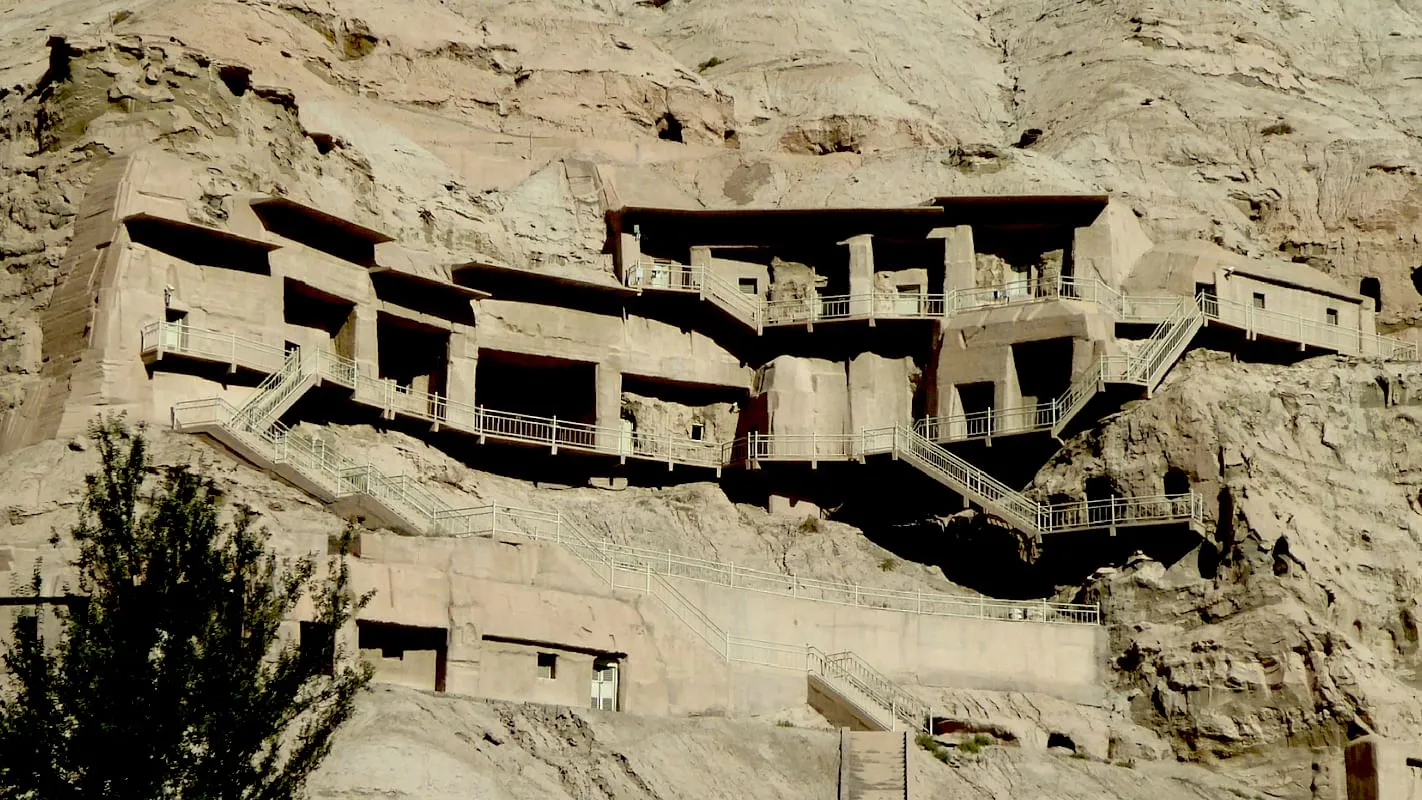
When the Bower Manuscript Unlocked the Portals to a Vast Hindu Civilisational Imprint in China
Read more: When the Bower Manuscript Unlocked the Portals to a Vast Hindu Civilisational Imprint in ChinaThe decipherment of the Bower Manuscript led to a spurt of excavations in East Turkistan and paved the way to the discovery of the Kuqa and Kizil Caves in China.
-
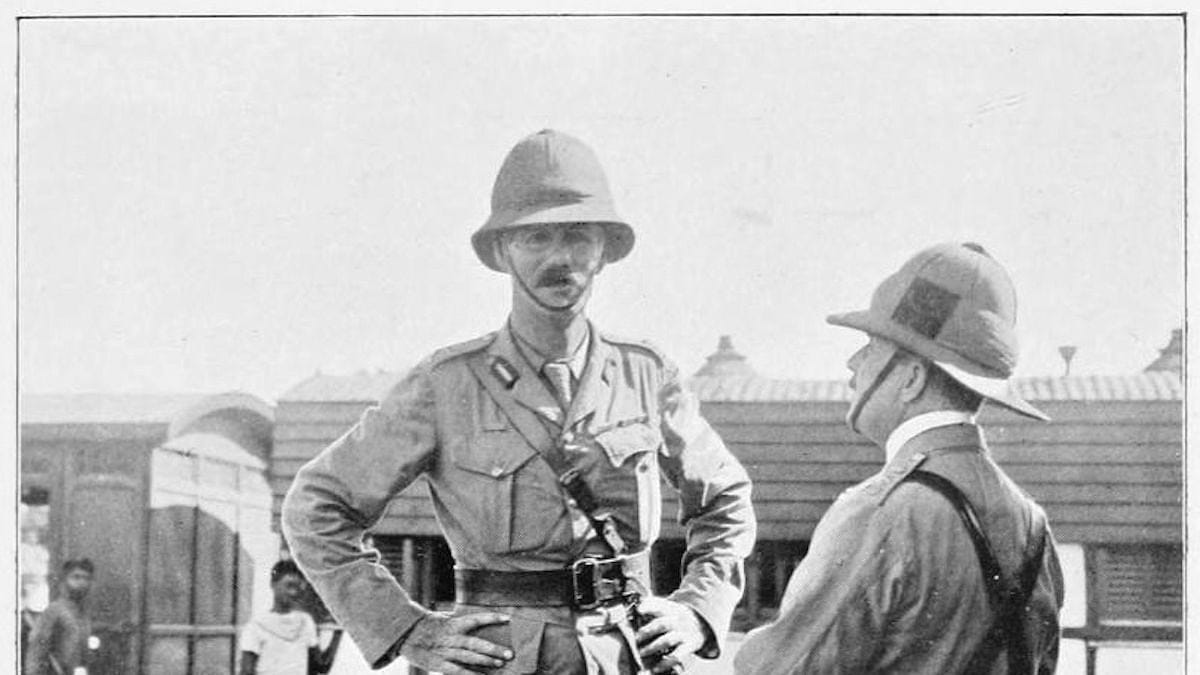
When a Turkish Muslim Treasure-Hunter Sold an Ancient Sanskrit Manuscript to a Colonial British Colonel in China
Read more: When a Turkish Muslim Treasure-Hunter Sold an Ancient Sanskrit Manuscript to a Colonial British Colonel in ChinaAt Kucha, now in Xinjiang, Colonel Hamilton Bower buys an ancient Sanskrit Manuscript from a Turkic Muslim treasure-hunter for a paltry sum and then brings it back to India. The British Government had chosen Hamilton Bower for a forthright reason. When we read between the lines, we can’t help but marvel at the intricacy and…
-
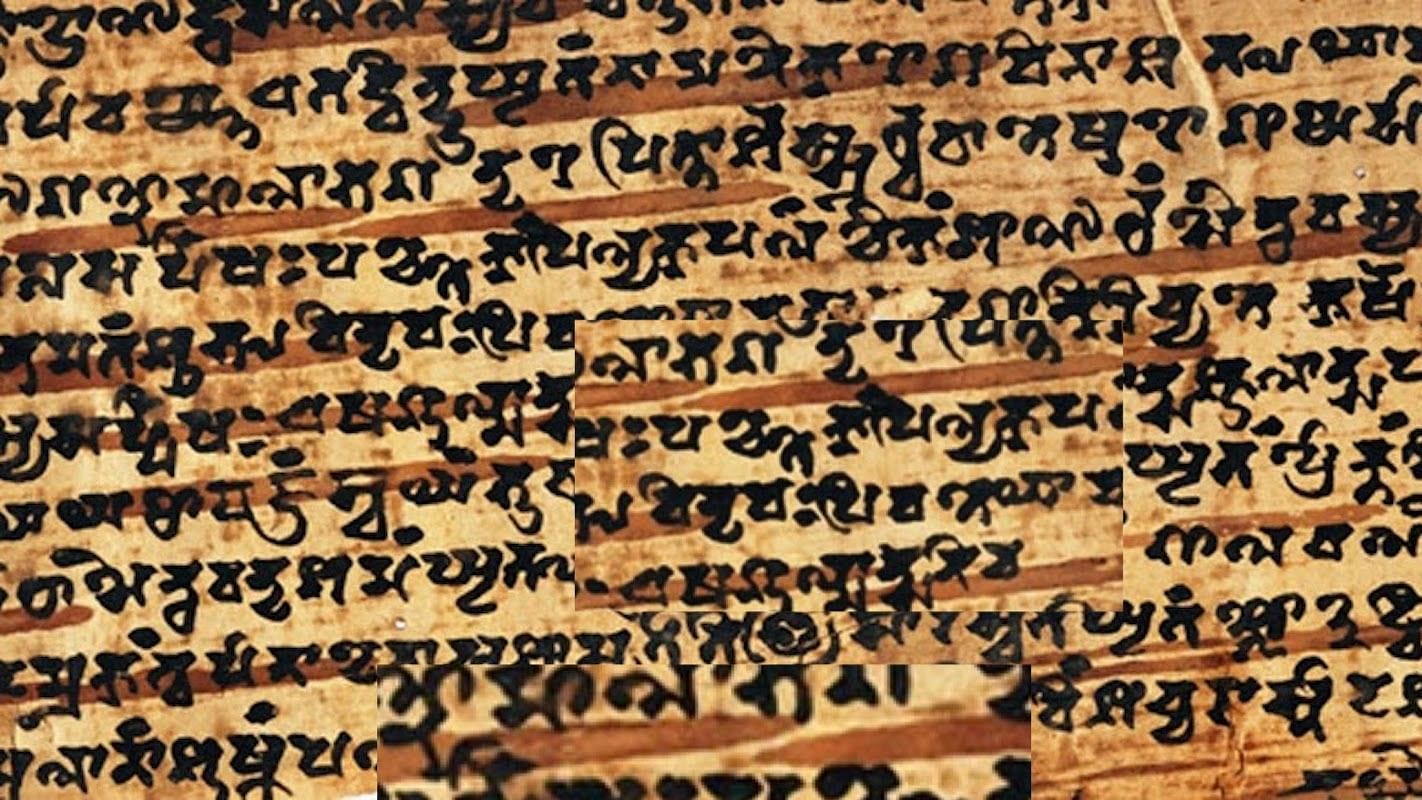
A 19th Century Murder that Excavated a Second-Century Sanskrit Manuscript: Episode One
Read more: A 19th Century Murder that Excavated a Second-Century Sanskrit Manuscript: Episode OneHow the brutal murder of a 19th century British trader led to the unlikely discovery of a valuable 2nd century Sanskrit Manuscript. The story begins with the British explorer, tea-planter and diplomat Robert Barkley Shaw who established the Central Asian Trading Company in 1873 to trade primarily in Indian tea.
Categories
- Agriculture (21)
- Akhand Bharat (30)
- Aryan Migration -vs- Out of India (8)
- Ayurveda (21)
- Celebrations (897)
- Community (163)
- Community Events (240)
- Cross Posted (105)
- Cultural Advocacy (35)
- Cultural Commentary (65)
- Cultural Heritage (582)
- Cultural Insights (148)
- Cultural Issues (31)
- Cultural Traditions (780)
- Culture (33)
- Economics (25)
- Education (164)
- Geo-Politics (63)
- History (395)
- Indian Authors (9)
- International Trade (8)
- Labor Market (8)
- Literature (101)
- News (640)
- Opinion Pieces (144)
- Personal Reflections (168)
- Personalities (196)
- Philosophy (1,071)
- Politics (213)
- Scripts (5)
- Scriptures (1,023)
- Spiritual Insight (3,352)
- Spirituality (787)
- Temples (766)
- Tribute (73)
- Uncategorized (6)
- Yoga (111)
Archive