
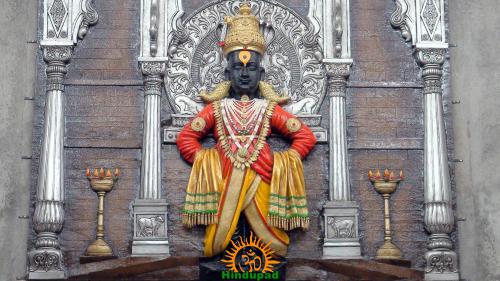
Vitthal Navratri 2026 will be observed from Friday, 24 July 2026, to Wednesday, 29 July 2026. The festival begins on Shukla Paksha Dashami in the month of Ashada and concludes on Ashada Purnima, according to Chandramana Panchangam traditions. Because panchang calculations depend on tithi, sunrise, and location, devotees generally confirm exact local timings with a regional panchang or temple calendar before planning formal puja, vrata, or temple visits.
Vitthal Navratri is an important devotional festival in Vitthal-Rukmai temples across Maharashtra and in several other regions where the worship of Vithoba is part of living bhakti practice. The observance is especially connected with Pandharpur, the sacred town where Vithoba stands as the beloved form of Vishnu-Krishna and Rakhumai is worshipped with deep reverence. For many devotees, the festival is not merely a date in the Hindu calendar; it is a seasonal return to humility, surrender, song, temple discipline, and the shared memory of saints who made devotion accessible to ordinary households.
The name Navratri may suggest a nine-night festival, yet Vitthal Navratri is traditionally described through the ritual arc from Ashada Shukla Paksha Dashami to Ashada Purnima. This makes the observance distinct from the better-known Chaitra Navratri and Ashwin Navratri dedicated to Devi. Its devotional center is Vaishnava, and its mood is shaped by the affectionate worship of Bhagvan Vitthal and Ma Rukmini through alankara, darshan, arati, kirtan, naam-smarana, and temple seva.
Ashada is a significant month in the Hindu lunar calendar because it marks a transition into the monsoon season and brings several major observances connected with bhakti, pilgrimage, discipline, and gratitude. The bright fortnight, Shukla Paksha, moves toward Purnima, the full moon day, and this progression gives Vitthal Navratri its symbolic structure. The waxing lunar phase becomes a ritual metaphor for the gradual expansion of devotion, beginning with disciplined worship and culminating in the fullness of remembrance on Ashada Purnima.
Pandharpur occupies a central place in this tradition. The town is often remembered by devotees as Bhu-Vaikuntha, the earthly abode of Vishnu, because the experience of darshan there is understood as intimate rather than distant. Vithoba is depicted standing on a brick, hands on hips, receiving devotees with a form that is at once royal, pastoral, and profoundly approachable. This iconography has allowed farmers, workers, saints, poets, musicians, women householders, ascetics, and wandering pilgrims to see the divine as present in everyday life.
The Varkari tradition gives Vitthal worship its distinctive emotional and social force. Saints such as Dnyaneshwar, Tukaram, Namdev, Eknath, Janabai, Chokhamela, and other bhakti figures shaped a devotional culture in which remembrance of the divine was expressed through abhangas, community singing, pilgrimage, moral discipline, and equality before God. Vitthal Navratri belongs to this wider atmosphere of shared devotion, where temple ritual and inner bhakti complement each other rather than compete.
During Vitthal Navratri, Bhagvan Vitthal and Ma Rukmini are adorned with colorful alankaras. Alankara is not simply decoration; it is a theological and aesthetic act through which devotees offer beauty back to the divine. Flowers, garments, ornaments, sandal paste, lamps, music, and food offerings transform the temple into a space of disciplined affection. The devotee does not approach the deity as an abstract concept alone, but as a living presence honored through care, timing, purity, and attention.
The ritual worship of Vithoba in Pandharpur is traditionally associated with a structured daily sequence. The early morning kākaḍāratī awakens the deity before dawn and marks the beginning of the temple day. The pañcāmṛtapūjā follows with ritual bathing using panchamrita, the five sacred substances. Later worship includes dressing, food offering, darshan, and arati, culminating in śerāratī, the final arati that ritually places the deity to rest. This rhythm reflects a refined temple theology in which divine presence is served through the pattern of a living day.
The source tradition also notes madhyāhṇapūjā, the midday rite, and aparāhṇapūjā, the later worship connected with the evening offering. Such details are important because they show that Hindu temple worship is not random or merely symbolic. It is a liturgical system built around time, bodily service, food, sound, fragrance, sight, and sacred order. The devotee who attends even one arati participates in a much larger ritual grammar preserved across generations.
At the household level, Vitthal Navratri can be observed through simple and sincere practices. Devotees may clean the puja space, place an image or murti of Vithoba-Rakhumai, offer tulasi leaves, flowers, fruits, naivedya, lamps, and incense, and chant names of Vitthal. Recitation of abhangas, Vishnu Sahasranama, Bhagavad Gita verses, or simple japa of Vitthal naam is common in many homes. The emphasis remains on steadiness, humility, and remembrance rather than display.
Fasting practices vary by family and regional custom. Some devotees may observe a light vrata, avoid tamasic food, take sattvic meals, or increase japa and scriptural reading during the festival period. Others may focus on temple visits, charity, bhajan, or seva. Academic precision requires noting that no single household pattern should be treated as universal; Hindu practice is often governed by sampradaya, family tradition, temple instruction, and local panchang usage.
The festival also has a strong cultural dimension. Maharashtra’s devotional life cannot be understood only through temple architecture or formal theology; it must also be understood through walking, singing, collective memory, and the emotional geography of pilgrimage. The Wari to Pandharpur, the singing of abhangas, and the repeated invocation of Vithoba create a sense of community that crosses social boundaries. Vitthal Navratri therefore becomes a reminder that bhakti is both personal and collective.
One of the most significant features of Vitthal devotion is its accessibility. Vithoba is worshipped by scholars and villagers, by hereditary temple servants and first-time pilgrims, by disciplined practitioners and those who arrive with only a name on their lips. This inclusiveness has made Pandharpur a powerful symbol of Hindu spiritual culture. It also aligns with the wider dharmic understanding that sincere devotion, ethical conduct, and remembrance of the divine can become paths of transformation.
Vitthal Navratri also offers a meaningful bridge across dharmic traditions. While the festival is rooted in Hindu Vaishnava bhakti, its emphasis on humility, discipline, compassion, pilgrimage, teacher-reverence, and self-purification resonates with values honored in Buddhism, Jainism, and Sikhism as well. The spirit of the observance supports unity among dharmic paths by placing sincere practice above sectarian pride and by recognizing that devotion must express itself through ethical life.
For devotees planning Vitthal Navratri 2026, the essential dates are 24 July to 29 July. The most important ritual markers are Ashada Shukla Paksha Dashami at the beginning and Ashada Purnima at the conclusion. Those visiting Pandharpur or another Vitthal-Rukmai temple should check temple schedules in advance because alankara darshan, arati timings, crowd flow, and seva opportunities may differ from one temple to another.
The deeper significance of Vitthal Navratri lies in its invitation to cultivate steady devotion. A lamp lit before Vithoba, an abhanga sung with attention, a meal offered with gratitude, a small act of charity, or a quiet moment of japa can all become part of the festival’s sacred discipline. The observance teaches that bhakti is not limited to a temple queue or a formal ritual; it matures when remembrance shapes conduct, speech, work, and relationships.
A concise source note: the festival description, dates, temple context, alankara reference, and daily worship sequence are based on the HinduPad entry on Vitthal Navratri at https://hindupad.com/vitthal-navratri/ along with standard explanations of Ashada, Shukla Paksha, Purnima, and Guru Purnima in the Hindu lunar calendar.
Inspired by this post on Hindu Pad.




Leave a Reply
You must be logged in to post a comment.