-
Dhama in Hinduism: Unveiling India’s Sacred Geography and Transformative Char Dham Yatras

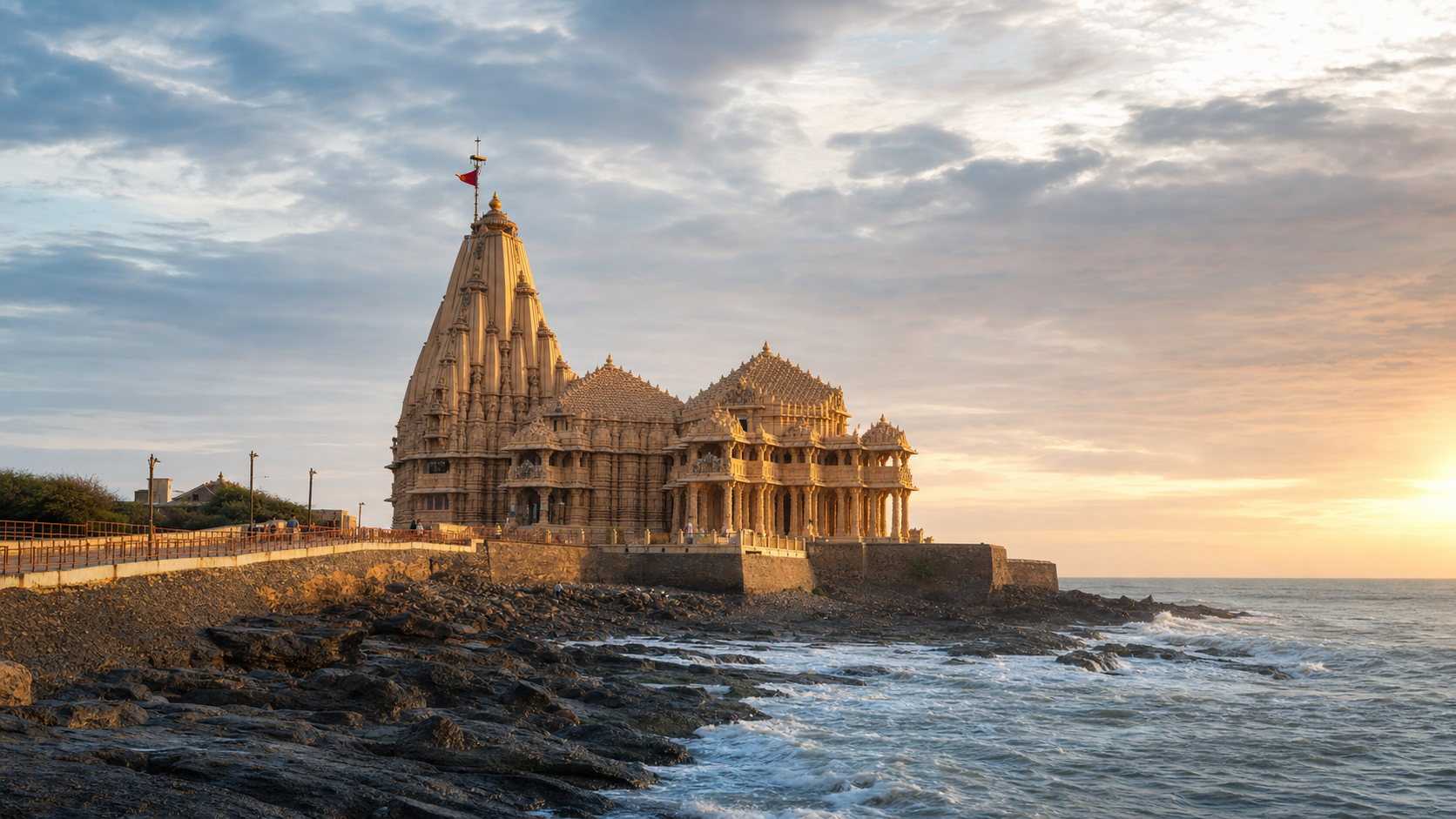
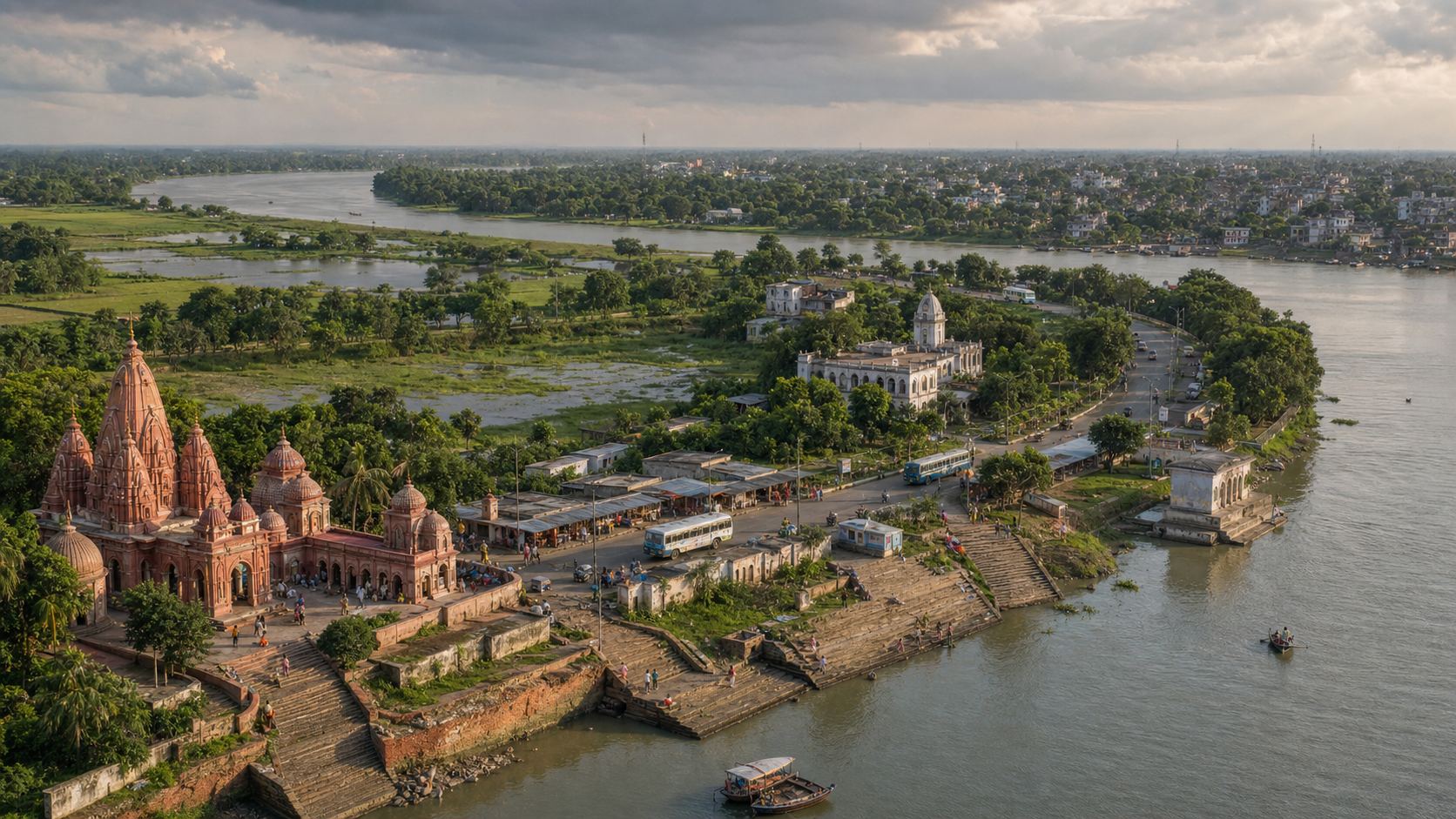
Dhama in Hinduism denotes a sanctified abode where the divine presence is experienced most intensely, shaping India’s sacred geography and animating transformative pilgrimages. This long-form exploration clarifies how tirtha, kshetra, pitha, and dhama interrelate, and why Char Dham and the Himalayan Chota Char Dham have become enduring circuits of devotion. Readers discover the theological roots…
-
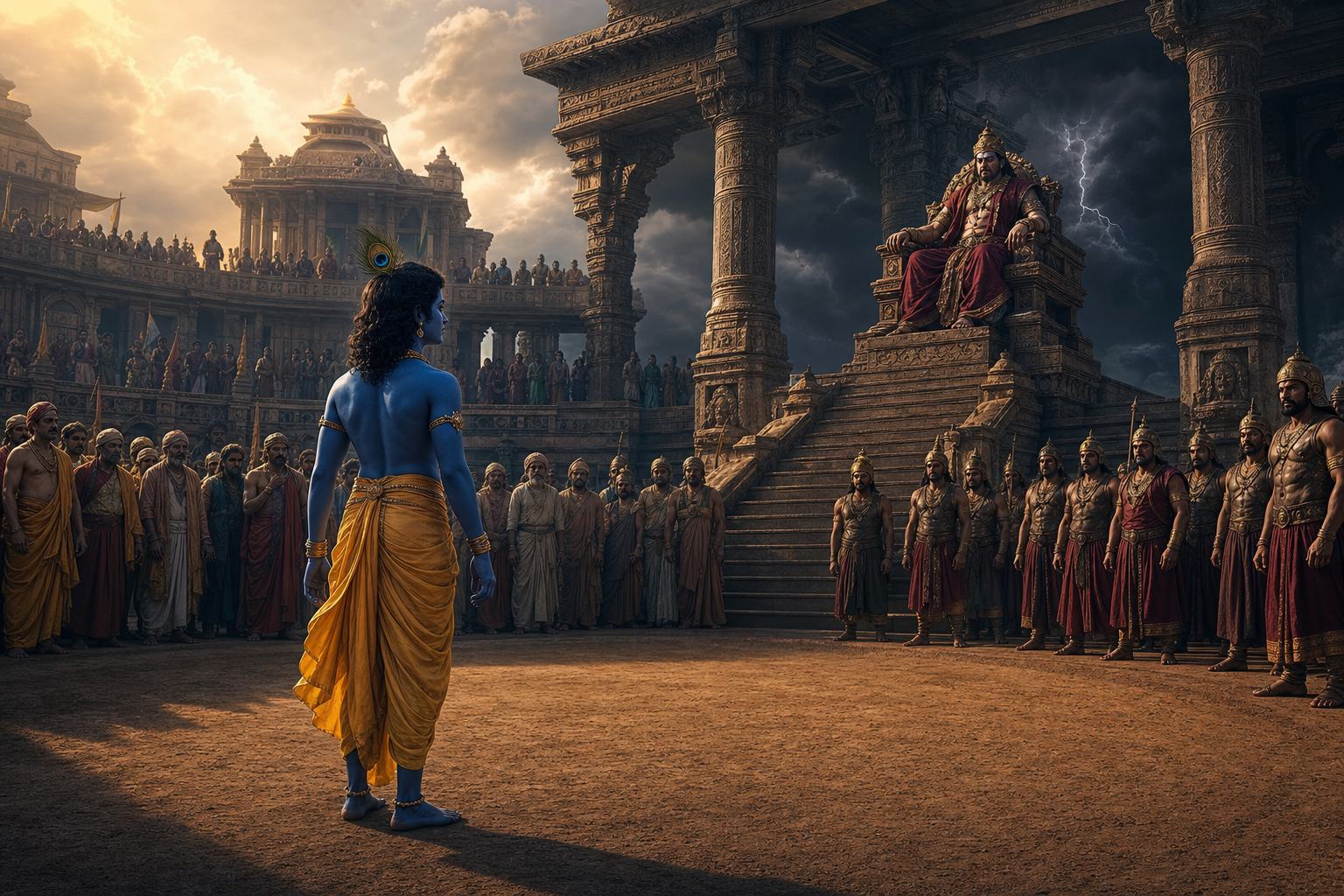
Srimad Bhagavatam 10.66.21–24: Paundraka’s Fall, Kāśī’s Fire, and Dharmic Governance

This in-depth reading of Srimad Bhagavatam 10.66.21–24, contextualized by a Villa Vrindavana ISKCON discourse (15/5/2026), explains how Paundraka’s imposture and Kāśī’s retaliatory abhicāra illustrate the karmic recoil of weaponized ritual and the necessity of right-seeing (Sudarśana). Readers gain a precise grasp of the chapter’s ethical architecture—ego inflation, misuse of sacred means, and restoration of order…
-
Varsana Parikrama: Ascending Srimati Radharani’s Hill via Jaipur Mandir and Dan garh

This guided overview of the Varsana (Barsana) parikrama presents a clear, research-based orientation to ascending the hilltop temple of Srimati Radharani and visiting Jaipur Mandir and Dan garh. It situates these landmarks within Braj’s sacred geography and explains how architecture, ritual movement, and sound cohere into a contemplative experience. Readers gain architectural insights into North…
-
From Envy to Compassion: Dharmic Ethics of Bhakti, Ahimsa, and Unity Across Traditions

Non-envy is presented as a defining criterion for authentic religion across Hinduism, Buddhism, Jainism, and Sikhism, aligning with A.C. Bhaktivedanta Swami Prabhupada’s emphasis within Krishna consciousness. The article clarifies envy versus jealousy and shows how dharmic ethics reject both as inner violence that fractures community. It integrates scriptural insights—Bhagavad Gita, Śrīmad-Bhāgavatam, Dhammapada, Jain vows, and…
-
ISKCON and People of Faith: A Vedantic Blueprint for Compassionate, Unified Interfaith Relations

Hinduism encompasses many traditions rather than a single authority, and ISKCON positions itself within this diversity as a Vedantic, monotheistic Vaishnava movement committed to respectful interfaith relations. The statement outlines how devotional particularism can coexist with civic and ethical pluralism, grounded in Bhagavad Gita–inspired bhakti and the doctrine of acintya‑bhedābheda. By honoring the Ishta paradigm…
-
Mirzapur crackdown: UP invokes Gangster Act against 10 to safeguard safety, rule of law, harmony

Uttar Pradesh has invoked the Gangster Act against ten individuals in Mirzapur after police inquiries into an alleged organized network linked to a local gym. Media references to a “Gym Jihad” episode highlight public anxiety, but the state’s operative frame is organized criminality and public order, not communal identity. The article explains how the UP…
-
Under the Naga’s Canopy: The Powerful, Timeless Meaning of Serpent Hoods in Hindu Icons

Hooded serpents above Hindu deities are not mere ornaments but condensed philosophies. The motif announces protection and sovereignty, like a living royal canopy (chatra), while symbolizing time’s cycles and awakened energy. In Vaiṣṇava art, Ananta-Śeṣa frames Vishnu as the still center of an infinite cosmos; in Śaiva icons, Vāsuki’s presence proclaims mastery over fear, poison,…
-
Unlocking the Sacred Geometry of Navagrahas: How Temple Placement Shapes Cosmic Harmony

This in-depth exploration explains how the Navagrahas—Surya, Chandra, Mangala, Budha, Guru, Shukra, Shani, Rahu, and Ketu—are positioned within Hindu temple architecture to embody sacred geometry and ritual function. It synthesizes guidance from Sthāpatya-śāstra, Āgama-śāstra, and the Vāstu Puruṣa Maṇḍala, while highlighting regional variations that preserve core principles. Readers learn why the Navagraha mandala typically resides…
-
Historic 327th Baisakhi: Khalsa Spirit and Dharmic Unity Ignite Gatherings Worldwide

The historic 327th Baisakhi united Sikh communities across India and the global diaspora in a powerful commemoration of Khalsa Sirjana Diwas. Centered on Amrit Sanchar, kirtan, Ardas, and the Hukamnama, observances highlighted discipline, equality, and the living legacy of Guru Gobind Singh’s 1699 institution of the Khalsa. Processions (Nagar Kirtan) and Gatka demonstrations intertwined martial…
-
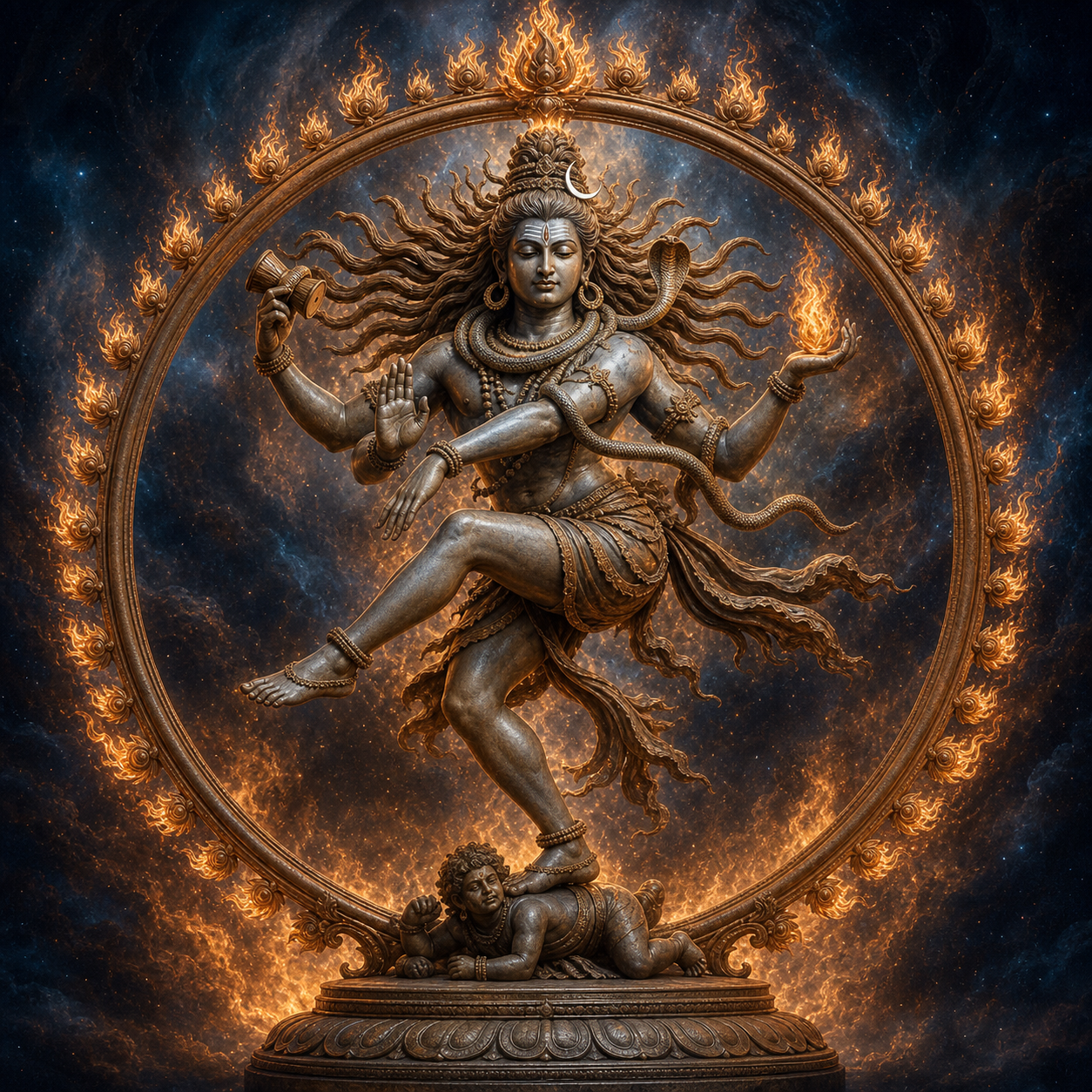
Kamantaka Murti of Shiva: Awe-Inspiring Iconography, Third-Eye Fire, and Mastering Desire

This in-depth study decodes Kamantaka (Madana Dahana), the powerful murti of Shiva who burns Kama with the third eye’s jñāna-agni, as a visual pedagogy on mastering desire. It explains field-ready markers—Kama’s sugarcane bow, bee-string, five flower-arrows, and Rati—so readers can confidently identify the scene in temples and sculpture. It situates the form in Purāṇic, Āgamic,…
-
Across the Waters: Divine Protection, Tirtha Symbolism, and Rebirth in Dharmic Traditions

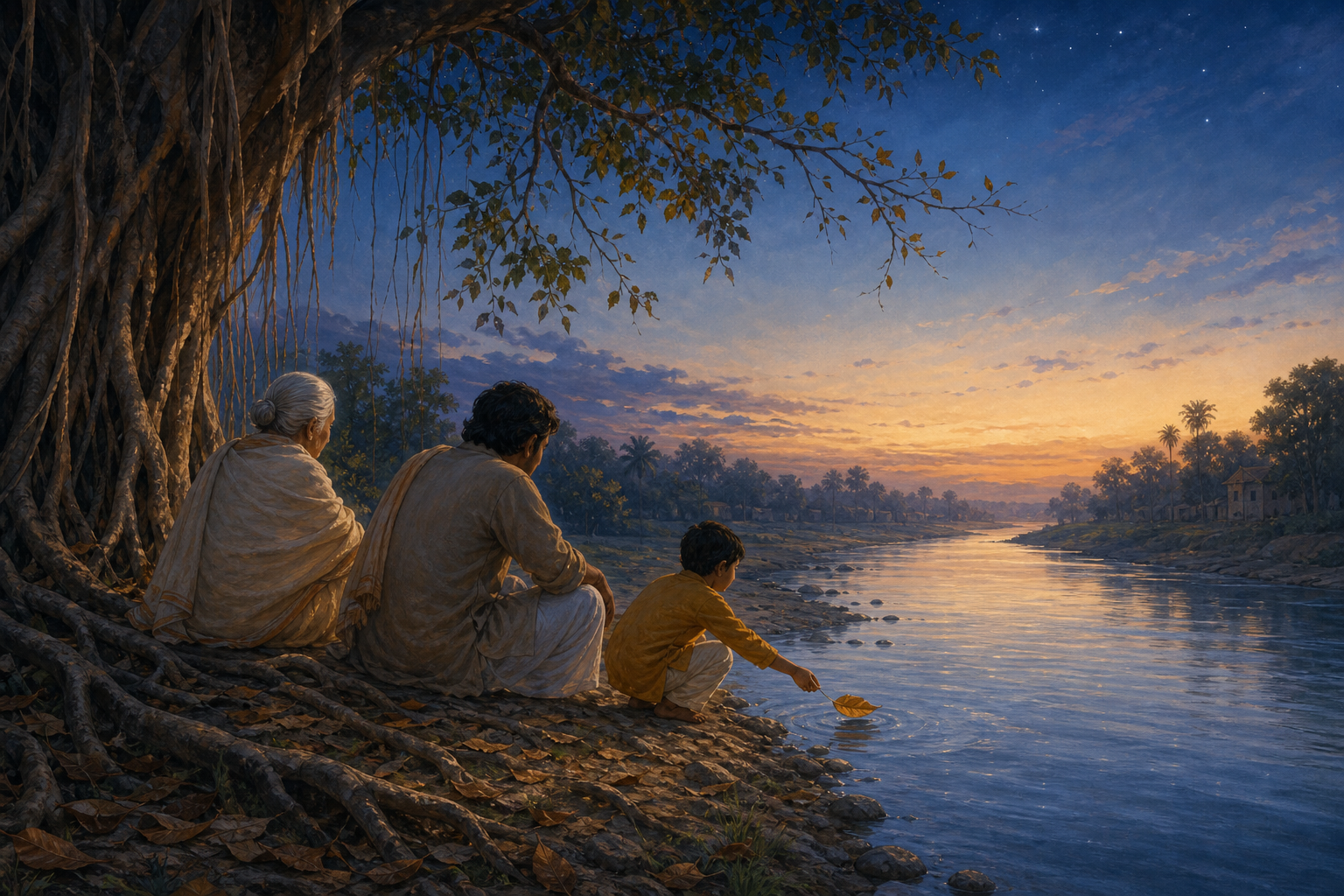
Sacred river crossings in Dharmic traditions encode a shared grammar of divine protection, purification, and rebirth. From Krishna’s midnight passage over the Yamuna in the Bhagavata Purana to the Jain ideal of the Tirthankara as a “ford-maker,” from Buddhism’s raft simile to Sikh teachings on crossing the bhavsagar through the Guru’s Naam, each tradition converges…
-
Curiosity as Sacred Practice: How Hinduism Champions Inquiry, Dialogue, and Self-Realization

This article presents a rigorous, accessible account of why Hinduism treats curiosity as a sacred discipline. It traces the spirit of inquiry from the Upanishadic dialogues and Bhagavad Gita to Nyaya logic, Mimamsa hermeneutics, Vedanta inquiry, and Yoga’s epistemology. It explains pramana—valid means of knowledge—and shows how disciplined questioning is bound to ethics, humility, and…
-
May 26, 2026 Panchang: Dashami to Ekadashi, Shubh Muhurat, Nakshatra and Rashi Explained

May 26, 2026 begins with Shukla Paksha Dashami and transitions to Shukla Paksha Ekadashi at approximately 07:40 IST in most Indian regions, shaping how households plan worship, fasting, and Shubh Muhurat. The article explains what a tithi is, why its clock-time shift matters, and how to use the Dashami–Ekadashi transition for practical scheduling. It outlines…
-
Cannes 2026: Aarti Khetarpal’s Vedic Couture and Bhagavad Gita Redefine Red-Carpet Diplomacy

At the 79th Cannes Film Festival in May 2026, Aarti Khetarpal reframed the red carpet as a platform for cultural diplomacy by carrying a miniature Shrimad Bhagavad Gita from Gita Press and a red Gomukhi chanting bag. Her Vrindavan-inspired golden-yellow lehenga by Sulakshana Monga featured hand-painted motifs of sacred trees, the Yamuna, and dancing gopis,…
-
Safeguarding the Sacred in Goa: A Strong Policy Case to Rename Deity-Named Liquor Shops

The Gomantak Mandir Mahasangh has urged Goa Chief Minister Dr Pramod Sawant to bar liquor outlets from using names of Hindu deities and to require existing shops to rename. A carefully designed, religion-neutral policy that covers sacred signifiers across Hindu, Buddhist, Jain, and Sikh traditions can protect sanctity while preserving business freedoms. Constitutionally, a narrow…
-
West Bengal Ends Religion-Based Aid: Imam–Muezzin–Purohit Stipends Reviewed for Neutral Welfare

West Bengal has announced the sunset of religion-based aid schemes and a comprehensive review of imam, muezzin, and purohit stipends, signaling a transition toward religion-neutral welfare. The move is framed within Articles 14, 15, 25–27 of the Constitution and long-standing jurisprudence that safeguards religious freedom while prohibiting the promotion of any particular denomination using tax…
-
Jyeshta Masam 2026 (Telugu): Complete Adhika & Nija Dates, Rituals, and Festival Guide

-
Vaikasi Visakam 2026: Date, Rituals, Temple Highlights, and Deep Significance

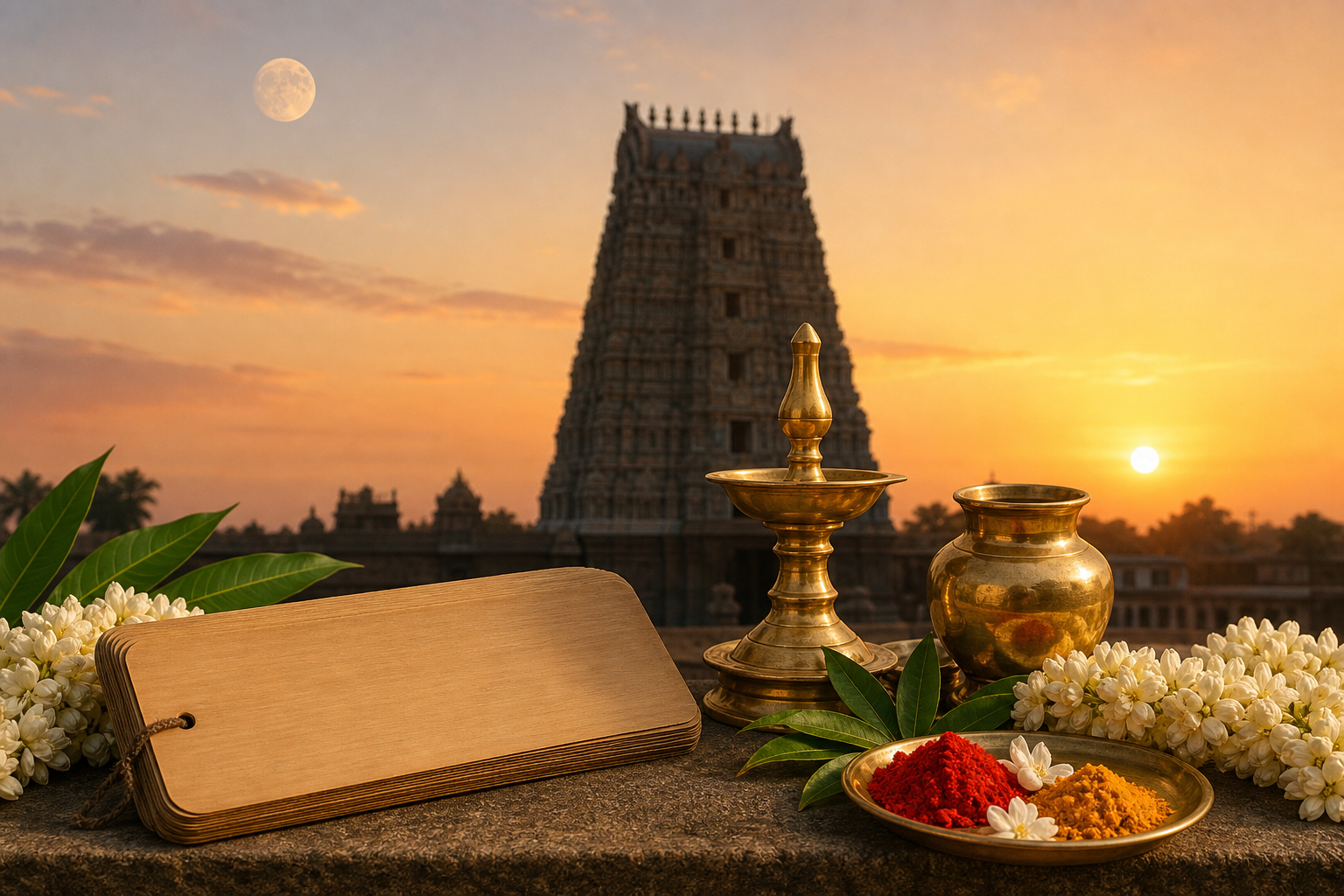
Vaikasi Visakam 2026, the birth-star festival of Lord Muruga (Subramanya, Shanmuga), will be observed on 30 May, when Visakam Nakshatra aligns with the Tamil solar month of Vaikasi. The festival is star-based, not tithi-based, and temples set muhurta locally, often guided by the sunrise rule or the dominant duration of Visakam. This comprehensive guide explains…
-
Purusha, the All-Pervading Cosmic Being: Vedic origins, Yogic meaning, living significance

Purusha, the all-pervading Cosmic Being, bridges Vedic cosmology, Upanishadic self-knowledge, Yoga philosophy, and everyday spiritual practice. The article clarifies etymology and the ‘city of the body’ metaphor, then unpacks the Purusha Sukta as a symbolic vision of interdependence rather than rigid social prescription. It examines Advaita, Vishishtadvaita, and Dvaita perspectives, and presents Samkhya-Yoga’s precise account…