Month: May 2026

  • The War They Could Not Win, Part 2: Strategy, Memory, and Dharmic Civilizational Resilience

    The War They Could Not Win, Part 2: Strategy, Memory, and Dharmic Civilizational Resilience

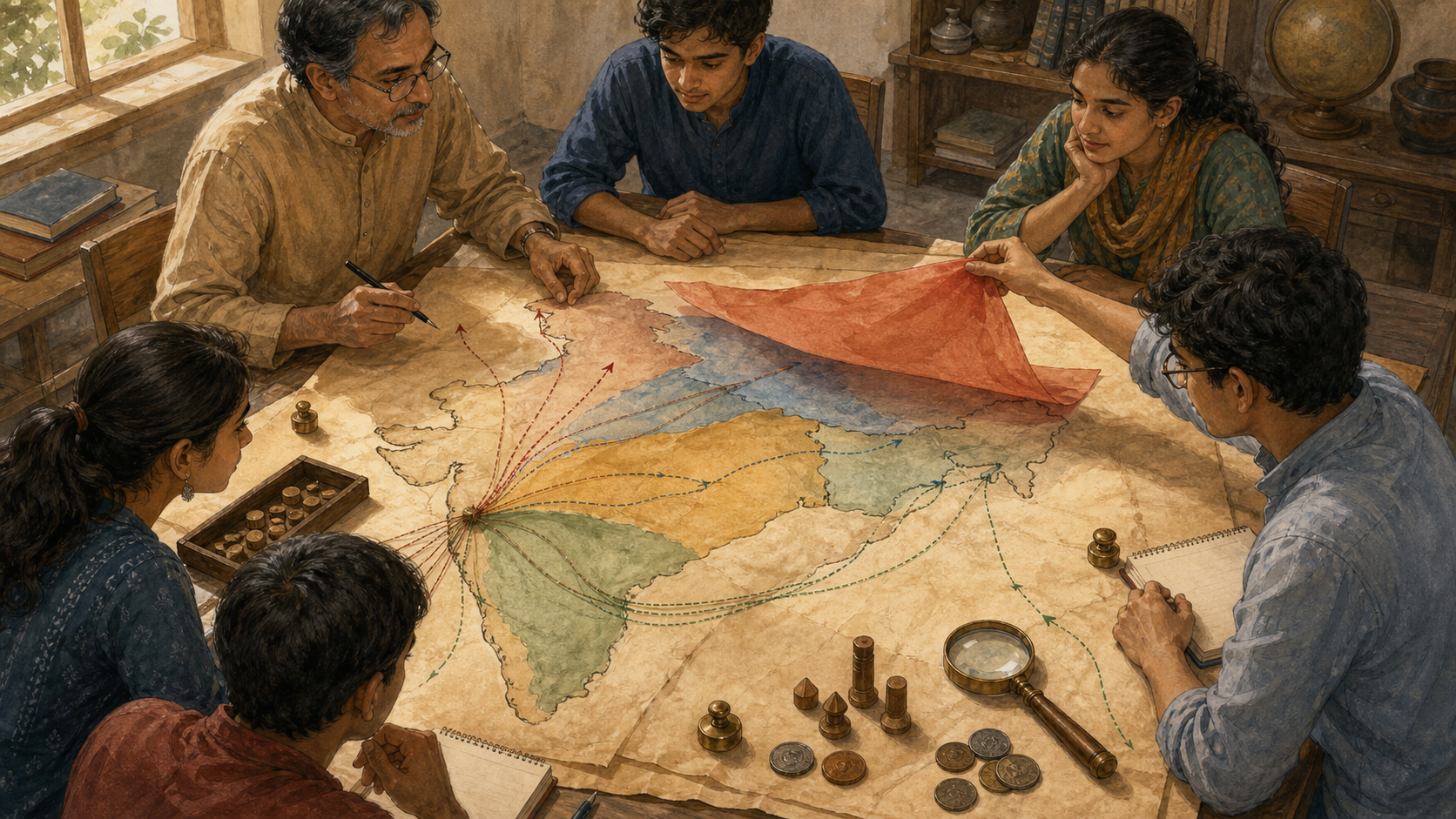
    This long-form analysis explains why certain campaigns in Indian history became unwinnable at the level of legitimacy, memory, and cultural continuity. Drawing on Clausewitz and Kautilya, it shows how consent—not mere control—determines durable victory. The piece outlines how dharmic traditions—Hinduism, Buddhism, Jainism, and Sikhism—created resilient social architectures through values like dharma, ahimsa, seva, and anekantavada.…

  • The War They Could Not Win, Part 3: How Dharmic Pluralism Defied Empire and Ideology

    The War They Could Not Win, Part 3: How Dharmic Pluralism Defied Empire and Ideology

    This installment analyzes why attempts to homogenize the subcontinent’s diverse religious and cultural life repeatedly failed. It shows how dharmic pluralism—Ishta in Hindu Dharma, Anekantavada in Jainism, upāya in Buddhism, and seva in Sikhism—functioned as a civilizational architecture of resilience. The discussion traces colonial knowledge projects, legal codification, and endowment management, and explains how communities…

  • The War They Could Not Win: How Dharmic Resilience Defied Empire and Erasure

    The War They Could Not Win: How Dharmic Resilience Defied Empire and Erasure

    This long-form analysis explains why attempts to subdue India’s civilizational core repeatedly failed. It argues that dharmic polycentricity—rooted in Hindu, Buddhist, Jain, and Sikh traditions—produced resilient networks of ethics, learning, and care beyond the reach of central control. Drawing on the Revolt of 1857, British Colonial Rule, and the intellectual countercurrents of Vivekananda and Aurobindo,…

  • ‘Gems of Sikhism’ Review: Timeless Teachings, Khalsa Ethos, and Dharmic Unity Today

    ‘Gems of Sikhism’ Review: Timeless Teachings, Khalsa Ethos, and Dharmic Unity Today

    This academically grounded review of ‘Gems of Sikhism’ distills the core teachings of Sikhism—Ik Onkar, Naam, Seva, Kirat Karni, Vand Chakna, Sarbat da bhala, and the Khalsa ethos—into a coherent, accessible framework. It explains how Sikh practices like Langar and Seva institutionalize equality and compassion, while Miri–Piri and the Sant–Sipahi ideal provide a disciplined theory…

  • Honoring Dr. I. J. Singh: Enduring Legacy of Sikh Scholarship, Dharmic Unity, and Seva

    Honoring Dr. I. J. Singh: Enduring Legacy of Sikh Scholarship, Dharmic Unity, and Seva

    This tribute reflects on Dr. I. J. Singh’s enduring legacy as a scholar of Sikhism whose life integrated faith, rigorous reasoning, and seva into a coherent method. It outlines how careful definitions, hermeneutic humility, and evidence-based argument advanced both public understanding and institutional ethics in the Sikh Community. It highlights miri-piri as a practical design…

  • Yamuna Pushkaraalu 2026: Definitive Guide to Sacred Bathing Dates, Rituals, and Key Ghats

    Yamuna Pushkaraalu 2026: Definitive Guide to Sacred Bathing Dates, Rituals, and Key Ghats

    Yamuna Pushkaraalu 2026 will be observed from 2–13 June, offering twelve sacred days for parva snana aligned with Hindu calendar and Panchang calculations. The inaugural 2 June and Guru Nakshatram – Purvabhadra on 9 June are particularly auspicious for bathing. This comprehensive guide explains the Pushkaram’s astronomical basis, core rituals, key ghats from Yamunotri to…

  • Yamuna Pushkarams 2026: Auspicious Dates, Sacred Rituals, and Jupiter in Karkataka Rashi

    Yamuna Pushkarams 2026: Auspicious Dates, Sacred Rituals, and Jupiter in Karkataka Rashi

    Yamuna Pushkarams (River Yamuna Pushkaraalu) will be celebrated from 2–13 June 2026, beginning when Guru (Brihaspati – Jupiter) enters Karkataka Rashi in Punarvasu Nakshatra (4th quarter). This cycle places Jupiter in exaltation, lending the festival exceptional spiritual resonance and encouraging pilgrimage, scriptural practice, and seva. Key tirthas include Yamunotri, Mathura–Vrindavan’s ghats, Prayagraj’s Triveni Sangam, and…

  • Religious Significance of the Yamuna River: Mythology, Pilgrimage, and Dharmic Ecology

    Religious Significance of the Yamuna River: Mythology, Pilgrimage, and Dharmic Ecology

    This in-depth overview explains why the Yamuna River—reverentially known as Yamunaji and Kalindi—holds enduring religious significance in Hindu Dharma and stands as a unifying symbol across the dharmic traditions of Hinduism, Buddhism, Jainism, and Sikhism. Readers will discover the river’s Vedic and Puranic foundations, her identity as Yami (sister of Yama and daughter of Surya),…

  • Yamuna Pushkaralu 2026: Definitive Pilgrim’s Guide to Sacred Ghats, Temples, and Cities

    Yamuna Pushkaralu 2026: Definitive Pilgrim’s Guide to Sacred Ghats, Temples, and Cities

    Yamuna Pushkaralu 2026 aligns with Jupiter’s transit through Mithuna (Gemini), culminating in an especially auspicious Antya Pushkaram window in late May–early June 2026. This guide traces the river from its Himalayan source at Yamunotri to the Triveni Sangam at Prayagraj, detailing prominent ghats and temples across Uttarakhand, Himachal–Haryana, Delhi, Braj (Mathura–Vrindavan–Gokul), Agra–Bateshwar, Etawah–Pachnada, Kalpi, Hamirpur,…

  • Pournami Deepa Puja Explained: Sacred Science and Spiritual Power of Full-Moon Lamps

    Pournami Deepa Puja Explained: Sacred Science and Spiritual Power of Full-Moon Lamps

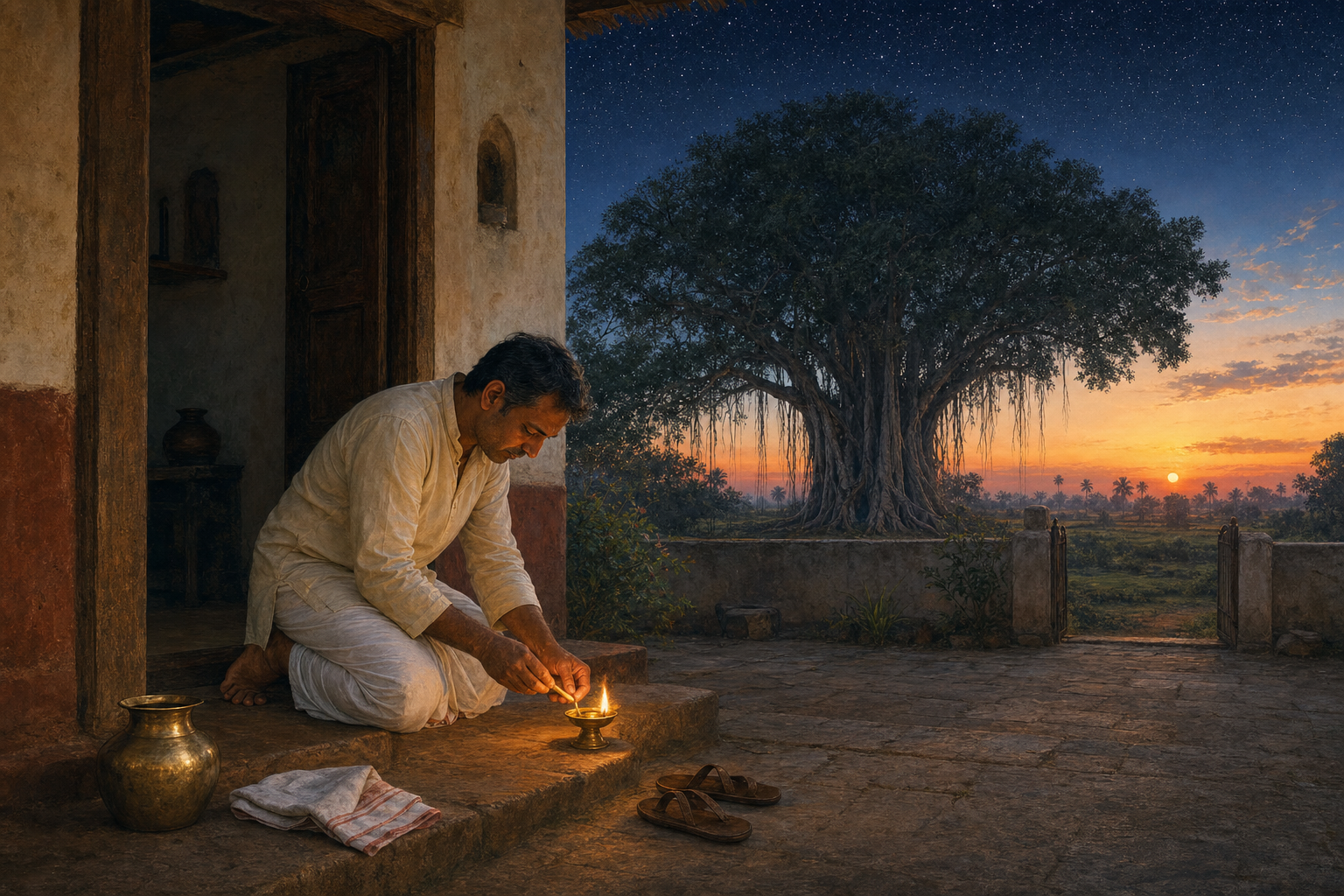
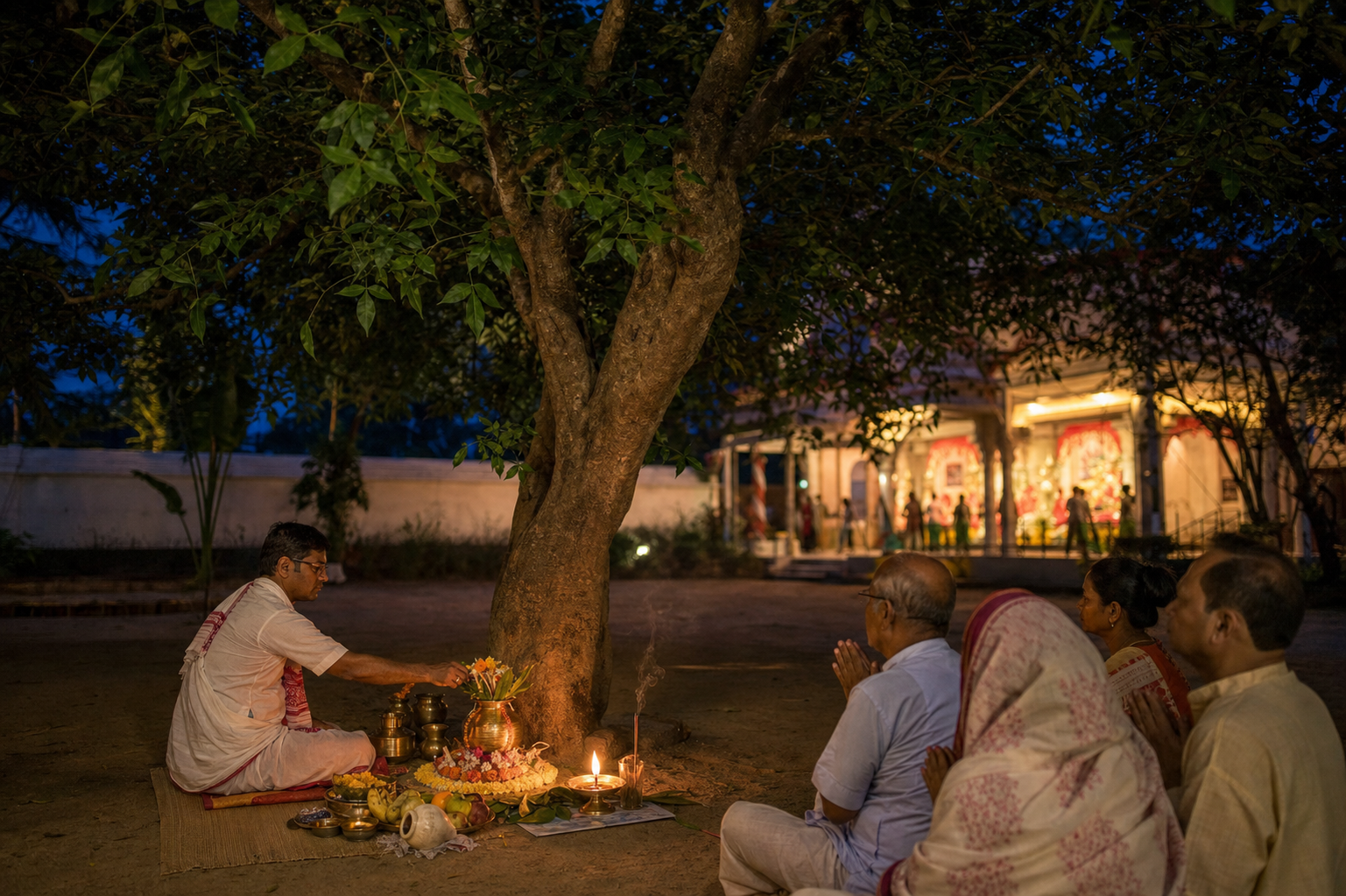
    Pournami Deepa Puja (Deepa Pooja on the Full Moon) brings together ritual precision, contemplative focus, and communal warmth through the shared act of lighting lamps. Rooted in Vedic invocations to Agni and elaborated in Puranic-Agamic practice, the rite uses a living flame to link outer worship with inner steadiness. Aligning with the Full Moon’s clarity,…

  • Kapi Dhvaja Unveiled: How Hanuman on Arjuna’s Banner Powered Dharma at Kurukshetra

    Kapi Dhvaja Unveiled: How Hanuman on Arjuna’s Banner Powered Dharma at Kurukshetra

    Arjuna’s Kapi Dhvaja—the “ape-banner” of Hanuman—anchors the Bhagavad Gita’s battlefield in a powerful blend of scripture, strategy, and spirituality. The term kapidhvajaḥ in Gita 1.20 is not decorative; it signals divine sanction, morale-building semiotics, and an ethic of service above strength. Traditional lore explains Hanuman’s presence as a boon following Arjuna’s humility before Krishna, binding…

  • Narayaneeyam: A Soul-Stirring, Scholarly Guide to the Bhagavata Purana in 100 Dasakas

    Narayaneeyam: A Soul-Stirring, Scholarly Guide to the Bhagavata Purana in 100 Dasakas

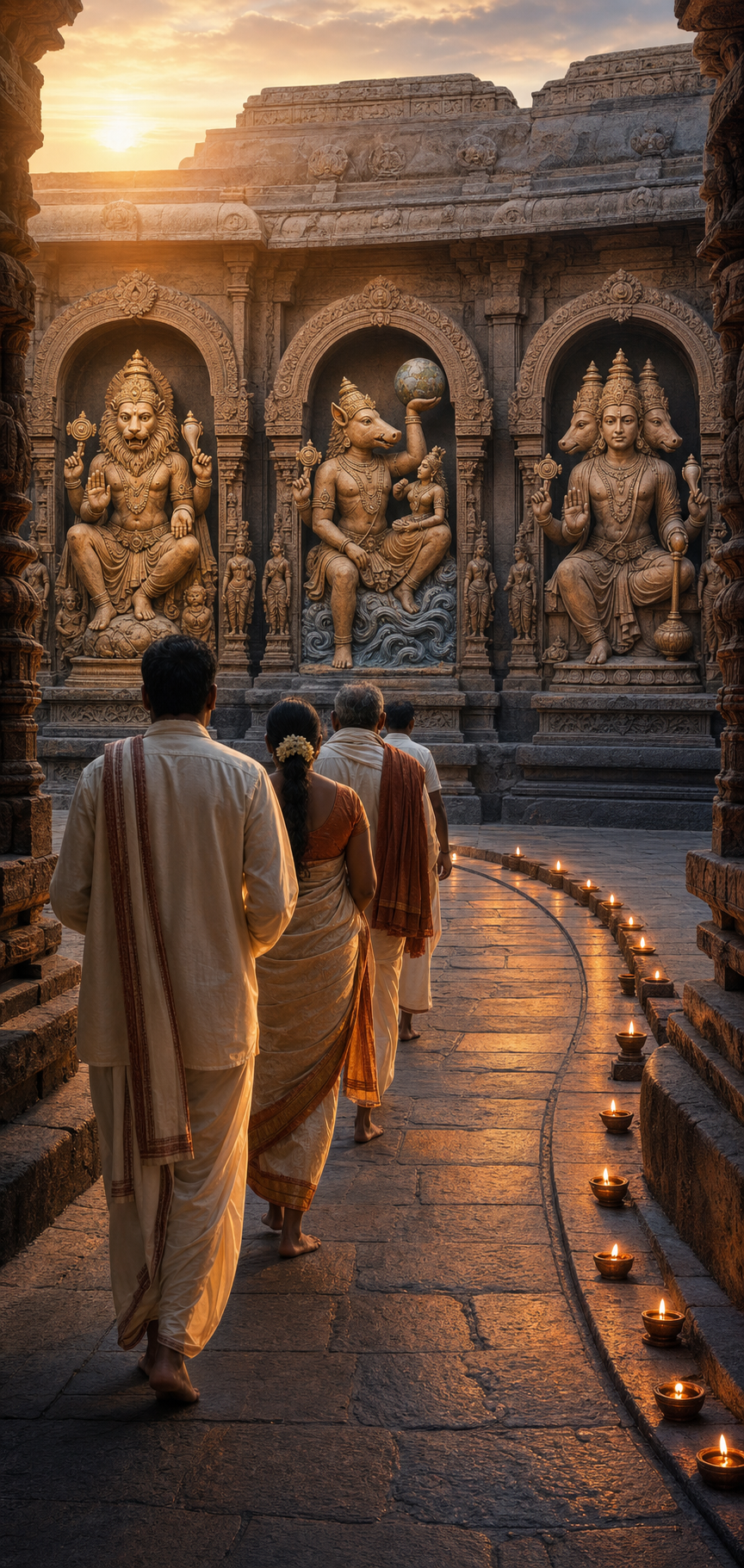
    Nārāyaṇīyam (Narayaneeyam) condenses the Srimad Bhagavatham into 100 daśakas and just over a thousand ślokas, uniting poetry, philosophy, and devotion. Composed in 16th‑century Kerala by Melpathur Nārāyaṇa Bhaṭṭathiri at Guruvayur, it offers a structured path from cosmology and avatāras to Krishna’s intimate līlās and a culminating meditative vision. This guide clarifies its history, architecture, meters,…

  • Hanumath Kalyanam Explained: Why Hanuman Weds Suvarchala—Texts, Symbolism, Ritual Life

    Hanumath Kalyanam Explained: Why Hanuman Weds Suvarchala—Texts, Symbolism, Ritual Life

    Hanumath Kalyanam asks a striking question: why would a nitya-brahmachari like Hanuman marry? This exploration traces the South Indian legend in which Suvarchala—born of Surya Bhagavan’s Varchas—weds Hanuman, while his vow of brahmacharya remains intact. It clarifies that the Valmiki Ramayana is silent on this motif, which emerges richly in regional sthala-puranas and temple kathas.…

  • May 25, 2026 Panchang: Shukla Paksha Navami to Dashami, Auspicious Timings, Nakshatra & Rashi Guide

    May 25, 2026 Panchang: Shukla Paksha Navami to Dashami, Auspicious Timings, Nakshatra & Rashi Guide

    May 25, 2026 begins with Shukla Paksha Navami until 08:01 IST, then transitions to Shukla Paksha Dashami for the rest of the day. The guide explains how tithis are astronomically defined, why Navami counts at sunrise for many observances, and how to choose auspicious timings using Abhijit muhurta and the post-sunrise Navami window. It also…

  • Varanasi Vigilantism Allegations: Interfaith Rumors, Rule of Law, and Paths to Communal Harmony

    Varanasi Vigilantism Allegations: Interfaith Rumors, Rule of Law, and Paths to Communal Harmony

    Allegations of an assault in Varanasi over interfaith rumors highlight why vigilantism has no place in a constitutional democracy. This analysis explains the legal framework in Uttar Pradesh and India, including key Supreme Court judgments protecting adult autonomy and anti-lynching guidelines. It clarifies that the phrase “love jihad” lacks a legal definition and that only…

  • Oppiliappan Temple’s Sacred Vow: Vishnu’s Marriage to Bhumi Devi and the Saltless Offering

    Oppiliappan Temple’s Sacred Vow: Vishnu’s Marriage to Bhumi Devi and the Saltless Offering

    Oppiliappan Temple at Thiruvinnagar near Kumbakonam enshrines Vishnu’s sacred marriage to Bhumi Devi and preserves a distinctive liturgical vow: all offerings are prepared without salt. This long-form study situates the temple among the 108 Divya Desams, explains the Markandeya-based sthala-purāṇa, and interprets the saltless naivedyam as a pedagogy of grace, humility, and ecological restraint. It…

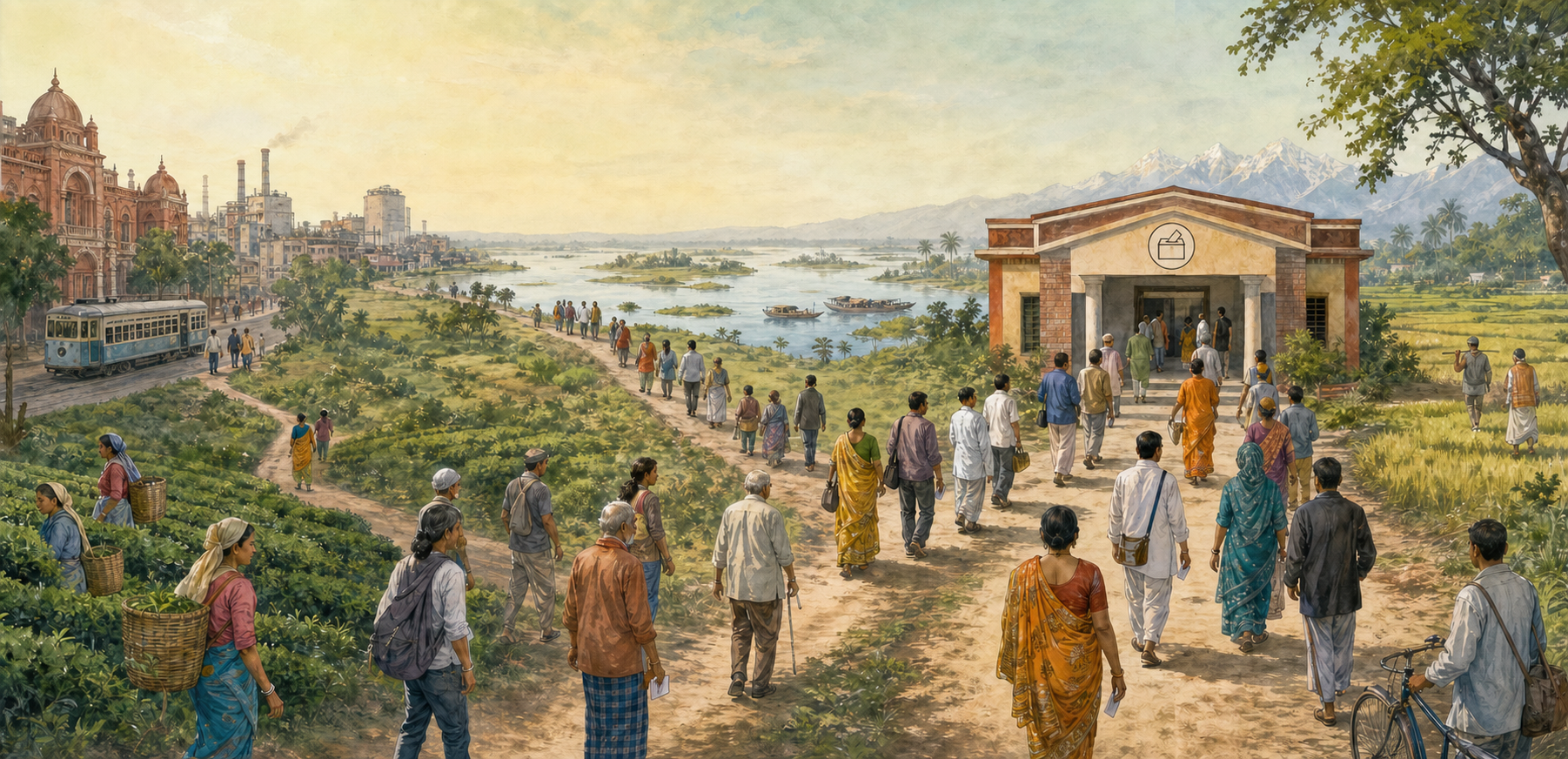
  • Hard Realities of the Bengali Bhadralok: From British Raj Brokers to Mamata Banerjee’s West Bengal

    Hard Realities of the Bengali Bhadralok: From British Raj Brokers to Mamata Banerjee’s West Bengal

    This long-form analysis offers a rigorous, non-polemical history of the Bengali Bhadralok from the late colonial period to the Trinamool era. It defines the Bhadralok as an intermediary elite shaped by British institutions yet rooted in a rich civilizational matrix, and explains why Marxist ideas resonated in Bengal’s post-famine and post-Partition moral economy. Readers gain…

  • Rakshasa Linga Explained: How Fierce Tapas Wins Shiva’s Non‑Discriminating Grace

    Rakshasa Linga Explained: How Fierce Tapas Wins Shiva’s Non‑Discriminating Grace

    This in-depth exploration clarifies what a Rakshasa Linga is and why it matters: a Shivalinga worshipped or installed by a Rakshasa in Purana and sthala-mahatmya traditions. It explains how Skanda Purana and Shiva Purana preserve narratives—such as Gokarna’s Atma Linga and Baidyanath Jyotirlinga—that highlight Ravana’s fierce tapas and Shiva’s impartial grace. It situates these accounts…

  • May 2026 ISKCON TV Diary: Sridhama Mayapur’s Sacred Pulse, Gaura Purnima, and TOVP’s Promise

    May 2026 ISKCON TV Diary: Sridhama Mayapur’s Sacred Pulse, Gaura Purnima, and TOVP’s Promise

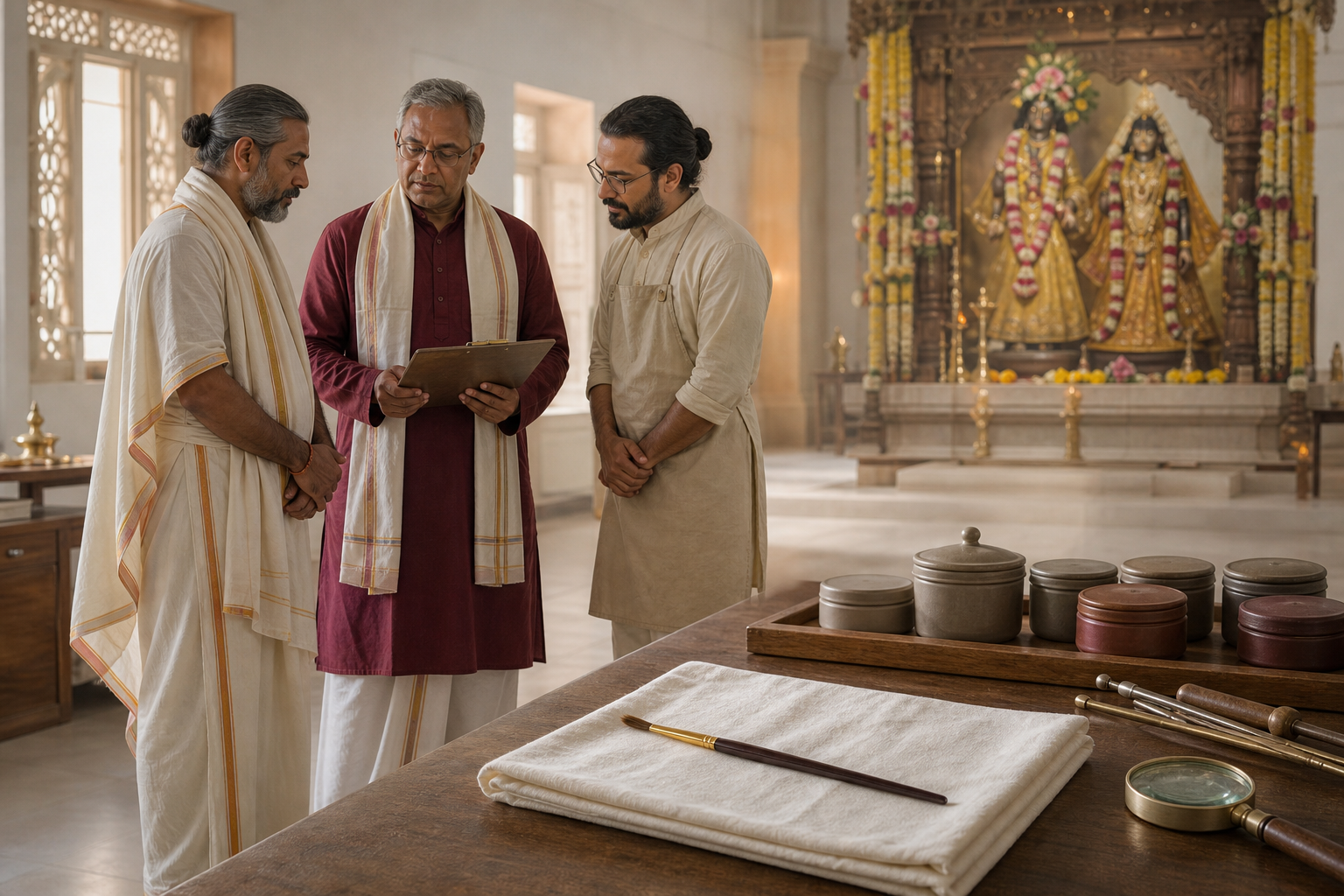
    The May 2026 ISKCON TV English Video Diary presents a clear, documentary-style portrait of Sridhama Mayapur and the global Hare Krishna Movement. It highlights Gaura Purnima celebrations, congregational kirtans, yajnas, pilgrimages, and temple festivals, offering an accessible primer on bhakti-yoga in practice. Viewers gain context on the Temple of the Vedic Planetarium and its educational…

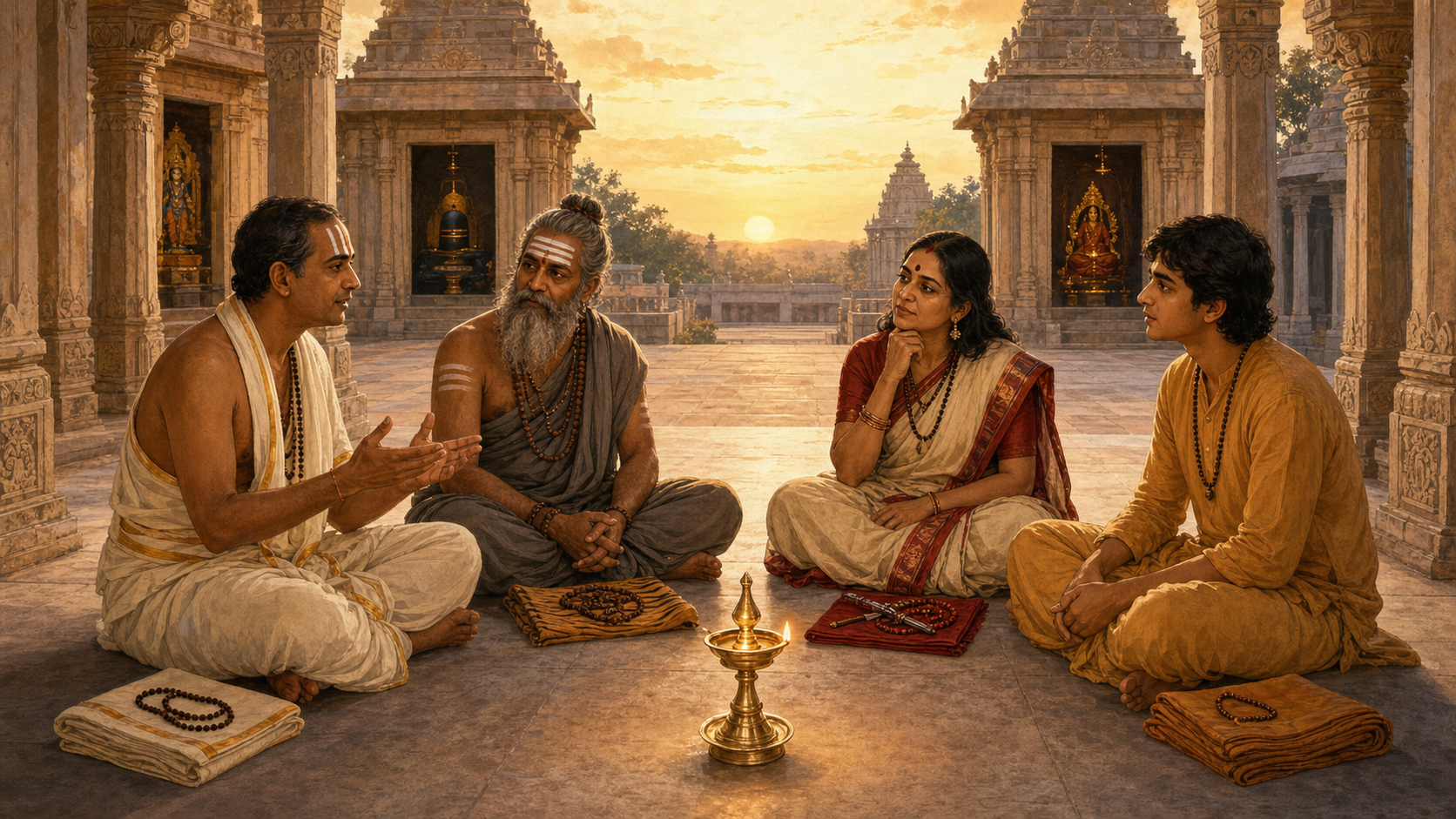
  • Beyond Rivalry: Why a True Vaidika Honors Tantra and a True Tantrika Reveres the Vedas

    Beyond Rivalry: Why a True Vaidika Honors Tantra and a True Tantrika Reveres the Vedas

    Vedas and Tantra are not adversaries but complementary avenues to the same truth, a reality long recognized across authentic lineages. This article traces their historical interdependence through the Agamas, Pancharatra, temple praxis, and Vedantic metaphysics to clarify why both are indispensable. It explains how mantra, yantra, mudra, nyasa, and Kundalini sadhana can integrate seamlessly with…