-
Shirovaratna of the Shivalinga: The Crowning Jewel of Shaiva Ritual—Forms, Geometry, Agamas

This in-depth guide clarifies why the Shirovaratna—the crown of the Shivalinga—is the most sanctified architectural and ritual member of the linga–nala system. It explains Agamic sources, precise proportions, and crown geometries that ensure both theological fidelity and optimal abhishekam flow. Readers learn how materials from granite to sphaṭika shape a radiant apex, and how variants…
-
Divine Geometry of the Shivling: Six Sacred Components, Agamic Ratios, and Alignment

The manmade Shivling follows a six-part sacred architecture codified in Shaiva Agamas and Shilpa Shastra: a foundation slab, a yoni-pitha with drainage channel, and a triune bana comprising Brahma-, Vishnu-, and Rudra-bhaga. This article explains the function, symbolism, and geometry of each component, with practical notes on proportions, materials, and orientation in the garbhagriha. Readers…
-
May 27, 2026 Panchang: Comprehensive Guide to Shukla Ekadashi, Nakshatra, Rashi & Muhurats

May 27, 2026 features Shukla Paksha Ekadashi until 7:49 AM, followed by Dwadashi for the rest of the day. The guide explains how tithi boundaries are computed, why Ekadashi at sunrise matters for fasting, and how to identify the correct parana window after Dwadashi begins. It outlines practical Shubh Muhurat pointers—Abhijit around local noon and…
-
Timeless Power of the Guru–Shishya Bond: Ancient Hindu Pedagogy That Shapes Character and Society

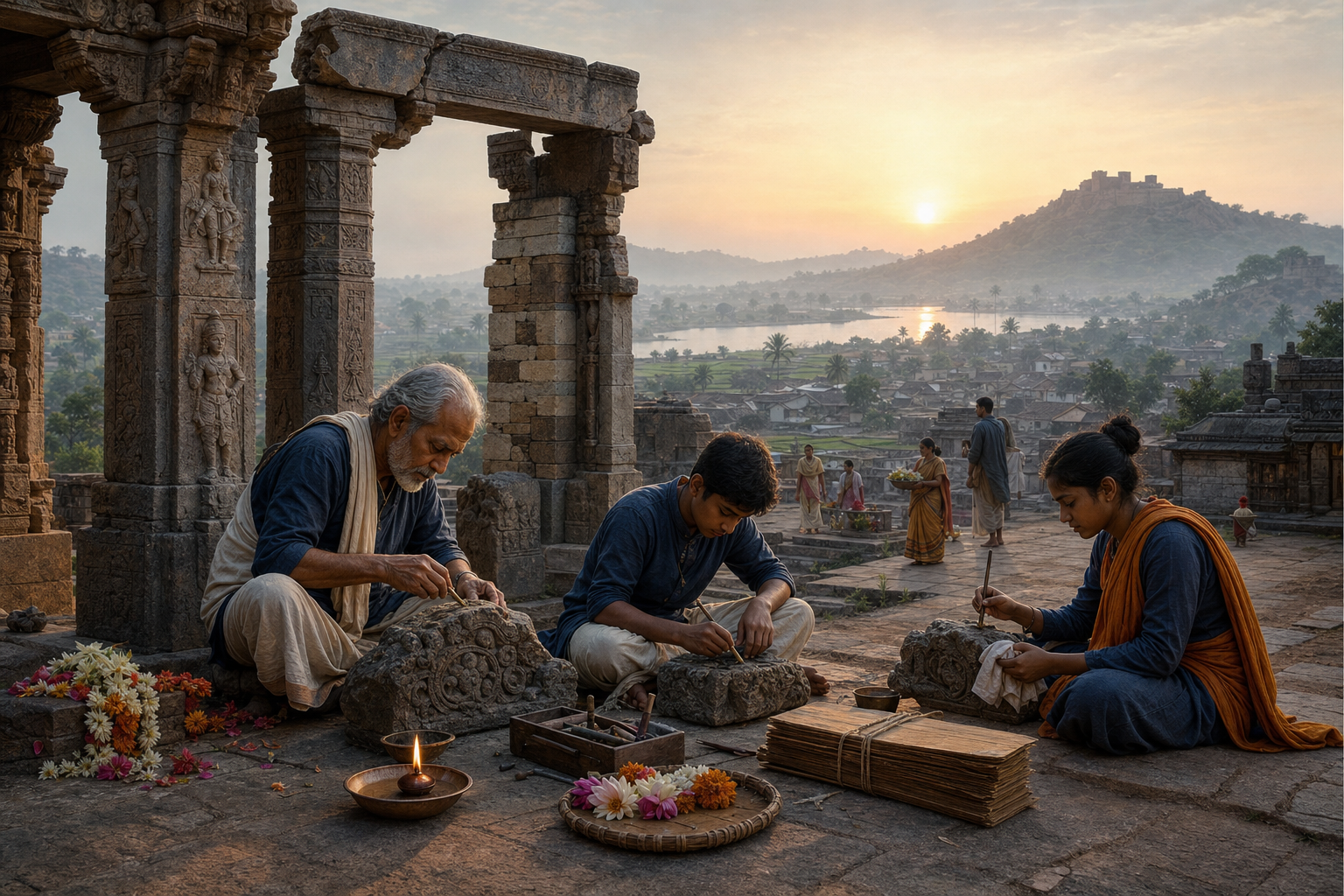
The Guru–Shishya tradition is a civilizational pedagogy that unites knowledge with character, shaping both competence and conscience. Drawing on the Upanishads and the Bhagavad Gita, it encodes reverence, inquiry, and service as the ethics of learning. Gurukulas integrated study with daily life, training the mind through śravaṇa–manana–nididhyāsana and broad curricula from Veda and Vedāṅgas to…
-
Liberate the Self: Hindu, Buddhist, Jain, and Sikh Insights on Embracing True Nature

This long-form essay explores how Hinduism, Buddhism, Jainism, and Sikhism converge on a single, practical insight: suffering intensifies when one strives to become someone other than one’s true nature. Drawing on the Upanishads, Bhagavad Gita, Yoga Sutra, Sāṅkhya analysis, Buddhist teachings on craving and anatta, Jain doctrines of aparigraha and anekāntavāda, and Sikh wisdom on…
-
Narayanavanam Kalyana Venkateswara Swamy Brahmotsavam 2026: Dates, Key Rituals, Pilgrim Guide

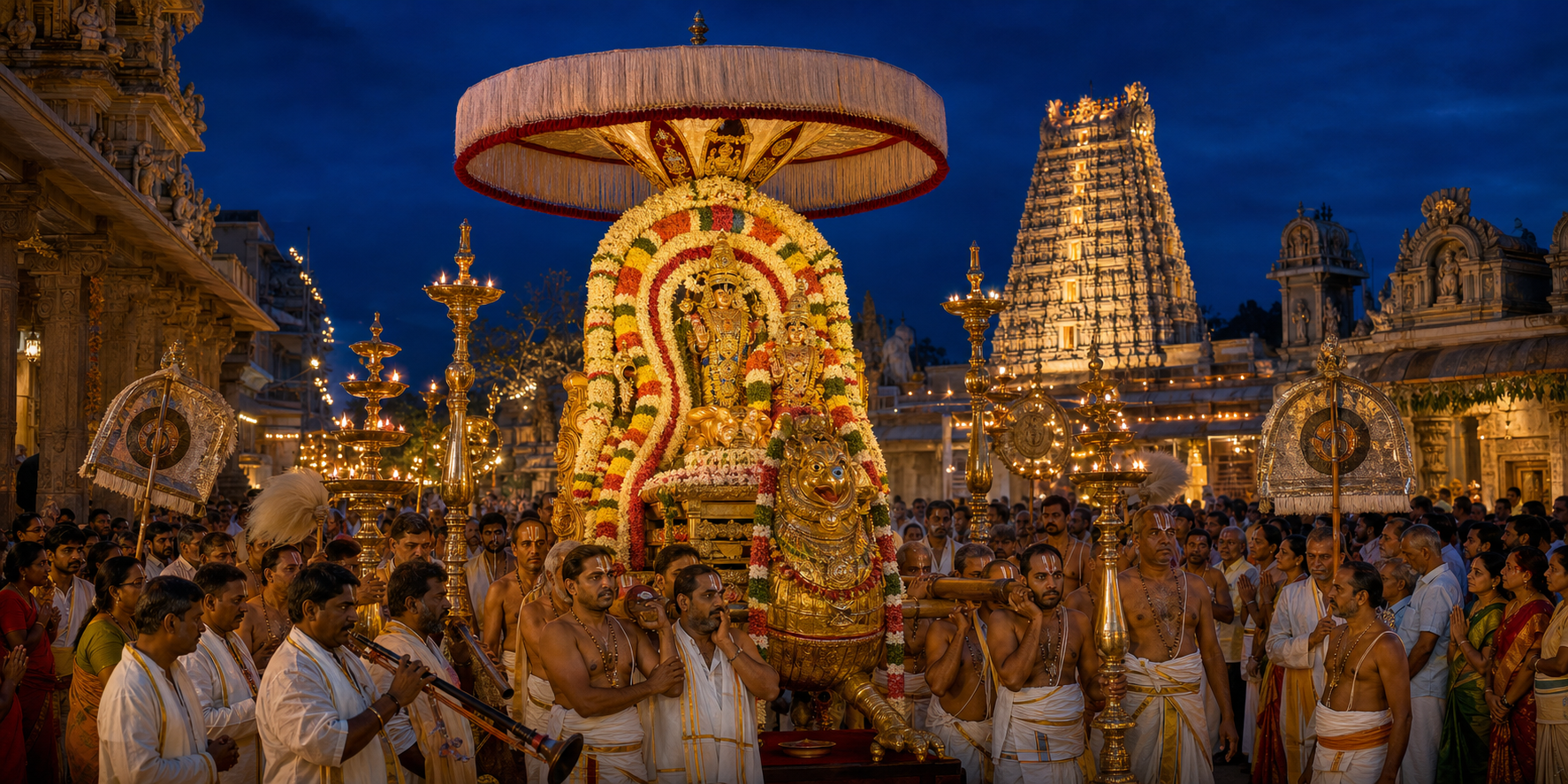
Narayanavanam Kalyana Venkateswara Swamy Temple will conduct its 2026 Brahmotsavam from May 28 to June 5, with Koil Alwar Tirumanjanam on May 24 and Ankurarpanam on May 27. The festival’s high points are Garuda Seva on June 1 and Kalyanotsavam on June 4, reflecting the temple’s unique association with the divine wedding of Sri Venkateswara…
-
Konark Sun Temple: Awe-Inspiring Kalinga Masterpiece, Cosmic Timekeeper, and Living Heritage

Konark Sun Temple in Odisha—commissioned by Eastern Ganga ruler Narasimhadeva I around 1250 CE—unites Kalinga architecture, sculpture, and ancient Indian astronomy in a breathtaking chariot-of-the-sun design. The twenty-four carved stone wheels and seven horses encode a lived experience of time and celestial geometry, while Surya’s triadic images track the diurnal path of light. As a…
-
Somvati Amavasya Fasting Masterclass: What to Eat, What to Avoid, and Safe Nirjala–Phalahari Plans

Somvati Amavasya is a powerful observance for inner quietude and ethical living, and its food code is central to the practice. This step-by-step guide clarifies what to eat and what to avoid for both Nirjala Vrat and Phalahari Vrat, grounding recommendations in sāttvika principles, customary practice, and Ayurvedic reasoning. Readers learn which vrat staples are…
-
Karvetinagaram Venugopalaswamy Brahmotsavam 2026: Sacred Dates, Rituals, and a Devotee’s Guide

Karvetinagaram’s Venugopalaswamy Temple will celebrate Brahmotsavam from June 6–14, 2026, with Ankurarpanam on the evening of June 5 and Koil Alwar Tirumanjanam observed beforehand. The nine-day festival follows Vaishnava Agamic tradition, combining rigorous ritual structure with the emotive power of bhakti. Devotees can expect daily homas, archana, and morning–evening processions of the utsava murti, with…
-
Somvati Amavasya 2026: Auspicious Monday New Moons, Dates, Shubh Muhurat, and Ritual Guide

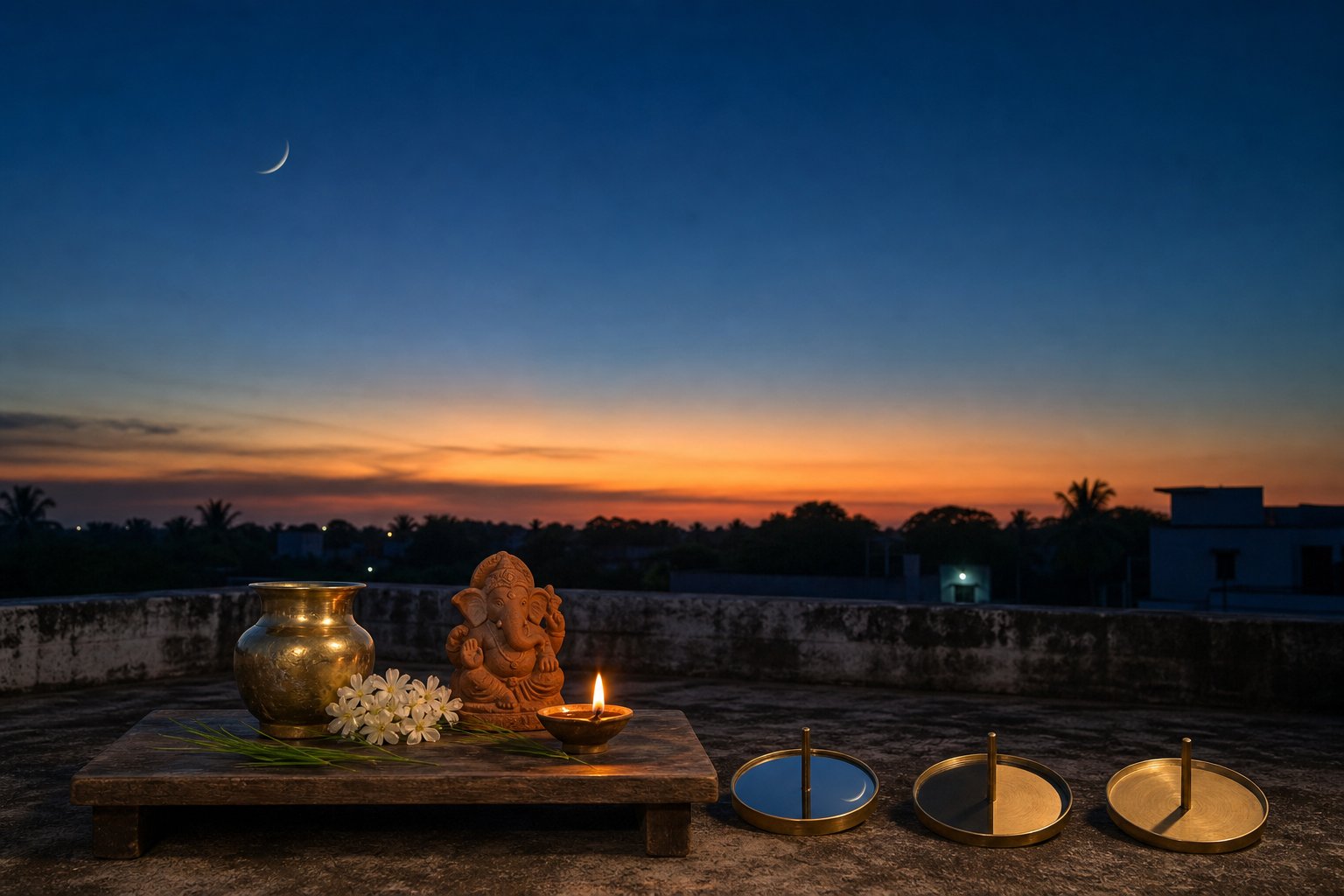
Somvati Amavasya occurs when the Amavasya tithi aligns with Monday, amplifying the potency of Shiva, Surya, Vishnu, Durga, and Pitru rites. In 2026, Indian almanacs list two such observances: Monday, 15 June (Jyeshtha Somvati Amavasya) and Monday, 9 November (Kartik Somvati Amavasya), with local verification advised. The guide explains how panchang rules determine the day,…
-
Vat Purnima 2026 (Vata Savitri): Sacred Date, Timeless Vrat Guide, Puja Vidhi & Regional Traditions

Vat Purnima 2026 (Jyeshtha Purnima) falls on 29 June and honors Savitri and Goddess Gauri through the sacred banyan (Vata) ritual. The vrat is widely observed in Maharashtra, Goa, parts of Karnataka, and in Andhra Pradesh and Telangana, with parallel Amavasya-observance traditions in parts of North India and Odisha. This comprehensive guide explains the Savitri–Satyavan…
-
Kishkindha Kanda Unveiled: Rama–Hanuman Alliance, Vali’s Fall, and Hampi’s Sacred Landscapes

Kishkindha Kanda, the fourth book of the Valmiki Ramayana, turns grief into disciplined action as Rama allies with Sugriva, brings down Vali, and launches a continent-spanning search for Sita. Set against the sacred landscapes around Hampi–Anegundi in Karnataka, it blends political acumen, ethical debate, and ecological poetics. The kanda highlights exemplary speech and statesmanship through…
-
Bhim Ekadashi 2026 (Nirjala): Powerful Pandava Vrat, Date, Puja Vidhi, Parana & Significance

Bhim Ekadashi 2026—also called Nirjala, Bhimseni, or Pandava Ekadashi—falls on Thursday, June 25, aligning with Jyeshtha Shukla Ekadashi in the Hindu calendar. Revered as the most austere of the 24 Ekadashi vratas, it is associated with Bhima of the Mahabharata and the discipline of a waterless fast. This guide explains the date, the lunar-tithi basis,…
-
Nirjala Ekadashi 2026: Ultimate Waterless Fast—Date, Vrat Vidhi, Katha, Parana Rules

Nirjala Ekadashi 2026 falls on Thursday, 25 June (India) and is known as the most austere Ekadashi—a complete fast without water dedicated to Vishnu. Rooted in the Brahma Vaivarta Purana and celebrated as Pandava or Bhimsen Ekadashi, it is said to grant the merit of observing all Ekadashis in a year when undertaken correctly. The…
-
Somvati Amavasya (Monday New Moon): Sacred Timing, Pitru Rites, and Transformative Rituals

Somvati Amavasya, the Amavasya falling on Monday (Somvar), is revered for aligning lunar stillness with Chandra’s calming influence, making it a powerful day for vrata, snana, tarpana, and daana. Classical sources, including the Mahabharata’s teachings to Dharma Raj and Puranic references, affirm the day’s efficacy for ancestor remembrance and ethical renewal. The Panchang determines observance…
-
Trailblazing at 23: Tushar Kumar Becomes UK’s Youngest Indian‑Origin Mayor

At just 23, Tushar Kumar has become the youngest-ever Indian-origin mayor in the UK, taking on the civic chair of Elstree and Borehamwood Town Council. This milestone blends representation with delivery, aligning youth engagement, digital accessibility, and inclusive cultural initiatives. The post explains how the mayoral role in England’s town councils operates and why Kumar’s…
-
Conditional Love, Trauma, and Self‑Worth: Reframing a Childhood Bargain—and Finally Healing

A childhood image of public praise once seemed to prove love, but later reflection revealed a deeper pattern: conditional affection tied to performance. This analysis reframes that experience using concepts such as intermittent reinforcement, contingent self-worth, and the nervous system’s pursuit of relief over safety. It offers practical diagnostics—how to spot approval-seeking and people-pleasing when…
-
Uniting Dharmic Traditions in Rajasthan: Dr Charudatta Pingale’s ‘Hindu Rashtra Sampark Abhiyan’

Sadguru Dr. Charudatta Pingale’s meetings in Jaipur and Jodhpur under the ‘Hindu Rashtra Sampark Abhiyan’ foreground a civic model of Hindu unity rooted in dialogue, coordination, and service. The outreach emphasizes unity in diversity across Hindu, Buddhist, Jain, and Sikh traditions while honouring India’s constitutional guarantees. A six-pillar framework—Samvad, Samanvay, Seva, Sanskara, Suraksha, and Sanchar—translates…
-
Unlocking the Mātuluṅga Mystique: Why a Giant Citron Graces Lakulisha and Kolhapur Mahalakshmi

The large citrus fruit called mātuluṅga (mahalunga) appears prominently in Hindu iconography, most notably in the lower right hand of Kolhapur Mahalakshmi and the upper left hand of Lakulisha of Pāśupata Shaivism. Identified primarily as Citrus medica (citron), the fruit symbolizes abundance, purity, and the ripened results (phala) of righteous action and disciplined practice. In…