-
Khatushyam (Barbarika): Beloved Shyam Baba of Kaliyuga and a Living Legacy of Bhakti

Khatushyam, identified with Barbarika of the Mahabharata, is venerated as Shyam Baba and Khatushyamji Baliyadev—a compassionate guide for devotees in Kaliyuga. Rooted in epic lineage and living temple culture, the tradition blends valor, humility, and surrender into an accessible path of bhakti. The Khatu shrine in Sikar, Rajasthan, and widespread devotion in Gujarat underscore a…
-
Why Ganesha Is Invoked First: Timeless Wisdom Behind Auspicious Beginnings in Hindu Pujas

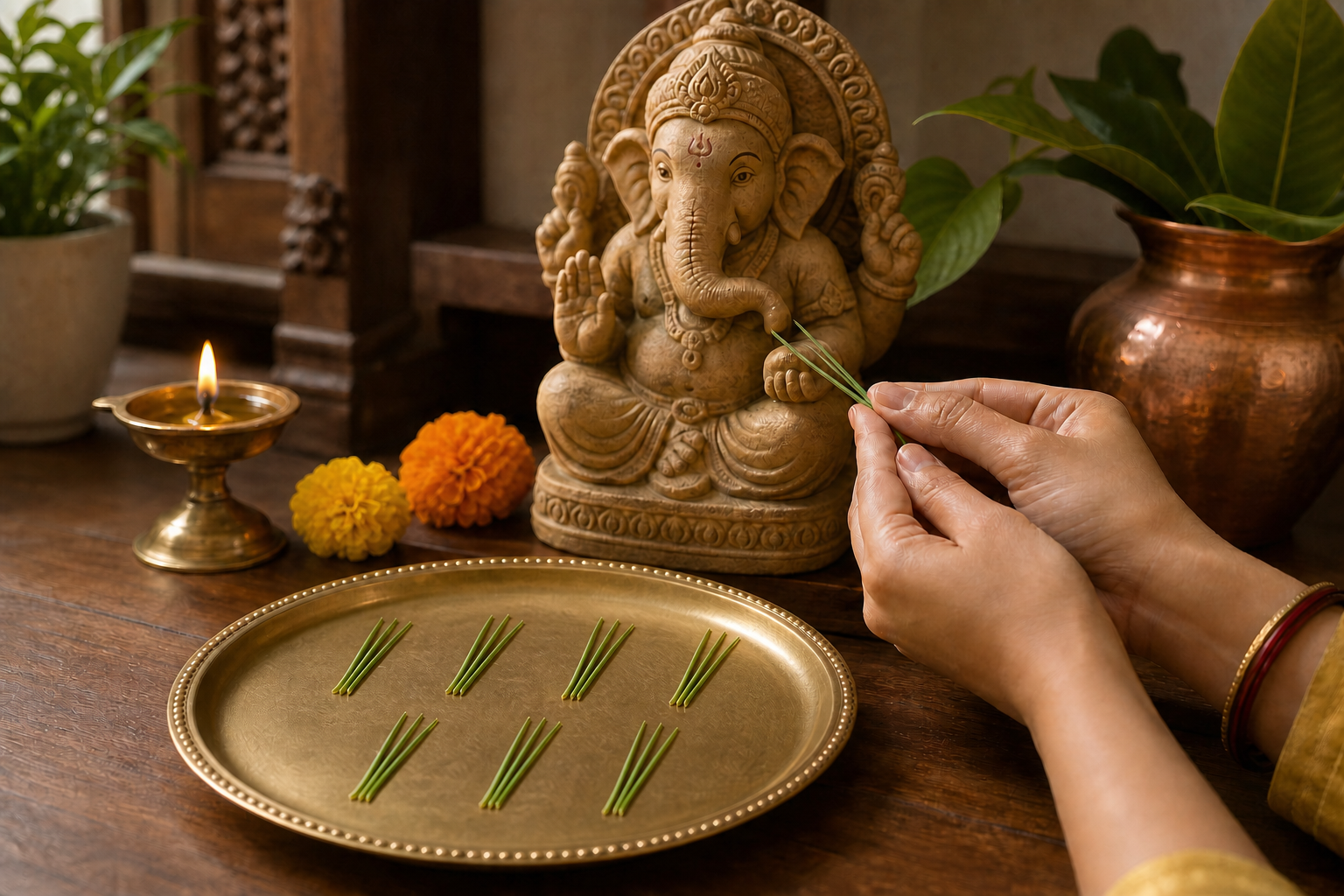
Ganesh is invoked first in Hindu pujas because dharmic tradition emphasizes auspicious beginnings grounded in wisdom, humility, and ethical intent. Scriptures present him as prathama pujya, the remover of obstacles who sanctifies new ventures. Symbolically, Ganesh represents focused intellect and expansive understanding, encouraging steadiness before action. Rituals such as Ganesh Puja, housewarmings, and educational commencements…
-
Narayani Mata Mandir, Amanbagh, Alwar: A Revered Rajasthan Shrine of Unity and Faith

Narayani Mata Mandir near Amanbagh in Alwar, Rajasthan, is a revered Hindu temple dedicated to Ma Narayani and a vital part of India’s cultural heritage. Along with a companion shrine in Lonavala, Maharashtra, it forms a meaningful devotional circuit that connects regions and communities. The temple’s inclusive ethos—welcoming seekers from all backgrounds—aligns with shared values…
-
Skanda Purana to Present Day: Sambhal Harihar Mandir’s Layered Legacy and Shared Reverence

This article examines Sambhal Harihar Mandir through Puranic references and historical accounts, focusing on Skanda Purana and related discussions tied to Bhagwat Purana and Matsya Purana. It foregrounds the need for careful, evidence-based identification of places mentioned in scriptures, acknowledging multivalent toponyms and regional traditions. The 16th-century construction of Sambhal Jaama Masjid is presented with…
-
Manifestation of Maa Lakshmi: A Timeless Brahma Purana Tale of Dharma and Prosperity

The Brahma Purana recounts how Maa Lakshmi manifested during the Samudra Manthan, when devas and asuras churned the Ocean of Milk under Lord Vishnu’s guidance. The story teaches that enduring prosperity rests on dharma, cooperation, and disciplined effort. Lakshmi’s lotus-seat symbolizes purity, while her choice of Vishnu signifies prosperity aligned with order and compassion. Readers…
-
Thousand Pillar Temple, Hanamkonda: Kakatiya-era Rudreshwara Trikutalaya and Living Heritage

The Thousand Pillar Temple in Hanamkonda (Rudreshwara Swamy Temple) is a Kakatiya-era Trikutalaya dedicated to Shiva, Vishnu, and Surya. Its renowned field of carved pillars and refined ornamentation embody the technical mastery and aesthetic poise of medieval Telangana. Visitors frequently note a contemplative atmosphere shaped by light, stone, and ritual continuity. The triadic sanctum plan…
-
Ayodhya’s Dharma Dhwaj Raised by PM Modi: A Historic Milestone After 500 Years

Prime Minister Narendra Modi hoisted the saffron Dharma Dhwaj atop the Ayodhya Ram Mandir, marking a milestone often described as a 500-year wait fulfilled. The event underscores India’s living cultural heritage and the enduring values of dharma. The flag’s symbolism—courage, renunciation, and service—resonates across Hinduism, Buddhism, Jainism, and Sikhism. For many families, the moment evoked…
-
Detentions in Ghaziabad: Calls for a White Paper on Extremism, Rule of Law, and Social Harmony

Detentions in Ghaziabad involving Yati Narasimhanand spotlight the delicate balance between peaceful protest rights and public order. The group demanded a government white paper on violent extremism, which, framed constructively, could advance transparency and accountability. An evidence-led report should address radicalization without stigmatizing any community, protecting civil liberties while improving safety. Inclusive consultations with dharmic…
-
Hinduism’s Holistic Vision: Purusharthas and Ashramas for a Balanced, Ethical Life

Hinduism offers a holistic, pragmatic model for living through two complementary frameworks: the Purusharthas (dharma, artha, kama, moksha) and the Ashramas (Brahmacharya, Grihastha, Vanaprastha, Sannyasa). These principles balance ethical clarity, material stability, meaningful enjoyment, and spiritual liberation. They also map a realistic life rhythm in which responsibilities evolve with time. Applied to modern challenges, this…
-
Why Temples Offer Alcohol to Kal Bhairav: Tantric Symbolism, Fearlessness, and Grace

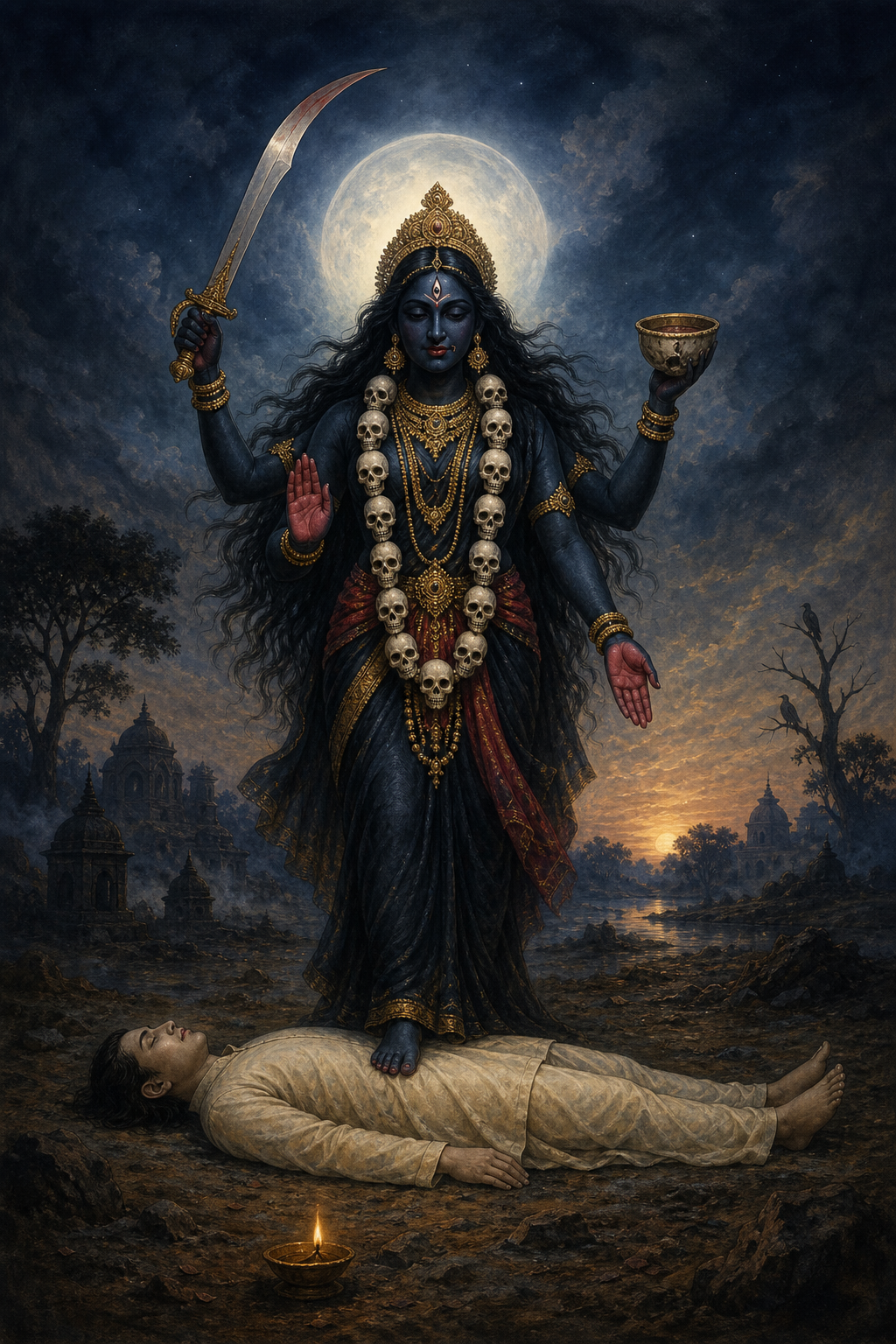
Kal Bhairav’s acceptance of alcohol offerings in select Hindu temples embodies a Tantric teaching: transforming raw, potentially destabilizing energies into fearlessness and moral clarity. Rooted in Shaiva and Shakta traditions, and resonant with Vajrayana Buddhism, the ritual encodes the alchemy of turning “poison” into medicine through consecration and disciplined intent. Temples such as Ujjain’s Kal…
-
Lakshmana’s Impossible Choice: Duty, Honor, and Dharma in Ramayana’s Golden Deer Episode

The Golden Deer episode in the Ramayana crystallizes Lakshmana’s ethical dilemma between explicit duty and perceived emergency. The narrative contrasts svadharma with maryada, asking how to act when a clear mandate collides with an uncertain cry for help. By highlighting discernment, foresight, and proportional response, it shows how intention and outcome must be balanced. The…
-
December 3, 2025 Panchang: Shukla Paksha Trayodashi to Chaturdashi—Tithi, Muhurat, Rashi Guide

On Wednesday, December 3, 2025, the Panchang notes Shukla Paksha Trayodashi until 10:01 AM, after which Shukla Paksha Chaturdashi prevails. This clear transition helps plan observances that benefit from Trayodashi’s preparatory energy and Chaturdashi’s focused culmination. Auspicious timings (muhurat), as well as Nakshatra and Rashi, vary by region and require consultation of a local Panchang.…
-
TTD’s 16-Day Sundarakanda Parayanam (Nov–Dec 2025): Key Rituals, Dates, and Pilgrim Insights

TTD will conduct the Shodasha Dina Sundarakanda Parayanam at Vasantha Mandapam, Tirumala, from November 28 to December 13, 2025. Ankurarpanam will precede the programme on November 27, 7–8 PM, at Dharmagiri Veda Vignana Peetham, marking an auspicious start. Daily morning recitation sessions are planned to help devotees participate with focus and ease. The event highlights…
-
Khatushyam (Barbarika): Shyam Baba’s Kaliyuga Grace, Legend, and Temple Heritage

Khatushyam, identified with Barbarika—the valorous son of Ghatotkacha and Mourvi—is revered as Shyam Baba and honored as a Kaliyuga saviour, especially in Rajasthan and Gujarat. The legend of his vow to aid the weaker side in the Kurukshetra War and his supreme offering to Krishna frames a powerful ethical reflection on compassion guided by discernment.…
-
Why Ganesha Is Invoked First: Sacred Reasoning, Auspicious Beginnings, and Vighnaharta’s Grace

Hindu tradition invokes Ganesha first in pujas and rituals to secure auspicious beginnings and remove obstacles. Scriptural sources portray Ganapati (Vinayaka, Vigneshwara, Ekadanta, Lambodara) as the guardian of thresholds and the embodiment of discernment. Ritual practice affirms this priority through sankalpa, guru-ganesha dhyānam, and the mantra “Om Gam Ganapataye Namah.” Devotees widely experience calm and…
-
Narayani Mata Temple, Amanbagh: A Serene Shakti Shrine in Alwar, Rajasthan

Narayani Mata Temple near Amanbagh in Alwar, Rajasthan, is a serene Shakti shrine known for contemplative worship and a welcoming atmosphere. A corresponding temple in Lonavala, Maharashtra, reflects the wider reach of Narayani Maa’s devotion across regions. Traditions note special reverence among the Sain Samaj while emphasizing openness to all devotees. Visitors often find calm,…
-
Sati and Daksha Yagya: A Timeless Puranic Lesson on Dharma, Dignity, and Unity

Sage Pulastya’s response to Bhishma situates Sati’s self-immolation within a clear ethical frame: Daksha’s grand yagya, conducted without inviting Shiva, exposed the dangers of pride and exclusion in ritual life. Sati’s choice, presented as solemn yogic resolve, protested the insult to devotion and the abuse of religious authority. Shiva’s subsequent intervention halted the disorder, yet…