-
The Sacred Ecology of Life: Hindu Wisdom to Ease Suffering through Interdependence

Hindu philosophy presents a transformative insight: everything is food for something else, revealing an intimate web of interdependence. Rooted in the Upanishads and the Bhagavad Gita, this sacred ecology reframes suffering and softens attachment by aligning life with reciprocity and flow. The principle encourages ahimsa, aparigraha, and gratitude, turning consumption into a practice of reverence.…
-
Ravana’s Calculated Deception at Panchavati: Strategy, Dharma, and the Road to Lanka’s Fall

Ravana’s decision not to march with a large army to Panchavati reflects a strategic calculus grounded in recent battlefield evidence, logistical realities, and counsel from Maricha. After Rama’s defeat of Khara and Dushana’s Janasthana garrison, direct confrontation appeared perilous. Instead, Ravana adopted deception—the golden deer stratagem—to create psychological asymmetry and relocate the conflict toward Lanka.…
-
Chamatkari Health Totke: अच्छा स्वास्थ्य के लिए सरल, Holistic Upay और परिवार की समृद्धि

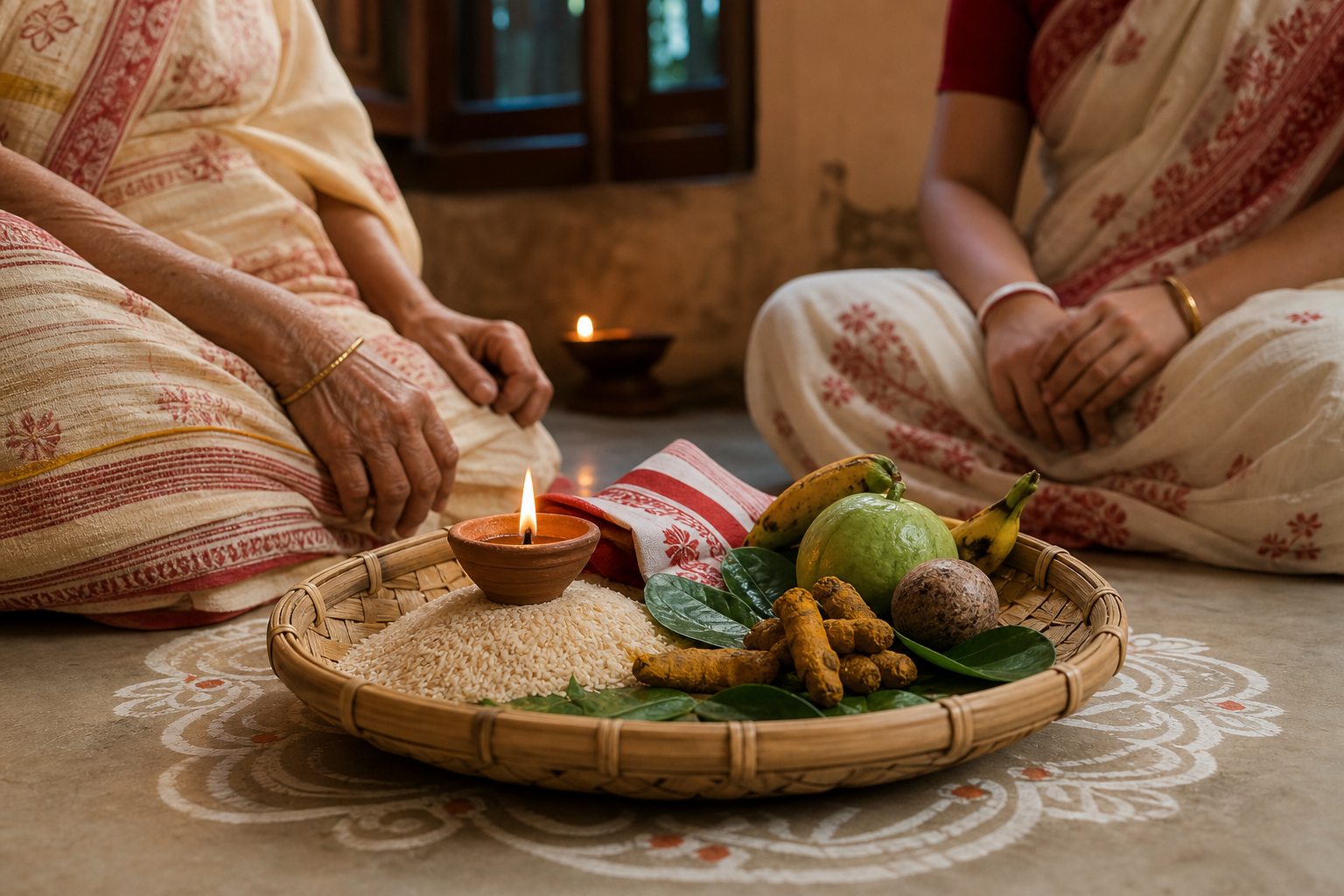
Many families experience recurring illness that affects everyone’s peace of mind. Health Totke, remembered as Chamatkari Upay, offer practical, culturally rooted ways to support अच्छा स्वास्थ्य, reduce stress, and strengthen family bonds. Framed inclusively, these traditions complement Ayurveda-inspired routines and modern care by reinforcing hygiene, discipline, and gratitude. Shared Dharmic values—shaucha, karuna, ahimsa, and sewa—unify…
-
Pradakshina Unveiled: Why Temple Circumambulation and Arunachala Girivalam Transform Devotion

Pradakshina—circumambulation around a sacred center—anchors Hindu temple worship and extends to Arunachala Girivalam in Tiruvannamalai. Moving clockwise places the heart toward the Divine and aligns a devotee with the order of dharma. The practice spans inner and outer temple enclosures and culminates, for many, in the 14-kilometer Girivalam around the sacred hill. Parallel forms in…
-
Ramdev Pir of Rajasthan: The Compassionate King Who Defied Caste and Uplifted Communities

Ramdev Pir—also known as Baba Ramdev, Ramdevji, Ramdeo Pir, and Ramsha Pir—is remembered as a medieval Rajasthani ruler and village deity whose legacy blends social reform with inclusive devotion. Historical memory credits him with elevating standards of living and challenging caste-based discrimination, aligning moral authority with practical governance. His living worship traditions highlight seva, communal…
-
Peacock Symbolism in Hinduism: Majestic Vahana of Subrahmanya Swamy and Auspicious Grace

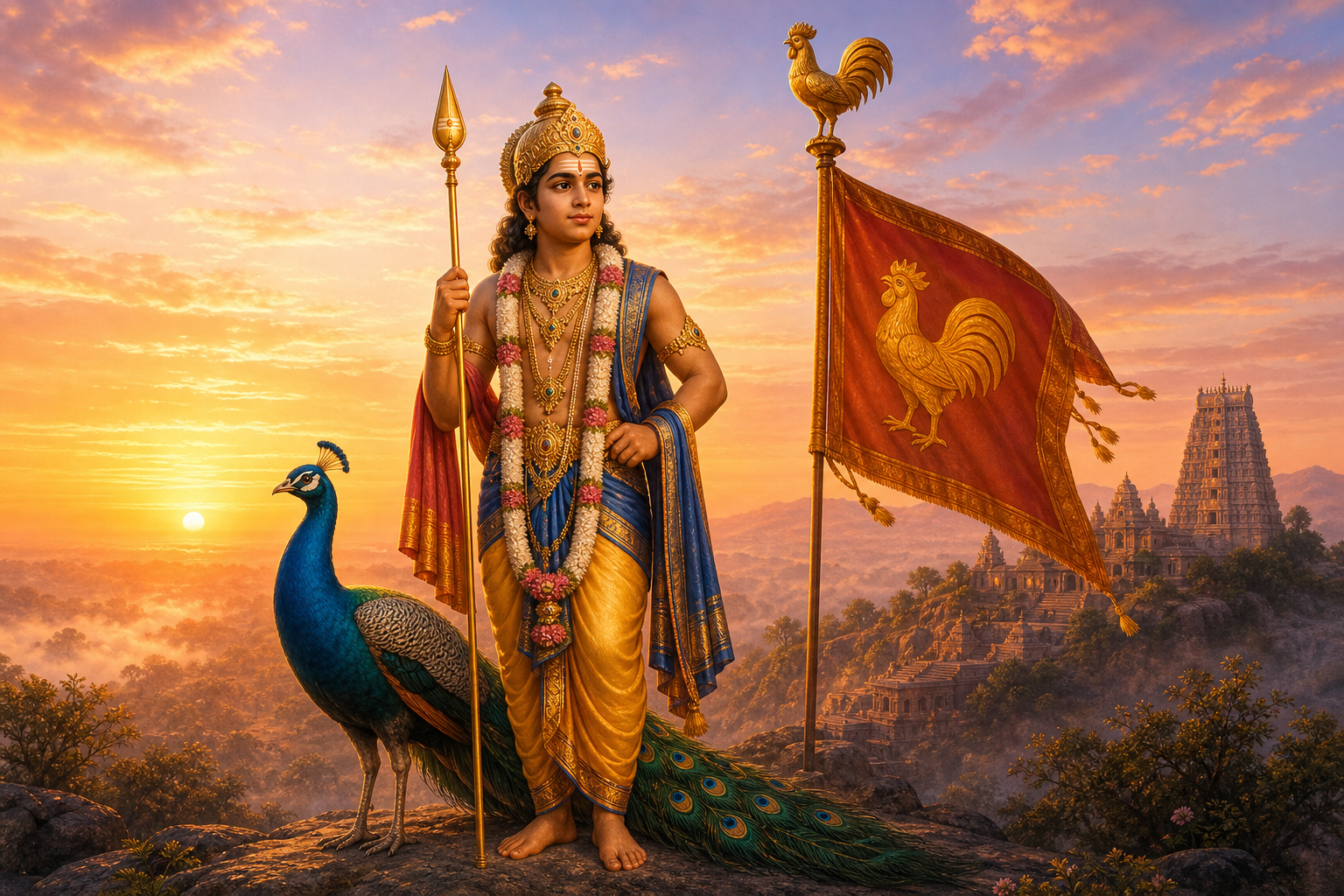
The peacock, vahana of Subrahmanya Swamy (Lord Muruga), symbolizes beauty, courage, and ethical clarity in Hinduism. Its iconography—often subduing a serpent—signifies victory over ego and ignorance, aligning aesthetics with spiritual discipline. Devotees regard the peacock’s dance and call as auspicious, a sentiment reflected in festivals like Skanda Shashti and Karthigai, as well as in arts…
-
Spirituality and Rajneeti: Why Dharmic Seekers Engage Politics with Compassion and Ethics

A widely asked question in Satsang—whether spiritual people should stay away from politics—finds clarity in a dharmic understanding of Rajneeti as ethical governance aligned with Dharma. Traditions across Hinduism, Buddhism, Jainism, and Sikhism converge on compassionate public ethics: Ahimsa, Satya, Seva, and the welfare of all. Rather than withdrawing from public life, seekers can engage…
-
Beyond Fashion: Recognize the True Guru and Surrender with Discernment for Inner Clarity

In dharmic traditions, a guru is not a trend but the principle of authentic guidance shaping a seeker’s life. Surrender means practicing the guru’s counsel with integrity, not passive or blind obedience. The Bhagavad Gita’s example of Arjuna and Sri Krishna illustrates how discerned acceptance refines agency and aligns action with dharma. Across Hinduism, Buddhism,…
-
Shankhu Chakradhari Brahma: Decoding a Rare, Awe-Inspiring Icon of Sudarshana and Shankhu

This exploration decodes the rare icon of Shankhu Chakradhari Brahma, where Lord Brahma bears the Sudarshana Chakra and Shankhu. Readers gain a clear understanding of how this iconography aligns creation with preservation within Sanatana Dharma. The symbolism of the chakra (order, time, discernment) and conch (primordial sound, prāṇa) is explained in an accessible, academic style.…
-
Puruhutika Devi of Pithapuram: Timeless Significance of a Shakti Peetham in Andhra Pradesh

Puruhutika Devi Temple in Pithapuram (East Godavari, Andhra Pradesh), on the outskirts of Kakinada, is locally known as Pithapuram Puruhutika, Puruhuta, Puruhutamba, Puruhutika, or Puruhuthika. Regarded as one of the 18 Shakti Peethas, it holds a distinguished place in South India’s sacred geography and Hindu pilgrimage traditions. Visitors often note the contemplative ambience, with mantras…
-
Why Muruga’s Utsavar ‘Sweats’ at Sikkal Singaravelan: Surasamharam Ritual Explained

During Surasamharam at the Sikkal Singaravelan temple in Tamil Nadu, the utsava murti of Singara Velavar is observed to “sweat” at the precise moment Muruga receives the Vel. Temple priests carefully wipe the droplets as devotees watch in reverent silence, a practice preserved in local memory and ritual chronicles. Classical narrative strands linked to the…
-
Surajya Abhiyan Decries Remote Oversight as Pests Batter Sindhudurg’s Mango Crop

Pest outbreaks are threatening Sindhudurg’s mango crop, prompting Surajya Abhiyan to question the value of remote, Mumbai-based oversight versus on-ground support. This analysis explains why proximity is crucial for timely diagnostics, targeted IPM, and effective advisories. It outlines practical steps—field surveys, localized guidance, and reliable helplines—to reduce losses and strengthen trust. Readers gain clarity on…
-
Chamunda, the Scorpion, and the Southwest: Fierce Divine Protection from Moral Decay

Chamunda’s fierce iconography—her bony frame, sunken abdomen, and cremation-ground imagery—functions as a clear ethical lesson: face decay, confront impurity, and protect what is good. Associated with the southwest (Nairritya) direction, she stands at the threshold where decline must be halted and responsibility embraced. The scorpion motif highlights vigilant awareness, signaling that moral danger is often…
-
Arupadai Veedu Unveiled: The Profound Wisdom and Valor Behind Murugan’s Six Abodes

Arupadai Veedu—the six sacred abodes of Lord Murugan—form a complete spiritual journey in Tamil Nadu’s sacred geography. Grounded in Skanda Purana narratives and Tamil bhakti traditions, each temple embodies a distinct milestone: initiation, righteous victory, renunciation, sacred knowledge, reconciliation, and inclusive grace. Readers gain a clear map of the Six Abodes and their themes, along…
-
Ancient Hinduism on Conversion: Inclusive Paths, Organic Belonging, and Dharmic Unity

Ancient Hindu society did not rely on a single, formal rite of conversion. Instead, belonging developed organically through practice, ethics, and community participation. Outsiders who resonated with Hindu thought were welcomed via temples, festivals, and guilds, reflecting a civilizational commitment to religious pluralism. Textual references such as Vratya-stoma and Mlēccita-śuddhih emphasize social restoration rather than…
-
Arjuna’s Path of Mastery: Harmonizing Effort and Grace for Transformative Learning

Arjuna exemplifies the union of disciplined effort and divine dependence, offering a powerful model of transformative learning. Drawing on the Mahabharata and the Bhagavad Gita, this discussion shows how mastery requires both rigorous practice and humility. Educationally, Arjuna’s formation reflects the guru–shishya tradition, integrating attentive study, reflection, and internalization. Practically, readers can translate these principles…
-
Joyous Sri Jagannath Rathayatra Lights Up Warri, Delta State: Milestone for Dharmic Unity in Nigeria

Sri Jagannath (Sri Jaganath) Rathayatra in Warri, Delta State, Nigeria, showcased a joyful blend of devotion, culture, and community harmony. The chariot festival, honoring Lord Jagannath, Balabhadra, and Subhadra, offered an inclusive celebration that welcomed families and well-wishers. By highlighting shared values of compassion and service, the event advanced unity across dharmic traditions—Hinduism, Buddhism, Jainism,…
-
Historic Homecoming: ISKCON London Reacquires 7 Bury Place, Shrine of Radha Londonisvara

ISKCON London has reacquired 7 Bury Place, the historic site where Srila Prabhupada inaugurated the city’s first Radha Krishna Temple in 1969. The building is where Srila Prabhupada installed Sri Sri Radha Londonisvara and performed abhiseka, making it a landmark of Gaudiya Vaishnava history. Its return strengthens community ties, preserves spiritual heritage, and invites deeper…
-
Prithu Chakravarthi’s Legacy: How a Dharma-Raja Gave Earth Her Sacred Name, Prithvi

The name Prithvi for Earth is rooted in the Puranic account of Prithu Chakravarthi, a dharma-raja who restored balance between society and nature. Bhishma’s inquiry to Sage Pulastya introduces the genealogy from Swayambhuva Manu through Anga and Sunitha to Vena and Prithu. After reconciling with Earth—who had assumed a cow’s form—Prithu renewed agriculture and prosperity,…