-
Sambhal Harihar Mandir in the Puranas: Unraveling History, Sacred Memory, and Unity

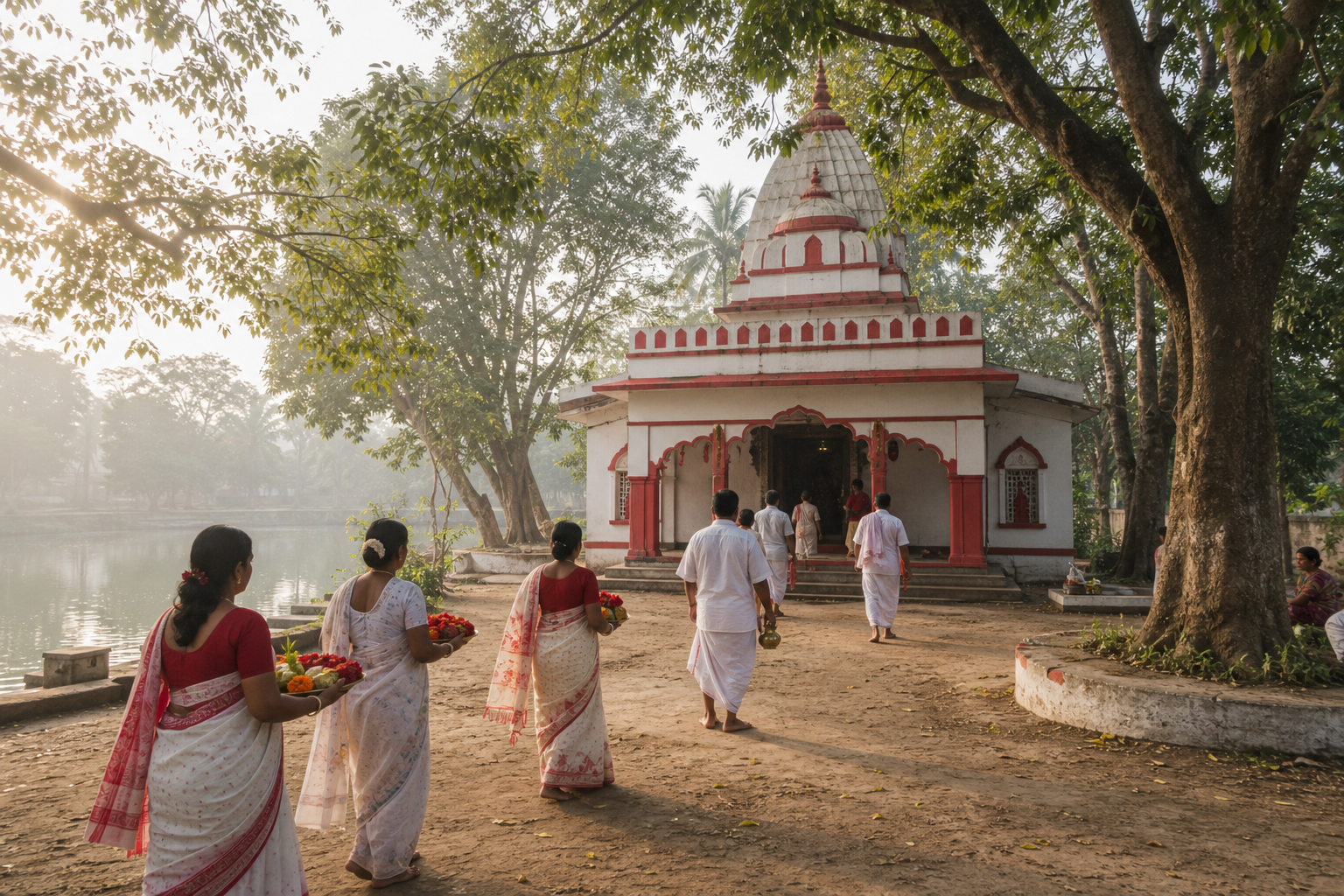
Sambhal Harihar Mandir is discussed in relation to the Skanda Purana and, as some scholars suggest, the Bhagavata and Matsya Puranas, highlighting its enduring cultural significance. The historical narrative includes claims of a 16th-century transformation of the site, which require rigorous scholarly evaluation. A careful distinction between popular labels and documented evidence helps reduce polarization.…
-
Lakshmi’s Radiant Manifestation in Samudra Manthan: A Timeless Lesson in Hope and Dharma

The Brahma Purana recounts the Manifestation of Maa Lakshmi as a disciplined response to crisis, where devas heed Vishnu’s counsel and undertake the Samudra Manthan. The narrative situates prosperity within dharma, showing how collective effort and ethical intent invite auspicious outcomes. Lakshmi’s emergence from the Kshira Sagara symbolizes purity, resilience, and the union of abundance…
-
Thousand Pillar Temple, Hanamkonda: Timeless Kakatiya Splendor and Sacred Trikuta Harmony

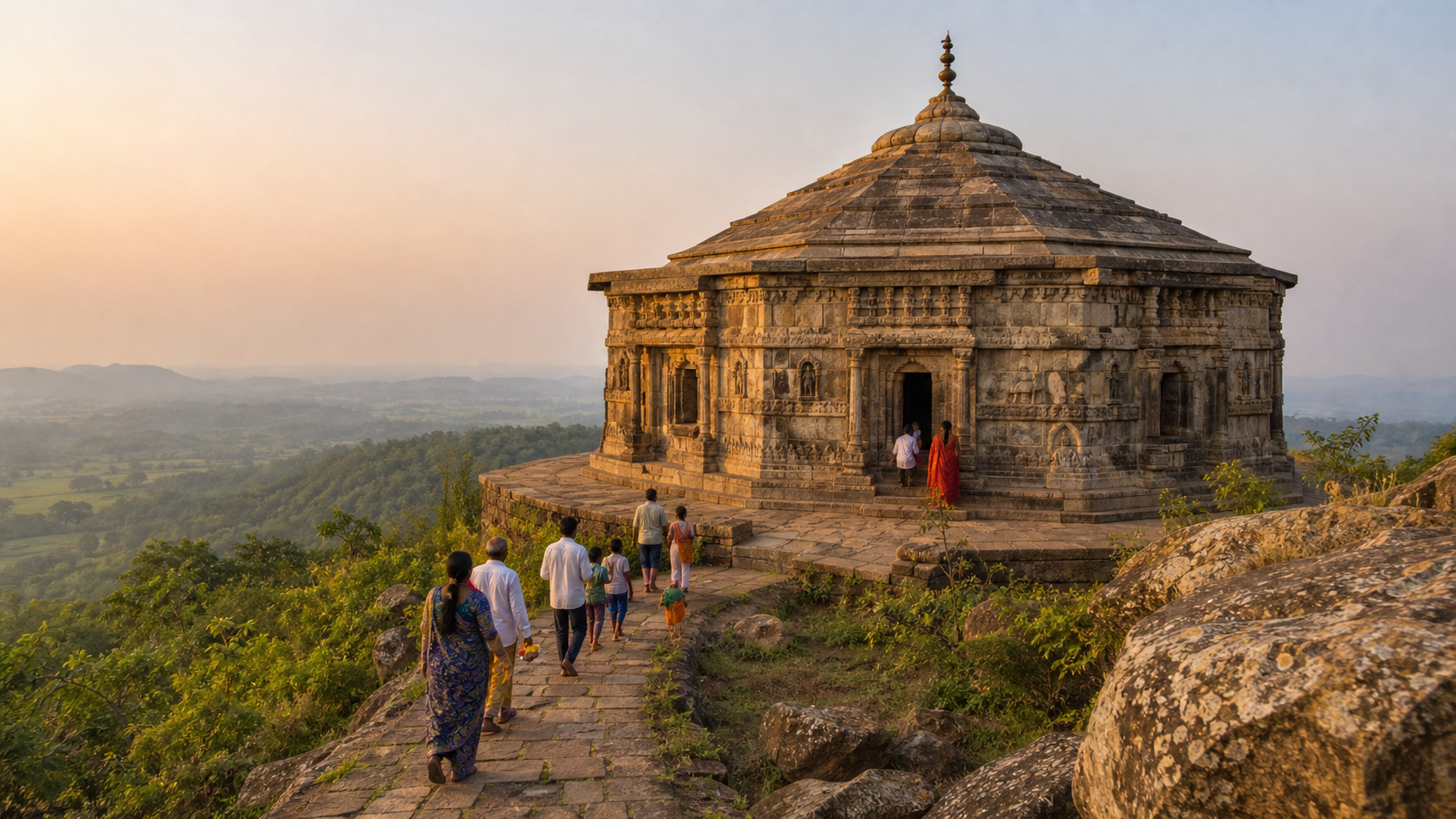
The Thousand Pillar Temple (Rudreswara/Rudreshwara Swamy Temple) in Hanamkonda, Warangal, is a 12th-century Kakatiya masterpiece renowned for its Trikutalaya plan dedicated to Shiva, Vishnu, and Surya. Its dense colonnades, lathe-turned pillars, and exquisite friezes create an immersive play of light and shadow. Visitors commonly note the temple’s contemplative atmosphere and the precision of its stonework,…
-
Historic Ayodhya Ram Temple Flag Hoisting: PM Modi says old wounds healing, dharmic unity

Prime Minister Narendra Modi’s flag hoisting during the Ayodhya ‘Dhwaj Arohan’ ceremony on 25 November 2025 marks a symbolic milestone in the completion of the Ram Mandir. The saffron dhwaj underscores heritage, sacrifice, and service while signaling a broader movement from grievance to reconciliation. The ceremony’s core message encourages healing, constitutional respect, and social cohesion…
-
Beyond Narcissistic Abuse: Evidence-Based Healing, Somatic Recovery, and Safe, Lasting Love

This reflective analysis traces the arc from narcissistic abuse to secure, ethical love through evidence-based healing and dharmic principles. It distills complex experiences into practical steps: belief work, somatic regulation, body-based listening, and firm boundaries. Readers gain a clear framework for choosing safe people and defining relationship standards rooted in integrity and mutual care. The…
-
Piercing Shunya: Kashi’s ‘Pagal Baba’ on Effulgent Truth and the Infinite Void

This rigorously documented Kashi encounter presents the profound teachings of the saint known as the “Pagal Baba,” framed within a careful, comparative dharmic lens. It maps a structured ascent through Jagat-Surya, Praṇava, Bindu, and luminous Jyotis toward the elusive Nirañjana Jyoti. The discussion of Shunya—layered, vast, and culminating in Ananta Shunya—offers rare clarity on the…
-
Decoding Havis in Vedic Sacrifices: Sacred Offerings Sustaining ṛta and Shared Dharma

Havis, the sanctified offering in Vedic sacrifices, serves as a disciplined bridge between humans and the divine, sustaining cosmic order or ṛta. Grounded in the Vedas and expressed through yajna and homa, it unites devotion, ethics, and community. A practical five-fold schema clarifies common offerings such as ghee, grains, milk preparations, sesame and barley, and…
-
12 Jyotirlingas by Rashi: Unlock Auspicious Blessings and Clarity with Your Zodiac Temple

This article presents the traditional view in Jyotish that associates each Rashi (zodiac sign) with one of the twelve Jyotirlingas, offering a thoughtful way to focus devotion and intention. It explains how a Rashi-aligned pilgrimage functions as a contemplative aid rather than a rigid rule. Practical guidance covers identifying the Moon-based Janma Rashi, setting a…
-
Surpanakha’s Karmic Odyssey: Desire, Dharma, and Redemption in Brahma Vaivarta Purana

This article explores Surpanakha’s story as a karmic odyssey across yugas, drawing on the Ramayana and interpretive Puranic traditions associated with the Brahma Vaivarta Purana. It examines how desire, when unguided by dharma, invites consequence yet also opens pathways to learning and inner refinement. Readers gain an emotionally resonant, academically grounded view that balances compassion…
-
ISKCON UK Reclaims 7 Bury Place, Reviving London’s First Radha Krishna Temple Legacy

ISKCON UK has acquired 7 Bury Place, the original site of London’s first Radha Krishna Temple near the British Museum, marking a significant cultural and spiritual homecoming. The historic Bloomsbury location connects London’s intellectual heritage with living dharmic traditions. The move strengthens heritage preservation while fostering unity among Hinduism, Buddhism, Jainism, and Sikhism. Community-focused programming…
-
Ayodhya Dhwajarohan: PM Modi hoists saffron flag at Ram Mandir, a unifying milestone

Prime Minister Narendra Modi’s Dhwajarohan at the Shri Ram Janmbhoomi Mandir in Ayodhya marked a historic, emotionally resonant milestone for devotees worldwide. The saffron flag—linked to the Ikshvaku lineage, the eco-symbolism of the Kovidar tree, and the Sun emblem of the Suryavanshi heritage—signifies the temple’s transition to a fully sovereign divine abode. Vedic scholar Dushyanth…
-
Murugan Born from Shiva’s Third Eye: Decoding Iccha Shakti and the Path of Sacred Will

This article explores Murugan’s birth from Shiva’s third eye as a luminous teaching on Iccha Shakti—divine will aligned with wisdom. It explains the Puranic narrative, including the six sparks, the Krittikas, and the unification into Shanmukha, and interprets their symbolic meaning. Readers gain a clear framework for understanding Iccha, Jñāna, and Kriyā Shakti as complementary…
-
Compassionate Social Care for Vaishnavas: Counseling, Grhastha Teams, and Dharmic Unity

Compassionate social care in Vaishnava communities strengthens families and community cohesion through pre- and post-marital counseling, delivered by trained devotees or trusted professionals. A dedicated team of mature, successful grhastha provides ongoing guidance and ethically grounded, consent-based spouse-finding support. Couples frequently report reduced conflict, greater trust, and steadier sadhana, while youth gain confident navigation of…
-
Trapped Yet Aware: Awakening From a 23-Year Nightmare and the Call for Compassion

A widely reported case described a Belgian man believed to be in a coma for 23 years who was actually conscious throughout, illuminating urgent questions about consciousness, communication, and medical ethics. His testimony—”I screamed, but there was nothing to hear”—reveals the lived trauma of awareness without a voice. The account underscores the need for clinical…
-
Grace on the Temple Floor: A Sweetball, Surrender, and Srila Prabhupada’s Blessing

A crowded darshan in New Dwaraka revealed how surrender in service can invite unexpected grace. As Srila Prabhupada tossed sweetballs, one rolled through the packed temple to reach Omkara devi dasi at the very moment she bowed in departure. This seemingly impossible detail became a vivid emblem of Guru’s Blessings and the sanctity of prasadam…
-
Madhya Pradesh Vigilantism: Why Rule of Law Must Prevail to Protect Women and Harmony

Reports from Bhopal describe an assault by self-styled activists on two accused men amid claims of police inaction. This analysis explains why vigilantism undermines due process, endangers survivors, and erodes communal harmony. It offers a dharmic framework—anchored in ahimsa, compassion, and lawful conduct—to protect women without resorting to violence. Readers gain concrete, lawful steps for…
-
Keep Your Feet on the Ground: Timeless Dharmic Humility and Detachment for Modern Life

Groundedness, understood as humility and realism, aligns with dharmic ethics across Hinduism, Buddhism, Jainism, and Sikhism. Anchoring conduct in dharma and tempering outcomes with vairagya cultivates equanimity amid modern pressures. The Bhagavad Gita’s emphasis on samatvam mirrors contemporary insights on mindfulness and well-being. Practically, this approach strengthens leadership, relationships, and community trust. Everyday examples show…
-
Beyond the Seeker’s Paradox: Unveiling “You Are That” and dissolving the illusion of separation

This essay explores the Advaita Vedānta insight expressed in “You cannot know That; You are That,” showing how objectifying the Absolute sustains the illusion of separation. It clarifies why tat tvam asi affirms identity rather than distance and how śravaṇa–manana–nididhyāsana stabilize non-dual understanding. Practical guidance highlights self-inquiry, meditation, and breath awareness as means to quiet…
-
World’s Largest Nagar Kirtan: Khalsa College Amritsar Inspires Faith, Service, and Unity

Anchored by students of Khalsa College, Amritsar and guided by the Khalsa College Governing Council, the world’s largest Nagar Kirtan exemplifies living Sikh heritage in the public square. The procession fuses devotion and service, turning city streets into shared spaces of reflection and renewal. Student leadership showcases how academic institutions can cultivate responsibility, teamwork, and…