
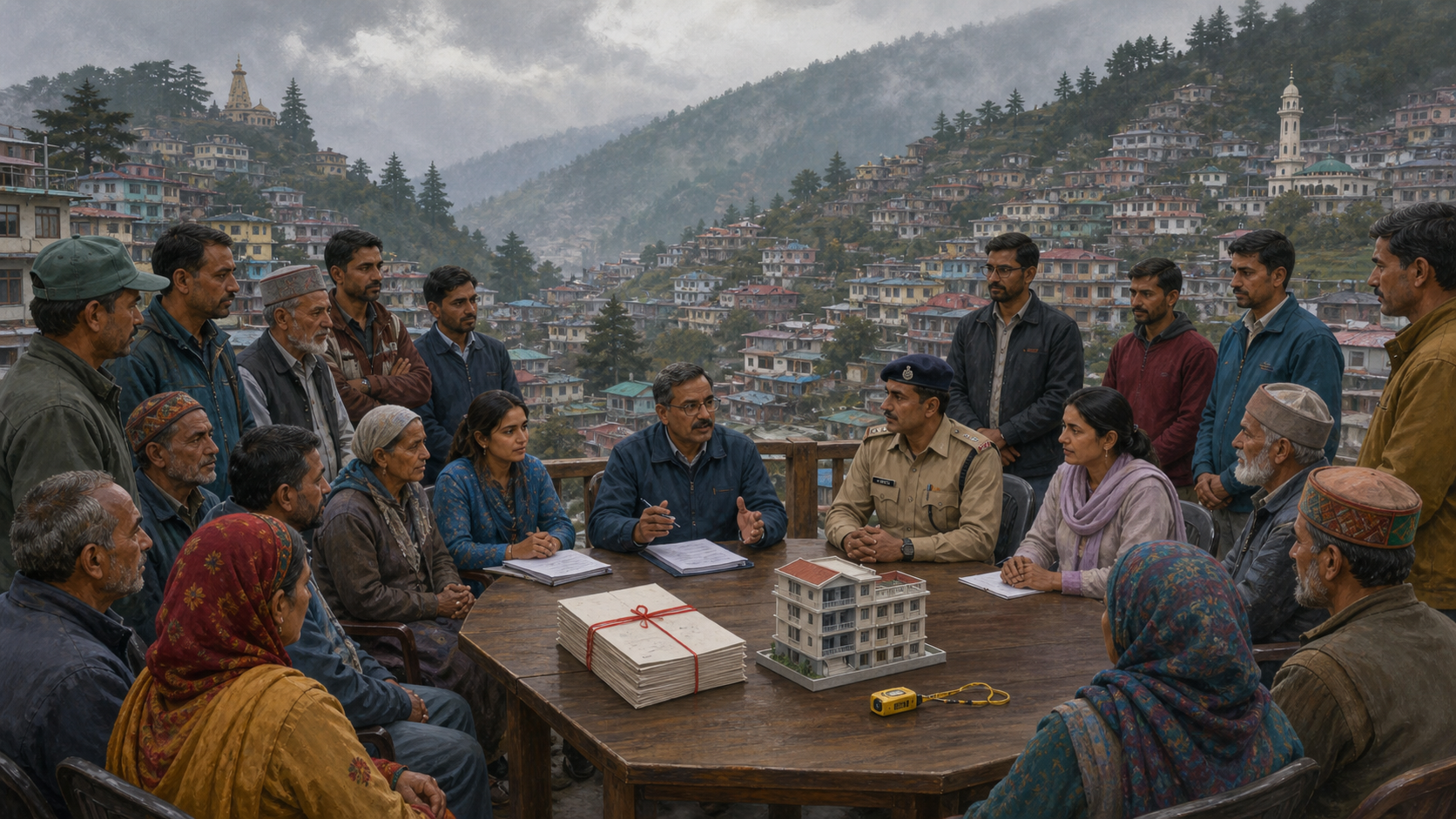
If you support the Sanjauli demolition protest but worry that a legitimate legal demand could be turned into hostility toward Muslims, hold both concerns together. You do not have to choose between enforcement and communal peace.
The responsible position is exacting but clear: the administration should disclose and implement the operative judicial directions; protesters should keep their demands tied to those directions; and every resident should remain protected from intimidation or collective blame. That approach is neither a retreat from Hindu interests nor a concession on the rule of law. It is what gives a lawful demand moral and democratic force.
Separate the legal dispute from communal identity
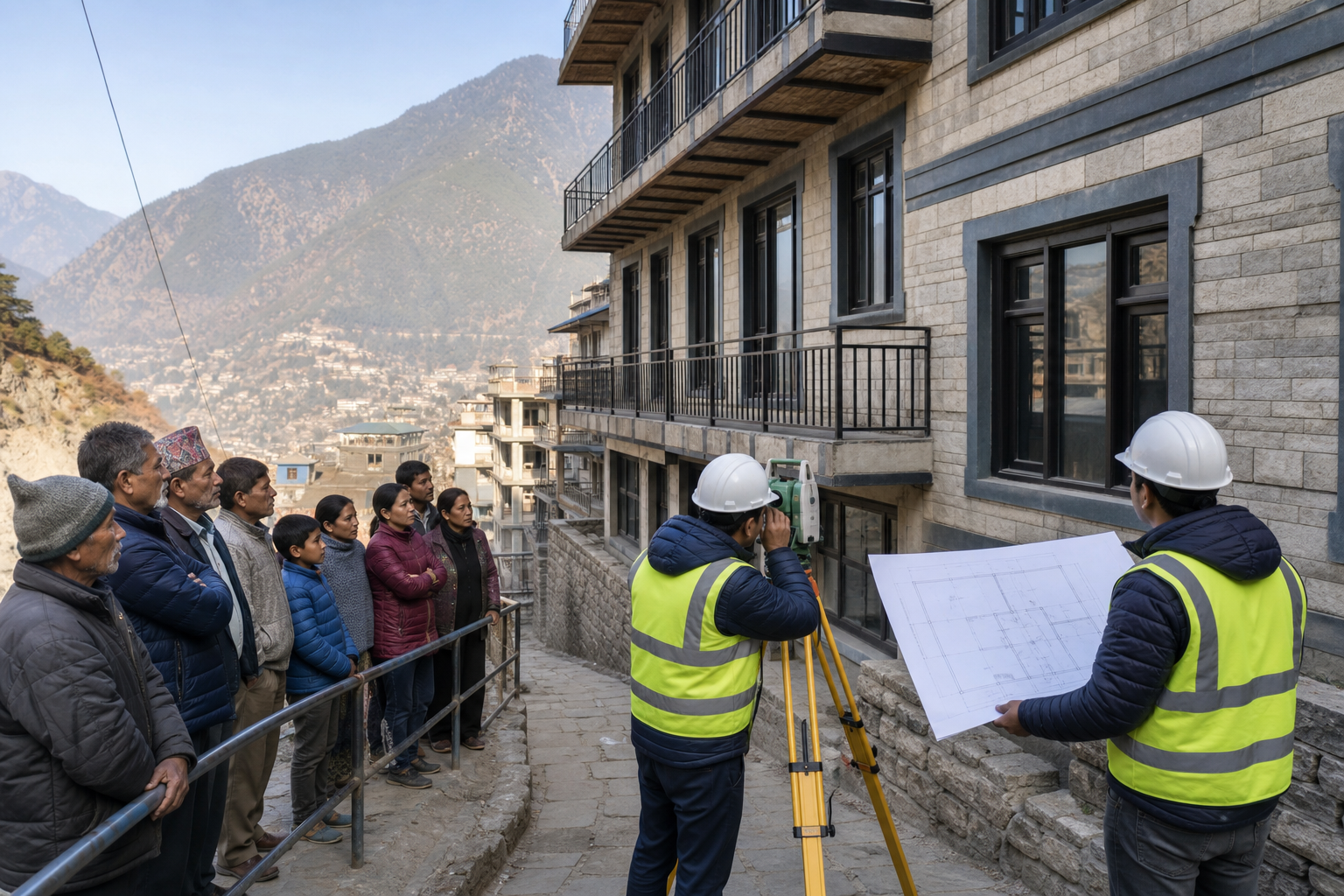
The Devbhoomi Sangharsh Samiti protest was organised around a specific contention: that the administration had failed to implement a court-ordered demolition related to the Sanjauli mosque site. That contention should be examined through the order, the procedural record, and the administration’s response. It should not become a verdict on an entire religious community.
Three questions are often collapsed into one during a charged dispute:
- The legal question: What do the currently operative judicial directions actually require?
- The administrative question: Which directions have been implemented, what remains pending, and what lawful reason explains any delay?
- The communal question: Can enforcement proceed without threatening, humiliating, or collectively blaming people who are not parties to the alleged violation?
Keeping these questions separate prevents a common manipulation. A demand for compliance cannot be dismissed merely because the disputed site is a mosque. At the same time, the identity of the site does not justify accusing all Muslims of responsibility for a structure, an administrative decision, or a court case.
Use a simple test when you hear a speech, read a placard, or prepare your own message: can the demand be stated in terms of the order and the administration’s duty? “Publish the current status of the judicial directions and implement them lawfully” is precise. A slogan attacking a community is not. Precision protects the grievance from being diverted into a dispute about communal intent.
Language matters here. Do not describe every part of the structure as unlawful unless the operative order establishes that fact. Do not claim that a deadline has expired unless you have verified the relevant direction and any subsequent proceeding. The stronger your concern about administrative inaction, the more carefully you should distinguish a documented requirement from an assumption circulating online.
Turn the protest into a verifiable public demand
Anger can bring people to a demonstration, but it cannot tell the public whether the administration has complied. A useful protest converts frustration into questions that can be answered from records.
- Identify the operative direction. Seek the complete, current order or an official account of it. A cropped screenshot, forwarded message, or slogan cannot establish the exact scope of demolition or the present procedural position.
- State the alleged failure narrowly. Specify which required administrative action is said to remain incomplete. Avoid adding claims about motives unless there is evidence for them.
- Ask for a public status statement. It should distinguish work completed, work pending, any legal or practical impediment, the office responsible, and the next procedural action.
- Request independent verification. A credible observer can confirm whether the stated process matches what is occurring on the ground without replacing the court or deciding the merits.
- Define a lawful endpoint. The objective should be compliance with the operative directions and transparent administration, not humiliation of worshippers, retaliation against residents, or punishment beyond what the law requires.
This sequence also helps you decide whether a public claim deserves amplification. If a speaker cannot identify the required action, cannot distinguish fact from allegation, and changes the subject from administrative accountability to religious identity, the message is no longer serving the legal demand.
If you own, occupy, manage, or worship at property directly affected by the proceedings, do not rely on a social-media interpretation of the order. Obtain case-specific legal advice and follow the formal process. Acting on an incomplete account can expose people to injury, contempt allegations, property damage, or other legal consequences.
Protect the demonstration from escalation
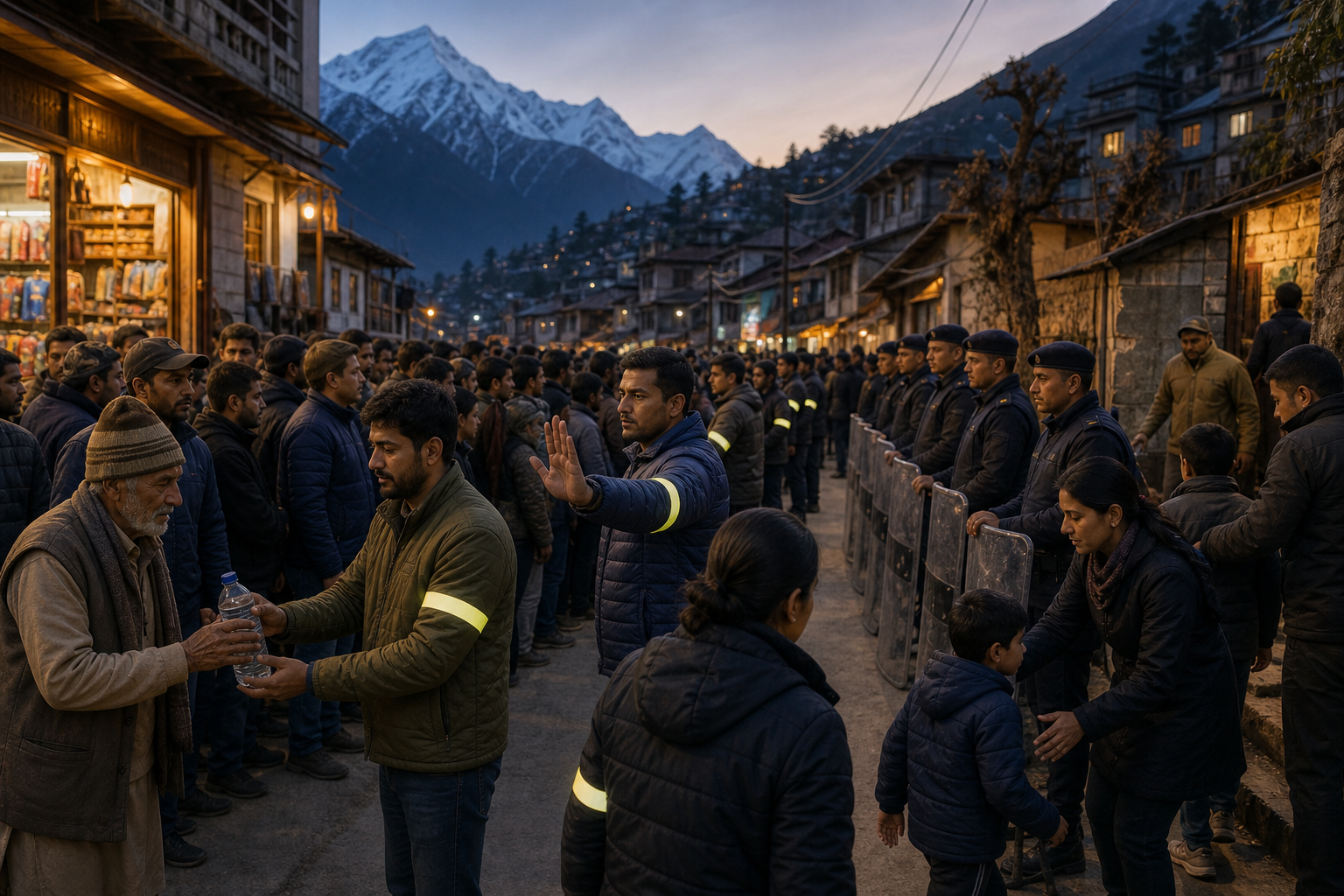
A peaceful protest is not a weak protest. It is a disciplined one. It keeps the administration’s duty at the centre and denies provocateurs the chance to redefine the event through one threatening slogan, confrontation, or act of damage.
If you participate, apply four boundaries:
- Use slogans about the court directions, administrative transparency, equal enforcement, and accountability. Reject chants that threaten a faith or treat local Muslims as a single guilty party.
- Do not circulate claims, edited clips, or images whose date, place, and sequence you cannot verify. If a correction becomes necessary, share it as visibly as the original claim.
- Do not touch the disputed structure, cross security barriers, damage property, or attempt demolition yourself. Physical enforcement belongs to legally authorised institutions.
- If provocation begins, create distance rather than joining the confrontation. Alert an event steward or the authorities, document only when it is safe and lawful, and avoid publishing personal information that could expose residents to targeting.
Organisers carry an additional burden. They should announce a conduct standard before speeches begin, appoint visible stewards, maintain a liaison with the administration, and correct communal language from their own platform. They should also make clear that anyone seeking violence or unauthorised enforcement is acting outside the protest’s purpose.
The authorities have a parallel responsibility. Public safety measures should be communicated clearly and applied impartially. Legitimate assembly should have a workable channel for submitting demands, while threats, vandalism, and attempts at forced entry should be addressed without treating every participant as an offender.
This discipline is strategically important. When conduct remains peaceful and claims remain evidence-based, the administration must answer the question of compliance. When the event turns communal or violent, attention shifts from the delayed action to public disorder, and the original demand becomes easier to evade.
Make administrative accountability visible
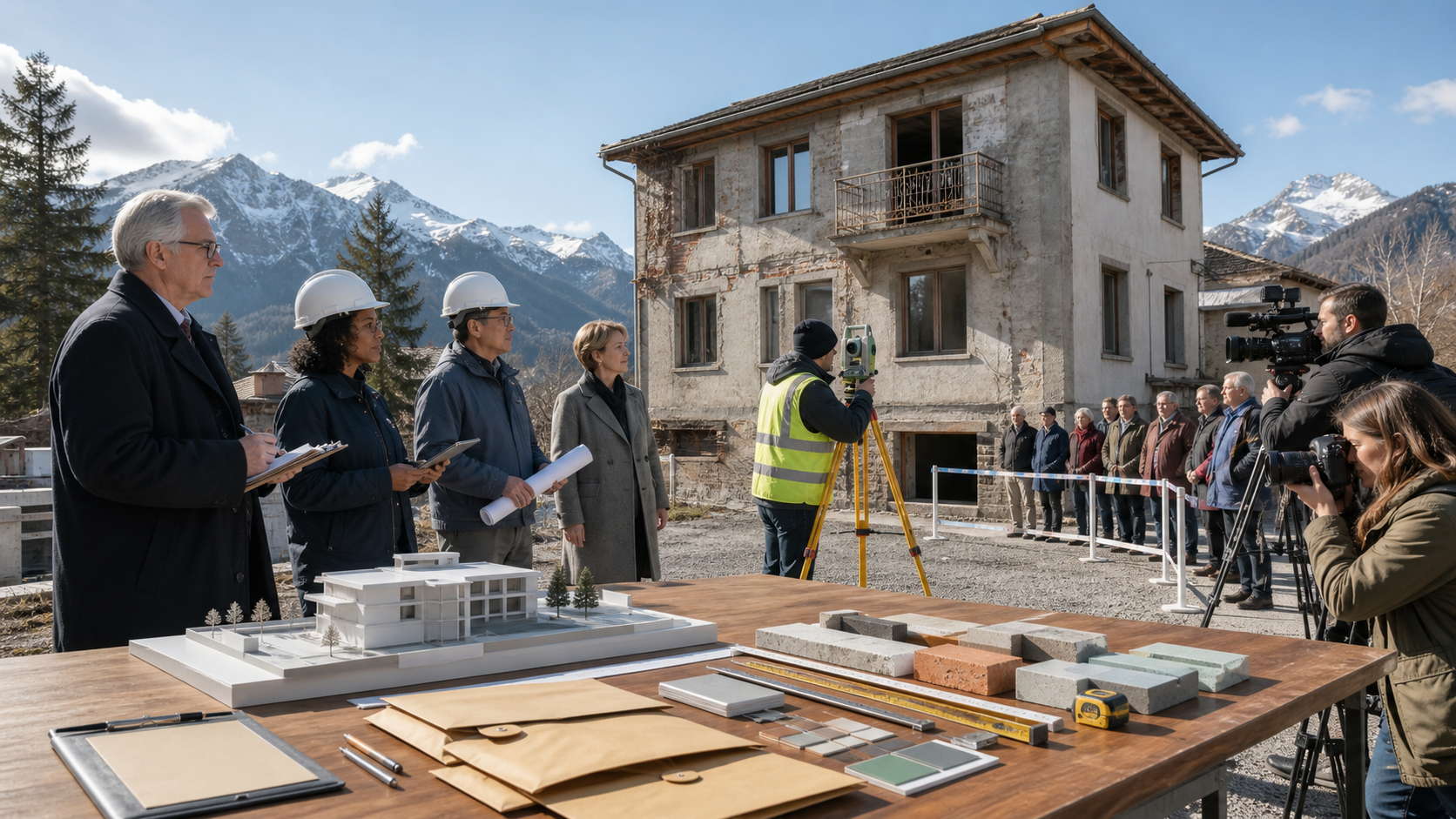
An administration cannot preserve trust by asking citizens to accept silence. Where disclosure is legally permitted, it should issue a plain-language status note with five elements:
- the operative requirement concerning the structure;
- the portion already implemented;
- the portion still pending;
- the lawful basis for any delay or change in sequence; and
- the office responsible for the next action and how completion will be verified.
This does not require officials to prejudge an unresolved issue or disclose protected information. It requires them to distinguish what is decided from what remains contested. Without that distinction, rumours fill the gap and each community is invited to imagine discriminatory intent.
Independent observers can strengthen confidence in implementation, but their role must be defined. They can verify whether notices, access controls, safety procedures, and physical work correspond to the announced process. They cannot rewrite a judicial direction, negotiate away an official obligation, or create a parallel authority.
An interfaith or neighbourhood mediation panel can serve a different purpose. Representatives connected with temples, mosques, gurudwaras, viharas, and local civic groups can relay accurate information, identify risks to residents, discourage inflammatory speech, and help prevent rumours from becoming confrontation. Mediation should support lawful implementation and humane conduct. It must not become a veto over the court or a substitute for administrative responsibility.
Equal treatment is the standard. Hindu, Buddhist, Jain, Sikh, Muslim, and other citizens should be able to expect the same thing from the state: neither selective indulgence nor selective severity, but action grounded in the same legal process. Visible consistency is especially important because an unexplained exception at one sensitive site can damage confidence far beyond that location.
A Dharmic standard of firmness with restraint
A pro-Hindu position does not require silence when authorities appear to disregard a judicial direction. Nor does it require hostility toward Muslim neighbours. The more defensible Dharmic position joins truthfulness about the record, insistence on rightful duty, and restraint in the means used to obtain compliance.
Ahimsa does not mean that public wrongdoing must go unchallenged. In civic life, it disciplines how a challenge is made. It rules out intimidation, collective punishment, and unauthorised physical action while leaving room for resolute protest, legal remedies, scrutiny of officials, and sustained public advocacy.
This balance protects two legitimate interests at once. It protects Hindu citizens from being told that demanding enforcement is inherently communal. It also protects Muslim citizens from being treated as answerable for every disputed act connected with a mosque. A city preserves harmony not by suppressing disagreement, but by giving disagreement a lawful form and enforceable boundaries.
Key takeaways
- Demand the exact implementation required by the operative judicial directions, not a broader punishment created by slogans.
- Ask the administration to publish what is complete, what is pending, why it is delayed, and who is responsible for the next action.
- Keep criticism focused on the structure, the legal process, and official conduct rather than the identity of a religious community.
- Use independent verification for process integrity and interfaith mediation for communication; neither should replace the court or the administration.
- Reject violence and unauthorised demolition because they endanger people, create legal exposure, and weaken the case for institutional accountability.
Before you join a demonstration, forward a claim, or discuss Sanjauli in your community, write your demand in one sentence. If it asks for transparent, equal, and lawful implementation without assigning collective guilt, keep it. If it cannot do that, revise it before giving it your voice. That is how Sanjauli can become a test of accountable government rather than a pretext for communal division.
References
