
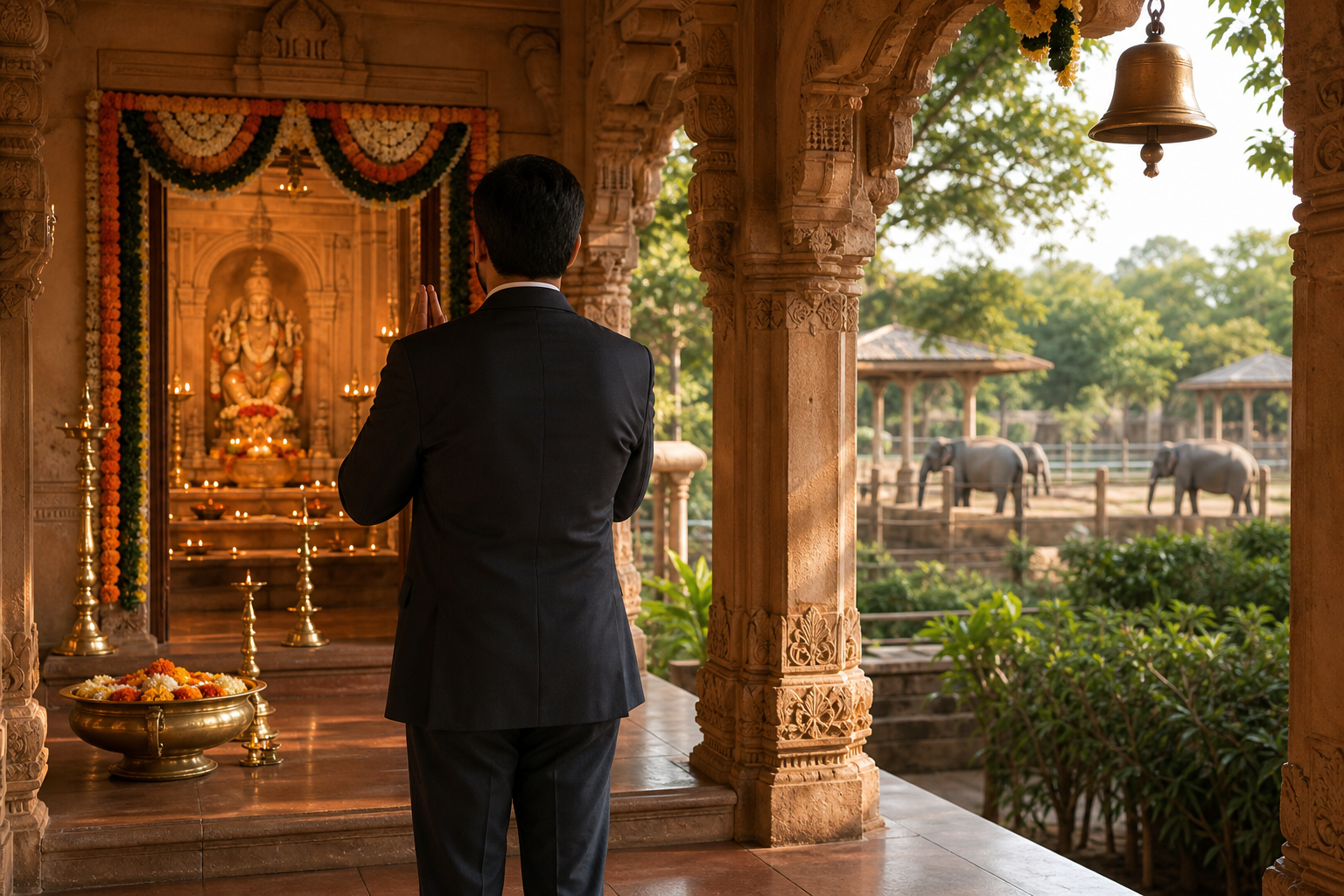
If you saw Donald Trump Jr. praying at Vantara and wondered what the moment actually signifies, the honest answer is more precise than either a partisan celebration or a cynical dismissal. It was a public act of respect inside a Hindu sacred space, set within a wider encounter involving animal care and Gujarati culture.
You can reasonably recognize cultural openness in that act. You cannot use it to prove a private religious conversion, a political commitment, or an endorsement of everything associated with the visit. Keeping those boundaries clear does not diminish the moment. It helps you appreciate what genuinely happened.
What happened at Vantara in Jamnagar
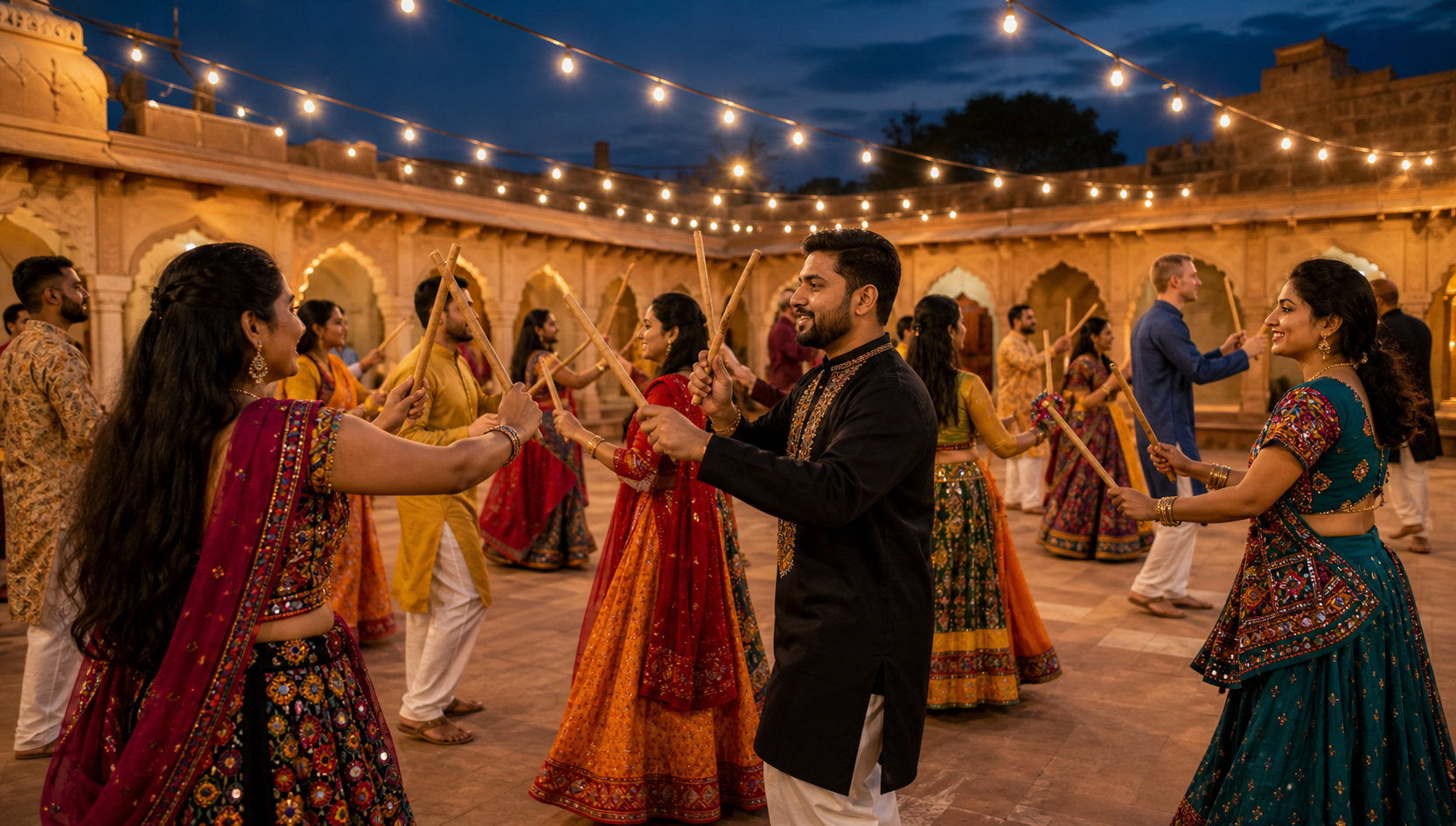
At the Vantara wildlife rescue and rehabilitation centre in Jamnagar, Donald Trump Jr., accompanied by Bettina Anderson, joined Anant Ambani at the Ganpati Temple and offered prayers within the temple. Later, Anant and Radhika Ambani introduced Trump Jr. and his friends to dandiya, the Gujarati folk dance. The scenes circulated widely online and received largely warm reactions.
The visit brought three different forms of encounter into one setting: prayer, care for animals, and participation in a regional tradition. That combination matters more than the celebrity element. It shows Bharat through practices that people can enter respectfully, even when they come from a different religious or cultural background.
Before drawing a conclusion from a viral clip, separate its three layers:
- Observed conduct: Trump Jr. offered prayers at the Ganpati Temple, visited Vantara and joined a dandiya exchange.
- Expressed reaction: he praised the standard of animal care and described the centre in unusually enthusiastic terms.
- Public interpretation: viewers may see cultural respect, hospitality or India’s civilizational influence in the encounter. Those are interpretations of the conduct, not evidence of a new political or religious allegiance.
Why the Ganpati Temple is not incidental
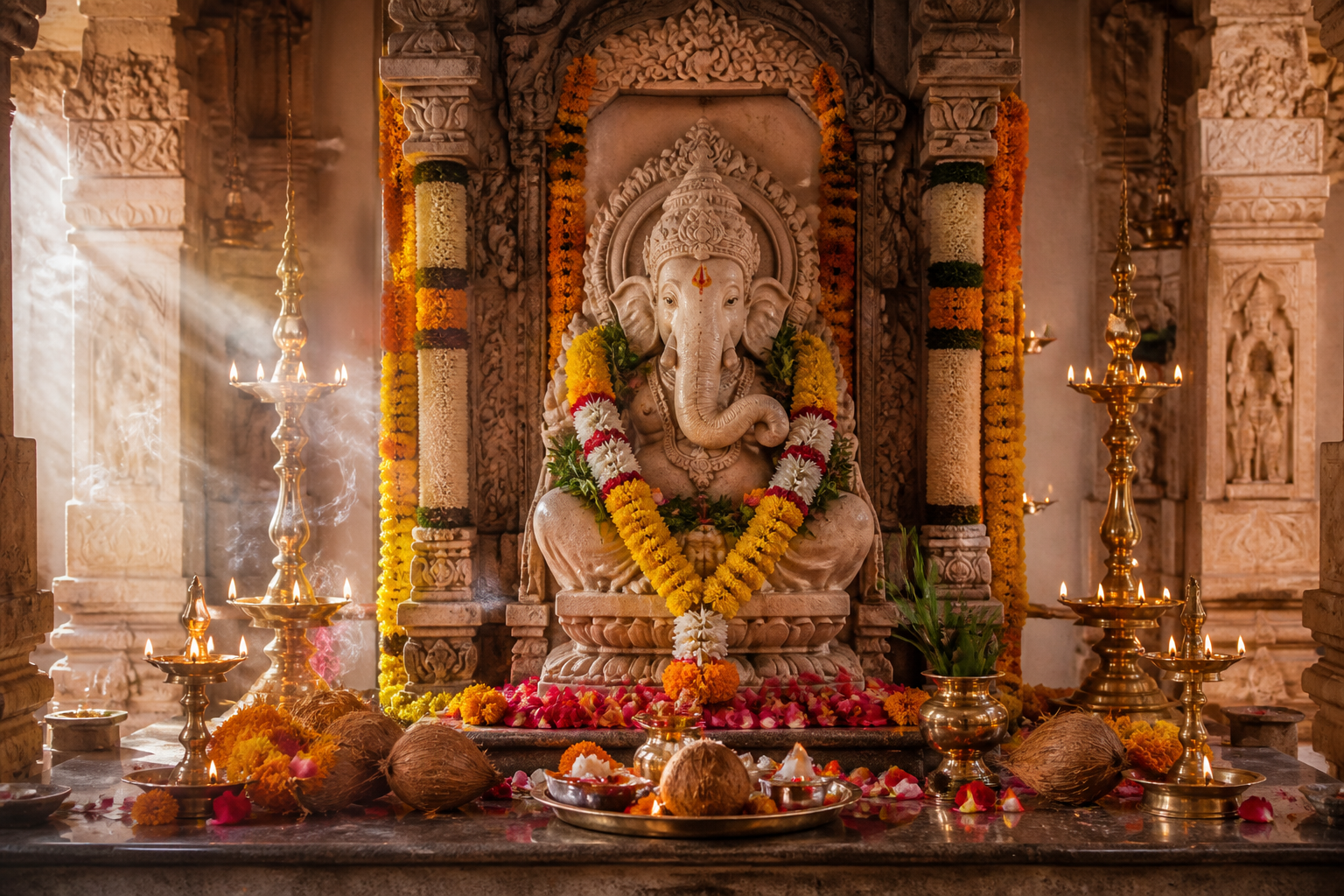
Ganapati is associated with auspicious beginnings, intellect and the removal of obstacles. A prayer before Ganapati therefore carries a recognizable cultural grammar: an encounter begins under the sign of humility, discernment and the hope that obstacles will be cleared.
That does not mean every visitor understands the full theology or ritual world surrounding Ganapati. It means the visitor has accepted the sacred character of the place and participated through the form of reverence offered by the hosts. You do not have to manufacture a larger claim to recognize the value of that choice.
A temple visit is also different from admiring Indian architecture from a distance. A monument can be treated as an object from the past. A functioning temple asks a guest to encounter a living tradition whose devotees still pray, offer gratitude and order their lives around sacred meanings. When a prominent foreign visitor enters that space respectfully, Hindu practice becomes visible as a present reality rather than a decorative remnant of history.
The sound response is therefore neither suspicion nor overclaiming. Receive the courtesy for what it is. Explain why Ganapati matters. Then allow the act of prayer to stand without forcing it into a partisan script.
Vantara connects reverence with responsibility toward life
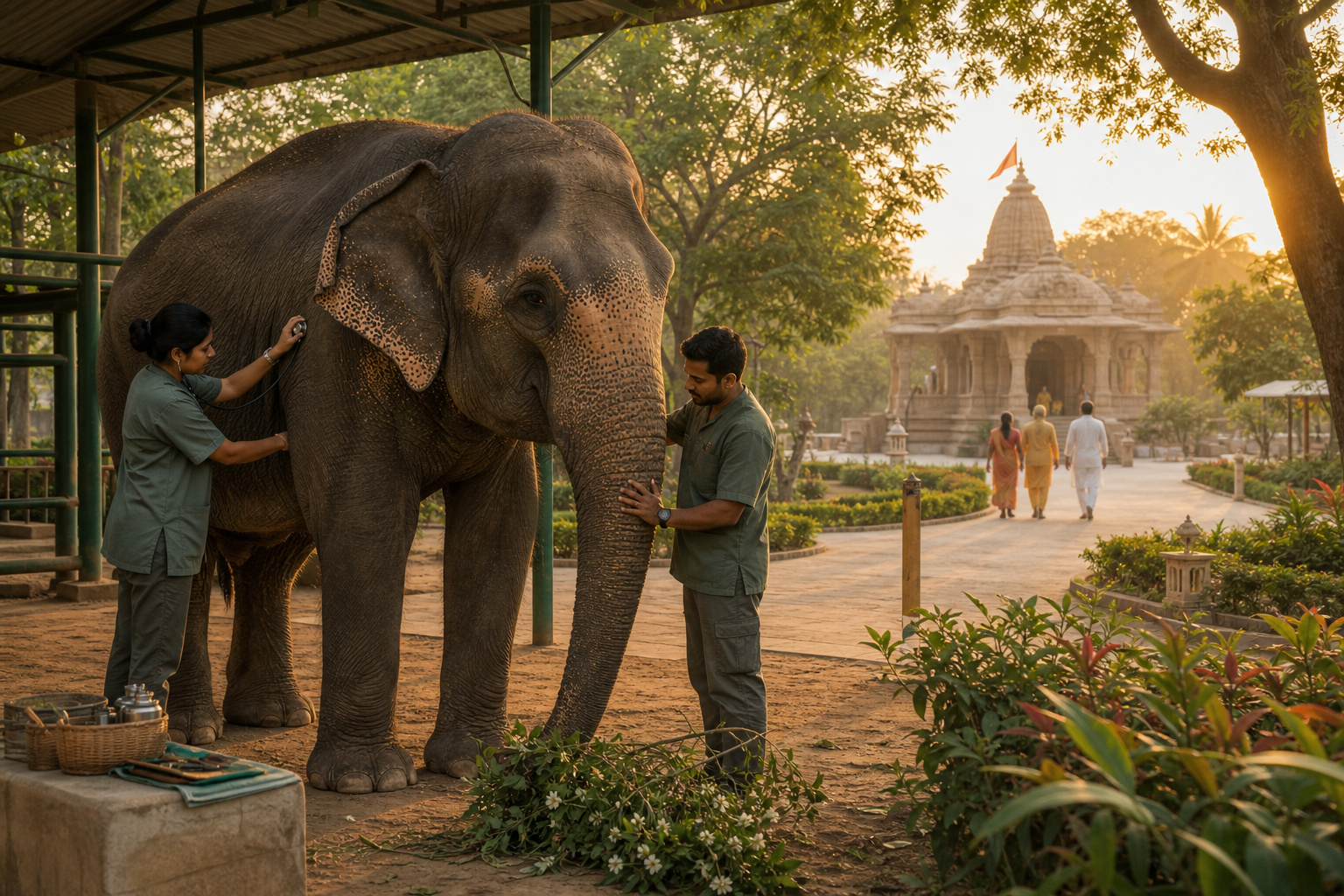
The Vantara setting gives the temple visit another dimension. A Ganpati Temple located within a wildlife rescue and rehabilitation campus places sacred reverence beside organized care for living beings. The relationship is not that a temple automatically validates every activity around it. Rather, the setting invites you to ask whether spiritual values become visible in the treatment of vulnerable life.
Ahimsa is often translated as non-violence, but its practical force is easier to recognize when suffering is actively reduced. Seva turns concern into service. Stewardship asks those with resources and power to use them responsibly. These ideas are expressed differently across Hindu, Buddhist, Jain and Sikh traditions, which should never be collapsed into one undifferentiated religion. Yet care, restraint and responsibility toward life provide a moral vocabulary that people across the dharmic family can understand.
Trump Jr.’s reaction was striking: “These animals live better than I live,” he remarked, while also calling Vantara a “Wonder Of The World.” Read those words as a guest’s expression of astonishment, not as an independent assessment of every aspect of the institution. Celebrity praise can attract attention to animal welfare, but it is not a substitute for careful evaluation.
The more durable point is that dharma becomes persuasive when a value can be seen in practice. If ahimsa remains only a slogan, it is easy to admire and forget. When it is connected to feeding, sheltering, treating and rehabilitating animals, a visitor can see what responsibility toward other beings demands.
How to discuss the visit without turning it into propaganda
Most distortions enter a cultural story one adjective at a time. Calling the visit respectful is supported by the act of offering prayers. Calling it a conversion, a diplomatic breakthrough or a declaration of political alignment goes beyond the available facts. If you share the video or discuss it with someone who knows little about Hindu traditions, use this sequence:
- Name the action exactly. Donald Trump Jr. offered prayers at the Ganpati Temple within Vantara in Jamnagar.
- Supply the cultural key. Explain that Ganapati represents auspicious beginnings, intellect and the removal of obstacles.
- Keep the wider setting visible. The visit also involved a wildlife rescue and rehabilitation centre and participation in Gujarati dandiya.
- Mark the boundary of the evidence. The conduct shows willingness to participate respectfully; it does not disclose the visitor’s private beliefs or establish a policy position.
- Focus on what can travel across cultures. Humility in a sacred place, hospitality toward a guest, care for living beings and shared joy through dance do not require people to erase their differences.
This approach serves Hindu representation better than exaggerated captions do. Overclaiming makes a genuine gesture easy to dismiss once readers notice that the evidence cannot carry the added political weight. Precision allows the cultural meaning to remain credible.
The dandiya exchange is especially useful here. Prayer requires reverence, while folk dance invites participation through rhythm and movement. Together, they show two complementary faces of cultural hospitality: the guest is asked to respect what is sacred and is also welcomed into what is joyful. Neither participation requires the guest to pretend that cultural or religious differences have disappeared.
Key takeaways
- The clearest meaning of the visit is cultural respect expressed through prayer in a living Hindu temple.
- The Ganapati setting is essential because it frames the encounter through auspicious beginnings, intellect and the removal of obstacles.
- Vantara places the discussion of dharma beside practical questions of ahimsa, seva and responsibility toward animals.
- Trump Jr.’s enthusiastic comments communicate personal amazement; they should not be treated as an independent institutional audit.
- A responsible interpretation separates observed conduct, dharmic meaning and political inference.
The next time a public figure enters a dharmic space, ask three questions before sharing the clip: What did the person actually do? What does the setting mean within the tradition? What claim am I adding? If your third answer outruns the first two, trim the caption. That small discipline protects both truth and the dignity of the tradition you want others to understand.
References
