-
Kumbhakarna’s Vision of Oneness: Ramayana’s Battlefield as a Revelation of Non-Dual Truth

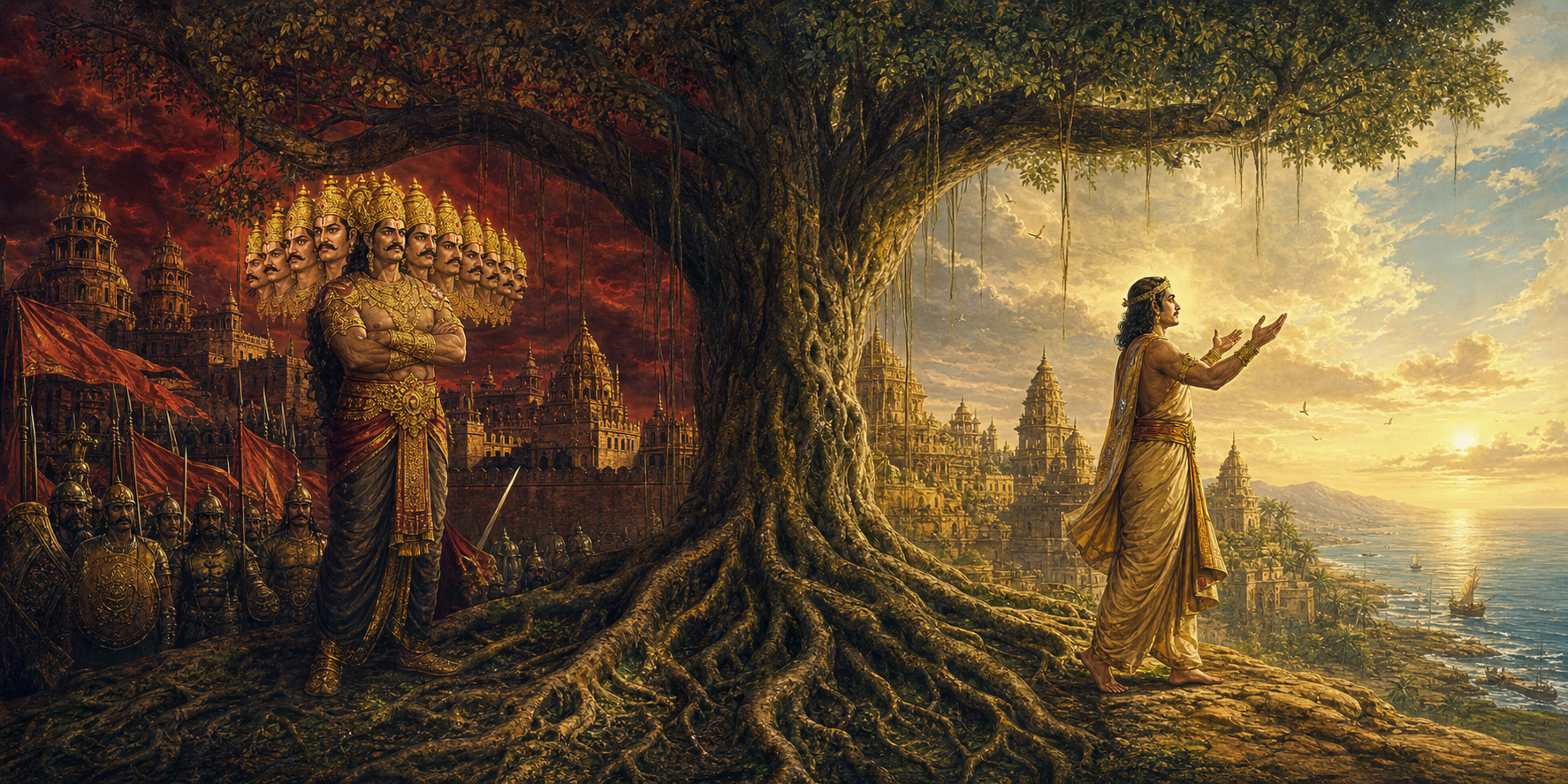
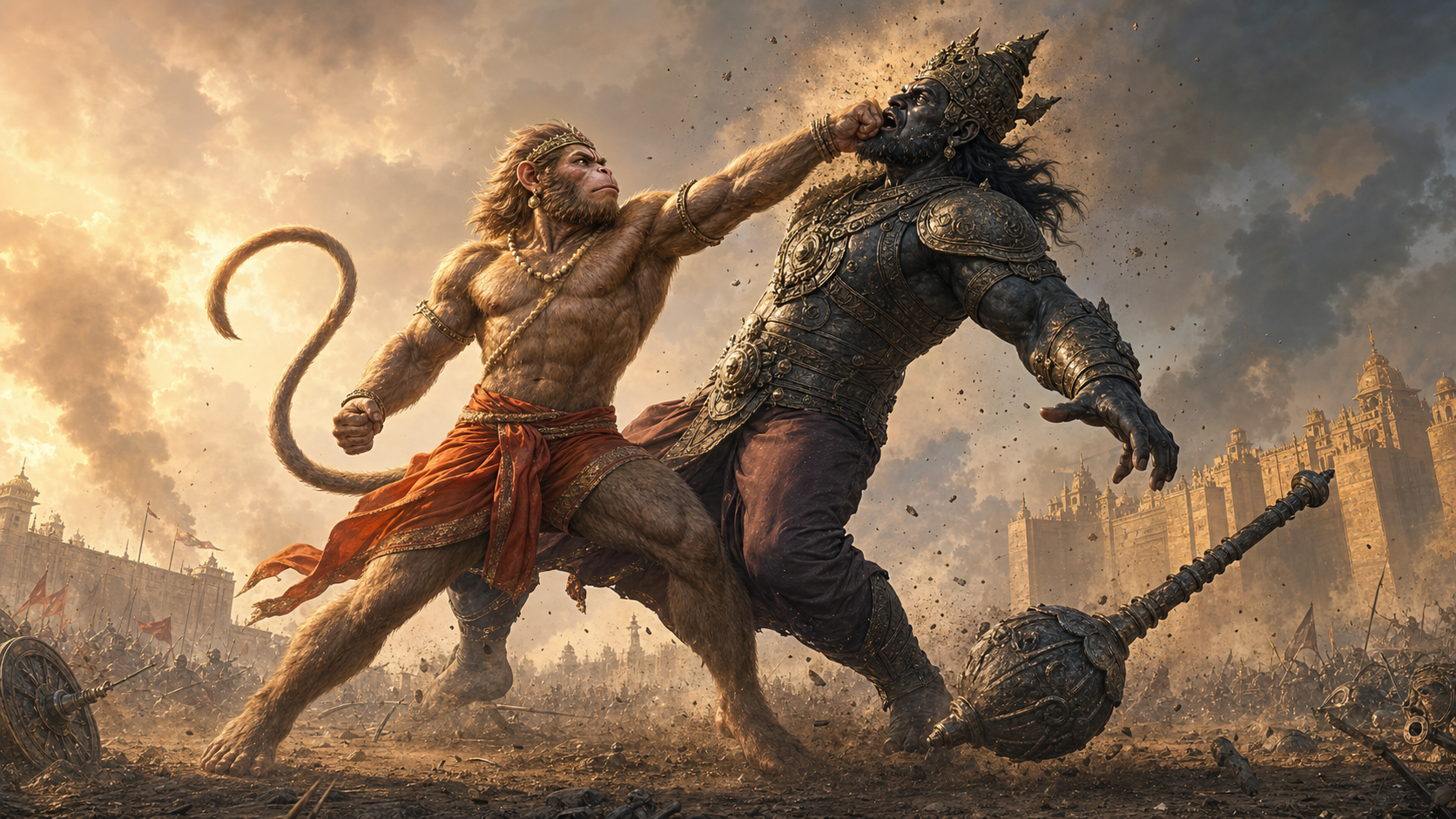
Kumbhakarna’s encounter with Rama in the Ramayana is more than a dramatic duel; it is a philosophical disclosure that reframes war as a revelation of oneness. Grounded in Yuddha Kanda and illuminated by Vaishnava doctrine on Jaya–Vijaya, the episode supports a Vedantic reading in which multiplicity is undergirded by a single reality. Advaita, Vishishtadvaita, and…
-
Many Paths, One Dharma: How the Ramayana Maps Righteous Action Across Conflicting Duties

This long-form, scholarly exploration reads the Ramayana as a rigorous map of dharma where competing duties are weighed rather than simplified. It clarifies crucial categories—sādhāraṇa-dharma, svadharma, āpad-dharma, maryādā, and rājadharma—and shows how they animate choices made by Rāma, Sītā, Bharata, Lakṣmaṇa, Hanumān, Vibhīṣaṇa, and others. Multiple retellings (Valmiki, Kamban, Tulsidas, Adhyatma Ramayana, Jain Paumachariya) are…
-
Kumbhakarna vs Karna: Loyalty’s Tragic Valor and Vibhishana’s Dharma in the Ramayana

The crisis in Lanka dramatizes a timeless ethical conflict: should loyalty to kin outrank allegiance to universal righteousness? Through Vibhishana’s principled dissent and Kumbhakarna’s tragic loyalty, the Ramayana clarifies how Dharma-Yuddha prioritizes justice over faction. A comparative glance at the Mahabharata’s Karna sharpens this lesson, showing that valor cannot redeem complicity in adharma. Read alongside…
-
From Valmiki to Tulsidas: Rama’s Journey from Human Ideal to Supreme Divine—Explained

This scholarly comparison explains how Valmiki’s Sanskrit Ramayana and Tulsidas’ Awadhi Ramcharitmanas offer complementary visions of Rama—one as Maryada Purushottama, the ethical human exemplar, and the other as the Supreme Divine of the Bhakti Tradition. It situates both texts in their historical and linguistic contexts, clarifying why Sanskrit itihasa and vernacular kirtan-poetics produce different emphases.…
-
Earth-born Sita Devi: A Scholarly, Soul-Stirring Portrait of Dharma in the Valmiki Ramayana

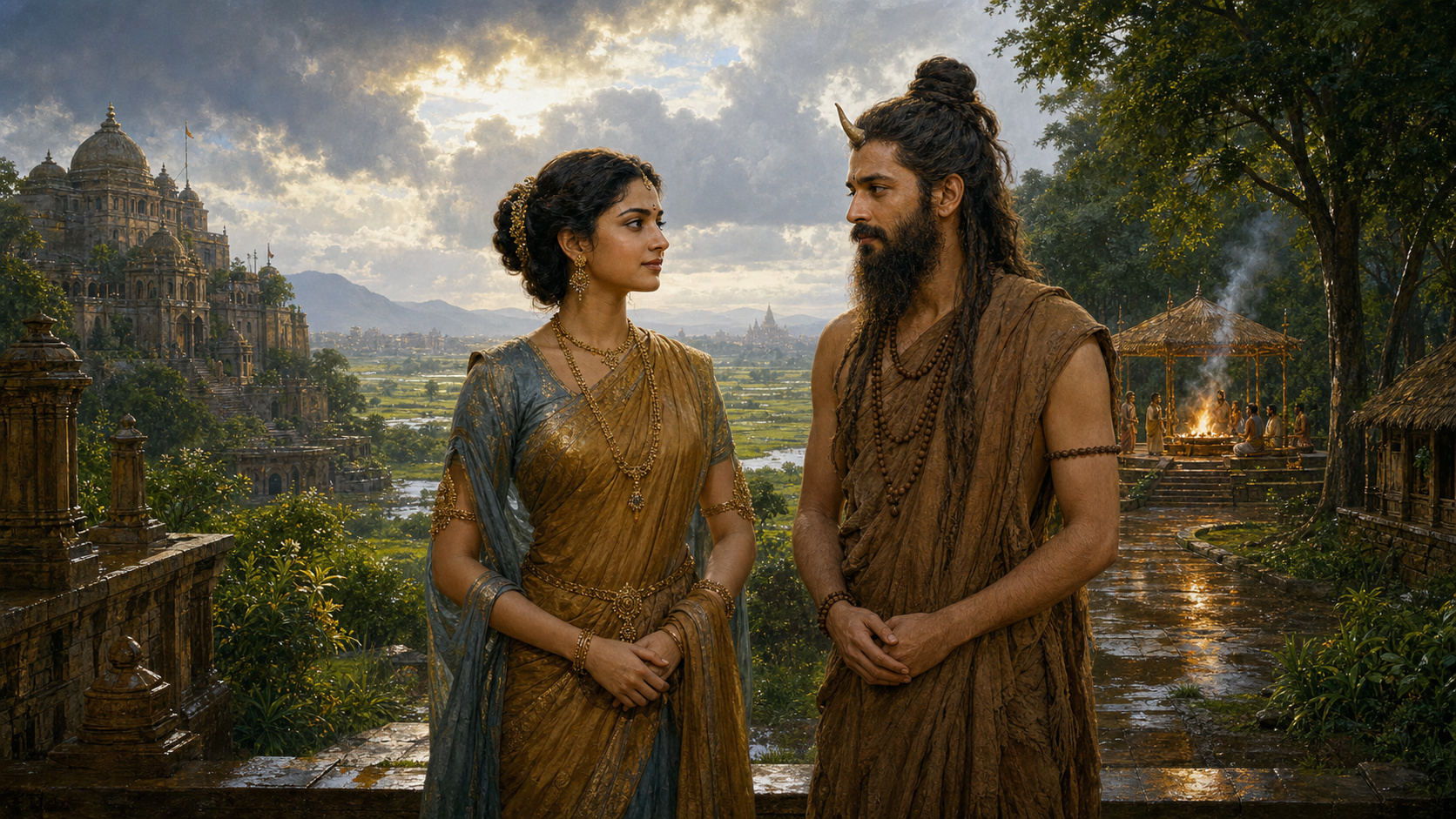
Sita Devi’s Earth-born manifestation, celebrated in Valmiki’s “Sita-ayah Charitam Mahat,” anchors the Ramayana’s ethical vision around truth, compassion, and the Sacred Feminine. Drawing on King Janaka’s testimony, the narrative affirms Sita as āyonijā—discovered in a furrow while preparing a yajna—thereby linking her to Bhumi Devi and an ecological ethic of reverence for the Earth. Her…
-
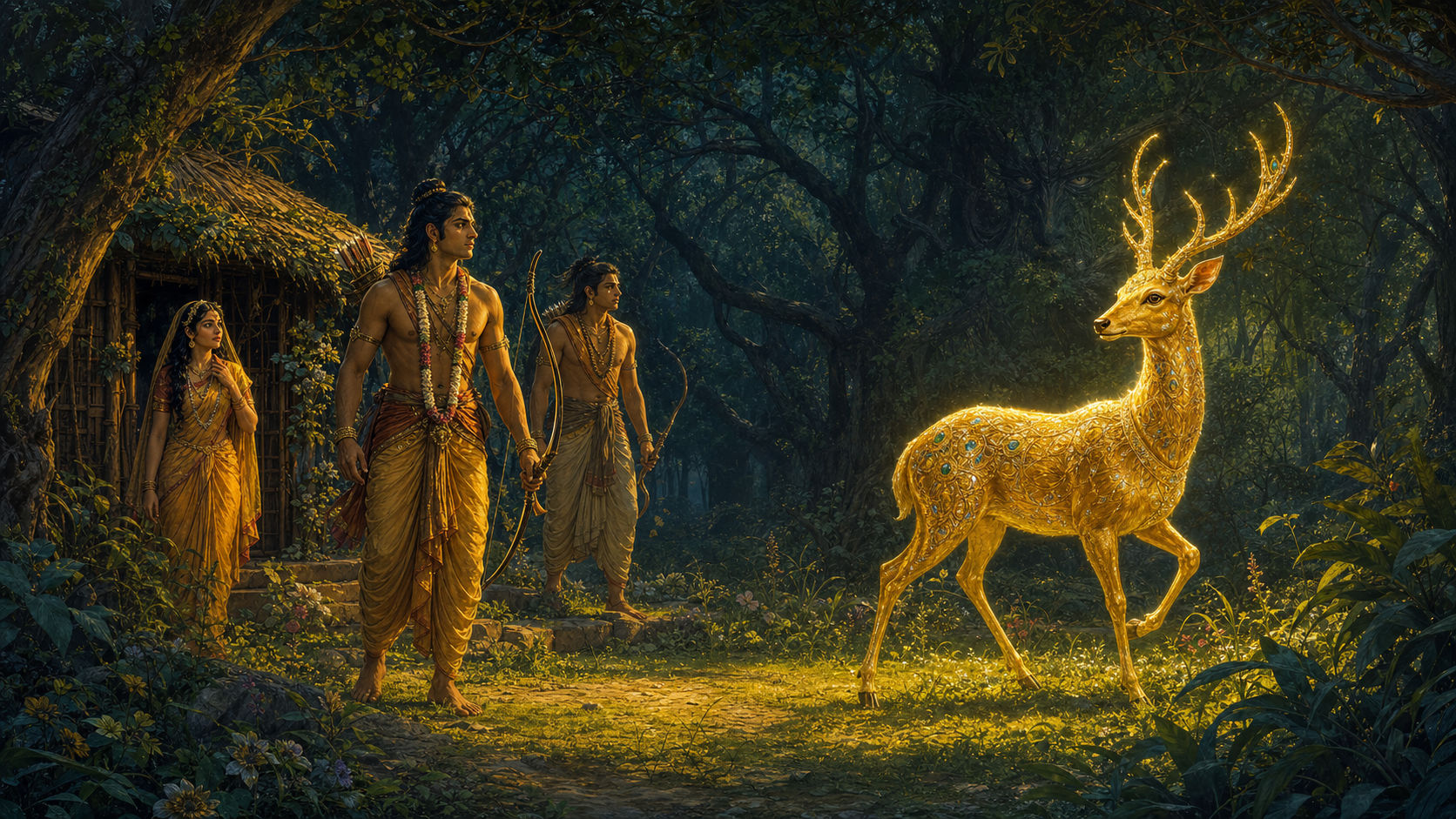
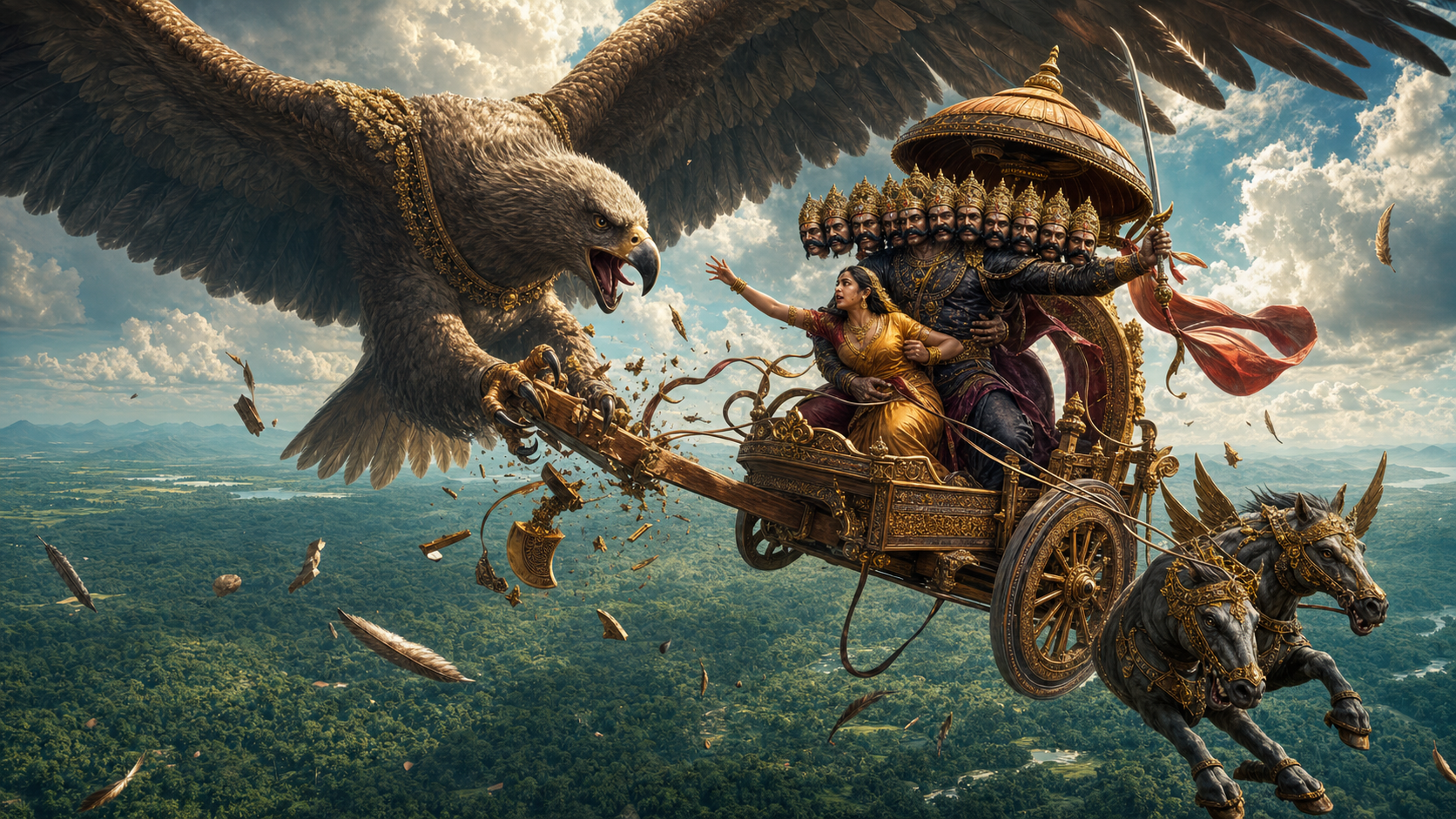
When Demons Wore Divine Faces: Ravana–Maricha as Rama–Lakshmana in Regional Ramayanas

Several regional Ramayana traditions dramatize deception by allowing Ravana and Maricha to mimic or even appear as Rama and Lakshmana, sharpening the ethical and emotional stakes of Sita’s abduction. While Valmiki anchors the episode in voice-impersonation and the mendicant disguise, later vernaculars and performances escalate to phantoms and lookalikes. Bengali, Odia, Tamil, and North Indian…
-
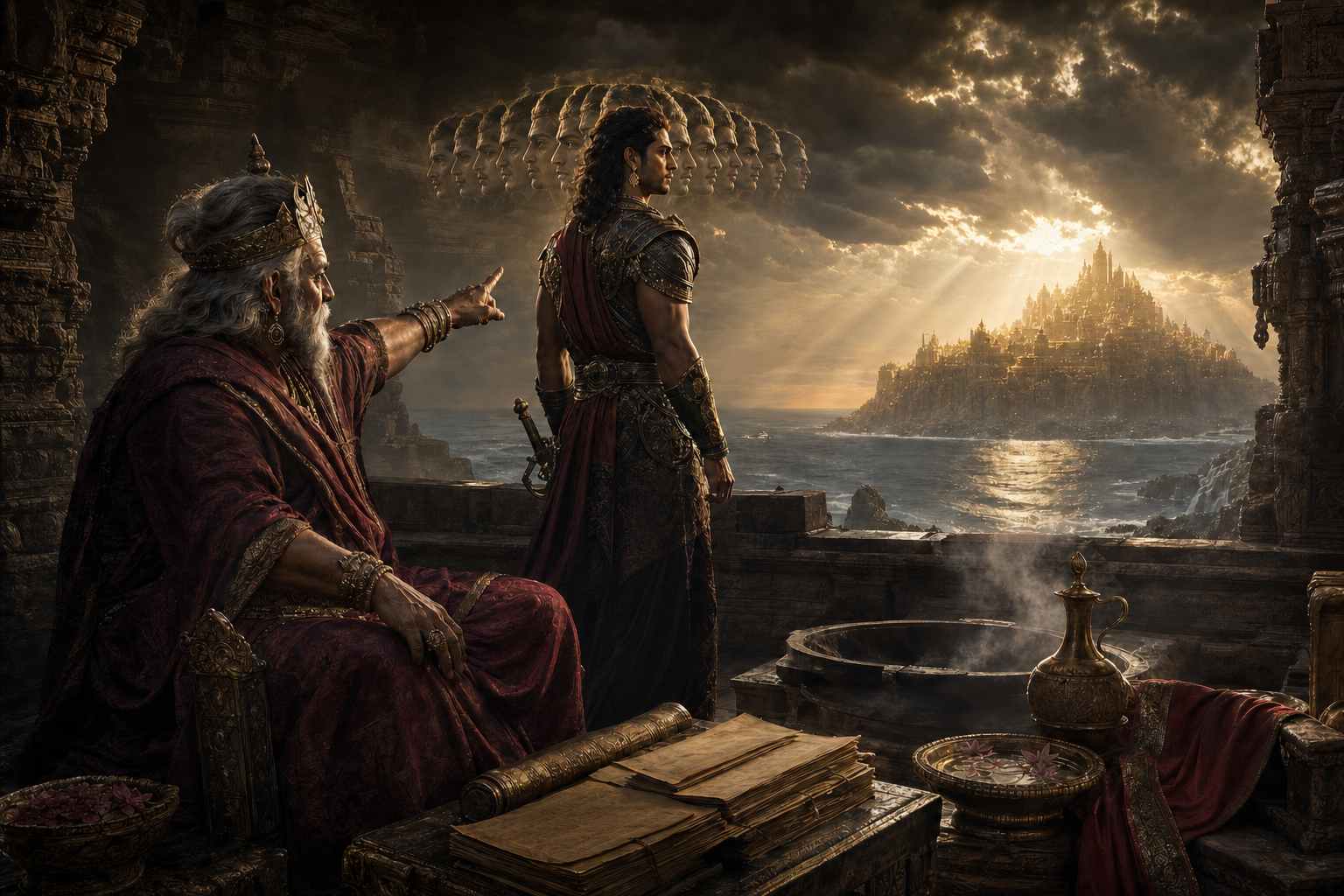
Kumbhakarna’s Counsel to Ravana: Timeless Dharma, Restraint, and Leadership Beyond Passion

Kumbhakarna’s counsel to Ravana in the Ramayana distills a core dharmic principle: restraint must govern power. The episode situates kāma (unchecked passion) as the chief contaminant of judgment and urges restitution—returning Sita—as both moral necessity and strategic prudence. Read through niti and rajadharma, the advice anticipates classical statecraft: choose conciliation before force and align policy…
-
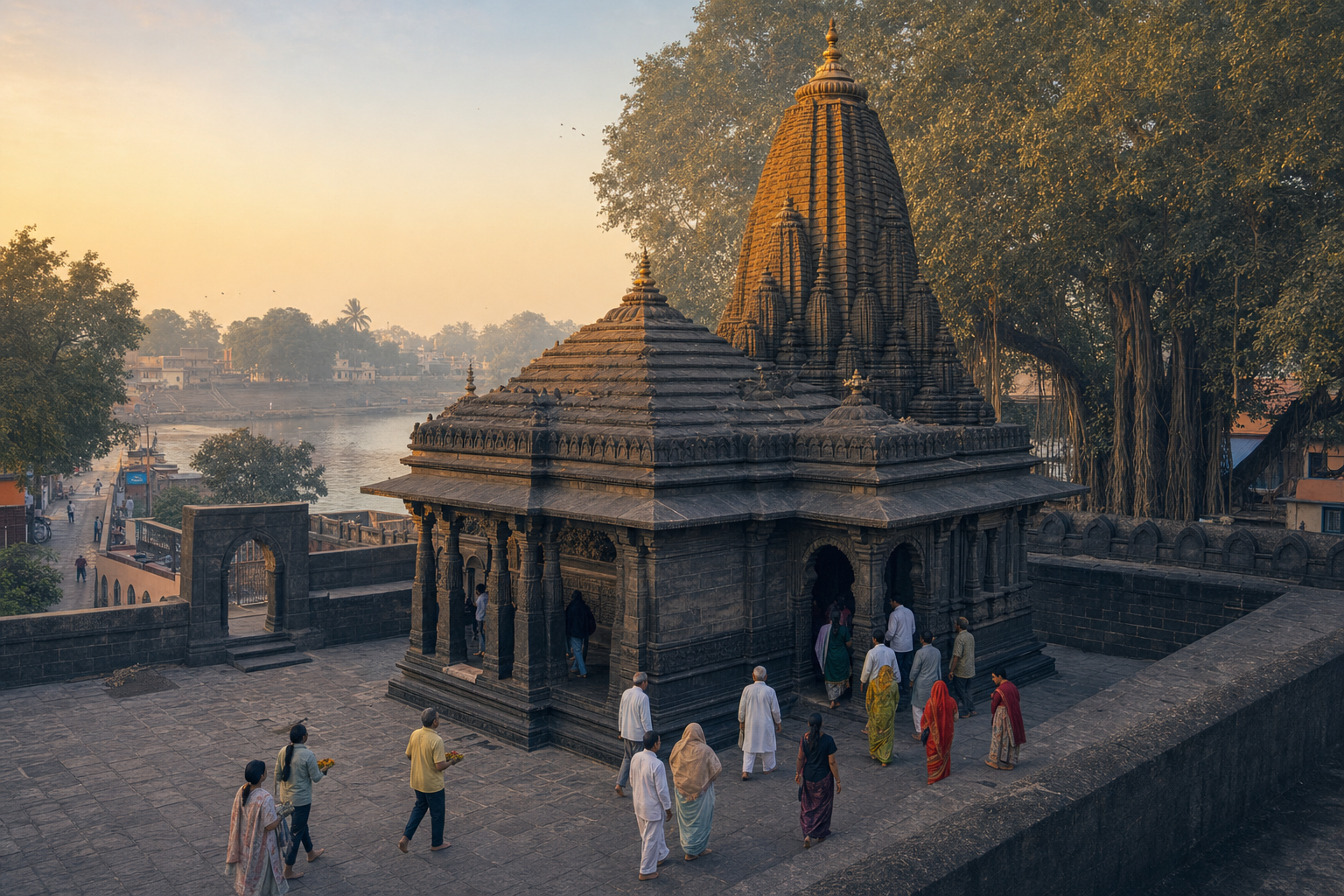
Timeless Gautama Maharshi: Rig Veda Seer, Dharmasutra Sage, and a Unifying Dharmic Beacon

Gautama Maharshi emerges as a multidimensional sage whose legacy spans the Rig Veda, the early Dharmasutra tradition, classical Indian logic, and the living sacred geography of the Godavari. This article clarifies how the shared name “Gautama” applies to multiple luminaries—Vedic seers, the Dharmasutra authority, Akṣapāda Gautama of the Nyāya-sūtra, and revered figures in Jain and…
-
Divine Timing vs Desperation: Kumbhakarna’s Forced Awakening and Ravana’s Catastrophic Folly

This essay examines Kumbhakarna’s forced awakening in the Ramayana as a study in divine timing and human impatience. It clarifies the nature of his cyclical sleep, traces textual variants, and situates Ravana’s choice within decision theory and dharma-yuddha ethics. The battlefield narrative is read alongside modern sleep science to show how premature activation degrades performance…
-
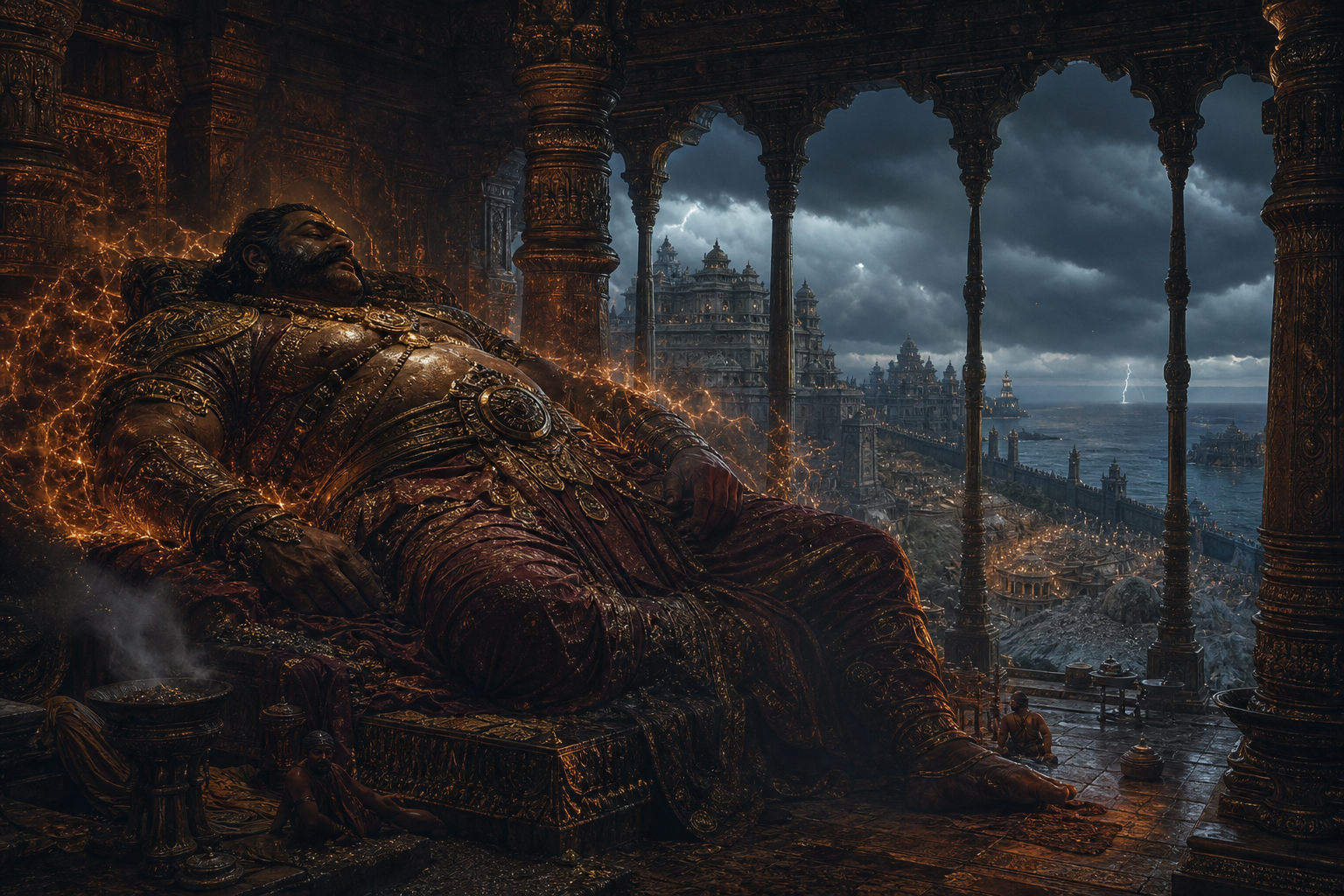
Kumbhakarna’s Six-Month Slumber: A Tragic Shield, Strategic Weakness, and Dharma in the Ramayana

Kumbhakarna’s six-month sleep in the Ramayana is both armor and Achilles’ heel, a boon that restrains destructive potential while creating a fatal strategic gap when broken. Drawing on Valmiki’s account and later retellings, this analysis clarifies how a slight, divinely guided shift from indrāsana to nidrāsana reconfigures cosmic balance. It explores the symbolism of nidra…
-
Sita’s Return to the Earth: An Evidence-Based Reading of Ramayana Symbolism, Not Suicide

The question of whether Sita’s return to the Earth in the Valmiki Ramayana constitutes suicide dissolves under a careful textual and cultural reading. Composed as epic poetry, the Ramayana deploys layered symbolism: Sita, born of a furrow, returns to Bhoomi Devi in a divinely sanctioned homecoming rather than an act of self-harm. Dharmaśāstra condemns ātma-hatyā,…
-
Unraveling Prahasta: Lanka’s Grand Strategist and Dharma-Yuddha in Ramayana & Ramcharitmanas

Prahasta—Lanka’s commander-in-chief in the Ramayana and acknowledged in the Ramcharitmanas—embodies the intersection of high strategy and Dharma-Yuddha. Valmiki’s narrative details his role in intelligence, deployment, and direct command, culminating in his fall to the Vanara general Nila, a turning point in the war. Ramcharitmanas compresses battlefield specifics but preserves his stature as a formidable rākṣasa…
-
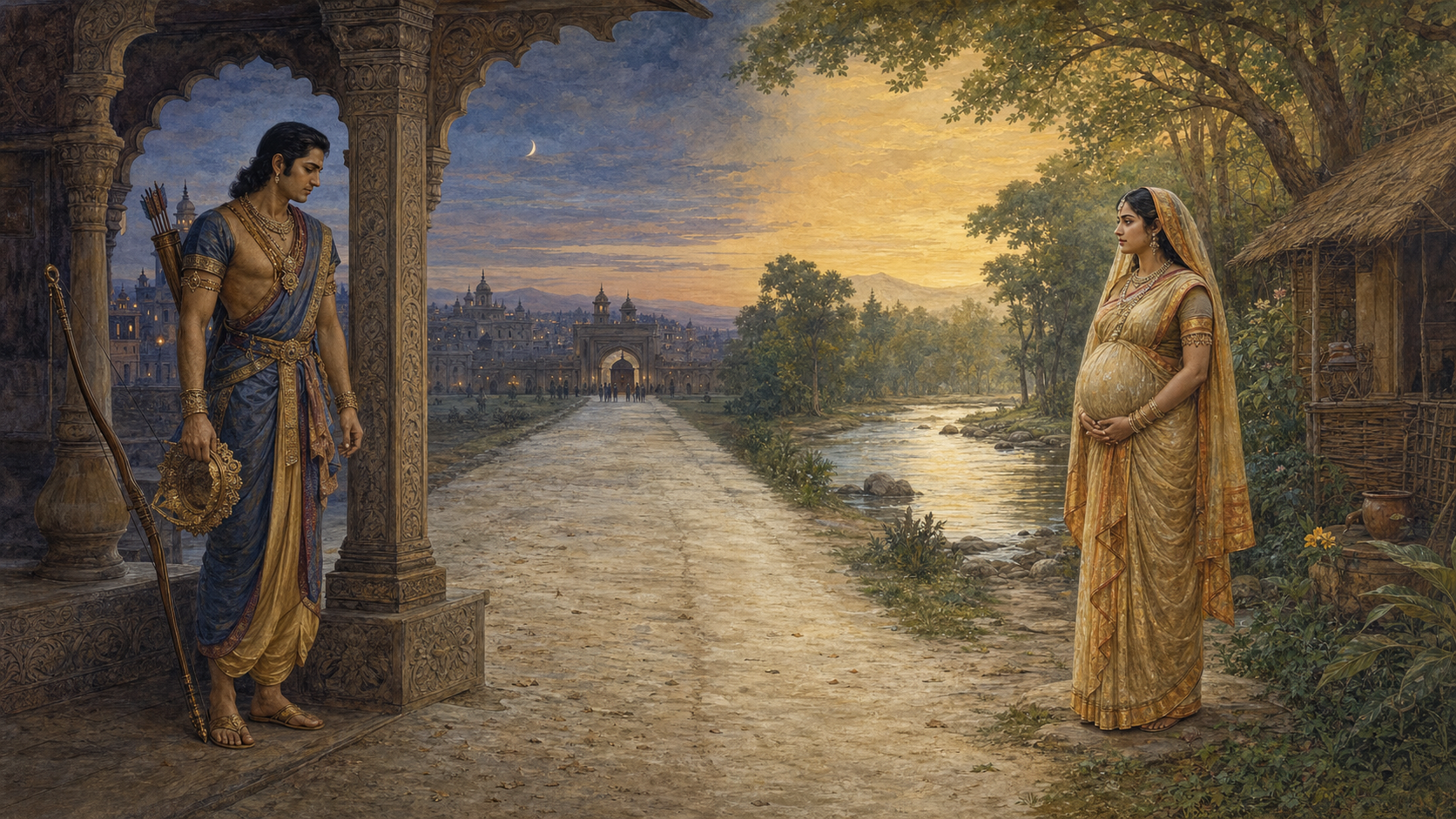
Sita’s Agni Pravesha and Exile: Understanding Sri Rama’s Dharma, Duty, and Moral Dilemma

This in-depth analysis clarifies why Sri Rama sent Devi Sita to exile despite knowing her purity by separating two often-confused episodes: Sita’s Agni Pravesha in the Yuddha Kanda and her later exile in the Uttara Kanda. It explains Agni Pravesha as a theological attestation within Vedic ritual logic and highlights puranic teachings (such as the…
-
Rama vs Ravana: A Dharma-first resolution to the Ramayana’s toughest moral dilemmas

This essay answers the enduring question of why Rama is revered as righteous while Ravana is condemned, even though Ravana was a learned Brahman and Rama faced morally hard choices. It uses a dharma-first framework grounded in the Ramayana to evaluate intention, lawful means, and just ends across contested episodes such as the exile, the…
-
Indratva vs Nidratva: Kumbhakarna’s Boon, Ambition, and the Lost Science of Balance

Kumbhakarna’s story in the Ramayana, often reduced to a trope of excess, encodes a precise philosophy of balance through the dialectic of Indratva (unbounded agency) and Nidratva (overpowering inertia). Read across Valmiki and later retellings, the episode becomes a systems lesson in regulating rajas and tamas under sattva’s guidance. The analysis connects dharmic psychology with…
-
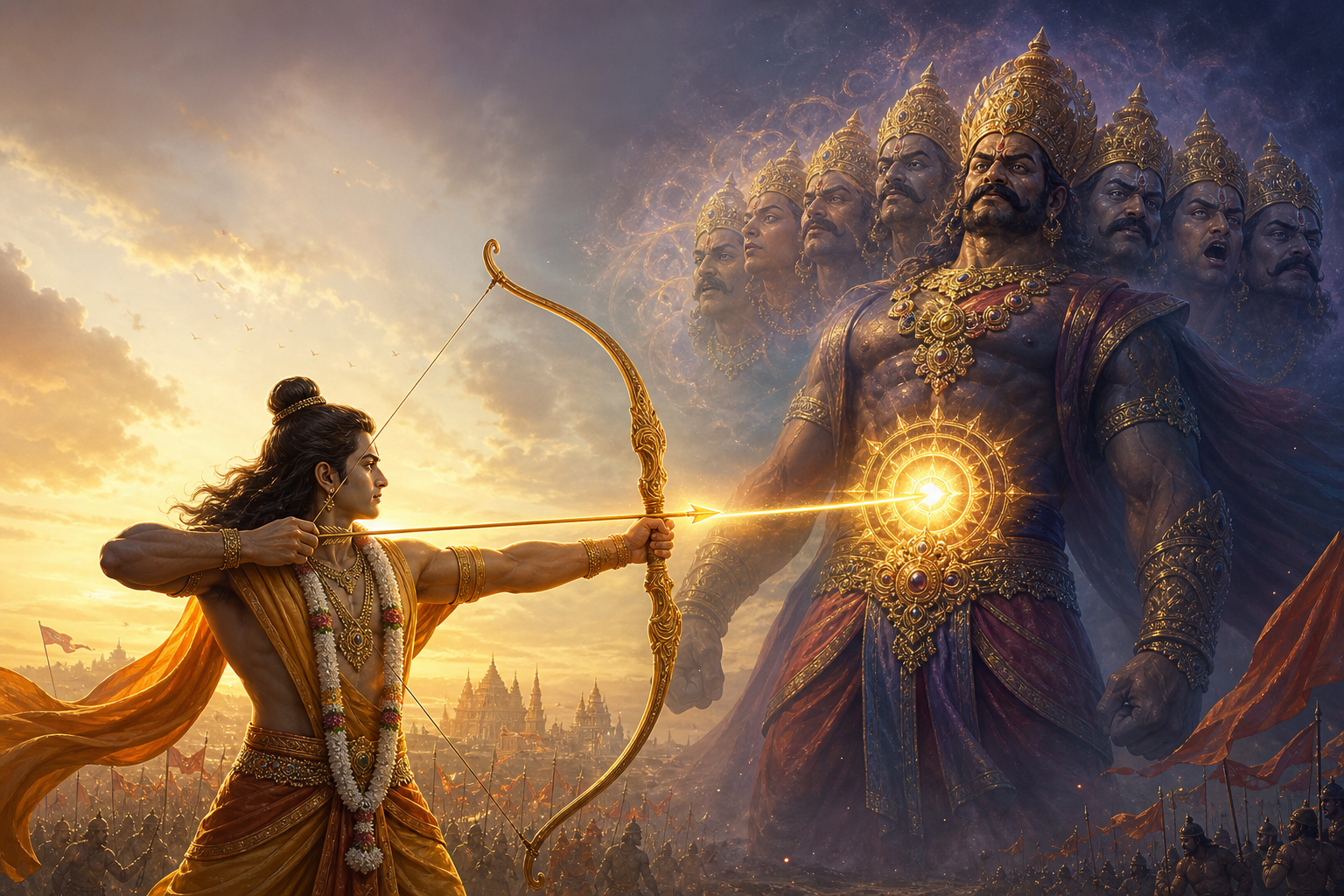
Dharma Confronts Fury: Rama and Ravana’s First Face-Off on Day Three of the Ramayana War

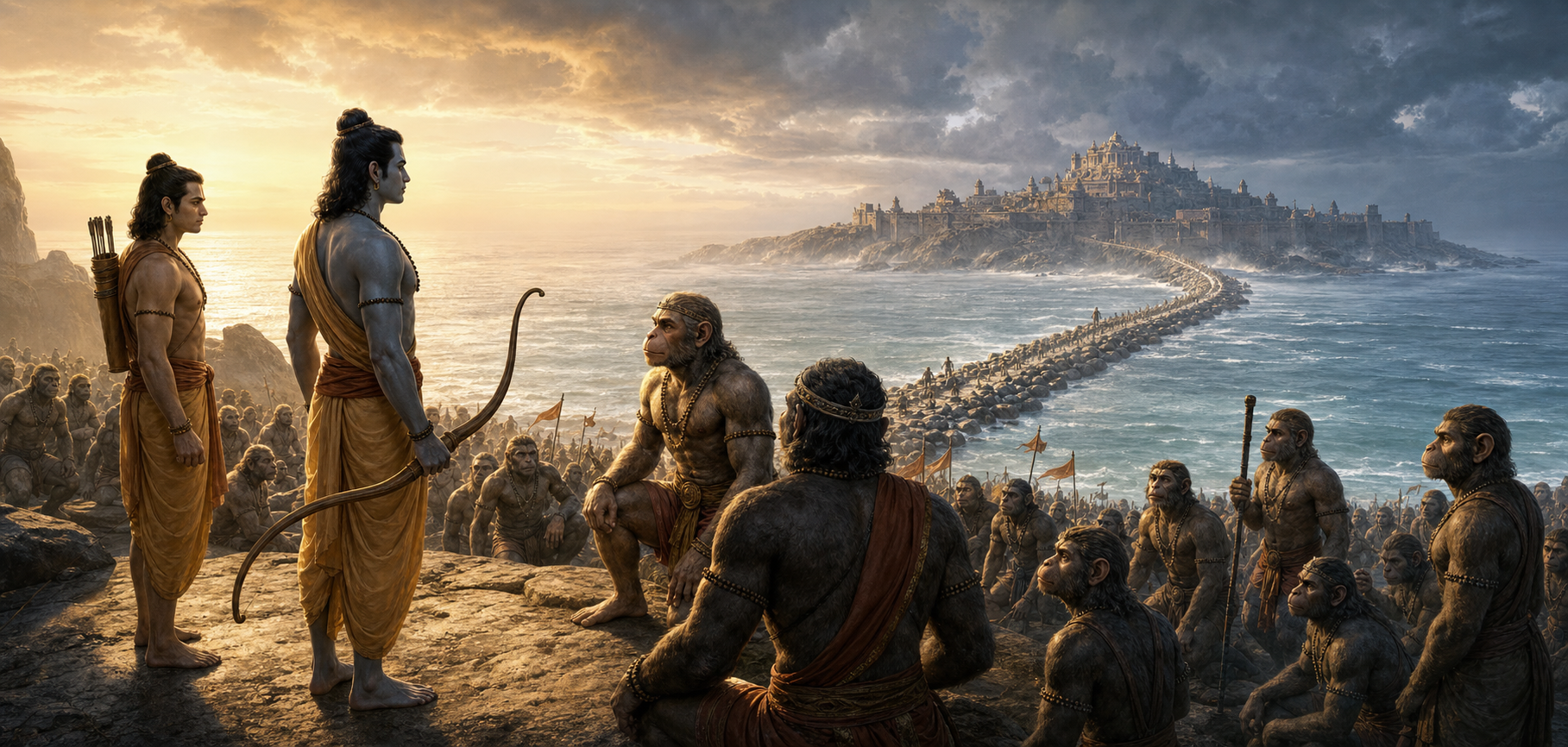
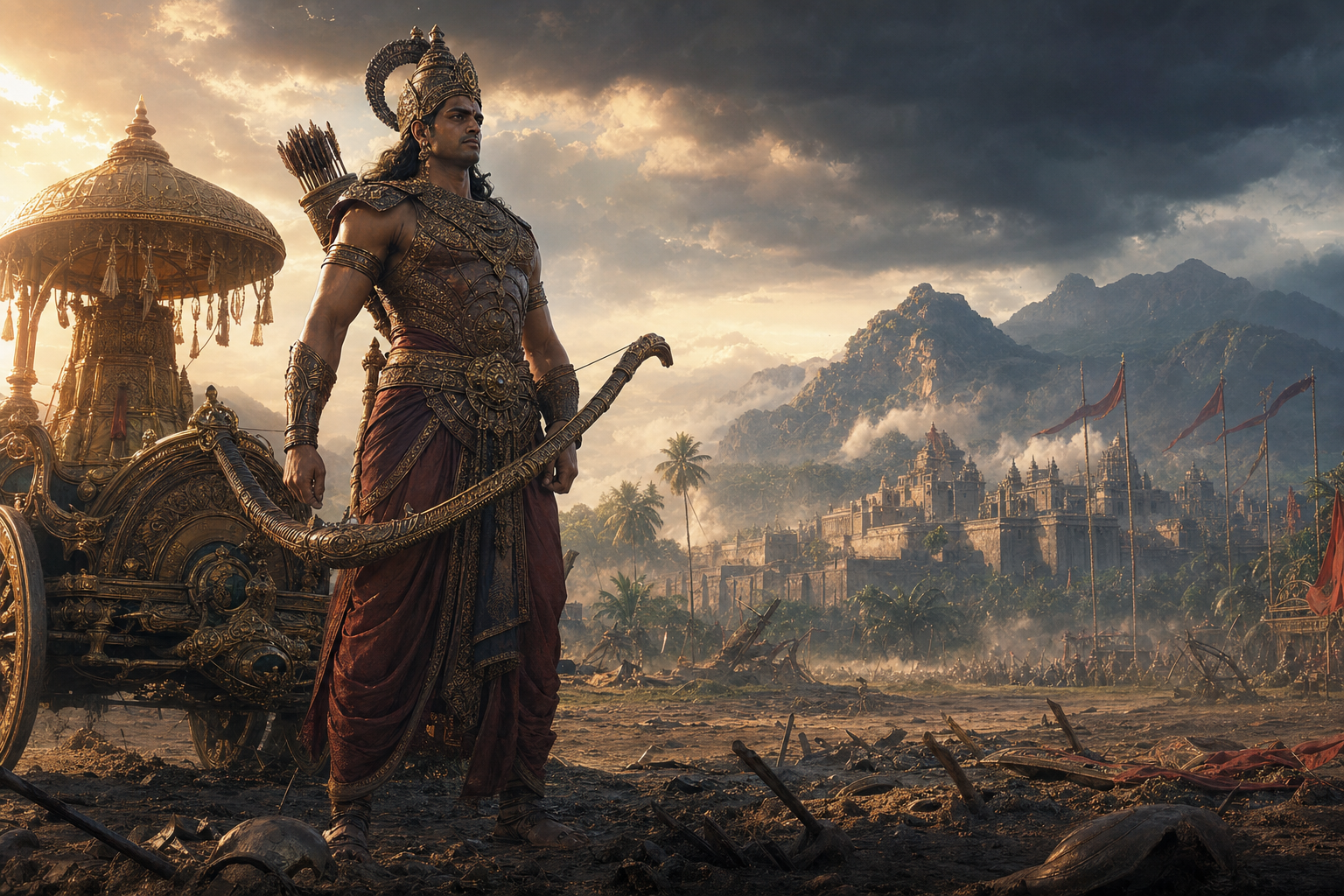
This article examines the first battlefield encounter between Rama and Ravana—framed in several Ramayana traditions as occurring on day three of the Lanka war—as a study in dharma confronting adharma. It situates the episode within the Yuddha Kanda’s broader chronology and notes textual variations across Valmiki, Kamba, and devotional retellings. Readers gain a technical overview…
-
High-Stakes Showdown: Prakash Raj Faces ₹100 Cr TTD Notice, Delhi Case over Ramayana Remarks

Reports dated April 20, 2026 indicate that Prakash Raj faces a ₹100 crore defamation notice from a TTD Board Member and a criminal complaint in Delhi over allegedly derogatory remarks about the Ramayana. This analysis explains what a civil defamation notice entails, how criminal provisions like IPC Sections 499–500 and 295A are applied, and why…
-
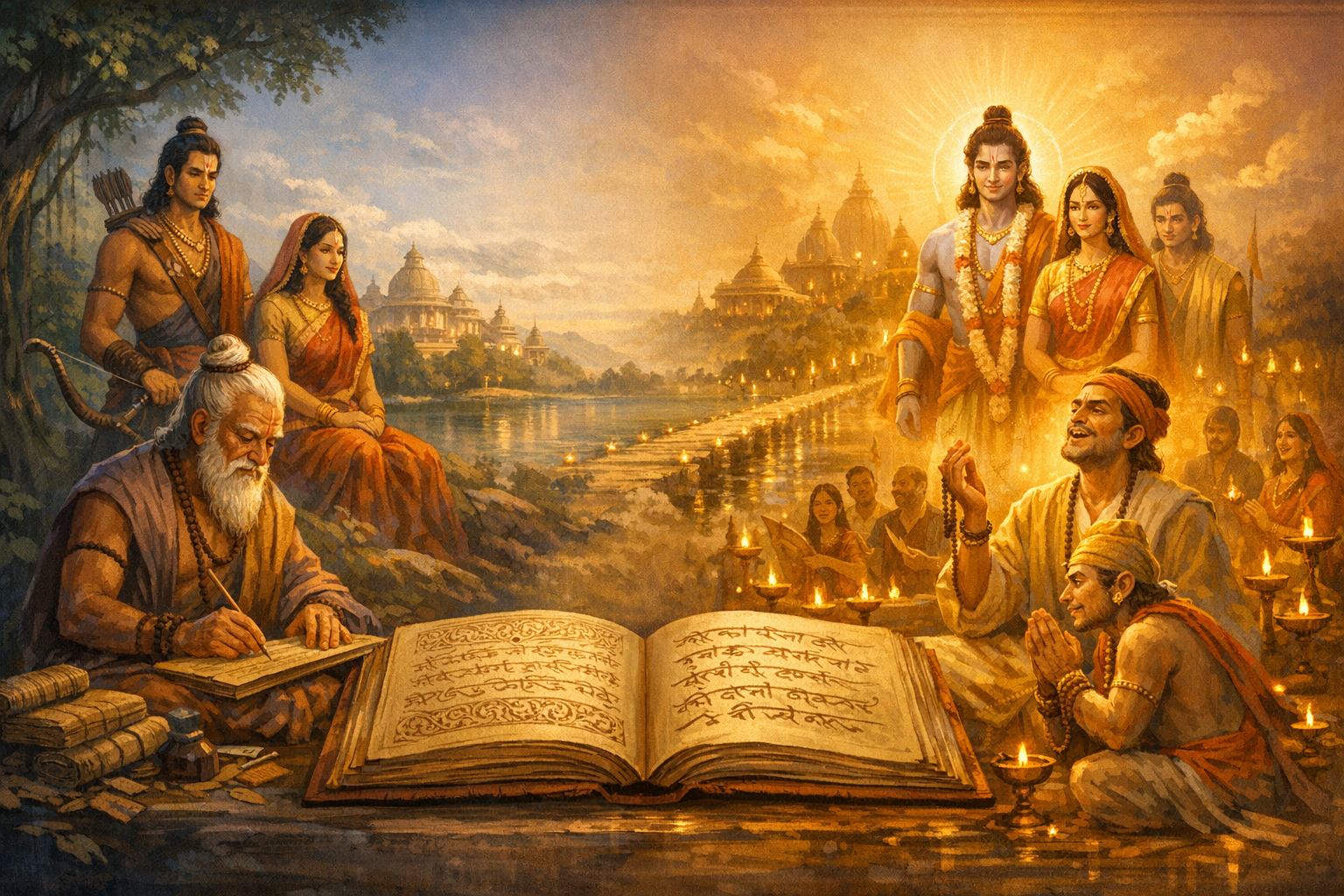
Ramayana in Brief: A Powerful, Immersive Summary of Lord Rama’s Epic, Dharma, and Legacy

This academically grounded Ramayana in Brief presents a lucid, kāṇḍa-by-kāṇḍa Summary of Ramayana, highlighting Lord Rama’s ethical leadership, Sita’s steadfastness, Hanuman’s service, and the triumph of dharma. It carefully situates the Valmiki Ramayana within its seven-part structure, notes key textual traditions, and clarifies how themes like maryada, rajadharma, and dharma-yuddha shape the story. Readers gain…
-
Bhadrachalam Sthala Puranam: Sacred Legends, Living Devotion at Sita Ramachandra Swamy

Set on the banks of the Godavari, the Bhadrachalam Sita Ramachandra Swamy Temple embodies a living synthesis of Valmiki’s Ramayana, sacred geography, and historical tradition. Its Sthala Puranam links Ayodhya’s epic events to the forests of Dandakaranya, where Sri Rama, Seetha, and Lakshmana are venerated in the unique Vaikuntha Rama iconography. The kshetra’s renaissance under…
-
Sita’s Agni Pravesha and Exile: The Contested Ethics of Rajadharma and Public Trust

Sita’s Agni Pravesha and exile remain the Ramayana’s most debated ethical crucible. Read closely, the episodes test the alignment of substantive truth with public trust, contrasting private duty and rajadharma under intense social scrutiny. Valmiki’s narrative presents Agni as the supreme witness, while later traditions (such as the Maya Sita motif) further safeguard Sita’s inviolability.…