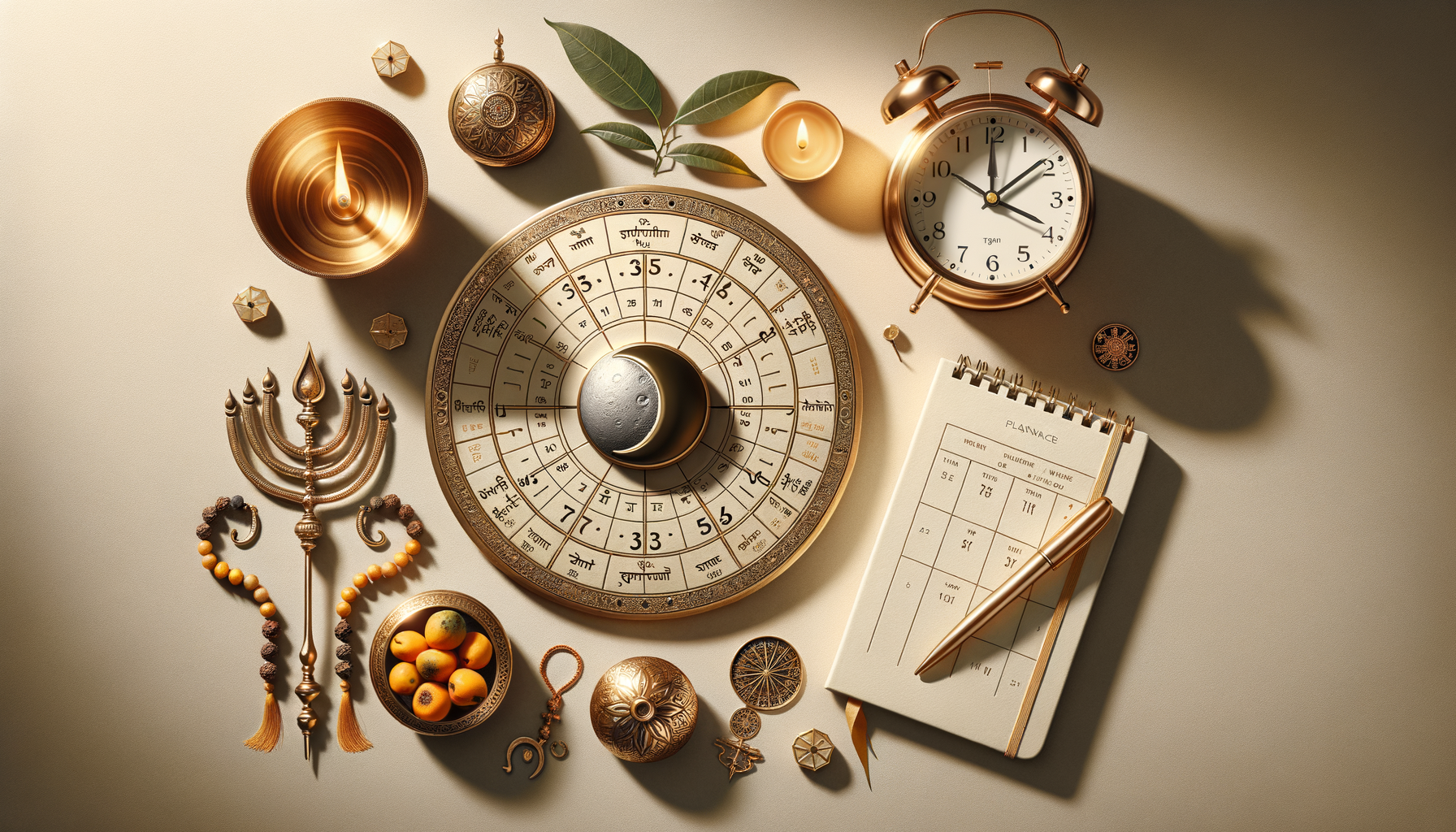
Monday, January 12, 2026 in the Panchang (Hindu Calendar) is marked by a clear transition of Tithi that supports mindful planning for observances and daily duties. The day begins in the waning lunar phase, offering a contemplative cadence that many households recognize in the rhythm of the Krishna Paksha.
It is Krishna Paksha Navami (the ninth Tithi of the dark fortnight) until 1:54 PM in most regions. From 1:54 PM onward, the day continues as Krishna Paksha Dashami (the tenth Tithi). This precise shift helps those who time vrata, puja, or sankalpa to align their activities with the traditional reckoning of auspicious windows in the Hindu calendar.
In practice, households often use Navami for steady routines and reflective worship, and then welcome Dashami’s forward-moving energy for tasks that benefit from clarity and completion. Observing these Tithi markers, even in a simple way, can bring structure, calm, and a sense of harmony to everyday life.
While this note highlights the Tithi, other Panchang elementsNakshatra and Rashifurther refine one’s understanding of the day’s qualities. Nakshatra indicates the Moon’s stellar mansion, and Rashi indicates the lunar sign; together with Tithi, Vara (weekday), Yoga, and Karana, they inform Shubh Muhurat. As these factors vary by location and calculation tradition, consulting the local regional Panchang offers the most accurate Nakshatra, Rashi, and Muhurat specifics for the place of observance.
Across dharmic traditionsHinduism, Buddhism, Jainism, and Sikhismattentiveness to time, intention, and ethical living encourages a shared spirit of mindfulness and compassion. Noting a Tithi transition such as Navami to Dashami can be a gentle reminder of inner balance, disciplined practice, and respect for diverse spiritual paths within a common civilizational ethos.
As with all calendar guidance, minor regional differences in almanac traditions may occur. Using the timing above as a clear anchor, and pairing it with a trusted local Panchang, ensures both fidelity to tradition and confidence in daily planning.
Inspired by this post on Hindu Blog.