-
Govinda’s Kitchen in Copenhagen: Inspiring Prasadam Initiative Unites Dharmic Communities

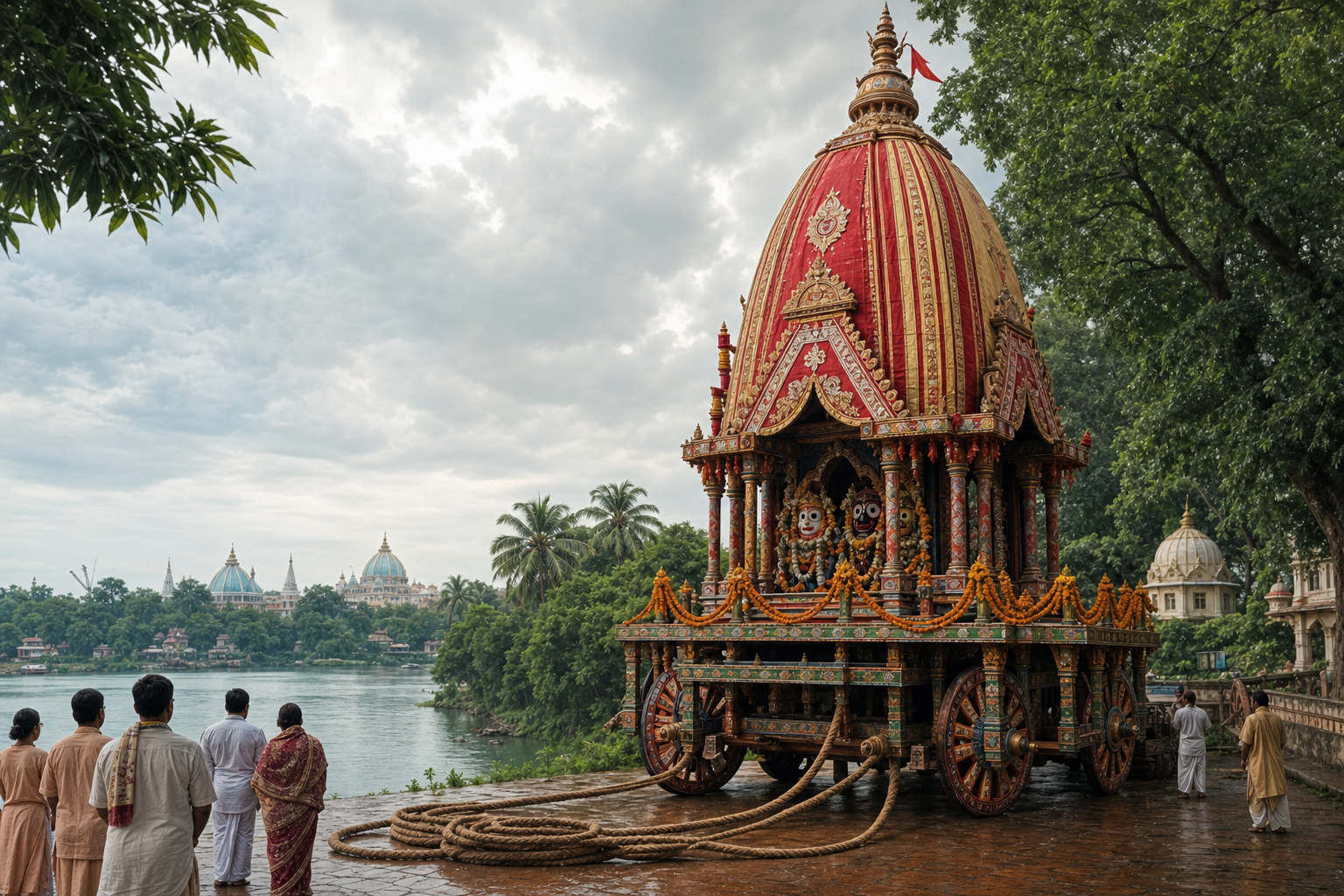
Govinda’s Kitchen in Copenhagen, Denmark, is advancing as a mission-driven prasadam initiative focused on seva, nourishment, and cultural harmony. In July 2025, a prime location was secured, strengthening kitchen operations and community outreach. The project demonstrates how sanctified meals can serve as a bridge across Hinduism, Buddhism, Jainism, and Sikhism through shared values of ahimsa…
-
City of London Surprise: A ‘Boy George’ Moment Sparks Hare Krishna Curiosity and Harmony

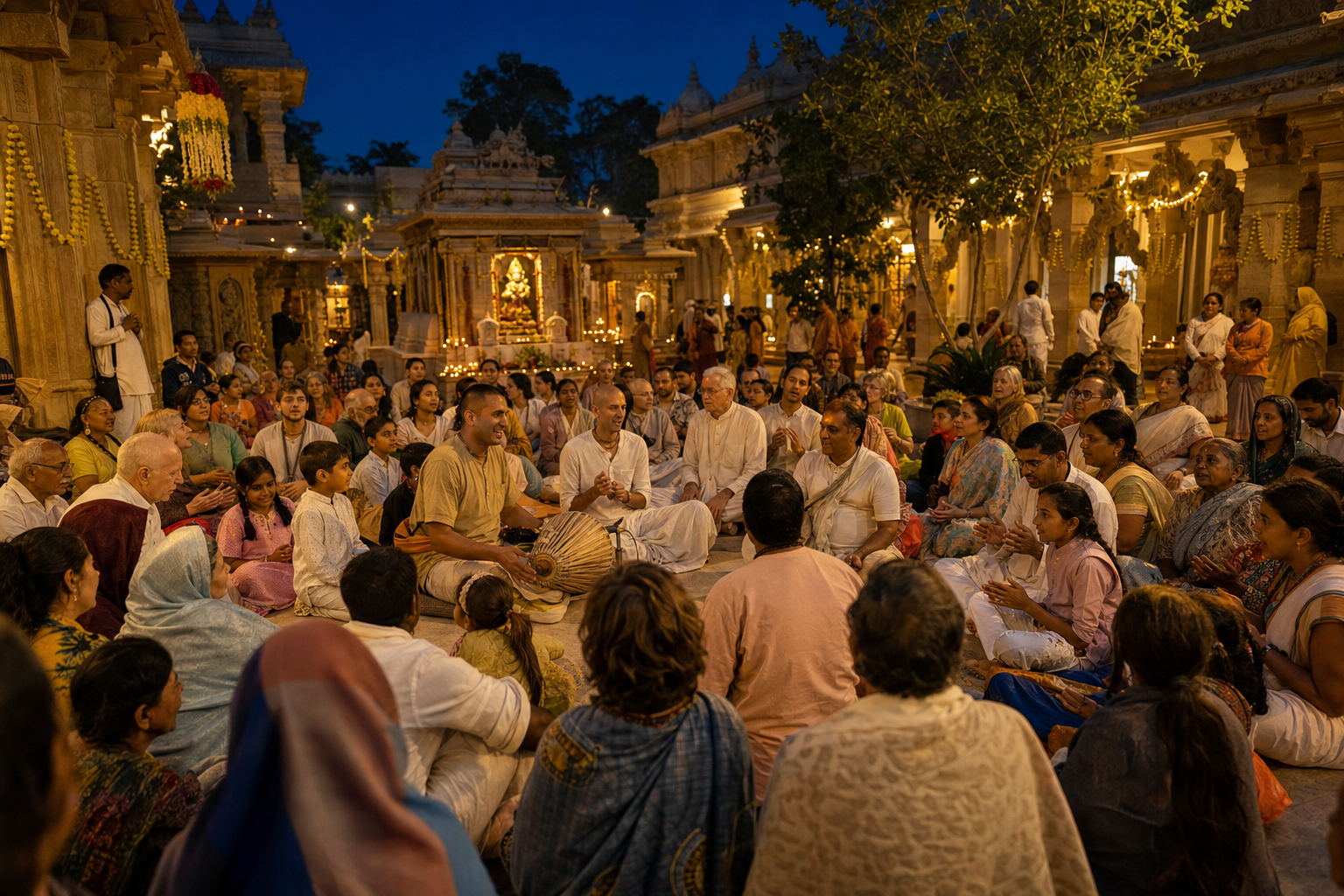
A spontaneous exclamation about a “Boy George lookalike” outside a City of London cafe on 8 February 2023 drew passersby to a Hare Krishna kirtan. The playful confusion bridged pop culture and devotional practice, turning curiosity into a moment of engagement with ISKCON’s accessible spirituality. The narrative examines how music, mantra, and welcome can function…
-
February 3, 2026 Panchang: Krishna Paksha Dwitiya Tithi, Shubh Muhurat, Nakshatra & Rashi Guide

February 3, 2026 features a tithi transition in the Hindu Panchang: Krishna Paksha Pratipada continues until 2:32 AM, after which Krishna Paksha Dwitiya prevails across most regions. Because Dwitiya begins before sunrise, daily observances typically align with Dwitiya for this date. Shubh Muhurat depends on local calculations that integrate Tithi, Nakshatra, Yoga, and Karana; avoiding…
-
February 2, 2026 Panchang: Purnima to Krishna Paksha Pratipada Timings and Significance

February 2, 2026 begins with Purnima tithi until 3:46 AM and then shifts to Krishna Paksha Pratipada until 2:32 AM on February 3 in most regions. This transition marks the start of the reflective waning fortnight, ideal for steady japa, dhyana, and simple, sattvic routines. Readers benefit from clear, time-specific guidance to plan puja and…
-
Yogini as Kali’s Sacred Companion: Symbolism of Spiritual Mastery and Shakti in Kali Puja

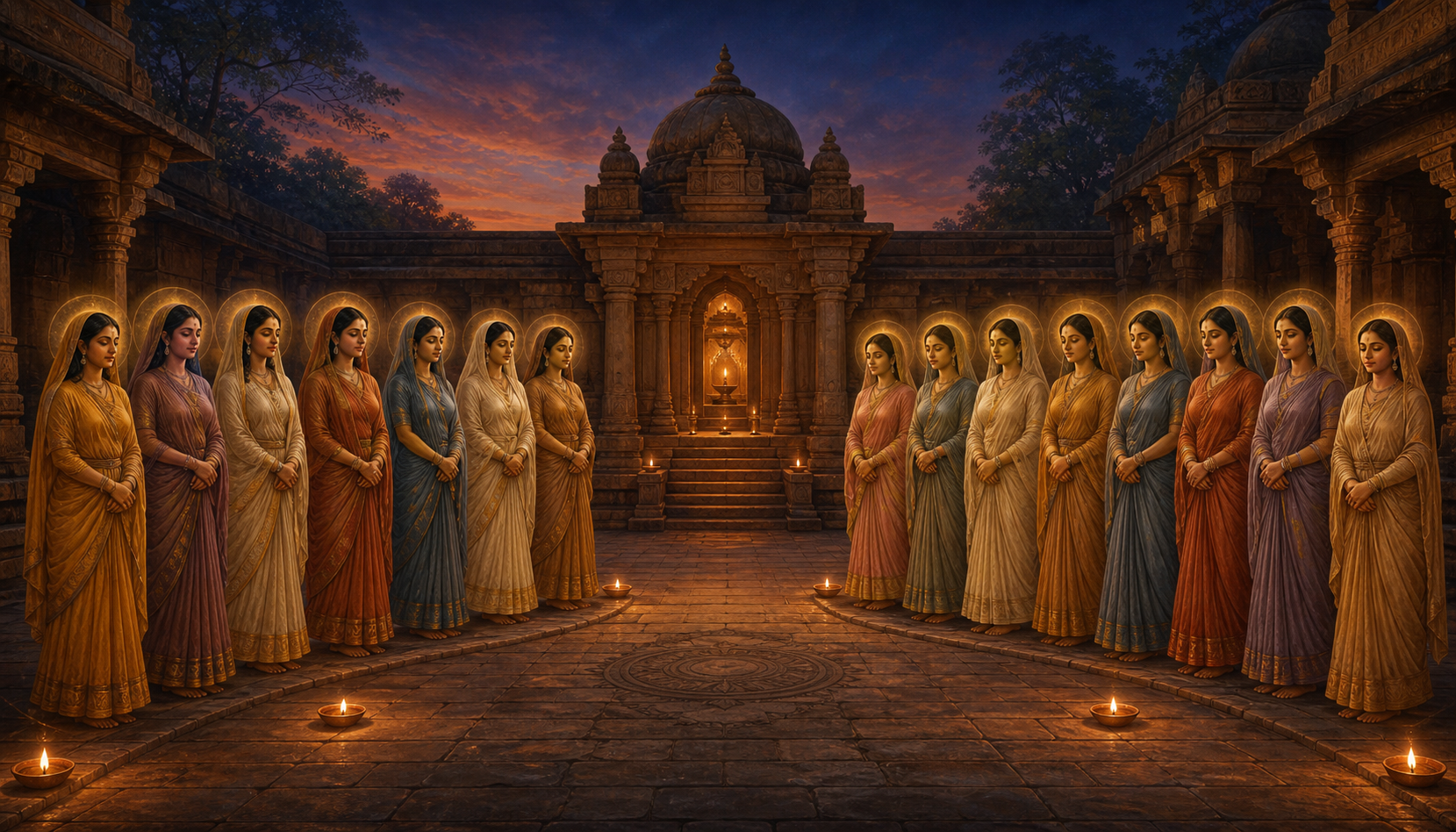
The Yogini, honored as the sacred companion of Mother Kali in Kali Puja, symbolizes realized wisdom and spiritual mastery grounded in Yoga and disciplined sadhana. Rather than an attendant, the Yogini embodies the union of awareness with Shakti’s transformative force, guiding practitioners toward pratyahara, dhyana, and ethical clarity. This symbolism deepens Kali Puja as a…
-
February 1, 2026 Panchang: Auspicious Purnima Tithi Timings, Meaning, and Ritual Insights

February 1, 2026 features a transition from Shukla Paksha Chaturdashi to Purnima tithi, with Chaturdashi ending at 5:20 AM and the full moon extending until 3:46 AM on February 2 (IST-based timings, minor regional variations possible). The post clarifies the significance of Purnima in the Hindu calendar and Panchang while highlighting practices such as fasting,…
-
Ekajata’s Single Braid: Powerful Symbolism of Focus, Protection, and Supreme Consciousness

Goddess Ekajata’s single braid is a concentrated teaching in Hindu Tantra: a symbol of supreme consciousness, one-pointed focus (ekagrata), and vigilant spiritual protection. Read as Tantric anatomy, it reflects the unification of ida and pingala within the sushumna nadi, supporting sustained dhyana and the ascent of Kundalini. The braid’s tightly bound form evokes vows, secrecy,…
-
January 31, 2026 Panchang: Shukla Trayodashi to Chaturdashi, Auspicious Timings & Insights

January 31, 2026 begins with Shukla Paksha Trayodashi and transitions to Shukla Paksha Chaturdashi after 7:14 AM, according to the Hindu Panchang in most regions. This shift within the waxing phase of the moon supports steady devotional practice throughout the day. Because Trayodashi ends early, evening observances align with Chaturdashi rather than Pradosh in many…
-
Kabir Jayanti 2026 on Jyeshtha Purnima: Date, Meaning, and Bhakti Traditions Uniting Faiths

Kabir Jayanti 2026 will be observed on June 29, coinciding with Jyeshta Purnima in the Hindu calendar. The day honors Sant Kabirdas and invites reflection on his enduring teachings of truth, compassion, and spiritual equality. Communities often hold processions, satsang, and doha recitations, creating spaces for contemplation and shared devotion. Observances may vary slightly by…
-
Datta Navratri 2026 Dates: Auspicious Magha Observance from Rath Saptami to Purnima

Datta Navratri 2026 dates run from January 25 (Rath Saptami) to February 1 (Magh Purnima), aligning this nine-day observance with Magha Masam in the Hindu calendar. The period emphasizes devotion to Lord Dattatreya and invites reflection on knowledge, detachment, and compassion. Families and communities can plan temple visits, bhajans, and home worship with clarity and…
-
From Thinness to Strength: A Science-Backed Path to Healing Metabolism, Mindset, and Joy

A rigorous shift from thinness to strength reframed fitness as capability rather than restriction. By replacing endless cardio with evidence-based resistance training, progressive overload, and adequate protein intake, this approach supports metabolic health, bone density, and everyday vitality—especially for midlife women. It also confronts gym anxiety with practical perspective and replaces diet-culture myths with science-backed…
-
Raja Matangi on Shyamala Navaratri Day 9 (Magh): Sovereign of Speech, Arts, and Mantras

Rāja Mātaṅgī (Rāja Śyāmalā, Mantrīṇī) is honored in the Śrī Vidyā tradition as the tantric mantrī of Lalitā Tripurasundarī, governing mantras, speech, arts, and creative knowledge. Many traditions observe her worship on the 9th day of Śyāmala Navarātri in Magh, focusing on clarity in expression and excellence in the arts. Drawing on the Lalitopākhyāna (Brahmāṇḍa…
-
Bhishma Tharpanam on Bhishma Ashtami: Step-by-Step Vidhi, Mantras & Slokas to Honor Bhishma

Bhishma Tharpanam on Bhishma Ashtami offers a disciplined, heart-centered way to honor Bhishma Pitamaha, the revealer of Vishnu Sahasranama Stotram. This academic, step-by-step guide outlines the Vidhi: completing Sandhya Vandana, taking a precise sankalpa, preparing water with tila and darbha, offering libations with remembrance, and concluding with Shanti mantras. It highlights how mantras and slokas…
-
Shani Sade Sati for Karka Rashi: Navigate Viraya Shani’s First 2.5 Years and Protect Finances

Shani’s transit through the 12th house from Karka Rashi initiates Sade Sati’s first 2.5-year phase, called Viraya Shani (Expenses). This period often heightens outlays and responsibilities but also cultivates discipline, clarity, and minimalism. Saturn’s aspects to the 2nd, 6th, and 9th houses encourage careful budgeting, healthy routines, and ethical guidance. Practical steps such as mindful…
-
Elinati Shani (Sade Sati, Ezharai Sani): Navigate Saturn’s 7 ½-Year Transit

Elinati Shani (Sade Sati, Ezharai Sani) is the 7 ½-year Saturn transit across the 12th, 1st, and 2nd houses from the Moon sign. Rather than a blanket period of difficulty, it functions as a structured lesson in patience, responsibility, and ethical living. The onset cultivates simplification, the peak refines identity and health, and the completion…
-
Chitrakanya in Tantra: The Sacred Feminine on Shiva’s Lap and the Power of Unity

Chitrakanya, described in Tantric Hindu traditions as the “Beautiful Maiden,” embodies the sacred feminine seated on Lord Shiva’s lap, symbolizing the non-dual union of Shakti and Shiva. This portrayal affirms that purity and passion, stillness and dynamism, are complementary forces within spiritual life. The iconography functions as both metaphysical teaching and practical psychology, supporting emotional…
-
Five Faces of Goddess Siddhilakshmi: Tantric Symbolism, Shakti, and Fulfillment
Goddess Siddhilakshmi, revered in Shakta and Kaula Tantra, embodies Lakshmi’s auspicious abundance fused with transformative Shakti. The five-faced (Panchamukhi) symbolism presents an inner mandala of divine energies: Iccha (intention), Jnana (wisdom), Kriya (action), Aishvarya (prosperity), and Raksha–Anugraha (protection and grace). Interpreted through Hindu frameworks such as pancha-kosha and pancha-mahabhuta, this schema guides seekers from purpose…
-
Unlock Ishtadevta through Lagna: पंचमेश सूत्र, सरल उपासना, आंतरिक शांति और धर्मिक एकता

A concise, Lagna-based guideline from Jyotisha offers a practical way to contemplate one’s Ishtadevta by focusing on the fifth-house lord (Panchamesh). The maxim—“आपकी लग्न कुंडली मैं पंचम भाव का स्वामी गृह (पंचमेश ) आपके इष्ट देव है !”—frames a simple, accessible starting point that aligns devotion with the chart’s bhakti-oriented house. Even when doshas create…
-
Radiant Kankali Kali and the Chakras: A Transformative Guide to Sacred Energy Centers

This article explores Kankali Kali as a radiant symbol of transformative strength within Hindu spirituality, illuminating how her fierce compassion supports the harmonization of the chakras. It outlines each sacred energy center—from mulādhāra to sahasrāra—and explains how ethical clarity, steady breath, and mindful practice guide balanced awakening. Readers gain a practical, non-dogmatic framework for working…
-
Unlock House Strength in Vedic Astrology: Kendra, Tricona, Dhushta, Upachaya Explained

Vedic astrology evaluates House strength through four key groups—Kendra, Tricona, Dhushta, and Upachaya—each illuminating stability, purpose, challenge, and growth. Kendra Houses (1, 4, 7, 10) anchor life’s foundations, while Tricona Houses (1, 5, 9) highlight insight and good fortune. Dhushta Sthana (6, 8, 12) point to transformative challenges that cultivate resilience and compassion. Upachaya Houses…