-
Sun–Rahu Conjunction Across the 12 Houses: Clear, Dharmic Insights and Practical Remedies

This balanced guide explores the Sun–Rahu conjunction (Ravi Rahu) across the twelve houses in Vedic astrology, explaining how its eclipse-like symbolism can magnify identity, ambition, and visibility while inviting ethical self-mastery. It outlines house-wise themes at a high level, emphasizes that outcomes depend on the full chart and timing (daśā), and reframes early-life intensity as…
-
Practical Lal Kitab Remedies for Shukra in 1st House to Restore Harmony, Confidence, and Love

Lalkitab associates Venus (Shukra) in the 1st house with allure, aesthetics, and relational ease, while noting that stress can arise—especially with a Saturn conjunction sometimes described as a Crow Line. This guide reframes such patterns as invitations to practice ethical remedies rooted in shared dharmic values. Friday-oriented charity of white items and simple silver offerings,…
-
WSN December 2025: Nearly 5 Million Sacred Texts Shared—A Pan‑Dharmic Celebration

WSN December 2025 documents a landmark month with nearly five million sacred texts shared worldwide. Leading results came from Mayapur, New Delhi, and Mumbai-Juhu among large temples; Pune Camp, Mumbai-Mira Road, and Salem for medium; and Chandigarh, Budhanilkantha, and Bangalore-Jag Mandir among small centers. Participation extended from India to Europe, with Genova and Kishinev contributing…
-
Durga’s Bow and Arrow: Unveiling the Power of Universal Will and Spiritual Discipline

Goddess Durga’s bow and arrow symbolize the union of universal will and disciplined focus. The bow represents restrained power aligned to dharma, while the arrow embodies one-pointed concentration and purposeful action. Read through yoga, they mirror pratyāhāra, dhāraṇā, and dhyāna culminating in right action. During Navaratri and Durga Puja, this iconography becomes a practical guide…
-
February 10, 2026 Panchang: Precise Tithi Timings, Auspicious Insights, and Ritual Guidance

This Panchang update for Tuesday, February 10, 2026 notes Krishna Paksha Ashtami until 7:15 AM, followed by Krishna Paksha Navami for the rest of the day in most regions. The guidance emphasizes the reflective qualities of Ashtami and the disciplined clarity of Navami, offering practical ways to align vrata, japa, and service with each phase.…
-
Moon in the 1st House (Lagna): Transform Identity, Amplify Intuition, Balance Emotions

Moon in the 1st House (Lagna) heightens sensitivity, intuition, and public presence, shaping how identity and emotions meet the world. Traditional Vedic astrology notes both strengths—empathy, adaptability, and social connection—and challenges such as mood fluctuations or over-responsiveness. Results depend on sign, Nakshatra, lunar phase, and aspects, with benefic influences stabilizing emotional expression. Some classical remarks…
-
Sun in the 1st House (Lagna): Leadership, Public Service, and Prosperity

Sun in the 1st house (Lagna) in Vedic astrology often indicates leadership, visibility, and principled action. Individuals commonly feel drawn to public welfare—building sacred spaces and life-sustaining infrastructure that serve diverse dharmic communities. Careers may align with government or civic institutions, where honest earnings and transparent conduct foster long-term prosperity. A fact-first mindset favors direct…
-
Be Brave, Live to Give: Global ISKCON 2025 Celebration Powering the Prabhupada Marathon

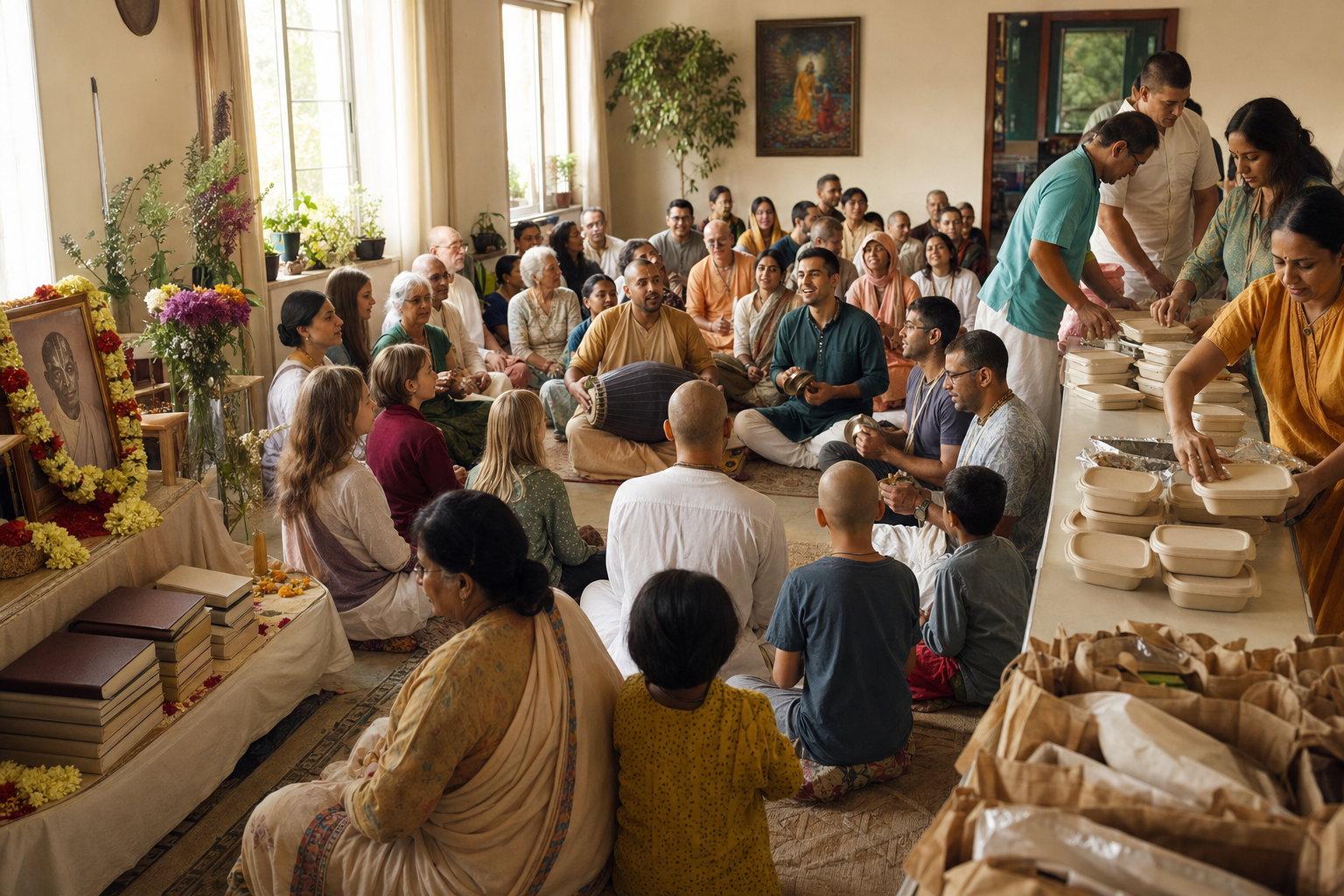
The Be Brave! Live to Give 2025 Celebration brought ISKCON leaders and devotees together online to share outcomes from the 2025–2026 “Live to Give” campaign centered on distributing Bhagavad Gita As It Is. Presentations combined metrics with field insights, including a notable report from Africa: 10 countries distributing 15,189 Bhagavad Gitas. The program emphasized disciplined…
-
February 9, 2026 Panchang Guide: Exact Tithi Timings, Krishna Paksha Ashtami, Auspicious Cues

On Monday, February 9, 2026, the Panchang notes Krishna Paksha Saptami until 5:18 AM, followed by Krishna Paksha Ashtami for the rest of the day. These tithi timings may vary by region, so consulting a local Panchang is recommended. Ashtami in the waning phase invites reflective practices such as japa, satvik meals, and quiet reading…
-
Sphatik Mala Benefits Unveiled: Authentic Quartz Guide for Calm, Clarity, and Who Should Wear It

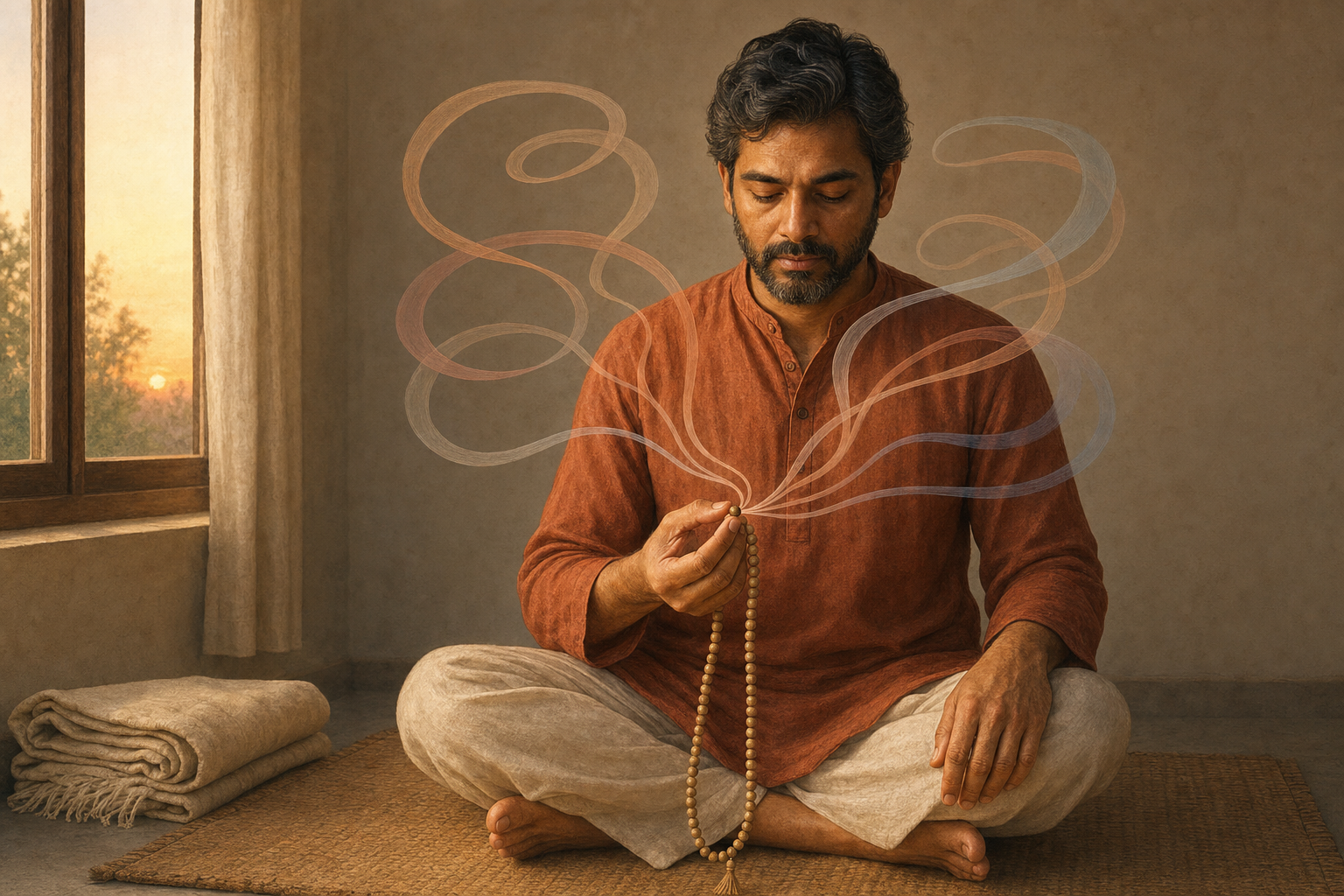
Sphatik Mala, crafted from natural clear quartz, is valued across Hinduism, Buddhism, Jainism, and Sikhism for its clarity, calm, and support in japa and meditation. Genuine quartz is typically colorless or milky-white with subtle inclusions and a naturally cool touch. Practitioners often report improved focus, emotional balance, and a quieter mind when using Sphatik for…
-
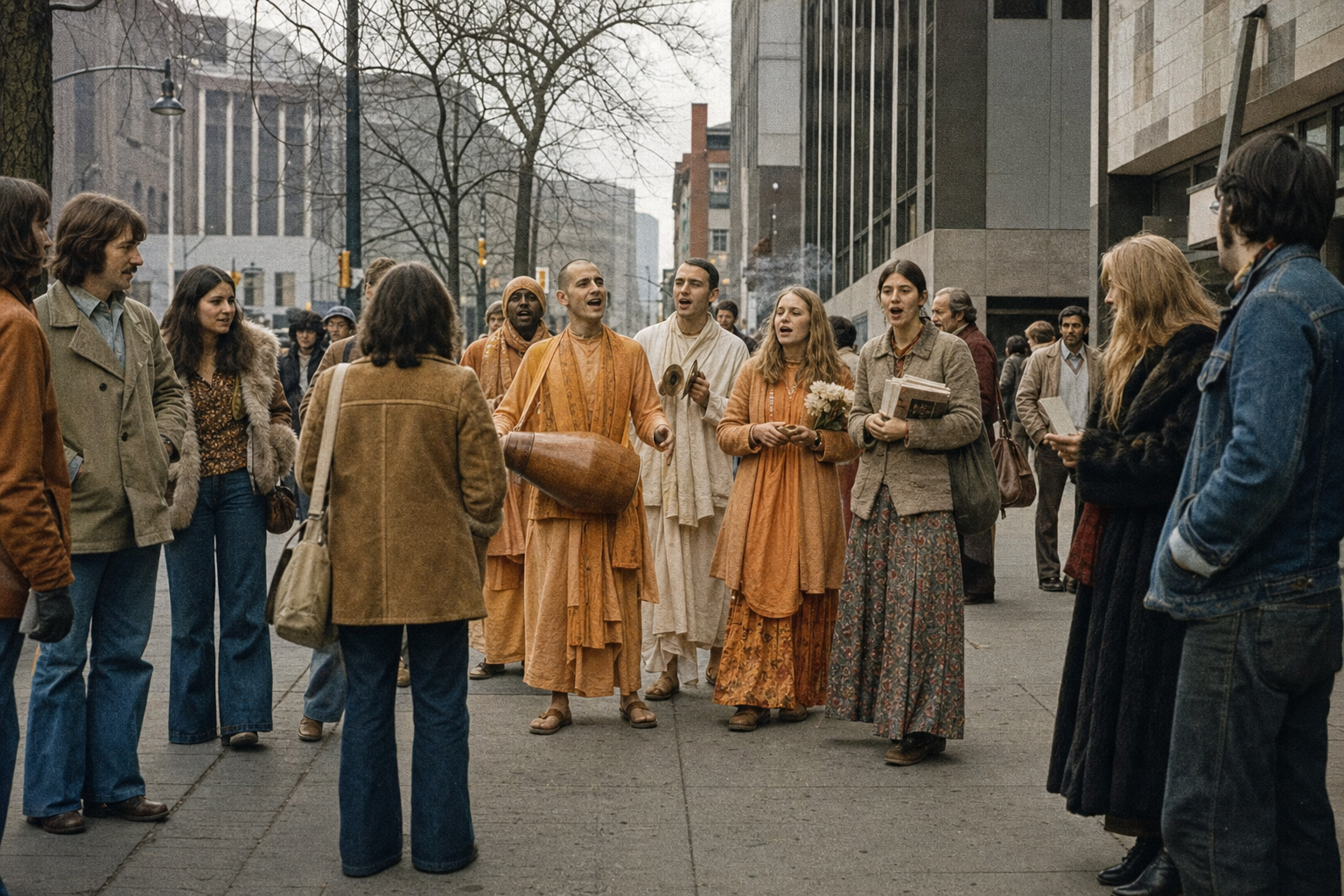
A Warlock at the Hare Krishna Temple: 1970 London’s Powerful Lesson in Tolerance and Unity

In early 1970, a Hare Krishna temple off Oxford Street in London received an unexpected visitor: a warlock, reflecting the city’s vibrant and sometimes conflicting spiritual currents. Placed in context, the nearby Swedenborg Society and active occult scene illustrate how closely devotional and esoteric worlds coexisted. This episode highlights how ISKCON’s early London community engaged…
-
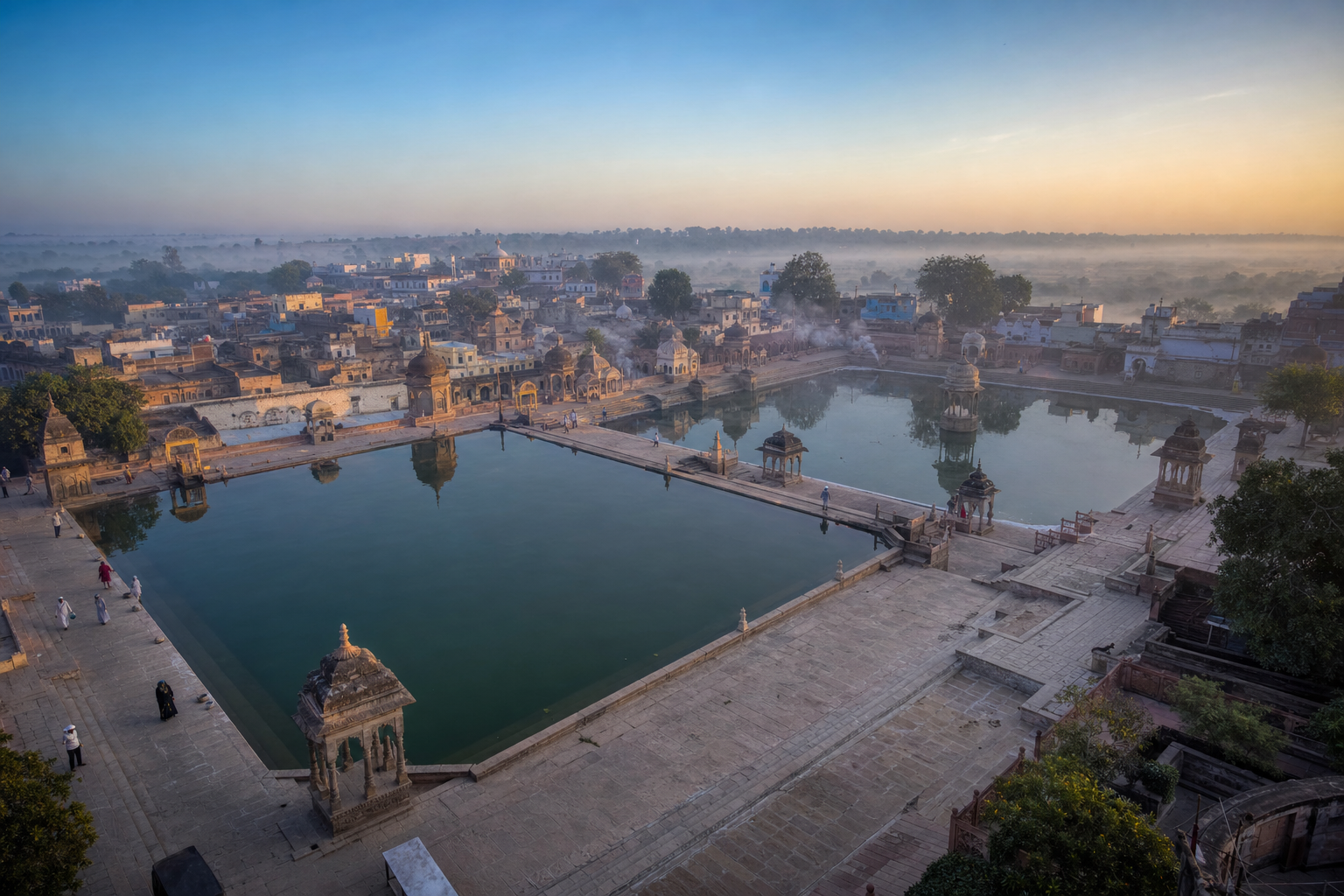
Explore Śrī Ekacakrā-dhāma Online: A Guided Digital Pilgrimage to Lord Nityānanda’s Sacred Sites

Śrī Ekacakrā-dhāma, revered as the sacred land of Lord Nityānanda, is now presented through a research-informed digital initiative by the Mayapur Master Plan Office. Guided by Śrīla Prabhupāda’s instruction to seek the mercy of Nityānanda, the project offers curated, accessible overviews of holy sites within a coherent framework. It advances cultural heritage preservation while widening…
-
Rudraksha Mala Decoded: Meaning, Benefits, and Types by Mukhi for Focused Japa

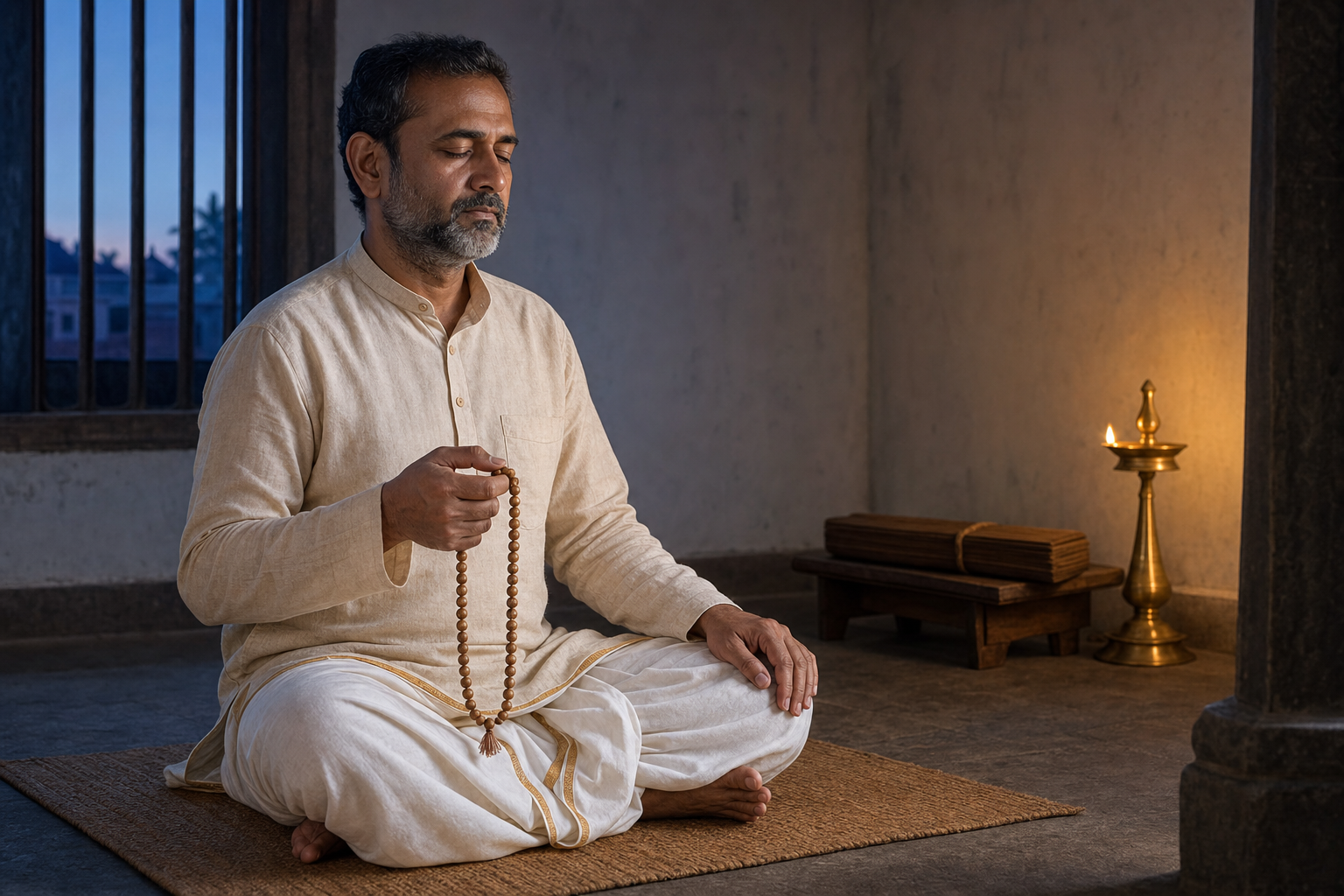
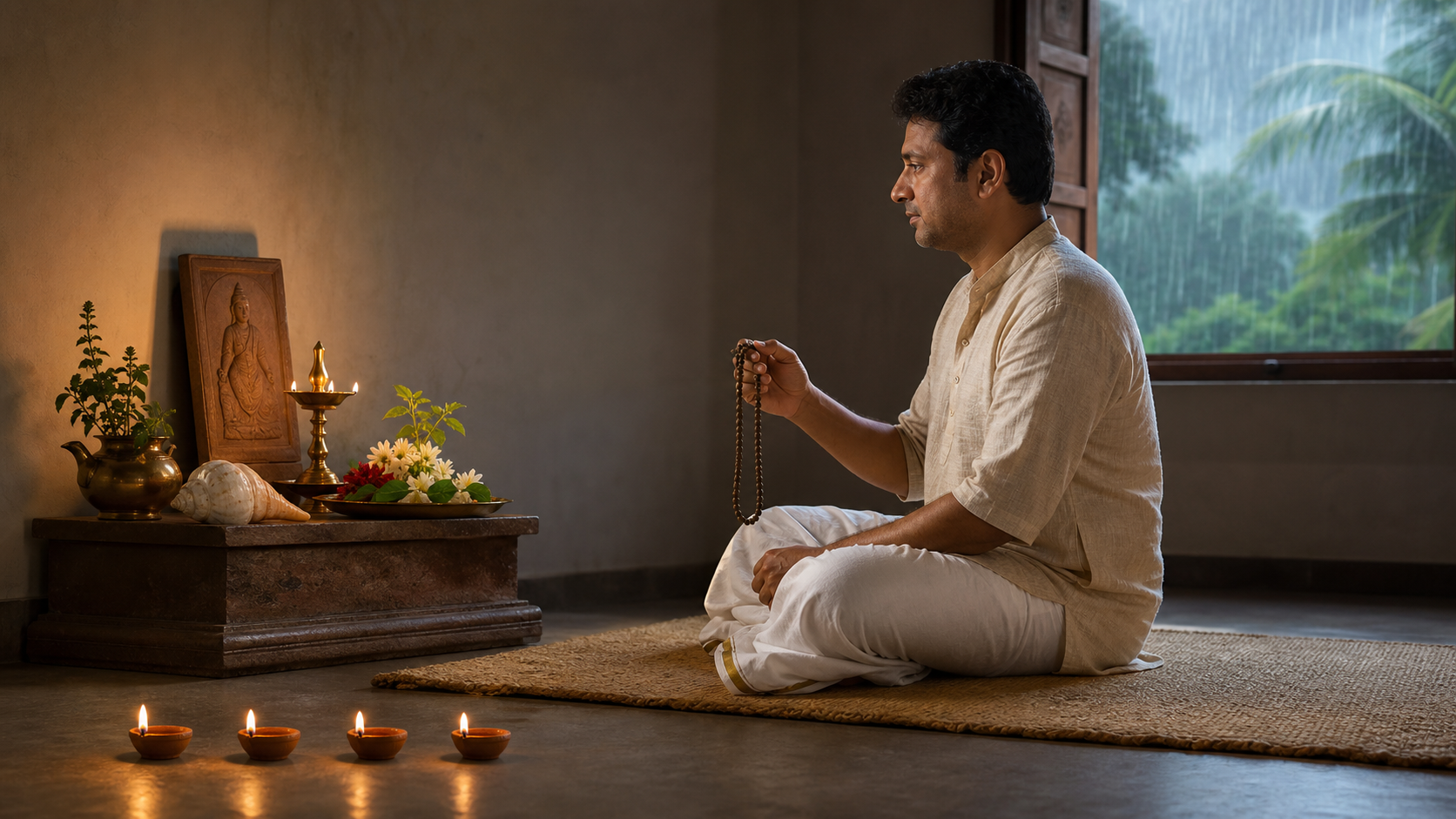
Rudraksha mala, sanctified in the Shiva tradition and embraced across dharmic paths, supports steady mantra japa, breath awareness, and focused meditation. Its 108+1 bead structure anchors discipline, while mukhi-based types—from widely used panchmukhi to rare ekmukhi—offer symbolic guidance. Authentic selection emphasizes natural beads, clear facet lines, and comfortable handling. Traditional etiquette—avoiding the index finger, not…
-
Beyond Gold and Fortune: How Goddess Lakshmi Cultivates Inner Peace and Lasting Prosperity

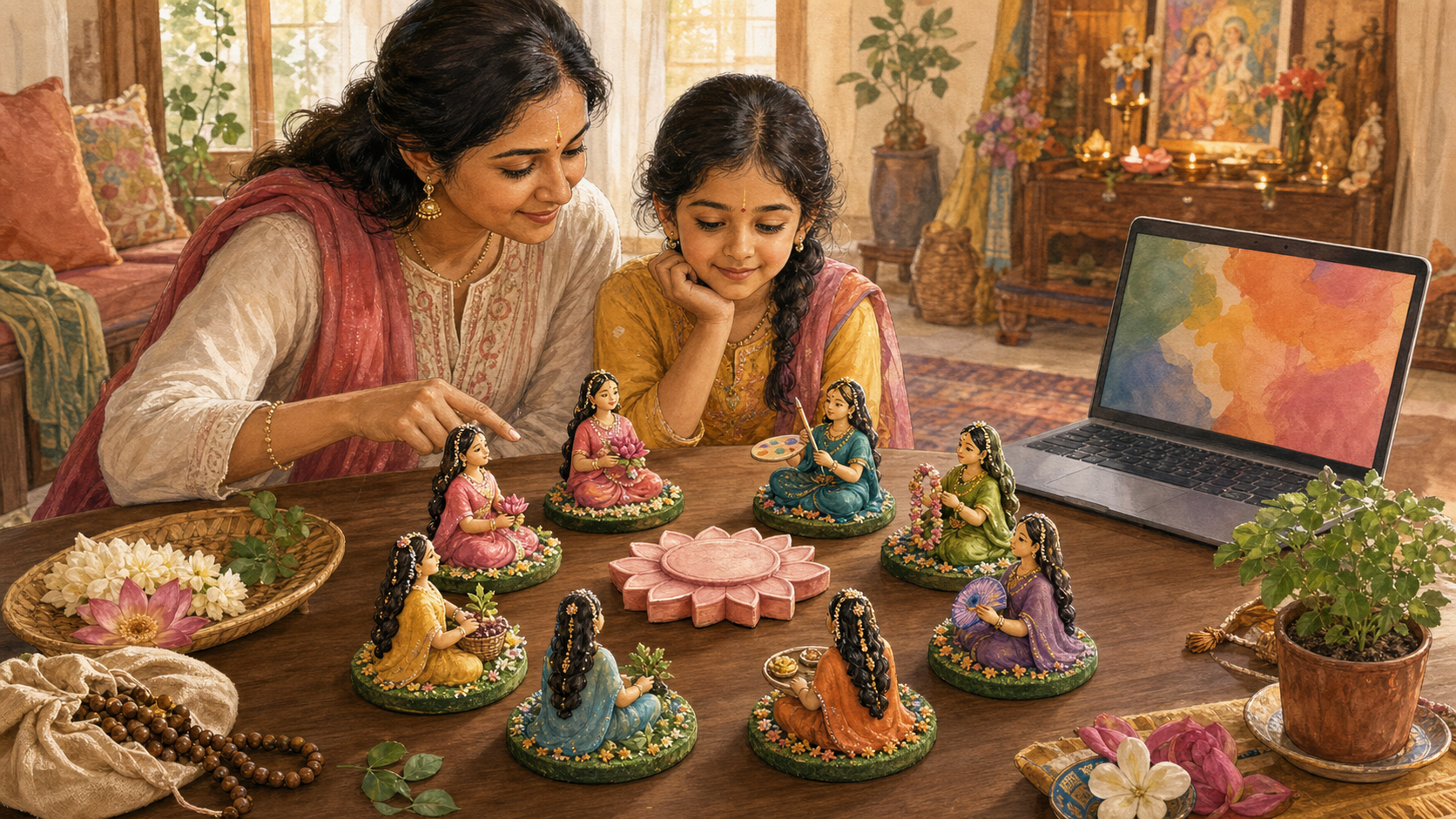
Goddess Lakshmi in Hinduism signifies far more than financial gain. Traditional imagery and the Ashta Lakshmi forms reveal a complete vision of prosperity that unites outer wealth with inner qualities like compassion, courage, and wisdom. Aligning artha with dharma transforms money into responsible stewardship that benefits families and communities. This integrated approach resonates across Buddhism,…
-
Sri Radha’s Transcendent Eyes and the Guru’s Gaze: Ecstatic Love, Purifying Grace

This analysis presents Sri Radha’s eyes as the highest emblem of ecstatic love for Krishna and links that vision to the purifying grace of the guru’s compassionate glance. Readers gain a clear understanding of how darshan functions in the Bhakti Tradition to transform attention, soften the heart, and support steady practice. The lecture’s themes are…
-
HJS Catalyzes Citywide Dharmashikshan in Ajmer: Inspiring Unity and Spiritual Learning

Ajmer hosted a citywide network of Dharmashikshan programmes after the Sanatan Rashtra Shankhnad Mahotsav, with HJS participating alongside local communities. The initiatives combined meetings of intellectuals, structured spiritual guidance sessions, and accessible study circles to connect traditional teachings with contemporary civic needs. Emphasis on shared dharmic values—compassion, non-violence, and self-discipline—supported inclusive engagement across Hinduism, Buddhism,…
-
Joyful Healthy Eating: Simple Cooking Habits for Better Gut Health, Calm Focus, and Vitality

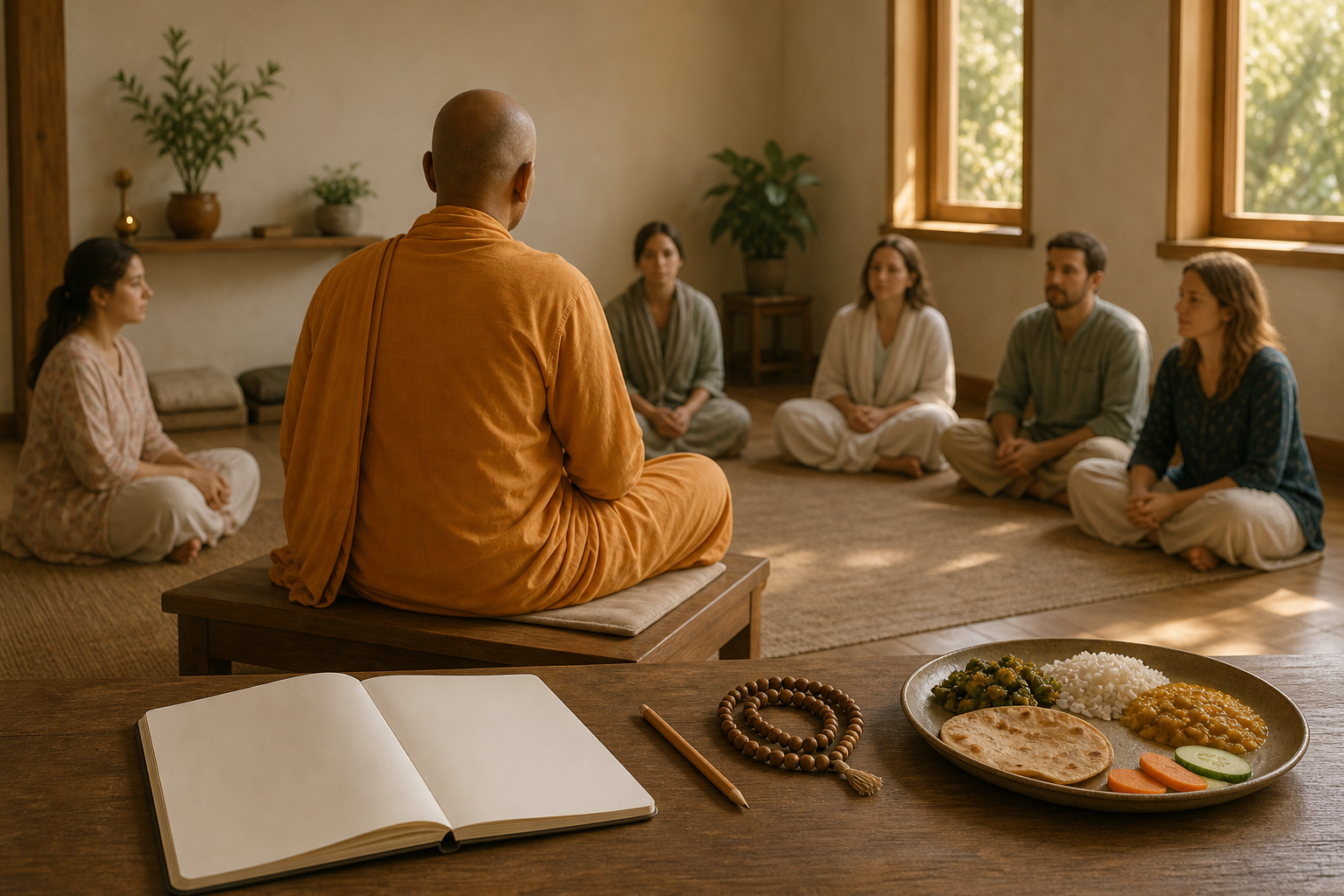
Healthy eating becomes sustainable when small, repeatable habits replace rigid rules and decision fatigue. A skills-based, no-recipe approach builds confidence to assemble simple, satisfying meals from what is on hand. Prioritizing gut health supports steadier energy, fewer cravings, clearer thinking, and often healthier skin. Dharmic traditions converge on these principles—Ayurveda’s focus on agni and sattva,…
-
February 6, 2026 Panchang: Krishna Paksha Panchami Timings, Significance, and Guidance

February 6, 2026 begins with Krishna Paksha Chaturthi tithi until 1:40 AM and then continues as Krishna Paksha Panchami for the remainder of the day. The waning Moon’s rhythm supports steady practice, study, and reflective sadhana across dharmic traditions. Location-specific Nakshatra, Rashi, and shubh muhurat should be checked in a regional Panchang for accuracy. The…
-
Panchmukhi Hanuman: Transformative Symbolism for Mastering the Five Senses (Indriyas)

Panchamukhi Hanuman, the five-faced form of Hanuman, presents a refined dharmic framework for mastering the five senses (indriyas). The iconography—Hanuman, Narasimha, Garuda, Varaha, Hayagriva—maps to qualities that transform sensory life from distraction to clarity. Through pratyahara, breath regulation, and mantra, perception becomes disciplined and inwardly focused. Devotion and seva anchor this process ethically, turning insight…