
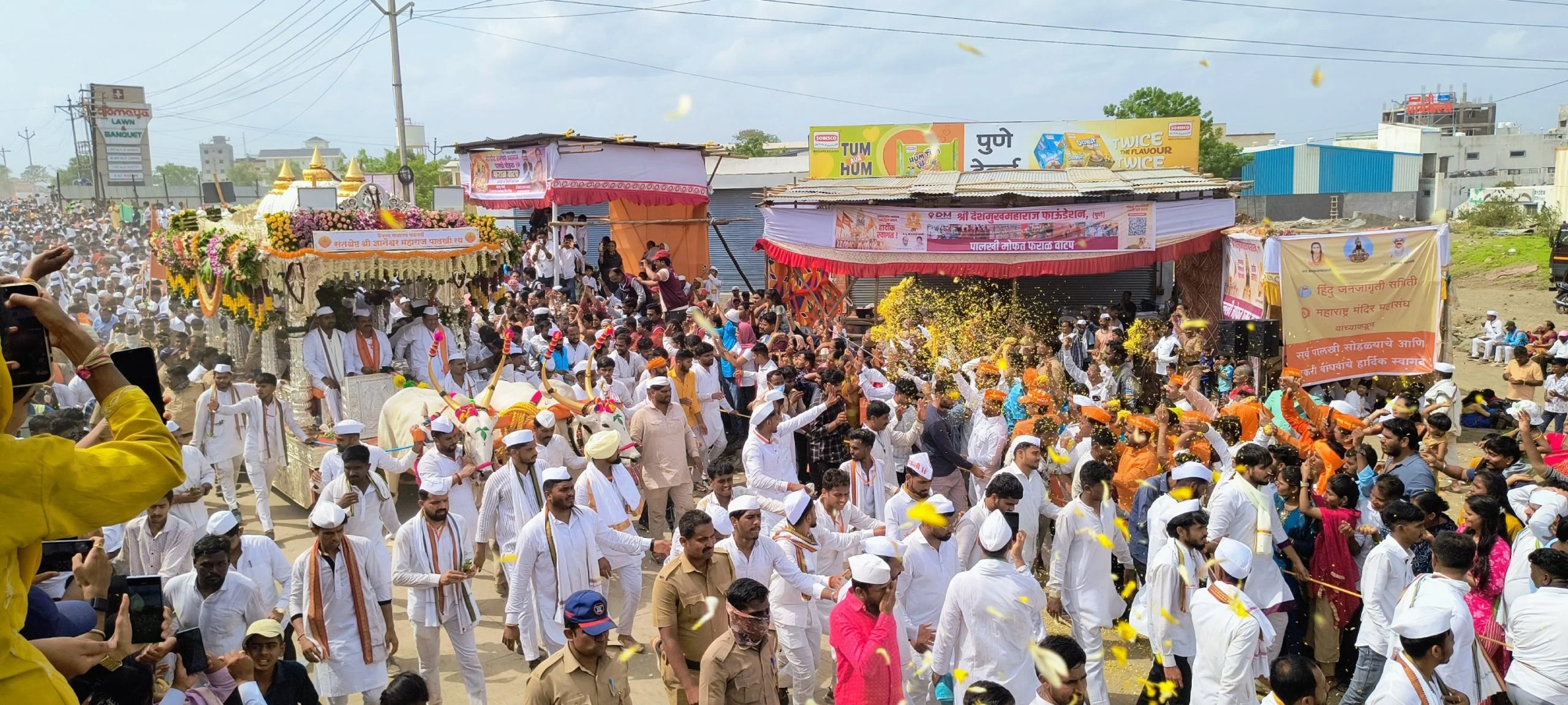
A pilgrimage becomes a community experience when people do more than observe its passage. In Hadapsar, Pune, a welcome for the palkhi of Santshreshtha Dnyaneshwar Mauli brought together ceremonial honour, devotional expression and service to Warkaris.
The available account is brief, but it offers a useful picture of how local participation can keep a sacred tradition present in public life. It also shows why seva is as important to a pilgrimage welcome as visible celebration.
What was reported at Hadapsar
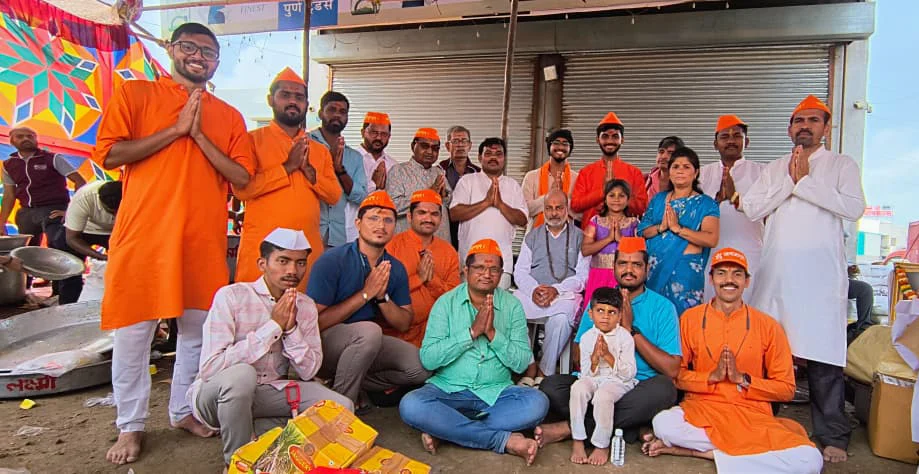
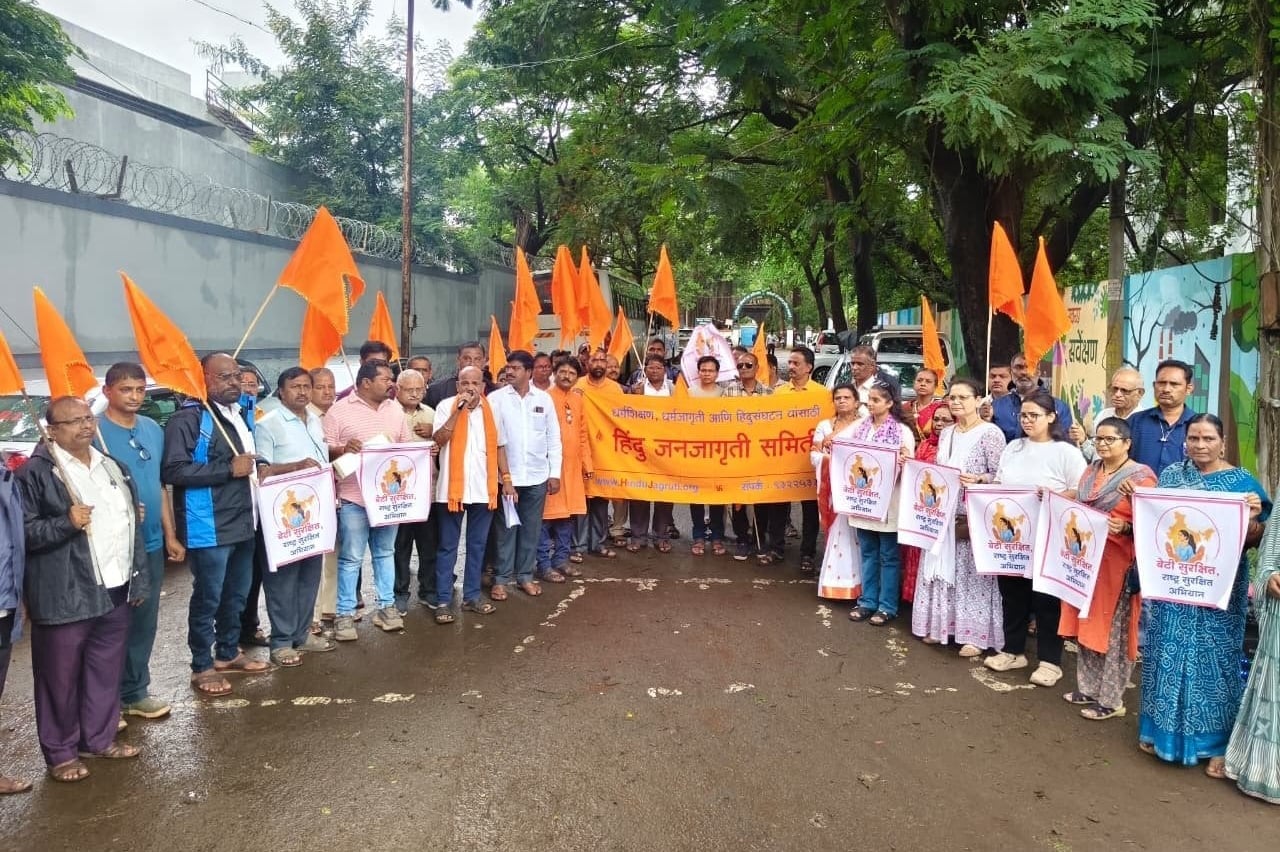
According to Hindu Jagruti Samiti, the Hindu Janajagruti Samiti and Maharashtra Mandir Mahasangh welcomed the Dnyaneshwar Mauli palkhi in Hadapsar. The reception included flower showers, devotional chanting and service activities.
The source says that more than 25 devotees participated in greeting and serving the Warkaris. It does not provide a date, identify individual participants or describe the service arrangements in further detail, so conclusions about those particulars would go beyond the reported information.
A welcome that makes pilgrimage communal
A palkhi procession carries sacred remembrance through shared spaces. Its meaning is therefore shaped not only by the pilgrims who travel with it, but also by the communities that receive them. A respectful welcome allows householders, volunteers and local institutions to participate in the devotional journey even when they are not travelling with the procession.
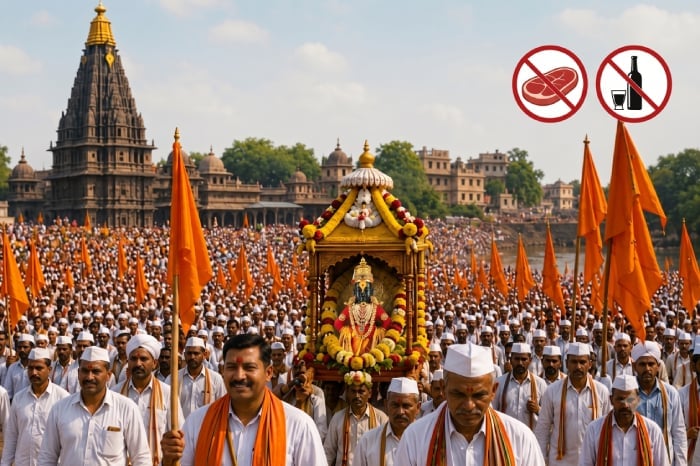
In the reported Hadapsar reception, the different elements served complementary purposes. Flowers conveyed reverence, chanting created a shared devotional voice, and service directed that reverence toward the needs of fellow devotees. Together, these gestures joined bhakti with practical responsibility.

Key takeaways
- The welcome took place in Hadapsar, Pune.
- Hindu Janajagruti Samiti and Maharashtra Mandir Mahasangh organized the reception, according to the source.
- Flower showers, devotional chanting and service activities formed part of the welcome.
- More than 25 devotees reportedly helped greet and serve the Warkaris.
Seva as a bridge across Dharmic traditions
The combination of devotion and service has significance beyond a single event. Hindu traditions often understand seva as action offered without narrow self-interest. Comparable commitments to generosity, compassion, non-harm and service can also be found across Buddhist, Jain and Sikh traditions, although their teachings and practices retain distinct forms.
Recognizing this shared moral grammar does not require erasing differences among Dharmic paths. It instead highlights a civilizational kinship: spiritual conviction is expected to influence conduct toward other beings and the wider community. Welcoming pilgrims is one local expression of that principle, because reverence for the sacred is translated into hospitality for people undertaking a sacred journey.
From a constructive cultural perspective, this is also a practical expression of Hindutva as responsibility for Hindu civilizational continuity. The tradition remains strong when communities organize, serve and transmit inherited practices through conduct rather than treating heritage as a slogan or a spectacle.
Living heritage is built through participation
The Hadapsar account is modest in scale and limited in detail, yet its central lesson is clear: sacred traditions endure through participation. Processions preserve memory, while volunteers make that memory socially tangible through welcome and care.
Future community receptions can carry this spirit forward by keeping devotion, orderly cooperation and service at their centre. When cultural confidence is paired with humility and hospitality, pilgrimage becomes a living bond among saints, devotees and the society through which the tradition continues.
Inspired by this post on Hindu Jagruti Samiti.
