-
Goddess Ganga vs Amphitrite: A Deep Comparative Study of Sacred Waters and Worldviews

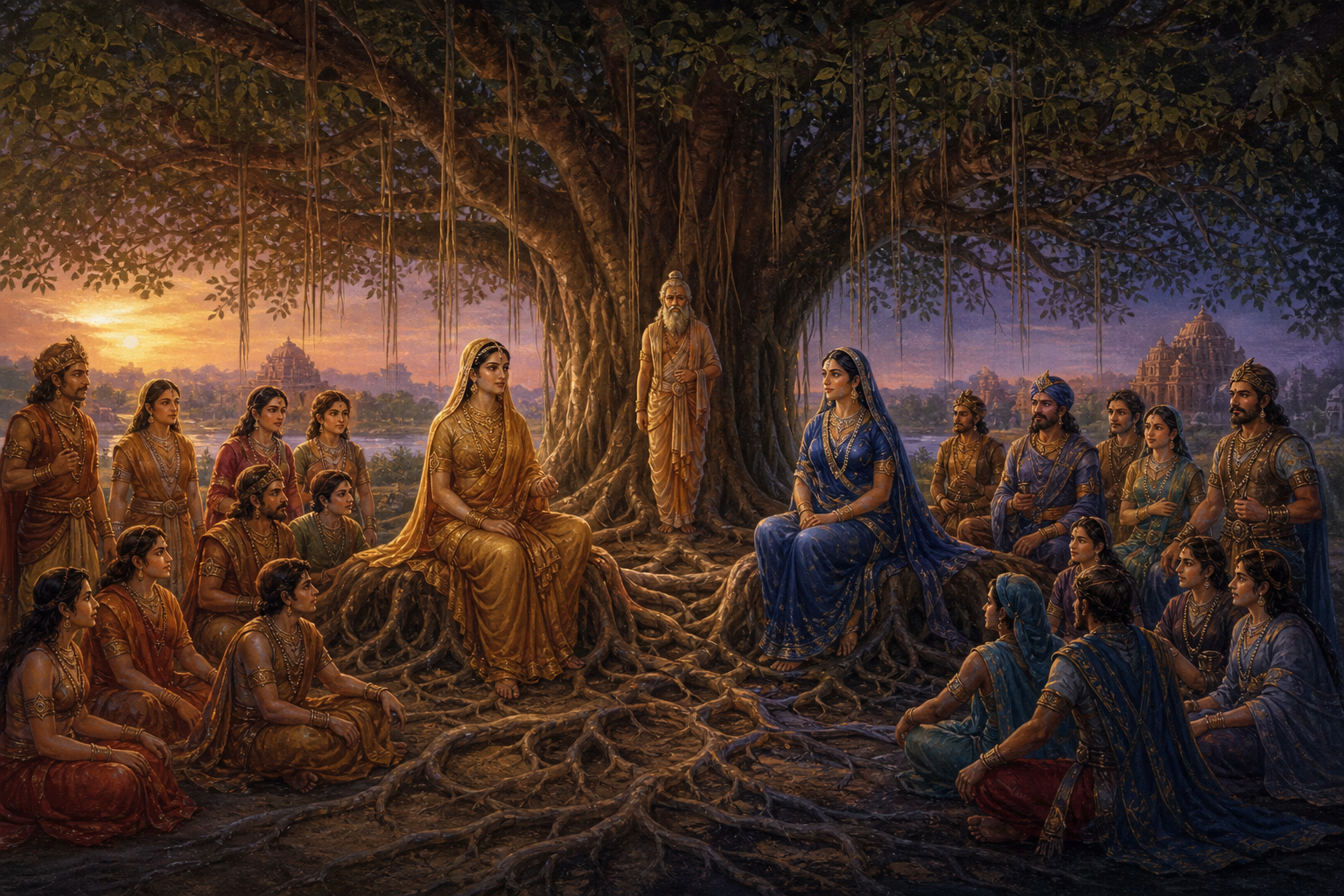
This in-depth, academically grounded comparison explores how the Hindu Goddess Ganga and the Greek Amphitrite personify sacred waters in distinct yet resonant ways. It analyzes primary textual traditions, iconography, and ritual practices to show why Ganga functions as a living tirtha and purifying path to moksha, while Amphitrite embodies regal maritime order within the Olympian…
-
Nick Jonas Embraces Hindu Values with Priyanka Chopra: Multifaith Parenting and Dharma

Nick Jonas highlights how embracing Hindu values since marrying Priyanka Chopra has shaped a thoughtful, multifaith approach to parenting. He underscores the importance of karma, dharma, and Indian traditions in their home, blending cultural integration with spiritual depth. The family’s practice reflects unity in diversity and illustrates how interfaith households can nurture respect while preserving…
-
Sringara Rasa Unveiled: The Heartbeat of Love in Hindu Poetics—Union and Separation

Sringara Rasa, one of the nine rasas, expresses the refined essence of love grounded in the sthayi bhava called rati. It unfolds through two modes—Sambhoga (union) and Vipralambha (separation)—which together illuminate the fullness of human affection. Classical vibhavas such as seasons, garlands, and garden visits prepare the mind for aesthetic experience. In dance traditions like…
-
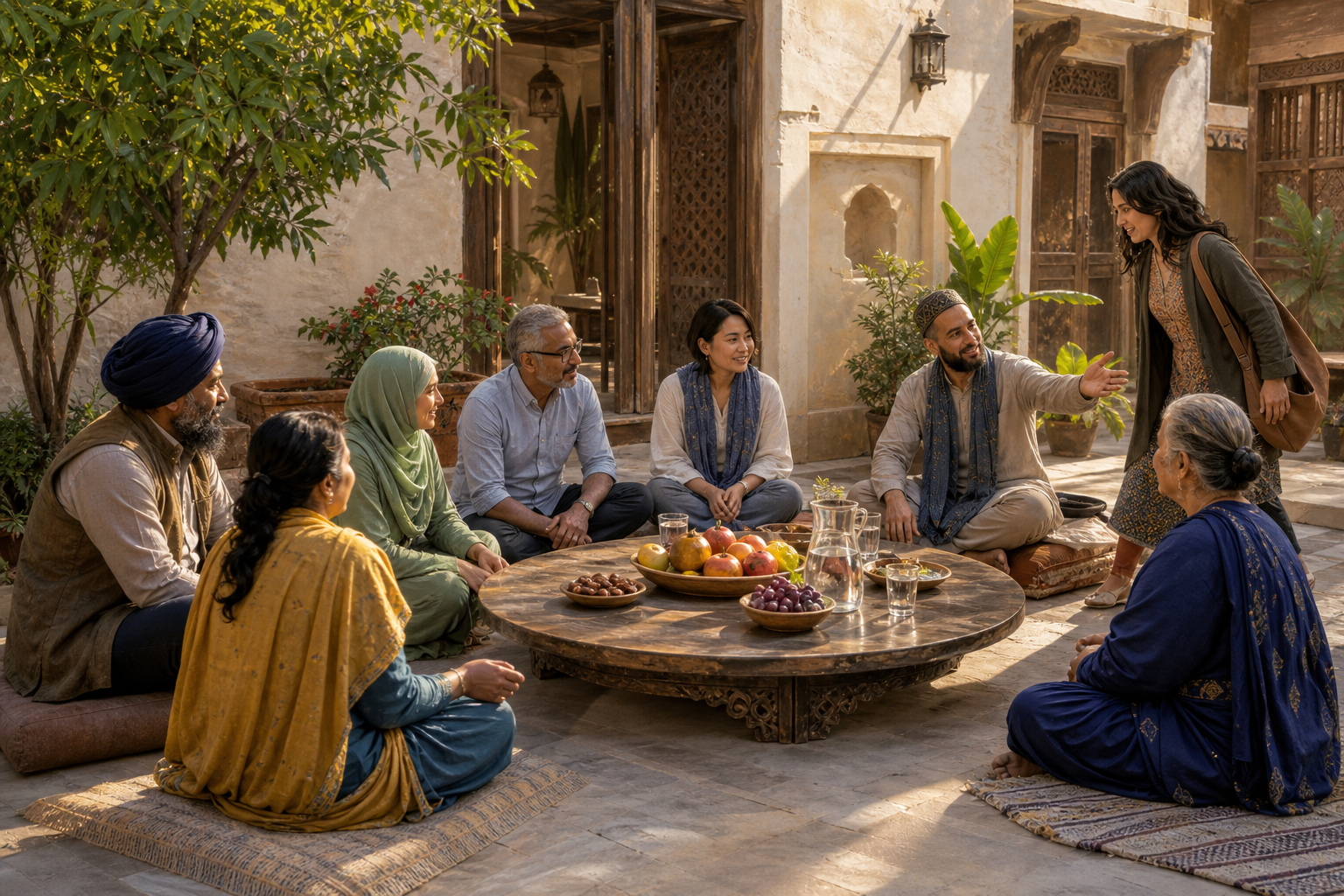
Sacred Sharing Before Eating: Remembering Dharmic Food Sanctity and Everyday Generosity

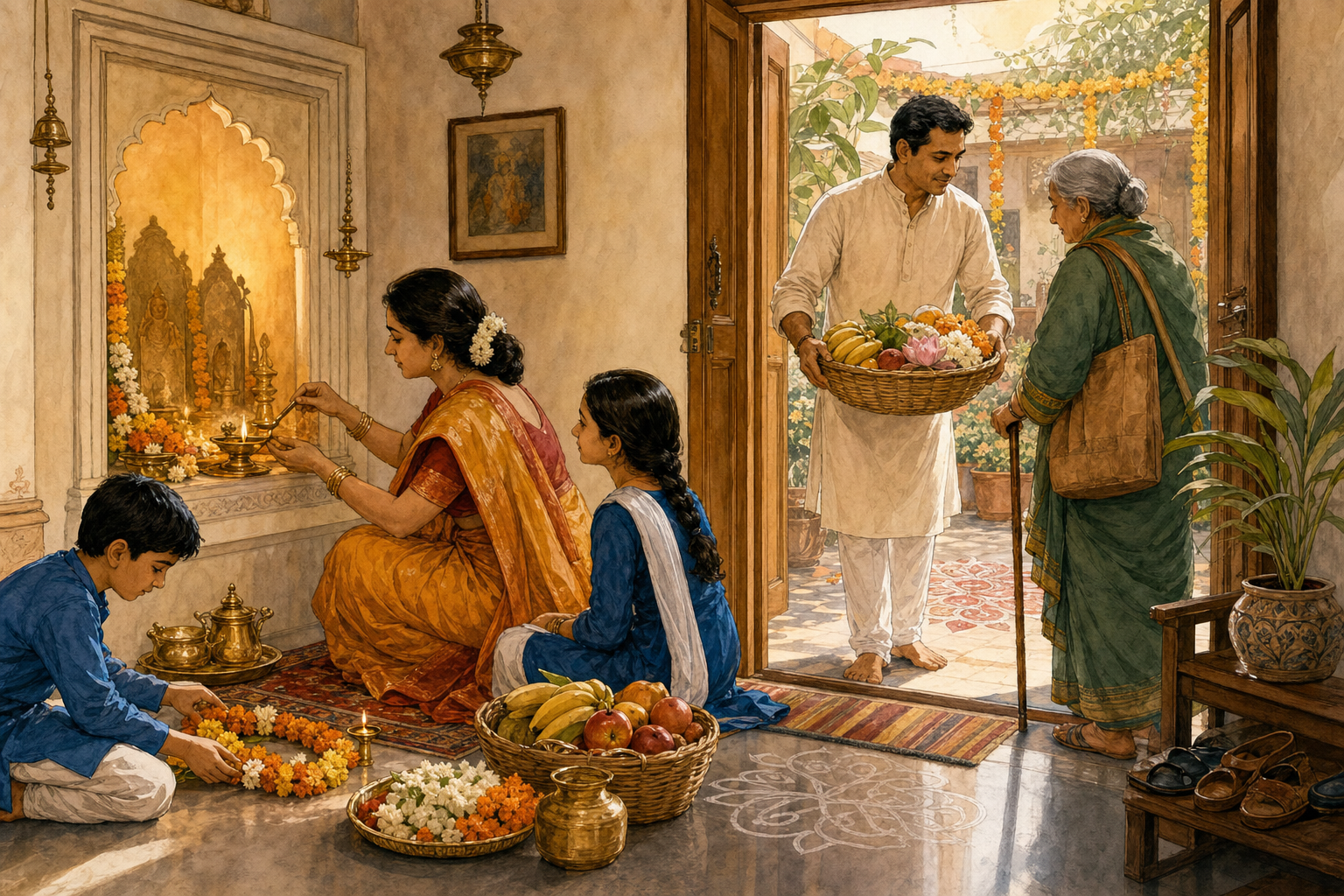
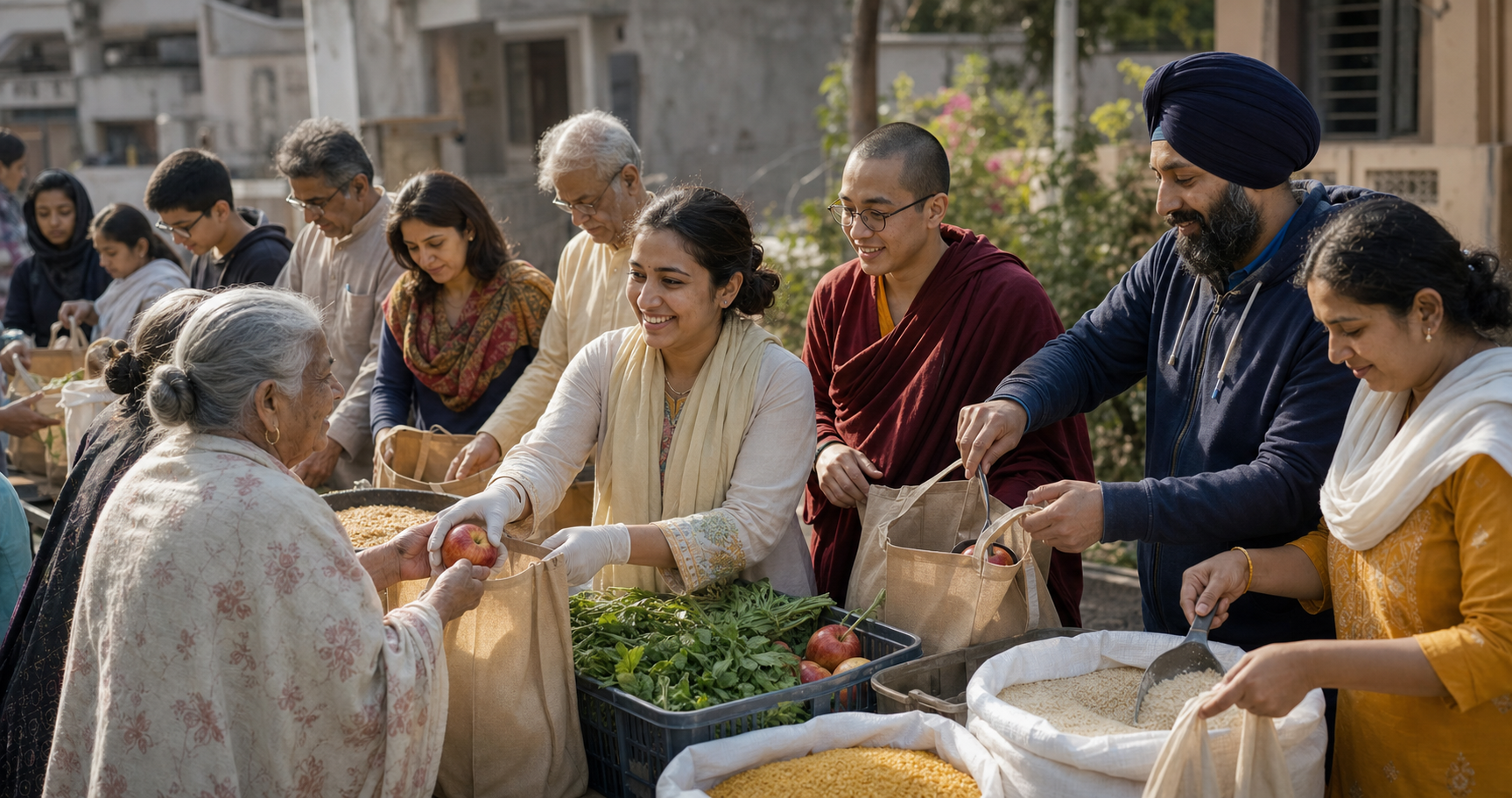
This reflective essay examines the Indian discipline of food sanctity, where households once set aside portions for a cow, ants or crows, a dog, and the Gurudvara before eating. It explores how these practices, rooted in the Hindu way of life and echoed across Sikh, Jain, and Buddhist traditions, framed eating as a moral act…
-
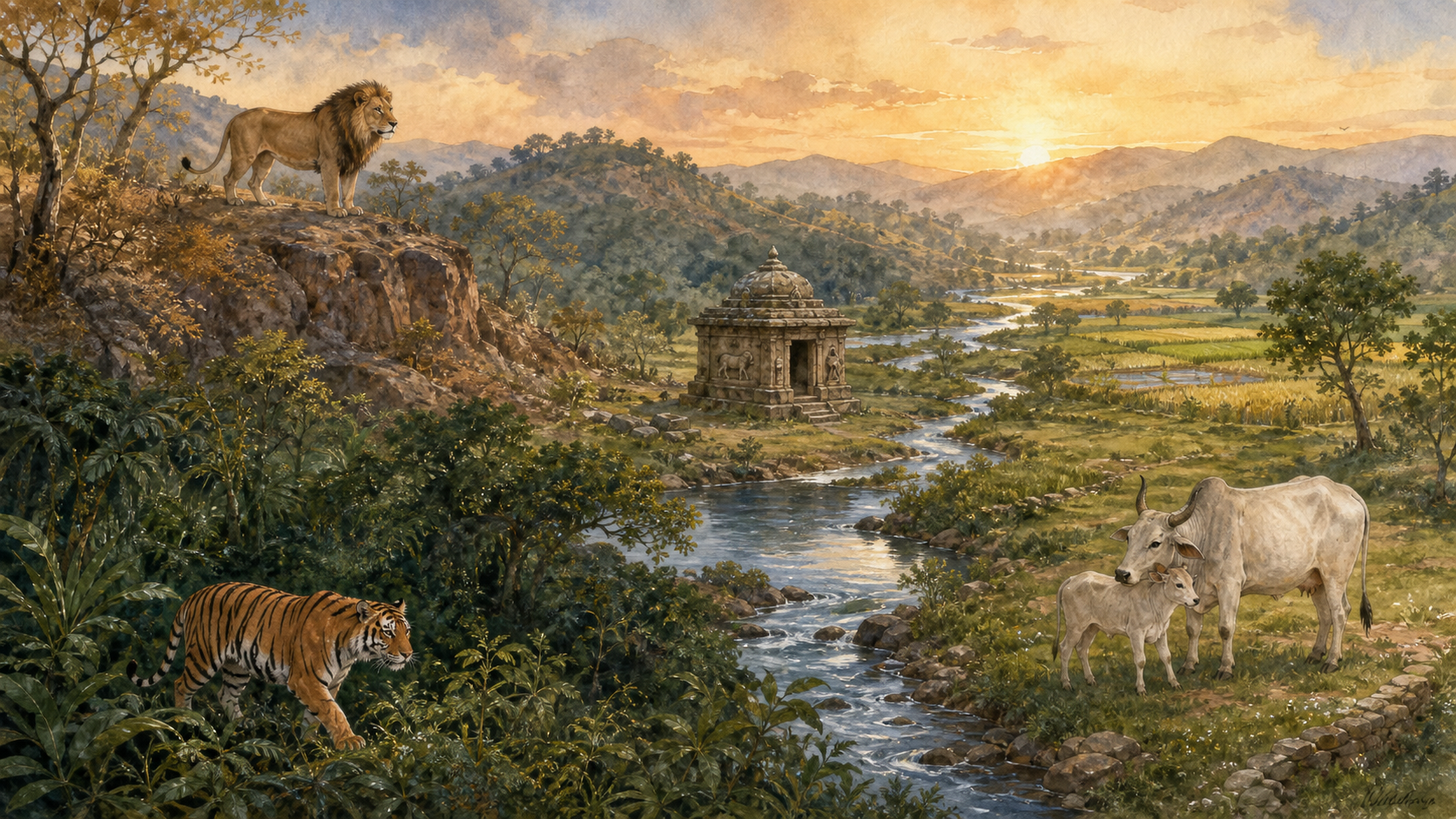
Dandakaranya and Germany’s Black Forest: Unraveling Sacred Myths, Memory, and Nature’s Power

This comparative exploration of the Dandakaranya Forest in the Ramayana and Germany’s Black Forest reveals how sacred geography, mythology, and ecology co-create cultural identity. Readers gain clear context on Dandakaranya’s role in vanvas and dharma, alongside the Schwarzwald’s deep ties to European folklore. The analysis highlights forests as narrative thresholds that test ethics and inspire…
-
Chinnamasta’s Fearless Sacrifice: Symbolism of Dakini–Varnini Drinking the Sacred Blood
Goddess Chinnamasta’s iconography—her self-decapitation and three streams of blood nourishing herself, Dakini, and Varnini—distills a Tantric teaching on ego-transcendence, prāṇa as sacred power, and compassionate reciprocity. The image integrates desire, impermanence, and fearlessness without glorifying violence. Interpreting Dakini and Varnini as ida and pingala reveals how polarities are harmonized through sushumna and kundalini awakening. The…
-
Elephant, Swan, or Horse? Decoding Vishwakarma’s Vahana and Its Sacred Symbolism

Vishwakarma’s vahana is not fixed to a single form; Hindu iconography across regions presents the divine architect with an elephant, a swan, or a horse. Each vehicle encodes a distinct facet of sacred craftsmanship: the elephant symbolizes stability and strength, the swan represents discernment and knowledge, and the horse conveys mobility and industrious energy. Puranic…
-
Surpanakha’s Ties to Khara and Dushana: Family, Power, and Tragedy in the Ramayana

This analysis situates Surpanakha’s ties to Khara and Dushana within Aranya Kanda, showing how kinship and command intersect at Janasthana. It clarifies textual and regional variations (brothers versus close kinsmen) while preserving fidelity to the Valmiki Ramayana. Readers gain a clear view of how personal humiliation escalates into the Battle of Janasthana, highlighting dharma’s role…
-
Bridging Borders: A Transnational Voice in Punjabi Literature, Scholarship, and Creative Praxis

This piece explores how Punjabi literature has emerged as a transnational force, uniting scholarship and creative praxis across Punjab and the Indian diaspora. It highlights the plural, dharmic foundations of the tradition—from Bhakti to Sufi literature—and shows how these lineages nourish interfaith harmony without erasing difference. Readers gain actionable insights into translation strategies across Gurmukhi,…
-
How Colonial Rule Solidified ‘Caste’: Decoding History, Names, and Dharmic Unity

This article re-examines the widespread belief that “caste” is an ancient, rigid pillar of Hinduism by tracing how British colonial administration centralized and hardened fluid social identities. It contrasts England’s parish-register surname standardization—an administrative tool that rarely fixed social rank—with the subcontinent’s census-driven reclassification that tethered names to hierarchy. It clarifies the distinct roles of…
-
City of London Surprise: A ‘Boy George’ Moment Sparks Hare Krishna Curiosity and Harmony

A spontaneous exclamation about a “Boy George lookalike” outside a City of London cafe on 8 February 2023 drew passersby to a Hare Krishna kirtan. The playful confusion bridged pop culture and devotional practice, turning curiosity into a moment of engagement with ISKCON’s accessible spirituality. The narrative examines how music, mantra, and welcome can function…
-
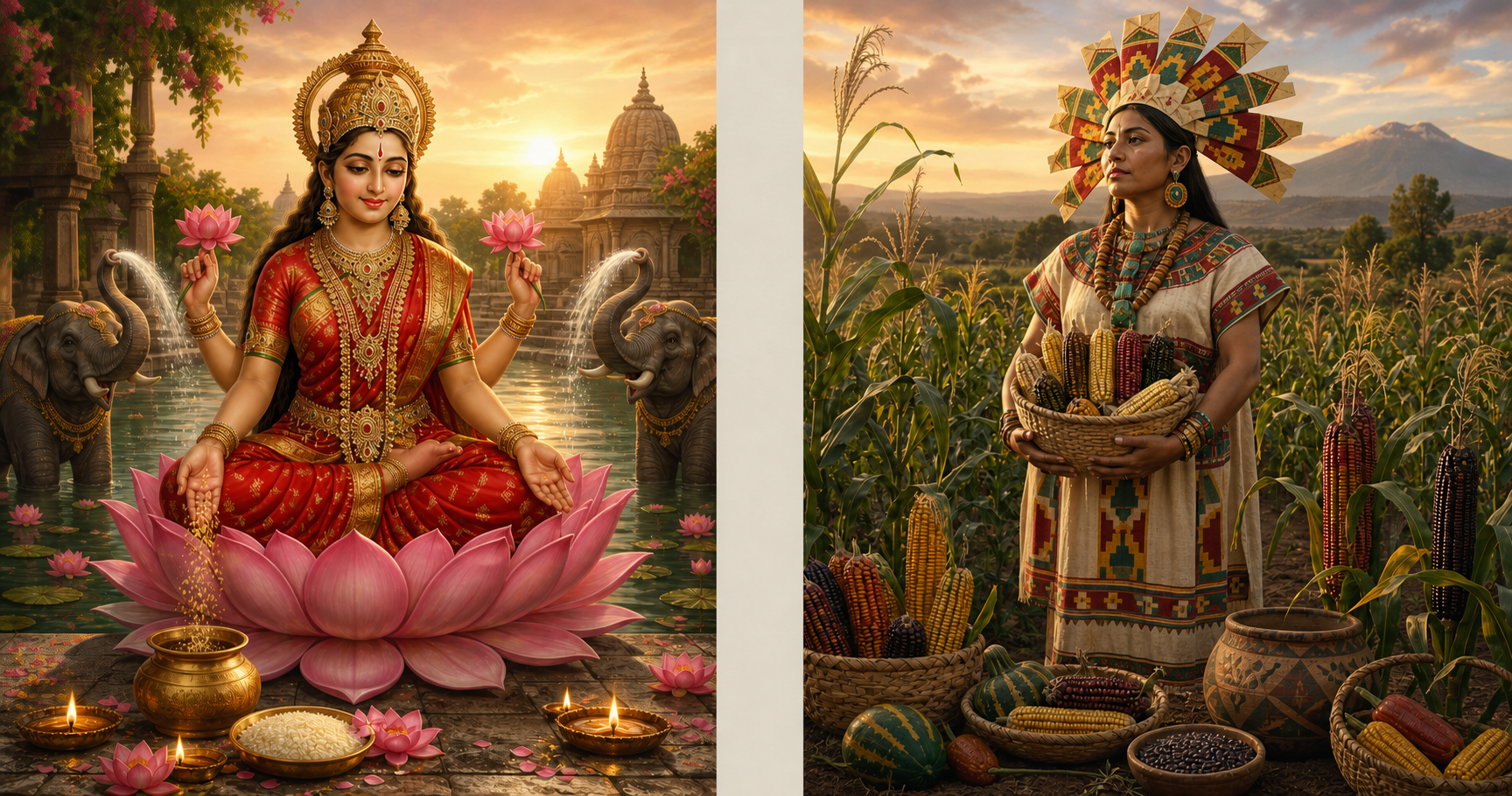
Lakshmi and Chicomecoatl: Powerful Cross-Cultural Echoes of Prosperity and Nourishment

A striking visual parallel links Hinduism’s Goddess Lakshmi with Chicomecoatl, the Aztec corn goddess, through shared symbols of flowers and grain. This comparison clarifies how agrarian civilizations independently envisioned prosperity, abundance, and ethical well-being. Readers gain an accessible, evidence-based perspective on cross-cultural symbolism without overstating historical contact. The discussion highlights values central to dharmic traditions—compassion,…
-
Reclaiming Indian Historiography: Hindu Civilizational Memory, Foreign Rule, and Dharmic Unity

This essay reassesses Indian historiography through evidence-based analysis and the lived memory of Bharatavarsha. It explains why popular Hindu remembrance did not typically view certain medieval sultanates as indigenous while carefully separating critique of historical regimes from respect for present-day communities. It situates debates like Aryan Migration -vs- Out of India within an open, scholarly…
-
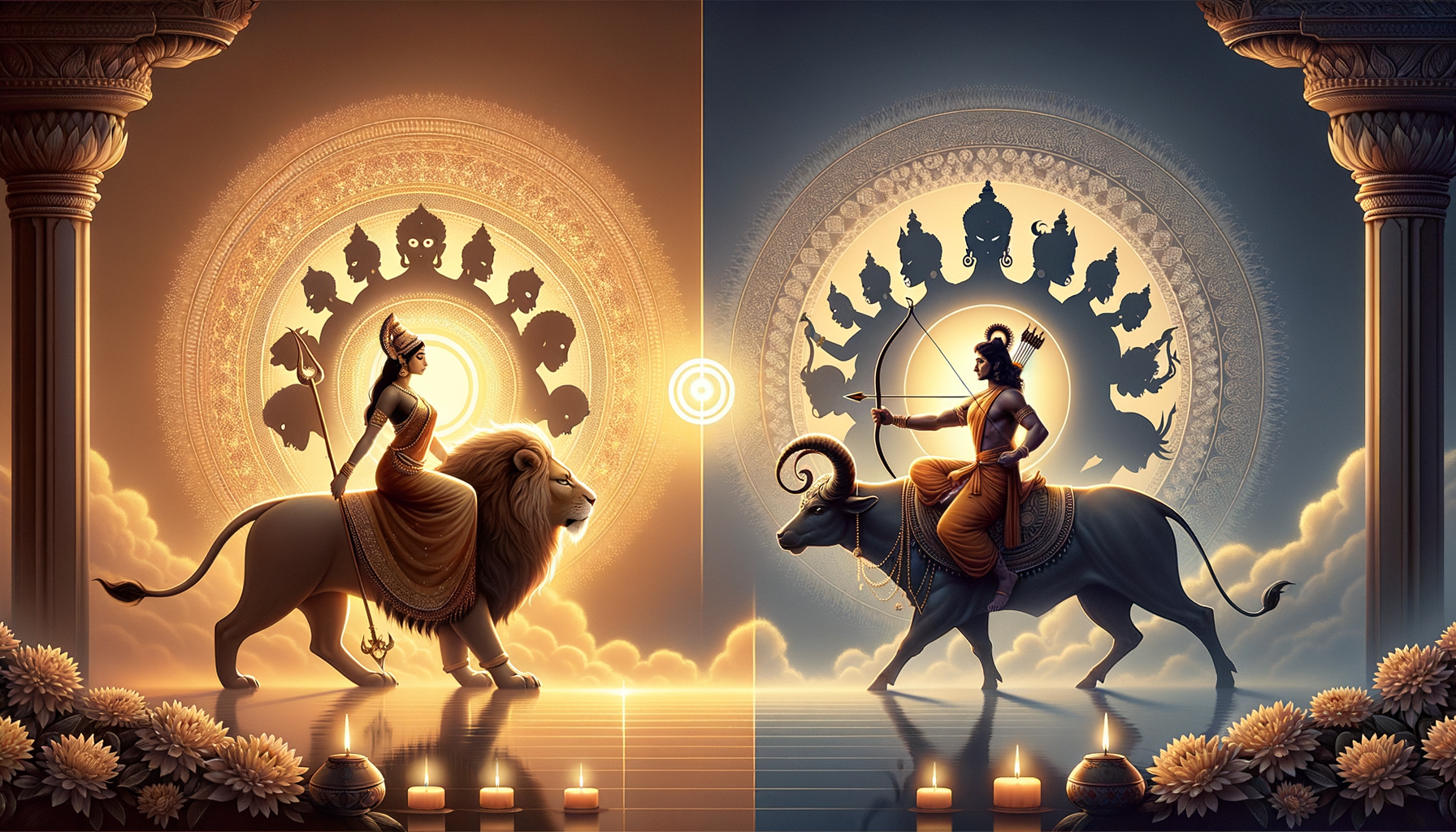
Ravana vs Mahabali: Unraveling Lineage, Dharma, and Legacy Across Dharmic Traditions

Ravana and Mahabali occupy contrasting roles in Hindu mythology that illuminate dharma, humility, and righteous leadership. Ravana, the learned yet pride-driven king of Lanka, confronts Sri Rama and falls for violating ethical boundaries. Mahabali, the generous asura king and grandson of Prahlada, surrenders to Vamana and receives enduring grace—honored each year during Onam. Comparing lineage,…
-
Rakhi Israni’s Congressional Bid: Dharmic Values to Heal American Politics and Renew Civility

American politics faces deep polarization, prompting renewed interest in Dharma as a framework for truth, responsibility, and harmony. In California, a state with a robust Dharmic heritage—from Paramahansa Yogananda’s Lake Shrine to Vedanta Square honoring Swami Vivekananda, and Sathya Sai Baba-inspired seva—Rakhi Israni’s congressional bid highlights how civic life can be guided by ethical principles.…
-
Culturally Sensitive Sharing: Inclusive Paths to Krishna Consciousness and Dharmic Harmony

This article presents a culturally sensitive framework for sharing Krishna Consciousness in harmony with the wider dharmic family. It explains why no single method suits every seeker and how understanding culture and counter-culture guides effective outreach. Readers learn how Harinam, Book Distribution, Bhagvad Gita study groups, and Home Programs can be adapted to local contexts…
-
Bhagavan Sri Rama the Bridge-Builder: Powerful Symbolism Uniting Culture, Heart, and Spirit

This article explores the symbolism of Bhagavan Sri Rama as a bridge-builder, extending beyond Ram Setu into cultural, emotional, and spiritual realms. It highlights how the Ramayana’s bridge motif fosters unity in diversity and preserves the cultural fabric of society. Readers gain insights into ethical leadership, collective effort, and practical compassion as contemporary forms of…
-
Decoding Lakshmi’s Sacred Iconography: Why the Owl Vanishes in South Indian Temples
Goddess Lakshmi’s iconography differs across regions, and South Indian temples rarely depict an owl as her vahana because Agamic traditions prioritize lotus and elephant symbolism. Drawing on the Pancharatra and Vaikhanasa frameworks, South Indian sanctums present Lakshmi as Shri on the lotus or as Gaja Lakshmi, emphasizing auspiciousness, rainfall, fertility, and ethical prosperity. In contrast,…
-
When Words Meet Light: Pen and Camera Shaping Shared Dharmic Memory and Meaning

This article explores how the synergy of writing and photography preserves cultural heritage and strengthens unity across Hindu, Buddhist, Jain, and Sikh traditions. It shows how Anekantavada, Ahimsa, Seva, and Karuna guide ethical documentation and storytelling. Readers gain practical methods for pairing field notes with metadata-rich images to support long-term archival value and SEO discoverability.…